
Tag: illegally

  • Hispanic Scholarship Fund Illegally Discriminates

    Hispanic Scholarship Fund Illegally Discriminates

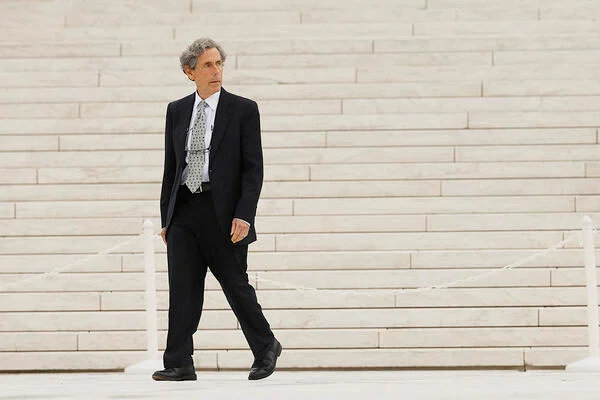
    Chip Somodevilla/Getty Images

    A new lawsuit argues the Hispanic Scholarship Fund—a nonprofit that says it has provided more than $756 million in scholarships over its 50-year history—is illegally restricting its funding to Hispanics and Latinos. The litigation seeks to bar HSF “from knowing or considering ethnicity in any way” in its Scholars Program.

    HSF, which didn’t return requests for comment Thursday, says on its website that it provides $500 to $5,000 scholarships, among other benefits, to 10,000 students annually.

    The American Alliance for Equal Rights filed the suit Wednesday against HSF in the U.S. District Court for the District of Columbia, saying it has non-Hispanic members “who are ready and able to apply for HSF’s program but cannot because of their ethnicity.” Two such unnamed members are Asian American and white, the group said.

    “The program bans Blacks, Asians, and Native Americans that aren’t Hispanic,” the American Alliance notes. “But it welcomes whites that are.”

    To make its case that the ethnic restriction is illegal, the American Alliance is using a law passed during the Reconstruction era that bans racial discrimination in contracts. And it’s alleging that HSF is entering into contracts with scholarship applicants.

    “The HSF Scholars Program is a contract that offers applicants a chance at a lucrative scholarship if they agree to HSF’s terms, assent to its privacy policy, draft several essays, and sign a binding pledge,” the suit says. It goes on to allege that HSF’s terms of use, which applicants must agree to, specifically say, “This is a contract between you and HSF.”

    Opening up such “contracts” only to Hispanics and Latinos violates the Civil Rights Act of 1866, which prohibits racial discrimination in contracts, the suit argues.

    It’s another example of how the campaign against affirmative action and programs that specifically benefit minorities didn’t end with the 2023 Students for Fair Admissions Supreme Court ruling, which rendered affirmative action in college admissions illegal. The American Alliance was founded by the same man, Edward Blum, who created Students for Fair Admissions, the nonprofit that’s the namesake of the 2023 ruling.

    It’s also another example of a suit that uses an Asian plaintiff and a Reconstruction-era law to attempt to open up a minority-specific scholarship to all races and ethnicities. Earlier this year, the Pacific Legal Foundation cited the Ku Klux Klan Act of 1871, which Congress passed to protect African Americans, to attack a financial aid program that helped only Black students at the University of California, San Diego.

    That conservative nonprofit law firm sued on behalf of the Californians for Equal Rights Foundation, which said it had multiple “Asian-American high school members who plan to apply to UCSD” and who could’ve been excluded. Before that case reached a hearing, the nonprofit philanthropy that administered the Black Alumni Scholarship Fund announced the fund was being renamed.

    Blum told Inside Higher Ed on Thursday that the American Alliance filed its first suit after his other group’s 2023 victory. He estimated it’s filed about 20 more since then.

    “There are tens of thousands of students who are affected by race-exclusive scholarship funds, fellowships, internships, things along those lines,” Blum said. “And so it is the mission of the American Alliance for Equal Rights to challenge these racially exclusive programs and policies.”

    In the current case, Blum said, “The race exclusivity of this scholarship fund was brought to our attention by a young Asian American student” of “modest financial background.”

    “This nation cannot remedy past discrimination with new discrimination, and I think the vast percentage of Americans agree with that,” Blum said.
    Source link

  • Trump administration illegally axed NIH grants, government watchdog says

    Trump administration illegally axed NIH grants, government watchdog says

    This audio is auto-generated. Please let us know if you have feedback.

    Dive Brief:

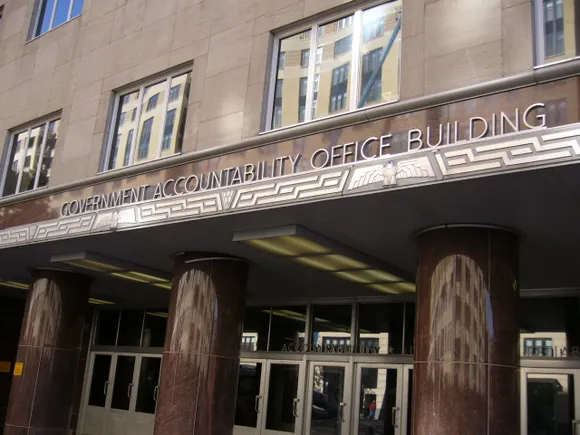
    • The Trump administration acted illegally when it delayed and canceled billions of dollars of biomedical research grants, despite Congress appropriating funds to the National Institutes of Health, the Government Accountability Office said on Tuesday. 
    • Between February and June, the watchdog agency estimates the NIH awarded about $8 billion less in funds for research grants and awards compared to the prior year and cut more than 1,800 active grants as it attempted to follow President Donald Trump’s directive to weed out “equity-related” projects.
    • The GAO’s report concludes the administration violated the Impoundment Control Act, which requires the president to provide notice before delaying or blocking congressionally directed spending. GAO can file a lawsuit in an attempt to restore the grants. However, the watchdog agency has not yet opted to do so in its dealings with Trump.

    Dive Insight:

    NIH grants came under scrutiny this winter following a series of executive orders directing federal agencies to terminate “equity-related” grants or contracts, federal funding of projects supporting “gender ideology” and DEI programs. 

    The NIH began carrying out these directives in February. In addition to the grant cuts, the agency also dragged its feet on approving new projects, GAO found. From late January to early March, the NIH paused grant reviews entirely, delaying funds from being allocated to hospitals and universities.

    When contacted for comment, a spokesperson for the HHS referred Healthcare Dive to the agency’s testimony to GAO. The testimony states that NIH has since “moved rapidly to reschedule and hold meetings impacted by the short pause, and to process grant applications.”

    The HHS said between March 24 and June 30, NIH scheduled or held 837 peer review meetings — 186 more than for the same period the year prior.

    Still, GAO said that the department hadn’t adequately explained its decision to pause the review process in the first place, despite its resumption of grant review.

    “If the executive branch wishes to make changes to the appropriation provided to NIH, it must propose funds for rescission or otherwise propose legislation to make changes to the law for consideration by Congress,” the watchdog group wrote in its report. The HHS had done neither, the GAO said, adding: “In short, HHS has offered no evidence that it did not withhold amounts from obligation or expenditure, and it has not shown that the delay was a permissible programmatic one.”

    The report also suggests the Trump administration may be continuing efforts to block NIH funds from flowing to medical research.

    The office said the Office of Management and Budget asked NIH to “pause the issuing of grants, research contracts and training” in late July. There are reports that decision was later reversed, but GAO said it could not confirm whether the pause was lifted.

    Following the release of the report, Democratic lawmakers called for the Trump administration to resume funding NIH grants as Congress specified, warning that medical research progress is at stake.

    “Cutting off investments Congress has made into research that saves millions of lives is as backward and as inexcusable as it gets,” said Sen. Patty Murray, D-Wash., in a statement. “It is critical President Trump reverse course, stop decimating the NIH, and get every last bit of this funding out.”

    This report is not the first time Trump’s funding cuts have been challenged.

    Researchers, unions and a coalition of 16 states sued over the NIH cuts, with academics saying they needed the funds to perform critical medical research, including learning about alcohol’s impact on Alzheimer’s risk and suicide prevention among LGBTQ+ youth experiencing homelessness. In June, a U.S. district judge ordered the NIH to reinstate the plaintiffs’ canceled funds. However, litigation remains ongoing after the Trump administration appealed that ruling.

    GAO has the potential to bring its own suit against the NIH, but it will likely be a last resort, according to reporting by the New York Times. The watchdog group has previously found the administration violated the ICA on a range of topics and opted not to sue.

    Source link