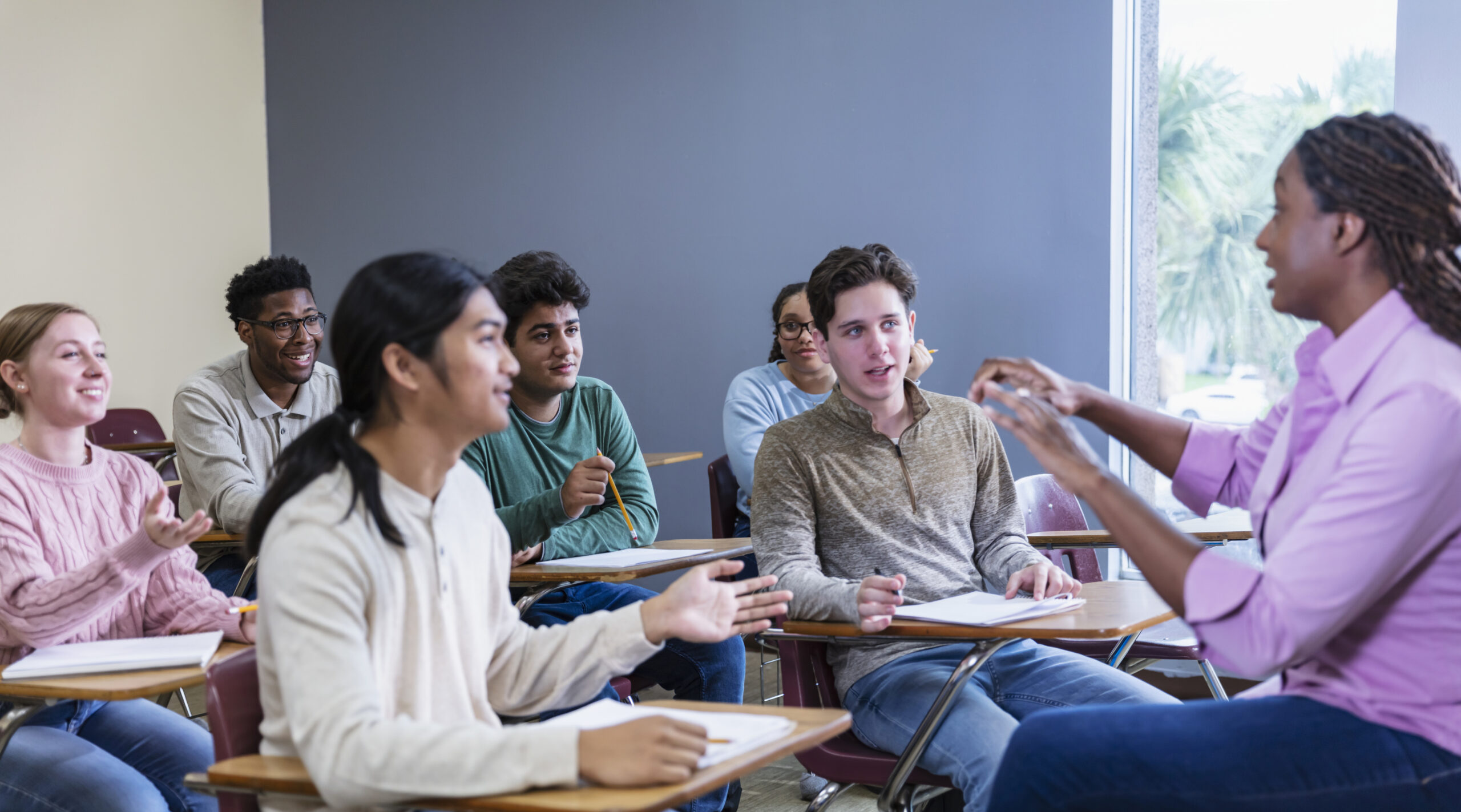
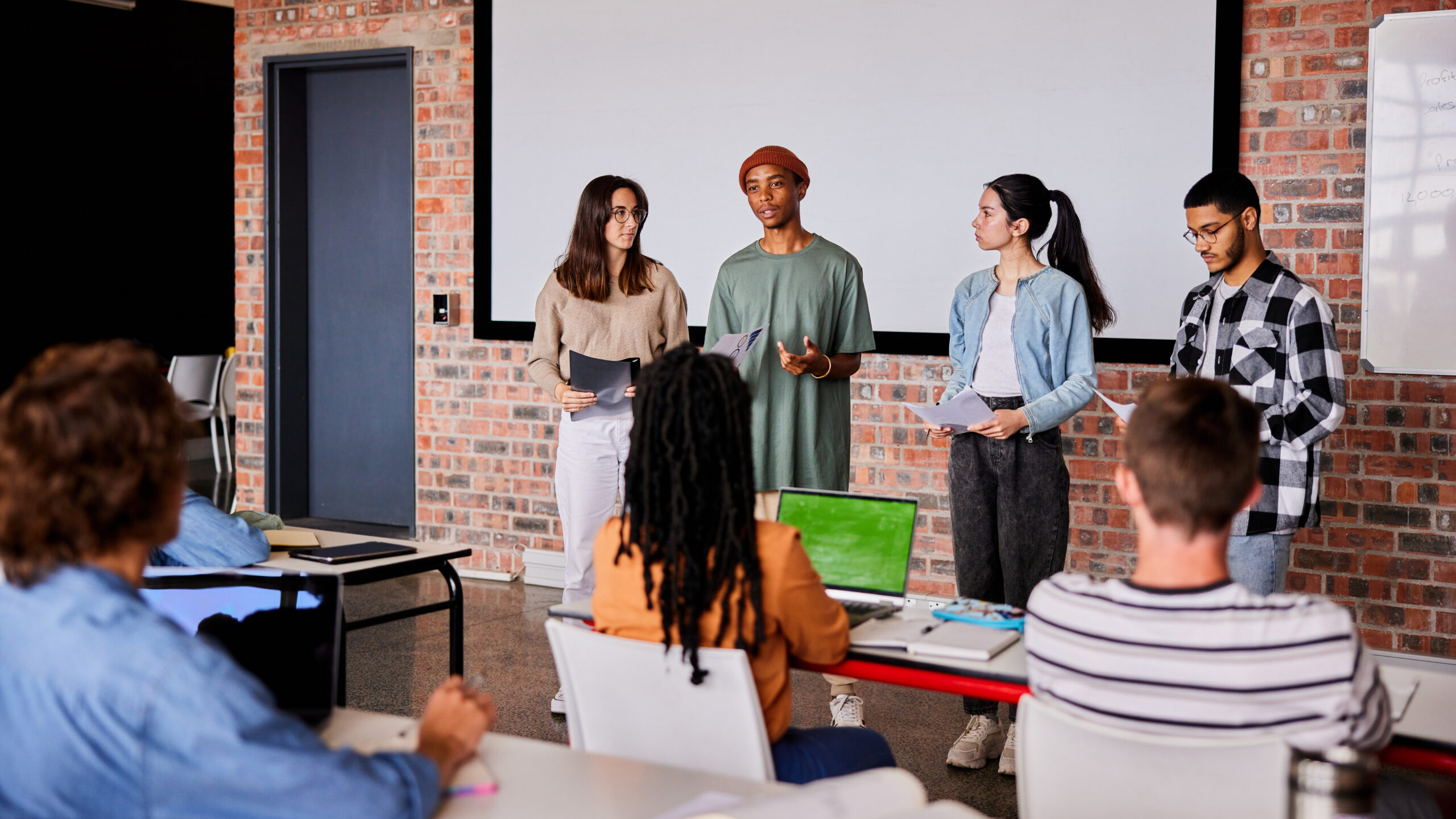
It is that time of year again. I am staring longingly out the window while I sit indoors, on my computer, tweaking syllabi in anticipation of teaching again in the coming semester. This ritual feels different this year because I am coming back from a sabbatical, part of which I spent as a student (again). At this time last year, I was preparing to learn basic statistics for my research as a student, because my chemistry undergraduate degree was curiously bereft of training in statistics. So, I (again) registered for a first-year class as a student. My Day 1 experience as a student (again) was enlightening. My brief foray into the freshman experience, while not quite a full experience including living in a dorm room and eating in the cafeteria (Nathan 2006), gave me a chance to critically reflect on what students experience in my own classes. I would like to share a few of my experiences, what I learned from them, and what I aim to change in my own Day 1 routine in the coming year, with the hope that it helps some of you too.
Facing Day 1 Anxiety
One of the most profound shocks of being a student (again) on Day 1 was the sense of anxiety I experienced before the class started. I knew I was very rusty on the prerequisite material; it has been almost 25 years since I took high school math! I was not feeling at all confident that I still “had it” in terms of my ability to succeed as a student. Looking back now, I realized that my own students must also feel the same way. How many of them have not retained all the prerequisite knowledge they learned a while ago? While probably not a quarter of a century ago, I am certain they do feel like their high school education was a long time ago by the time they are in my class. Similarly, how many of them were always near the top of their classes, and now suddenly realize that might no longer be true?
My Takeaway: Give Students Early Support and Reassurance
My experience reminded me that there is no such thing as too much review of prerequisite material, either in the first few classes at the start of my course or as informal reminders when I am introducing a brand-new concept. My students probably feel it has been a long time since they had to activate that prior knowledge that I am trying to build upon, and I guess some don’t feel anywhere near as confident in their ability to succeed as they did even a year ago. Little reminders and lots of reassurance will go a long way this coming fall when I am back in the class as an instructor.
The Novice Moment
But my anxiety did not only manifest before the class started. On my first day back as a student, I fully panicked when a ‘fellow student’ asked a question of our instructor (“Professor, is that variable nominal, or ordinal?”). I panicked because I realized I had absolutely no idea what the question even meant, and I realized how hard it was being a novice again (Mulnix 2023)! I also missed the answer to the question because I was so busy trying not to get visibly upset in the middle of a crowded lecture hall. I am not somebody prone to panic attacks or severe anxiety, but the sudden realization of how unmoored I felt taught me a valuable lesson.
My Takeaway: Build Student Confidence Day 1
This coming semester, I will be more attentive to how simple questions or off-the-cuff remarks could easily hit my students in unexpected ways. For students already feeling unprepared or uncertain in my class, innocent queries or comments might subtly reinforce underlying feelings that my class will be beyond their capabilities. Phrases such as “this should be easy” or “something you should all know already” shall be completely stricken from my vocabulary. Especially as we seek to educate a generation suffering from higher rates of diagnoses for anxiety and panic, I need to find ways to make sure my students remember that they probably know more than they think. Prerequisite classes, while perhaps feeling long past for them, have provided them with everything they need to succeed in my class. Part of my job is to encourage them to engage in the hard work and remind them that they do fit in my class. Whether this involves an easy content-related quiz on the first day of classes or some similar confidence-building exercise, I now realize how important confidence-building is for the first day of class.
Feeling Out of Place
The last key experience from Day 1 of my second time being a first-year student was linked to my discomfort when I entered the lecture hall. I suspect most of us still remember the shock of walking into our first big lecture hall and being stunned by the sheer size of the hall, and number of other bewildered students. But what I felt was discomfort disconnected from the size of the lecture hall. Rather, I walked into the lecture hall and instantly felt like I did not belong. The grey in my beard was a clear signal to other students that I was different, and they subtly found ways to avoid sitting near me or meeting my eye. I believe these behaviors were unconscious reactions on the part of others, but it felt very real. As a White male living in Western Canada, I have not often felt the sensation of walking into a room and realizing I don’t automatically fit in with other people.
My Takeaway: Ensure Every Student Feels Welcome and Included
I realized some of my students must also feel when they walk into my classroom and are visibly different from their peers or their instructor. That sense of alienation is subtle, but it is very real when you are the one who stands out. In my classes, I have always talked about, and tried to put into action, the message that everybody is welcome. But this semester, I will be trying much harder to convey that message, both implicitly and explicitly. My students who are part of traditionally underrepresented groups based on race, gender, sexual orientation, disability status, age, or some other feature, they need to feel welcome in my class. My syllabus language will be tweaked to be more directly inclusive. My friendly greetings on Day 1 shall be clearly directed to all my students to avoid whatever unconscious biases I may harbor. I will endeavor to arrange the physical classroom to make it easier for everybody to sit next to somebody else, and I will make sure my first day of class icebreaker gives people a chance to talk to each other (Weimer 2017). Even if it is just to exchange pleasantries, getting my students talking to each other is the best thing I can do to help them realize they are all feeling similar anxieties, in addition to excitement at how that first class will go.
As the semester continued and I settled in to learn about things such as the differences between a z-test and a t-test, my experience on Day 1 of being a first-year student (the second time around) stood out as particularly important. What I experienced as a student in statistics gave me a great deal to think about how my students might be feeling when they enter my 1st-year general chemistry classroom this fall. So instead of staring out the window, I had best get back to preparing that course syllabus to incorporate all those non-statistics things I learned this past year.
Brian Rempel, PhD, joined the University of Alberta’s Augustana campus where he primarily teaches general and organic chemistry as an Associate Professor. Brian developed a love for teaching chemistry during his PhD work on enzymology at the University of British Columbia and brought that passion to his teaching-focused role at Augustana in 2009. Brian’s research studies the impact and student perceptions of unique means for evaluating student knowledge, with a particular focus on finding equitable ways of evaluating student knowledge to reduce student anxiety.
Interpersonal communication theories not only help students navigate personal and professional relationships but also strengthen teacher-student connections. Drawing on Orón (2018) and Orón Semper & Blasco (2018), we encourage instructors to use this one-day activity to shift from a “student-centered” to an “interpersonal relationship-centered” pedagogy. This approach views instructor-student relationships as essential to learning and as a space for students to apply theory with relational intent. The activity promotes self-reflexivity, theory analysis, and collaborative dialogue, resulting in improved theory comprehension, stronger rapport, and communication practices that respect classroom diversity.
Student and instructor diversity in higher education has grown significantly in recent years (Li & Koedel, 2017), with over a million international students enrolled in U.S. universities (Urban, 2016). This diversity—across culture, gender, race, ability, and socioeconomic status—shapes classroom dynamics and presents unique challenges related to language, identity, and cultural differences (Jones et al., 2021). Instructors must respond by creating inclusive learning environments that support all students (Downing & Billotte Verhoff, 2023). Diversity also presents an opportunity to apply communication theories to foster intercultural empathy and improve collaboration. Students may initially struggle to understand and respect differing perspectives, affecting group work and engagement (Gray et al., 2020), but these challenges can become learning opportunities that deepen classroom inclusivity.
Communication scholars often apply interpersonal communication theories in the classroom to strengthen student–teacher relationships (Xie & Derakhshan, 2021). This single class activity integrates uncertainty management, self-disclosure, and communication accommodation theory (CAT) for undergraduate students to (a) to understand and (b) apply these theories to facilitate an inclusive and self-reflexive classroom. Teachers are the leading actors during everyday interaction and play a significant role in shaping communication and enhancing the teaching and learning process (Almas Rizkika Nabila, 2020). This activity encourages students to actively co-create a meaningful learning experience, highlighting the reciprocal nature of classroom interaction (Anyichie & Butler, 2023; Kong, 2021).
Self-disclosure: Communication Privacy Management
Self-disclosure is “any conversation about the self that a person communicates to others” (Ampong et al., 2018). Communication Privacy Management (CPM) theory helps students understand how they set and manage privacy boundaries with peers and instructors (Petronio et al., 2021). The intersection of privacy boundaries and the learning space is complicated as students and instructors navigate privacy. Instructors deliver the lecture and explain the course content, but they also intentionally and willingly share their personal stories (Liu & Zhu, 2021). For instance, the first author, an international graduate assistant, connects class discussions to experiences from his home country, helping students relate and engage. Such instructor self-disclosure encourages student participation and fosters more meaningful classroom communication (Goldstein, 1994) (Liu & Zhu, 2021).
However, instructors and students rarely critically examine the disclosure norms in the classroom and their role in learning and relationship building. For example, disclosure boundaries (i.e., how far instructors can go to share their experiences) (Cayanus, 2004). Additionally, while students may attend to how much information they share in the classroom, this activity challenges them to apply CPM theory to examine their disclosure practices, expectations, and privacy boundary negotiations.
Communication Accommodation Theory
Communication Accommodation Theory (CAT) explains how individuals adjust their communication such as speech, tone, pace, gestures, or body language—to interact effectively with others. Instructors can use CAT to enhance student understanding during lectures (Howard Giles, 2023).The theory outlines two key strategies: convergence, where a speaker adapts to another’s communication style (e.g., simplifying vocabulary, repeating phrases, pausing, smiling, nodding), and divergence, where a speaker maintains differences by avoiding shared cues (e.g., using complex words, changing topics, or not adjusting speaking pace) (Marko Dragojevic, 2016) (Pardo et al., 2022).
Drawing on this research, the goal of this activity is 1) to understand the theories and analyze how they facilitate the teaching process, 2) to explore the perceptions of students about these theories and their inclusion in the classroom, 3) to determine the expectations of students related to characteristics of these theories.
The Activity
This single-class activity applies to various undergraduate courses, such as public speaking, communication among cultures, communication in interpersonal relationships, argument analysis and advocacy, and persuasion. Instructors can do this activity during introduction week as they begin navigating disclosures about themselves and student expectations. Moreover, planning this activity at the beginning will challenge students to examine their positionalities, norms, and expectations critically.
Step 1: Personal Reflection
Before implementing the activity, instructors should familiarize themselves with relevant communication theories and reflect on how their own identities shape their teaching assumptions (Nabila, 2020, Downing & Billotte Verhoff, 2023). We recommend engaging in self-reflexive questions, such as: What disclosure boundaries do I set and why? What uncertainties do I face around privacy or accommodation in teaching? What expectations exist between me and my students regarding communication and flexibility? Instructors should identify what personal information they’re willing to share, why they’re sharing it, and how it might impact classroom relationships. For example, the first author reflected on cultural and linguistic differences and adjusted his teaching by using simpler language, acknowledging English is not his first language, and setting shared guidelines to support mutual understanding and accommodation. This reflective process helps align instructional practices with inclusive, theory-informed pedagogy.
Step 2: Students’ Perceptions About Components of Theories
This activity takes approximately 30 to 40 minutes and is best suited for a full class session. Instructors should introduce the key theories with examples and explain the activity’s purpose and timing. For advanced courses, assigning theory readings beforehand can deepen analysis, making it more effective to conduct the activity later in the semester rather than at the start. During the session, students should be divided into groups of four and asked to write their expectations for the course and the instructor. To guide discussion, instructors can pose prompts such as:
What expectations do you have for your instructor when it comes to using different communication accommodation strategies?
How do you manage your own self-disclosure in the classroom? Where do you draw the line on what you choose to share?
What are your thoughts on instructors’ self-disclosure? What types of disclosures have a positive or negative impact on your learning experience?
How comfortable are you with classroom communication? What strategies could reduce uncertainty or discomfort?
How do you plan to engage with and accommodate diversity in terms of culture, race, gender identity, and sexual orientation in your classroom interactions?
Can you connect your responses to the core ideas of the communication theories we’ve discussed? How do these theories help explain disclosure and accommodation in the classroom context?
These questions will provide space for students to reflect on their experiences. Moreover, during that time, the instructor will also answer these questions from the instructor’s perspective and enlist the convergence techniques they perceive to accommodate. Instructors can give 15 to 20 minutes to answer the provided questions briefly.
Step 3: Describing the Theories and Their Impact
Instructors will invite each group to share their responses, followed by the instructor’s own disclosure of planned strategies—such as accommodation, anticipated uncertainties, and boundaries around self-disclosure. A comparison table with two columns (students vs. instructor) can be used to visually display both perspectives. Instructors then lead a discussion with prompts like: Why do these expectations exist? What differences or overlaps emerge? How do these perspectives interact? This activity encourages students to (a) practice perspective-taking shaped by diverse identities, (b) apply key concepts like co-creating privacy boundaries (CPM), and (c) see how theory fosters a supportive learning environment. Since student familiarity with these theories may vary, instructors should first assess their basic understanding.
Debriefing
At the end of the activity on the same day. Instructors can initiate the debriefing by including the Q&A sessions such as:
How did this activity impact, how you view self-disclosure and accommodation?
What do you understand about embedding these theories in the classroom?
How can this activity help to build a good student-teacher relationship and create an inclusive environment in the classroom?
Appraisal
In the second week, I (the first author) compiled all responses into a table and presented it to the class. I briefly discussed both student and instructor perspectives, then posted reflection prompts on Blackboard for feedback. Students responded positively, noting that the activity was enjoyable and helped them get to know one another. Many emphasized the importance of communication accommodation, agreeing that in a diverse classroom, convergence strategies are essential for fostering inclusion and mutual respect. One student highlighted that accommodation is key to ensuring understanding and promoting respectful interaction (see Table 1).
Table 1: Responses of Students and Instructor
Communication Accommodation
Self-disclosure
Uncertainty
Students
-Speaking slower during a speech even when anxious** -Staying away from slang words to avoid language barriers -Clear annunciation -Respectful of each other’s speaking language** -Appropriate tone/voice -In class participation -Speaking clearly and loudly**** -Visual cue images if doing a speech. -Articulation -Be patient -Stay engaged -Ask him to repeat
-Disclose how comfortable you are speaking in front of a group, so the professor understands your anxiety or emotion towards speech presentation ** -Disclosing where you are from, what languages you, speak, and how much you understand a topic will be very important to critiquing your peers on their speeches -Safe space -No personal information**** -No social media -Should disclose important and relevant events that could affect quality -Establish boundaries
-Topics that peers choose to speak about throughout the semester may be understood less or more by others -How to write a speech -How we will be graded -How heavy the workload will be -Fear of asking questions -Ask for help when needed -Talking in front of people preparation -Speech topics (Range of issues) -Comfort -What is expected of us from the professor -Memorizing speeches -Deadlines -Clear instructions for assignments -Reminders of important dates -Remember to submit assignments -Nervous
Instructor
-Speak slowly -Use clear words -Allow students to ask questions -Repeat my words without asking -Take a break during lecture and ask students if they have any concern or not -Making good eye contact -Listen everyone carefully -Give everyone chance to speak
-If you are comfortable to share your personal information you can, we can make a rule that whatever you share in this class will stay in this class
-How do you feel when I show attendance sheet on BB -How do you feel about forgetting your name -What do you think when it takes time to respond to your email -How you think when you meet me outside of class at court street on weekends
One limitation of this activity is the time required to develop and implement it during the first week of the semester, making early planning essential. Second, the activity is best suited for small classes; in larger classrooms, it may be difficult to follow all steps without modification. Lastly, delayed feedback or response-sharing may reduce the activity’s impact, as students may forget key details over time.
Athar Memon, MBBS, MSPH, is a graduate student in the PhD program in the Scripps School of Communication Studies at Ohio University. Athar Memon research interest is related to health communication specifically health care access, behaviors to access healthcare services among marginalized population, barriers related to patient-provider interpersonal communication, health literacy and its relationship with health outcomes and healthy behaviors. His work has been published in various journals including Professional Medical Journal, Journal of Pakistan Medical Association, Pakistan Journal of Public Health, PEC Innovation, and Eastern Mediterranean Journal.
China C. Billotte Verhoff, PhD, (Purdue University) is an Assistant Professor in the School of Communication Studies at Ohio University. Dr. Billotte Verhoff’s research agenda lies at the intersections of interpersonal and organizational communication. Specifically, she explores how individuals with marginalized and stigmatized identities navigate self-disclosure and social support processes to identify the associated relational, career, and health outcomes. Dr. Billotte Verhoff’s work has been published in peer-reviewed journals such as Communication Monographs, the Journal of Language and Social Psychology, Communication Studies, Sex Roles, Women and Language, and Health Communication.
References
Almas Rizkika Nabila, A. M., Syafi’ul Anam. 2020. “TEACHER’S MOTIVES IN APPLYING COMMUNICATION ACCOMMODATION STRATEGIES IN SECONDARY ELT CLASS. Linguistic, English Education and Art (LEEA) Journal, 3(2), 373-384.”
Ampong, G. O. A., Mensah, A., Adu, A. S. Y, Addae, J. A., Omoregie, O. K., & Ofori, K. S. 2018. “Examining Self-Disclosure on Social Networking Sites: A Flow Theory and Privacy Perspective. Behav Sci (Basel), 8(6).”
Anyichie, A. C., & Butler, D. L.. 2023. Examining culturally diverse learners’ motivation and engagement processes as situated in the context of a complex task. Frontiers in Education,
Cayanus, J. L.. 2004. “Effective Instructional Practice: Using Teacher Self-Disclosure as an Instructional Tool. Communication Teacher, 18(1), 6-9.”
Downing, S. S., & Billotte Verhoff, C. C. 2023. “Incorporating mini lessons on the hidden curriculum in communication classrooms. Communication Teacher, 37(3), 246-253.”
Ewa Urban, L. B. P.. 2016. “International Students’ Perceptions of the Value of U.S. Higher Education Journal of International Students, 6(1), 153-174.”
Gray, D. L., McElveen, T. L., Green, B. P., & Bryant, L. H.. 2020. Engaging Black and Latinx students through communal learning opportunities: A relevance intervention for middle schoolers in STEM elective classrooms. Contemporary Educational Psychology, 60, 101833.
Howard Giles, A. L. E., Joseph B. Walther. 2023. Communication accommodation theory: Past accomplishments, current trends, and future prospects.
Jones, B. D., Krost, K., & Jones, M. W.. 2021. Relationships between students’ course perceptions, effort, and achievement in an online course. Computers and Education Open, 2, 100051.
Kong, Y. 2021. The Role of Experiential Learning on Students’ Motivation and Classroom Engagement. Front Psychol, 12, 771272.
Li, D., & Koedel, C. 2017. “Representation and salary gaps by race-ethnicity and gender at selective public universities. Educational researcher, 46(7), 343-354.”
Liu, X., & Zhu, L. 2021. The Role of EFL Teachers’ Self-Disclosure as Predictors of Student’s Willingness to Communicate and Their Engagement. Front Psychol, 12, 748744.
Marko Dragojevic, J. G., Howard Giles. 2016. Accommodative Strategies as Core of the Theory. Communication Accommodation Theory: Negotiating Personal Relationships and Social Identities across Contexts, 36-59.
Pardo, J. S., Pellegrino, E., Dellwo, V., & Möbius, B. 2022. Special issue: Vocal accommodation in speech communication. Journal of Phonetics, 95, 101196.
Petronio, S., Child, J. T., & Hall, R. D. 2021. Communication privacy management theory: Significance for interpersonal communication. In Engaging theories in interpersonal communication (pp. 314-327). Routledge.
Xie, F., & Derakhshan, A. 2021. A Conceptual Review of Positive Teacher Interpersonal Communication Behaviors in the Instructional Context. Front Psychol, 12, 708490.
Across college campus classrooms, students of all ages have a deep need to feel welcomed, included, and engaged in their learning communities. In order to best prepare our college students for their professional careers, professors and instructors should foster social and emotional learning in their learning spaces. Social and emotional learning is linked to the success of students, teachers, and school environments (Usakli & Ekici, 2018). Social and emotional learning builds community and fosters collaboration in learning spaces. Faculty can foster that community and connection with their students beginning on the very first day of classes. Students begin to feel included and welcomed in their learning environment immediately upon entering the room.
By engaging in social and emotional learning, students can gain social awareness which increases their empathy and promotes student understanding of people they encounter from diverse backgrounds (Sorbet & Notar, 2022). The Collaborative for Academic, Social and Emotional Learning or CASEL (www.casel.org) introduces five areas of competency. Those five areas include: self-awareness, social awareness, responsible decision making, relationship skills, and self-management. These five competencies are crucial in developing students’ social and emotional knowledge and skills. These social and emotional skills provide students with the ability to understand and regulate their emotions as well as the emotions of others (Schonert-Reichl, 2017; Casel, 2020).
Every classroom is the starting point for a community to come together and form a cohesive group, no matter the age or ability of the students. This is an opportunity for active student engagement and can be utilized no matter the course modality. When students feel like they belong, they are more likely to be present both in attendance and participation. Community is important in every classroom, in-person, synchronous, and asynchronous, as it is both a benefit to the students and the instructors.
This is a space that is committed to achieving academic goals as well as promoting social interaction and collaboration. Building a community means everyone is involved in social and emotional learning (SEL). Engaging in SEL encourages awareness of others, their backgrounds, and allows a place for empathy among students. The classroom is the perfect environment for students to encounter others who may be very similar to themselves, but it is an even better place for them to increase their opportunity to experience other people who are quite different from themselves (Sorbet & Notar, 2022).
How can we practically add some community-building ideas into our classrooms in action? Four core ways of building community and improving social and emotional learning (SEL) in any classroom are discussed below. These strategies can be used in any classroom setting, whether it’s pre-K or college, as most people want to feel included and part of the group.
1. Welcoming Students
Start the first session with a greeting, an icebreaker, set the ground rules for the room, and establish norms and expectations for the community. Verifying the pronunciation of a student’s name, or the name they would prefer to be called, along with personal pronouns, is a great way for a student to be recognized and seen. When having students meet one another, avoid forcing my name is, where you’re from, what’s a fun fact, allow the ice to melt while asking students to work together on a common task such as: completing a puzzle, solving a riddle, or creating something among themselves – keeping the stakes low and encouraging communication. Remind the students that they are a team, and teams work together for one another. What are some examples to get started? Starting with cooperation and connection, this starts them off without having to immediately talk about themselves, establishes a comfortable environment, and eases them into the class/course.
What does this look like?
Personally greet each person as they enter the classroom.
Networking Bingo: Cards with various statements, “same major,” “plays an instrument” “left-handed.”
Visually appealing space with artwork, posters with various people groups, comfortable seating arrangements, etc.
2. Getting to Know Your Students and One Another
Act quickly to learn names so that you can recognize the face and put a name with it quickly. This is likely to happen faster in an elementary classroom, but college students want to be known just as much as adolescents. Do not be afraid to have name cards; utilize the photos from the school’s roster system to create a quick reminder of who is who in your classroom. One other way to learn names is to take a quick video and plan the classroom with their name tags set in front of their table seats. This way, you can go back to the office and watch the videos a few times and get familiar with who sits where and learn their names. Set a goal of having them memorized by the third week of a full semester course.
What does this look like?
Speed Meeting: 2 minutes, 2 people in each group, do this several days in a row or several times in one day. Giving a prompt such as “What’s one thing you are excited to learn about in this class” to get the conversation started.
Think-Pair-Share: A good way to get students to contemplate a topic, question, or concept, so they do not feel put on the spot for an answer. They think to themselves, pair with a partner to discuss, then share with a larger group or the whole class (Kagan, 2017).
Celebrations: Have celebrations for birthdays, accomplishments, achievements.
Small Groups: Have students work together to research and explain a concept.
Mentorships: Encourage mentorships among classmates.
Journal: Encourage students to journal, inspire emotional expression.
3. Words of Affirmation and Praise
Reinforcement and affirmation work well in college classrooms and K-12 classrooms as well. Recognizing and reinforcing appropriate responses, hard work, good citizenship, and positive community involvement are essential. Whether it is a policy to do verbal shout-outs, write notes, or send emails, letting students know that you notice them and their efforts is another way to reinforce their contribution to the community.
What does this look like?
Student Shout-Outs: Class members can share words of encouragement and appreciation to other students for strengthening relationships and building positivity.
Encouraging learning and community outside the classroom can also be incorporated into any age group. Integrating real-world experiences that a student can easily accomplish that connects their content of the course with the real-world adds to the validity of the course content. Encouraging students to engage in service learning by volunteering, engaging in campus or community needs. This may be a campus-wide clean-up day, spring cleaning day if a storm comes through that knocks down limbs off trees, or the like.
What does this look like?
Form study groups, organize optional coffee meet-ups, or other optional ways students can connect outside of the classroom. These may look like a park play date on the 2nd Saturday or each month from 1-3 pm at the City Park for your younger students and families.
No matter what type of community-building efforts are made, the students in the classroom will benefit. As with anything in the teaching world, start small and see what works. If one activity or idea works with one classroom of students, try it again, but know it may not work the same way the next time around. Students are resilient and adaptable; they will observe you, the teacher, as trying to make the classroom fun and friendly.
Dr. Raglena T. Salmans, EdD is an assistant professor in the Department of Parks, Recreation, Exercise & Sport Science at Eastern Kentucky University. She has over 20 years of experience in higher education. Dr. Salmans teaches student success seminars, leadership, event planning, and program management courses and serves as an internship coordinator for the Recreation and Park Administration program. Her research interests consist of college success strategies, professional preparation and leadership development, and building community in classroom settings in preparation for real-world application.
Dr. Stefanie R. Sorbet, EdD is an associate professor in the Department of Elementary, Literacy, and Special Education at the University of Central Arkansas. She has over 25 years of experience in both elementary and higher education combined. Dr. Sorbet instructs positive classroom management courses and supervises interns in their field placement. Her research agenda consists of mentoring novice and preservice teachers in classroom management, social and emotional learning, and building community in classroom settings across all disciplines and grade levels.
References
CASEL. (2020, August 1). Advancing Social and Emotional. Retrieved from www.casel.org
Sorbet, S. R., & Notar, C.E. (2022).Social and Emotional Learning: Meeting and Addressing Educator and Student Concerns While Providing Benefits for All Involved. Social Science, Humanities and Sustainability Research. Vol 3, No 3. https://doi.org/10.22158/sshsr.v3n3p95
Usakli, H., & Ekici, K. (2018). Program on multiple trajectories of social-emotional and misconduct behaviors. Prevention Science, 18, 214-224
Across college campus classrooms, students of all ages have a deep need to feel welcomed, included, and engaged in their learning communities. In order to best prepare our college students for their professional careers, professors and instructors should foster social and emotional learning in their learning spaces. Social and emotional learning is linked to the success of students, teachers, and school environments (Usakli & Ekici, 2018). Social and emotional learning builds community and fosters collaboration in learning spaces. Faculty can foster that community and connection with their students beginning on the very first day of classes. Students begin to feel included and welcomed in their learning environment immediately upon entering the room.
By engaging in social and emotional learning, students can gain social awareness which increases their empathy and promotes student understanding of people they encounter from diverse backgrounds (Sorbet & Notar, 2022). The Collaborative for Academic, Social and Emotional Learning or CASEL (www.casel.org) introduces five areas of competency. Those five areas include: self-awareness, social awareness, responsible decision making, relationship skills, and self-management. These five competencies are crucial in developing students’ social and emotional knowledge and skills. These social and emotional skills provide students with the ability to understand and regulate their emotions as well as the emotions of others (Schonert-Reichl, 2017; Casel, 2020).
Every classroom is the starting point for a community to come together and form a cohesive group, no matter the age or ability of the students. This is an opportunity for active student engagement and can be utilized no matter the course modality. When students feel like they belong, they are more likely to be present both in attendance and participation. Community is important in every classroom, in-person, synchronous, and asynchronous, as it is both a benefit to the students and the instructors.
This is a space that is committed to achieving academic goals as well as promoting social interaction and collaboration. Building a community means everyone is involved in social and emotional learning (SEL). Engaging in SEL encourages awareness of others, their backgrounds, and allows a place for empathy among students. The classroom is the perfect environment for students to encounter others who may be very similar to themselves, but it is an even better place for them to increase their opportunity to experience other people who are quite different from themselves (Sorbet & Notar, 2022).
How can we practically add some community-building ideas into our classrooms in action? Four core ways of building community and improving social and emotional learning (SEL) in any classroom are discussed below. These strategies can be used in any classroom setting, whether it’s pre-K or college, as most people want to feel included and part of the group.
1. Welcoming Students
Start the first session with a greeting, an icebreaker, set the ground rules for the room, and establish norms and expectations for the community. Verifying the pronunciation of a student’s name, or the name they would prefer to be called, along with personal pronouns, is a great way for a student to be recognized and seen. When having students meet one another, avoid forcing my name is, where you’re from, what’s a fun fact, allow the ice to melt while asking students to work together on a common task such as: completing a puzzle, solving a riddle, or creating something among themselves – keeping the stakes low and encouraging communication. Remind the students that they are a team, and teams work together for one another. What are some examples to get started? Starting with cooperation and connection, this starts them off without having to immediately talk about themselves, establishes a comfortable environment, and eases them into the class/course.
What does this look like?
Personally greet each person as they enter the classroom.
Networking Bingo: Cards with various statements, “same major,” “plays an instrument” “left-handed.”
Visually appealing space with artwork, posters with various people groups, comfortable seating arrangements, etc.
2. Getting to Know Your Students and One Another
Act quickly to learn names so that you can recognize the face and put a name with it quickly. This is likely to happen faster in an elementary classroom, but college students want to be known just as much as adolescents. Do not be afraid to have name cards; utilize the photos from the school’s roster system to create a quick reminder of who is who in your classroom. One other way to learn names is to take a quick video and plan the classroom with their name tags set in front of their table seats. This way, you can go back to the office and watch the videos a few times and get familiar with who sits where and learn their names. Set a goal of having them memorized by the third week of a full semester course.
What does this look like?
Speed Meeting: 2 minutes, 2 people in each group, do this several days in a row or several times in one day. Giving a prompt such as “What’s one thing you are excited to learn about in this class” to get the conversation started.
Think-Pair-Share: A good way to get students to contemplate a topic, question, or concept, so they do not feel put on the spot for an answer. They think to themselves, pair with a partner to discuss, then share with a larger group or the whole class (Kagan, 2017).
Celebrations: Have celebrations for birthdays, accomplishments, achievements.
Small Groups: Have students work together to research and explain a concept.
Mentorships: Encourage mentorships among classmates.
Journal: Encourage students to journal, inspire emotional expression.
3. Words of Affirmation and Praise
Reinforcement and affirmation work well in college classrooms and K-12 classrooms as well. Recognizing and reinforcing appropriate responses, hard work, good citizenship, and positive community involvement are essential. Whether it is a policy to do verbal shout-outs, write notes, or send emails, letting students know that you notice them and their efforts is another way to reinforce their contribution to the community.
What does this look like?
Student Shout-Outs: Class members can share words of encouragement and appreciation to other students for strengthening relationships and building positivity.
Encouraging learning and community outside the classroom can also be incorporated into any age group. Integrating real-world experiences that a student can easily accomplish that connects their content of the course with the real-world adds to the validity of the course content. Encouraging students to engage in service learning by volunteering, engaging in campus or community needs. This may be a campus-wide clean-up day, spring cleaning day if a storm comes through that knocks down limbs off trees, or the like.
What does this look like?
Form study groups, organize optional coffee meet-ups, or other optional ways students can connect outside of the classroom. These may look like a park play date on the 2nd Saturday or each month from 1-3 pm at the City Park for your younger students and families.
No matter what type of community-building efforts are made, the students in the classroom will benefit. As with anything in the teaching world, start small and see what works. If one activity or idea works with one classroom of students, try it again, but know it may not work the same way the next time around. Students are resilient and adaptable; they will observe you, the teacher, as trying to make the classroom fun and friendly.
Dr. Raglena T. Salmans, EdD is an assistant professor in the Department of Parks, Recreation, Exercise & Sport Science at Eastern Kentucky University. She has over 20 years of experience in higher education. Dr. Salmans teaches student success seminars, leadership, event planning, and program management courses and serves as an internship coordinator for the Recreation and Park Administration program. Her research interests consist of college success strategies, professional preparation and leadership development, and building community in classroom settings in preparation for real-world application.
Dr. Stefanie R. Sorbet, EdD is an associate professor in the Department of Elementary, Literacy, and Special Education at the University of Central Arkansas. She has over 25 years of experience in both elementary and higher education combined. Dr. Sorbet instructs positive classroom management courses and supervises interns in their field placement. Her research agenda consists of mentoring novice and preservice teachers in classroom management, social and emotional learning, and building community in classroom settings across all disciplines and grade levels.
References
CASEL. (2020, August 1). Advancing Social and Emotional. Retrieved from www.casel.org
Sorbet, S. R., & Notar, C.E. (2022).Social and Emotional Learning: Meeting and Addressing Educator and Student Concerns While Providing Benefits for All Involved. Social Science, Humanities and Sustainability Research. Vol 3, No 3. https://doi.org/10.22158/sshsr.v3n3p95
Usakli, H., & Ekici, K. (2018). Program on multiple trajectories of social-emotional and misconduct behaviors. Prevention Science, 18, 214-224
The increasing internationalization of higher education does not automatically lead to global knowledge and skill exchange in the classroom. Hierarchical barriers in pedagogy and classroom geography impede peer-to-peer learning. This article outlines the benefits of using a community cultural wealth approach – with an example – to disrupt academic and cultural hierarchies by drawing on the multiplicity of students’ assets, skills, and knowledge bases within international cohorts. Such a method enables international students to share their diverse expertise and breakdown assumptions about where and in whom relevant knowledge and information lies.
The Challenge of Hierarchy
I have been asking myself the following questions with increasing frequency as I grapple with teaching international cohorts of learners:
How can I move away from being considered the sole source of knowledge in the classroom?
How can I enable my international students to benefit from each other’s knowledge and insights?
How can I support students to co-construct their learning?
As an educator, working out how to center students in the process of learning remains an ongoing challenge, whether working with international or domestic students. For international students, their diverse expertise and experiences add significant value to the learning community. Yet, many of these students have experienced the banking model (Freire 1996) in their previous educational experience, where they were likely considered empty vessels to be filled with information by their instructors. Thus, when confronted with the liberal expectations of a Western education, where students are expected to engage with new people and evaluate and apply new knowledge, many feel underequipped to succeed, as they wrongly assume they have nothing to contribute. This fear of lack may further drive international students to remain in cultural enclaves within the classroom, to mask their concerns. In the grips of this fear, the benefits of an international education are not immediately granted by proximity in the classroom space.
A community cultural wealth model may help to overcome these challenges. This model, developed by Yosso (2005), foregrounds other than academic assets that students possess, including linguistic, familial, navigational, cultural, resistant, and community “capitals”.
This model disrupts the banking model of education as students are affirmed as arriving replete with assets and releases students from their fears by affirming a diverse array of expertise and in whom this expertise may reside. As social theory arises from daily life (hooks, 1994), in response to the circumstances of one’s existence and its connection to history, politics, and power, the community cultural wealth model enables students to connect their life experiences with their learning. Not only does this model transform student-to-student learning, but it also transforms instructor-to-student learning, upending the classroom hierarchy around who in the room holds relevant and useful information (Schoen 1991), and reducing reliance on the instructor as the arbitral of knowledge.
Asset Recognition and Intercultural Exchange
In both the USA and the UK, I have taught Master level courses in public health ethics. In these courses, I help the students to consider ethics applying theory and using evaluation tools to assess degrees of harm or benefit a given policy might cause. Regardless of country, Master’s cohorts consist of students from India, Bangladesh, Nepal, Nigeria, Ghana, Kenya, and Uganda, in varying proportions. Most of these students have trained as clinicians or hold degrees in the hard sciences.
One semester, Indian students were in the majority. I shared a case that helped students to consider the impacts of Indian government policy, Janani Suraksha Yojana (JSY), which provides financial incentives for poorer, rural Indian women to give birth in a hospital. The case, developed by D. K. Bhati (2016, section 4.12, case 4), highlights the clash between traditional birth practices and hospital birth incentivization and the various challenges it poses, amid the benefits. Underpinning information in the case included cultural nuances around marriage migration to the husband’s region, traditional practices of returning to the wife’s homestead to deliver, maternal consent, maternal control over financial resources, as well as logistical issues around lack of continuous emergency care for obstetrics and the exclusion of private health care provision from the program.
My intention was to explore the risks and benefits of incentivization through a case that would foreground the strengths of Indian cultural expertise. I gave each student a number from one to five to allocate them away from their comfort situations into ones in which each group formed a diverse assemblage of backgrounds. There, they were to discuss the case, by working through a set of questions. These included questions Bhati (2016) provided in the case:
Who are the various stakeholders involved and what are their values and perspectives?
What are the pros and cons of using cash incentives for a public health program?
Given her status as poor, young, married, and pregnant, how could the young wife’s autonomy have been upheld?
Should there be different notions of autonomy depending on context – individualist (Euro-American) sensibilities or interdependent (non-individualist, non-Euro-American) sensibilities?
To these, I added the following questions:
Given her lack of status societally, how might the cash incentive remain in the mother’s care?
The JSY policy recommends that fathers or mothers be sterilized to prevent future pregnancies; should this be incentivized with cash? Is this a just incentivization? Explain.
As anticipated, some Indian students were able to provide context for the case and speak from a place of knowing, about rural birthing practices, marriage migration, lack of health literacy, and power imbalances between husbands and wives and their respective families. Unexpected outcomes, which arose in the dialogues, were supplemental knowledge from across the cohort. These included familiarity with other governments’ policies on maternal health, similar situations involving poor rural women in other geographical locations, related experiences from those practicing obstetrics, and insights from the academic theory. Further unexpected outcomes arose through students’ recognition of their educational and social differences between those represented in the case, and themselves, revealing gaps that the ‘cultural experts’ could not fully broker. Interestingly, the recognition of this gap increased senses of connection across the cohort, as the students realized that amid their differences of language, culture, and nation, they shared class, wealth, and education-based assets.
I highlight this example as a watershed moment. Following these intercultural conversations, students’ confidence increased over their capacity to understand, to integrate different voices, and to use and critique evidence, exemplified in their individual coursework. Throughout the semester, students more readily reorganized themselves into small groups, without my explicit directing, suggesting that once nudged across boundaries, the benefits of learning to and from one another outweighed emotional resistance. Informally, students expressed their appreciation of learning together and further related that this approach would support them as public health practitioners, where they would need to connect to, communicate with, and learn from people different from themselves. The community cultural wealth approach further enabled me as instructor to overcome my internalized hierarchies of knowledge creation by allowing learning to unfold in accordance with the various skills in the room, and to arrive at unanticipated and novel outcomes.
By breaking down academic and cultural hierarchies in the international classroom, both the students and instructors can acknowledge and advance diverse understandings and harness the richness of an international cultural, professional, and educational encounter.
Julie Botticello holds a PhD in Anthropology and has taught in the UK and the USA for the past 20 years, predominately to diverse and international cohorts of students, on subjects relevant to the social sciences and to public health. Julie holds a teaching fellowship at the University of New Haven on inclusive pedagogy, teaches a group of incarcerated women at a Federal Prison, and serves as the program director for the undergraduate Health Sciences BS degree.
References
Bhati, D. K. 2016. Case 4: Decoding Public Health Ethics and Inequity in India: A Conditional Cash Incentive Scheme—Janani Suraksha Yojana,in H. Barrett, D. W. Ortmann L, Dawson A, et al., editors. Public Health Ethics: Cases Spanning the Globe. PubMed. Cham (CH): Springer. https://www.ncbi.nlm.nih.gov/books/NBK435775/#ch4.Sec21
Freire, P. 1996 [1970]. Pedagogy of the Oppressed, Hammondsworth: Penguin.
Hooks, Bell. 1994. Teaching to Transgress: Education as the Practice of Freedom. New York: Routledge.
Schön, D. 1991 [1983]. The Reflective Practitioner, How Professionals Think in Action, Aldershot: Ashgate Publishing.
Yosso, Tara J. 2005. “Whose Culture Has Capital? A Critical Race Theory Discussion of Community Cultural Wealth.” Race Ethnicity and Education 8 (1): 69–91. https://doi.org/10.1080/1361332052000341006.
The increasing internationalization of higher education does not automatically lead to global knowledge and skill exchange in the classroom. Hierarchical barriers in pedagogy and classroom geography impede peer-to-peer learning. This article outlines the benefits of using a community cultural wealth approach – with an example – to disrupt academic and cultural hierarchies by drawing on the multiplicity of students’ assets, skills, and knowledge bases within international cohorts. Such a method enables international students to share their diverse expertise and breakdown assumptions about where and in whom relevant knowledge and information lies.
The Challenge of Hierarchy
I have been asking myself the following questions with increasing frequency as I grapple with teaching international cohorts of learners:
How can I move away from being considered the sole source of knowledge in the classroom?
How can I enable my international students to benefit from each other’s knowledge and insights?
How can I support students to co-construct their learning?
As an educator, working out how to center students in the process of learning remains an ongoing challenge, whether working with international or domestic students. For international students, their diverse expertise and experiences add significant value to the learning community. Yet, many of these students have experienced the banking model (Freire 1996) in their previous educational experience, where they were likely considered empty vessels to be filled with information by their instructors. Thus, when confronted with the liberal expectations of a Western education, where students are expected to engage with new people and evaluate and apply new knowledge, many feel underequipped to succeed, as they wrongly assume they have nothing to contribute. This fear of lack may further drive international students to remain in cultural enclaves within the classroom, to mask their concerns. In the grips of this fear, the benefits of an international education are not immediately granted by proximity in the classroom space.
A community cultural wealth model may help to overcome these challenges. This model, developed by Yosso (2005), foregrounds other than academic assets that students possess, including linguistic, familial, navigational, cultural, resistant, and community “capitals”.
This model disrupts the banking model of education as students are affirmed as arriving replete with assets and releases students from their fears by affirming a diverse array of expertise and in whom this expertise may reside. As social theory arises from daily life (hooks, 1994), in response to the circumstances of one’s existence and its connection to history, politics, and power, the community cultural wealth model enables students to connect their life experiences with their learning. Not only does this model transform student-to-student learning, but it also transforms instructor-to-student learning, upending the classroom hierarchy around who in the room holds relevant and useful information (Schoen 1991), and reducing reliance on the instructor as the arbitral of knowledge.
Asset Recognition and Intercultural Exchange
In both the USA and the UK, I have taught Master level courses in public health ethics. In these courses, I help the students to consider ethics applying theory and using evaluation tools to assess degrees of harm or benefit a given policy might cause. Regardless of country, Master’s cohorts consist of students from India, Bangladesh, Nepal, Nigeria, Ghana, Kenya, and Uganda, in varying proportions. Most of these students have trained as clinicians or hold degrees in the hard sciences.
One semester, Indian students were in the majority. I shared a case that helped students to consider the impacts of Indian government policy, Janani Suraksha Yojana (JSY), which provides financial incentives for poorer, rural Indian women to give birth in a hospital. The case, developed by D. K. Bhati (2016, section 4.12, case 4), highlights the clash between traditional birth practices and hospital birth incentivization and the various challenges it poses, amid the benefits. Underpinning information in the case included cultural nuances around marriage migration to the husband’s region, traditional practices of returning to the wife’s homestead to deliver, maternal consent, maternal control over financial resources, as well as logistical issues around lack of continuous emergency care for obstetrics and the exclusion of private health care provision from the program.
My intention was to explore the risks and benefits of incentivization through a case that would foreground the strengths of Indian cultural expertise. I gave each student a number from one to five to allocate them away from their comfort situations into ones in which each group formed a diverse assemblage of backgrounds. There, they were to discuss the case, by working through a set of questions. These included questions Bhati (2016) provided in the case:
Who are the various stakeholders involved and what are their values and perspectives?
What are the pros and cons of using cash incentives for a public health program?
Given her status as poor, young, married, and pregnant, how could the young wife’s autonomy have been upheld?
Should there be different notions of autonomy depending on context – individualist (Euro-American) sensibilities or interdependent (non-individualist, non-Euro-American) sensibilities?
To these, I added the following questions:
Given her lack of status societally, how might the cash incentive remain in the mother’s care?
The JSY policy recommends that fathers or mothers be sterilized to prevent future pregnancies; should this be incentivized with cash? Is this a just incentivization? Explain.
As anticipated, some Indian students were able to provide context for the case and speak from a place of knowing, about rural birthing practices, marriage migration, lack of health literacy, and power imbalances between husbands and wives and their respective families. Unexpected outcomes, which arose in the dialogues, were supplemental knowledge from across the cohort. These included familiarity with other governments’ policies on maternal health, similar situations involving poor rural women in other geographical locations, related experiences from those practicing obstetrics, and insights from the academic theory. Further unexpected outcomes arose through students’ recognition of their educational and social differences between those represented in the case, and themselves, revealing gaps that the ‘cultural experts’ could not fully broker. Interestingly, the recognition of this gap increased senses of connection across the cohort, as the students realized that amid their differences of language, culture, and nation, they shared class, wealth, and education-based assets.
I highlight this example as a watershed moment. Following these intercultural conversations, students’ confidence increased over their capacity to understand, to integrate different voices, and to use and critique evidence, exemplified in their individual coursework. Throughout the semester, students more readily reorganized themselves into small groups, without my explicit directing, suggesting that once nudged across boundaries, the benefits of learning to and from one another outweighed emotional resistance. Informally, students expressed their appreciation of learning together and further related that this approach would support them as public health practitioners, where they would need to connect to, communicate with, and learn from people different from themselves. The community cultural wealth approach further enabled me as instructor to overcome my internalized hierarchies of knowledge creation by allowing learning to unfold in accordance with the various skills in the room, and to arrive at unanticipated and novel outcomes.
By breaking down academic and cultural hierarchies in the international classroom, both the students and instructors can acknowledge and advance diverse understandings and harness the richness of an international cultural, professional, and educational encounter.
Julie Botticello holds a PhD in Anthropology and has taught in the UK and the USA for the past 20 years, predominately to diverse and international cohorts of students, on subjects relevant to the social sciences and to public health. Julie holds a teaching fellowship at the University of New Haven on inclusive pedagogy, teaches a group of incarcerated women at a Federal Prison, and serves as the program director for the undergraduate Health Sciences BS degree.
References
Bhati, D. K. 2016. Case 4: Decoding Public Health Ethics and Inequity in India: A Conditional Cash Incentive Scheme—Janani Suraksha Yojana,in H. Barrett, D. W. Ortmann L, Dawson A, et al., editors. Public Health Ethics: Cases Spanning the Globe. PubMed. Cham (CH): Springer. https://www.ncbi.nlm.nih.gov/books/NBK435775/#ch4.Sec21
Freire, P. 1996 [1970]. Pedagogy of the Oppressed, Hammondsworth: Penguin.
Hooks, Bell. 1994. Teaching to Transgress: Education as the Practice of Freedom. New York: Routledge.
Schön, D. 1991 [1983]. The Reflective Practitioner, How Professionals Think in Action, Aldershot: Ashgate Publishing.
Yosso, Tara J. 2005. “Whose Culture Has Capital? A Critical Race Theory Discussion of Community Cultural Wealth.” Race Ethnicity and Education 8 (1): 69–91. https://doi.org/10.1080/1361332052000341006.
Inclusivity and feelings of psychological safety in the classroom should not be reserved solely for K-12 learning environments. Students in higher education also deserve nurturing spaces that focus on utilizing their personalized strengths and needs to foster increased academic and social development. A costly misconception is that pedagogical approaches in higher education must be lecture-based and teacher-led. Instead, it is an educator’s responsibility to design cooperative learning structures that facilitate comfort and collaboration regardless of grade level. These practical techniques will develop critical thinking and problem-solving abilities by creating intentional opportunities to enhance social and communication skills. The fundamental question becomes: How can educators plan for and deliver instructional content that is relatable and meaningful?
According to a recent survey by Salesforce (2022), just 12% of college students felt a strong sense of belonging in their institutions. Feelings of disconnection from their peers and institutions persisted after students returned to campus from remote learning during the COVID-19 pandemic. To address this dismal response to education, we must promote inclusive and respectful learning environments that foster engagement, motivation, and active discourse.
Purposeful Application to Teamwork
A practical and successful strategy is to design performance tasks using cooperative learning structures deliberately. Aside from promoting positive interdependence and individual accountability, students participate equally through simultaneous interactions. These actionable, collaborative strategies help educators navigate their role as facilitators, guiding and responding rather than lecturing and directing.
In an undergraduate education course, I establish a positive tone by holding morning meetings at the start of every class. The intention is to incorporate short, structured routines that foster community, address social-emotional needs, and transition students to the day’s lesson. Purposefully, I provide opportunities for students to connect and practice the social skills necessary to participate in rigorous critical thinking and problem-solving tasks. The goal is to elicit positive peer interactions and foster a sense of belonging and trust where students consider multiple perspectives and actively engage in an inclusive and receptive learning environment.
To enrich their classroom experience, I align cooperative learning structures with the lesson outcomes, ensuring that 21st-century, real-world content tasks are purposeful and authentic. Motivated by intentional opportunities for collaboration, students actively process information in favorable conditions that are both supportive and stimulating.
Unlike group work, cooperative learning activities are highly structured, with defined roles, steps, and time limits. With transparent directions, every student knows exactly what to do. Another key difference is that these structures promote built-in accountability and equal participation, requiring everyone to contribute through regular interaction and processing.
When considering a teacher’s pedagogical content knowledge, eliciting student feedback is paramount. Responding to end of course surveys, student reflections highlight the importance of the affective domain through several emerging pivotal themes. Students emphasized the significance of engaging, inclusive, and supportive learning environments. This aligns with findings from the literature, which posits that allowing students to apply course content in innovative and engaging ways fosters a deeper understanding and a heightened sense of ownership in learning (Singha & Singha, 2024). Given these findings, creating a classroom community through collaboration increases motivation and encourages students to develop their critical thinking skills and analyze problems more effectively.
Some students conveyed appreciation for interactive, relational, and consistently structured learning experiences. One student communicated, “I felt heard, valued, and important in this class… everyone truly has the opportunity to openly share without judgment.” These emotional and interpersonal experiences support long-term learning and boost goal-directed behaviors.
Another key theme was the acknowledgment of active, collaborative, and applied learning activities. One student articulated the need for relatable, real-world, authentic tasks, stating, “My favorite activity was creating videos to connect with the assignments in class.” This reflection highlights the notion that students in higher education value opportunities that enable them to transition from passive consumers of information to active participants in the learning process (Ribeiro-Silva et al., 2022). Moreover, recent research supports the implementation of faculty professional development programs focused on active learning instruction and engaging students in college classrooms (Park & Xu, 2024).
Implications for Faculty
To design assignments that work and adopt a reflective framework in your own instruction, consider implementing the following practices:
Set Clear Learning Objectives: Ensure students understand what they are expected to accomplish during collaboration. Cooperative learning is most effective when aligned with specific outcomes, especially those that require higher-order thinking (analysis, synthesis, and application). Identify what students should know, do, or beabletoexplain by the end of the activity.
Design Purposeful and Flexible Groups: Keep it interesting and diversify student groups. Avoid simple tasks that can be done individually—design work that fosters interdependence and leverages diverse perspectives. Create tasks that are complex enough to require collaboration (e.g., solving a case study, evaluating evidence, or designing a project).
Structure Group Roles and Expectations: Assign roles based on instructional content to ensure equal participation and engagement among group members. Structured roles promote engagement and accountability. Rotate roles to ensure individual accountability and contribution.
Monitor and Support Groups in Real Time: Circulate during group work, check for understanding, and intervene as needed to guide discussion or clarify misconceptions. Guide communication, active listening, respectful disagreement, and group decision-making. Active monitoring shows students their work matters and allows faculty to model and scaffold skills often.
Encourage Metacognition: Provide opportunities for students to reflect on their group work experiences and the processes involved. Reflection reinforces academic content and collaboration skills.
By implementing collaborative techniques, faculty can motivate students to apply content knowledge that will prepare their future success in relatable, real-world contexts and encourage the development and maintenance of the interpersonal skills necessary for lifelong learning. Furthermore, by refining our pedagogical practices, we can foster a more robust society with confident, culturally competent, and self-aware leaders of tomorrow.
Final Reflections
Former U.S. Secretary of Education Miguel Cardona quoted the African proverb, “If you want to go fast, go alone. If you want to go far, go together.” University settings often overlook effective pedagogical approaches that incorporate collaboration, limiting opportunities for meaningful learning experiences that enhance understanding, sustain motivation, and spark intellectual curiosity. By designing, facilitating, monitoring, and evaluating inclusive learning spaces, we can contribute to a sense of belonging and bring joy back into the classroom.
Dr. Ana Figueroa is an assistant professor of education at the University of Tampa and the Lead Instructor of the Education Foundations and Human Exceptionalities courses in the undergraduate program. Her research interests include differentiated instruction, progress monitoring, teacher mindset, and highly effective instructional strategies. She champions equitable instruction for all learners.
References
Kagan, Spencer, and Miguel Kagan. Kagan Cooperative Learning. San Clemente, CA: Kagan Publishing, 2021.
Park, Elizabeth S., and Di Xu. “The Effect of Active Learning Professional Development Training on College Students’ Academic Outcomes.” Journal of Research on Educational Effectiveness 17, no. 1 (December 20, 2024): 43–64. https://doi.org/10.1080/19345747.2022.2151954.
Ribeiro-Silva, Elsa, Catarina Amorim, José Luis Aparicio-Herguedas, and Paula Batista. “Trends of Active Learning in Higher Education and Students’ Well-Being: A Literature Review.” Frontiers in Psychology 13 (April 18, 2022). https://doi.org/10.3389/fpsyg.2022.844236.
Singha, Ranjit, and Surjit Singha. “Educational Innovation Transforming Higher Education for Workforce Readiness.” Advances in Higher Education and Professional Development, January 29, 2024, 37–55. https://doi.org/10.4018/979-8-3693-0517-1.ch003.
Inclusivity and feelings of psychological safety in the classroom should not be reserved solely for K-12 learning environments. Students in higher education also deserve nurturing spaces that focus on utilizing their personalized strengths and needs to foster increased academic and social development. A costly misconception is that pedagogical approaches in higher education must be lecture-based and teacher-led. Instead, it is an educator’s responsibility to design cooperative learning structures that facilitate comfort and collaboration regardless of grade level. These practical techniques will develop critical thinking and problem-solving abilities by creating intentional opportunities to enhance social and communication skills. The fundamental question becomes: How can educators plan for and deliver instructional content that is relatable and meaningful?
According to a recent survey by Salesforce (2022), just 12% of college students felt a strong sense of belonging in their institutions. Feelings of disconnection from their peers and institutions persisted after students returned to campus from remote learning during the COVID-19 pandemic. To address this dismal response to education, we must promote inclusive and respectful learning environments that foster engagement, motivation, and active discourse.
Purposeful Application to Teamwork
A practical and successful strategy is to design performance tasks using cooperative learning structures deliberately. Aside from promoting positive interdependence and individual accountability, students participate equally through simultaneous interactions. These actionable, collaborative strategies help educators navigate their role as facilitators, guiding and responding rather than lecturing and directing.
In an undergraduate education course, I establish a positive tone by holding morning meetings at the start of every class. The intention is to incorporate short, structured routines that foster community, address social-emotional needs, and transition students to the day’s lesson. Purposefully, I provide opportunities for students to connect and practice the social skills necessary to participate in rigorous critical thinking and problem-solving tasks. The goal is to elicit positive peer interactions and foster a sense of belonging and trust where students consider multiple perspectives and actively engage in an inclusive and receptive learning environment.
To enrich their classroom experience, I align cooperative learning structures with the lesson outcomes, ensuring that 21st-century, real-world content tasks are purposeful and authentic. Motivated by intentional opportunities for collaboration, students actively process information in favorable conditions that are both supportive and stimulating.
Unlike group work, cooperative learning activities are highly structured, with defined roles, steps, and time limits. With transparent directions, every student knows exactly what to do. Another key difference is that these structures promote built-in accountability and equal participation, requiring everyone to contribute through regular interaction and processing.
When considering a teacher’s pedagogical content knowledge, eliciting student feedback is paramount. Responding to end of course surveys, student reflections highlight the importance of the affective domain through several emerging pivotal themes. Students emphasized the significance of engaging, inclusive, and supportive learning environments. This aligns with findings from the literature, which posits that allowing students to apply course content in innovative and engaging ways fosters a deeper understanding and a heightened sense of ownership in learning (Singha & Singha, 2024). Given these findings, creating a classroom community through collaboration increases motivation and encourages students to develop their critical thinking skills and analyze problems more effectively.
Some students conveyed appreciation for interactive, relational, and consistently structured learning experiences. One student communicated, “I felt heard, valued, and important in this class… everyone truly has the opportunity to openly share without judgment.” These emotional and interpersonal experiences support long-term learning and boost goal-directed behaviors.
Another key theme was the acknowledgment of active, collaborative, and applied learning activities. One student articulated the need for relatable, real-world, authentic tasks, stating, “My favorite activity was creating videos to connect with the assignments in class.” This reflection highlights the notion that students in higher education value opportunities that enable them to transition from passive consumers of information to active participants in the learning process (Ribeiro-Silva et al., 2022). Moreover, recent research supports the implementation of faculty professional development programs focused on active learning instruction and engaging students in college classrooms (Park & Xu, 2024).
Implications for Faculty
To design assignments that work and adopt a reflective framework in your own instruction, consider implementing the following practices:
Set Clear Learning Objectives: Ensure students understand what they are expected to accomplish during collaboration. Cooperative learning is most effective when aligned with specific outcomes, especially those that require higher-order thinking (analysis, synthesis, and application). Identify what students should know, do, or beabletoexplain by the end of the activity.
Design Purposeful and Flexible Groups: Keep it interesting and diversify student groups. Avoid simple tasks that can be done individually—design work that fosters interdependence and leverages diverse perspectives. Create tasks that are complex enough to require collaboration (e.g., solving a case study, evaluating evidence, or designing a project).
Structure Group Roles and Expectations: Assign roles based on instructional content to ensure equal participation and engagement among group members. Structured roles promote engagement and accountability. Rotate roles to ensure individual accountability and contribution.
Monitor and Support Groups in Real Time: Circulate during group work, check for understanding, and intervene as needed to guide discussion or clarify misconceptions. Guide communication, active listening, respectful disagreement, and group decision-making. Active monitoring shows students their work matters and allows faculty to model and scaffold skills often.
Encourage Metacognition: Provide opportunities for students to reflect on their group work experiences and the processes involved. Reflection reinforces academic content and collaboration skills.
By implementing collaborative techniques, faculty can motivate students to apply content knowledge that will prepare their future success in relatable, real-world contexts and encourage the development and maintenance of the interpersonal skills necessary for lifelong learning. Furthermore, by refining our pedagogical practices, we can foster a more robust society with confident, culturally competent, and self-aware leaders of tomorrow.
Final Reflections
Former U.S. Secretary of Education Miguel Cardona quoted the African proverb, “If you want to go fast, go alone. If you want to go far, go together.” University settings often overlook effective pedagogical approaches that incorporate collaboration, limiting opportunities for meaningful learning experiences that enhance understanding, sustain motivation, and spark intellectual curiosity. By designing, facilitating, monitoring, and evaluating inclusive learning spaces, we can contribute to a sense of belonging and bring joy back into the classroom.
Dr. Ana Figueroa is an assistant professor of education at the University of Tampa and the Lead Instructor of the Education Foundations and Human Exceptionalities courses in the undergraduate program. Her research interests include differentiated instruction, progress monitoring, teacher mindset, and highly effective instructional strategies. She champions equitable instruction for all learners.
References
Kagan, Spencer, and Miguel Kagan. Kagan Cooperative Learning. San Clemente, CA: Kagan Publishing, 2021.
Park, Elizabeth S., and Di Xu. “The Effect of Active Learning Professional Development Training on College Students’ Academic Outcomes.” Journal of Research on Educational Effectiveness 17, no. 1 (December 20, 2024): 43–64. https://doi.org/10.1080/19345747.2022.2151954.
Ribeiro-Silva, Elsa, Catarina Amorim, José Luis Aparicio-Herguedas, and Paula Batista. “Trends of Active Learning in Higher Education and Students’ Well-Being: A Literature Review.” Frontiers in Psychology 13 (April 18, 2022). https://doi.org/10.3389/fpsyg.2022.844236.
Singha, Ranjit, and Surjit Singha. “Educational Innovation Transforming Higher Education for Workforce Readiness.” Advances in Higher Education and Professional Development, January 29, 2024, 37–55. https://doi.org/10.4018/979-8-3693-0517-1.ch003.
Belonging and mattering are crucial for creating educational environments where learners feel connected to their department and classmates (Hale et al., 2019). Student success has become a major outcome measure for many academic units(Accreditation Council for Occupational Therapy Education, 2005 and Commission on Accreditation in Physical Therapy Education, 2025). Researchers have found that learners’ sense of belonging enhances psychological flexibility, learner satisfaction, motivation, and professional identity, thereby increasing student success (Carter et al., 2023 and Tejero-Vidal et al., 2025). Measuring a learner’s perception of belonging can be challenging for educators. To support this effort, a social-ecological model has been developed to conceptualize the different layers that contribute to a learner’s sense of belonging(Johnson, 2022). The Departmental Sense of Belonging (DeSBI) tool specifically measures this sense within the context of department and peer relationships(Knekta et al., 2020).
I explored how an increased involvement in the belonging social-ecological model was associated with learners’ sense of belonging within their department. The goal was to help departments refine their model to enhance learners’ connection to faculty and peers, thereby increasing learners’ success. The hypothesis was that higher interactions in the social-ecological model would correlate with a higher sense of belonging. Sixty-eight learners from three allied health programs completed the survey, which found the results a statistically significant association between the learner’s involvement in the belonging social ecological model and a learner’s sense of belonging to a department.
Practical Application of the Belonging Social-Ecological Model
The study underscores the pivotal role of departmental culture and environment in shaping a learner’s sense of belonging. This is an essential consideration for departments when evaluating the factors provided to learners at each level of the belonging social ecological model.
Intrapersonal Level
Activities within the interpersonal level are journaling, professional development, and mental health practices. It is crucial for faculty to consider encouraging learners to journal at the end of a class session or to include journaling as a graded activity within their course. Supporting learners in building these habits helps foster psychological flexibility and self-awareness. This approach can also provide an opportunity strengthen the therapeutic alliance between individual faculty.
Interpersonal Level
Activities within this level include meals with classmates and faculty, physical activities, and social gatherings. Faculty should strongly consider whether their academic space provides the area for learners to study and have meals together. If your department lacks such space, advocating for one in or near your department should be a priority. If your academic unit has the gathering space, it will be important for faculty to evaluate if it will attract learners to use it effectively, or if learners will avoid the areas because of its set-up and location. Ensuring a dedicated space is not only available but actively used is a critical step for faculty when evaluating their effectiveness in fostering a sense of belonging within the department.
Additionally, faculty should encourage learners to spearhead the organization of social events outside the department so to strengthen connections between one another. With mentorship and engagement from faculty, learners will be empowered to create inclusive events that help all feel welcome.
Institutional Level
The institutional level considers what activities are offered by the university to the learners. Every university, regardless of its size, hosts various events each week for its learners. It is crucial for faculty to consider how their learners are engaging with university announcements about these events. Faculty should consider how the department reinforces these activities on its own announcement board. Should faculty hang signs near the department, or employ other creative strategies to ensure learners are fully informed about campus activities?
Community and Societal Level
The social ecological model is the community and society encompasses activities that extend beyond campus and occur within the community and at the society level. Each university is an integral part of the community in which it is located. Therefore, it is important for faculty to consider how learners are kept informed about the events occurring within the community they live. Ensuring the department highlights events, beyond the favorite coffee shop, restaurant, or activity spot, is crucial for fostering a sense of belonging. Considering each community offers unique experiences, making sure learners are aware of these activities is important. By combining the dissemination of institution activities with community events, faculty can address two domains with one strategic plan.
Physical and Virtual Space
Physical and virtual spaces are in the outer most layer in this social-ecological model and include the structure of class breaks, classroom setup, and online activities. Faculty should consider how physical and virtual learning environments impact social connections. For example, it is important for faculty to thoughtfully consider how breaks are structured – not just when they are given. Encouraging learners to leave the room for a short walk outside with peers, play a quick game of four-square, or throw a frisbee is beneficial, as it promotes learners to be active shift their mindset, and foster conversations beyond classroom content.
A final consideration involves the layout of the classroom. Is the classroom arranged traditionally with everyone facing forward, or can it be reorganized into pods or small groups, which will facilitate discussion during group projects? If the goal is to engage the entire room, can the seating be arranged into a large circle to allow learners to see each other’s body language while speaking? These small yet significant environmental factors can impact the learning environment and the sense of belonging for each learner in the room.
Conclusion
Increased engagement across all layers of the belonging social-ecological model significantly enhances the learners’ sense of connection and inclusion. This sense of belonging is not a peripheral benefit – it is foundational to learner motivation, participation, and overall success. Faculty play a key role in implementing thoughtful strategies that promote belonging at every level of the belonging social ecological model. In doing so, they help create a dynamic and inclusive learning community where every learner can thrive – leading to greater success and personal fulfillment in their learners’ academic journey.
Dustin Cox, PT, DPT, PhD, is an Associate Professor at Augusta University and a licensed physical therapist with advanced certifications in therapeutic treatment for Parkinson’s and lymphedema. He received his Doctor of Physical Therapy in 2011 and his Ph.D. in Health Sciences in 2023 from Northern Illinois University. Since 2016, Dustin has been dedicated to helping learners achieve their goals in becoming effective healthcare practitioners. Currently, Dustin teaches in a DPT program and clinically works with clients that are in the pediatric stage of life and clients with bleeding disorders.
Carter, B. M., Sumpter, D. F., and Thruston, W. (2023). Overcoming Marginalization by Creating a Sense of Belonging. Creative nursing, 29(4), 320–327. https://doi.org/10.1177/10784535231216464
Hale, A. J., Ricotta, D. N., Freed, J., Smith, C. C., and Huang, G. C. (2019). Adapting Maslow’s Hierarchy of Needs as a Framework for Resident Wellness. Teaching and learning in medicine, 31(1), 109–118. https://doi.org/10.1080/10401334.2018.1456928
Johnson, Royel. (2022). A socio-ecological perspective on sense of belonging among racially/ethnically minoritized college students: Implications for equity-minded practice and policy. New Directions for Higher Education, Spring 2022, pages 59 – 68. https://doi.org/10.1002/he.20427
Knekta, E., Chatzikyriakidou, K., and McCartney, M. (2020). Evaluation of a Questionnaire Measuring University Students’ Sense of Belonging to and Involvement in a Biology Department. CBE life sciences education, 19(3), ar27. https://doi.org/10.1187/cbe.19-09-0166
Tejero-Vidal, L. L., Pedregosa-Fauste, S., Majó-Rossell, A., García-Díaz, F., and Martínez-Rodríguez, L. (2025). Building nursing students’ professional identity through the ‘Design process’ methodology: A qualitative study. Nurse education in practice, 83, 104256. https://doi.org/10.1016/j.nepr.2025.104256
This article includes a free, open-access resource for educators: What Your Students Aren’t Telling You: Listening, Learning, and Leading with Empathy. The book, co-authored with students, offers actionable strategies and insights to help create more inclusive and humane learning environments. Download it here: https://publish.illinois.edu/gist-partnerships/what-your-students-arent-telling-you/
In higher education, we often track student success through grades, credit hours, and retention rates. But behind those metrics are untold stories—narratives of resilience, confusion, silence, and strength. This project started with a deceptively simple question: What aren’t our students telling us?
After years of teaching, I noticed how often students carried academic, emotional, and personal burdens without sharing them. Not because they lacked courage, but because they didn’t feel invited to speak. Their stories, while occasionally requested, were rarely acted upon. I wanted to change that—not just by asking better questions, but by building an open-access platform that would amplify student voices and inform actionable change.
From Curiosity to Campuswide Inquiry
The project began in two large general education courses I teach at the University of Illinois Urbana-Champaign: FSHN 101: The Science of Food and FSHN 120: Contemporary Nutrition. These courses enroll a diverse cross-section of the student body, creating the perfect environment to listen broadly and learn deeply.
Over multiple semesters, more than 2,000 students voluntarily participated in IRB-approved surveys and follow-up interviews. These were not standard end-of-semester evaluations. The surveys included over 20 demographic questions—covering areas like housing, food security, disability status, and employment—followed by 15–40 experience-based questions exploring academic confidence, mental health, study habits, and perceptions of inclusion.
To capture both breadth and nuance, the surveys incorporated multiple question formats, such as Likert scales, rankings, multiple select, and open-ended prompts. Each semester, the surveys were refined based on student feedback and changing classroom dynamics.
We also conducted one-on-one interviews with select students, allowing them to share the context behind the data—what it feels like to study while housing-insecure, to navigate a disability without accommodations, or to sit in a classroom where your identity is invisible.
Building a Cross-Disciplinary Team
To guide this growing body of student insight into something useful for faculty, I turned to trusted collaborators with expertise across student development, pedagogy, and educational innovation.
Bonnie Hemrick, Director of Mental Health Promotion at Oregon State University, helped frame issues of student well-being and resilience. Dr. Emily Tarconish, a teaching professor in the College of Education, contributed her deep knowledge of Universal Design for Learning and accessible course design. Amy Leman, professor in Human Development and Family Studies, helped navigate the IRB process providing insight and guidance. Dr. Tony Zhang from Gies College of Business offered perspective on AI, ChatBot technology, and ethical academic support tools. Ann Fredricksen, a dedicated advocate with Disability Resources and Educational Services, kept disability at the center of our equity framework—not as an afterthought, but as a foundation.
Together, we weren’t just evaluating survey results. We were reframing how we think about student-centered learning.
Empowering Students as Authors and Analysts
One of the most powerful dimensions of this work was who got to tell the story. From the beginning, students weren’t just research subjects—they were research partners. Many were enrolled in leadership-focused sections of FSHN 101 and 120 and took on active roles in the analysis, writing, and design of the final open-access book: What Your Students Aren’t Telling You.
Their contributions weren’t theoretical. They were rooted in lived experience. Alysha Haverkos grounded our understanding of food insecurity and student basic needs. Ananya Mani shared honest, often-overlooked realities of international student life. Samarth Jain brought data visualization to life, uncovering trends and turning them into stories. Sheza Shaikh centered mental health and belonging in her writing. Tessa Wolf strengthened our commitment to inclusive course design.
These students didn’t just support the work—they shaped its voice. Each of them served as a reminder that students are not passive recipients of education. They are co-creators of it.
Key Takeaways That Changed Our Classrooms
Through data analysis, interviews, and student authorship, a set of clear—and deeply human—patterns emerged:
Timed, high-stakes assessments caused the highest levels of stress, especially for students managing disabilities or mental health concerns.
Flexibility in format and modality—such as recorded lectures, alternative assignments, or extended deadlines—made students feel supported, capable, and seen.
Textbook format and cost mattered. Students appreciated transparency and choice when it came to required materials.
Inclusive language, representation, and proactive instructor support all contributed to students’ sense of belonging and trust.
These findings don’t argue against academic rigor. Rather, they ask us to pair rigor with relevance and compassion. Many of the most impactful changes were not labor-intensive. A reworded syllabus, an anonymous feedback survey, or a mid-semester check-in can shift a student’s entire trajectory.
A Free, Open-Access Resource for Faculty
The insights we gathered are now published in What Your Students Aren’t Telling You, a free and open-access resource designed to support faculty, advisors, instructional designers, and anyone working to make higher education more humane and inclusive.
The book is both research-informed and experience-driven. Each chapter is co-authored with students who lived the realities we discuss. Their stories—of being brilliant but burned out, passionate but unheard, capable but unseen—bring the data to life.
You’ll find practical strategies, institutional recommendations, and reflective questions to help you translate student voices into action.
We are teaching in a time of complexity—rising mental health challenges, widening equity gaps, and ongoing uncertainty in higher education. But we’re also teaching in a time of possibility.
Students are more willing than ever to share what they need—if we create the space to listen. They’re asking us not to fix everything, but to see them, to ask good questions, and to respond with care.
This project reinforced what many of us already know: better is possible. But it takes intentionality. It takes listening. And it takes the courage to rethink not just what we teach, but how we teach and why.
Final Thoughts: A Call to Listen and Lead
The most transformative teaching moments rarely come from perfectly delivered lectures. They come from real connection—from the moments we pause, ask, and truly hear our students.
The students in this project didn’t ask for perfection from faculty. They asked to be heard. And in return, they gave us tools, stories, and solutions that can reshape the future of our classrooms.
Let this be your starting point.
Explore the book. Share it with a colleague. Invite conversation in your next department meeting. And if it resonates with you, I welcome you to reach out. Let’s talk, collaborate, and keep learning from the people who know our classrooms best—our students.