Southern Cross University has launched the first specialised university programs in neurodiversity and the circular economy in Australia to attract new students.
Please login below to view content or subscribe now.
Membership Login

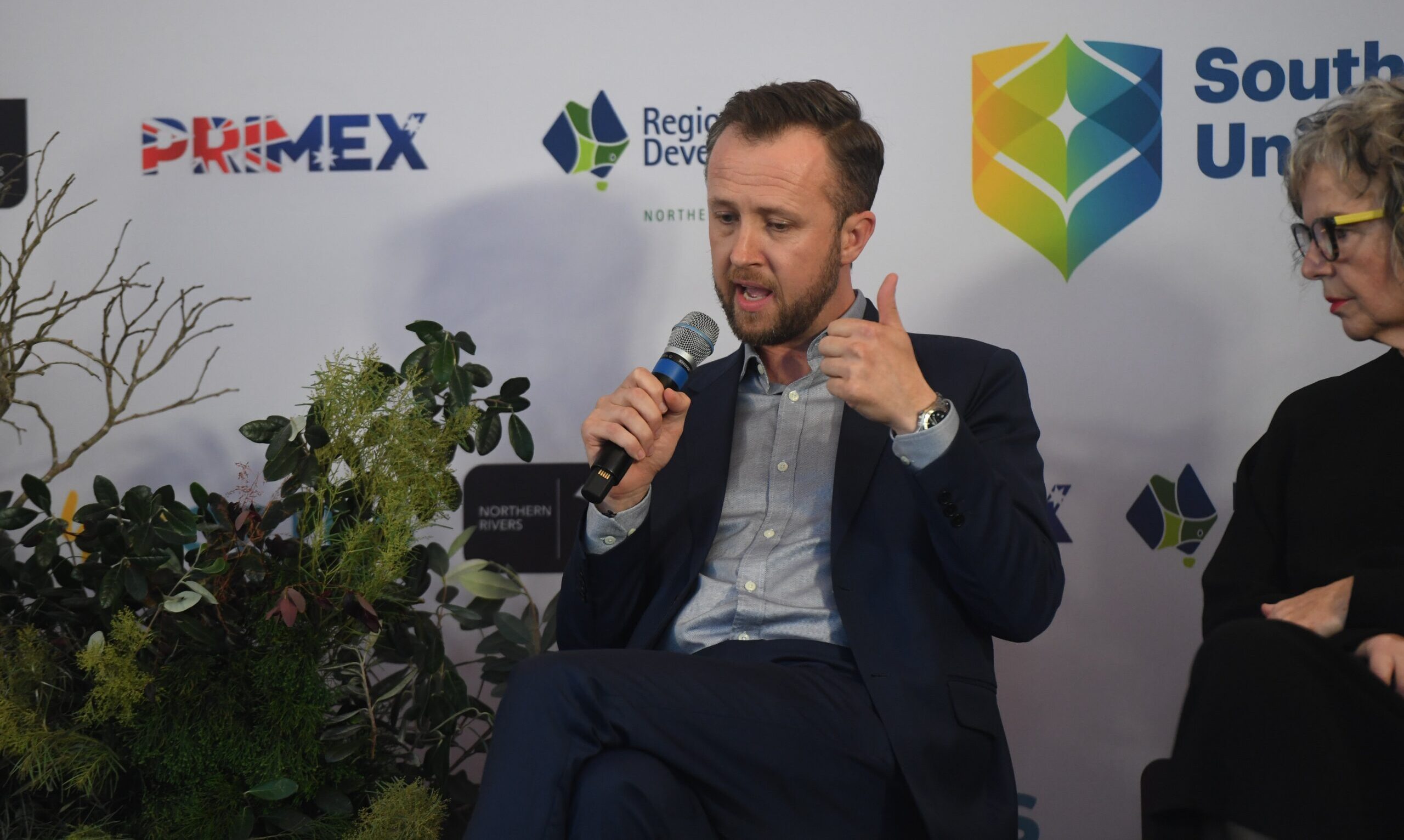
Southern Cross University has launched the first specialised university programs in neurodiversity and the circular economy in Australia to attract new students.
Please login below to view content or subscribe now.

Assessment lies at the core of higher education. It helps focus students’ learning and helps them evidence, to themselves and to others, the progress they have made in their learning and growth.
Setting, supporting and marking assessed student work takes up a substantial proportion of academic colleagues’ effort and time.
Approaches to assessment and outcomes of assessment experiences underpin the narratives crafted by many higher education providers to showcase how they secure meaningful educational gains for their students.
Educational gains go well beyond academic assessment, yet assessment is central to student experiences and should not be limited to academic knowledge gains. Indeed, a nuanced and insightful independent report commissioned by the Office for Students in March 2024 on how educational gains were defined and articulated in TEF 2023 submissions notes that providers rated gold for student outcomes
“make reference to enhancing student assessment practices as a vehicle for embedding identified educational gains into the curriculum, explaining that their range of assessments is designed to assess beyond subject knowledge.”
Assessments that require evidence of learning beyond subject knowledge are a particularly pertinent point to ponder, because these assessments are more likely to underpin the kind of inclusive higher education experiences that providers hope to create for their students, with inclusion understood in broad rather than narrow terms.
The link between inclusion and assessment has been problematised by scholars of higher education. A narrow view of inclusive assessment focuses on individual adjustments in response to specific student needs. Higher education providers, however, would benefit from developing a broad definition of inclusive assessment if they are intent on meaningfully defining educational gains. Such a definition will need to move beyond implementing individual adjustments on a case by case basis, to consider intersecting and diverse student backgrounds that may impact how a student engages with their learning.
A good definition should also be mindful of (but not constrained by) needs and priorities articulated by external bodies and employers. It should be based on a thorough understanding of how to create equitable student assessment experiences in interdisciplinary settings (being able to operate flexibly across disciplines is key to solving societal challenges). It should appreciate that bringing co and extra-curricular experiences into summative assessment does not dilute a course or programme academic core.
It should be aligned to a view of assessment for and as learning. It should value impact that goes beyond individual student achievement and is experienced more broadly in the assessment context. Importantly, it should embrace the potential of generative artificial intelligence to enhance student learning while preserving the integrity of assessment decisions and the need for students to make responsible use of generative tools during and beyond their studies.
All higher education providers are likely to be able to find at least some examples of good, broadly defined inclusive practice in their contexts – these may just need to be spotlighted for others to consider and engage with. To help with this task, providers should be exploring
Providers should develop their own narratives and frameworks of educational gains to create full inclusion in and through assessment. As they carefully implement these (implementation is key), they may also consider not just the gains that can be evidenced but also whether they could attract, welcome and evidence gains for a broader range of students than might have been included in the providers’ initial plans.
And suppose energy to rethink assessment reaches a low point. In that case, it will be useful to remember that insufficient attention to inclusion, broadly defined, when assessing learning and measuring gains can (inadvertently) create further disadvantage for individuals, as it preserves the system that created the disadvantage in the first place.

Every culture and society have distinct nuances and unspoken, unwritten values, norms and beliefs that influence behaviour, expectations, and life experiences. These evolving dynamics can also influence learning experiences.
Often referred to as the hidden curriculum, these aspects not only affect the way students experience their learning journey but the lasting impact their university experience has on their lives. It is vital, therefore, that anyone working in the sector is aware of these factors as they may impact both the curriculum, and the unintended values and perspectives communicated through the way the staff interact with students.
Educators should not only be aware of the dominant institutional culture but should actively encourage an inclusive learning community that values and embraces the diverse backgrounds and experiences of students and faculty. Drawing students’ attention to these often-overlooked factors can empower them to navigate academic and professional spaces more effectively, helping them reach their full potential.
The hidden curriculum has been shown to play a significant role in fostering moral values, professionalism and humanism in fields like medicine, management and the arts. But we also know that when it’s not implemented carefully, the hidden curriculum can reflect the interests of dominant groups; reinforcing privilege while disadvantaging others, such as those from working-class and marginalised communities. Therefore, we also need to openly analyse and critique the hidden curriculum, by identifying any political implications of specific pedagogic approaches.
When people are not aware of these unspoken values and expectations, they may feel excluded or marginalised, negatively impacting their sense of belonging and therefore their willingness to engage or ability to succeed. We therefore have an obligation to not only teach the hidden, cultural norms themselves, but also foster a critical awareness of them. Encouraging students to adapt while remaining true to their own identities, resulting in an authentic experience for all students, including those with different learning needs – such as neurodivergent individuals – as well as people from different backgrounds or cultures.
We know that a truly internationalised campus requires both institutional initiatives and individual efforts to foster intercultural understanding and collaboration, empowering students and staff to drive change together. But putting this into practice can be tough. As a result, efforts to widen participation have often led to social and academic exclusion, as systems struggle to adapt.
Equitable assessments play a key role in overcoming the hidden curriculum. Clear guidance and opportunities to develop assessment literacy helps students to perform to their full potential. For example, if students are to submit a narrated presentation for their assessment, have they had opportunities to learn the required skills and to submit a formative presentation for feedback? Scaffolding the skills they are required to demonstrate, including writing skills, is imperative to student confidence and therefore submission and overall success.
Work placements should also accommodate students’ diverse backgrounds, ensuring inclusivity in workplace culture and expectations. This may include, for example, transport needs or special equipment; where this is the case, both the university and the employer have a responsibility to meet these needs so the student is able to attend their placement and complete their duties in an equitable way, allowing them to feel part of the team.
There should also be clear guidance on what success means. Staff should be aware of the implicit ways they are communicating the institutions and their own expectations. By emphasising grade attainment, they are potentially sending a message that high grades are valued and that those not achieving these grades are less important and/or valuable than those who are. Students who want to impress their lecturers may feel pressure to perform and feel marginalised when they do not achieve the grades they think are expected. To avoid this, staff should be explicit about how overall educational gain is measured and how students can develop their own map for navigating university life and measuring their own development.
On top of this, bringing hidden knowledge, such as vernacular, or higher education jargon, to the surface through tools like shared, and preferably co-created glossaries will help all students, particularly those new to a field, or who speak English as an additional language, feel more included and engaged.
Curriculum and learning design should also follow an intentional approach to foster belonging and encourage discussions about social inequalities – including why they exist and how to overcome them – making students more aware of the world that exists and their role and influence within it.
Despite many institutions working towards overcoming the constraints of the hidden curriculum, there’s still an incessant problem at play. Universities are increasingly expected to embed numerous agendas into their teaching and learning frameworks: equality, sustainability, employability, decolonisation, accessibility and mental well-being – to name a few.
These competing demands can be overwhelming, particularly when trying to implement all these elements into individual modules. This can – and has – led to inefficiencies, confusion and a disconnect between academic content and broader institutional goals. Essentially, we end up stuck in the same position, or even more behind, as staff grapple with balancing traditional academic teaching with the growing list of institutional and societal changes.
It’s no secret that universities need to rethink how to integrate and prioritise all these different elements when teaching. We know inclusion matters to students, yet universities are having to draw back from a lot of their outreach work due to financial pressures, while at the same time fighting against a world that’s seemingly becoming more hostile toward equality, diversity and inclusion efforts. Universities need to relearn how to be inclusive with these constraints – effectively “doing more with less.”
Some have thought to distribute the elements across modules or offer co-curricular opportunities. Some have tried to enforce better levels of transparency in workload expectations for both staff and students, including better time management. And yet the struggle remains.
Trying to finally crack the code to inclusivity requires both top-down institutional strategies and bottom-up approaches that focus on academic and cultural drivers.
There are a few steps which have been found to help, such as investing in ongoing training and awareness programmes, as they provide sustained, comprehensive training on accessibility and inclusion for all staff. Increased awareness may lead to more critical assessments of institutional practices, but it will not diminish personal commitment. It is in these interpersonal interactions in learning, teaching and academic support that the tacit exclusions of the hidden curriculum can be interrogated and challenged.
But institutional staff need back up in the form of a holistic and inclusive institutional culture that values and prioritises inclusivity at all levels. This can be done by promoting accessibility as a core value, which can help the institution remain resilient during times of change or external challenges, and by emphasising inclusivity as a shared responsibility across all departments and roles.
Universities should also strengthen institutional support structures by ensuring staff know who to contact for accessibility issues and can trust institutional processes to provide timely and effective support. It’s important to clarify roles, responsibilities and procedures and develop clear documentation and accessible guidance related to accessibility to reduce confusion and improve responsiveness. It’s also important to avoid narrowly targeted interventions that might neglect or disadvantage certain academics. Sufficient budget and resources should also be allocated to sustain inclusivity initiatives.
As Knight and de Wit argue: “Economic and political rationales are increasingly the key drivers for national policies related to the internationalisation of higher education, while academic and social/cultural motivations are not increasing in importance at the same rate.”
Assessing and adapting inclusive practices in light of the changing external environment is key. Tools like cross-sectional surveys can track staff perceptions of accessibility and inclusion over time. This will help universities to monitor changes in staff confidence, attitudes and knowledge, and address areas of concern through targeted interventions. Universities should always engage with diverse voices, to inform and improve practices, while recognising and addressing external factors, such as legislative changes or global events, which may impact staff confidence and inclusivity efforts.

Universities highlight language support programs as proof of their commitment to inclusivity, yet these offerings are often expensive, overly prescriptive, optional, and poorly integrated.
Pre-sessional provision comes with hefty price tags, making language support a privilege rather than a right. Students who cannot afford them are either excluded from higher education or forced to struggle in degree programs where linguistic preparedness is assumed rather than supported.
I once supported a postgraduate student from East Asia who was excelling in her subject knowledge but consistently received vague feedback like “lack of critical engagement” on her assignments.
She was deeply confused – she had addressed all the questions and provided detailed analysis. In our one-to-one tutorials, it became clear that the issue was not her understanding of the topic, but that she hadn’t been explicitly taught what criticality looks like linguistically in UK academic culture.
No one had ever shown her how to signal argument structure or contrast ideas subtly in writing. Despite her intelligence and effort, she was left to decode these expectations on her own, and it affected both her grades and her confidence.
What does it say about our commitment to inclusion when students are expected to navigate invisible academic norms alone?
To make matters worse, in-sessional provision, where available, is often treated as an afterthought rather than an integrated resource, leaving students struggling to meet academic demands or seeking help on their own time while managing intensive timetables, packed with lectures, assignments, and deadlines.
This approach positions language support as a supplementary service rather than a fundamental component of academic success, reinforcing the notion that multilingual students must “catch up” instead of valuing their linguistic abilities as assets.
In one programme I supported, attendance at in-sessional sessions was minimal at first – not because students didn’t need them, but because they didn’t know they existed. There was limited to zero visibility of these educational initiatives, and many students were unaware of how language development related to academic success.
It wasn’t until we launched a more systematic approach to promotion – class presentations, VLE announcements, email campaigns, ads on campus screens, fliers, and peer recommendations – that attendance noticeably increased. Word of mouth became our most effective tool, which was both encouraging and telling. If in-sessional provision only gains traction through backdoor advocacy, how inclusive is that, really?
Shortcomings, however, appear to extend far beyond language provision. Pedagogical practices in many institutions remain stubbornly monolingual, built on the assumption that a single teaching model can work for all students, regardless of their linguistic and cultural backgrounds.
This one-size-fits-all approach, which assumes uniformity in learning needs and styles, disregards the diverse ways students engage with knowledge. Standardised teaching methods leave little room for flexibility, forcing students to conform rather than allowing for adaptability and meaningful engagement.
Nowhere is this more evident than in assessment. Universities continue to rely on rigid, English-centric evaluation methods including essays, presentations, and exams graded against standardised linguistic norms, disadvantaging multilingual students rather than valuing their perspectives.
If inclusivity truly mattered, assessments would prioritise critical thinking, originality, and academic engagement over strict linguistic conformity. Instead, institutions uphold traditional models that often disadvantage students from diverse linguistic backgrounds. For example, I once co-marked a brilliant essay that presented a nuanced critique of policy frameworks. It was downgraded – not for weak argumentation – but for not aligning with “expected” academic language norms.
Despite offering original insights and drawing on a range of interdisciplinary sources, the essay was penalised for its occasional non-standard syntax and limited use of discipline-specific vocabulary. Rather than recognising the intellectual rigour of the argument, the feedback focused almost exclusively on surface-level language issues. How does that reflect the critical thinking we claim to value?
While universities struggle to create truly inclusive academic environments, the burden of making the system work falls on EAP practitioners and frontline educators, who are expected to foster inclusivity despite being overstretched, underpaid, and under-resourced. Many receive either little or no formal training in multilingual pedagogies, yet they are tasked with ensuring student success within a rigid system that resists adaptation. From personal experience, I can say that navigating this contradiction is emotionally and professionally draining.
I’ve sat in staff meetings where the pressing need to be inclusive was discussed, only to return to classrooms with no budget for updated materials, no time allocation to work on such updates, and no training on how to implement the very principles being endorsed.
At times, I’ve been expected to “embed inclusive practice” without any clear guidance on what that actually means in context, leaving me to interpret and apply vague directives on my own. This disconnect creates a sense of frustration and helplessness – wanting to support students meaningfully but lacking the structural backing to do so effectively.
The disconnect is glaring – universities promote inclusivity in their policies while shifting the responsibility of implementation onto educators who lack the necessary resources, training, and structural support to make meaningful change. Institutions seek improvement without providing the means to achieve it.
On top of this, accreditation bodies, which should act as enforcers of inclusivity, are complicit in this shortcoming. While they promote the idea of inclusivity as a core value, their competency frameworks remain vague and unenforceable, allowing institutions to check superficial boxes rather than implement meaningful change – without ever being truly held accountable.
Instead of pushing institutions toward equitable assessment strategies, embedded language support, and multilingual pedagogies, accreditation bodies enable them to maintain the status quo while advertising themselves as champions of inclusion.
If universities and accrediting bodies are serious about inclusivity, they must dismantle their one-size-fits-all approach and invest in flexible, student-centered models. EAP should not be an expensive privilege but an embedded, fully integrated component of degree programs.
Language support must be available without financial barriers and tailored to students’ actual needs rather than forced into a standardised mold that ignores their diverse experiences. Institutions must move beyond the outdated view that multilingualism is a problem to be fixed and instead embrace it as an academic strength that enhances learning for all students.
For example, multilingual writing workshops, co-delivered by faculty and language specialists, have shown success in small-scale pilots. Why not scale them? Similarly, peer mentoring across language backgrounds fosters both inclusion and academic development. These are not costly solutions, but they do require intention and planning.
Assessment practices must undergo reform. Universities should move beyond evaluating students solely through rigid linguistic norms and instead adopt translingual, context-sensitive assessments that measure intellectual engagement, not just English proficiency.
Traditional assessment models often privilege students who are already proficient in standardised academic English, disregarding the depth of thought, creativity, and critical analysis that can be expressed through diverse linguistic resources.
If higher education truly values critical thinking and originality, its assessment models must reflect that rather than simply rewarding those who conform to narrow linguistic standards. Practical steps might include offering multilingual glossaries during assessments, encouraging multimodal submissions (like presentations or podcasts), and designing rubrics that focus on analytical rigour rather than grammatical precision. These shifts do not dilute standards—they redefine them to reflect actual learning.
Beyond reforming teaching and assessment, universities must stop offloading the responsibility for inclusivity onto individual educators. Institutions must invest in faculty development, providing structured training in multilingual pedagogies and equitable assessment models.
Educators should not be expected to figure out inclusivity on their own – institutions must offer policies with clear, actionable steps that guide them in creating learning environments that serve all students, rather than relying on vague inclusivity statements that sound aspirational but achieve little. This might include mandatory training modules for new staff, collaborative spaces where educators can share inclusive teaching strategies, and formal incentives for inclusive curriculum design.
At the same time, accreditation bodies must reimagine competency frameworks and accreditation schemes to ensure that inclusivity is not just encouraged but required. These frameworks should move beyond broad, generic statements and introduce enforceable, transparent standards that hold institutions accountable.
Accreditation should no longer be granted based on superficial inclusivity measures but tied to real, measurable efforts in integrating multilingual pedagogies, equitable assessment strategies, and accessible language support. Regulatory bodies must stop allowing universities to simply claim inclusivity and start demanding that they prove it.
The future of inclusive higher education hinges on institutions and accrediting bodies being willing to rethink not just their policies but their entire approach to teaching, assessment, and faculty support. Without structural change, inclusivity will remain more of a promise than a practice – a feel-good slogan that limits accountability while leaving students to navigate an inequitable system.
And for those of us who teach, support, and listen to these students every day, that’s not just a policy failure – it’s a deeply personal one. So, the question remains: are universities truly committed to inclusivity, or are they merely preserving the status quo under the illusion of progress? If it’s the latter, then higher education is not meeting the needs of the very students it claims to support. It’s not enough to say the right things – it’s time to do the right things.