The United States (U.S.) remains a top choice for international students pursuing higher education, with approximately six percent of the student population consisting of international students (Open Doors Report on International Educational Exchange, 2024). This data underscores their integral role in higher education. One of the major challenges international students faces is adapting to a new educational system and culture while striving to integrate seamlessly into their new environment. Many international students bring deeply ingrained learning experiences from their home countries, which may differ significantly from those in the U.S. These differences profoundly shape their approach to education, influencing their self-esteem and academic success. This article explores these experiences, offering insights for educators on how to foster supportive and inclusive learning environments, particularly from an Asian perspective.
Personal Experience
I was an international student myself, so I can empathize with the challenges faced by the current generation of international students. While platforms like the internet and American media provide some understanding of American culture, nuances are often missed. I vividly recall the sense of isolation in the classrooms and at conferences, where engaging in conversations felt daunting. Introducing and joining conversations with others was challenging; the most I could do was to wave and acknowledge my presence. These experiences highlight the importance of creating environments where international students feel safe, supported, and included.
1. Cultural Perspectives on Authority
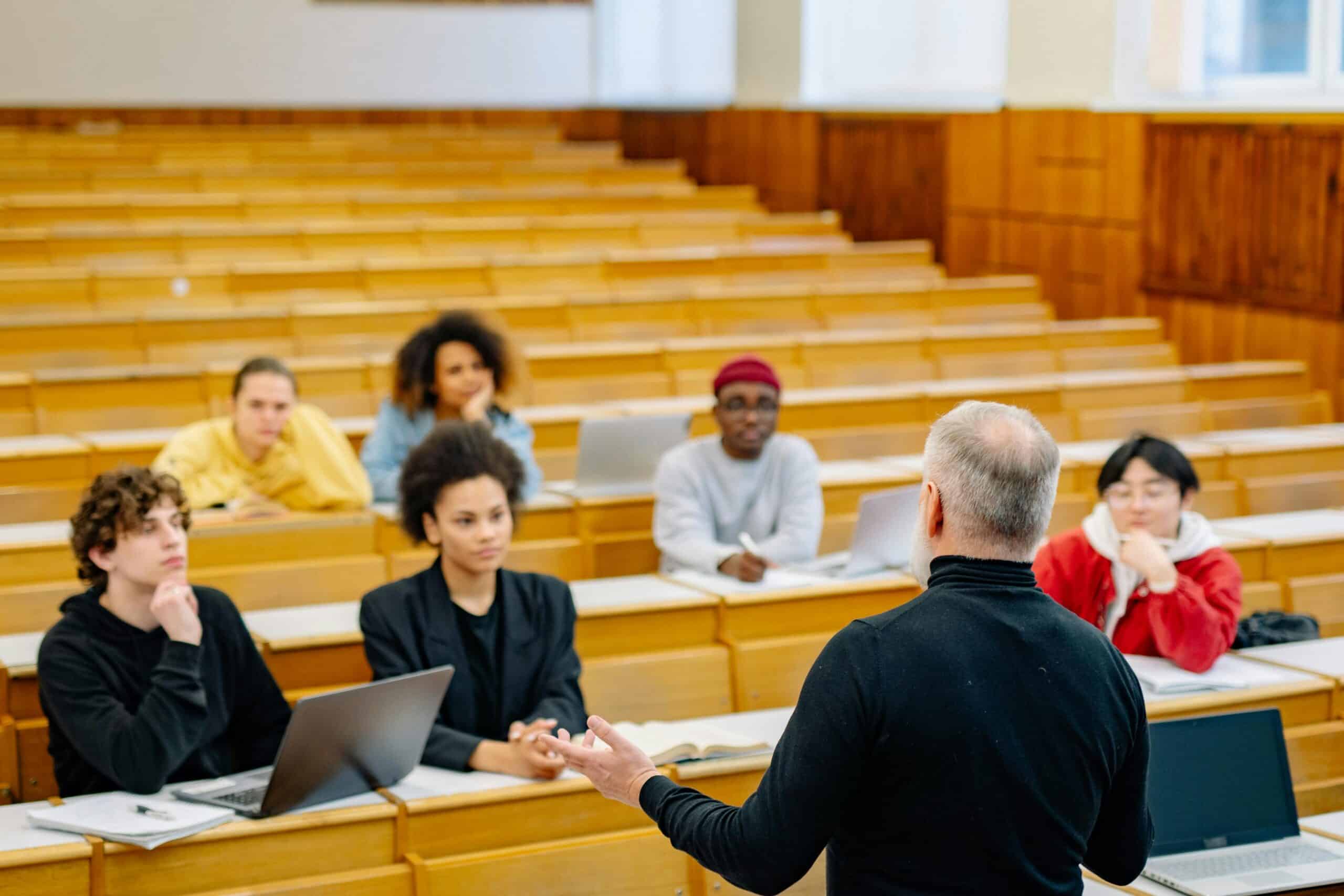
International students often approach interactions with educators with profound reverence, influenced by cultures that value authority and rules. This reverence may lead to reserved behavior in the classroom, hindering active participation. Rather than engaging in active discourse, they tend to listen attentively to their educators and accept their viewpoints unquestioningly, even if they conflict with their knowledge and understanding. This deference to authority may manifest as reticence, timidity, or reluctance to participate in class activities and discussions (Wan, 2021). For international students, this act of showing respect is vital, as they fear failure in the course if their communication style is perceived as disrespectful. Consequently, they do not advocate for themselves in academic settings and function best when following rules set by a person of authority.
To address this, educators can empower international students to express themselves more freely, by adopting strategies that foster a supportive and less intimidating learning environment. One approach is to adjust the tone of communication to be less stern or serious, creating a more welcoming atmosphere for dialogue. Additionally, providing alternative avenues for communication, such as writing on sticky notes or offering anonymous feedback options, can offer students a sense of safety and anonymity when expressing their thoughts. Furthermore, educators can encourage peer support by allowing students to bring a classmate along when seeking clarification or discussing concerns with educators. This approach can help alleviate feelings of intimidation and apprehension, as students may feel more comfortable and supported when engaging with professors alongside a peer. By acknowledging and accommodating cultural perspectives on authority, educators can promote inclusivity and empower international students to participate actively in their academic journey.
2. Adapting to Autonomy in the Classroom
Cultural backgrounds and language barriers contribute to international students’ hesitance to participate vocally in class. Students who come from educational backgrounds where autonomy in the classroom was not encouraged may struggle to adapt to the interactive and participatory learning environments often found in Western educational settings. Additionally, if English is not spoken as their first language, these students fear that their foreign accent may impede understanding. They quickly become sensitive to others’ evaluations and doubt their ability to communicate clearly, leading them to feel uncomfortable when speaking up in class (Hsu & Huang, 2017). Consequently, they may prefer to take on a passive observer role rather than participating actively. Moreover, international students may not perceive their personal views and experiences as significant, fearing that they may not align with the local context in the US.
Creating a safe space in the classroom for international students is crucial. These students must feel valued and have their dignity upheld. Educators must provide clear guidelines to foster participation, encouraging active engagement and the sharing of diverse perspectives. Turn-taking may not occur naturally for international students, so assigning specific roles to each group member to present their ideas can be effective. Appoint a leader who will ensure each group member’s voice is heard. Educators must also be cautious when addressing incorrect answers to prevent students from being discouraged from taking risks in responding in the future. A face-saving act plays an important role for international students when their answers are off- tangent.
3. Feedback and Revising
International students may not be familiar with the process of feedback and revising their work. These students have often been taught to get it right the first time and may not be accustomed to opportunities for revision. In some cases, they may not even receive feedback and might not understand what constructive feedback looks like.
Educators should familiarize students with feedback processes and create a supportive environment for revising work based on feedback. Help these students become accustomed to the various forms of feedback they may receive in your classroom. Emphasize that feedback is a way to help them improve their work and is not a personal attack.
4. Peer Support
International students often fear being judged by their educators if they ask questions that reveal their lack of understanding or knowledge. Additionally, there is a cultural perception among some international students that questioning authority, such as educators, may be viewed negatively. Therefore, seeking assistance from peers can feel less intimidating as peers may be perceived as more approachable and understanding of their struggles. Educators should view this reliance on peer support as a natural part of the adjustment process for international students. Allowing them time to acclimate to unfamiliar academic expectations and social dynamics will help them feel confident enough to engage directly with educators. Be accessible and supportive. Let the students know that you are approachable and happy to answer any questions no matter how simple or complex.
5. Creating a Sense of Belonging
International students often experience isolation in classrooms, making it crucial for educators to foster a sense of belonging. Cultural differences, such as the U.S. emphasis on independence versus the collectivistic nature of many Asian cultures, can make classroom interactions challenging. This unfamiliarity can lead to disengagement and alienation.
Despite appearing integrated, international students may struggle to form meaningful connections with American peers, leading to self-isolation. They often gravitate toward friends from their home country, limiting engagement in classroom discussions and peer support networks. This lack of engagement with local students can hinder their ability to form meaningful personal connections, access peer support, and fully participate in classroom discussions, all of which are essential for academic and social success.
Educators can help by designating peer mentors or teaching assistants to offer guidance. Assigning clear roles in group activities ensures inclusivity, while providing instructions and exemplars in advance helps international students prepare and participate more confidently. Allowing students to preview tasks before class gives them time to seek clarification, fostering comfort and engagement. These strategies create a more inclusive learning environment, enhancing both academic success and emotional well-being.
Conclusion
Creating a safe, supportive, and inclusive learning environment is essential for all students, including international students. Since international students may encounter cultural differences in their new learning environment, educators must implement culturally responsive support strategies. These strategies help foster an inclusive setting, enabling all students to succeed both academically and personally. By adopting these five inclusive practices in the classroom, educational experiences can be enriched for both international and domestic students, promoting a sense of belonging for everyone.
Thilagha Jagaiah is an Associate Professor of Special Education in the Education Department at the University of Hartford. She prepares pre-service teachers to develop essential teaching and assessment skills, equipping them to become highly effective licensed educators for PreK-12 students. Her research focuses on enhancing the teaching and learning of writing, with a specific emphasis on how sophisticated sentence structures can improve writing quality and how optimal trunk support can enhance engagement for students with trunk deficits in inclusive classrooms.
References
Hsu, C.-F. (Sandy), & Huang, I.-T. (Joyce). (2017). Are international students quiet in class? The influence of teacher confirmation on classroom apprehension and willingness to talk in class. Journal of International Students, 7(1), 38-52. https://doi.org/10.32674/jis.v7i1.244
International Students Enrollment Trends, 1948/49 – 2023/24. Open Doors Report on International Educational Exchange. Retrieved from http://www.opendoorsdata.org
Wan, Y. W. (2021). Why are they so quiet? Exploring reticent and passive East Asian ESL students in the U.S. classroom. Open Journal of Modern Linguistics, 11, 942-954. https://doi.org/10.4236/ojml.2021.116073