Tag: International

  • Belfast hip-hop group Kneecap at the center of international firestorm

    Belfast hip-hop group Kneecap at the center of international firestorm

    Last year, FIRE launched the Free Speech Dispatch, a regular series covering new and continuing censorship trends and challenges around the world. Our goal is to help readers better understand the global context of free expression. Want to make sure you don’t miss an update? Sign up for our newsletter


    Kneecap spurs controversy in the U.S. and investigation in the UK as narcocorridos controversy roils Mexico

    Belfast trio Kneecap’s public statements at Coachella and earlier concerts have caused an international stir, and now even the UK’s counter-terrorism police are involved. 

    The band, already no stranger to controversy, provoked it once again during its Coachella performances by displaying the message, “Israel is committing genocide … enabled by the US,” adding, “Fuck Israel. Free Palestine.”

    In the following days, they were uninvited from music festivals in Germany as well as split with their booking agency in the U.S., meaning that the band is likely to face work-visa issues in its upcoming American tour. (And, given the Trump administration’s current track record on the subject, it would not be surprising to see them face visa challenges on the basis of their expression.) 

    In addition to the Coachella dustup, the group’s past comments have stirred new threats of legal action in the UK, specifically an “Up Hamas, up Hezbollah” chant at a 2024 gig and a band member’s comment at a show the year prior: “The only good Tory is a dead Tory. Kill your local MP.”

    Metropolitan police said videos of both comments “were referred to the Counter Terrorism Internet Referral Unit for assessment by specialist officers, who have determined there are grounds for further investigation into potential offences linked to both videos.” A UK government spokesperson also said that authorities will “work with the police and parliament to do everything in our power to crack down on threats to elected officials.” (In the U.S., these comments would not meet either the incitement standard or qualify as material support for terrorism, and would be protected by the First Amendment.) And British politicians have made calls including for their disinvitation from Glastonbury as well as prosecution for the “Kill your local MP” remark. 

    A group of artists including Massive Attack and Pulp issued a statement against what they called a “clear, concerted attempt to censor and ultimately deplatform the band Kneecap.” The band also objected to what it calls a “smear campaign” to “manufacture moral hysteria” but asserted they “do not, and have never, supported Hamas or Hezbollah” and would not “seek to incite violence against any MP or individual. Ever.”

    Some similar questions are at play in Mexico over narcocorridos, ballads about drug trafficking. Mexican President Claudia Sheinbaum says her “position is that it should not be banned, but that other music should be promoted.” In recent weeks, though, some Mexican states have taken action against the genre.

    And last month, U.S. Deputy Secretary of State Christopher Landau announced on X that the State Department revoked the visas of a band who “portrayed images glorifying drug kingpin ‘El Mencho’” at a concert in Mexico. “I’m a firm believer in freedom of expression,” Landau wrote, “but that doesn’t mean that expression should be free of consequences.”

    The band, Los Alegres del Barranco, may also be facing criminal charges in Mexico “for allegedly promoting criminal activity.”

    The UK’s blasphemy debate is still going 

    Kneecap’s political commentary isn’t the only free expression controversy in the UK. As I’ve discussed in previous dispatches, UK-based activists have set off global controversies in recent months with public Quran burnings resulting in criminal charges. 

    The Crown Prosecution Service received well-deserved criticism over its decision to charge a man who burned a Quran outside the Turkish consulate in London with intent to cause “harassment, alarm or distress” against “the religious institution of Islam.” There is no other way to put it: protecting a religious institution from “distress” is a blatant blasphemy law.

    In response to critics, the CPS admitted the charge was “incorrectly applied” and has substituted a different charge, a public order offense “on the basis that his actions caused harassment, alarm or distress — which is a criminal offence — and that this was motivated by hostility towards a religious or racial group.” 

    This prosecution, however, remains a serious threat to free expression and the public debate around it suggests this matter is far from settled. In an exchange on X, one member of parliament chastised another for “invest[ing] so much energy into advocating for the right to offend a minority community” and warned that free expression “comes with limitations and protections.”

    From Xi’s critics to Israeli protests, political speech is under attack

    • In a recent episode of his HBO show “The Rehearsal,” Nathan Fielder reveals Paramount+ removed an older “Nathan for You” episode from streaming everywhere after Paramount+ Germany became “uncomfortable with what they called anything that touches on antisemitism in the aftermath of the Israel/Hamas attacks.” That episode focused on Fielder’s satirical pitch for a winter coat company to compete with a real life brand affiliated with a Holocaust denier. (From the stunt, Fielder “likely raised millions of dollars toward Holocaust awareness.”)
    • Israeli police temporarily warned organizers of a Tel Aviv protest that demonstrators could not use images of Palestinian children and terms like “genocide” and “ethnic cleansing” in protest signs.
    • A new Human Rights Watch report finds that Vietnam is ramping up enforcement of its law targeting expression “infringing of state interests.” Now “authorities have enlarged the scope and application of article 331 so that it reaches much further into society, beyond human rights and democracy dissidents — most of whom are now in prison — to all those publicly voicing grievances.”
    • A Thai appeals court sentenced a democracy activist to two years in prison for violating the country’s harsh lese-majeste law. In 2022, she posted on Facebook, “The government is shit, the institution is shit.”
    • Paul Chambers, the American academic charged with lese-majeste in Thailand, received good news but he’s not out of the woods yet. Prosecutors announced they declined to pursue the charges against him but that decision will face further review.
    • At April’s Semafor World Economy Summit, Netflix Co-CEO Ted Sarandos shared that the company previously attempted to build a presence in China but “in three years, not a single episode of a single Netflix show cleared the censorship board.”
    • China has disappeared another “Bridge Man.” In an incident similar to one that set off a global protest movement in 2022, an activist hung banners calling for political reform over a bridge outside Chengdu last month and was quickly detained — and his whereabouts are now unknown.


    • An investigation of China’s transnational repression methods from the International Consortium of Investigative Journalists found that during “at least seven of Xi’s 31 international trips between 2019 and 2024, local law enforcement infringed on dozens of protesters’ rights in order to shield the Chinese president from dissent, detaining or arresting activists, often for spurious reasons.”
    • Last month, the U.S. Department of Justice announced that, at the DOJ’s request, Serbian law enforcement arrested two men alleged to have “coordinated and directed a conspiracy to harass, intimidate, and threaten” a Los Angeles-based critic of Xi Jinping.
    • Hong Kong’s national security police arrested family members of the U.S.-based activist Anna Kwok, who is wanted under the city’s national security law, for handling her “funds or other financial assets.”

    Conflict with Pakistan brings spike in India’s censorship 

    India’s censorship, especially on the internet, is a persistent threat to free expression, and the country’s recent flare-up with Pakistan has worsened the situation. Dozens have been arrested for “anti-India comments” on social media and “content supporting Pakistan.”

    In a May 8 notice, the Ministry of Information and Broadcasting advised all social media sites and streaming services to “discontinue” content “having its origins in Pakistan with immediate effect.”

    At the government’s request, Meta blocked the 6.7 million follower Instagram account @Muslim, one of “the most followed Muslim news sources on Instagram.” X, too, announced it received orders to block over 8,000 users in the country, including “accounts belonging to international news organizations and prominent X users.” X complied and said “due to legal restrictions, we are unable to publish the executive orders at this time” but is exploring avenues to respond. 

    YouTube, too, is a target. Officials blocked over a dozen Pakistani YoutTube channels for “disseminating provocative and communally sensitive content, false and misleading narratives and misinformation against India.” India’s Ministry of Electronics and Information Technology also restricted access to The Wire, an independent news site, throughout the country.

    The latest wins, losses, and challenges for free speech in tech

    • It’s not all bad news for free expression in India. This month, India’s Supreme Court reversed a ruling from the Delhi High Court ordering Wikipedia to take down a Wiki page amidst Asian News International’s lawsuit against the Wikimedia Foundation.
    • The Wikimedia Foundation is also taking on the UK’s Online Safety Act. The foundation is specifically challenging the act’s Categorisation Regulations, which “are written broadly enough that they could place Wikipedia as a ‘Category 1 service’ — a platform posing the highest possible level of risk to the public.” Among Wikimedia’s objections are the risks this classification poses to its users’ privacy and anonymity.
    • Meta secured a significant victory against Israeli spyware company NSO Group, with a jury awarding $168 million in damages. The NSO Group was accused of exploiting Meta’s WhatsApp to install its Pegasus spyware program, which has been used in high profile hacks of lawyers, journalists, and activists, into over a thousand phones.
    • X, a regular target of Turkish censorship orders, complied with an order to block the account of imprisoned Istanbul Mayor Ekrem Imamoglu, a rival of President Recep Tayyip Erdogan. X says it is challenging the order.
    • Bluesky has complied with Turkish orders, too. The platform restricted access to dozens of accounts in the country on “national security and public order” grounds.
    • Russia restricted internet access in regions of the country ahead of its “Victory Day” celebrations on May 9. “We want the glorious Victory Day to be celebrated at the appropriate level,” Kremlin spokesman Dmitry Peskov said of the shutdowns.

    U.S. embassy warns Stockholm against ‘promoting DEI’

    Stockholm announced this month that it was surprised to receive a “bizarre” letter from the U.S. embassy in the city. The letter, copies of which went to contractors abroad who work with the federal government, told Stockholm’s planning office to “certify that they do not operate any programs promoting DEI that violate any applicable anti-discrimination laws.” Companies in Europe have reported receiving these letters, but Stockholm’s planning office is the first government agency known to have received one. Officials conveyed that they would not be complying.

    Embassies’ efforts to interfere with expression abroad are an issue I discuss at length in my forthcoming book, Authoritarians in the Academy. In 2021, for example, the Chinese embassy unsuccessfully pressured the Italian city of Brescia to cancel an art exhibition it claimed would “endanger the friendly relations between Italy and China” because it was “full of anti-Chinese lies.”

    How press freedom is faring today

    • Argentine President Javier Milei is suing three journalists for defamation for their criticism of him, including a column comparing current events with the rise of Nazism and comments calling him an “authoritarian” and a “despot.”
    • Swedish journalist Joakim Medin was hit with an 11-month suspended sentence for insulting the Turkish president and is awaiting a trial on terrorism charges. Medin says he was not even in the country when the alleged conduct took place.
    • Israel’s Attorney General Gali Baharav-Miara warned government agencies that their boycott of the media outlet Hareetz over its coverage of the Israel-Hamas war “was conducted through an improper process that cannot be upheld legally.”
    • Former Sinn Féin leader Gerry Adams’ libel suit against the BBC over reporting that he sanctioned a killing in 2006 is underway. BBC says the reporting followed its editorial standards.
    • Two reporters were detained in Macau, a special administrative region of China, for allegedly “disrupting the operations” of authorities after trying to report on a legislative debate.
    • Four Russian journalists accused of having ties to Alexey Navalny were sentenced to over five years in a prison colony last month.
    • Palestinian President Mahmoud Abbas reversed the ban on Al Jazeera, permitting it to resume reporting, after it banned the outlet in January on incitement allegations.

    Finally, some good news for a victim of blasphemy laws

    Mubarak Bala, a Nigerian humanist initially sentenced to 24 years in prison, is finally tasting freedom upon being released after spending over four years in prison. Mubarak still feared mob violence after his release, and was forced to live in a safe house due to threats. 

    Protesters holds up a piece of paper with Mubarak Bala's name

    But Bala has now arrived in Germany, where he is set to begin a residency at Humanistische Vereinigung. “No longer do I dread the routine sounds of the locks, nor the dark, certainly not the extreme weather, too hot or too cold, no longer ill, no longer hungry, no longer lonely, and no longer dreading that the marauders are coming across the fence, to drag me out and behead me,” Bala said in a statement.

    The Community Court of the Economic Community of West African States, a high court governing 12 African nations including Nigeria, found last month that a blasphemy statute used to prosecute Bala must be struck down. The Kano State government, however, defended its blasphemy laws and said it “will not allow religious liberty to be weaponized as a cover for sacrilege, insult, and provocation.”

    Source link

  • New international education focus in Albanese ministry – Campus Review

    New international education focus in Albanese ministry – Campus Review

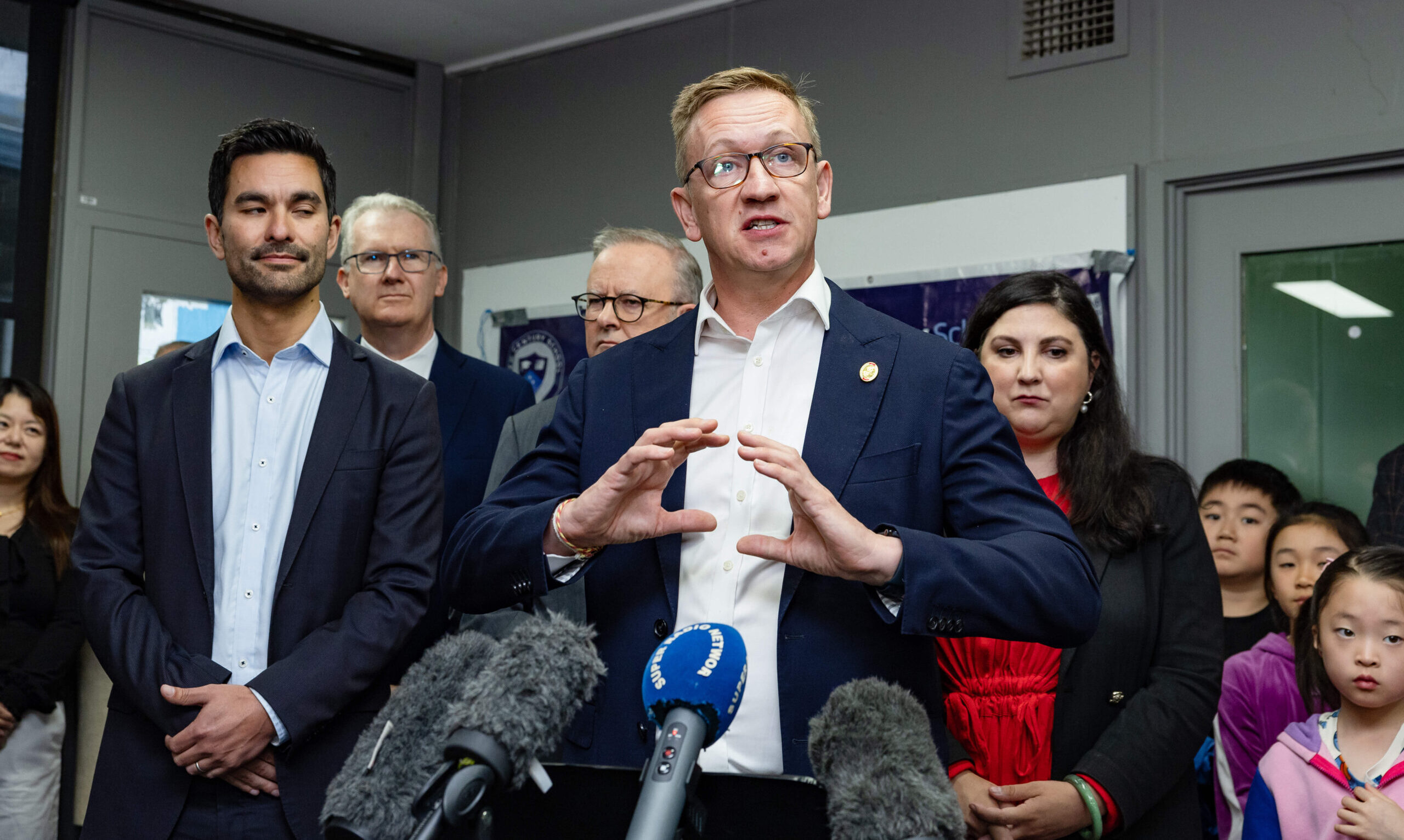
    Prime Minister Anthony Albanese has announced a new role overseeing international education with the appointment of Julian Hill as International Education Assistant Minister. Mr Hill will retain his previous Customs and Multicultural Affairs Assistant Minister role.

    Please login below to view content or subscribe now.

    Membership Login

    Source link

  • ‘What the hell just happened?’ Australia’s flirtation with a levy on international students – By Professor Andrew Norton

    ‘What the hell just happened?’ Australia’s flirtation with a levy on international students – By Professor Andrew Norton

    • This blog has been kindly written for HEPI by Andrew Norton, Professor of Higher Education Policy at Monash Business School, Monash University.
    • The thoughts of Nick Hillman, HEPI’s Director, on the levy can be read on the Research Professional News website here.

    For an Australian reader the UK immigration white paper’s proposal for a levy on international student fee revenue sounds familiar. In mid-2023 just such a levy was suggested for Australia by the interim report of a major higher education policy review. Like its UK version, the idea was to reinvest levy revenue in education. While the interim report lacked white paper status, education minister Jason Clare liked the idea enough to mention it in his report launch speech

    But now the levy has vanished from the Australian policy agenda. When the Universities Accord final report was released in February 2024 the levy idea was there but postponed, shunted off until after other major funding reforms that will start in 2027 at the earliest. So far as I can find, the Minister – newly reappointed this week after Labor’s election victory on 3 May – has not mentioned the idea in public for 18 months.

    So what happened? Predictably, the universities that stood to lose the most from the levy opposed it. But the bigger reason was that between mid-2023 and late 2023 the politics of international education in Australia were turned upside down. In a few months international education went from a valuable export industry to a cause of Australia’s housing shortages. International student numbers had to be cut. 

    As originally proposed in Australia the international student levy was not linked to migration policy. Some reduction in student demand was predicted, as levy costs were passed on through higher fees. But this was a policy side-effect, not its goal. If too many international students were deterred the levy would not raise enough money to achieve its domestic objectives. The Government needed more effective ways of bringing international student numbers back down. 

    Between October 2023 and July 2024 the Australian Government introduced, on my count, nine measures to block or discourage would-be international students. 

    Among the Government’s nine measures was one that delivered it international student revenue much more quickly than the proposed levy. The Government more than doubled student visa application fees from A$710 (~£330) to A$1,600 (~£745), claiming that the money would be spent on policies benefiting domestic students. During the 2025 election campaign Labor said it would increase visa fees again, to A$2,000 (~£930). The UK’s £524 fee looks cheap by comparison. 

    Higher visa fees and other migration measures had two big advantages over the once-proposed levy from the perspective of the Australian Government – legal ease and speed in delivering on migration goals. In Australia, many migration changes can be made by ministerial determination without parliamentary review. The levy required legislation. Australia’s system of sending controversial legislation to often-bruising Senate inquiries increases political costs, even when the bill ultimately passes.

    What visa fees lack is the Robin Hood element of the Australian levy as proposed. In 2023 the University of Sydney alone earned 14% of all university international student fee revenue. The top six universities received more than half of the total. Levy advocates argue that these gains are built on past taxpayer subsidies and prime real estate. Profits built on these foundations can legitimately be taxed for the wider benefit of Australian higher education. 

    In Australia generally, and under Labor governments especially, an egalitarian political culture gives these levy arguments some resonance. But for the foreseeable future migration is a bigger issue than university funding, and visa policies a more straightforward way of bringing down international student numbers than levies. Perhaps the levy idea will return, but the government’s long silence on the subject suggests that this will not happen anytime soon.

    Source link

  • Is data infrastructure the missing backbone of UK international HE?

    Is data infrastructure the missing backbone of UK international HE?

    IHEC‘s report,Towards a Future UK International Higher Education Strategy: Resilience, Purpose and Precision, released in April 2025, describes accurate data and timely insights as “the lifeblood” of an effective international education strategy.

    The Commission is calling on the government develop a digital data portal for international student information, accessible to universities and relevant public bodies.

    Its vision is a significant leap from the fragmented systems the sector currently relies on – where data is outdated and siloed across agencies.

    Stakeholders frequently point out that UK policy often trails real-world data by nearly two years.

    The Commission envisions a secure portal compiling data from various sources – Home Office visa issuance, HESA enrolments, accommodation, and health service usage – tracking, almost in real time, where international students are coming from and enrolling.

    Imagine a world where universities can instantly access up-to-date visa grant statistics by country, and local councils can anticipate the number of international students arriving in their area.

    With real-time insights at their fingertips, IHEC suggests that institutions, policymakers, and stakeholders could plan proactively – enhancing housing, support services, and infrastructure.

    “A system like this is entirely within our competence to establish,” according to IHEC.

    This isn’t the only tool the Commission has in its sights. As part of its ambitions, it also advocates for a market intelligence platform that would equip the UK with the insights needed to stay ahead of global competitors.

    “Via a public-private partnership (perhaps a tender to specialist data firms), we could build a system that aggregates data on international education demand worldwide – including demographics, economic indicators, competitor country trends, search engine, and agent application data – to predict future demand patterns,” outlined the report.

    Via a public-private partnership (perhaps a tender to specialist data firms), we could build a system that aggregates data on international education demand worldwide
    IHEC

    The platform would answer key questions like: “Which emerging markets are gaining interest?” or “What’s the projected demand for STEM Masters over the next five years?”

    “The sector must have access to better and more timely data about what is happening in international recruitment markets, as well as how this is playing out
    at institutional and sector levels, to more effectively address challenges and opportunities,” asserted Chris Skidmore, IHEC chair and former UK universities minister.

    With this intelligence, the Commission hopes the UK can spot opportunities early and respond to risks before they grow. It should also include an open-source competitor tracker – comparing performance across countries on things like visa wait times, tuition fees, and scholarship availability – so the UK can see how it stacks up and stay competitive.

    To steer these efforts, the Commission recommends establishing a public-private sector International Education Data and Insight Taskforce, made up of statisticians and analysts from various government departments, as well as industry experts and leaders from the growing number of private sector companies that provide sophisticated data about current and potential future trends.

    The Commission names Enroly, Studyportals, IDP and QS as key players doing valuable work in this area.

    IHEC’s full report ‘Towards a Future UK International Higher Education Strategy: Resilience, Purpose and Precision’ is available here.

    Source link

  • FAUBAI 2025 charts new course for international cooperation

    FAUBAI 2025 charts new course for international cooperation

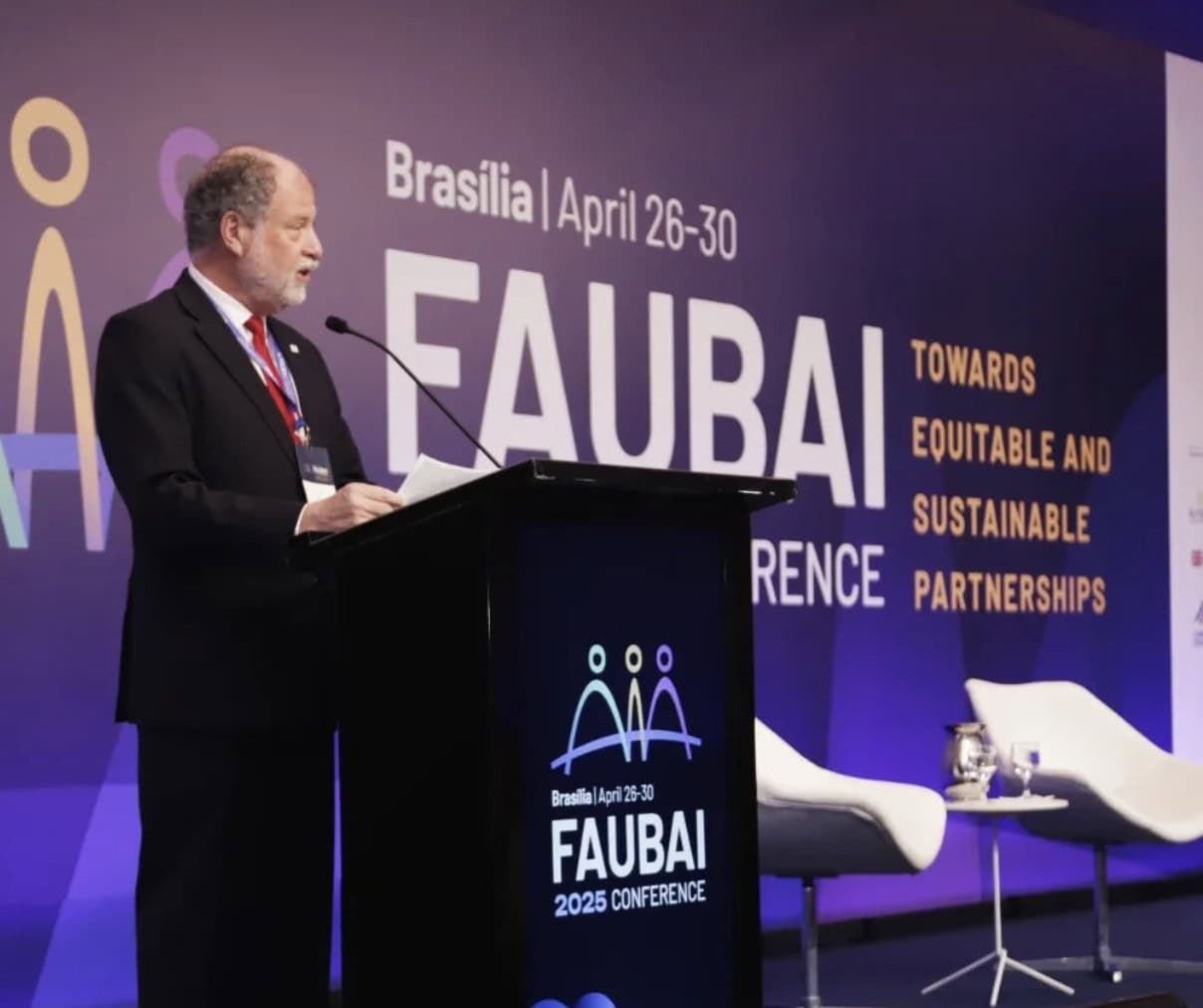
    The Brazilian association for international education, FAUBAI, in its 37th year, welcomed around 650 participants from 28 countries for its 2025 conference, bringing together global stakeholders to shape a more inclusive and sustainable future.

    Centred on the theme ‘Towards Equitable and Sustainable Partnerships,’ the conference highlighted Brazil’s growing commitment to inclusive, sustainable, and multilateral academic collaboration.

    A major announcement came from CAPES, Brazil’s federal agency for support and evaluation of graduate education, with the launch of CAPES Global – an ambitious new program designed to build institutional cooperation networks across regions and stages of internationalisation.

    It looks to strengthen Brazil’s international prominence, consolidating its position as a strategic partner in global initiatives, as well as promoting mutual cooperation, intercultural dialogue, and sustainable development.

    The programs total budget sits at R$1.4 billion (approximately US$270 million) over four years and Brazilian higher education institutions are encouraged to seek international partners whose expertise aligns with the selected strategic themes that align with the SDGs or with Brazil’s national priorities.

    The challenges facing Brazil reflect global concerns, Rui Oppermann, director of international relations at CAPES, explained.

    “Climate change is not a Brazilian problem, it is not the problem of the Amazon – it’s a problem of everyone living in our world,” he said.

    The program succeeds the CAPES PrInt program, which funded 36 universities in Brazil but left several regions like the North and parts of the Northeast underrepresented, explained Oppermann.

    CAPES Global also seeks to promote opportunities for international experience, both in Brazil and abroad, for postgraduate students, researchers, faculty, and staff.

    Climate change is not a Brazilian problem, it is not the problem of the Amazon, it’s a problem of everyone living in our world
    Rui Oppermann, CAPES

    Speaking to The PIE News, José Celso Freire Junior – FAUBAI president and associate provost for international affairs at São Paulo State University (UNESP) – emphasised the importance of showcasing the strength of Brazil’s higher education system. He said FAUBAI works to highlight the country’s research excellence, world-class laboratories, and institutional capacity in order to position Brazil as a valuable international partner.

    “We are looking for cooperation, we are not looking for places to send our students,” said Freire.

    “Cooperation means sustainable and equitable horizontal partnership,” he asserted.

    Elsewhere during the conference, Hilligje van’t Land, secretary-general of the International Association of Universities (IAU), delivered a powerful address on building equitable and sustainable partnerships, exploring how universities can form inclusive, impactful alliances that address global challenges and secure the future of higher education.

    The address from van’t Land focused on the sector’s potentially transformative role in advancing the UN 2030 Agenda and the SDGs. Her speech highlighted the need for systemic change in curriculum, research culture, governance, and partnerships – with a strong call for interdisciplinary education and inclusive internationalisation strategies.

    She argued that higher education institutions must embed SDG principles across operations, teaching, partnerships, and funding models, and be radical in integrating equity, diversity, and interdisciplinarity.

    Elsewhere, she noted that Latin America is leading globally in how it integrates the SDGs into internationalisation strategies but warned that inclusion gaps remain and that funding structures could hinder transformative cooperation.


    Source link

  • Private international foundation courses, and what they say about university leadership

    Private international foundation courses, and what they say about university leadership

    by Morten Hansen

    My research on the history of private international pathway providers and their public alternatives shows how some universities have stopped believing in themselves. Reversing this trend requires investment in their capabilities and leadership.

    The idea that universities have stopped believing in themselves as institutions that can take on the challenges of the day and find solutions that are better than those developed by private rivals echoes a point recently revived by Mariana Mazzucato. Mazzucato explains how private firms often are portrayed like lions. Bold animals that make things happen. The public sector and third-sector organisations, on the contrary, are too often seen as gerbils. Timid animals that are no good at developing new and innovative solutions.

    Skilled salesmen convinced some universities that private companies are better than universities at teaching and recruiting for university preparatory programmes. The inbuilt premise of this pitch is that universities are gerbils and private providers are lions. One university staff member explained what it felt like meeting such salesmen:

    “The thing that sticks most in my mind is the dress. And how these people sat differently, looked differently, spoke differently, and we felt parochial. We felt like a bunch of country bumpkins against some big suits.” (University staff)

    The lion-gerbil pitch worked in institutions across England because universities were stifled by three interlocking practices of inaction: outsourcing capability development; taking ambiguous stands on international tuition fees; and refusing to cooperate with other universities.

    Outsourcing capability

    Universities are increasingly outsourcing core aspects of their operations, such as recruiting international students. While university leadership is often characterised as conservative, my research suggest that this trope misses something critical about contemporary university leadership in English higher education. The problem with the term ‘conservative’ is that it implies that leadership is risk-averse, and comfortable projecting past power structures, practices and norms into the future. This does not correspond to historical developments and practices in the sector for international pathways.

    The University of Exeter, for example, submitted incorporation documents for their limited liability partnership with INTO University Partnerships only six years after the Limited Liability Partnerships Act 2000 was passed, which marked the first time in England’s history that this legal setup was possible. They took a big leap of faith in the private sector’s ability to recruit students for them, and after doing so invested time and resources helping INTO to further develop its capability. They even invited them onto their campuses. It is hard to overstate how much these actions diverged from historical practice and thus ‘conservative’ leadership.

    What was once a highly unusual thing to do, has over the last two decades thoroughly normalised—to the extent that partnering with pathways now seems unavoidable. One respondent from the private sector explained this change in the following way:

    “In 2006, ‘07, ‘08, ‘09, ‘10, the pathway providers were, if you like, the unwelcome tenants in the stately home of the university. We had to be suffered because we did something for them. Now, the relationship has totally moved. It’s almost as if they roll out the red carpet for the pathway providers” (C-suite)

    The far more conservative strategy would have been to lean into the university’s core capabilities – teaching and admissions – and scale this up over time. Yet that is precisely what my respondents said ‘conservative’ university leaders were unwilling to do: they did not believe the university could manage overseas recruitment by themselves. As argued by former Warwick VC Nigel Thrift, this timidity is not unique to the recruitment of international students, but also extends to their engagement with government agencies. University management by and large “has done as it has been told. It hasn’t exactly rolled over and played dead, but sometimes it can feel as though it is dangerously close to Stockholm Syndrome” (Thrift, 2025, p3).

    Ambiguous stands on international fees have deepened the current crises

    There is no law in England that compels universities to charge high international students fees. By setting them as high as possible and rapidly increasing the intake of international students, universities de facto offset and thus obfuscated the havoc that changing funding regimes wreaked on university finances. This has contributed to what Kings’ Vice Chancellor Shitij Kapur calls the ‘triangle of sadness’ between domestic students, universities, and the government.

    Had universities chosen to stand in solidarity with their international students by aligning their fees more closely to the fees of home students, then the subsequent crises in funding would have forced universities to either spend less money, or make it clearer to the wider public that more funding was needed, before building up the dependencies and subsequent vulnerabilities to intake fluctuations that are currently on full display. These vulnerabilities were exacerbated by overoptimistic growth plans, and university leadership not always fully understanding the added costs that came with such growth. In an example of this delayed realisation, one Pro-Vice-Chancellor explained to me what it felt like to partner with a private foundation pathway:

    “At the time you are signing up for these things, there is euphoria around because they are going to deliver against this business plan, which is showing hundreds of students coming in. International student is very buoyant, you sign up for a 35-year deal. So, everything is rosy. If you then just take a step back and think ‘so what am I exposing the university to?’  …  because in year seven, eight, ten, fifteen whatever, it can all go pear-shaped, and you are left then with the legacy building.” (Pro-Vice-Chancellor)

    By seeing fee setting as a practice, that is, something universities do to their own students rather than something that is inflicted by external (market or government) powers, we make visible its ideological nature and implications. The longer history of international fees in Brittan was thus an important site of ideological co-option; it was a critical juncture at which universities could have related in a more solidaric manner towards their students.

    Unwillingness to cooperate on increased student acquisition costs

    You might, at this stage, be wondering: what was the alternative? The answer is in recognising the structure of the market for what it is: efficiently recruiting and training a large number of international students requires some degree of cooperation between universities. My research, however, suggests that universities have often been unwilling to cooperate because they see each other chiefly as competitors. This competition is highly unequal given the advantage conferred to prestigious universities located in internationally well-known cities.

    The irony is that many universities nevertheless end up – perhaps unwittingly – cooperating by partnering with one of the few private companies that offer international foundation programmes. These private providers can only reach economies of scale because they partner with multiple universities at the same time. One executive explains how carrying a portfolio of universities for agents to offer their clients is precisely what gives them a competitive advantage:

    “The importance of the pathways to the agents is that they carry a portfolio of universities, and the ambition is that you have some which are very well-ranked and academically quite difficult to get into. And, you try and have a bottom-feeder or two, which is relatively easy to get into academically. The agent is then able to talk to its clients and say, look, I can get offers into these universities. Some of them are at the very top. If you are not good enough there, then you might get one in the middle and I’ve always got my insurance offer for you. […] what the pathways do is that they provide a portfolio that makes that easier.” (Private Executive)

    A public consortium with pooled resources and that isn’t shy about strategically coordinating student flows would have functioned just as well, and the Northern Consortium is living proof of this. The consortium in fact inspired Study Group to get into the pathway business themselves. The limited growth of the Consortium, relative to its private rivals, is equally proof of missed chances and wasted opportunities.

    Could the gerbil eat the lion?

    Private providers can use and have used these practices of inaction to pit universities against each other, over time resulting in lower entry requirements and higher recruitment costs. In this climate, public alternatives such as in-house programmes struggle to survive. Once invited in, pathway companies are also well positioned to expand their business with their partner universities in other ways, deepening their dependence. As one senior executive told me:

    “Our aspiration is to say that the heart of what we are is a good partner to universities. They trust us. […] for some of our core partners, we bring in a lot of revenue. And, that then puts us in a really good position to think about the other services that we can add of value.” (Private Executive)

    The economic downside of relying on these ‘good’ partners is the expensive and volatile market dynamics that follow. As long as universities are trapped by the notion that they are chiefly competitors best served by outsourcing capabilities to sales-oriented firms and leaving international students to pick up the bill, there is limited hope for any genuine inter-university collaboration and innovation. This limits the public potential for scaling an economically viable and resilient market in the long-run.  As a sector, HE has the know-how, experience, capital, and repute to do this. It’s just about getting on with it!

    Morten Hansen is a Lecturer in Digital Economy and Innovation Education at the Department of Digital Humanities, King’s College London.

    Author: SRHE News Blog

    An international learned society, concerned with supporting research and researchers into Higher Education

    Source link

  • After a Dip in 2024, are UK International Student Visas Poised to Return to their Previous Peak?

    After a Dip in 2024, are UK International Student Visas Poised to Return to their Previous Peak?

    Policy changes in 2024 reshaped the UK’s international education landscape, leading to significant shifts in student mobility. The Sunak government’s restrictions on student dependents immediately impacted applicants from key source markets where family migration is a priority. At the same time, rising fees and uncertainty around the Graduate Route (now resolved) added further pressure that dampened demand.

    Main Applicant Demand Declined by 12% in 2024

    The UK has long been a leading destination for international students, with visa applications peaking in 2022 at nearly half a million main applicant submissions. This high point was partly driven by post-pandemic disruptions to global student mobility. Applications dipped slightly in 2023 as demand stabilised and the Sunak administration’s rhetoric signalled a less welcoming environment for non-EU students. By 2024, application volumes saw a sharp decline:

    More than 423,000 sponsored study visas for main applicant international students were processed in 2024. This represents a 12% decline from the previous year and a 15% drop from the 2022 high-point. While this drop was more mild than student visa decreases seen in other destinations in 2024, it still accounts for nearly 60,000 fewer processed applications in a single year.

    Withdrawn applications further reflect softened student demand, likely influenced by policy changes. Nearly 6,600 prospective students withdrew their application in 2024, a 127% increase from the previous year. This followed a sharp rise in Q4 2023, when withdrawals spiked to 2,000—366% higher than Q4 2022. In short, after a wave of unwelcoming messaging from the Sunak administration in mid-to-late 2023, fewer international students applied, and withdrawals hit record highs.

    However, there are signs of possibly renewed student confidence. Nearly 63,000 UK study visa main applications were processed in Q4 2024. This represents a growth of 9% over Q4 2023.

    Demand Fell Most Sharply in Markets Where Students Commonly Travel With Family

    The most significant drops in UK study visa demand in 2024 came from countries where international students often apply with dependants:

    table visualization

    Main applicant numbers fell in 2024 across seven of the ten countries with the highest ratios of dependants to main students, underscoring the impact of the new restrictions. Yet not all high-dependant markets followed this trend. Applications from Nepal rose sharply, increasing by 61%, while volumes from Pakistan and Bangladesh held steady.

    Does this mean concerns about the new policy were overstated since not all high-ratio student populations saw declines? Not quite. The seven countries that experienced declining interest—Nigeria, Sri Lanka, Ghana, Iran, Afghanistan, Saudi Arabia, and India—accounted for seven of the eight largest main applicant declines last year, with Russia (-21%) slightly surpassing Saudi Arabia.

    Where Did Student Demand for a UK Study Visa Remain Resilient in 2024?

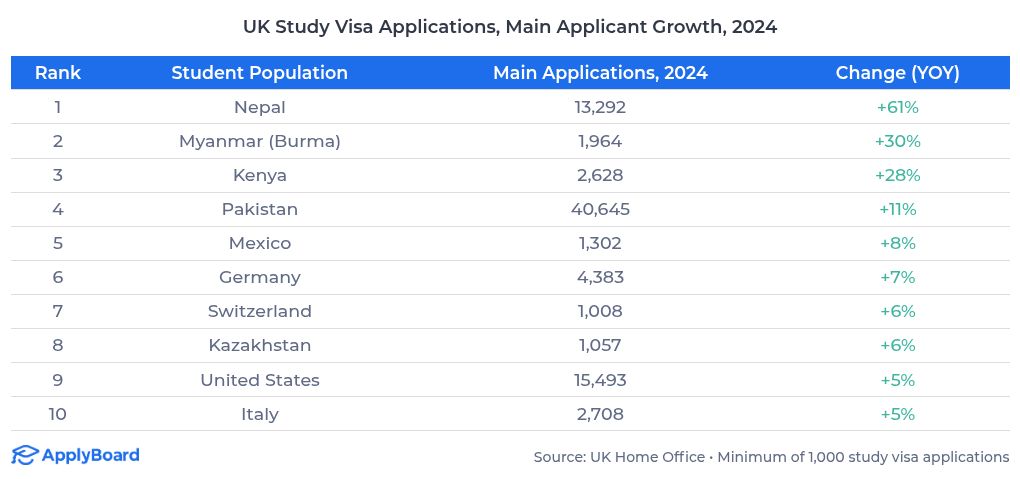
    Beyond these declines, which student populations showed increased demand in 2024? The table below highlights the top 10 student populations that saw growth in 2024:

    table visualization

    Nepal and Pakistan emerged as notable exceptions to the broader decline among countries with high dependant-to-student ratios—not just for bucking the trend, but for the scale of their growth. Nepal saw the sharpest year-over-year increase of any market in 2024, with main applicant volumes surging by 61%. Pakistan followed closely behind, ranking fourth overall with an 11% rise. Their resilience suggests that factors beyond dependant policies—such as economic conditions, domestic education capacity, and long-term aspirations for post-study work—continue to shape student decision-making.

    Beyond Nepal and Pakistan, growth was more geographically dispersed in 2024. Kenya and Myanmar (Burma) recorded some of the largest increases, signaling rising demand from parts of both Africa and Southeast Asia. Several European countries, including Germany, Switzerland, and Italy, also posted moderate gains. Meanwhile, the presence of Mexico and Kazakhstan among the top 10 growth markets highlights the increasingly global nature of student mobility to the UK.

    Just beyond the top 10, Kuwait and Turkey also recorded notable increases in main applicant volumes. As institutions navigate a shifting recruitment landscape, both countries may present important opportunities for future engagement and growth.

    Looking Ahead

    The UK’s international education sector faced considerable challenges in 2024, with policy changes reshaping student mobility patterns. At this stage—and despite calls from some in the sector—we don’t anticipate imminent steps to reverse the dependent policy, nor do we think it’s likely that the Government will opt to take international students out of the net migration figures. That said, we’ve already seen a much more positive message coming from the Government towards international students and we expect this to be sustained and reflected in the launch of the new International Education Strategy.

    It’s also important to note that the UK was not the only destination to experience softened student interest in 2024, as international education sectors in Canada, the US, and Australia all faced declines. Encouragingly for the UK, many institutions reported higher enrolments in this year’s January intake than in the same time last year, indicating positive momentum. Now is the time to build on that progress.

    To sustain this momentum, UK institutions will need to actively re-engage prospective students and rebuild confidence in key markets. Clear communication around post-study work opportunities, financial aid, and student support will be essential to reassuring applicants. At the same time, growing interest from countries such as Kenya, Myanmar, Kuwait, and Mexico presents an opportunity to strengthen recruitment efforts and establish a more diverse student base.

    Source link

  • Adapting to the ever-changing world of international education as a public institution in Quebec, Canada

    Adapting to the ever-changing world of international education as a public institution in Quebec, Canada

    As a bilingual territory, Quebec offers students the chance to learn both English and French, which can be daunting for some. However, this bilingualism also provides a distinctive advantage in the global education market. This article explores how institutions like the Lester B. Pearson School Board are adapting to these changes and highlights key strategies for success.

    Challenges and opportunities in Quebec

    Quebec’s bilingual nature often makes it a secondary choice for international students who may prefer English-only environments. However, the opportunity to learn both languages can be a significant draw for students seeking to enhance their global competencies. Over the past two years, the field of international education has undergone significant changes, requiring institutions to adapt swiftly. Here are some of the changes:

    New IRCC requirements since July 2023:

    • Revised funds requirement for study permit applicants, increasing the financial threshold to ensure students are adequately prepared for the cost of living in Canada.
    • End of the Student Direct Stream (SDS), affecting the expedited processing of study permits for certain countries.
    • Revision of programs eligible for post-graduation work permits (PGWP), limiting eligibility to specific fields of study and designated learning institutions.
    • Introduction of Provincial Attestation Letters (PALs), requiring students to obtain a PAL as part of their study permit application.

    Adapting to new requirements: a strategic advantage

    The introduction of PALs and the revised financial requirements had a minimal impact on the Lester B. Pearson School Board (LBPSB) due to Quebec’s existing Certificat d’acceptation du Québec (CAQ) process. The CAQ process already required higher financial proof than the new federal standards, positioning LBPSB at an advantage. This continuity ensured that our processes and requirements remained stable, providing a smoother transition for international students.

    Shifting the message: beyond PGWP

    Previously, programs eligible for post-graduation work permits (PGWP) were a major selling point, maintaining healthy student intake levels with minimal marketing effort. However, the focus has now shifted. The message is no longer solely about the PGWP; it is about acquiring a skillset that can be exercised globally. Montreal, an amazing student city, continues to be a prime study destination due to its quality of education, accessibility to higher education, cost of living, quality of life, and availability of a wide range of outdoor activities and hobbies. Montreal was always part of our marketing plan, but now it has become the marketing plan.

    Maintaining stability and messaging

    In the face of these changes, it is crucial to keep our messaging and name intact. As a public institution, the Lester B. Pearson School Board emphasizes stability and a long-term commitment to international education. Quebec offers an exceptional option for students to benefit from its established quality education system. Students study in state-of-the-art facilities, interact with local students, and immerse themselves in a new culture. This experience is not only about receiving a quality education but also about personal growth. The education and personal development gained here are invaluable and transferable anywhere in the world.

    Addressing the housing crisis

    While the housing crisis in Quebec is not as severe as in other parts of Canada, it remains a concern. The lack of housing has been cited as a key reason for limiting the number of international students in Canada, yet this approach overlooks a crucial fact: many international students, especially those in vocational programs like Lester B. Pearson’s, are essential to addressing the very housing shortage they’re being blamed for. These students are training to become carpenters, electricians, plumbers, and other skilled tradespeople—professions desperately needed to build more homes across the country.

    To ensure accessibility to safe, secure, and affordable housing for international vocational students, the Lester B. Pearson School Board has partnered with 4Stay to offer a dormitory experience on campus for adult vocational students. This is a one-of-a-kind offering in Canada, with students enjoying turn-key housing, meal plans, and student life programming to ease their transition to life in Montreal.

    About 4Stay

    4Stay was founded by international students who experienced firsthand the challenges of finding student housing when they arrived in the United States for their education. Launched in 2016, 4Stay is driven by the mission to create a world where everyone has a “home away from home.” The company connects students and interns with local hosts, room providers, and roommates near their destinations, offering both short-term and long-term housing solutions.

    4Stay works with educators and administrators to craft bespoke housing programs, tailored to the institution’s unique needs. Recognizing that every institution has their own set of unique interests, challenges, and strategic priorities, 4stay has a suite of services and strategies to source student housing options and manage them.

    By providing affordable homes, 4Stay helps students find a supportive community that eases their transition to life in a foreign country. The company’s vision and values resonate deeply with the Lester B. Pearson School Board, making it an ideal partner to manage our student residence and enhance the student experience.

    Building a supportive community

    The partnership between LBPSB and 4Stay allows students to access residence options either as a short-term landing pad (up to three months) or as a long-term accommodation solution throughout their entire program. This initiative helps build a community of students who can support each other through the challenges of settling in a new country. By offering these housing solutions, the Lester B. Pearson School Board ensures that international students have a safe and welcoming environment, contributing to their overall success and well-being. 

    Conclusion

    Adapting to the ever-changing world of international education requires innovative strategies and a commitment to providing comprehensive support for students. By leveraging Quebec’s bilingual advantage, shifting the focus of marketing messages, and addressing housing needs through partnerships like 4Stay, public institutions in Quebec can continue to thrive in the global education market. These efforts not only attract international students but also ensure they have the resources and community support needed to succeed in their academic and personal endeavors.

    About the author:

    Martine St-Pierre, MBA, is the director of international programs at the Lester B. Pearson School Board (LBPSB). With over two decades of experience in education, she oversees the recruitment and support of international students, ensuring they receive high-quality education and a welcoming environment. Her strategic vision and expertise have positioned LBPSB as a top choice for students worldwide.

    Source link

  • New ICE Policy Puts International Students at Greater Risk

    New ICE Policy Puts International Students at Greater Risk

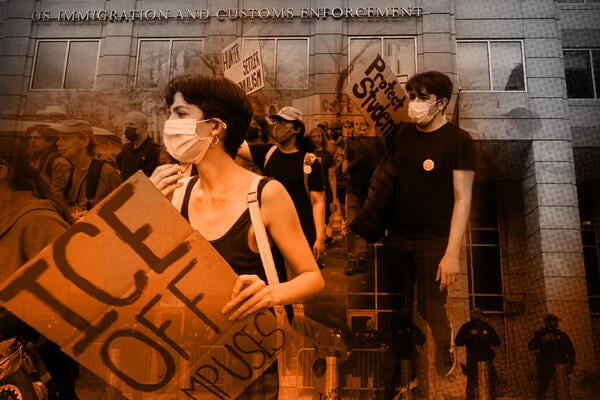
    The Trump administration issued plans earlier this week for a new policy that vastly expands federal officials’ authority to terminate students’ legal residency status, according to newly released court documents.

    The policy detailed in the filings asserts that immigration officials have the “inherent authority” to terminate students’ legal residency status in the Student Exchange and Visitor Information System “as needed.” It also explicitly lays out two new justifications for SEVIS terminations: the vague “evidence of failure to comply” with nonimmigrant visa terms, and a visa revocation, which can be issued without evidence of a violation by the State Department—and which, crucially, is not subject to court challenges.

    Immigration attorneys told Inside Higher Ed that if implemented, the new policy would enshrine broad permission for ICE to begin deporting students practically at will.

    “This is very bad news for foreign students,” said Charles Kuck, an immigration attorney representing 133 international students in the largest lawsuit challenging recent SEVIS terminations. “Any student who’s arrested, literally for any reason, is probably going to have their status terminated going forward.”

    Last Friday a U.S. attorney promised an official update to ICE policy on SEVIS terminations. On Tuesday, U.S. attorneys presented the document as evidence in a court filing in Arizona, describing it as “recently issued … policy regarding the termination of SEVIS records.”

    It was the first time that details of a new SEVIS termination policy were made public, and it was not at first clear whether it reflected official federal policy. On Tuesday, U.S. attorney Johnny Walker confirmed during another hearing for a SEVIS lawsuit in D.C. that it did, though the policy had yet to be finalized. Spokespeople for ICE did not respond to multiple questions from Inside Higher Ed.

    The plan comes less than a week after the administration began restoring thousands of foreign students’ SEVIS statuses after a series of court decisions overturned hundreds of status terminations. Kuck said the plan seemed to be a way for ICE to get around those rulings.

    “This is basically a cover-your-ass policy,” he said. “The fact that ICE initially reinstated visas was no surprise. They probably had U.S. attorneys screaming at them, ‘What are you doing?’ Now they’re trying to retroactively develop a policy that would allow them to do what they already did.”

    Immigration lawyer and Columbia University Immigrants’ Rights Clinic director Elora Mukherjee has been counseling international students across New York City for the past two months. After the visa-restoration decision last week, some students wanted to know if they were in the clear; she cautioned them against celebrating prematurely.

    “Whiplash is a good way to describe it,” she said. “Students are losing sleep—not just those whose visas have been terminated but those who are worried theirs could be next any day.”

    Fly-by-Night Policymaking

    The updated policy was outlined in an internal Department of Homeland Security memo filed as evidence in an Arizona federal court on Wednesday, where one of more than 100 lawsuits challenging visa revocations is being litigated.

    The unorthodox manner in which it was publicized has left immigration attorneys scratching their heads and international students’ advocates wondering how to respond.

    It also appears to have taken some federal officials by surprise. Kuck said that when he heard about the memo and brought it before the judge in his own case in Georgia, the U.S. attorney defending the government asked if he could send him a copy.

    Fanta Aw, president of NAFSA, an association of international educators, wrote in an email to Inside Higher Ed that the document “should not be relied upon as ICE’s new policy.” She also emphasized that there is no change to ICE’s visa termination policy included in the memo, only SEVIS terminations.

    The document is labeled as a “broadcast message … for internal SEVP use only,” meaning it would have been sent to Designated School Officials working in colleges’ international student offices. But Aw said that’s not accurate, either, because it lacks the customary broadcast message number, and DSOs in her organization said they had not received it.

    Kuck said the lack of a rule-making process for a sweeping policy change like the one outlined in the memo is most likely unlawful, and he was working on filing an amendment to challenge it on Thursday. But that doesn’t mean it should be taken lightly.

    “People should view this as the future,” Kuck said. “This is clearly the power ICE wants to give itself, so they’re going to move ahead with it.”

    ‘A Nightmare Booby Trap’

    Mukherjee said such a broad license to terminate SEVIS status would allow ICE to deport international students far more quickly and with less accountability. The new policy, if implemented and upheld by the courts, wouldn’t just revert to the status quo of the last few months, she said; it would create a landscape in which ICE could begin deportation proceedings with impunity.

    “We’ve already seen many students whose SEVIS terminations led directly to removal proceedings,” Mukherjee said. “It’s terrifying.”

    Kuck said it’s crucial that students understand that they’re still in danger of deportation even if their status was restored last week—and not just because of the new policy plan.

    The few hundred students who won a temporary restraining order in court over the past week have had their statuses reinstated and backfilled to when they were revoked. But the status of thousands more who did not file lawsuits was only reactivated from that point onward. That means they have a gap in status for the days or weeks in between—which, according to ICE policy, is grounds for removal from the country, even if their initial SEVIS termination was accidental.

    “This is a nightmare booby trap for these kids,” Kuck said.

    The only way to protect them, he said, is by filing a class action lawsuit for all affected international student visa holders. Kuck said he’s working on filing an injunction for one right now, and he is acting with urgency.

    In the meantime, Mukherjee said students—both those in the country and those who had planned to come in the fall—are “deeply unsettled.” She’s been asking them questions she’d never been concerned about before: whether they have any social media accounts or even tattoos.

    “I’m talking to international students who are currently in the U.S., to international students who’ve been admitted to study in the U.S. starting in the fall, and they’re asking, ‘Will we be able to complete our degree program?’” she said. “The answer is that it’s unclear.”

    Source link

  • Podcast: Dundee, student health, international

    Podcast: Dundee, student health, international

    This week on the podcast we discuss the financial crisis at the University of Dundee, as a revised recovery plan reduces proposed job cuts while requesting additional funding. Is this a sustainable solution for institutions facing similar challenges?

    Plus we look at concerning new Wonkhe and Cibyl polling on student health, and we examine how international student policies have become political battlegrounds in global elections.

    With Chris Shelley, Director of Student Experience at Queen Mary University of London, Rachel MacSween, Director of Partnerships and Stakeholder Engagement (UK and Europe) at IDP, Michael Salmon, News Editor at Wonkhe and presented by Mark Leach, Editor-in-Chief at Wonkhe.

    Read more

    Dundee: An alternative pathway to financial recovery, Scottish Government statement

    Latest from Belong – students’ health is not OK, and that’s not OK

    Canada: The Deeper Meaning of Election 2025


    Source link