Australia is set to welcome 160,000 overseas students next year after the education minister revealed which universities will get the largest number of international enrolments.
Please login below to view content or subscribe now.
Membership Login

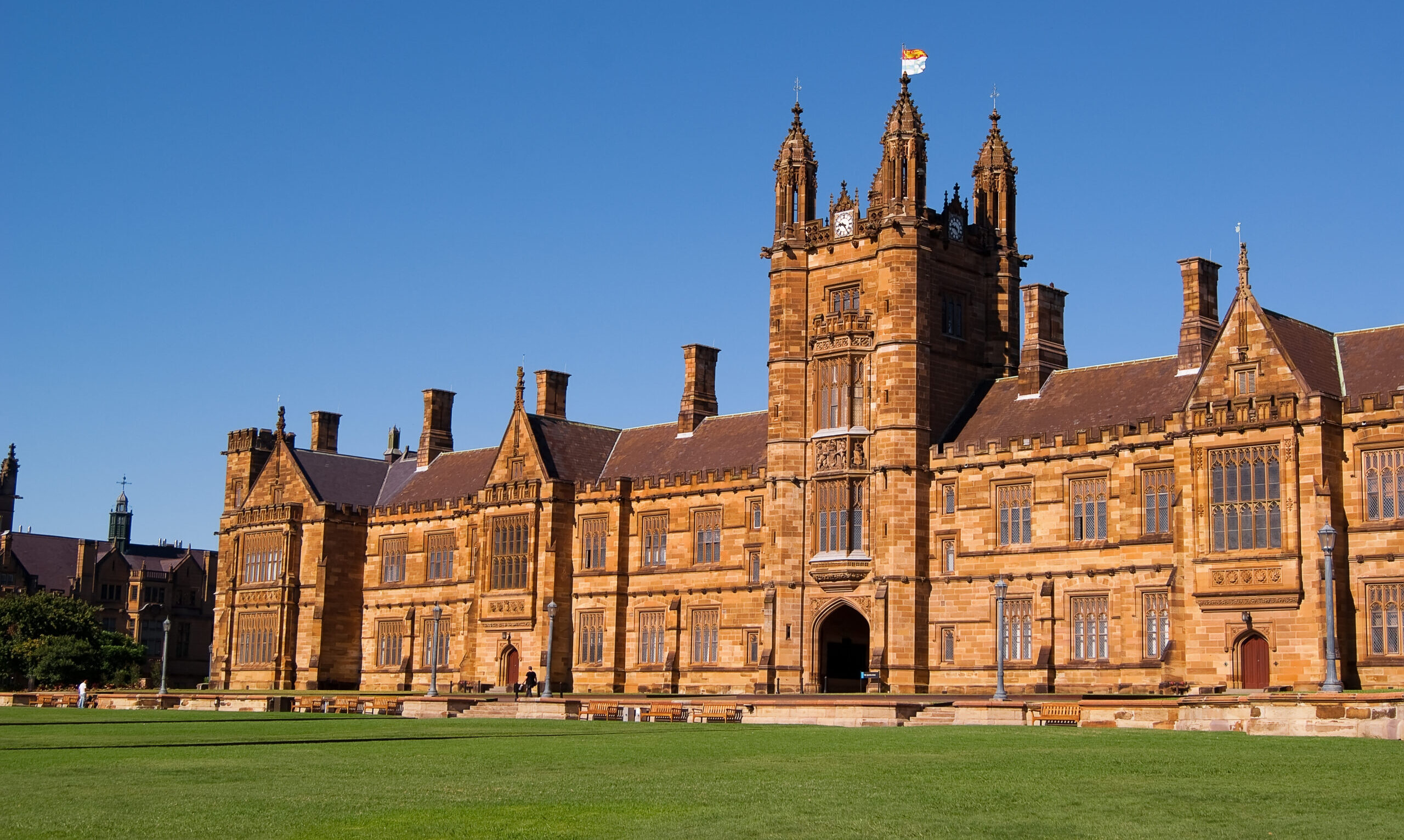
Australia is set to welcome 160,000 overseas students next year after the education minister revealed which universities will get the largest number of international enrolments.
Please login below to view content or subscribe now.
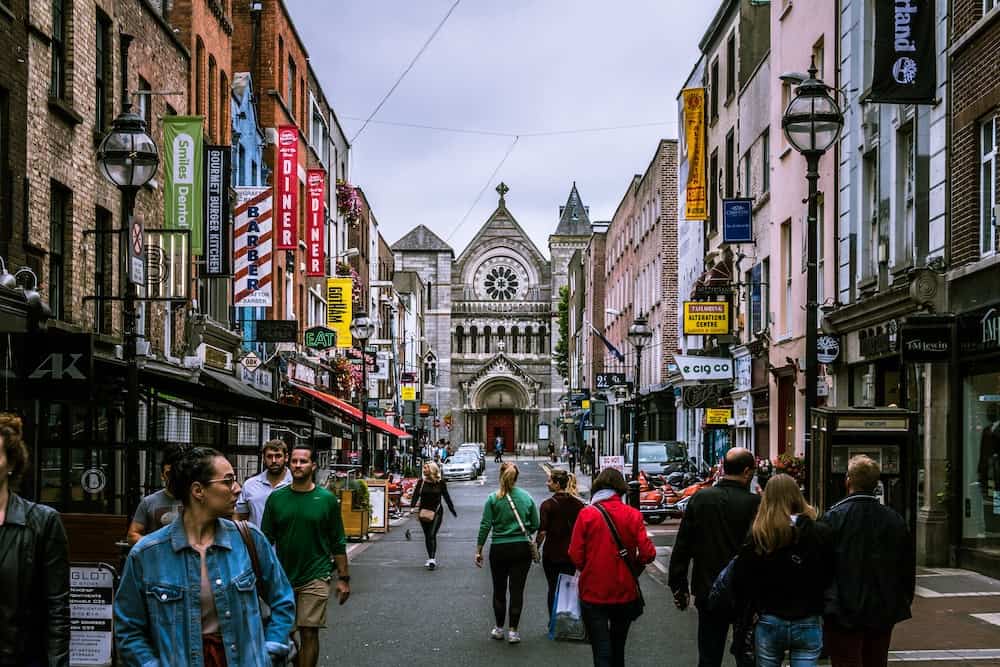
Ireland is quickly becoming one of the world’s most attractive destinations for international students. The changing global landscape, coupled with a shift in focus away from the big four, has allowed Ireland to come to the fore as an exciting option for those considering studying overseas.
With its thriving tech ecosystem, progressive visa policies, and competitive education costs, Ireland is positioning itself as a smart and strategic alternative to traditional study hubs like the US and the UK.
Leading in tech-focused growth
Ireland’s reputation as Europe’s Silicon Valley is drawing growing numbers of students seeking cutting-edge degrees in technology, science, and innovation. As digital transformation accelerates, Ireland’s universities have evolved their programmes to meet future job market demands. For students aspiring to work in AI, cybersecurity, or data science, Ireland’s blend of academic excellence and industry access has become a clear competitive advantage.
Visa and immigration: the competitive edge
While traditional destinations such as the US and UK experience policy slowdowns and increased visa scrutiny, Ireland is seizing the opportunity to attract globally mobile talent.
Ireland has the upper hand on the UK, as recent policy shifts, such as restrictions on student dependents, proposed 6% levy being passed onto international students and reduction of the Graduate Visa from two years to 18 months, have cast uncertainty on whether the UK will provide accessible opportunities and pathways into employment after graduation.
A recent example of this in action came last week, as many international students had been accepted on courses provided by University College London but were left in limbo for nearly a week, having paid thousands of pounds in costs and sought visa and immigration expertise to manage their application as the number of places available had reached capacity.
While the Home Office granted expedited approval of the visas, caps on international student numbers and additional layers of uncertainty and complication elsewhere could be contributing to Ireland recording the highest ever enrolment level of international students in 2024.
Ireland has the upper hand on the UK, as recent policy shifts, such as restrictions on student dependents… have cast uncertainty on whether the UK will provide accessible opportunities and pathways into employment after graduation
Attesting to this, in 2024, the number of international students from India fell in Canada, the US and by approximately 30% in the UK. Conversely, Ireland has gone from strength to strength, with enrolment figures growing by nearly 50% between 2023 and 2024, making it one of the fastest-growing destinations for Indian students to gain a degree overseas.
As an outlier in the context of the traditional big four study destinations, Ireland offers a streamlined and accessible visa system. Students who complete their degrees can apply for a two-year post-study work visa, allowing them to gain valuable professional experience and explore long-term career opportunities.
Equally appealing is Ireland’s open approach to international enrolment; there are no restrictive quotas or caps on overseas student numbers, meaning that those with the right qualifications have a genuine opportunity to study and build their future in Ireland.
Career opportunities and cost-effective education
According to the 2025 Report on Studying in Ireland, students from mainland China now make up 10.9% of Ireland’s international student body, making China the third-largest source country. The report credited Ireland with being preferential to Chinese students, its university diplomas are globally recognised, while 55% are drawn by strong work visa policies and a thriving job market.
Adding to its appeal, Ireland offers a more cost-effective pathway to a world-class education. With average tuition and living expenses ranging between €30,000–€40,000 per year, roughly 30-40% lower than in the US or UK, Ireland provides access to prestigious universities and globally recognised qualifications without the financial barriers often associated with other leading destinations.
What is next for Ireland? Expanding Ireland’s global footprint
There has been a clear pursuit over the past 18 months from UK universities towards setting up international hubs and campuses across Asia and Middle East to recuperate costs from the fall of international students, a bid to develop new global partnerships and retain prestige.
While demand from international students is not waning in Ireland, will institutions embrace similar strategic moves to explore ways to strengthen their global? UK universities such as the University of Southampton have opened a campus in Delhi, and earlier in 2025, Northern Ireland’s Queen’s University Belfast was approved by regulators to open a branch campus in India.
Ireland has begun to make moves in this area, with the Technological University of the Shannon opening student liaison offices in Asia, Africa, and Latin America in 2021 to increase student recruitment.
As Ireland strengthens its position as a destination for global talent, the natural next step may be for its institutions to expand their presence overseas, ensuring the country’s influence in higher education continues to grow well beyond its borders.
The PIE Live Ireland is being held on October 14. Secure your tickets now.

This guest blog was kindly authored by Vincenzo Raimo, an independent international higher education consultant
The UK government’s proposed 6 per cent levy on international tuition fees has added yet another layer of complexity to the already fragile international student recruitment landscape. The levy is intended to fund the introduction of targeted maintenance grants for home students, but for universities it represents an additional cost that could reshape recruitment strategies and, in some cases, make international activity unviable.
Higher education providers will not all respond in the same way. Their choices will be shaped by their position in the market, their pricing power, and their cost of acquisition (CoA) – the real cost of recruiting through to enrolment of each international student.
In a previous blog I set out five institutional archetypes in international student recruitment: Prestige Players, Volume Hunters, Strategists, Opportunists, and Outsourcers. These archetypes can help us think through the likely responses to the levy, and where the risks and opportunities lie.
Alongside these responses, two further groups are worth highlighting.
The archetype framework helps us see that there is no single sector response. Institutions will react in line with their pricing power, cost base, and strategic orientation. Prestige Players may pass through the levy with little concern. Absorbers will hold their nerve and tighten margins. Volume Hunters, by contrast, risk being forced out of the game altogether.
For these institutions, scaling back international recruitment will not just be a strategic shift but a financial shock. The loss of international fee income raises an uncomfortable question of how they will fill the gap – whether by yet more cost cutting, chasing riskier sources of income, or considering more fundamental changes to their operating models.
The levy therefore brings the deeper issue into sharp focus: the sustainability of international student recruitment. Chasing volume is no longer enough. Institutions must use this moment to confront the costs of recruiting and support these students, rethink pricing, and reconsider the value they offer. Those that do so will be far better placed to build resilient, sustainable futures in international education.

Studying in the UK is an exciting and life-changing experience. You are meeting new people, learning new things and building a future for yourself. Unfortunately, it also makes you a potential target for scammers who see international students as vulnerable. Being aware of how scams work, and where you can go for help, is the best way to stay safe.
A scam is when someone deliberately tricks you into giving away money, information, or access to your accounts. Scammers may pretend to be someone they are not, use fear to pressure you into acting quickly, or create fake opportunities that seem too good to miss.
International students are often targeted because they may not yet be familiar with UK systems, official procedures, or everyday scams. You might also feel extra pressure around visas, police registration or financial security, and fraudsters know how to exploit those worries.
Sadly, scammers are becoming more inventive and there are new types of scams developing all of the time. However, here are some of the main scams affecting international students at the moment:
These are some of the most common types of fraud. Criminals pretend to be police officers, immigration officials, bank staff, or even university employees. They may call you directly, using false caller IDs, or send official-looking emails and letters. The scam usually involves creating fear: for example, saying your visa is invalid, or your bank account has been compromised, and demanding an immediate payment or fine. Remember, genuine officials in the UK will never ask you to transfer money quickly over the phone. There have also been cases of people impersonating family members, so it is always best to hang up and call yourself to make sure they are legitimate.

These scams are especially frightening. A student is manipulated into isolating themselves — for example, by being told they are under investigation and must hide from contact. At the same time, the fraudsters contact the student’s family, often overseas, with staged photos or videos to make it appear as if the student has been kidnapped. The family is then pressured to pay a ransom. Cases like this have already been reported among international student communities.
Advances in artificial intelligence (AI) have created new risks. Fraudsters now use AI-generated video or audio to impersonate people during online interviews or to trick institutions into approving fake applications. Students can also be targeted with convincing “video calls” from supposed officials. It’s important to be aware that technology can be used to make scams look more realistic than ever before. Remember, nobody from your university, bank or other official body in the UK would ask you to transfer money or for your details urgently.
This type of scam often starts with a tempting offer: a job that pays well, cheap accommodation, or “help” with visa extensions. But to secure the opportunity, you are asked to pay an upfront fee. Once you pay, the offer disappears — and so does your money. Housing scams, in particular, are common in university towns, with fake adverts posted on social media or unofficial websites.

Also known as “pig butchering” scams, these involve criminals building a personal relationship with you, often online. Over time, they gain your trust before persuading you to send money or invest in fake schemes. The amounts lost can be very large, and victims may also feel embarrassed, which stops them from seeking help. It’s important to remember: if someone you’ve only met online starts asking for money, it’s a warning sign.
Real examples: Recently, Chinese students in London were targeted by fake officials demanding “legal fees” to avoid deportation. Universities have also reported deepfake applicants during admissions interviews. In Australia, students lost millions of pounds in just a few months to scams linked to fake authorities.
The most important thing is to stay cautious and trust your instincts. Keep these golden rules in mind:

If you believe you may already have been caught in a scam:
At INTO, your safety and wellbeing are our top priorities. We:
Scams can happen to anyone, but awareness is your strongest defence. By recognising the warning signs and speaking up when something doesn’t feel right, you can protect yourself and your family. Remember: if in doubt, talk to INTO staff. We’re here to keep you safe so you can focus on what really matters — your studies and your future.
Some 16,100 international students could be deterred from studying in the UK in the first year universities are levied 6% of all their international student fees, comes the stark warning from a new report from the think tank Public First.
Should the government make good on the proposal – outlined in the immigration white paper earlier this year – this figure could rocket to more than 77,000 students in the first five years of its implementation, the report predicts.
The government expects universities to pass the increased costs onto international students themselves by raising fees. But Public First cautioned that such a move would have catastrophic consequences by driving international students away, hitting the UK’s economy by £2.2 billion over five years and leading to a reduction of 135,000 university places for domestic students.
The think tank projected that a 6.38% international student fee increase – necessary for universities to pass on the entire cost of the levy – would have a far greater impact on students’ decision to study in the UK than the government has anticipated.
This is because the government’s forecasts were based on data for EU students. However, Public First noted that price elasticity of demand for non-EU students is greater than their EU counterparts – meaning they would be more likely to be look elsewhere if they found UK fees too expensive.
Jonathan Simons, partner at Public First and author of the report, noted that the projected impact of the levy “is much more severe than had been predicted previously”.
It is not widely understood just how much our economy is supported by international students and it’s really crucial that any policy that could affect international student numbers is considered through this lens
Jonathan Simons, Public First
“This, of course, will hit our universities, around 40% of whom are already in deficit, and that could lead to a further loss of jobs, a loss of university places for UK students and a loss of vital research investment,” he added.
“Perhaps even more significant, though, is the hit an international student levy could cause to local, regional and national economies across the UK. It is not widely understood just how much our economy is supported by international students and it’s really crucial that any policy that could affect international student numbers is considered through this lens.”
Henri Murison, chief executive of the Northern Powerhouse Partnership and chair of the Growing Together Alliance, said that the levy was opposed by all of England’s major regional employer organisations “because the resulting decline in international students would be hugely damaging to all the regions of the country”.
“The Chancellor should take note of the economic damage of this policy which undermines a critical UK export and we have requested an urgent meeting to raise our concerns,” he said.
The proposed levy has been widely criticised by higher education institutions.
Last month, a HEPI analysis predicted that UK universities could take a £621m hit if the policy goes ahead, with those situated in big metropolitan cities set to be the worst affected.

This week on the podcast we examine the results of the Office for Students’ first sector-wide survey on sexual misconduct.
With over 50,000 responses from final-year undergraduates, the data provides a stark picture of prevalence, reporting, and staff-student relationships in higher education. But with only sector-level results released, questions remain about transparency, accountability, and the regulator’s approach to such a sensitive issue.
Plus we discuss the politics and potential consequences of a proposed levy on international student fees – a policy idea that could reshape funding, recruitment, and the UK’s global competitiveness. And we take stock of warnings from the Institute of Physics about possible closures of departments and courses, asking what this says about funding for high-cost subjects and the sector’s capacity to manage contraction and change.
With Charlotte Corrish, Head of Public Policy at the Office of the Independent Adjudicator for Higher Education, Mark Bennett, Vice President Research and Insight at Keystone Education Group, and David Kernohan, Deputy Editor at Wonkhe, and presented by Mark Leach, Editor-in-Chief at Wonkhe.
The “regulatory burden” on sexual misconduct needs to lift the weight from students
What OfS’ data on harassment and sexual misconduct doesn’t tell us
IOP: Quarter of UK university physics departments risk closure as funding crisis bites
You can subscribe to the podcast on Acast, Amazon Music, Apple Podcasts, Spotify, Deezer, RadioPublic, Podchaser, Castbox, Player FM, Stitcher, TuneIn, Luminary or via your favourite app with the RSS feed.
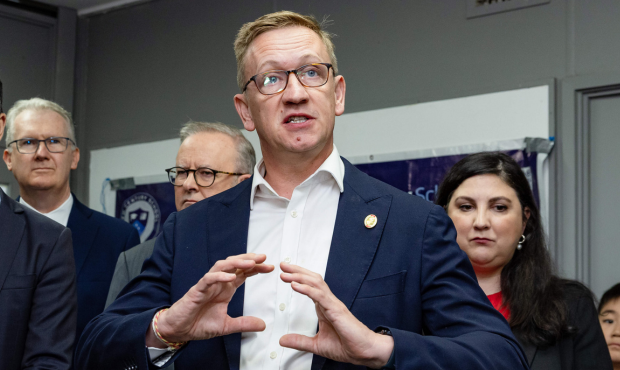
An international education framework will shape the “next phase of maturity” of the Albanese government’s vision of a quality-first, managed-growth tertiary education sector.
Please login below to view content or subscribe now.
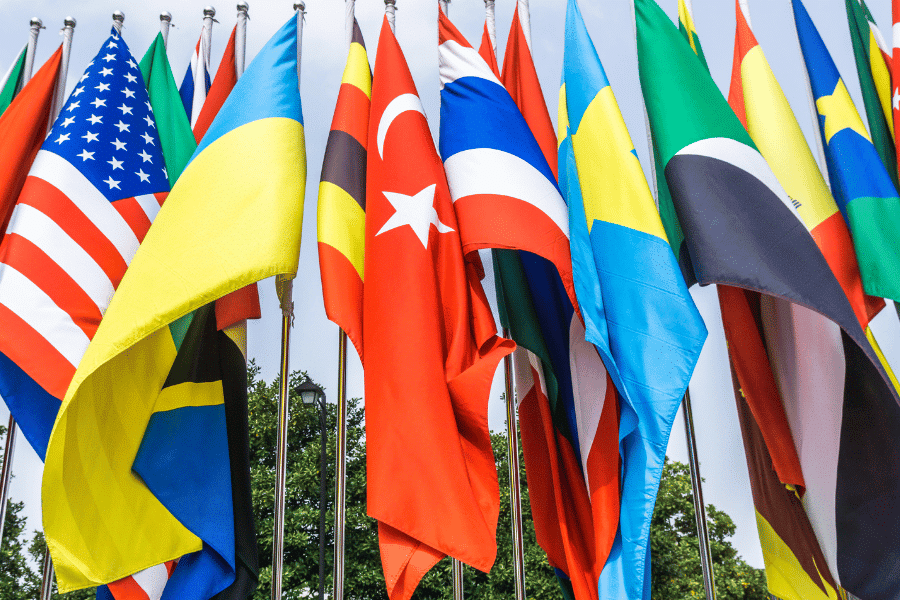
When Russia invaded Ukraine, hopes for action by “the international community” were dashed within days when the UN General Assembly failed to pass a resolution demanding the immediate withdrawal of invasion forces: five countries voted against it and 35 others abstained.
They included two of the five countries that have permanent seats on the UN Security Council. Any of those five countries can veto any joint measure even if the entire rest of the world is in favour.
But even as the UN failed to intervene in the Ukraine conflict in the role of “the international community” as it was perceived by many during the Cold War, a group of countries — led by the United States but including NATO and the European Union — have since supported Ukraine with billions worth of weapons and economic aid.
On an anniversary of the civil war in Syria, meanwhile, the advocacy group Amnesty International blamed “the international community’s catastrophic failure to act” for the war crimes and crimes against humanity committed in that conflict. It was Russian air power that turned the tide of war in favour of President Bashar al-Assad’s government.
Assad might be a pariah in the West. But he was embraced by the Arab League in May. That’s a 22-member organization of nations in North Africa, West Asia and parts of East Africa. It had expelled Syria in 2011 for cracking down on anti-government protestors with a brutality so savage it was shocking even to an organisation with a poor record of concern for human rights.
If the United Nations is powerless because it can’t reach unanimity of its members and if Russia and its allies have different world views than the member nations of NATO and these views differ from the concerns of the members of the Arab League, what “international community” is there?
As for the shared vision for a better world visualized by Annan: is it becoming dimmer or brighter?
There is reason for pessimism. Around the world, democracy is in decline and authoritarian leaders, such as Syria’s Assad and Russia’s Putin, are literally getting away with murder.
Freedom House, a Washington-based non-governmental organisation that keeps track of global freedom and peace, says in its latest report that global freedom has declined for 17 consecutive years.
The United States was once considered a model for others to follow. But Donald Trump, in his four years as president, has encouraged authoritarian leaders. After he lost the presidential election in 2020, he attempted to halt the peaceful transfer of power.
Trump loathed international agreements and pulled the United States out of the International Criminal Court, the UN Human Rights Council, the global compact on migration and the Paris Climate Accords.
Every country in the world has signed the Paris agreement, making it one of the few actions that can be ascribed to the entire international community. Trump’s successor, Joe Biden, signed the paperwork to bring the United States back into the Paris agreement on his first day in office.
As far as the more routine use of the phrase is concerned, Richard Haas, long-time president of the New York-based think tank Council on Foreign Relations until he retired in June, once described the dilemma in unusually blunt terms:
“The problem is that no international community exists,” he said. “It would require that there be widespread agreement on what needs to be done and a readiness to do it. Banning the term would mean that people and governments assume a greater responsibility for what takes place in the world.”
In some ways governments are assuming greater responsibility, if not as one giant international bloc than by an alphabet soup of sub-groups. There is the G-7, an informal bloc of wealthy democracies (the United States, Britain, France, Germany, Canada, Italy and Japan). There is the G-20 of 19 countries and the European Union. There is ASEAN, the Association of 10 South East Asian Nations. There is the OAS, the Organization of American States. Finally, there is the African Union which brings together 55 countries across that continent.
In theory, they could work towards agreement on what needs to be done to make the world a safe, secure and prosperous place.
Much of their emphasis tends to be on economic matters, none more than BRICS, an acronym coined by Goldman Sachs banker Jim O’Neill for a grouping of Brazil, Russia, India, China and South Africa. Moves are underway to widen that group and turn it into a counterweight to the industrialized West.
Could all those groups, working on parallel tracks, result in a true international community? Perhaps the next generation of politicians and citizen activists will succeed where their elders failed.
1. Can you think of a way to replace the phrase “the international community”?
2. Do you consider your own country part of it?
3. Can you think of cases where engaged citizens changed their governments’ policies?

As the global education landscape evolves, understanding what motivates international students has never been more critical. NCUK’s annual student survey series, Transforming Student Futures, provides essential insights into the aspirations of approximately 1,000 international students from 88 countries participating in NCUK’s in-country pathway programmes worldwide.
The latest findings reveal clear patterns in student priorities that demand attention from educators, policymakers, and universities.
Maintaining quality and reputation is key
Quality of education stands as the decisive factor for international students, with 69.9% of respondents selecting it as their primary motivation for pursuing overseas qualifications, up from 58% in 2024. Career-focused motivations follow closely, with over half of students (56.4%) motivated by career development opportunities, including increased employability and monetary benefits.
This emphasis on educational excellence is particularly pronounced among students from Nigeria, Pakistan, Myanmar, and Peru, where quality ranks as the top motivation. In Kenya, quality shares the top position with career development, while in Ghana, it ties with gaining new knowledge as the primary driver.
Interestingly, students from China present a unique pattern, with gaining new knowledge emerging as their main motivation rather than quality alone, suggesting different educational priorities for NCUK students across source markets.
The rise of TNE and changing learning preferences
Traditional learning models continue to dominate student preferences, with 66% favouring fully on-campus learning experiences. However, the survey indicates growing consideration for online provision as an increasingly viable alternative, reflecting evolving attitudes toward flexible education delivery.
The year-on-year increases in demand for full online learning (up from 10% to 22%), full on-campus learning at a local institution in the students home country (up from 16% to 32%) and full on-campus learning but half taught at a branch campus in the student’s home country and half taught at a main campus overseas (up from 14% to 20%) all signal a move toward flexibility.
This shift aligns with the recent growth of TNE, and NCUK’s in-country model and diverse qualification offerings cater to this demand, enabling students to access global education without relocating immediately.
Is it worth us considering whether, as a sector, we sometimes place too much emphasis on policy change?
The high confidence level in NCUK pathways – with 94% of students believing these programs will enhance their career prospects (a 5% year-on-year increase) – demonstrates strong programme satisfaction and perceived value among participants.
Policy changes: The US coming up Trumps but overall, NCUK students unaffected by policy changes
In 2025, 52% of respondents expressed concern about UK visa restrictions, up from 38% in 2024, reflecting recent tightening of post-study work policies. Conversely, the USA saw a 12% rise in positive sentiment (to 29%) due to perceived stability in immigration rules, while Australia’s appeal dipped 8% (to 22%) amid cost-of-living concerns.
These shifts highlight a nuanced landscape: students from Ghana and Pakistan are more deterred by UK policy changes, while Nigerian students remain optimistic about the USA. However, the overall message here is that NCUK students’ decision making does not seem significantly influenced by policy changes, with 80% of respondents choosing the UK as their preferred destination, despite the above findings.
Is it worth us considering whether, as a sector, we sometimes place too much emphasis on policy change?
Implications for the future
The emphasis on quality demands continued investment in academic excellence and institutional reputation to meet rising student expectations, particularly in competitive source markets like Nigeria. And further, expanding TNE and hybrid learning options will cater to students seeking quality education with flexibility, reducing reliance on traditional study-abroad models.
NCUK’s in-country pathway programmes demonstrate strong alignment with student needs and aspirations, offering the academic preparation, university access to high-ranking institutions, and career development support that international students prioritise. As the education sector continues to evolve, maintaining focus on quality, flexibility, and comprehensive student support will remain essential for meeting the diverse and changing needs of international students.
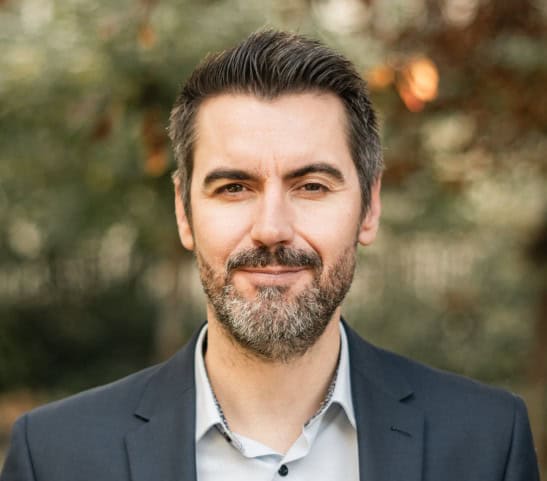
About the author: Andy Howells is the Chief Marketing Officer for NCUK, a leading global pathway provider. He has worked in higher education for over 15 years in senior marketing and student recruitment roles at Royal Holloway, University of London, the University of Southampton and most recently, Universities UK International (UUKi).
Andy has won several awards, including ‘Best Issues and Crisis Campaign’ at the PR Week Global awards in 2022 for UUKi’s We Are Together campaign, and ‘Marketing Campaign of the Year’ at the PIEoneer Awards in 2023 for UUKi’s Twin for Hope campaign. In 2023, Andy led the relaunch of the UK higher education sectors, #WeAreInternational campaign.
Andy is a father of two young children and his claim to fame is delivering his second child himself, in his car, in a supermarket car park during the first weeks of Covid lockdowns!

This week on the podcast we examine the challenges facing UK higher education as another tough academic year begins with government finances stretched and the sector languishing at the bottom of political priorities.
With the post-16 education white paper still pending and rumours swirling about tuition fee increases and international student levies, what does the year ahead hold for universities already struggling with funding pressures?
Plus we discuss the latest crackdown on international students as 130,000 are warned about visa overstaying and further restrictions on dependants loom, and ask whether new governance recommendations – from paying board members to live-streaming meetings – can restore confidence in university leadership after high-profile failures.
With Anton Muscatelli, Principal at University of Glasgow, Dani Payne, Head of Education and Social Mobility at the Social Market Foundation, James Coe, Associate Editor at Wonkhe, and presented by Jim Dickinson, Associate Editor at Wonkhe.
What’s coming up for HE policy in 2025–26
For student leaders, it’s been a Cruel Summer
Enhancing higher education governance will require agility and accountability
From where student governors sit, Dundee isn’t the only institution with governance challenges
The exploitation of international students begins before they enrol
What’s happened with dependants since the PGT ban?
International students and asylum claims
Home Office Eyes More Restrictions On International Student Visas