Developed with the help of volunteer leaders and member institutions across the country, The Job Descriptions Index provides access to sample job descriptions for positions unique to higher education.
Descriptions housed within the index are aligned with the annual survey data collected by the CUPA-HR research team. To aid in the completion of IPEDS and other reporting, all position descriptions are accompanied by a crosswalk section like the one below.
Crosswalk Example
Position Number: The CUPA-HR position number BLS SOC#: Bureau of Labor Statistics occupation classification code BLS Standard Occupational Code (SOC) Category Name: Bureau of Labor Statistics occupation category title US Census Code#: U.S. Census occupation classification code VETS-4212 Category: EEO-1 job category title used on VETS-4212 form
***SOC codes are provided as suggestions only. Variations in the specific functions of a position may cause the position to better align with an alternate SOC code.
Sample Job Descriptions
Child Care Center Teacher
Degreed, professional teacher. Plans and implements a developmentally appropriate curricula and activities for children and families enrolled at a campus childcare center or early childhood development program. Using observation and developmental profiles/checklists, maintains appropriate records of children’s progress. Supervises personnel assigned to assist with classroom activities (including students, assistants, and volunteers).
CROSSWALKS Position Number: 457125 BLS SOC #: 25-3099 BLS Standard Occupational Code (SOC) Category Name: Teachers and Instructors, All Other US Census Code: 0020 VETS-4212 Category: Prof
Responsible for the direction and supervision of child/day care center activities. Performs a variety of professional and administrative duties, including program administration and management of budgets, facilities, personnel, and special projects for a single site. Coordinates the childcare support services program with day care center teachers and other staff. Must meet state license requirements. May require a master’s degree in early childhood education or related field. Requires 5-8 years’ experience with child development programs.
CROSSWALKS Position Number: 457120 BLS SOC #: 39-1020 BLS Standard Occupational Code (SOC) Category Name: First-Line Supervisors of Personal Service Workers US Census Code: 0020 VETS-4212 Category: Prof
Reviews customer requirements, creates test cases, executes testing plan using testing tools and automation, and tests applications, databases, or systems developed against the test cases to ensure there are no bugs and requirements are met.
CROSSWALKS Position Number: 461180 BLS SOC #: 15-1231 BLS Standard Occupational Code (SOC) Category Name: Computer Network Support Specialists US Census Code: 1050 VETS-4212 Category: Prof
Developed with the help of volunteer leaders and member institutions across the country, The Job Descriptions Index provides access to sample job descriptions for positions unique to higher education.
Descriptions housed within the index are aligned with the annual survey data collected by the CUPA-HR research team. To aid in the completion of IPEDS and other reporting, all position descriptions are accompanied by a crosswalk section like the one below.
Crosswalk Example
Position Number: The CUPA-HR position number BLS SOC#: Bureau of Labor Statistics occupation classification code BLS Standard Occupational Code (SOC) Category Name: Bureau of Labor Statistics occupation category title US Census Code#: U.S. Census occupation classification code VETS-4212 Category: EEO-1 job category title used on VETS-4212 form
***SOC codes are provided as suggestions only. Variations in the specific functions of a position may cause the position to better align with an alternate SOC code.
Sample Job Descriptions
Advancement Services, Prospect Researcher
Organizes and oversees the institution’s records relating to current and prospective donors, conducts research to discover prospects for gifts, and documents the association of these prospects with the college or university.
CROSSWALKS Position Number: 442120 BLS SOC # 13-1131 BLS Standard Occupational Code (SOC) Category Name: Fundraisers US Census Code # 0726 VETS-4212 Category: Prof
Under supervision, assists in cultivating and broadening alumni interest in and financial support of the university. Develops, strengthens, and implements both campus and regional alumni programs; plans and implements major homecoming and reunion events. May supervise support staff and/or a group of volunteers. Requires a bachelor’s degree. Senior level typically requires 2-3 years of related experience.
CROSSWALKS Position Number: 438100, 438110 BLS SOC # 27-3031 BLS Standard Occupational Code (SOC) Category Name: Public Relations Specialists US Census Code # 2825 VETS-4212 Category: Prof
Under supervision, assists in the administration and implementation of annual giving programs. Develops, oversees, and evaluates assigned area of the campaign; researches, visits, cultivates, solicits, and thanks prospective donors to annual fund; monitors content and substance of mailings to constituents and analyzes past responses; coordinates staff reunion development committees. May supervise support staff and/or a group of volunteers. Requires a bachelor’s degree. Senior level typically requires 2-3 years of fundraising experience.
CROSSWALKS Position Number: 437110, 437115 BLS SOC # 13-1131 BLS Standard Occupational Code (SOC) Category Name: Fundraisers US Census Code # 0726 VETS-4212 Category: Prof
Implements and coordinates a broad-based strategy of donor recognition, stewardship, and donor communications. Publishes and distributes stewardship reports on endowed funds. Manages donor gift acknowledgements and proactively identifies opportunities to communicate with donors and alumni. Plans and executes cultivation and stewardship events on campus and around the country. Manages communication between development staff and academic departments, interdisciplinary programs, and research centers.
CROSSWALKS Position Number: 437160 BLS SOC #: 13-1131 BLS Standard Occupational Code (SOC) Category Name: Fundraisers US Census Code: 0726 VETS-4212 Category: Prof
Responsible for providing information about the institution to students, faculty, and the public. Functions typically include news media relations; preparation or review of news releases and photographs; and preparation and distribution of newsletters, magazines, and other publications.
CROSSWALKS Position Number: 443140 BLS SOC #: 27-3023 BLS Standard Occupational Code (SOC) Category Name: News Analysts, Reporters, & Journalists US Census Code: 2860 VETS-4212 Category: Prof
Head, Communications/Marketing for College or School
Manages a designated college’s/ school’s communications function that is distinct from the institution’s central communications function. Engages in media relations, public information, public affairs, and publications. Develops communication strategies consistent with university/ school goals, objectives, and priorities, in consultation with university leadership and other appropriate individuals and groups.
CROSSWALKS Position Number: 443120 BLS SOC #: 13-1161 BLS Standard Occupational Code (SOC) Category Name: Market Research Analysts & Marketing Specialists US Census Code: 0735 VETS-4212 Category: Prof
Responsible for the identification, cultivation and solicitation of alumnae, parents, and friends of the institution capable of making gifts of $50,000 or more. Requires a bachelor’s degree. Senior level typically requires 2-3 years of related experience.
CROSSWALKS Position Number: 437120, 437125 BLS SOC # 13-1131 BLS Standard Occupational Code (SOC) Category Name: Fundraisers US Census Code # 0726 VETS-4212 Category: Prof
Identifies, cultivates and motivates donors to make significant gifts assisting them with gift planning strategies, financial and estate planning, tax law and real estate. Collaborates with all divisions/schools in the institution. Requires a bachelor’s degree. Senior level typically requires 2–3 years of experience in planned giving/development and/or a related field.
CROSSWALKS Position Number: 437135, 437140 BLS SOC # 13-1131 BLS Standard Occupational Code (SOC) Category Name: Fundraisers US Census Code # 0726 VETS-4212 Category: Prof
Responsible for nurturing top donor prospects and securing the institution’s largest gifts (typically in the $2M-$5M range). Works closely with the chief development/advancement officer, institutional executive officers, and academic deans to solicit principal top gift prospects and to secure and maintain top donor relations.
CROSSWALKS
Position Number: 437130
BLS SOC #: 13-1131
BLS Standard Occupational Code (SOC) Category Name: Fundraisers
US Census Code:0726
VETS-4212 Category: Prof
Ensures that institution’s brand identity is properly represented on goods and services. Protects and controls the use of institution’s name and marks on merchandise. Distributes and approves logo artwork; promotes products and designs consistent with the goals and image of the institution. Approves licenses, establishes/maintains cooperative relationships, and oversees royalty revenues. Manages market share of products in retail venues.
CROSSWALKS Position Number: 443150 BLS SOC # 13-1161 BLS Standard Occupational Code (SOC) Category Name: Market Research Analysts & Marketing Specialists US Census Code # 0735 VETS-4212 Category: Prof
Developed with the help of volunteer leaders and member institutions across the country, The Job Descriptions Index provides access to sample job descriptions for positions unique to higher education.
Descriptions housed within the index are aligned with the annual survey data collected by the CUPA-HR research team. To aid in the completion of IPEDS and other reporting, all position descriptions are accompanied by a crosswalk section like the one below.
Crosswalk Example
Position Number: The CUPA-HR position number BLS SOC#: Bureau of Labor Statistics occupation classification code BLS Standard Occupational Code (SOC) Category Name: Bureau of Labor Statistics occupation category title US Census Code#: U.S. Census occupation classification code VETS-4212 Category: EEO-1 job category title used on VETS-4212 form
***SOC codes are provided as suggestions only. Variations in the specific functions of a position may cause the position to better align with an alternate SOC code.
Sample Job Descriptions
Senior Technology Licensing Officer
Responsible for managing licensing projects and cases, including identifying and evaluating technologies with commercial potential and licensees for the technologies. Prepares invention summaries for marketing purposes and develops and implements marketing strategies for each technology. Drafts and negotiates licenses and other types of agreements, including material transfer, collaboration, and nondisclosure agreements.
CROSSWALKS Position Number: 476110 BLS SOC # 13-1199 BLS Standard Occupational Code (SOC) Category Name: Business Operations Specialists, All Other US Census Code # 0740 VETS-4212 Category: Prof
SAMPLE JOB DESCRIPTIONS Contract Administrator (The University of Maryland, College Park)
Developed with the help of volunteer leaders and member institutions across the country, The Job Descriptions Index provides access to sample job descriptions for positions unique to higher education.
Descriptions housed within the index are aligned with the annual survey data collected by the CUPA-HR research team. To aid in the completion of IPEDS and other reporting, all position descriptions are accompanied by a crosswalk section like the one below.
Crosswalk Example
Position Number: The CUPA-HR position number BLS SOC#: Bureau of Labor Statistics occupation classification code BLS Standard Occupational Code (SOC) Category Name: Bureau of Labor Statistics occupation category title US Census Code#: U.S. Census occupation classification code VETS-4212 Category: EEO-1 job category title used on VETS-4212 form
***SOC codes are provided as suggestions only. Variations in the specific functions of a position may cause the position to better align with an alternate SOC code.
Sample Job Descriptions
Athletics Trainer/Physical Therapist
Under the general supervision of the Head Athletic Trainer, provides physical therapy and assists in the prevention, care, and rehabilitation of athletic injuries. Provides trainer coverage of athletic activities, organizes orthopedic clinics, advises on prevention and care of athletic injuries, and team-teaches athletic training classes. Supervises student trainers. Typically requires: Bachelor’s degree, preferably in physical therapy or health science, and 1 – 3 years of related experience at the collegiate level. Certification as an athletic trainer desirable.
CROSSWALKS Position Number: 469110 BLS SOC # 29-9091 BLS Standard Occupational Code (SOC) Category Name: Athletic Trainers US Census Code # 3245 VETS-4212 Category: Prof
Coordinates all aspects of team defense, assesses players’ skills and assigns positions, evaluates own and opposition team capabilities to determine game strategy, instructs players in techniques of game, and assists with recruitment and retention of student athletes. Requires a bachelor’s degree in physical education, recreation, health, or related field or equivalent plus 4-5 years’ experience as an assistant coach or high school head coach. Must have knowledge of NCAA rules and regulations.
CROSSWALKS Position Number: 499280 BLS SOC #: 27-2022 BLS Standard Occupational Code (SOC) Category Name: Coaches and Scouts US Census Code: 2720 VETS-4212 Category: Prof
Responsible for developing, implementing, supervising and evaluating the overall academic services offered to student athletes to insure they strive to achieve their full academic potential. Also responsible for monitoring institutional compliance with NCAA/conference academic eligibility regulations for student-athletes in all sports. Typically requires: Bachelors degree and 3-5 years of related administrative experience.
CROSSWALKS Position Number: 400170 BLS SOC # 25-9030 BLS Standard Occupational Code (SOC) Category Name: Instructional Coordinators US Census Code # 2550 VETS-4212 Category: Prof
Responsible for developing, administering and monitoring the compliance system for maintaining institutional control for the school’s athletics program. Responsible for the comprehensive administration of all athletic compliance functions of the institution to ensure compliance with NCAA and other league rules and regulations, as well as pertinent governmental regulations. Responsibilities include, but are not limited to, monitoring recruiting activities, initial eligibility certification, continuing eligibility certification, financial aid administration, self reporting and rules education. Typically requires: Bachelors degree and 2 – 4 years of NCAA Compliance experience at an institution of higher learning.
CROSSWALKS Position Number: 427100 BLS SOC # 13-1041 BLS Standard Occupational Code (SOC) Category Name: Compliance Officers US Census Code # 0565 VETS-4212 Category: Prof
Responsible for all fund raising for athletic programs, including major gift cultivation and solicitation, capital campaigns, athletic club, premium seating programs, private suites, etc. Typically requires: Bachelors degree, 3- 5 or more years of college or university athletic fund-raising experience.
CROSSWALKS Position Number: 437150 BLS SOC # 13-1131 BLS Standard Occupational Code (SOC) Category Name: Fundraisers US Census Code # 0726 VETS-4212 Category: Prof
Responsible for advising the Athletic Director on all external affairs and overseeing the external relations program which includes advertising, promotions, marketing, communications, ticketing and public affairs for the entire department. Oversees all marketing and promotions fulfillment as well as game day operations and all media resources (television, radio, internet, etc.). Serves as liaison with sponsors and negotiate contracts between various marketing, promotion and advertising entities. Typically requires: Bachelors degree in related field; 5 years of management experience in a college or university athletic department; experience in developing and implementing strategies related to external affairs preferred.
CROSSWALKS Position Number: 468100 BLS SOC # 27-3031 BLS Standard Occupational Code (SOC) Category Name: Public Relations Specialists US Census Code # 0060 VETS-4212 Category: Prof
SAMPLE JOB DESCRIPTIONS
Head, Athletics Operations
Directs use, operation, and maintenance of all Institution athletic facilities and fields including stadiums, arenas, gymnasiums, pools, rinks and boathouses. Oversees administration of all events and establishes facilities revenue goals. Establishes long-range planning for facilities, identifies, assesses and addresses short- and long-term program needs in conjunction with staff members and coaches, and plans for and recommends technology improvements. Typically requires: Bachelor degree, with Master degree preferred; 8 or more years experience in facility and operation management; preferably athletic facility administration and operations experience desired.
CROSSWALKS Position Number: 457110 BLS SOC # 13-1199 BLS Standard Occupational Code (SOC) Category Name: Business Operations Specialists, All Other US Census Code # 0020 VETS-4212 Category: Prof
Directs the athletic training program for intercollegiate athletics and supervises the training room. Collaborates with coaching staff in developing conditioning, weight training and nutrition programs for athletes. Coordinates medical coverage for athletic events. Supervises Assistant Athletic Trainers/ Physical Therapists in the prevention, care, and rehabilitation of athletic injuries. Determines, with advice from a doctor, when and at what level an athlete can return to participation in a sport. Typically requires: Bachelors degree in physical therapy, athletic training or related field; 5 – 8 years of related experience and certification as an athletic trainer.
CROSSWALKS Position Number: 469100 BLS SOC # 29-9091 BLS Standard Occupational Code (SOC) Category Name: Athletic Trainers US Census Code # 3245 VETS-4212 Category: Prof
Directs intercollegiate and intramural athletic programs for men only. Responsible for scheduling and contracting for athletic events, employment and direction of athletic coaches, publicity, ticket sales, and equipment and facilities maintenance. Typically requires: Bachelor’s degree and 3-5 years of management experience in intercollegiate athletics.
CROSSWALKS Position Number: 468120 BLS SOC # 13-1199 BLS Standard Occupational Code (SOC) Category Name: Business Operations Specialists, All Other US Census Code # 2720 VETS-4212 Category: Prof
SAMPLE JOB DESCRIPTIONS
Head, Sports Information / Athletics Communications
Institutional representative to the media for all athletic activities. Manages preparation and dissemination of news releases, articles, videos, WEB updates and other communications about the institutions sports programs, including games and other events. Typically requires: Bachelors in journalism, public relations, marketing or related field; 3- 5 years of experience in sports journalism.
CROSSWALKS Position Number: 468110 BLS SOC # 27-3031 BLS Standard Occupational Code (SOC) Category Name: Public Relations Specialists US Census Code # 0050 VETS-4212 Category: Prof
Oversees all aspects of women’s athletic programs. Responsibilities typically include budget planning, resource allocation, scheduling and contracting for athletic events, coordination and/or administrative support for coaches of all women’s sports. Also provides academic support to all women student-athletes, to include monitoring of academic performance and attendance, tutoring, advising or referring to appropriate resources. In charge of gender equity within the Athletic Department and advises the director on all matters concerning Women’s Athletics and gender related issues. Typically requires: Bachelor’s degree and 4-7 years of experience in athletic department administration, coaching, counseling or related field.
CROSSWALKS
Position Number: 468130
BLS SOC # 13-1199
BLS Standard Occupational Code (SOC) Category Name: Business Operations Specialists, All Other
US Census Code #2720
VETS-4212 Category: Prof
Coordinates all aspects of team offense, assesses players’ skills and assigns team positions, evaluates own and opposition team capabilities to determine game strategy, and coaches or directs coaches to instruct players in techniques of game. Requires a bachelor’s degree in physical education, recreation, health, or related field or equivalent plus 4-5 years’ experience as an assistant coach or high school head coach. Must have knowledge of NCAA rules and regulations.
CROSSWALKS Position Number: 499270 BLS SOC #: 27-2022 BLS Standard Occupational Code (SOC) Category Name: Coaches and Scouts US Census Code: 2720 VETS-4212 Category: Prof
Supports coaches’ decision-making by organizing, analyzing, and presenting information. Attends sporting events and records data in real time. Audits and compiles official statistics and prepares reports for media. May be involved in resolution of disputed calls. Analyzes player performance and team strategy. Requires a bachelor’s degree in mathematics, statistical analysis, or computer science.
CROSSWALKS Position Number: 468150 BLS SOC # 15-2041 BLS Standard Occupational Code (SOC) Category Name: Statisticians US Census Code # 1230 VETS-4212 Category: Prof
This audio is auto-generated. Please let us know if you have feedback.
Dive Brief:
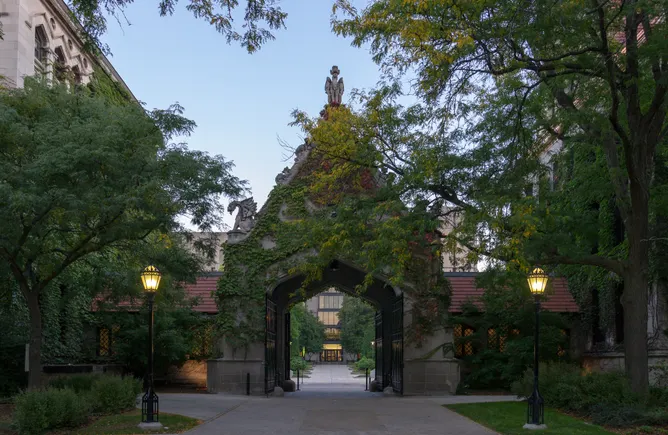
The University of Chicago is looking to cut $100 million in expenses after two years of deficits and “profound federal policy changes” under the Trump administration, according to university President Paul Alivisatos.
In community messages Thursday, Alivisatos said that goal requires staff reductions. This year, the university plans to eliminate 100 to 150 staff jobs, including through layoffs, mostly tied to discontinuing university programs and activities.
The institution also plans to reduce senior leadership roles, pause admissions for over a dozen Ph.D. and master’s programs, decrease the number of spots for doctoral students, scale back capital projects, and review its research spending with an eye toward potentially cutting some academic centers.
Dive Insight:
Like many university presidents in recent months, Alivisatos pointed to the past eight months of policy disruption under the Trump administration as having “created multiple and significant new uncertainties and strong downward pressure on our finances.”
In that environment, “steps ahead have become much steeper in the face of proximate challenges,” Alivisatos said in a message to staff.
University of Chicago already faced financial pressure from rising expenses before the year began. In fiscal 2024, the institution reported a $193.7 million operating deficit — even as its revenue grew. That shortfall represented an improvement from the year before, when it posted a $201.7 million deficit.
“Despite important progress that all of you worked so hard to contribute to over the last two years, our annual income still falls short of our expenses,” Alivisatos said in a message to faculty. “That is not something that we can allow to persist.”
The university is taking a kitchen sink approach to its budget, reducing spending in multiple areas while also trying to ensure its core operations and services remain strong. But employee compensation remains the university’s largest expense and a major area for cutting.
University of Chicago Provost Katherine Baicker noted Thursday that the latest round of budget cuts will build on previous institutional efforts to reduce costs, which included voluntary retirements, layoffs and hiring freezes.
The staffing cuts will be tied to specific activities and programs that the institution plans to end, rather than an across-the-board cut, the university said in a FAQ on the operational restructuring.
“The aim is to do fewer things well, rather than doing the same things with fewer people,” it said.
The university is not planning any faculty cuts, instead opting to maintain the current number after past years of growth.
However, the University of Chicago will pause Ph.D. enrollment of 19 programs for the 2026-27 academic year — nearly all of them in the liberal arts and humanities, including anthropology, political economics, English, theater, art history and public policy. The move has garnered national attention amid concerns the reduction could harm the academic landscape at the university and beyond.
The University of Chicago is also rethinking its approach to campus construction. The institution can no longer afford to build primarily via debt financing, and newly established rules require philanthropic or other external support for building projects before starting them, according to Alivisatos. The university has “substantially” scaled down plans for a new engineering and science building, Alivisatos said.
If you have descriptions you are willing to share, please use this form to submit them for consideration. Thank you for helping us build this valuable resource.
Developed with the help of volunteer leaders and member institutions across the country, The Job Descriptions Index provides access to sample job descriptions for positions unique to higher education.
Descriptions housed within the index are aligned with the annual survey data collected by the CUPA-HR research team. To aid in the completion of IPEDS and other reporting, all position descriptions are accompanied by a crosswalk section like the one below.
Crosswalk Example
Position Number: The CUPA-HR position number BLS SOC#: Bureau of Labor Statistics occupation classification code BLS Standard Occupational Code (SOC) Category Name: Bureau of Labor Statistics occupation category title US Census Code#: U.S. Census occupation classification code VETS-4212 Category: EEO-1 job category title used on VETS-4212 form
***SOC codes are provided as suggestions only. Variations in the specific functions of a position may cause the position to better align with an alternate SOC code.
Sample Job Descriptions
Academic Advisor/Counselor
Advises students concerning an appropriate academic schedule, choice of major, number of hours that may be taken, probation, and/or suspension. Contact may be on individual or group basis or be made by correspondence. No supervisory responsibilities. Requires a bachelor’s degree in counseling or related field or equivalent plus 2-3 years’ related experience. Exclude instructional faculty.
CROSSWALKS Position Number: 401130 BLS SOC # 21-1012 BLS Standard Occupational Code (SOC) Category Name: Educational, Guidance, and Career Counselors and Advisors US Census Code # 2550 VETS-4212 Category: Prof
Responsible for reviewing, analyzing, assessing and processing information, records and transcripts for determining academic credit and eligibility for degrees and specialized program designations. Requires at least six months of related experience.
CROSSWALKS Position Number: 400150 BLS SOC # 25-9030 BLS Standard Occupational Code (SOC) Category Name: Instructional Coordinators US Census Code # 2550 VETS-4212 Category: Prof
Plans programs and supervises individuals involved in proficiency/evaluation testing. Supervises special tutors for students with language barriers or students requiring remedial education in math or English. Maintains a liaison with academic deans and faculty. Advises and assists students in determining proficiency in college-level courses. Requires bachelor’s degree or equivalent plus 2-3 years’ related experience.
CROSSWALKS
Position Number: 400120 BLS SOC # 25-9030 BLS Standard Occupational Code (SOC) Category Name: Instructional Coordinators US Census Code # 2550 VETS-4212 Category: Prof
Coordinates activities involved in provision of conference and workshop services. Assists in the selection or design of workshops to be presented. Develops preliminary program budget. Coordinates registration process, including fee collection and payment of honorarium and conference expenses. Secures appropriate conference setting and arranges for auxiliary services, including lodging, meals, and transportation. Requires a bachelor’s degree or equivalent plus 2-3 years’ related experience.
CROSSWALKS
Position Number: 404120 BLS SOC # 25-9030 BLS Standard Occupational Code (SOC) Category Name: Instructional Coordinators US Census Code # 2550 VETS-4212 Category: Prof
Responsible for planning and developing continuing education programs. Coordinates and manages the planning, design, and development of university level credit and non-credit courses. May include planning and development of workshops, certificate programs, seminars, and special events. Requires a bachelor’s degree or equivalent plus 4-5 years’ related experience.
CROSSWALKS
Position Number: 404110 BLS SOC # 25-9030 BLS Standard Occupational Code (SOC) Category Name: Instructional Coordinators US Census Code # 2550 VETS-4212 Category: Prof
Responsible for a broad range of credentialing functions that include reviewing, analyzing, evaluating, and processing applications for public school teaching credentials, certificates, and permits. Serves as a campus resource and provides assistance, guidance, and current information to students, members of the faculty, faculty committees, and other interested parties on matters regarding state and campus credentialing requirements.
CROSSWALKS
Position Number: 400140 BLS SOC # 25-9030 BLS Standard Occupational Code (SOC) Category Name: Instructional Coordinators US Census Code # 2550 VETS-4212 Category: Prof
Coordinates, assists, and facilitates various aspects of the development and implementation of academic curricula and associated educational initiatives in collaboration with faculty instructors.
CROSSWALKS
Position Number: 406060 BLS SOC #: 25-9030 BLS Standard Occupational Code (SOC) Category Name: Instructional Coordinators US Census Code: 2550 VETS-4212 Category: Prof
Coaches instructors on effective classroom teaching. Develops faculty, graduate teaching assistants, and postdocs in evaluating and refining teaching skills and practices. Promotes conversations and develops workshops on teaching and learning.
CROSSWALKS
Position Number: 409100 BLS SOC # 13-1150 BLS Standard Occupational Code (SOC) Category Name: Training & Development Specialists US Census Code # 0650 VETS-4212 Category: Prof
Reporting to the Dean, the Executive Director articulates and operationalizes an entrepreneurial vision for state of the art execution education programs. This position leads a team of business development staff, educational designers, and instructors who deliver custom training, open enrollment classes, certificate curricula, online learning, consulting and related research. Identifies and cultivates key client/stakeholder groups to be served, develops and maintains a network of relationships to build understanding of the major forces shaping the needs, positions and actions of key client/stakeholder groups. Develops and executes a business plan that supports the strategic priorities of the program and the needs of key client stakeholders. Secures professional development contracts with major corporations, nonprofits, and government entities. May work with an advisory board. Qualifications typically include 10+ years of experience, with a master’s degree mandatory and a PhD preferred.
CROSSWALKS
Position Number: 407100 BLS SOC # 25-9030 BLS Standard Occupational Code (SOC) Category Name: Instructional Coordinators US Census Code # 2550 VETS-4212 Category: Prof
SAMPLE JOB DESCRIPTIONS
Head, Campus Educational Media Services
Responsible for providing audio-visual/media services and equipment in support of the institution’s instruction/learning process, research and public service programs.
CROSSWALKS
Position Number: 406140 BLS SOC # 25-9030 BLS Standard Occupational Code (SOC) Category Name: Instructional Coordinators US Census Code # 2550 VETS-4212 Category: Prof
Directs all activities of the institution’s Learning Resources Center for students.
CROSSWALKS
Position Number: 400130 BLS SOC # 25-9030 BLS Standard Occupational Code (SOC) Category Name: Instructional Coordinators US Census Code # 2550 VETS-4212 Category: Prof
SAMPLE JOB DESCRIPTIONS
Head, Campus Teaching Center
Responsible for promoting innovative college teaching, providing a venue for sharing pedagogical strategies across disciplines, introducing advances in teaching and curricular improvement, strengthening graduate students’ teaching skills and enhancing and facilitating undergraduate and graduate student learning.
CROSSWALKS
Position Number: 400135 BLS SOC # 25-9030 BLS Standard Occupational Code (SOC) Category Name: Instructional Coordinators US Census Code # 2550 VETS-4212 Category: Prof
Recruits and advises foreign students and coordinates academic studies for foreign students on campus.
CROSSWALKS
Position Number: 400160 BLS SOC # 25-9030 BLS Standard Occupational Code (SOC) Category Name: Instructional Coordinators US Census Code # 2550 VETS-4212 Category: Prof
SAMPLE JOB DESCRIPTIONS
Head, Intensive English Program
Oversees a program to provide international students with the language and cultural skills needed to be successful at an American university. The director’s functions include placing students; planning courses; selecting and training teachers; selecting texts and materials; supervising testing and evaluation. In addition, the Director and the IEP contribute to the integration of international students into all aspects of campus life, and collaborates with faculty, staff and students across campus toward creating a successful academic experience for all international students.
CROSSWALKS
Position Number: 407160 BLS SOC # 25-9030 BLS Standard Occupational Code (SOC) Category Name: Instructional Coordinators US Census Code # 2550 VETS-4212 Category: Prof
Directs the provision of academic counseling and testing services for students. Generally reports to Chief Campus Academic Advising Administrator, 196320
CROSSWALKS
Position Number: 401010 BLS SOC # 21-1012 BLS Standard Occupational Code (SOC) Category Name: Educational, Guidance, and Career Counselors and Advisors US Census Code # 2550 VETS-4212 Category: Prof
Works with senior management to create a vision and strategy for performing arts. Plans, directs and markets theater/performing arts center programs. Responsible for all administrative activities and the day-to-day operations of the theater, including working with students, faculty and rental clients, hiring and scheduling of staff, managing revenue targets, payroll and budget management, program development, overseeing new productions, marketing, public relations, and developing community related performing arts programs, such as festivals and concert series. Integrating the theater more into student and community life is always a focus, including managing the relationships between the Center and other academic and administrative departments.
CROSSWALKS
Position Number: 408200 BLS SOC # 27-2012 BLS Standard Occupational Code (SOC) Category Name: Entertainers and Performers, Sports and Related Workers / Producers and Directors US Census Code # 2600 VETS-4212 Category: Prof
Responsible for fostering student learning and development by providing vision, leadership, best practices and assessment for the tutoring program. The position works closely with other staff on campus (e.g., in Student Affairs), and with faculty from all schools to improve campus-wide tutoring on a continual basis.
CROSSWALKS
Position Number: 407140 BLS SOC # 25-9030 BLS Standard Occupational Code (SOC) Category Name: Instructional Coordinators US Census Code # 2550 VETS-4212 Category: Prof
SAMPLE JOB DESCRIPTIONS
Instructional Technology, Faculty Support Manager
Supervises and oversees online education instructional and document support services, which may include a training center. Provides educational support to online education faculty. Creates online, face-to-face and/or blended customized training courses and products. Teaches instructional sessions for faculty, teaching assistants and graders on online learning teaching styles and methodologies based on individual or group needs. Conducts training needs assessments and evaluates training effectiveness. Develops strategies to streamline paper processes. Recommends new technical services to improve faculty support services. Minimum requirements typically include Bachelor’s degree, knowledge of online learning curriculum design, development and training, with 3 or more years of relevant experience.
CROSSWALKS
Position Number: 406050 BLS SOC # 25-9030 BLS Standard Occupational Code (SOC) Category Name: Instructional Coordinators US Census Code # 2550 VETS-4212 Category: Prof
Responsible for a comprehensive data management program that serves the needs of faculty and students. Works in collaboration with subject librarians to build liaisons with faculty, students, and staff in the collection, description, curation, and reuse of data. Provides training and support in the discovery, use, and management of locally created and externally available data. Common job specialties include but are not limited to: data curation, data visualization, management of institutional repositories and disciplinary specializations in STEM, geographic information systems (GIS), social sciences, or humanities. Job titles include Data Librarian, Research Data Librarian, Research Data Management Librarian, or Data Curation Librarian. Degree requirement: ALA Accredited Masters or other graduate degree with experience.
CROSSWALKS
Position Number: 402275 BLS SOC #: 25-4020 BLS Standard Occupational Code (SOC) Category Name: Librarians and Media Collections Specialists US Census Code: 2430 VETS-4212 Category: Prof
Responsible for identifying, adopting, and applying digital arts and humanities approaches to research, teaching, and learning; identifies and evaluates tools and methods for digital arts and humanities scholars; collaborates with other areas of the library such as digital initiatives, data management, and digital repository or publishing; often serves as the liaison to Humanities areas. This position often collaborates with campus IT and teaching and learning offices to provide expertise in the fields of digital scholarship. Job titles may include: Digital Humanities Librarian, Open Science. Degree requirement: ALA Accredited Masters.
CROSSWALKS
Position Number: 402310 BLS SOC #: 25-4020 BLS Standard Occupational Code (SOC) Category Name: Librarians and Media Collections Specialists US Census Code: 2430 VETS-4212 Category: Prof
Provides general and virtual information, research, and reference services. Plans, teaches, and assesses information literacy instruction in collaboration with faculty and/or department head. Develops web- and print-based materials. Serves as liaison to academic departments. Locates and creates digital content to support academic instruction. Explores, evaluates, and encourages deployment of emergent technologies into library programs and services. Job titles may include Reference Librarian, Liaison Librarian, First Year Experience Librarian, Student Success Librarian, Instructional Design Librarian, Government Documents Librarian. Generally has 0‐1 years of experience in the field. Degree requirement: ALA Accredited Masters.
CROSSWALKS
Position Number: 402180 BLS SOC #: 25-4020 BLS Standard Occupational Code (SOC) Category Name: Librarians and Media Collections Specialists US Census Code: 2430 VETS-4212 Category: Prof
Directs and assesses the scholarly communications programs of the library, including educating librarians and campus communities and coordinating promotions. Coordinates with the digital resources librarian for the storage and dissemination of digital content. Has a deep knowledge of one or more of the technologies used to maintain and disseminate scholarly works. Understands the power of and need for excellent metadata, the issues related to open access, the current publishing model, and how open scholarship influences academia. Works closely with liaison librarians to educate the campus community regarding scholarly communications issues. Job titles may include: Scholarly Services Librarian, Copyright and Intellectual Property Librarian, Open Access Librarian. Degree requirement: ALA Accredited Masters.
CROSSWALKS
Position Number: 402320 BLS SOC #: 25-4020 BLS Standard Occupational Code (SOC) Category Name: Librarians and Media Collections Specialists US Census Code: 2430 VETS-4212 Category: Prof
Serves as the database administrator for the library’s integrated system. Investigates, recommends, implements, and troubleshoots APIs and other integrations for the purpose of expediting the quality of work within library departments and/or the user experience with library resources. Responsible for the information technology infrastructure for the library; trains staff on new technologies; provides leadership in solving problems associated with delivery of electronic resources. Researches, evaluates, and recommends methodologies, standards, and software for the creation and preservation of digital collections. Serves as an expert to other library and college staff regarding the digitization and preservation of resources and records. Manages any open source projects and licensing of digital content. Degree requirement: ALA Accredited Masters.
CROSSWALKS
Position Number: 402065 BLS SOC #: 25-4020 BLS Standard Occupational Code (SOC) Category Name: Librarians and Media Collections Specialists US Census Code: 2430 VETS-4212 Category: Prof
Provides support to faculty, programs and schools in development and conversion of courses and programs to innovative online and other technology-assisted educational venues and/or face-to-face courses utilizing cutting-edge and creative design and course delivery options. Responsibilities include analysis, design, development, and implementation of online courses, web-based training, and face-to-face training curricula; proactive consultation with subject matter experts to identify and obtain training objectives and content; draft storyboards and mock-ups, and write and develop content as needed. Minimum requirements typically include Bachelor’s degree in education, education technology, instructional design or related field.
CROSSWALKS
Position Number: 406120 BLS SOC # 25-9030 BLS Standard Occupational Code (SOC) Category Name: Instructional Coordinators US Census Code # 2550 VETS-4212 Category: Prof
With supervision from the Director, provides advisory, referral, and information services to students, parents, and others interested in study abroad opportunities, as well as work, travel, or volunteer opportunities. Provides, organizes, and implements materials and forums regarding overseas study opportunities and sources of financial aid; assists students in complying with registration and academic credit transfer requirements. May supervise support staff positions. Requires a bachelor’s degree and 2 years’ related professional experience.
CROSSWALKS
Position Number: 400110 BLS SOC # 25-9030 BLS Standard Occupational Code (SOC) Category Name: Instructional Coordinators US Census Code # 0020 VETS-4212 Category: Prof
Develops, manages, and markets study abroad programs. Collaborates with faculty and external/international providers to ensure the academic quality of programs.
CROSSWALKS
Position Number: 400115 BLS SOC #: 25-9030 BLS Standard Occupational Code (SOC) Category Name: Instructional Coordinators US Census Code: 0020 VETS-4212 Category: Prof
Developed with the help of volunteer leaders and member institutions across the country, The Job Description Index provides access to sample job descriptions for positions unique to higher education.
Descriptions housed within the index are aligned with the annual survey data collected by the CUPA-HR research team. To aid in the completion of IPEDS and other reporting, all position descriptions are accompanied by a crosswalk section like the one below.
Crosswalk Example
Position Number: The CUPA-HR position number BLS SOC#: Bureau of Labor Statistics occupation classification code BLS Standard Occupational Code (SOC) Category Name: Bureau of Labor Statistics occupation category title US Census Code#: U.S. Census occupation classification code VETS-4212 Category: EEO-1 job category title used on VETS-4212 form
***SOC codes are provided as suggestions only. Variations in the specific functions of a position may cause the position to better align with an alternate SOC code.
All examples in the Job Description Index come directly from member contributions. You can help us grow the index further by sharing sample descriptions for any of the positions on our desired positions list.
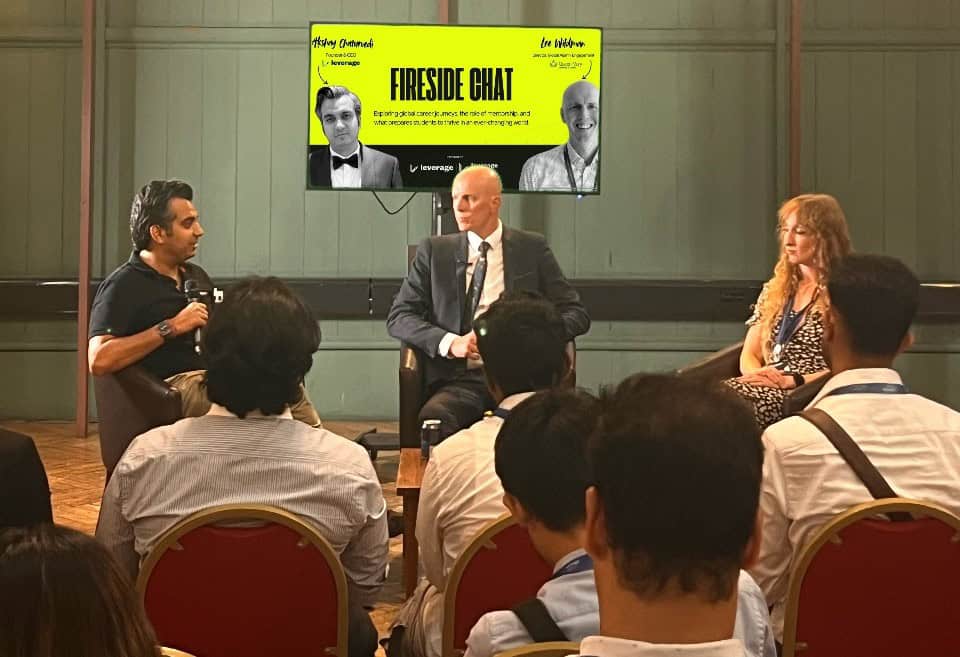
More than 600 international students studying across the UK came together at Queen Mary University of London last month for the second edition of Leverage Careers Day.
While a record 758,855 international students were enrolled in UK higher education in 2022/23, a 12% rise on the previous year, rising employer uncertainty, growing graduate anxiety, and an increase in job scams have made students more cautious in their professional choices.
The event saw students, who are now exploring opportunities in AI, data science, marketing, finance, and more, connect with top employers and industry leaders, to network, explore career pathways, and gain valuable career advice.
“We saw a remarkable breadth of interest from students across a range of disciplines, with data science and AI standing out as clear frontrunners. Many were especially drawn to AI-layered roles in marketing, creative industries, finance, and healthcare,” Akshay Chaturvedi, founder and CEO, Leverage, told The PIE News.
“At the same time, digital marketing and content strategy sparked strong interest of their own, driven by rising opportunities in the digital economy. Beyond these, students also gravitated towards specialized tracks for example in biotechnology, luxury management, automobile design, and culinary arts.”
For many international students, a successful career has long been the ultimate benchmark of achievement, and in the UK, standing out is crucial, with a sponsored job often seen as the true return on their significant investment in tuition and living costs.
Moreover, with over a quarter of UK employers unaware of the Graduate Route – which allows international students to work sponsor-free for up to two years but is set to be reduced to 18 months under the May 2025 immigration white paper and tied more closely to skill-based jobs – understanding the realities of today’s hiring market has become increasingly important.
“Employers aren’t just looking for textbook skills anymore — they’re looking for forward-thinking talent who can bring innovation to the table,” explained Lee Wildman, director, global engagement, Queen Mary University of London, who joined a fireside chat on mentorship, global exposure, and the skills needed in an ever-evolving world, alongside Chaturvedi and Rhianna Skeetes, international careers consultant at QMUL.
“What ideas do you have to take an organisation to the next level? Be prepared to sell yourself – not just in terms of what you’ve learned, but in terms of how you think.”
What excites me most is seeing students ask better, sharper questions about their careers – not just what job they’ll get, but how they’ll grow, how they’ll lead, and how they’ll stand out
Akshay Chaturvedi, Leverage
Adaptability was also highlighted as the “strongest tool in a student’s back pocket” by Jennifer Ogunleye, B2B communications lead at Google, who delivered a keynote urging students to look beyond job titles, and academic credentials, and focus on building a personal brand.
“There isn’t always a straightforward route into tech or any industry today – even those who were most in demand just a year ago are having to pivot,” noted Ogunleye.
“What matters more than ever is your personal brand: What are you passionate about beyond your job title? That’s what sets you apart from AI, from competition, from volatility.”
The event also brought together organisations such as Publicis Groupe, Reed Recruitment, Hyatt Place, Ribbon Global, and GoBritanya, which offered insights into student accommodation services across the UK and Ireland, giving students exposure to careers across creative, corporate, hospitality, and FinTech sectors.
The Westminster and Holborn Law Society also provided guidance to aspiring legal professionals on navigating local and international career pathways.
“Students today aren’t satisfied with just ‘getting a job’ anymore. They’re actively chasing careers that offer international mobility, cross-border exposure, and long-term growth,” stated Chaturvedi.
“That’s a significant shift, and quite refreshing so, given how only a few years back stability was often the top priority. Now, they want to thrive in industries that are constantly evolving every single day, with technology, globalization, and new market needs at play.”
The University of Wollongong (UOW) and Western Sydney University (WSU) have confirmed job cut numbers, with a combined 351 staff to be cut from the institutions.
Please login below to view content or subscribe now.