Tag: Keeping

  • How some states are keeping children with disabilities in child care

    How some states are keeping children with disabilities in child care

    Selina Likely, a child care director in Columbus, Ohio, understands the desperation that parents feel when they can’t find a good placement for their children with disabilities. When Likely’s daughter was a child, the little girl was abruptly kicked out of her daycare center for biting, leaving her mother with little recourse.

    “I was so angry and mad at the time,” said Likely, whose daughter is now an adult. “How are you going to kick out a 1-year-old?”

    Thanks to a new state initiative, Likely and other child care providers like her can now receive additional training on how to support children with disabilities, who are far more likely than other children to be expelled from child care programs. Some states have similar programs, with the ultimate goal of creating more child care slots where young children with disabilities and delays can thrive.


    How Hechinger inspired a bill

    Earlier this year, my colleague Sarah Carr published a piece revealing that in Illinois and other states many families of premature babies are leaving the hospital with no information or guidance on critical therapies they are entitled to. In June, the Illinois Legislature passed a bill that would require hospitals to distribute detailed information on early intervention — those required therapies for babies and toddlers with disabilities and developmental delays — to most families with severely premature infants. The new law was proposed by state Rep. Janet Yang Rohr after Sarah’s story was published.

    The bill, which awaits action by the governor, would also require the state’s early childhood systems to prioritize, in a public awareness campaign, the early identification of infants who automatically qualify for the therapies because of their low birth weight.

    This story about children with disabilities was produced by The Hechinger Report, a nonprofit, independent news organization focused on inequality and innovation in education. Sign up for the Hechinger newsletter.

    The Hechinger Report provides in-depth, fact-based, unbiased reporting on education that is free to all readers. But that doesn’t mean it’s free to produce. Our work keeps educators and the public informed about pressing issues at schools and on campuses throughout the country. We tell the whole story, even when the details are inconvenient. Help us keep doing that.

    Join us today.

    Source link

  • Having trouble keeping up with the chaos of the student loan system? (Student Borrower Protection Center)

    Having trouble keeping up with the chaos of the student loan system? (Student Borrower Protection Center)

    Are you having trouble keeping up with the chaos of the student loan system? Don’t worry; we got you. There’s a lot going on right now and we’re here to break it all down. Here are some of the most pressing things that happened this week.

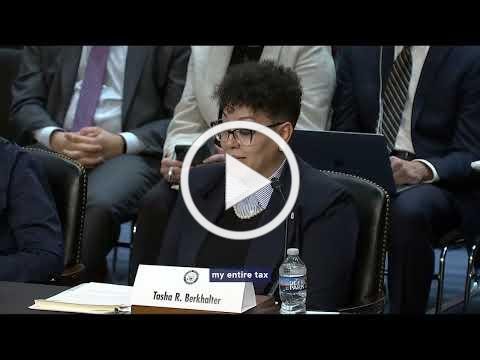
    On Tuesday, Senator Patty Murray (D-WA), the Ranking Member of the U.S. Senate Appropriations Committee and senior member of the Senate Health, Education, Labor and Pensions (HELP) Committee chaired an education forum to spotlight the Trump Administration’s radical effort to dismantle the U.S. Department of Education (ED). Tasha Berkhalter, a U.S. Army veteran and student loan borrower who had her debt discharged by the Biden Administration after being defrauded by a predatory for-profit college, gave powerful testimony at the hearing.

    Source link

  • The Key Aspects to Keeping Children Safe Online

    The Key Aspects to Keeping Children Safe Online

    In today’s digital age, ensuring student safety online is a top priority for both parents and schools. Technology has opened new doors for enhancing student learning and engagement, but it also requires thoughtful strategies to ensure students remain safe.

    As schools embrace these technological advancements, both parents and administrators must work together to implement safety measures and address the evolving responsibilities that come with digital education. Experts from the Association for Educational Communications and Technology (AECT) share their insights on how to navigate these opportunities effectively while keeping students safe.

    Evolving safety protocols

    Cathy Leavitt, an instructional technologist and AECT member, explains that schools have increasingly adopted tools to safeguard students on digital platforms. “There are great apps and software that record what children are doing on devices,” Leavitt notes, emphasizing the importance of tools that monitor and restrict access to harmful content. However, technology alone isn’t enough. Leavitt stresses that digital literacy is vital to fostering a safe online environment, teaching students how to navigate the digital world responsibly.

    The importance of digital literacy

    Bruce DuBoff, Ph.D., past president of the NJ Association of School Librarians and nominated Ethics Officer for AECT, identifies a gap between today’s digital skills and the safety practices needed in schools. “We live in a world rocked by Future Shock,” DuBoff says, which describes the rapid technological advancements that have outpaced current educational approaches. He advocates for early education in ethical online behavior, with librarians playing a pivotal role in integrating technologies like podcasting, game design, and web development, which not only enhance learning but also ensure safe online engagement.

    Dr. DuBoff argues that the biggest threat isn’t Artificial Intelligence (AI) but the social media algorithms that create information silos, limiting students’ exposure to diverse viewpoints. By educating students on the risks of these algorithms and promoting digital literacy programs like Common Sense Education’s Digital Citizenship curriculum, schools can better equip students to navigate the online world safely.

    The role of parents

    Parental involvement is essential in maintaining online safety. Leavitt advocates for parents to monitor their children’s digital activities, even if it might feel like an invasion of privacy. She calls for a “unified approach” between schools and parents, with regular communication to ensure parents understand the risks their children face online. Schools play a crucial role by educating parents as much as students and providing ongoing resources to reinforce safe practices at home.

    Cybersecurity and administrative challenges

    As schools adopt more digital learning platforms, cybersecurity threats such as data breaches and cyberattacks have escalated. Leavitt points out that strong security measures such as two-factor authentication and regular updates are critical to safeguarding student data. However, these measures introduce additional challenges for school administrators, who must balance tight budgets and manage the growing costs of technology maintenance and staff training. Schools need to allocate resources strategically, ensuring that cybersecurity is prioritized without unnecessary overspending.

    Moving forward

    Keeping students safe in the digital world increasingly requires collaboration and a unified approach between parents, teachers, and administrators at schools. Open communication between all three groups from a common framework of understanding provided in comprehensive digital literacy programs combined with strong cybersecurity measures are essential to creating safer online environments for our loved ones while managing the administrative challenges that come with these advancements.

    Source link