Tag: Learners

  • General Education for Working Learners in the Age of AI – Faculty Focus

    General Education for Working Learners in the Age of AI – Faculty Focus

    Source link

  • General Education for Working Learners in the Age of AI – Faculty Focus

    General Education for Working Learners in the Age of AI – Faculty Focus

    Source link

  • Setting learners up for success in the global workforce

    Setting learners up for success in the global workforce

    • By Sidharth Oberoi, VP of Global Strategy at Instructure.

    Imagine a world where anyone who wants to work in a different city or country can simply share all their skills and learning achievements – including those obtained through formal and informal settings – in a unified, digital format with a prospective employer. Imagine employers having an easy way to verify a candidate’s diverse skills and clearly being able to identify the applicable competencies across international boundaries.

    For anyone who has ever tried to work abroad and navigated all the paperwork and certification processes, this could sound like a very futuristic idea. However, this is precisely what digital learning portfolios are making possible – fostering student mobility and facilitating cross-institutional collaboration among universities worldwide to dynamise the global workforce.

    A digital learning portfolio is an online collection of a student’s verified skills, qualifications and learning experiences, often captured across various formal and informal settings. By functioning as a form of digital credentialling, this portfolio allows students to document and present their learning achievements in a unified, digital format. Students can seamlessly showcase a combination of academic degrees, microcredentials, short courses and experiential learning, giving domestic or international prospective employers a more comprehensive view of their capabilities.

    As more educational institutions look to expand their international reach, digital credentials present a transformational opportunity to track learning experiences and position students more competitively in the global job markets. With a structured, verifiable digital portfolio, students can demonstrate their formal and informal learning experiences in real time and highlight an array of microcredentials, skills and qualifications.

    Enabling cross-institution collaboration

    Global collaboration in higher education is growing steadily, marking a crucial step for universities – even as countries like the UK, Canada, and Australia impose tighter restrictions on international students. This trend highlights the increasing importance of cross-border partnerships in advancing research, innovation, and academic excellence.

    Students continue to seek study-abroad opportunities and universities are increasingly partnering across borders to offer joint programmes and exchange initiatives. This has been highlighted in Europe with programmes like the European Universities Initiative. However, differing approaches to credentialling can often pose challenges. These challenges are further compounded by the fact that some institutions still rely on traditional methods—such as print and paper—to manage and distribute official transcripts and certificates. This not only slows down the process but also hinders the seamless exchange of academic records across borders.

    Digital credentials and badges can help address these issues by offering a consistent and verifiable way for students to record their achievements. This consistency simplifies joint programmes, exchange students and curriculum alignment across countries. With a universal standard, students can more easily navigate international educational pathways and access opportunities that may have been limited by varying credentialing systems.

    For institutions, investing in technology to leverage digital credentials and badges will streamline the process of building and strengthening global partnerships. They can provide a reliable way to attract international students, create robust pathways to global learning opportunities and ensure smooth credit transfers between institutions in different countries. This can significantly prevent credential fraud and enhance an institution’s global appeal, as students can trust that their academic achievements and skills will be recognised no matter where they go.

    Transforming the global workforce

    Today’s employers are gradually favouring skills over traditional degrees and looking for agility and flexibility in their hiring processes. Digital credentialling supports a skills-driven hiring process that’s more responsive to the needs of a global, fast-evolving workforce.

    Digital credentials and badges will become essential for documenting and validating shorter, targeted learning experiences such as microcredentials, apprenticeships and other skill-focused learning experiences that may not necessarily fit within traditional degree frameworks. This transparency helps employers better assess candidates based on relevant, demonstrated competencies.

    Supporting global workforce readiness

    One of the key benefits of digital credentials is their ability to support lifelong career mobility. As people change roles, industries, and even countries throughout their careers, having the opportunity to access 24/7 digital credentials will provide them with an adaptable, portable record of qualifications. This flexibility empowers students to carry their skills and experiences with them, regardless of where their careers take them.

    For these students, a digital portfolio that evolves with them throughout their lives opens doors to greater global mobility and ensures that achievements from one part of the world are recognised and respected in another, strengthening graduates’ ability to apply to job opportunities abroad, or pursue additional international degrees, short courses or microcredentials and thrive in diverse job markets.

    While AI is reshaping industries by automating routine tasks, leading to the evolution of existing roles and the creation of new ones, higher education institutions must focus on the importance of lifelong learning, as continuous skill development becomes essential in an AI-driven economy.

    More than ever, universities need to invest in modern cloud-based virtual learning environments that can support and scale a lifelong learning strategy, including microcredentials and digital credentials. By offering students the tools to maintain dynamic portfolios throughout their careers, institutions can better prepare graduates to succeed in an interconnected and global workforce and stay relevant.

    Lifelong recognition

    Education is no longer confined to traditional phases of life; it’s a continual journey of growth and adaptation. By enabling seamless transitions between learning opportunities and career stages, universities can empower individuals to thrive in a world where constant upskilling is essential, and skill recognition should go beyond the boundaries of traditional learning.

    In today’s interconnected world, digital credentials and learning portfolios provide a structured way to document and share skills, supporting both students’ career ambitions and employers’ workforce needs across the globe. Institutions and employers must collaborate to integrate digital credentials into the skills journey, ensuring a seamless link between education and workforce readiness to dynamically prepare students for a global economy, paving the way for a more adaptable, skilled and mobile workforce.

    Source link

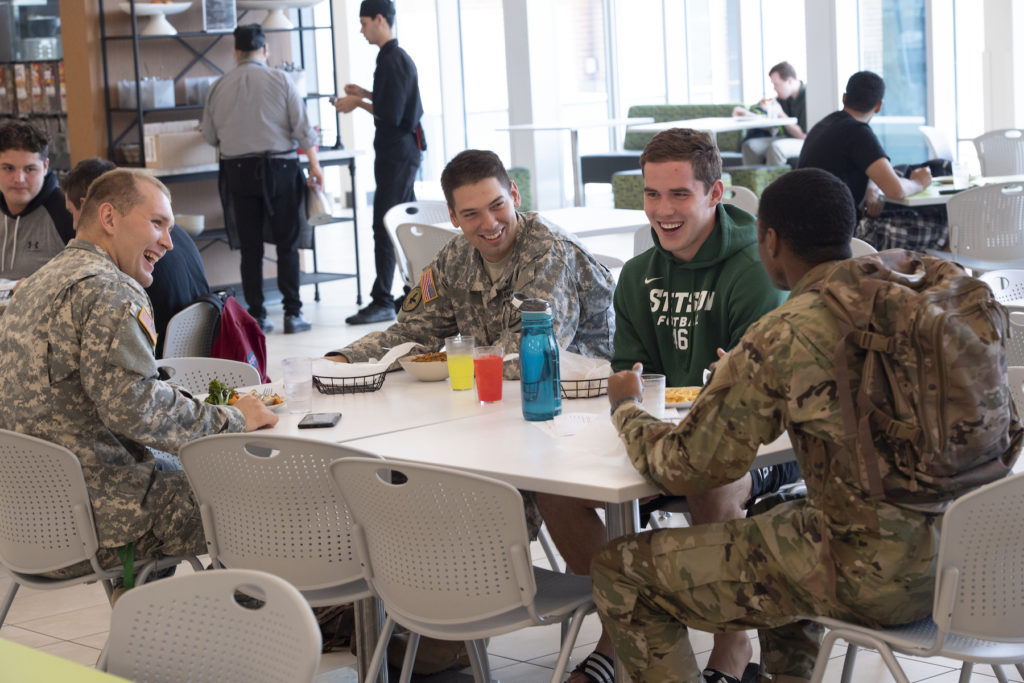
  • Mobility Isn’t a Choice: How Higher Education Can Better Serve Military Learners

    Mobility Isn’t a Choice: How Higher Education Can Better Serve Military Learners

    This post is excerpted from a forthcoming book on learner mobility to be published in July 2025 by the American Association of Collegiate Registrars and Admissions Officers.


    Every few years, they pack up their lives, move across states—or oceans—and start over. New schools, new systems, new expectations.

    For military learners, this isn’t a study abroad adventure or a career move; it’s a way of life. Yet while their reality is defined by mobility, too many of our systems in higher education still assume stability.

    Military learners make up about five percent of the undergraduate population—roughly 820,000 students nationwide. But they aren’t a monolith. They’re active-duty service members juggling college coursework with operational demands like exercises, surprise inspections, and even deployments. They’re veterans navigating civilian life, often in isolation, and often while supporting a family. They’re National Guard and reserve members wearing multiple hats that opposing forces demand they change on command. And they’re spouses and dependents navigating new colleges, mid-degree or mid-semester, again and again, with each relocation.

    Their stories are different, but the friction points are the same: staying on track academically while managing a life defined by mobility.

    Unlike traditional students, military learners don’t choose when or where they go—on orders, deployments, or other permanent or temporary service-related relocations. And each move can derail progress. Credits don’t transfer, residency rules reset, tuition costs spike, and financial aid doesn’t always follow the same logic. These students bring resilience, discipline, and lived experience into our classrooms, but higher education hasn’t fully adjusted to meet them where they are.

    The transfer tangle and financial aid maze

    One of the biggest hurdles is transfer credit. While articulation agreements—formal arrangements for transferring credits between institutions—do exist, they often don’t reflect the realities of military learners, especially when it comes to military training or nontraditional learning experiences. Some accumulate credits from multiple institutions, only to be told their new school won’t accept them.

    The result? Lost time, lost money, and unnecessary frustration.

    Add to that the patchwork of residency rules. Even when learners are stationed in a state under military orders, they may not qualify for in-state tuition. While states like Virginia and Florida have implemented inclusive policies, others continue to lag, turning mobility into a penalty as well as a reality.

    Financial aid adds another layer of complexity. Programs like tuition assistance and the GI Bill are essential, but they often fall short. Tuition assistance differs by branch and may not cover full tuition at private or out-of-state schools. The Post-9/11 GI Bill is a powerful benefit, but its eligibility rules and transfer limitations don’t always align with the unpredictable, stop-and-go nature of military life.

    What states and institutions are doing right

    There are promising models to build on. In Ohio, Military Transfer Assurance Guides standardize how public institutions accept military training as credit. Texas and New York offer additional tuition support for veterans, while Florida helps cover housing and textbook costs when GI Bill payments lapse between terms.

    At the institutional level, schools like Grand Valley State University, Syracuse University, and the City University of New York (CUNY) are raising the bar. Their “Veteran Promise” programs guarantee admission, recognize military training, and offer wraparound support tailored to military-connected students.

    That’s not charity—that’s what equity looks like. When institutions commit, military learners succeed.

    The power and promise of credit for prior learning

    Credit for prior learning (CPL) may be one of the most powerful—and underused—tools to support military learners, who bring extensive work and life experience to their postsecondary studies that can be translated into credit.

    CPL recognizes that learning happens outside the classroom: through military training, job experience, CLEP exams, or portfolio assessments. When applied effectively, it can shorten the path to graduation, reduce student debt, and boost confidence for learners who’ve already mastered real-world skills.

    Tools like ACE’s Military Guide help institutions apply CPL consistently and responsibly. But here’s the problem: CPL isn’t consistently communicated, awarded, or valued. In some cases, it’s limited to elective credits rather than core degree requirements, undermining its purpose.

    CPL isn’t just about transfer and awarding credit; it’s also about unlocking opportunity. Validated learning can, and should, play a role in admissions, satisfying prerequisites, waiving introductory or duplicative coursework, and advising military learners on the path that is best for them. When institutions fully embrace the broader utility of CPL, they open more doors for military learners to engage meaningfully with higher education from the very start of their journeys.

    To change that, institutions need more than buy-in—they need system-wide strategies. CPL should be central to transfer reform conversations, especially when supporting learners who are older, more experienced, and balancing school with work or caregiving.

    The role of advising and ecosystem support

    Too often, military learners don’t get the tailored advice they need. On-base education centers can be vital entry points, but they need stronger bridges to campus advising teams who understand military culture, CPL, and transfer systems. Institutions sometimes resist broader CPL use over concerns about revenue loss or academic rigor, while students are left unaware of opportunities due to poor communication or advising gaps. Aligning on-base education centers with well-trained campus advisors is one step forward; improving internal communication across departments is another.

    Student Veterans of America’s Success Hub, which includes the SVA Advising Center, supports all service members, veterans, and their families in making informed decisions about higher education opportunities and meaningful careers through the use of AI, success coaches, and expertise where the military, veterans, and higher education intersect.

    Organizations like NACADA are doing the work to improve professional development in this area, but we need deeper, sustained collaboration. Cross-sector partnerships between colleges, employers, and the U.S. Department of Defense are where real impact happens.

    Programs like Syracuse’s Onward to Opportunity and ACE’s Reimagining Transfer for Student Success illustrate what’s possible when higher education and workforce systems align.

    The BLUF, or Bottom Line Up Front

    Military learners aren’t asking for special treatment. They ask for systems to make sense for the lives they actually lead. With the right policy changes, institutional commitments, and collaborative frameworks, we can turn mobility from a barrier into a bridge.

    But we also need better data, better pathways, and a better understanding of what success looks like for these students—not just access, but degree completion and career readiness. Military learners aren’t an exception. They are the future of an inclusive, prepared, and resilient workforce.

    It’s time higher education met these students where they are because they’re already leading the way.


    If you have any questions or comments about this blog post, please contact us.

    Source link

  • Empowering neurodiverse learners with AI-driven solutions

    Empowering neurodiverse learners with AI-driven solutions

    Key points:

    A traditional classroom is like a symphony, where every student is handed the same sheet music and expected to play in perfect unison. But neurodiverse learners are not able to hear the same rhythm–or even the same notes. For them, learning can feel like trying to play an instrument that was never built for them. This is where AI-powered educational tools step in, not as a replacement for the teacher, but as a skilled accompanist, tuning into each learner’s individual tempo and helping them find their own melody.

    At its best, education should recognize and support the unique ways students absorb, process, and respond to information. For neurodiverse students–those with ADHD, dyslexia, autism spectrum disorder (ASD), and other learning differences–this need is especially acute. Traditional approaches often fail to take care of their varied needs, leading to frustration, disengagement, and lost potential. But with advances in AI, we have the opportunity to reshape learning environments into inclusive spaces where all students can thrive.

    Crafting personalized learning paths

    AI’s strength lies in pattern recognition and personalization at scale. In education, this means AI can adapt content and delivery in real time based on how a student is interacting with a lesson. For neurodiverse learners who may need more repetition, multi-sensory engagement, or pacing adjustments, this adaptability is a game changer.

    For example, a child with ADHD may benefit from shorter, interactive modules that reward progress quickly, while a learner with dyslexia might receive visual and audio cues alongside text to reinforce comprehension. AI can dynamically adjust these elements based on observed learning patterns, making the experience feel intuitive rather than corrective.

    This level of personalization is difficult to achieve in traditional classrooms, where one teacher may be responsible for 20 or more students with diverse needs. AI doesn’t replace that teacher; it augments their ability to reach each student more effectively.

    Recent research supports this approach–a 2025 systematic review published in the EPRA International Journal of Multidisciplinary Research found that AI-powered adaptive learning systems significantly enhance accessibility and social-emotional development for students with conditions like autism, ADHD, and dyslexia.

    Equipping educators with real-time insights

    One of the most significant benefits of AI tools for neurodiverse learners is the data they generate–not just for students, but for educators. These systems can provide real-time dashboards indicating which students are struggling, where they’re excelling, and how their engagement levels fluctuate over time. For a teacher managing multiple neurodiverse learners, these insights are crucial. Rather than relying on periodic assessments or observations, educators can intervene early, adjusting lesson plans, offering additional resources, or simply recognizing when a student needs a break.

    Imagine a teacher noticing that a student with ASD consistently disengages during word problems but thrives in visual storytelling tasks. AI can surface these patterns quickly and suggest alternatives that align with the student’s strengths, enabling faster, more informed decisions that support learning continuity.

    Success stories from the classroom

    Across the U.S., school districts are beginning to see the tangible benefits of AI-powered tools for neurodiverse learners. For instance, Humble Independent School District in Texas adopted an AI-driven tool called Ucnlearn to manage its expanding dyslexia intervention programs. The platform streamlines progress monitoring and generates detailed reports using AI, helping interventionists provide timely, personalized support to students. Since its rollout, educators have been able to handle growing caseloads more efficiently, with improved tracking of student outcomes.

    Meanwhile, Houston Independent School District partnered with an AI company to develop reading passages tailored to individual student levels and classroom goals. These passages are algorithmically aligned to Texas curriculum standards, offering engaging and relevant reading material to students, including those with dyslexia and other learning differences, at just the right level of challenge.

    The future of neurodiverse education

    The promise of AI in education goes beyond improved test scores or sleek digital interfaces, it’s about advancing equity. True inclusion means providing every student with tools that align with how they best learn. This could be gamified lessons that minimize cognitive overload, voice-assisted content to reduce reading anxiety, or real-time emotional feedback to help manage frustration. Looking ahead, AI-driven platforms could even support early identification of undiagnosed learning differences by detecting subtle patterns in student interactions, offering a new frontier for timely and personalized intervention.

    Still, AI is not a silver bullet. Its impact depends on thoughtful integration into curricula, alignment with proven pedagogical goals, and ongoing evaluation of its effectiveness. To be truly inclusive, these tools must be co-designed with input from both neurodiverse learners and the educators who work with them. The score is not yet finished; we are still composing. Technology’s real legacy in education will not be in algorithms or interfaces, but in the meaningful opportunities it creates for every student to thrive.

    Latest posts by eSchool Media Contributors (see all)

    Source link

  • How Can Institutions Best Support Their Online Learners?

    How Can Institutions Best Support Their Online Learners?

    Title: Supporting Online Learners: Insights from SUNY’s Campus Coaching Programs

    Authors: Marjorie Dorimé-Williams, Jálynn Castleman, Parker Cellura, Rebekah O’Donoghue, and Makoto Toyoda

    Source: MDRC

    The structure and delivery of online programs can have significant impacts on a student’s ability to succeed. After examining success coaching practices at three State University of New York institutions, the authors of new analysis from MDRC offer several policy recommendations to support online learners.

    Within each university, there were a variety of approaches to providing help for online students. Analyzing and comparing the programs indicated there are three primary types of support for online learners: coaching communication strategies and technology applications, student engagement, and academic outcomes.

    Some of the most effective practices in each category are:

    Coaching Strategies

    Personalized support from coaches is one of the most effective ways to help students. By minimizing the coach-to-student ratio, institutions can ensure coaches have a manageable workload, enabling them to cater their coaching to fit individual students’ needs.

    Tracking student data can help coaches identify needs and tailor support. Performance and outcome metrics, such as grades, course attendance, and credit accumulation, can be used to identify struggling students and guide intervention strategies. Additionally, learning management systems that track student engagement can facilitate personalized communication to fit students’ needs and preferences.

    Opportunities for professional development help coaches provide the best support for their students. Institutions should continually provide training opportunities to help inform online pedagogy.

    Student Engagement

    Centralizing support services improves student access and awareness.A unified, easily accessible platform can ensure that students know about and use available resources.

    Building community is especially important—and especially challenging—for asynchronous learners. Faculty can foster connections through synchronous or asynchronous study groups and should be mindful of online students’ varied schedules.

    Responsive, innovative communication helps keep students engaged. Timely feedback and meeting students where they are—through tools and communication styles they prefer—can promote sustained engagement.

    Academic Outcomes

    Faculty need targeted training to effectively adapt courses for online delivery. Professional development can help instructors redesign courses for virtual environments and maintain instructional quality.

    Quality standards for course design can improve consistency and effectiveness. Standardized templates and interaction guidelines help ensure that all online courses meet a baseline of student support and instructional quality.

    Coaches and faculty can collaborate to provide holistic academic support. Integration of coaching within academic programs strengthens both in- and out-of-classroom support, creating a more cohesive experience for online students.

    With an increasing proportion of students participating in online courses, building capacity to support online learners promotes success for all students, especially those who are entirely online. Institutions committed to improving their online programs can dedicate resources to developing and evaluating courses and support systems.

    To read the full report, click here.

    —Erica Swirsky


    If you have any questions or comments about this blog post, please contact us.

    Source link

  • 6 ways to make math more accessible for multilingual learners

    6 ways to make math more accessible for multilingual learners

    Key points:

    Math isn’t just about numbers. It’s about language, too.

    Many math tasks involve reading, writing, speaking, and listening. These language demands can be particularly challenging for students whose primary language is not English.

    There are many ways teachers can bridge language barriers for multilingual learners (MLs) while also making math more accessible and engaging for all learners. Here are a few:

    1. Introduce and reinforce academic language

    Like many disciplines, math has its own language. It has specialized terms–such as numerator, divisor, polynomial, and coefficient–that students may not encounter outside of class. Math also includes everyday words with multiple meanings, such as product, plane, odd, even, square, degree, and mean.

    One way to help students build the vocabulary needed for each lesson is to identify and highlight key terms that might be new to them. Write the terms on a whiteboard. Post the terms on math walls. Ask students to record them in math vocabulary notebooks they can reference throughout the year. Conduct a hands-on activity that provides a context for the vocabulary students are learning. Reinforce the terms by asking students to draw pictures of them in their notebooks or use them in conversations during group work.

    Helping students learn to speak math proficiently today will pay dividends (another word with multiple meanings!) for years to come.

    2. Incorporate visual aids

    Visuals and multimedia improve MLs’ English language acquisition and engagement. Picture cards, for example, are a helpful tool for building students’ vocabulary skills in group, paired, or independent work. Many digital platforms include ready-made online cards as well as resources for creating picture cards and worksheets.

    Visual aids also help MLs comprehend and remember content. Aids such as photographs, videos, animations, drawings, diagrams, charts, and graphs help make abstract ideas concrete. They connect concepts to the everyday world and students’ experiences and prior knowledge, which helps foster understanding.

    Even physical actions such as hand gestures, modeling the use of a tool, or displaying work samples alongside verbal explanations and instructions can give students the clarity needed to tackle math tasks.

    3. Utilize digital tools

    A key benefit of digital math tools is that they make math feel approachable. Many MLs may feel more comfortable with digital math platforms because they can practice independently without worrying about taking extra time or giving the wrong answer in front of their peers.

    Digital platforms also offer embedded language supports and accessibility features for diverse learners. Features like text-to-speech, adjustable speaking rates, digital glossaries, and closed captioning improve math comprehension and strengthen literacy skills.

    4. Encourage hands-on learning

    Hands-on learning makes math come alive. Math manipulatives allow MLs to “touch” math, deepening their understanding. Both physical and digital manipulatives–such as pattern blocks, dice, spinners, base ten blocks, and algebra tiles–enable students to explore and interact with mathematical ideas and discover the wonders of math in the world around them.

    Many lesson models, inquiry-based investigations, hands-on explorations and activities, and simulations also help students connect abstract concepts and real-life scenarios.

    PhET sims, for example, create a game-like environment where students learn math through exploration and discovery. In addition to addressing math concepts and applications, these free simulations offer language translations and inclusive features such as voicing and interactive descriptions.

    Whether students do math by manipulating materials in their hands or on their devices, hands-on explorations encourage students to experiment, make predictions, and find solutions through trial and error. This not only fosters critical thinking but also helps build confidence and perseverance.

    5. Use students’ home language as a support

    Research suggests that students’ home languages can also be educational resources

    In U.S. public schools, Spanish is the most commonly reported home language of students learning English. More than 75 percent of English learners speak Spanish at home. To help schools incorporate students’ home language in the classroom, some digital platforms offer curriculum content and supports in both English and Spanish. Some even provide the option to toggle from English to Spanish with the click of a button.

    In addition, artificial intelligence and online translation tools can translate lesson materials into multiple languages.

    6. Create verbal scaffolds

    To respond to math questions, MLs have to figure out the answers and how to phrase their responses in English. Verbal scaffolds such as sentence frames and sentence stems can lighten the cognitive load by giving students a starting point for answering questions or expressing their ideas. This way, students can focus on the lesson content rather than having to spend extra mental energy figuring out how to word their answers.

    Sentence frames are often helpful for students with a beginning level of English proficiency.

    • A square has            sides.  
    • An isosceles triangle has at least             equal angles.

    Sentence stems (a.k.a. sentence starters) help students get their thoughts going so they can give an answer or participate in a discussion. 

    • The pattern I noticed was                               .               
    • My answer is                               . I figured it out by                               .

    Whether online or on paper, these fill-in-the-blank phrases and sentences help students explain their thinking orally or in writing. These scaffolds also support academic language development by showing key terms in context and providing opportunities to use new vocabulary words.

    Making math welcoming for all

    All students are math language learners. Regardless of their home language, every student should feel like their math classroom is a place to learn, participate, contribute, and grow. With the right strategies and tools, teachers can effectively support MLs while maintaining the rigor of grade-level content and making math more accessible and engaging for all.

    Source link

  • Modern Learners, Modern Strategies: The New Rules of Engagement

    Modern Learners, Modern Strategies: The New Rules of Engagement

    Brett is a working professional with a packed schedule, balancing career growth with personal responsibilities. He knows that advancing in his field requires new skills and credentials, but he needs a program that fits his life, one that is flexible, aligned with his career and worth the investment. Brett is just one example of Modern Learner, a growing population of students who prioritize efficiency, affordability and real-world outcomes in their education.  

    Higher education has undergone a decade of transformation, from evolving enrollment patterns to advancements in technology and changing student expectations. As the landscape continues evolves, so do the behaviors and preferences of students like Brett—giving rise to the Modern Learner.  

    EducationDynamics’ latest report, “Engaging the Modern Learner: The 2025 Report on the Preferences and Behaviors Shaping Higher Ed,” examines these emerging trends. For over a decade, we have tracked student behavior and preferences, adapting our research to reflect the evolving higher education environment. Previously known as the Online College Students Report, this study has expanded in scope to provide a more comprehensive understanding of Modern Learners and their needs.  

    Explore the most significant changes over the past ten years, key findings from our research and actionable strategies to help higher education leaders challenge the status quo and drive innovative outcomes.  

    How Have Student Behaviors and Preferences Changed in the Last Decade?

    Student search, decision-making, and engagement behaviors have shifted significantly over the past decade. Strategies that once drove enrollment may no longer be as effective, requiring institutions to adapt. By examining these changes, we can identify emerging patterns that will shape the future of higher education.  

    Modern Learners Expect Immediate Admit Decisions 

    With greater access to information through technology, prospective students are making decisions faster than ever before. As a result, Modern Learners expect rapid responses from institutions. In 2015, 43% of fully online learners said that they would enroll at the first school that contacted them. By 2025, the urgency has increased significantly, with nearly 75% of online learners indicating that they would enroll in the first school that admits them. This shift underscores the growing need for institutions to streamline their admissions processes, ensuring quick response times and efficient decision-making to remain competitive in enrolling Modern Learners.

    Search Initializes at the Brand Level

    Student search behavior is another trend that has faced a significant shift in recent years, with more students starting their search by focusing on schools rather than specific programs.

    Recent data reveals that 58% of respondents begin their search by considering schools first. This trend is even more pronounced among online learners, where approximately 60% prioritize finding a school before narrowing down their program options. Following school, the next most common search is subject area, with students increasingly exploring broader categories before selecting a specific program.

    Given this shift, higher education marketing strategies need to reflect an approach that encompasses both promotion of programs and the institution itself. As prospective students often initiate their search with a school-focused mindset, schools must position their brand clearly to effectively engage and capture early interest, which will guide students towards relevant programs as they progress through the enrollment funnel.

    AI Impacts Consideration Sets 

    The adoption of AI tools, such as website chatbots and on-demand engagement platforms, has grown steadily over the past decade. Recent data highlights notable increases in the use of chatbots. In 2015, only about 15% of online learners engaged with website chatbots or live chat agents. Now, in 2025, that number has more than doubled, reaching 30% of fully online students.  

    Moreover, students increasingly turn to AI tools like Search Generative Experience (SGE) for answers to critical questions about schools and their offerings, with 37% of Modern Learners using AI for information gathering. As students refine their consideration sets, AI-driven engagement tools provide timely and relevant information, making them a key touchpoint in the decision-making process. The growing reliance on these platforms calls for institutions to employ the use of informative and accessible AI tools to offer students seamless support throughout their research and decision-making processes.  

    Preference and Acceptance of Online Modality has Increased

    It’s no secret that in the past decade, online education has not only gained traction but has become the preferred education modality for a growing population of students. In 2015, only 32% of fully online students believed their online education was better than their previous classroom study. However, that number has more than doubled for today’s respondents. 71% of online learners express a preference for online higher education experiences when compared to classroom education, indicating a fundamental change in student expectations and satisfaction with digital learning environments.  

    Engaging the Modern Learner

    At EducationDynamics, our research continually seeks to understand the evolving needs of students. Through years of research and emerging insights from our 2025 survey, a clear picture of the Modern Learner has emerged—one defined by a focus on flexibility, career, and a desire for personalized education experiences. Modern Learners are not only looking to complete a degree, they also aim to shape their own learning journeys in ways that align with their personal and professional goals. 

    Shared Demands and Preferences 

    Despite their diverse backgrounds, Modern Learners share several key expectations. They prioritize affordability, flexible learning formats and responsive support. If their needs aren’t met, they will quickly seek alternative options. This shift in expectations means that institutions need to rethink how they attract, engage and support students. Meeting the Modern Learner where they are is no longer optional; it is essential for long-term success. 

    The Power of Brand & Reputation

    A strong institutional brand plays a crucial role in the student decision-making process. As students begin their search with a school-focused mindset, a well-established reputation can be the deciding factor in where they apply. In fact, reputation ranked as the third most influential factor in application decisions, cited by 31% of students overall and 51% of traditional undergraduates, in our 2025 survey. To remain competitive, institutions must build a credible and respected brand that not only attracts prospective students but also reinforces trust and long-term value throughout their educational journey. 

    Value and Affordability

    While cost is a significant consideration for Modern Learners, affordability alone doesn’t drive enrollment decisions. A well-rounded value proposition plays an equally important role. Our research shows that 46% of students cite tuition cost as a critical factor, but other factors like program relevance to careers, flexibility, and reputation also weigh heavily in their decision-making process. 

    Supporting students with financial literacy is crucial, as 38% of students identify it as a helpful resource during the enrollment process. By clearly communicating both affordability and long-term value such as career outcomes, program flexibility and personalized support, schools can resonate with the priorities of cost-conscious, value-driven Modern Learners.  

    The Importance of Career Focus

    For Modern Learners, education is a direct pathway to career advancement. Regardless of age or background, they share a strong motivation to upskill quickly and gain credentials that lead to tangible career outcomes. This focus on career alignment is evident, with 20% of Modern Learners citing a program’s relevance to their career as a determining factor in their enrollment decision.

    The Modern Learner Survey reveals that 76% of students feel their institution clearly outlines potential career paths related to their program. While this is positive, gaps remain. Traditional undergraduates are the most informed, with 84% receiving clear career guidance, compared to 73% of non-traditional students and 77% of graduate students. These gaps highlight the need for institutions to consistently communicate career values across all Modern Learner segments, ensuring they understand how their education supports their professional goals.

    The Demand for Flexible Learning Models

    Flexibility is no longer an educational preference; it is a necessity for Modern Learners. As today’s students move away from traditional classroom modalities and increasingly seek flexible environments, institutions must invest in program models that accommodate careers and family commitments.  

    When deciding where to apply, 31% of Modern Learners cited flexible course schedules as a key factor. This need is particularly evident among graduate students, who are more likely to be balancing family and work responsibilities. While 53% of respondents do not have children under 18 at home, a notable portion are managing family commitments in addition to their studies. Among fully online students, the number of children at home has increased by 15%, reinforcing the growing demand for learning models that complement busy schedules. 

    The Role of AI and Social Media

    AI and social media play an increasingly important role in shaping student decisions. Social media is no longer merely an avenue for entertainment; it has evolved into a tool for student engagement and research throughout the entire decision-making process. With students interacting across multiple platforms daily, schools must harness these channels to stay visible and relevant as students progress through the consideration phase. To successfully leverage social media, marketing teams should prioritize creating dynamic, visually engaging experiences, particularly through video content, which resonates strongly with Modern Learners.  

    At the same time, AI enhances this by personalizing interactions and providing real-time insights into student preferences, helping institutions refine their marketing strategies. With the rise of generative AI tools, nearly 70% of Modern Learners now use AI in some capacity, including AI chatbots like ChatGPT, to assist their search for school information. Approximately 37% use these tools specifically to gather information about schools, with tuition fees (57%), course offerings (51%), and admission requirements (43%) being the most sought-after details. This highlights the opportunity for schools to integrate AI into their marketing strategies to provide comprehensive, accessible information that supports prospective students with their enrollment decision.  

    Modern Strategies to Engage the Modern Learner 

    As the needs and expectations of students continue to evolve, it’s important for institutions to adapt in ways that truly serve and support Modern Learners. Here are actionable steps to create a personalized, student-centered experience that fosters trust and drives success.  

    1. Embrace Data-Driven Decision Making: Modern Learners expect personalized experiences, and data is the key to delivering them. Through leveraging market research and insights, like those from the 2025 Modern Learner Report, institutions can better understand student preferences and behaviors. To turn those insights into action, invest in tools for data collection and analysis that allow for continuous improvement and refinement.  
    2. Build a Strong and Authentic Brand: A cohesive and authentic brand is integral to connecting with students. Focus on building a positive online experience that bolsters brand visibility, while garnering trust that your institution can provide timely and reliable information that students seek.  
    3. Prioritize Career Outcomes: Career outcomes are top of mind for students as they consider their educational investment. Make career pathways clear by showcasing programs, internship opportunities, alumni success stories and career counseling services to help students see the tangible benefits of their degree.  
    4. Create Flexible and Personalized Learning Pathways: Flexibility is essential for meeting the diverse needs of Modern Learners. Offer programs with adaptable schedules and learning formats, allowing students to choose a pathway that best aligns their lifestyle and goals.  
    5. Optimize the Digital Experience (Especially Websites and Al): An engaging digital experience is critical to attracting and retaining students. Through regular website updates and the integration of AI-powered tools to offer support, institutions can streamline the user experience to ensure a smooth journey from inquiry to enrollment. 
    6. Enhance Communication Speed: Modern Learners expect timely and informative responses and are quicker to make decisions than in years past. Adopt tools that provide real-time communication capabilities, such as chatbots or automated updates, to keep students engaged and informed throughout the enrollment process.   
    7. Develop a Dynamic Social Media Strategy: Social media is a powerful tool for building connections and increasing brand awareness among Modern Learners. With platforms like Instagram, TikTok, and YouTube playing a major role in their online engagement, video content is especially effective in capturing their attention.  By understanding your audience’s media habits and aligning your content with platforms they use the most, you can deliver the right message at the right time, keeping your institution top of mind.  
    8. Don’t Forget About the Human Touch: While technology undoubtedly plays a significant role in modern times, students still seek personal connections. Ensure that students can engage with advisors, staff, or faculty to guide them through the enrollment process, while providing the support they need.

    Aligning with Modern Learners: A New Era in Enrollment

    In this evolving landscape, Modern Learners are placing greater emphasis on career relevance, affordability, and flexibility, demanding more from their education than ever before. The findings from the Modern Learner Survey underscore the importance of aligning educational programs with career paths, improving financial transparency, and providing tailored support to meet diverse needs. The time is now for higher education leaders to challenge outdated enrollment strategies that no longer resonate with today’s highly discerning, cost-conscious, and value-focused students.  

    To navigate these changes effectively, institutions must adopt innovative, data-driven strategies that speak directly to the Modern Learner’s priorities. For a deeper dive into these insights and actionable recommendations, explore the full “Engaging the Modern Learner” report today.  

    Source link

  • Building a Better Transfer Experience for Modern Learners 

    Building a Better Transfer Experience for Modern Learners 

    In 2022, 36.8 million students under the age of 65 fell into the category of Some College, No Credential (SCNC)–a population that grew by nearly 3% year-over-year by 2024. These learners, who started but did not complete a credential, represent a growing population with significant potential for re-enrollment. Understanding their needs is essential to support their return to higher education.  

    For SCNC students, one key factor can significantly influence their decision to re-enroll—transfer credit policies. The Education Reengagement Report, conducted in collaboration with DegreeSight, provides a comprehensive overview of this subset of modern learners, uncovering key strategies to re-engage these students by addressing their unique needs, particularly surrounding maximization of previously earned credits and awareness of credit transfer policies. Explore the report’s findings to gain deeper insights into how institutions can effectively engage and support SCNC students on their path to completion.  

    Who are Some College, No Credential (SCNC) Modern Learners? 

     SCNC students represent a noteworthy portion of the Modern Learner population, and their unique profile merits deep consideration when developing approaches to re-engagement. For more insights into the challenges faced by stopped-out students and strategies to support their return, read our previous article on addressing their barriers. In the context of the Education Reengagment Report, SCNC students are defined as those seeking reenrollment or who have already reenrolled elsewhere.  Their experiences and motivations reflect diverse life experiences, making them a unique yet significant audience for higher education institutions.  

    SCNC students comprise of diverse demographic and professional profiles. Most are aged between 25-29 (66%), and a significant portion (33%) identify as first-generation college students. Their employment status also varies, with 59% working full-time, 20% employed part-time, and 16% not currently employed. Many SCNC students were previously enrolled in associate degree programs (43%), while others sought bachelor’s degrees (57%), reflecting a broad range of academic aspirations.  

    SCNC students pursue a wide range of academic interests, with certain fields emerging as particularly popular. The areas of study with the highest levels of enrollment for SCNC students include Business (24%), IT, Computers, and Technology (20%), and Health-related fields (13%). Additionally, learning format preferences reveal a demand for flexibility, with 47% favoring on-campus programs, 29% opting for hybrid options, and 20% preferring fully online programs. These findings emphasize the need for flexible program offerings to meet SCNC students’ varying needs and schedules. 

    Career advancement is a primary motivation for SCNC students when initially enrolling. Sixty percent enrolled in an undergraduate program to improve their earning potential or launch a new career, while 40% sought careers better aligned with their interests. Additionally, 30% pursued a degree as a next step following high school or technical school.  

    However, financial challenges, competing responsibilities, and various program limitations are common reasons for stopping out. Survey results show that the main barrier to continuing education for SCNC students is cost, with 32% citing it as their primary reason for stopping out. Other reasons include Covid-19 related reasoning (20%), lack of flexibility in the program (19%), and inability to use federal financial aid (15%).  Understanding these critical factors is essential for institutions looking to reengage this population. By addressing the root causes of their stop-outs, institutions can better connect with SCNC students and deliver personalized solutions to them. 

    The report surveyed both SCNC and transfer students. While these groups differ in some ways, they share similarities in their focus on career outcomes and expectations for the enrollment process.  

    The key difference to keep in mind include: 

    • Age: SCNC students tend to be older, with a median age of 37 compared to 31 for Transfer students  
    • Motivation: Transfer students top motivation stems from their career aspirations, while SCNC students place greater emphasis on program affordability 
    • Level of study: Transfer students are more likely to pursue bachelor’s degrees, while SCNC students often have a mix of associate and bachelor’s degree goals 

    Despite these differences, both groups share a unifying goal to leverage their existing credits to further their higher education career and achieve their personal and professional goals, making them a significant opportunity for higher education institutions.  

    Why are Transfer Credit Policies So Important for SCNC Modern Learners?

    Many SCNC students have already earned a decent number of college credits, with 32% having completed 16 to 30 credits, indicating that they have completed at least one semester of coursework. This progress underscores the importance of transfer credit policies easing their return to higher education. With the many notable reasons for stopping out, the barrier to re-entry only rises without clear credit transfer or support systems in place. For these students, the financial burden of repeating coursework and the desire for swift completion of their degrees are top priorities.  

    Survey data highlights the overwhelming importance students place on credit transfer policies. Ninety-three percent of SCNC students say that the number of transferrable credits impacts their enrollment decision, with 55% indicating it as a primary factor. Additionally, 36% of students rank credit acceptance as a key consideration in their reenrollment decision, second only to tuition cost (44%) and closely followed by the availability of online programs (35%).  

    Clear and favorable transfer credit policies not only can alleviate the financial pressures of reenrollment but can also expedite the path to graduation. However, navigating these policies is not a simple process for many students. Thirty-five percent of students report that understanding transfer credit policies is the most difficult part of the enrollment process, followed by getting previous credits transferred (34%) and completing financial aid forms (34%). Institutions should view this as a call to action to refine their policies and streamline processes, addressing these critical pain points to better meet student needs and enhance both enrollment and retention outcomes. 

    How Can Institutions Better Support SCNC Modern Learners with Transfer Credits?

    Supporting SCNC students requires institutions to prioritize transparency, personalized support, and flexibility—particularly where transfer credits are concerned.  Many SCNC students face unnecessarily complicated processes during their reenrollment processes, making it imperative for institutions to make their policies accessible.  

    To better meet this demographics’ varied needs, institutions can implement the following strategies to support SCNC students: 

    • Promote Transparent Transfer Policies

    Institutions should make transfer credit policies easy to understand and accessible across websites, marketing materials, and additional platforms. Clearly communicating how previous credits apply to degree requirements empowers students to make informed decisions.  Online tools like credit transfer calculators, chatbots for common inquiries, and infographics can further empower students to understand their credit situation and feel confident making enrollment decisions.  

    • Highlight Cost Savings and Financial Support: 

    To address cost barriers, institutions should clearly communicate how credit transfers reduce tuition expenses and emphasize available financial aid options. Offering flexible payment plans helps students manage their finances more readily, allowing them to focus on their education without financial stress. 

    • Provide Comprehensive Support Services: 

    Having a dedicated credit transfer advisor can make a pivotal difference in the SCNC enrollment experience. These advisors can help guide students in navigating complex processes, equipping them with vital information on financial aid options, available transferrable credits, and program pathways.  Support can be offered through online channels, advising, and assistance with application and registration processes. Partnering with EducationDynamics’ Enrollment Management Team can help institutions scale this support effectively. 

    • Expand Flexible Learning Options: 

    Expanding online and hybrid program offerings is crucial to supporting the growing SCNC population. These flexible formats can better serve SCNC lifestyles, as these students often juggle work and family responsibilities in addition to their course load. Flexible online and hybrid-based programs are imperative to be promoted to this population, as many have changed their learning modality from classroom-based to online or hybrid. By assessing current offerings and identifying areas of expansion, institutions can better support the needs of Modern Learners.  

    Unlock Opportunities for SCNC Student Success

    SCNC students have spoken—there is a clear need for institutions to adapt their policies and support services to meet their unique needs. By prioritizing clear transfer credit policies, personalized support, and flexible learning options, universities can attract this demographic while helping them achieve their academic goals. As institutions continue to navigate evolving enrollment challenges, adapting to the needs of SCNC students will be instrumental in building success and shaping the future of higher education.  

    Ready to reengage SCNC students? Explore how EDDY’s market research services help your institution effectively reach SCNC students and create successful pathways from re-enrollment to graduation.  

    Source link

  • For Adult Learners, College Means More Than Just Jobs and Wages

    For Adult Learners, College Means More Than Just Jobs and Wages

    Title: Multiple Meanings of College: How Adult Learners Make Sense of Postsecondary Education & Why It Matters

    Authors: Melanie Shimano and Becky Klein-Collins

    Source: Council for Adult and Experiential Learning, Stanford Pathways Network, and Strada Education Foundation

    When adults decide to go back to college, some people assume their motivations are purely economic—to get a better job, make more money, or move up the corporate ladder. However, a new study by Council for Adult and Experiential Learning, Stanford Pathways Network, and Strada Education Foundation challenges this narrow view. Researchers interviewed 120 adult learners and found that they have many different reasons for wanting a college degree.

    While most people said they wanted to advance their careers and make more money, they also had personal reasons that were just as important. For example, they want to:

    • Set a positive example for their children
    • Push back against racism and discrimination through educational attainment
    • Gain skills to better serve their communities
    • Fulfill a lifelong ambition and gain a sense of achievement
    • Grow as individuals by developing new capabilities and identities

    The people interviewed said support from their schools, employers, coworkers, friends, and family was key to their success. Programs designed for adults, caring advisers, and supportive loved ones made it easier to juggle school, work, and life. When asked if college was “worth it,” many said yes because of what they learned, how it helped their careers, and the personal goals they achieved. But some who took on a lot of debt or felt they weren’t learning enough had doubts.

    To serve adult students well, institutions should consider all the reasons they go back to school. Here are some key recommendations from the report:

    • Craft recruitment messages that resonate with a range of motivations beyond just economic benefits
    • Explicitly recognize and celebrate personal, familial, and civic goals in advising
    • Provide college credit for completion of alternative credentials to leverage the symbolic power of a college degree
    • Assess student success comprehensively, incorporating metrics like community involvement in addition to earnings

    While there is growing enthusiasm for alternative educational pathways, adult learners remind us that a college degree still holds significant value for Americans in many ways. As institutions work to create more paths to success, it is crucial to understand and build upon the multifaceted meaning of college for adult learners.

    Click here to read the full report.

    —Alex Zhao


    If you have any questions or comments about this blog post, please contact us.

    Source link