AI tools enhance K-12 creativity and innovation through interactive projects
A new era for teachers as AI disrupts instruction
Report details uneven AI use among teachers, principals
For more news on AI and creativity, visit eSN’s Digital Learning hub
As AI becomes more commonplace in classrooms, it gives students access to creative tools that enhance learning, exploration, and innovation. K-12 students can use AI tools in various ways to boost creativity through art, storytelling, music, coding, and more.
More News from eSchool News
HVAC projects to improve indoor air quality. Tutoring programs for struggling students. Tuition support for young people who want to become teachers in their home communities.
Almost 3 in 5 K-12 educators (55 percent) have positive perceptions about GenAI, despite concerns and perceived risks in its adoption, according to updated data from Cengage Group’s “AI in Education” research series.
Our school has built up its course offerings without having to add headcount. Along the way, we’ve also gained a reputation for having a wide selection of general and advanced courses for our growing student body.
Ensuring that girls feel supported and empowered in STEM from an early age can lead to more balanced workplaces, economic growth, and groundbreaking discoveries.
In my work with middle school students, I’ve seen how critical that period of development is to students’ future success. One area of focus in a middle schooler’s development is vocabulary acquisition.
For students, the mid-year stretch is a chance to assess their learning, refine their decision-making skills, and build momentum for the opportunities ahead.
Middle school marks the transition from late childhood to early adolescence. Developmental psychologist Erik Erikson describes the transition as a shift from the Industry vs. Inferiority stage into the Identity vs. Role Confusion stage.
Art has a unique power in the ESL classroom–a magic that bridges cultures, ignites imagination, and breathes life into language. For English Language Learners (ELLs), it’s more than an expressive outlet.
In the year 2025, no one should have to be convinced that protecting data privacy matters. For education institutions, it’s really that simple of a priority–and that complicated.
Teachers are superheroes. Every day, they rise to the challenge, pouring their hearts into shaping the future. They stay late to grade papers and show up early to tutor struggling students.
When girls participate in STEM learning, the future is more inclusive
5 practical ways to integrate AI into high school science
Linking STEM lessons to real-world applications
For more news on STEM learning, visit eSN’s STEM & STEAM hub
Encouraging girls to engage in STEM is vital for fostering diversity, innovation, and equal opportunities in these fields. Women remain underrepresented in STEM degrees and in careers, often due to societal stereotypes, lack of representation, and limited access to resources.
More News from eSchool News
HVAC projects to improve indoor air quality. Tutoring programs for struggling students. Tuition support for young people who want to become teachers in their home communities.
Almost 3 in 5 K-12 educators (55 percent) have positive perceptions about GenAI, despite concerns and perceived risks in its adoption, according to updated data from Cengage Group’s “AI in Education” research series.
Our school has built up its course offerings without having to add headcount. Along the way, we’ve also gained a reputation for having a wide selection of general and advanced courses for our growing student body.
When it comes to visual creativity, AI tools let students design posters, presentations, and digital artwork effortlessly. Students can turn their ideas into professional-quality visuals, sparking creativity and innovation.
In my work with middle school students, I’ve seen how critical that period of development is to students’ future success. One area of focus in a middle schooler’s development is vocabulary acquisition.
For students, the mid-year stretch is a chance to assess their learning, refine their decision-making skills, and build momentum for the opportunities ahead.
Middle school marks the transition from late childhood to early adolescence. Developmental psychologist Erik Erikson describes the transition as a shift from the Industry vs. Inferiority stage into the Identity vs. Role Confusion stage.
Art has a unique power in the ESL classroom–a magic that bridges cultures, ignites imagination, and breathes life into language. For English Language Learners (ELLs), it’s more than an expressive outlet.
In the year 2025, no one should have to be convinced that protecting data privacy matters. For education institutions, it’s really that simple of a priority–and that complicated.
Teachers are superheroes. Every day, they rise to the challenge, pouring their hearts into shaping the future. They stay late to grade papers and show up early to tutor struggling students.
This audio is auto-generated. Please let us know if you have feedback.
NASHVILLE – Entering college with prior learning credits can be a huge boon to students, cutting down on the time and money required to complete their degrees. But the pathways to earning these credits may favor traditional college students from well-resourced high schools.
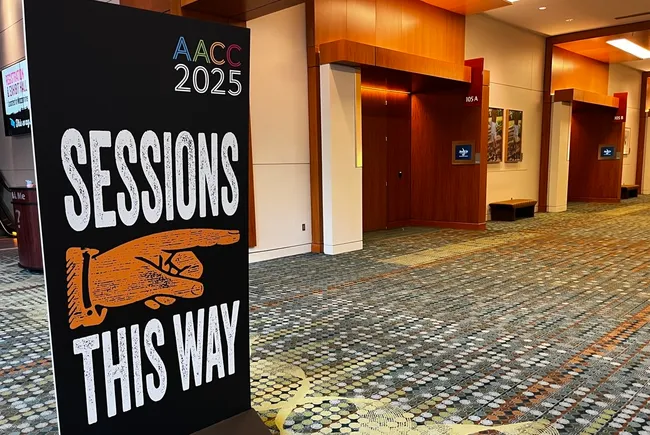
Since 2020, leaders from Salt Lake Community College have worked to improve prior learning credit options for prospective and current students, they told attendees Monday at the American Association of Community Colleges‘ annual conference in Nashville. The college put a special emphasis on pathways for adult learners — those aged 25 and older — as the average student on its eight campuses is 25 years old.
Over the past five years, the resulting cross-campus collaboration has yielded Salt Lake Community College some promising results, including more students receiving credit for their work experience and lowered financial barriers for prior learning assessment exams.
Then
In 2019, the Utah Legislature passed a law requiring the state’s higher ed board to create a plan aimed at boosting public colleges’ issuance of credit for prior learning, work-based skills and competency-based assessments.
Salt Lake Community College — which enrolls just under 37,000 credit-bearing students across eight campuses — began an evaluation of its process for awarding prior learning credits the following year.
Rachel Lewis, Salt Lake Community College’s associate provost of academic systems, said the existing process turned out to be hardly a process at all.
“It used to be, if you knew the one advisor who knew the process and could talk to this person in the registrar’s office, we could get your prior learning,” she said. “Good for the students who found it — not good for all the others.”
The college’s leaders also uncovered a gap in what kind of credits were awarded.
In 2019-20, about 80% of the prior learning credits that Salt Lake Community College awarded were through pathways typically used by high school students, said Andrea Tipton, the institution’s director of credit for prior learning.
For instance, 807 of the 1,291 students who received prior learning credits earned them through Advanced Placement tests offered by the College Board.
In comparison, only 13 students that year received credit for their professional certifications or licenses, and just one student earned credit for their previous work experience and portfolio.
Now
To address this disconnect, Salt Lake Community College standardized its prior learning credit process. That included a new hire.
“We made a crucial decision to create a position at the college dedicated to prior learning — one person at the college who could be the point of contact to serve in that role,” Lewis said, nodding to Tipton, who was hired for the new role.
Salt Lake Community College now emphasizes credits for prior learning as an option through improved communications to students. The institution also works to inform students that it’s free to have their credits evaluated and added to their transcripts.
Once a prior learning credit is added to a student’s transcript, it is transferable as if they earned it at Salt Lake Community College, according to college policy.
“When that student goes to the University of Utah, it’s now considered transfer credit,” Lewis said. “They don’t reevaluate it. They don’t look at it.”
Roughly three-fourths of Salt Lake Community College graduates, 72%, go on to transfer to a four-year institution.
The college is also highlighting CLEP tests, an exam option offered by the College Board open to learners ages 13 and older.
The tests can provide a viable alternative to AP tests. But the registration fee — upwards of $95 in 2025 — proved to be a barrier for many students, Tipton said.
This year, Salt Lake Community College began directing students to the Modern States Education Alliance, anonprofit that will cover test costs for students who complete its free prep courses.
First-year results are still pending, Tipton said. But the college is processing more CLEP exams than before, suggesting more students are taking advantage now that the financial barrier to testing has been addressed, she said.
In 2023-24, the college awarded 248 credits to 33 students for their professional licenses and certifications. This represented nearly triple the prior learning credits students earned this way only a few years before.
It granted another 100 credits to 18 students for their work portfolios and experience. The number is still low, but the jump from just one or two students a year is statistically significant,Tipton said. And it’s a population the college wants to grow.
One prior learning pathway more commonly used by nontraditional students has seen a more complicated transformation — military credits.
Back in 2019-20, Salt Lake Community College appeared to do quite well in this regard, with 137 students receiving a whopping 2,184 prior learning credits for military experience that year.
“But it was a lot of electives,” Tipton said. “It wasn’t easily applicable to their degree or transferable in a meaningful way.”
Since then, military prior learning credits have declined significantly, down to 34 students receiving 46 credits in 2023-24.
That drop resulted from the college shifting from “awarding just whatever the credit you can get” to prioritizing military credits that go toward a student’s desired degree, Tipton said. She is now working with academic departments to continue establishing better course equivalencies for military experience.
The United States (U.S.) remains a top choice for international students pursuing higher education, with approximately six percent of the student population consisting of international students (Open Doors Report on International Educational Exchange, 2024). This data underscores their integral role in higher education. One of the major challenges international students faces is adapting to a new educational system and culture while striving to integrate seamlessly into their new environment. Many international students bring deeply ingrained learning experiences from their home countries, which may differ significantly from those in the U.S. These differences profoundly shape their approach to education, influencing their self-esteem and academic success. This article explores these experiences, offering insights for educators on how to foster supportive and inclusive learning environments, particularly from an Asian perspective.
Personal Experience
I was an international student myself, so I can empathize with the challenges faced by the current generation of international students. While platforms like the internet and American media provide some understanding of American culture, nuances are often missed. I vividly recall the sense of isolation in the classrooms and at conferences, where engaging in conversations felt daunting. Introducing and joining conversations with others was challenging; the most I could do was to wave and acknowledge my presence. These experiences highlight the importance of creating environments where international students feel safe, supported, and included.
1. Cultural Perspectives on Authority
International students often approach interactions with educators with profound reverence, influenced by cultures that value authority and rules. This reverence may lead to reserved behavior in the classroom, hindering active participation. Rather than engaging in active discourse, they tend to listen attentively to their educators and accept their viewpoints unquestioningly, even if they conflict with their knowledge and understanding. This deference to authority may manifest as reticence, timidity, or reluctance to participate in class activities and discussions (Wan, 2021). For international students, this act of showing respect is vital, as they fear failure in the course if their communication style is perceived as disrespectful. Consequently, they do not advocate for themselves in academic settings and function best when following rules set by a person of authority.
To address this, educators can empower international students to express themselves more freely, by adopting strategies that foster a supportive and less intimidating learning environment. One approach is to adjust the tone of communication to be less stern or serious, creating a more welcoming atmosphere for dialogue. Additionally, providing alternative avenues for communication, such as writing on sticky notes or offering anonymous feedback options, can offer students a sense of safety and anonymity when expressing their thoughts. Furthermore, educators can encourage peer support by allowing students to bring a classmate along when seeking clarification or discussing concerns with educators. This approach can help alleviate feelings of intimidation and apprehension, as students may feel more comfortable and supported when engaging with professors alongside a peer. By acknowledging and accommodating cultural perspectives on authority, educators can promote inclusivity and empower international students to participate actively in their academic journey.
2. Adapting to Autonomy in the Classroom
Cultural backgrounds and language barriers contribute to international students’ hesitance to participate vocally in class. Students who come from educational backgrounds where autonomy in the classroom was not encouraged may struggle to adapt to the interactive and participatory learning environments often found in Western educational settings. Additionally, if English is not spoken as their first language, these students fear that their foreign accent may impede understanding. They quickly become sensitive to others’ evaluations and doubt their ability to communicate clearly, leading them to feel uncomfortable when speaking up in class (Hsu & Huang, 2017). Consequently, they may prefer to take on a passive observer role rather than participating actively. Moreover, international students may not perceive their personal views and experiences as significant, fearing that they may not align with the local context in the US.
Creating a safe space in the classroom for international students is crucial. These students must feel valued and have their dignity upheld. Educators must provide clear guidelines to foster participation, encouraging active engagement and the sharing of diverse perspectives. Turn-taking may not occur naturally for international students, so assigning specific roles to each group member to present their ideas can be effective. Appoint a leader who will ensure each group member’s voice is heard. Educators must also be cautious when addressing incorrect answers to prevent students from being discouraged from taking risks in responding in the future. A face-saving act plays an important role for international students when their answers are off- tangent.
3. Feedback and Revising
International students may not be familiar with the process of feedback and revising their work. These students have often been taught to get it right the first time and may not be accustomed to opportunities for revision. In some cases, they may not even receive feedback and might not understand what constructive feedback looks like.
Educators should familiarize students with feedback processes and create a supportive environment for revising work based on feedback. Help these students become accustomed to the various forms of feedback they may receive in your classroom. Emphasize that feedback is a way to help them improve their work and is not a personal attack.
4. Peer Support
International students often fear being judged by their educators if they ask questions that reveal their lack of understanding or knowledge. Additionally, there is a cultural perception among some international students that questioning authority, such as educators, may be viewed negatively. Therefore, seeking assistance from peers can feel less intimidating as peers may be perceived as more approachable and understanding of their struggles. Educators should view this reliance on peer support as a natural part of the adjustment process for international students. Allowing them time to acclimate to unfamiliar academic expectations and social dynamics will help them feel confident enough to engage directly with educators. Be accessible and supportive. Let the students know that you are approachable and happy to answer any questions no matter how simple or complex.
5. Creating a Sense of Belonging
International students often experience isolation in classrooms, making it crucial for educators to foster a sense of belonging. Cultural differences, such as the U.S. emphasis on independence versus the collectivistic nature of many Asian cultures, can make classroom interactions challenging. This unfamiliarity can lead to disengagement and alienation.
Despite appearing integrated, international students may struggle to form meaningful connections with American peers, leading to self-isolation. They often gravitate toward friends from their home country, limiting engagement in classroom discussions and peer support networks. This lack of engagement with local students can hinder their ability to form meaningful personal connections, access peer support, and fully participate in classroom discussions, all of which are essential for academic and social success.
Educators can help by designating peer mentors or teaching assistants to offer guidance. Assigning clear roles in group activities ensures inclusivity, while providing instructions and exemplars in advance helps international students prepare and participate more confidently. Allowing students to preview tasks before class gives them time to seek clarification, fostering comfort and engagement. These strategies create a more inclusive learning environment, enhancing both academic success and emotional well-being.
Conclusion
Creating a safe, supportive, and inclusive learning environment is essential for all students, including international students. Since international students may encounter cultural differences in their new learning environment, educators must implement culturally responsive support strategies. These strategies help foster an inclusive setting, enabling all students to succeed both academically and personally. By adopting these five inclusive practices in the classroom, educational experiences can be enriched for both international and domestic students, promoting a sense of belonging for everyone.
Thilagha Jagaiah is an Associate Professor of Special Education in the Education Department at the University of Hartford. She prepares pre-service teachers to develop essential teaching and assessment skills, equipping them to become highly effective licensed educators for PreK-12 students. Her research focuses on enhancing the teaching and learning of writing, with a specific emphasis on how sophisticated sentence structures can improve writing quality and how optimal trunk support can enhance engagement for students with trunk deficits in inclusive classrooms.
References
Hsu, C.-F. (Sandy), & Huang, I.-T. (Joyce). (2017). Are international students quiet in class? The influence of teacher confirmation on classroom apprehension and willingness to talk in class. Journal of International Students, 7(1), 38-52. https://doi.org/10.32674/jis.v7i1.244
International Students Enrollment Trends, 1948/49 – 2023/24. Open Doors Report on International Educational Exchange. Retrieved from http://www.opendoorsdata.org
Wan, Y. W. (2021). Why are they so quiet? Exploring reticent and passive East Asian ESL students in the U.S. classroom. Open Journal of Modern Linguistics, 11, 942-954. https://doi.org/10.4236/ojml.2021.116073
Whether today’s educators are teaching in-person, online or somewhere in between, their dedication to students has remained stronger than ever, despite rapid changes within the space. And in recent years, we’ve seen advances in technology and an increased emphasis on flexible learning environments reshape the higher ed classroom, resulting in both blended and hybrid learning models becoming more common.
Let’s explore a few common models of blended and hybrid instruction and some course materials that tailor well to this type of learning experience.
Blended and hybrid learning: a breakdown
The definitions of both terms may vary. Typically blended instructionincludes teaching with a variety of technology tools, whilehybrid instruction includes both in-person and online course sessions. These terms can apply at many levels, from specific course components (for example, a blended activity) to the broadest program or institution level, where an institution has a program with both in-person and online components.
Common models
Some of the more common models of hybrid and blended instruction include:
Flipped: Students learn new content before class and practice it in the classroom. This approach allows for multimodal content presentation online, and gives students greater control of when, where and how they access course content.
Enriched virtual: Students set the pace of their own learning and complete most of their coursework online.
Rotation: Students rotate between multiple learning modalities, one of which is online. Other modalities may include in-person instruction, group projects, individual guidance and assignments. This approach allows for students to interact with content in a variety of ways, promoting engagement.
Flex: Students direct their learning according to what works best for them among different learning modalities with an emphasis on online learning. The instructor is available for face-to-face support as needed.
A la carte/Self blend: Students choose a supplementary online course to accompany other, in-person experiences.
Depending on the model and modality, students can receive immediate feedback through computer graded activities. They can also interact with classmates in a variety of ways, such as discussion forums, online (or in-person) class sessions, group projects and multi-person online recordings, such as those available through Bongo with MindTap.
Here are a few examples of titles across disciplines like world languages, marketing, art & humanities and health care, paired with our online learning platform, MindTap, that readily translate to blended or hybrid formats.
From its inception, “Atelier: An Introductory French Program,” 2e by Kim Jansma, Margaret Ann Kassen, and Laurence Denié-Higney was designed for hybrid or flipped courses. This program includes a course manual with grammar and vocabulary presentations, readings and many interactive activities that can be assigned in class. Before coming to class, instructors can assign Learn It activities (readings and new content presentations) and Practice It activities (low-stakes, auto graded comprehension and application) in MindTap. Students and instructors then have an opportunity to discuss new content and practice applying it in open-ended and creative ways within a synchronous, in-person or virtual class.
Apply It activities (open-ended expansion) can be assigned for follow-up homework, while Got It activities close out the MindTap Learning Path sequence at the end of each chapter section, so students can verify their understanding. Alternatively, these Got It activities can be assigned as review activities at the end of the module prior to formal assessments. Evaluation can be completed during course time or virtually via online tests that accompany the program and are available through Cognero.
Blended and hybrid approaches can also work in courses that were not initially designed for hybrid instruction. For example, with “Marketing,” 21e by William M. Pride and O. C. Ferrell, students can complete the reading and subsequent Learn It comprehension activities before class. They can complete Apply It activities either before class to prepare for an upcoming discussion or after class as extension activities. Students can also use Study It materials such as flashcards and practice quizzes for review and to identify areas for improvement before a test.
In addition, this title’s MindTap contains activities that allow students to personalize their learning online, promoting self-reflection and real-world application of course concepts. For example, Why Does It Matter to Me? is a chapter-opening question that situates upcoming concepts in context and prompts students to reflect on their own knowledge and experiences. Case Activities in each chapter has students apply key concepts from the chapter to a real-world scenario, including media and reflection questions. You Make the Decision are branching-style questions where students walk through a scenario and make important, but difficult decisions. At the end of the Learning Path are comprehensive assessments of marketing analytics and Excel activities. Students review and manipulate data in Microsoft Excel to see how resulting calculations affect business decisions. The robust content in MindTap for “Marketing,” 21e facilitates a variety of blended and hybrid learning approaches by providing students with unique, personalized and authentic materials at all stages of the learning process.
With a media-rich MindTap, “Cultures and Values: A Global View of the Humanities,” 10e by Lois Fichner-Rathus provides students with the authentic primary materials they are learning about in the readings. In their eBooks, students can zoom in on images to see details such as brush strokes and lighting. They can also access authentic texts of selected literary works, listen to chapter-specific curated playlists on Spotify and watch videos through edited YouTube chapter playlists. By allowing students to view and interact with primary course content directly, hybrid and blended learning brings the materials to life while supporting flexibility and learning on the go.
While the previous examples have featured humanities and business courses, online learning is also common in workplace skills course such as medical coding and billing. Programs like “Understanding ICD-10-CM and ICD-10-PCS: A Worktext – 2025” 10eby Mary Jo Bowie provide a variety of comprehension and application-based activities, real-life case studies and review materials. Plus, it includes the Official Guidelines for Coding and Reporting for both ICD-10-CM and ICD-10-PCS. As a result, students can complete readings, study using PowerPoints and flashcards and gain vital practice with coding in preparation for the certification exam. Students appreciate the flexibility and independence that blended and hybrid learning offers, while gaining valuable preparation for certification.
The takeaways
Many forms of blended and hybrid learning – from flipped classrooms to fully-online, self-led courses – are common in higher education today. By providing a variety of robust online content, courses can offer students flexibility, authenticity and personalized learning to boost engagement and prepare them for their studies and future careers.
Check out these resources that support different types of learning models:
Educators should build a classroom culture that values learning over compliance
5 practical ways to integrate AI into high school science
A new era for teachers as AI disrupts instruction
For more news on AI and assessments, visit eSN’s Digital Learning hub
In recent years, the rise of AI technologies and the increasing pressures placed on students have made academic dishonesty a growing concern. Students, especially in the middle and high school years, have more opportunities than ever to cheat using AI tools, such as writing assistants or even text generators. While AI itself isn’t inherently problematic, its use in cheating can hinder students’ learning and development.
More News from eSchool News
Many math tasks involve reading, writing, speaking, and listening. These language demands can be particularly challenging for students whose primary language is not English.
As a career and technical education (CTE) instructor, I see firsthand how career-focused education provides students with the tools to transition smoothly from high school to college and careers.
As technology trainers, we support teachers’ and administrators’ technology platform needs, training, and support in our district. We do in-class demos and share as much as we can with them, and we also send out a weekly newsletter.
Math is a fundamental part of K-12 education, but students often face significant challenges in mastering increasingly challenging math concepts.
Throughout my education, I have always been frustrated by busy work–the kind of homework that felt like an obligatory exercise rather than a meaningful learning experience.
During the pandemic, thousands of school systems used emergency relief aid to buy laptops, Chromebooks, and other digital devices for students to use in remote learning.
Education today looks dramatically different from classrooms of just a decade ago. Interactive technologies and multimedia tools now replace traditional textbooks and lectures, creating more dynamic and engaging learning environments.
There is significant evidence of the connection between physical movement and learning. Some colleges and universities encourage using standing or treadmill desks while studying, as well as taking breaks to exercise.
This story was originally published by Chalkbeat. Sign up for their newsletters at ckbe.at/newsletters. In recent weeks, we’ve seen federal and state governments issue stop-work orders, withdraw contracts, and terminate…
English/language arts and science teachers were almost twice as likely to say they use AI tools compared to math teachers or elementary teachers of all subjects, according to a February 2025 survey from the RAND Corporation.
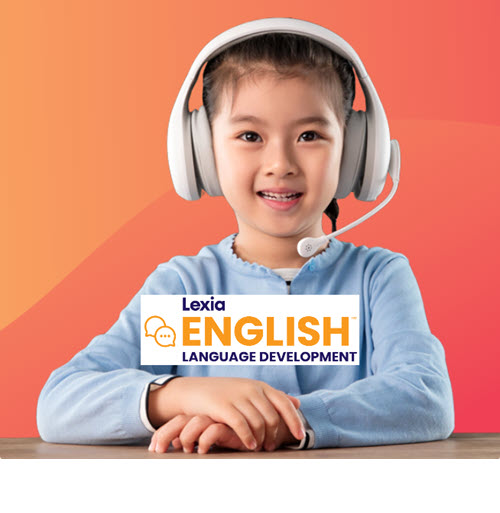
BOSTON (March 31, 2025) – In recent months, almost 2,000 schools and districts have purchased or renewed licenses for Lexia English Language Development (Lexia English) fromLexia, aCambium Learning Group brand. Using powerful speech recognition technology, the program supports students in grades K-6 to build their linguistic confidence in academic English.
“More than 162,000 students and 77,000 educators at 7,400 schools used the program during the 2024 school year. In addition, those students practiced academic conversations 4.3 million times in the program,” said Lexia President, Nick Gaehde. “The numbers show just how much students and educators have needed access to a culturally responsive language learning solution.”
One of those educators who used the program is Lynmara Colón, the director of Student Opportunity and Multilingual Services at Prince William County Schools in Virginia. After a pilot, the district has allowed individual middle and elementary schools to purchase Lexia English during the 2024-2025 school year. Prince William County Schools serves more than 20,000 English learners who speak 140 languages. “We are the 10th most diverse district in the nation,” Colón said. “But when I try to find tools for diverse students, there’s not a lot that meets the specific needs of the student population we serve.”
Colón noted that the program had boosted student growth to the point of reducing her worries about providing staff with a high-quality tool focused on helping Emergent Bilingual students. She expressed appreciation for the way the program helps her forecast and make sense of language acquisition data. “With Lexia, I can have visibility into how they’re doing with language comprehension,” she said. “I always know to expect the best from our Lexia partners. I have high expectations, and they never disappoint.”
Lexia English’s approach to English language learning is to empower emergent bilinguals by honoring their heritage languages and offering culturally responsive, adaptive learning pathways to foster academic and linguistic growth. Seventeen characters with diverse backgrounds help students practice speaking skills by engaging with content in academic subjects such as math, science, social studies, and general knowledge.
Gaehde concluded, “With Lexia English, educators can celebrate multilingualism in the classroom, providing students with the tools to succeed in both English language development and overall academic achievement.”
About Lexia
Lexia®, a Cambium Learning® Group brand, is transforming literacy education, driving change in 1 of every 3 school districts across the United States. For more than 40 years, Lexia has been a thought leader in literacy education, delivering award-winning, research-based solutions grounded in the science of reading. With a full spectrum of offerings, including professional learning, curriculum, and embedded assessment tools, Lexia provides educators with Structured Literacy solutions that are proven effective and designed to drive meaningful literacy outcomes. By empowering educators with unparalleled ease of use and the knowledge and tools they need, Lexia helps more students unlock their potential to read, write, and speak with confidence. For more information, visit lexialearning.com.
About Cambium Learning Group
Cambium Learning Group is the education essentials company, providing award-winning education technology and services for K-12 educators and students. With an intentional collection of respected global brands, Cambium serves as a leader, helping millions of educators and students feel more seen, valued, and supported every day. In everything it does, the company focuses on the elements that are most essential to the success of education, delivering simpler, more certain solutions that make a meaningful difference right now.
To learn more, visit www.cambiumlearning.com or follow Cambium onFacebook,LinkedIn, andX. The Cambium family of brands includes: Cambium Assessment®, Lexia®, Learning A-Z®, ExploreLearning®, and Time4Learning®.
eSchool Media staff cover education technology in all its aspects–from legislation and litigation, to best practices, to lessons learned and new products. First published in March of 1998 as a monthly print and digital newspaper, eSchool Media provides the news and information necessary to help K-20 decision-makers successfully use technology and innovation to transform schools and colleges and achieve their educational goals.
Digital transformation is an ongoing journey for higher education institutions, but there is something quite distinctive about the current moment.
The combination of financial uncertainty, changing patterns of student engagement, and the seismic arrival of artificial intelligence is pointing to a future for higher education learning and teaching and a digital student experience that will certainly have some core elements in common with current practice but is likely in many respects to look rather different.
At the moment I see myself and my colleagues trying to cling to what we always did and what we always know. And I really do think the whole future of what we do and how we teach our students, and what we teach our students is going to accelerate and change very, very quickly now, in the next five years. Institutional leader
Our conversations with sector leaders and experts over the past six months indicate an ambition to build consistent, inclusive and engaging digital learning environments and to deploy data much more strategically. Getting it right opens up all kinds of possibilities to extend the reach of higher education and to innovate in models for engagement. But future change demands different kinds of technological capabilities, and working practices, and institutions are saying that they are hindered by legacy systems, organisational silos, and a lack of a unified vision.
Outdated systems do not “talk to each other,” and on a cultural level as departments and central teams also do not “talk to each other” – or may struggle to find a common language. And rather than making life easier, many feel that technology creates significant inefficiencies, forcing staff to spend more time on administrative tasks and less on what truly matters.
I think the problem always is when we hope something’s going to make it more efficient. But then it just adds a layer of complexity into what we’re doing…I think that’s what we struggle with – what can genuinely deliver some time savings and efficiencies as opposed to putting another layer in a process? Institutional leader
In the spirit of appreciative inquiry, our report Capability for change – preparing for digital learning futures draws on a series of in depth discussions with leaders of learning and teaching, and digital technology, digital experts and students’ union representatives. We explore the sorts of change that are already in train, and surface insight about how institutions are thinking in terms of building whole-organisation capabilities. “Digital dexterity” – the ability to deploy technology strategically, efficiently, and innovatively to achieve core objectives – may be yet another tech buzzword, but it captures a sense of where organisations are trying to get to.
While immediate financial pressures may require cutting costs and reprofiling investment, long term sustainability depends on moving forward with change, finding ways, not to do more with less but to do things differently. To realise the most value from technology investment institutional leaders need to find ways to ensure that across the institution staff teams have the knowledge, the motivation and the tools to deploy technology in the service of student success.
How institutions are building organisational capability
Running through all our conversations was a tension, albeit a potentially productive one: there needs to be much more consistency and clarity about the primary strategic objectives of the institution and the core technology platforms and applications that enable them. But the effect of, in essence, imposing a more streamlined “central” vision, expectations and processes should be to enable and empower the academic and professional teams to do the things that make for a great student experience. Our research indicates that institutions are focusing on three areas: leadership and strategy; digital capabilities of institutional staff; and breaking down the vertical silos that can hamper effective cross-organisational working.
A number of reflections point to strategy-level improvements – such as ensuring there is strategic alignment between institutional objectives for student success, and technology and digital strategies; listening to the feedback from students and staff about what they need from technology; setting priorities, and resourcing those priorities from end to end from technology procurement to deployment and evaluation of impact. One institutional leader described what happens when digital strategies get lost in principles and forget to align with the wider success of the organisation:
The old strategy is fairly similar, I imagine, to many digital strategies that you would have seen – it talks about being user focused, talks about lean delivery, talks about agile methodologies, product and change management and delivering value through showing, not telling. So it was a very top level strategy, but really not built with outcomes at its absolute core, like, what are the things that are genuinely going to change for people, for students? Institutional leader
Discussions of staff digital capabilities recognised that institutional staff are often hampered by organisational complexity and bureaucracy which too often is mirrored in the digital sphere. One e-learning professional suggested that there is a need for research to really understand why there is a tendency towards proliferation of processes and systems, and confront the impact on staff workloads.
There may also be limits to what can reasonably be expected from teaching staff in terms of digital learning design:
You need to establish minimum benchmarks and get everyone to that place, and then some people will be operating well beyond that. You can be clear about basic benchmark expectations around student experience – and then beyond that you need to put in actual support [such as learning design experts] to implement the curriculum framework. E-learning professional
But the broader insight on staff development was around shifting from provision of training on how to operate systems or tools to a more context-specific exploration of how the available technologies and data can help educators achieve their student success ambitions. Value is more systematically created across the organisation when those academic and professional teams who work directly with students are able to use the technology and data available creatively to enhance their practice and to problem solve.
Where data has been used before it’s very much sat with senior colleagues in the institution. And you know it’s helped in decision making. But the next step is to try and empower colleagues at the coal face to use data in their day to day interventions with their students… How can they use the data to inform how they support their students? Institutional leader
Decisive leadership may be successful in setting priorities and streamlining the processes and technologies that underpin them; strong focus on professional development may engage and enable institutional staff. But culture change will come when institutions find ways to systematically build “horizontals” across silos – mechanisms for collaborative and shared activity that bridge different perspectives, languages and disciplinary and professional cultures.
Some examples we saw included embedding digital professionals in faculties and academic business processes such as recruitment panels, convening of cross-organisation thinking on shared challenges, and appointment of “change agent” roles with a skillset and remit to roam across boundaries.
Technology providers must be part of the solution – acting as strategic partners rather than suppliers. One way to do that is to support institutions to pilot, test, and develop proof of concept before they decide to invest in large-scale change. Another is to work with institutions to understand how technology is deployed in practice, and the evolving needs of user communities. To be a great partner to the higher education sector means having a deep understanding not only of the technological capabilities that could help the sector but how these might weave into an organisation’s wider mission and values. In this way, technology providers can help to build capability for change.
Dr. Maureen RubyAccording to the Stanford Center on Longevity, “The hundred year life is here. And we’re not ready.” The Center identified 10 principles to guide working through the challenges of longevity and capitalize on the opportunities. As a soon-to-be septuagenarian, current university faculty member and educational researcher, the guiding principle “learn throughout life” resonates with me. In my personal journey, I completed a second doctorate as I reached the half-century mark. Both then, as K-12 educator and grandmother of six, and now in my university work, my life is iteratively enriched through intergenerational learning. I am lucky.
While we may not share the 122-year life span of Jeanne Calmet, Stanford’s The New Map of Life Years to Thrive reports that half of current kindergartners will have a life expectancy of 100. Given the projected certainty of a future of centenarians, universities must embrace intergenerational learning. The OECD states that education is a predictor of the quality of life as it positively influences physical and mental health, financial stability, cognitive functions, resilience social status and engagement. Thus, with our unprecedented longevity, it’s important for the traditional image of college students, those transitioning from high school and primarily in the second and third decades of life, to evolve. The work and research of the Stanford Center on Longevity and the Age-Friendly University Global Network advocate for supporting our “globally aging world” by harnessing the power of intergenerational learning.
Intergenerational learning engages different generations in learning together, exchanging knowledge and experiencing mutual growth. Beyond coexisting, it is about genuine dialogue, connection and shared learning. Intergenerational learning programs combat ageism, reduce social isolation, promote community and demonstrate benefits to both older adults and younger generations. Age diversity in colleges and universities is a net asset for our global society.
For college students, intergenerational learning is more than interacting with older adults. It provides valuable perspectives to challenge assumptions and deepen understanding of the world. Through the “elders’” firsthand accounts of history, culture or societal events, students gain insights unavailable from textbooks and PowerPoints. Imagine hearing directly from a participant in the Civil Rights Movement in history class; a person living the aging process in a sociology class; a retired bank executive or CEO in an accounting or finance class; or a physical therapist in an anatomy class. Such interactions bring together research and theory with lived experience and practice and contribute to an enriched learning culture that capitalizes on empathy, critical thinking and authenticity.
Social media, virtual interactions, and fragmented communication are abundant today and have negative consequences for our youth. As shared by the Collaborative for Academic, Social, and Emotional Learning (CASEL), developing empathy and strong social-emotional skills are essential to future success. Intergenerational learning offers students opportunities to engage in face-to-face dialogue with people from different generations and backgrounds. Through these interactions, students practice active listening, respect for diverse perspectives, development of interpersonal skills and emotional awareness. These skills are essential for effective communication and building healthy relationships in academic settings, the workplace and personal life.
For older adults, in addition to the intellectual stimulation so essential for cognitive wellness, a college environment offers opportunities to remain socially connected, contribute meaningfully, and participate in cultural, sports, personal conditioning and academic activities offered on campus. Intergenerational programs reduce time spent alone and ignite an augmented sense of belonging and purpose. Older adults feel valued for the knowledge and experience they bring to the table while also reaping opportunities to learn new skills and stay mentally sharp. Intergenerational program participation increases life satisfaction, while mentoring younger generations promotes a sense of accomplishment and a positive outlook on life.
Intergenerational learning also fosters mutual understanding, reduces ageism and helps break down stereotypes. In an increasingly polarized society, where the media and social media often reinforce generational biases, divisions and misunderstandings and create barriers between generations, intergenerational learning leads to social cohesion and inclusive communities, and bridging generational divides.
Through seeking and celebrating diversity of thought, intergenerational learning in academia will advance more holistic, compassionate learning environments. Colleges and universities, as centers of learning and innovation, are uniquely positioned to lead the way in supporting a new learning paradigm by incorporating intergenerational programs into their curricula and campus life. From shared classrooms to mentorship programs, the integration of older adults into the academic experience is an essential step toward creating a culture of inclusive learning requisite for our changing global demographics. Intergenerational learning supports creation of a society that values mutual respect, shared knowledge and lifelong growth. It’s time for educational institutions to embrace intergenerational learning, paving the way for a future where people of all ages learn, grow and thrive together. We will be learning alongside our grandchildren. I am excited for my next 30 years!
Dr. Maureen Ruby is an associate professor at the Farrington College of Education & Human Development at Sacred Heart University in Fairfield, CT.
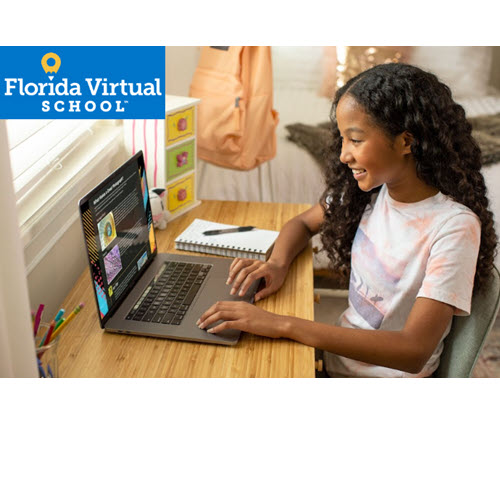
ORLANDO, Fla. — Florida Virtual School (FLVS) is partnering with the University of Florida (UF) and the Concord Consortium to introduce a groundbreaking year-long “Artificial Intelligence (AI) in Math” supplemental certification for FLVS middle and high school students enrolled in the school’s Flex option. FLVS instructors who teach Algebra 1 will lead this innovative program, teaching the online courses while also supplementing students’ learning with activities that build students’ understanding of math and AI concepts. FLVS students enrolled in Algebra 1 who elect to earn the certification will begin April 7.
The certification will introduce students to the foundational principles of AI that intersect with core math topics while offering insights into real-world applications, ethical considerations, and career opportunities in AI-related fields. By merging 21st-century technology with education, the program aims to boost students’ math skills, cultivate positive attitudes toward mathematics, and expose them to the rapidly evolving AI landscape.
“As a leader in online education for more than 27 years, Florida Virtual School is committed to being at the forefront of educational innovation,” said Dr. Louis Algaze, president and CEO of Florida Virtual School. “By partnering with the University of Florida and the Concord Consortium, we are equipping our students with essential math skills and the knowledge to navigate and succeed in an AI-enhanced world.”
The certification also includes a collaborative feedback loop between FLVS teachers and UF and Concord Consortium researchers. Teachers will provide critical insights into the online course structure and student outcomes, helping to refine and improve the certification’s effectiveness for future online learners.
“AI is revolutionizing industries worldwide, creating new opportunities,” said Jie Chao, project director at the Concord Consortium. “Our partnership with FLVS allows us to offer robust AI learning opportunities to students with limited access to such resources, bridging the educational gaps and preparing young people for an AI-powered future.”
FLVS teachers will also complete 40 hours of online professional development as part of the program. The training will include learning about specialized learning technologies designed to help visualize abstract math concepts and create interactive AI model explorations to ensure students engage with the AI development process in meaningful and dynamic ways.
FLVS Flex students who are either currently enrolled or are interested in taking Algebra 1 can now sign up for the “AI in Math” certification by filling out this survey. Students who complete the program as part of their FLVS math class will receive enrichment credit and the AI Literacy certificate issued by UF and the Concord Consortium.
About Florida Virtual School (FLVS)
At Florida Virtual School (FLVS), the student is at the center of every decision we make. For 27 years, our certified online teachers have worked one-on-one with students to understand their needs and ensure their success – with FLVS students completing 8.1 million semester courses since the school’s inception. As a fully accredited statewide public school district, Florida students in grades Kindergarten through 12 can enroll tuition-free in full-time and part-time online education options. With more than 200 effective and comprehensive courses, and over 80 fun and exciting clubs, FLVS provides families with a safe, reliable, and flexible education in a supportive environment. As a leading online education provider, FLVS also offers comprehensive digital learning solutions to school districts, from online courses that result in high student performance outcomes, to easy-to-use online platforms, staff training, and support. To learn more, visit our website.
eSchool Media staff cover education technology in all its aspects–from legislation and litigation, to best practices, to lessons learned and new products. First published in March of 1998 as a monthly print and digital newspaper, eSchool Media provides the news and information necessary to help K-20 decision-makers successfully use technology and innovation to transform schools and colleges and achieve their educational goals.