For decades, curriculum, pedagogy, and technology have evolved to meet the changing needs of students. But in many schools, the classroom environment itself hasn’t kept pace. Classic layouts that typically feature rows of desks, limited flexibility, and a single focal point can often make it harder for educators to support the dynamic ways students learn today.
Classrooms are more than places to sit–when curated intentionally, they can become powerful tools for learning. These spaces can either constrain or amplify great teaching. By reimagining how classrooms are designed and used, schools can create environments that foster engagement, reduce stress, and help both teachers and students thrive.
Designing a classroom for student learning outcomes and well-being
Many educators naturally draw on their own school experiences when shaping classroom environments, often carrying forward familiar setups that reflect how they once learned. Over time, these classic arrangements have become the norm, even as today’s students benefit from more flexible, adaptable spaces that align with modern teaching and learning needs.
The challenge is that classic classroom setups don’t always align with the ways students learn and interact today. With technology woven into nearly every aspect of their lives, students are used to engaging in environments that are more dynamic, collaborative, and responsive. Classrooms designed with flexibility in mind can better mirror these experiences, supporting teaching and learning in meaningful ways, even without using technology.
To truly engage students, the classroom must become an active participant in the learning process. Educational psychologist Loris Malaguzzi famously described the classroom as the “third teacher,” claiming it has just as much influence in a child’s development as parents or educators. With that in mind, teachers should be able to lean on this “teacher” to help keep students engaged and attentive, rather than doing all the heavy lifting themselves.
For example, rows of desks often limit interaction and activity, forcing a singular, passive learning style. Flexible seating, on the other hand, encourages active participation and peer-to-peer learning, allowing students to easily move and reconfigure their learning spaces for group work or individual work time.
I saw this firsthand when I was a teacher. When I moved into one of my third-grade classrooms, I was met with tables that quickly proved insufficient for the needs of my students. I requested a change, integrating alternative seating options and giving students the freedom to choose where they felt most comfortable learning. The results exceeded my expectations. My students were noticeably more engaged, collaborative, and invested in class discussions and activities. That experience showed me that even the simplest changes to the physical learning environment can have a profound impact on student motivation and learning outcomes.
Allowing students to select their preferred spot for a given activity or day gives them agency over their learning experience. Students with this choice are more likely to engage in discussions, share ideas, and develop a sense of community. A comfortable and deliberately designed environment can also reduce anxiety and improve focus. This means teachers experience fewer disruptions and less need for intervention, directly alleviating a major source of stress by decreasing the disciplinary actions educators must make to resolve classroom misbehavior. With less disruption, teachers can focus on instruction.
Supporting teachers’ well-being
Just as classroom design can directly benefit student outcomes, it can also contribute to teacher well-being. Creating spaces that support collaboration among staff, provide opportunities to reset, and reduce the demands of the job is a tangible first step towards developing a more sustainable environment for educators and can be one factor in reducing turnover.
Intentional classroom design should balance consistency with teacher voice. Schools don’t need a one-size-fits-all model for every room, but they can establish adaptable design standards for each type of space, such as science labs, elementary classrooms, or collaboration areas. Within those frameworks, teachers should be active partners in shaping how the space works best for their instruction. This approach honors teacher expertise while ensuring that learning environments across the school are both flexible and cohesive.
Supporting teacher voice and expertise also encourages “early adopters” to try new things. While some teachers may jump at the opportunity to redesign their space, others might be more hesitant. For those teachers, school leaders can help ease these concerns by reinforcing that meaningful change doesn’t require a full-scale overhaul. Even small steps, like rearranging existing furniture or introducing one or two new pieces, can make a space feel refreshed and more responsive to both teaching and learning needs. To support this process, schools can also collaborate with learning environment specialists to help educators identify practical starting points and design solutions tailored to their goals.
Designing a brighter future for education
Investing in thoughtfully designed school environments that prioritize teacher well-being isn’t just about creating a more pleasant workplace; it’s a strategic move to build a stronger, more sustainable educational system. By providing teachers with flexible, adaptable, and future-ready classrooms, schools can address issues like stress, burnout, and student disengagement. When educators feel valued and empowered in their spaces, they create a better work environment for themselves and a better learning experience for their students. Ultimately, a supportive, well-designed classroom is an environment that sets both educators and students up for success.
Dr. Sue Ann Highland, School Specialty
Dr. Sue Ann Highland is the Lead National Education Strategist at School Specialty.
Latest posts by eSchool Media Contributors (see all)
This Veterans Day, we’re reminded that honoring service means more than recognition; it’s a shared responsibility. Colleges and universities play a vital role in translating appreciation into action by working with community and employer partners to expand access, reduce barriers, and build clear, accelerated pathways for veterans to thrive before, during, and after their postsecondary education.
Each year, about 200,000 service members transition out of active duty. They bring with them leadership, discipline, and adaptability, qualities employers consistently say they need most. For many veterans, the first stop is college, supported by the Post-9/11 GI Bill. But not all want, need, or can afford to wait for a four-year degree to launch their next chapter. The real question is: How do we ensure veterans don’t miss the job-ready pathways already reshaping the workforce?
The challenge of underemployment and the demand for talent
On the surface, veterans appear to be doing well; unemployment among former service members is approximately 3% in comparison to non-veterans at 3.9%. But the picture changes when we look deeper. Nearly one in three veterans is underemployed, working in roles that don’t fully use their skills or pay family-sustaining wages. The compressed 180-day transition window, during which service members must make rapid choices about careers, finances, and education, makes it harder to align strengths with opportunity. Veterans who do not find meaningful employment or education in that first year risk long-term financial instability and lower lifetime earnings.
At the same time, labor market demand makes the case urgent. Employers in healthcare, cybersecurity, advanced manufacturing, logistics, and clean energy face acute shortages. More than a million cybersecurity roles are currently unfilled, and clean energy jobs grew nearly 4% last year. Veterans, who bring technical expertise, leadership, and adaptability, are uniquely positioned to step into these roles if their skills are translated and recognized in ways that match employer needs.
A moment of opportunity
Across the country, alternative career pathways are gaining momentum. Apprenticeships, certificates, industry certifications, and work-integrated learning programs are offering faster, lower-cost routes into well-paid jobs. National efforts to expand registered apprenticeships highlight just how far the U.S. has to go compared with peer nations. If even a fraction of community college students were connected to apprenticeships, hundreds of thousands of new slots could open roles where veterans’ discipline and readiness give them a natural advantage.
At the same time, higher education is recalibrating. Undergraduate enrollment has dropped by more than a million students since 2019, while institutions are investing in short-term credentials and competency-based programs. Senior leaders are deeply concerned about the public perception of the value of college and their institutions’ long-term financial viability, with nearly eight in ten presidents citing public trust as a major issue. Those concerns are not abstract: by 2032, an estimated 18.4 million experienced workers with postsecondary education are expected to retire, creating urgent pressure to prepare the next generation. Veterans are well-positioned to help fill this gap if institutions translate military learning into both degrees and short-term credentials.
If institutions recognize and apply military learning through credit for prior learning (CPL) and short-term credential pathways, they can accelerate veterans’ success while rebuilding confidence in the relevance of higher education itself. ACE supports this effort through Military Guide, which helps colleges translate military training into academic credit, and through expanding frameworks for CPL that ensure quality and equity in how experience counts. These tools make it possible for veterans to see their service recognized as learning and for institutions to meet learners where they are.
A call to action
This convergence of policy momentum, employer demand, and institutional innovation creates a rare window of opportunity. The traditional “college-for-all” approach is showing its limits, with more than half of four-year graduates underemployed a year after graduation. For veterans, the stakes are even higher. Transition is a once-in-a-lifetime moment to align skills, benefits, and pathways.
Employers: Don’t overlook veteran talent. Create or expand apprenticeships and structured on-ramps that recognize military skills. Veterans bring discipline, adaptability, and leadership—traits every sector needs to stay competitive. They also carry official military transcripts that document their training and education, which can be mapped directly to specific skills and competencies. Military job titles and occupational codes however can be deceiving in the civilian market. Demystifying those roles and challenging stereotypes is essential to avoid overlooking highly qualified candidates. Leveraging veterans’ records and experiences can shorten onboarding, reduce training costs, and ensure they are matched to roles where they can thrive.
Higher education: Build shorter, stackable programs that honor prior learning gained through military service and beyond. Military transcripts and experience can serve not only as transfer credit but also as tools for admissions decisions, prerequisite fulfillment, and course waivers, accelerating time to completion. Just as important, institutions should recognize that many veterans are looking to pivot into entirely new career fields. By meeting veterans where they are, higher education can both close critical skills gaps and strengthen enrollment while rebuilding public trust.
Credential providers: Ensure certifications are accessible, affordable, and aligned with industry demand. You are uniquely positioned to bridge the federal government, corporate America, learners, and higher education institutions, making pathways clearer and faster for veterans. In your validation processes, include recognition of military and prior learning so veterans can more easily demonstrate their competencies and translate service-earned experience into credentials with immediate labor market value.
Turning appreciation into action
Veterans bring unmatched skills, experience, and determination, but they shouldn’t have to navigate their next chapter alone. Employers, higher education, and credential providers each have a role to play in creating faster, more transparent, and career-aligned pathways that turn potential into progress.
Higher education has always been central to the American narrative, a source of opportunity, innovation, and community strength. Its next chapter depends on unlocking the full potential of every learner, especially those who have proudly served. When institutions, employers, and credential organizations work in concert, we transform gratitude into real pathways.
For example, Dixon Center for Military and Veterans Services has long championed a “united in purpose” approach, offering technical assistance, resource-sharing, and leadership to amplify veteran-serving efforts across all sectors. Their work underscores the importance of collective responsibility: honoring service not just with words, but with system-wide action. As one example, the center led an effort to formulate and administer the Trucking Business Academy, which mustered colleges, industry leaders, and other nonprofits to chart a comprehensive curriculum for truck drivers to successfully build their own businesses.
This Veterans Day, honoring military service means building pathways forward. By opening clearer, faster, and more trusted routes to learning and work and by aligning across sectors, we can ensure veterans don’t just find jobs. They lead the way in shaping the future of education, workforce development, and national resilience.
If you have any questions or comments about this blog post, please contact us.
With the new school year now rolling, teachers and school leaders are likely being hit with a hard truth: Many students are not proficient in reading.
This, of course, presents challenges for students as they struggle to read new texts and apply what they are learning across all subject areas, as well as for educators who are diligently working to support students’ reading fluency and overall academic progress.
Understanding the common challenges students face with reading–and knowing which instructional strategies best support their growth–can help educators more effectively get students to where they need to be this school year.
Understanding the science of learning
Many districts across the country have invested in evidence-based curricula grounded in the science of reading to strengthen how foundational skills such as decoding and word recognition are taught. However, for many students, especially those receiving Tier 2 and Tier 3 interventions, this has not been enough to help them develop the automatic word recognition needed to become fluent, confident readers.
This is why coupling the science of reading with the science of learning is so important when it comes to reading proficiency. Simply stated, the science of learning is how students learn. It identifies the conditions needed for students to build automaticity and fluency in complex skills, and it includes principles such as interleaving, spacing practice, varying tasks, highlighting contrasts, rehearsal, review, and immediate feedback–all of which are essential for helping students consolidate and generalize their reading skills.
When these principles are intentionally combined with the science of reading’s structured literacy principles, students are able to both acquire new knowledge and retain, retrieve, and apply it fluently in new contexts.
Implementing instructional best practices
The three best practices below not only support the use of the science of learning and the science of reading, but they give educators the data and information needed to help set students up for reading success this school year and beyond.
Screen all students. It is important to identify the specific strengths and weaknesses of each student as early as possible so that educators can personalize their instruction accordingly.
Some students, even those in upper elementary and middle school, may still lack foundational skills, such as decoding and automatic word recognition, which in turn negatively impact fluency and comprehension. Using online screeners that focus on decoding skills, as well as automatic word recognition, can help educators more quickly understand each student’s needs so they can efficiently put targeted interventions in place to help.
Online screening data also helps educators more effectively communicate with parents, as well as with a student’s intervention team, in a succinct and timely way.
Provide personalized structured, systematic practice. This type of practice has been shown to help close gaps in students’ foundational skills so they can successfully transfer their decoding and automatic word recognition skills to fluency. The use of technology and online programs can optimize the personalization needed for students while providing valuable insights for teachers.
Of course, when it comes to personalizing practice, technology should always enhance–not replace–the role of the teacher. Technology can help differentiate the questions and lessons students receive, track students’ progress, and engage students in a non-evaluative learning environment. However, the personal attention and direction given by a teacher is always the most essential aid, especially for struggling readers.
Monitor progress on oral reading. Practicing reading aloud is important for developing fluency, although it can be very personal and difficult for many struggling learners. Students may get nervous, embarrassed, or lose their confidence. As such, the importance of a teacher’s responsiveness and ongoing connection while monitoring the progress of a student cannot be overstated.
When teachers establish the conditions for a safe and trusted environment, where errors can occur without judgment, students are much more motivated to engage and read aloud. To encourage this reading, teachers can interleave passages of different lengths and difficulty levels, or revisit the same text over time to provide students with spaced opportunities for practice and retrieval. By providing immediate and constructive feedback, teachers can also help students self-correct and refine their skills in real time.
Having a measurable impact
All students can become strong, proficient readers when they are given the right tools, instruction, and support grounded in both the science of learning and the science of reading. For educators, this includes screening effectively, providing structured and personalized practice, and creating environments where students feel comfortable learning and practicing skills and confident reading aloud.
By implementing these best practices, which take into account both what students need to learn and how they learn best, educators can and will make a measurable difference in students’ reading growth this school year.
Dr. Carolyn Brown, Foundations in Learning
Dr. Carolyn Brown is the co-founder and chief academic officer of Foundations in Learning, creator of WordFlight. Dr. Brown has devoted her career to ongoing research and development that targets underlying learning processes to optimize language and literacy development for all students.
Latest posts by eSchool Media Contributors (see all)
Interpersonal communication theories not only help students navigate personal and professional relationships but also strengthen teacher-student connections. Drawing on Orón (2018) and Orón Semper & Blasco (2018), we encourage instructors to use this one-day activity to shift from a “student-centered” to an “interpersonal relationship-centered” pedagogy. This approach views instructor-student relationships as essential to learning and as a space for students to apply theory with relational intent. The activity promotes self-reflexivity, theory analysis, and collaborative dialogue, resulting in improved theory comprehension, stronger rapport, and communication practices that respect classroom diversity.
Student and instructor diversity in higher education has grown significantly in recent years (Li & Koedel, 2017), with over a million international students enrolled in U.S. universities (Urban, 2016). This diversity—across culture, gender, race, ability, and socioeconomic status—shapes classroom dynamics and presents unique challenges related to language, identity, and cultural differences (Jones et al., 2021). Instructors must respond by creating inclusive learning environments that support all students (Downing & Billotte Verhoff, 2023). Diversity also presents an opportunity to apply communication theories to foster intercultural empathy and improve collaboration. Students may initially struggle to understand and respect differing perspectives, affecting group work and engagement (Gray et al., 2020), but these challenges can become learning opportunities that deepen classroom inclusivity.
Communication scholars often apply interpersonal communication theories in the classroom to strengthen student–teacher relationships (Xie & Derakhshan, 2021). This single class activity integrates uncertainty management, self-disclosure, and communication accommodation theory (CAT) for undergraduate students to (a) to understand and (b) apply these theories to facilitate an inclusive and self-reflexive classroom. Teachers are the leading actors during everyday interaction and play a significant role in shaping communication and enhancing the teaching and learning process (Almas Rizkika Nabila, 2020). This activity encourages students to actively co-create a meaningful learning experience, highlighting the reciprocal nature of classroom interaction (Anyichie & Butler, 2023; Kong, 2021).
Self-disclosure: Communication Privacy Management
Self-disclosure is “any conversation about the self that a person communicates to others” (Ampong et al., 2018). Communication Privacy Management (CPM) theory helps students understand how they set and manage privacy boundaries with peers and instructors (Petronio et al., 2021). The intersection of privacy boundaries and the learning space is complicated as students and instructors navigate privacy. Instructors deliver the lecture and explain the course content, but they also intentionally and willingly share their personal stories (Liu & Zhu, 2021). For instance, the first author, an international graduate assistant, connects class discussions to experiences from his home country, helping students relate and engage. Such instructor self-disclosure encourages student participation and fosters more meaningful classroom communication (Goldstein, 1994) (Liu & Zhu, 2021).
However, instructors and students rarely critically examine the disclosure norms in the classroom and their role in learning and relationship building. For example, disclosure boundaries (i.e., how far instructors can go to share their experiences) (Cayanus, 2004). Additionally, while students may attend to how much information they share in the classroom, this activity challenges them to apply CPM theory to examine their disclosure practices, expectations, and privacy boundary negotiations.
Communication Accommodation Theory
Communication Accommodation Theory (CAT) explains how individuals adjust their communication such as speech, tone, pace, gestures, or body language—to interact effectively with others. Instructors can use CAT to enhance student understanding during lectures (Howard Giles, 2023).The theory outlines two key strategies: convergence, where a speaker adapts to another’s communication style (e.g., simplifying vocabulary, repeating phrases, pausing, smiling, nodding), and divergence, where a speaker maintains differences by avoiding shared cues (e.g., using complex words, changing topics, or not adjusting speaking pace) (Marko Dragojevic, 2016) (Pardo et al., 2022).
Drawing on this research, the goal of this activity is 1) to understand the theories and analyze how they facilitate the teaching process, 2) to explore the perceptions of students about these theories and their inclusion in the classroom, 3) to determine the expectations of students related to characteristics of these theories.
The Activity
This single-class activity applies to various undergraduate courses, such as public speaking, communication among cultures, communication in interpersonal relationships, argument analysis and advocacy, and persuasion. Instructors can do this activity during introduction week as they begin navigating disclosures about themselves and student expectations. Moreover, planning this activity at the beginning will challenge students to examine their positionalities, norms, and expectations critically.
Step 1: Personal Reflection
Before implementing the activity, instructors should familiarize themselves with relevant communication theories and reflect on how their own identities shape their teaching assumptions (Nabila, 2020, Downing & Billotte Verhoff, 2023). We recommend engaging in self-reflexive questions, such as: What disclosure boundaries do I set and why? What uncertainties do I face around privacy or accommodation in teaching? What expectations exist between me and my students regarding communication and flexibility? Instructors should identify what personal information they’re willing to share, why they’re sharing it, and how it might impact classroom relationships. For example, the first author reflected on cultural and linguistic differences and adjusted his teaching by using simpler language, acknowledging English is not his first language, and setting shared guidelines to support mutual understanding and accommodation. This reflective process helps align instructional practices with inclusive, theory-informed pedagogy.
Step 2: Students’ Perceptions About Components of Theories
This activity takes approximately 30 to 40 minutes and is best suited for a full class session. Instructors should introduce the key theories with examples and explain the activity’s purpose and timing. For advanced courses, assigning theory readings beforehand can deepen analysis, making it more effective to conduct the activity later in the semester rather than at the start. During the session, students should be divided into groups of four and asked to write their expectations for the course and the instructor. To guide discussion, instructors can pose prompts such as:
What expectations do you have for your instructor when it comes to using different communication accommodation strategies?
How do you manage your own self-disclosure in the classroom? Where do you draw the line on what you choose to share?
What are your thoughts on instructors’ self-disclosure? What types of disclosures have a positive or negative impact on your learning experience?
How comfortable are you with classroom communication? What strategies could reduce uncertainty or discomfort?
How do you plan to engage with and accommodate diversity in terms of culture, race, gender identity, and sexual orientation in your classroom interactions?
Can you connect your responses to the core ideas of the communication theories we’ve discussed? How do these theories help explain disclosure and accommodation in the classroom context?
These questions will provide space for students to reflect on their experiences. Moreover, during that time, the instructor will also answer these questions from the instructor’s perspective and enlist the convergence techniques they perceive to accommodate. Instructors can give 15 to 20 minutes to answer the provided questions briefly.
Step 3: Describing the Theories and Their Impact
Instructors will invite each group to share their responses, followed by the instructor’s own disclosure of planned strategies—such as accommodation, anticipated uncertainties, and boundaries around self-disclosure. A comparison table with two columns (students vs. instructor) can be used to visually display both perspectives. Instructors then lead a discussion with prompts like: Why do these expectations exist? What differences or overlaps emerge? How do these perspectives interact? This activity encourages students to (a) practice perspective-taking shaped by diverse identities, (b) apply key concepts like co-creating privacy boundaries (CPM), and (c) see how theory fosters a supportive learning environment. Since student familiarity with these theories may vary, instructors should first assess their basic understanding.
Debriefing
At the end of the activity on the same day. Instructors can initiate the debriefing by including the Q&A sessions such as:
How did this activity impact, how you view self-disclosure and accommodation?
What do you understand about embedding these theories in the classroom?
How can this activity help to build a good student-teacher relationship and create an inclusive environment in the classroom?
Appraisal
In the second week, I (the first author) compiled all responses into a table and presented it to the class. I briefly discussed both student and instructor perspectives, then posted reflection prompts on Blackboard for feedback. Students responded positively, noting that the activity was enjoyable and helped them get to know one another. Many emphasized the importance of communication accommodation, agreeing that in a diverse classroom, convergence strategies are essential for fostering inclusion and mutual respect. One student highlighted that accommodation is key to ensuring understanding and promoting respectful interaction (see Table 1).
Table 1: Responses of Students and Instructor
Communication Accommodation
Self-disclosure
Uncertainty
Students
-Speaking slower during a speech even when anxious** -Staying away from slang words to avoid language barriers -Clear annunciation -Respectful of each other’s speaking language** -Appropriate tone/voice -In class participation -Speaking clearly and loudly**** -Visual cue images if doing a speech. -Articulation -Be patient -Stay engaged -Ask him to repeat
-Disclose how comfortable you are speaking in front of a group, so the professor understands your anxiety or emotion towards speech presentation ** -Disclosing where you are from, what languages you, speak, and how much you understand a topic will be very important to critiquing your peers on their speeches -Safe space -No personal information**** -No social media -Should disclose important and relevant events that could affect quality -Establish boundaries
-Topics that peers choose to speak about throughout the semester may be understood less or more by others -How to write a speech -How we will be graded -How heavy the workload will be -Fear of asking questions -Ask for help when needed -Talking in front of people preparation -Speech topics (Range of issues) -Comfort -What is expected of us from the professor -Memorizing speeches -Deadlines -Clear instructions for assignments -Reminders of important dates -Remember to submit assignments -Nervous
Instructor
-Speak slowly -Use clear words -Allow students to ask questions -Repeat my words without asking -Take a break during lecture and ask students if they have any concern or not -Making good eye contact -Listen everyone carefully -Give everyone chance to speak
-If you are comfortable to share your personal information you can, we can make a rule that whatever you share in this class will stay in this class
-How do you feel when I show attendance sheet on BB -How do you feel about forgetting your name -What do you think when it takes time to respond to your email -How you think when you meet me outside of class at court street on weekends
One limitation of this activity is the time required to develop and implement it during the first week of the semester, making early planning essential. Second, the activity is best suited for small classes; in larger classrooms, it may be difficult to follow all steps without modification. Lastly, delayed feedback or response-sharing may reduce the activity’s impact, as students may forget key details over time.
Athar Memon, MBBS, MSPH, is a graduate student in the PhD program in the Scripps School of Communication Studies at Ohio University. Athar Memon research interest is related to health communication specifically health care access, behaviors to access healthcare services among marginalized population, barriers related to patient-provider interpersonal communication, health literacy and its relationship with health outcomes and healthy behaviors. His work has been published in various journals including Professional Medical Journal, Journal of Pakistan Medical Association, Pakistan Journal of Public Health, PEC Innovation, and Eastern Mediterranean Journal.
China C. Billotte Verhoff, PhD, (Purdue University) is an Assistant Professor in the School of Communication Studies at Ohio University. Dr. Billotte Verhoff’s research agenda lies at the intersections of interpersonal and organizational communication. Specifically, she explores how individuals with marginalized and stigmatized identities navigate self-disclosure and social support processes to identify the associated relational, career, and health outcomes. Dr. Billotte Verhoff’s work has been published in peer-reviewed journals such as Communication Monographs, the Journal of Language and Social Psychology, Communication Studies, Sex Roles, Women and Language, and Health Communication.
References
Almas Rizkika Nabila, A. M., Syafi’ul Anam. 2020. “TEACHER’S MOTIVES IN APPLYING COMMUNICATION ACCOMMODATION STRATEGIES IN SECONDARY ELT CLASS. Linguistic, English Education and Art (LEEA) Journal, 3(2), 373-384.”
Ampong, G. O. A., Mensah, A., Adu, A. S. Y, Addae, J. A., Omoregie, O. K., & Ofori, K. S. 2018. “Examining Self-Disclosure on Social Networking Sites: A Flow Theory and Privacy Perspective. Behav Sci (Basel), 8(6).”
Anyichie, A. C., & Butler, D. L.. 2023. Examining culturally diverse learners’ motivation and engagement processes as situated in the context of a complex task. Frontiers in Education,
Cayanus, J. L.. 2004. “Effective Instructional Practice: Using Teacher Self-Disclosure as an Instructional Tool. Communication Teacher, 18(1), 6-9.”
Downing, S. S., & Billotte Verhoff, C. C. 2023. “Incorporating mini lessons on the hidden curriculum in communication classrooms. Communication Teacher, 37(3), 246-253.”
Ewa Urban, L. B. P.. 2016. “International Students’ Perceptions of the Value of U.S. Higher Education Journal of International Students, 6(1), 153-174.”
Gray, D. L., McElveen, T. L., Green, B. P., & Bryant, L. H.. 2020. Engaging Black and Latinx students through communal learning opportunities: A relevance intervention for middle schoolers in STEM elective classrooms. Contemporary Educational Psychology, 60, 101833.
Howard Giles, A. L. E., Joseph B. Walther. 2023. Communication accommodation theory: Past accomplishments, current trends, and future prospects.
Jones, B. D., Krost, K., & Jones, M. W.. 2021. Relationships between students’ course perceptions, effort, and achievement in an online course. Computers and Education Open, 2, 100051.
Kong, Y. 2021. The Role of Experiential Learning on Students’ Motivation and Classroom Engagement. Front Psychol, 12, 771272.
Li, D., & Koedel, C. 2017. “Representation and salary gaps by race-ethnicity and gender at selective public universities. Educational researcher, 46(7), 343-354.”
Liu, X., & Zhu, L. 2021. The Role of EFL Teachers’ Self-Disclosure as Predictors of Student’s Willingness to Communicate and Their Engagement. Front Psychol, 12, 748744.
Marko Dragojevic, J. G., Howard Giles. 2016. Accommodative Strategies as Core of the Theory. Communication Accommodation Theory: Negotiating Personal Relationships and Social Identities across Contexts, 36-59.
Pardo, J. S., Pellegrino, E., Dellwo, V., & Möbius, B. 2022. Special issue: Vocal accommodation in speech communication. Journal of Phonetics, 95, 101196.
Petronio, S., Child, J. T., & Hall, R. D. 2021. Communication privacy management theory: Significance for interpersonal communication. In Engaging theories in interpersonal communication (pp. 314-327). Routledge.
Xie, F., & Derakhshan, A. 2021. A Conceptual Review of Positive Teacher Interpersonal Communication Behaviors in the Instructional Context. Front Psychol, 12, 708490.
School leaders are under constant pressure to stretch every dollar further, yet many districts are losing money in ways they may not even realize. The culprit? Outdated facilities processes that quietly chip away at resources, frustrate staff, and create ripple effects across learning environments. From scheduling mishaps to maintenance backlogs, these hidden costs can add up fast, and too often it’s students who pay the price.
The good news is that with a few strategic shifts, districts can effectively manage their facilities and redirect resources to where they are needed most. Here are four of the most common hidden costs–and how forward-thinking school districts are avoiding them.
How outdated facilities processes waste staff time in K–12 districts
It’s a familiar scene: a sticky note on a desk, a hallway conversation, and a string of emails trying to confirm who’s handling what. These outdated processes don’t just frustrate staff; they silently erode hours that could be spent on higher-value work. Facilities teams are already stretched thin, and every minute lost to chasing approvals or digging through piles of emails is time stolen from managing the day-to-day operations that keep schools running.
A centralized, intuitive facilities management software platform changes everything. Staff and community members can submit requests in one place, while automated, trackable systems ensure approvals move forward without constant follow-up. Events sync directly with Outlook or Google calendars, reducing conflicts before they happen. Work orders can be submitted, assigned, and tracked digitally, with mobile access that lets staff update tickets on the go. Real-time dashboards offer visibility into labor, inventory, and preventive maintenance, while asset history and performance data enable leaders to plan more effectively for the long term. Reports for leadership, audits, and compliance can be generated instantly, saving hours of manual tracking.
The result? Districts have seen a 50-75 percent reduction in scheduling workload, stronger cross-department collaboration, and more time for the work that truly moves schools forward.
Using preventive maintenance to avoid emergency repairs and extend asset life
When maintenance is handled reactively, small problems almost always snowball into costly crises. A leaking pipe left unchecked can become a flooded classroom and a ruined ceiling. A skipped HVAC inspection may lead to a midyear system failure, forcing schools to close or scramble for portable units.
These emergencies don’t just drain budgets; they disrupt instruction, create safety hazards, and erode trust with families. A more proactive approach changes the narrative. With preventive maintenance embedded into a facilities management software platform, districts can automate recurring schedules, ensure tasks are assigned to the right technicians, and attach critical resources, such as floor plans or safety notes, to each task. Schools can prioritize work orders, monitor labor hours and expenses, and generate reports on upcoming maintenance to plan ahead.
Restoring systems before they fail extends asset life and smooths operational continuity. This keeps classrooms open, budgets predictable, and leaders prepared, rather than reactive.
Maximizing ROI by streamlining school space rentals
Gymnasiums, fields, and auditoriums are among a district’s most valuable community resources, yet too often they sit idle simply because scheduling is complicated and chaotic. Paper forms, informal approvals, and scattered communication mean opportunities slip through the cracks.
When users can submit requests through a single, digital system, scheduling becomes transparent, trackable, and far easier to manage. A unified dashboard prevents conflicts, streamlines approvals, and reduces the back-and-forth that often slows the process.
The payoff isn’t just smoother operations; districts can see increased ROI through easier billing, clearer reporting, and more consistent use of unused spaces.
Why schools need facilities data to make smarter budget decisions
Without reliable facilities data, school leaders are forced to make critical budget and operational decisions in the dark. Which schools need additional staffing? Which classrooms, gyms, or labs are underused? Which capital projects should take priority, and which should wait? Operating on guesswork not only risks inefficient spending, but it also limits a district’s ability to demonstrate ROI or justify future investments.
A clear, centralized view of facilities usage and costs creates a strong foundation for strategic decision-making. This visibility can provide instant insights into patterns and trends. Districts can allocate resources more strategically, optimize staffing, and prioritize projects based on evidence rather than intuition. This level of insight also strengthens accountability, enabling schools to share transparent reports with boards, staff, and other key stakeholders, thereby building trust while ensuring that every dollar works harder.
Facilities may not always be the first thing that comes to mind when people think about student success, but the way schools manage their spaces, systems, and resources has a direct impact on learning. By moving away from outdated, manual processes and embracing smarter, data-driven facilities management, districts can unlock hidden savings, prevent costly breakdowns, and optimize the use of every asset.
Shane Foster, Follett Software
Shane Foster is the Chief Product & Technology Officer at Follett Software.
Latest posts by eSchool Media Contributors (see all)
As a high school STEM teacher at Baldwin Preparatory Academy, I often ask myself: How can we make classroom learning more meaningful for our students? In today’s rapidly evolving world, preparing learners for the future isn’t about gathering academic knowledge. It is also about helping all learners explore potential careers and develop the future-ready skills that will support success in the “real world” beyond graduation.
One way to bring those two goals together is by drawing a clear connection between what is learned in the classroom and future careers. In fact, research from the Education Insights Report shows that a whopping 87 percent of high school students believe that career connections make school engaging–and as we all know, deeper student engagement leads to improved academic growth.
I’ve tried a lot of different tactics to get kids engaged in careers over my 9 years of teaching. Here are my current top recommendations:
Internship opportunities As many educators know, hands-on learning is effective for students. The same goes for learning about careers. Internship opportunities give students a way to practice a career by doing the job.
I advise students to contact local businesses about internships during the school year and summer. Looking local is a wonderful way to make connections, learn an industry, and practice career skills–all while gaining professional experience.
Tallo is another good internship resource because it’s a digital network of internships across a range of industries and internship types. With everything managed in Tallo, it’s easy for high school students to find and get real-world work experience relevant to school learning and career goals. For educators, this resource is helpful because it provides pathways for students to gain employable skills and transition into the workforce or higher education.
Career events In-person career events where students get to meet individuals in industries they are interested in are a great way for students to explore future careers. One initiative that stands out is the upcoming Futures Fair by Discovery Education. Futures Fair is a free virtual event on November 5, 2025, to inspire and equip students for career success.
Held over a series of 30-minute virtual sessions, students meet with professionals from various industries sharing an overview of their job, industry, and the path they took to achieve it. Organizations participating in the Futures Fair are 3M, ASME, Clayco, CVS Health, Drug Enforcement Administration, Genentech, Hartford, Honda, Honeywell, Illumina, LIV Golf, Meta, Norton, Nucor, Polar Bears International, Prologis, The Home Depot, Verizon, and Warner Bros. Discovery.
Students will see how the future-ready skills they are learning today are used in a range of careers. These virtual sessions will be accompanied by standards-aligned, hands-on student learning tasks designed to reinforce the skills outlined by industry presenters.
CTE Connections All students at Baldwin Preparatory Academy participate in a career and technical education pathway of their choosing, taking 6-9 career specific credits, and obtaining an industry-recognized credential over the course of their secondary education. As a STEM teacher, I like to connect with my CTE and core subject colleagues to learn about the latest innovations in their space. Then I connect those innovations to my classroom instruction so that all students get the benefit of learning about new career paths.
For example, my industry partners advise me about the trending career clusters that are experiencing significant growth in job demand. These are industries like cybersecurity, energy, and data science. With this insight, I looked for relevant reads or classroom activities related to one of those clusters. Then, I shared the resources back with my CTE and core team so there’s an easy through line for the students.
As educators, our role extends beyond teaching content–we’re shaping futures. Events like Futures Fair and other career readiness programs help students see the relevance of their learning and give them the confidence to pursue their goals. With resources like these, we can help make career readiness meaningful, engaging, and empowering for every student.
Jessica Stanford, RN, Baldwin Preparatory Academy
Jessica Stanford, RN, is a Health Science Instructor at Baldwin Preparatory Academy. Jessica has been a Registered Nurse for 20 years, and a health science instructor in career and technical education since 2017. She is passionate about using secondary education to harness natural curiosity and cultivating that into interest and effort toward an educational pathway that young people can pursue before high school graduation. Jessica believes that students can make great strides in planning, networking, and experiences that will catapult them into a career and lifelong success.
Latest posts by eSchool Media Contributors (see all)
In the growing conversation around AI in education, speed and efficiency often take center stage, but that focus can tempt busy educators to use what’s fast rather than what’s best. To truly serve teachers–and above all, students–AI must be built with intention and clear constraints that prioritize instructional quality, ensuring efficiency never comes at the expense of what learners need most.
AI doesn’t inherently understand fairness, instructional nuance, or educational standards. It mirrors its training and guidance, usually as a capable generalist rather than a specialist. Without deliberate design, AI can produce content that’s misaligned or confusing. In education, fairness means an assessment measures only the intended skill and does so comparably for students from different backgrounds, languages, and abilities–without hidden barriers unrelated to what’s being assessed. Effective AI systems in schools need embedded controls to avoid construct‑irrelevant content: elements that distract from what’s actually being measured.
For example, a math question shouldn’t hinge on dense prose, niche sports knowledge, or culturally-specific idioms unless those are part of the goal; visuals shouldn’t rely on low-contrast colors that are hard to see; audio shouldn’t assume a single accent; and timing shouldn’t penalize students if speed isn’t the construct.
To improve fairness and accuracy in assessments:
Avoid construct-irrelevant content: Ensure test questions focus only on the skills and knowledge being assessed.
Use AI tools with built-in fairness controls: Generic AI models may not inherently understand fairness; choose tools designed specifically for educational contexts.
Train AI on expert-authored content: AI is only as fair and accurate as the data and expertise it’s trained on. Use models built with input from experienced educators and psychometricians.
These subtleties matter. General-purpose AI tools, left untuned, often miss them.
The risk of relying on convenience
Educators face immense time pressures. It’s tempting to use AI to quickly generate assessments or learning materials. But speed can obscure deeper issues. A question might look fine on the surface but fail to meet cognitive complexity standards or align with curriculum goals. These aren’t always easy problems to spot, but they can impact student learning.
To choose the right AI tools:
Select domain-specific AI over general models: Tools tailored for education are more likely to produce pedagogically-sound and standards-aligned content that empowers students to succeed. In a 2024 University of Pennsylvania study, students using a customized AI tutor scored 127 percent higher on practice problems than those without.
Be cautious with out-of-the-box AI: Without expertise, educators may struggle to critique or validate AI-generated content, risking poor-quality assessments.
Understand the limitations of general AI: While capable of generating content, general models may lack depth in educational theory and assessment design.
General AI tools can get you 60 percent of the way there. But that last 40 percent is the part that ensures quality, fairness, and educational value. This requires expertise to get right. That’s where structured, guided AI becomes essential.
Building AI that thinks like an educator
Developing AI for education requires close collaboration with psychometricians and subject matter experts to shape how the system behaves. This helps ensure it produces content that’s not just technically correct, but pedagogically sound.
To ensure quality in AI-generated content:
Involve experts in the development process: Psychometricians and educators should review AI outputs to ensure alignment with learning goals and standards.
Use manual review cycles: Unlike benchmark-driven models, educational AI requires human evaluation to validate quality and relevance.
Focus on cognitive complexity: Design assessments with varied difficulty levels and ensure they measure intended constructs.
This process is iterative and manual. It’s grounded in real-world educational standards, not just benchmark scores.
Personalization needs structure
AI’s ability to personalize learning is promising. But without structure, personalization can lead students off track. AI might guide learners toward content that’s irrelevant or misaligned with their goals. That’s why personalization must be paired with oversight and intentional design.
To harness personalization responsibly:
Let experts set goals and guardrails: Define standards, scope and sequence, and success criteria; AI adapts within those boundaries.
Use AI for diagnostics and drafting, not decisions: Have it flag gaps, suggest resources, and generate practice, while educators curate and approve.
Preserve curricular coherence: Keep prerequisites, spacing, and transfer in view so learners don’t drift into content that’s engaging but misaligned.
Support educator literacy in AI: Professional development is key to helping teachers use AI effectively and responsibly.
It’s not enough to adapt–the adaptation must be meaningful and educationally coherent.
AI can accelerate content creation and internal workflows. But speed alone isn’t a virtue. Without scrutiny, fast outputs can compromise quality.
To maintain efficiency and innovation:
Use AI to streamline internal processes: Beyond student-facing tools, AI can help educators and institutions build resources faster and more efficiently.
Maintain high standards despite automation: Even as AI accelerates content creation, human oversight is essential to uphold educational quality.
Responsible use of AI requires processes that ensure every AI-generated item is part of a system designed to uphold educational integrity.
An effective approach to AI in education is driven by concern–not fear, but responsibility. Educators are doing their best under challenging conditions, and the goal should be building AI tools that support their work.
When frameworks and safeguards are built-in, what reaches students is more likely to be accurate, fair, and aligned with learning goals.
In education, trust is foundational. And trust in AI starts with thoughtful design, expert oversight, and a deep respect for the work educators do every day.
Nick Koprowicz, Prometric
Nick Koprowicz is an applied AI scientist at Prometric, a global leader in credentialing and skills development.
Latest posts by eSchool Media Contributors (see all)
You’ll often hear two words come up in advising sessions as students look ahead to college: match and fit. They sound interchangeable, but they’re not.
Match refers to what colleges are looking for from students. It’s mostly determined by admissions requirements such as GPA and test scores, and in some cases, other criteria like auditions, portfolios, or athletic ability. Fit is more of an art than a science; it refers to what the student is looking for in a college, including personal preferences, social and cultural environment, financial factors, and academic offerings. When we talk to students about college fit, it’s an opportunity for them to ask themselves whether they like what a certain institution offers beyond being admitted.
In the college admissions process, both terms matter. A strong match without a good fit can leave a student disengaged and negatively affect their chances of graduating from college. Nearly a quarter of undergraduate freshmen drop out before their second year, and it seems likely to me that a lot of these cases boil down to bad fits. On the other hand, a great fit that isn’t a match could be difficult for admission in the first place, and if a student is admitted anyway, the rigorous coursework they encounter might be more than they’re ready for. To maximize postsecondary success, advisors, families, and students alike should fully understand the difference between match and fit and know how to approach conversations about each of them.
Match: Reach, target, and solid
As I’ve worked with advisors over the years, one of the best ways we’ve found to guide students on match is using the categories of “Reach,” “Target,” and “Solid” schools. We can determine which schools belong to what category using the data that colleges share about the average incoming GPAs and test scores of admitted classes. Typically, they report weighted GPAs and composite test scores from the middle 50 percent of accepted applicants, i.e., from the students who fall anywhere from the 25th to 75th percentile of those admitted.
Reach: These are schools where admission is less likely, either because a student’s test scores and GPA are below the middle 50 percent or because the school traditionally admits only a small percentage of eligible applicants.
Target: These are schools where either GPA or test scores fall in the middle 50 percent of admitted students.
Solid: These are schools where students are well within the middle 50 percent for both GPA and test scores.
Building a balanced college list across these categories is essential in the college planning process. Often, I see high-achieving students over-index on too many Reach schools, which may make it hard for them to get accepted anywhere on their list, simply because their preferred schools are ultra-selective. Meanwhile, parents and guardians may focus heavily on fit and overlook whether the student actually meets the college’s admission criteria. Advisors play a key role in keeping these data-informed conversations grounded with the goal of a balanced list of college options for students to pursue.
The importance of early planning
Timing matters. In general, if you meet with students early enough, conversations about fit are productive, but if you’re meeting with students for the first time in their senior year, the utmost priority should be helping them build a balanced list. Ideally, we want to avoid a situation where a student thinks they’re going to get into the most competitive colleges in the country on the strength of their GPA and test scores, only to find out that it’s not that easy. If advisors wait until senior year to address match, students and families may already have unrealistic expectations, leading to difficult conversations when options are limited.
On the other hand, we would stress that although GPA is the factor given the most weight by admissions offices, there are ways to overcome match deficits with other elements of a college application. For instance, if a student worked part-time to support their family or participated in co-curricular activities, colleges using holistic review may see this as part of the student’s story, helping to balance a GPA that falls outside the typical range. These experiences highlight a student’s passions and potential contributions to their chosen major and campus community. We don’t want students to have unrealistic expectations, but we also shouldn’t limit them based on numbers alone.
In any case, advisors should introduce both match and fit concepts as early as 9th grade. If students have a specific college in mind, they need to be aware of the match requirements from the first day of freshman year of high school. This allows students to plan and track academic progress against requirements and lets families begin exploring what kind of environment, resources, and financial realities would make for the right fit.
Fit: A personal process
Once match is established, the next step is making sure students ask: “What do I want in my college experience?” The answers will involve a wide range of factors:
Institutional type: Public or private? Small liberal arts college or large research university?
Academic considerations: What majors are offered? Are there study abroad programs? Internship opportunities?
Student life: What is the student body like? What kind of extracurriculars, sports, and support services are offered? Are there fraternities and sororities? What is the campus culture?
Affordability: What financial aid or scholarships can I expect? What is the true net cost of attendance?
Outcomes: What a student hopes to gain from their postsecondary experience, including specific degrees or credentials, career preparation, financial benefits, personal growth, and skill development.
Fit also requires conversations within families. I’ve found that open communication can reveal misunderstandings that would otherwise falsely limit students’ options. Sometimes students assume their parents want them close to home, when in fact, parents just want them to find the right environment. Other times, families discover affordability looks very different once they use tools like free cost calculators. Ongoing dialogue about these topics between advisors, students, and families during the high school years helps prepare for better decisions in the end.
Bringing it all together
With more than 4,000 colleges and universities in the U.S. alone, every student can find a college or university that aligns with their goals and abilities. Doing so, however, is both an art and a science. Advisors who help families focus on both dimensions, and start the conversation early, set students up to receive those treasured acceptance letters and to thrive once they arrive on campus.
For school districts developing their proficiency in postsecondary readiness factors, like advising, there is an increasing amount of support available. For one, TexasCCMR.org, has free guidance resources to strengthen advising programs and other aspects of college and career readiness. While Texas-focused, many of the insights and tools on the site can be helpful for districts across the country in building their teams’ capabilities.
Donald Kamentz, Contigo Ed
Donald Kamentz is a skilled facilitator and education consultant utilizing his diverse experiences in both non-profit management and K-12 education to help organizations best serve all student populations. As the Founder and CEO of Contigo Ed, Donald Kamentz brings his over 30+ years of diverse experiences and passion for working in the postsecondary access and success arenas. He has been a member of both the National Association of College Admission Counseling (NACAC) and the Texas Association for College Admission Counseling (TACAC) since 1999.
Latest posts by eSchool Media Contributors (see all)
College students are mastering the art of “doing school” – but far too few are actually learning (Geddes et al., 2018; Stevens & Ramey, 2020; Weinstein et al., 2018). The widespread use of artificial intelligence tools among students complicates the learning process by blurring the line between genuine understanding and task completion (Gawande et al., 2020; Jie & Kamrozzaman, 2024). It is incumbent on faculty to design learning experiences that prevent students from mistaking a passing grade for a genuine education.
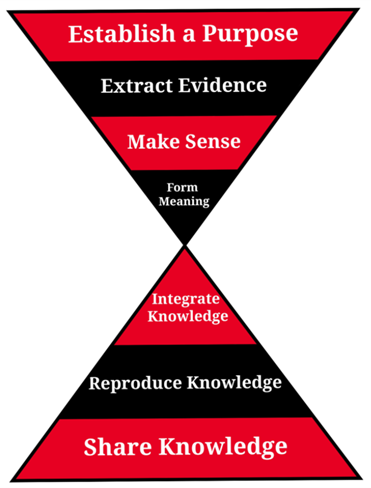
This hourglass paradigm, created by Western Kentucky University education faculty, outlines key stages of effective learning and aligns with current understanding of how the brain processes and retains information (Mahan & Stein, 2014). It functions as a conceptual guide, helping students contextualize instructional content within a broader framework of cognitive engagement. The hourglass shape represents the complexity and intellectual rigor inherent in genuine learning – an endeavor that far exceeds the passive acts of listening, reading, and rote repetition. Many students, shaped by their P–12 educational experiences, have developed habits that emphasize completing tasks over engaging deeply with the learning process. In high school, success often comes from passive methods like re-reading notes or even something as simple as listening attentively in class (Gurung & Dunlosky, 2023). These habits often persist into college, where students may misplace effort on checking boxes rather than meaningful engagement with the content. While this approach may yield favorable academic outcomes in the short term, it infrequently results in deep understanding.
Figure 1 – The Reading and Learning Hourglass Note. This figure was created by the authors.
Top Half of the Hourglass
The top half represents what students are expected to do when first exposed to novel material – either in lecture or when reading.
Step #1 – Establish a Purpose
This requires students orient themselves toward finding specific information. What specific information are they expected to discern while listening or reading? What are they supposed to do with the information they find? Purpose establishes reason for attention – a key component in encoding the visual/auditory stimuli (Dubinsky & Hamid, 2024). Good teaching provides purpose and directs attention to the most important information.
Practical Application for Instructors
Clearly communicate the purpose of each lecture, reading, or activity. Assign reading surgically – not whole chapters at once. Frame lessons with guiding questions or objectives that help students focus their attention and recognize what they are expected to learn and apply.
As students encounter information meeting the established purpose, they deliberately document (extract) the evidence. This, too, is an important part of the encoding process. It focuses attention, moving students from a passive state during which the mind is prone to wander to an active state of responsibility requiring productivity.
Practical Application for Instructors
Assign students a specific task during lectures or readings (e.g., identifying key arguments, examples, or terms) and require them to record and reflect on these findings. This encourages active engagement and accountability during knowledge acquisition.
Step #3 – Make Sense
Sense and meaning are both necessary for long-term learning, but they are different constructs. Sense means that something is readily comprehensible and consistently applied (Sousa, 2011). After students have extracted the evidence, do they comprehend the material? This is a stopping point if the answer is “No.” They should either revert to the material to try to make sense of it or ask questions of the instructor/classmates (or even generative AI, as permitted) to ensure comprehension.
Practical Application for Instructors
Pause periodically to ask comprehension questions or pose simple checks for understanding. Encourage students to identify confusing parts and model how to work through confusion by thinking aloud or unpacking difficult concepts together.
Step #4 – Form Meaning
Meaning is about connections and relevancy. Once the information has been extracted and is comprehensible, the next step is determining how it connects to other information. To what other concepts is it related in the subject/discipline? How does it connect to something the student knows personally? Formation of meaning and sense making are both crucial steps in the process of consolidation – the second step in the formation of long-term memory/learning.
Practical Application for Instructors
Help students connect new content to prior knowledge by explicitly referencing past lessons or real-world examples. Use prompts such as “How does this relate to what we learned last week?” or “Where have you seen this concept applied outside of class?”
Bottom Half of the Hourglass
With the passage of time comes opportunity to study the information. Studying requires consolidation, retrieval, and active production. If students are simply re-reading information or listening again to recorded lectures, they are still in the top half of the hourglass and are not yet studying – they are simply revisiting the knowledge event. Sometimes review is necessary to ensure sense and meaning. However, students need to understand that unless they are producing something new through active retrieval, they are not studying.
Step #5 – Integrate Knowledge
After students have read multiple assignments and listened to numerous lectures, the resulting notes must be integrated into a cohesive body of knowledge. Students must synthesize this information rather than treating each reading or lecture as a discrete element – a process that supports deeper consolidation over time (Squire et al., 2015).
Practical Application for Instructors
Design cumulative tasks that require students to synthesize information into thematic essays, comparative analyses, or concept maps. Encourage students to revisit and reorganize their notes periodically to build coherence across topics.
Step #6 – Reproduce Knowledge
The best way to study to facilitate long-term learning requires active retrieval (Karpicke, 2012; Sosa et al., 2018). This process strengthens neural connections by repeatedly firing related pathways, leading to long-term potentiation – essentially, learning. Crucially, retrieval typically involves unaided recall; the value lies in the act of retrieval itself, not the product it creates. Reflection and verbal production counts as retrieval even though the product is intangible.
Practical Application for Instructors
Design assignments that require students to produce something from memory (e.g., timed short-answer questions, practice exams, or unprompted written explanations). Encourage use of retrieval-based study tools and de-emphasize passive review.
Step #7 – Share Knowledge
Students often do not know when to stop studying. Many are surprised when asked when studying should stop – the answer feels obvious: “When the test is on my desk!” In reality, studying ends when one can teach the material to someone else. As the final step of the process, the reproduction of knowledge should be so comprehensive and fluent that the students can teach the material to a peer or another individual unfamiliar with the subject matter.
Practical Application for Instructors
Create opportunities for students to teach each other. Incorporate peer instruction, study partnerships, or group teaching assignments where students must explain key ideas to classmates or create short instructional videos.
In a time when grades are often mistaken for understanding and AI tools tempt students to outsource cognitive effort, we must reclaim the purpose of education. The hourglass paradigm reframes learning as an active, metacognitive process – one that challenges students to move beyond passive habits and toward lasting intellectual growth. By designing instruction that aligns with how the brain learns best, we as faculty can help students learn how to learn and not just how to pass. This is not just a pedagogical preference; it is a professional obligation.
Dr. Daniel Super is a Clinical Associate Professor in the School of Teacher Education and director of the Barbara and Kelly Burch Institute for Transformative Practices in Higher Education at Western Kentucky University.
Dr. Jeremy Logsdon is an Assistant Professor in the School of Teacher Education and director of the Center for Literacy at Western Kentucky University.
References
Dubinsky, J. M., & Hamid, A. A. (2024). The neuroscience of active learning and direct instruction. Neuroscience & Biobehavioral Reviews, 163, 1-21. https://doi.org/10.1016/j.neubiorev.2024.105737
Gawande, V., Al Badi, H., & Al Makharoumi, K. (2020). An empirical study on emerging trends in artificial intelligence and its impact on higher education. International Journal of Computer Applications, 175(12), 43-47.
Geddes, B. C., Cannon, H. M., & Cannon, J. N. (2018, March). Addressing the crisis in higher education: An experiential analysis. In Developments in Business Simulation and Experiential Learning: Proceedings of the Annual ABSEL conference (Vol. 45). Association for Business Simulation and Experiential Learning. https://journals.tdl.org/absel/index.php/absel/article/view/3188/3106
Gurung, R. A. R., & Dunlosky, J. (2023). Study like a champ. American Psychological Association.
Jie, A. L. X., & Kamrozzaman, N. A. (2024). The challenges of higher education students face in using artificial intelligence (AI) against their learning experiences. Open Journal of Social Sciences, 12(10), 362-387. https://doi.org/10.4236/jss.2024.1210025
Karpicke, J. D. (2012). Retrieval-based learning: Active retrieval promotes meaningful learning. Current Directions in Psychological Science, 21(3), 157–163. https://doi.org/10.1177/0963721412443552
Mahan, J. D., & Stein, D. S. (2014). Teaching adults – Best practices that leverage the emerging understanding of the neurobiology of learning. Current problems in pediatric and adolescent health care, 44(6), 141-149. https://doi.org/10.1016/j.cppeds.2014.01.003
Sosa, P. M., Gonçalves, R., & Carpes, F. P. (2018). Active memory reactivation improves learning. Advances in Physiology Education, 42(2), 256–260. https://doi.org/10.1152/advan.00077.2017
Sousa, D. A. (2011). How the brain learns. Corwin.
Stevens, R., & Ramey, K. (2020, January). What kind of place is school to learn? A comparative perspective from students on the question. In Proceedings of the 14th International Conference of the Learning Sciences: The Interdisciplinarity of the Learning Sciences.
Weinstein, Y., Sumeracki, M., & Caviglioli, O. (2018). Understanding how we learn: A visual guide. Routledge.
College students are mastering the art of “doing school” – but far too few are actually learning (Geddes et al., 2018; Stevens & Ramey, 2020; Weinstein et al., 2018). The widespread use of artificial intelligence tools among students complicates the learning process by blurring the line between genuine understanding and task completion (Gawande et al., 2020; Jie & Kamrozzaman, 2024). It is incumbent on faculty to design learning experiences that prevent students from mistaking a passing grade for a genuine education.
This hourglass paradigm, created by Western Kentucky University education faculty, outlines key stages of effective learning and aligns with current understanding of how the brain processes and retains information (Mahan & Stein, 2014). It functions as a conceptual guide, helping students contextualize instructional content within a broader framework of cognitive engagement. The hourglass shape represents the complexity and intellectual rigor inherent in genuine learning – an endeavor that far exceeds the passive acts of listening, reading, and rote repetition. Many students, shaped by their P–12 educational experiences, have developed habits that emphasize completing tasks over engaging deeply with the learning process. In high school, success often comes from passive methods like re-reading notes or even something as simple as listening attentively in class (Gurung & Dunlosky, 2023). These habits often persist into college, where students may misplace effort on checking boxes rather than meaningful engagement with the content. While this approach may yield favorable academic outcomes in the short term, it infrequently results in deep understanding.
Figure 1 – The Reading and Learning Hourglass Note. This figure was created by the authors.
Top Half of the Hourglass
The top half represents what students are expected to do when first exposed to novel material – either in lecture or when reading.
Step #1 – Establish a Purpose
This requires students orient themselves toward finding specific information. What specific information are they expected to discern while listening or reading? What are they supposed to do with the information they find? Purpose establishes reason for attention – a key component in encoding the visual/auditory stimuli (Dubinsky & Hamid, 2024). Good teaching provides purpose and directs attention to the most important information.
Practical Application for Instructors
Clearly communicate the purpose of each lecture, reading, or activity. Assign reading surgically – not whole chapters at once. Frame lessons with guiding questions or objectives that help students focus their attention and recognize what they are expected to learn and apply.
As students encounter information meeting the established purpose, they deliberately document (extract) the evidence. This, too, is an important part of the encoding process. It focuses attention, moving students from a passive state during which the mind is prone to wander to an active state of responsibility requiring productivity.
Practical Application for Instructors
Assign students a specific task during lectures or readings (e.g., identifying key arguments, examples, or terms) and require them to record and reflect on these findings. This encourages active engagement and accountability during knowledge acquisition.
Step #3 – Make Sense
Sense and meaning are both necessary for long-term learning, but they are different constructs. Sense means that something is readily comprehensible and consistently applied (Sousa, 2011). After students have extracted the evidence, do they comprehend the material? This is a stopping point if the answer is “No.” They should either revert to the material to try to make sense of it or ask questions of the instructor/classmates (or even generative AI, as permitted) to ensure comprehension.
Practical Application for Instructors
Pause periodically to ask comprehension questions or pose simple checks for understanding. Encourage students to identify confusing parts and model how to work through confusion by thinking aloud or unpacking difficult concepts together.
Step #4 – Form Meaning
Meaning is about connections and relevancy. Once the information has been extracted and is comprehensible, the next step is determining how it connects to other information. To what other concepts is it related in the subject/discipline? How does it connect to something the student knows personally? Formation of meaning and sense making are both crucial steps in the process of consolidation – the second step in the formation of long-term memory/learning.
Practical Application for Instructors
Help students connect new content to prior knowledge by explicitly referencing past lessons or real-world examples. Use prompts such as “How does this relate to what we learned last week?” or “Where have you seen this concept applied outside of class?”
Bottom Half of the Hourglass
With the passage of time comes opportunity to study the information. Studying requires consolidation, retrieval, and active production. If students are simply re-reading information or listening again to recorded lectures, they are still in the top half of the hourglass and are not yet studying – they are simply revisiting the knowledge event. Sometimes review is necessary to ensure sense and meaning. However, students need to understand that unless they are producing something new through active retrieval, they are not studying.
Step #5 – Integrate Knowledge
After students have read multiple assignments and listened to numerous lectures, the resulting notes must be integrated into a cohesive body of knowledge. Students must synthesize this information rather than treating each reading or lecture as a discrete element – a process that supports deeper consolidation over time (Squire et al., 2015).
Practical Application for Instructors
Design cumulative tasks that require students to synthesize information into thematic essays, comparative analyses, or concept maps. Encourage students to revisit and reorganize their notes periodically to build coherence across topics.
Step #6 – Reproduce Knowledge
The best way to study to facilitate long-term learning requires active retrieval (Karpicke, 2012; Sosa et al., 2018). This process strengthens neural connections by repeatedly firing related pathways, leading to long-term potentiation – essentially, learning. Crucially, retrieval typically involves unaided recall; the value lies in the act of retrieval itself, not the product it creates. Reflection and verbal production counts as retrieval even though the product is intangible.
Practical Application for Instructors
Design assignments that require students to produce something from memory (e.g., timed short-answer questions, practice exams, or unprompted written explanations). Encourage use of retrieval-based study tools and de-emphasize passive review.
Step #7 – Share Knowledge
Students often do not know when to stop studying. Many are surprised when asked when studying should stop – the answer feels obvious: “When the test is on my desk!” In reality, studying ends when one can teach the material to someone else. As the final step of the process, the reproduction of knowledge should be so comprehensive and fluent that the students can teach the material to a peer or another individual unfamiliar with the subject matter.
Practical Application for Instructors
Create opportunities for students to teach each other. Incorporate peer instruction, study partnerships, or group teaching assignments where students must explain key ideas to classmates or create short instructional videos.
In a time when grades are often mistaken for understanding and AI tools tempt students to outsource cognitive effort, we must reclaim the purpose of education. The hourglass paradigm reframes learning as an active, metacognitive process – one that challenges students to move beyond passive habits and toward lasting intellectual growth. By designing instruction that aligns with how the brain learns best, we as faculty can help students learn how to learn and not just how to pass. This is not just a pedagogical preference; it is a professional obligation.
Dr. Daniel Super is a Clinical Associate Professor in the School of Teacher Education and director of the Barbara and Kelly Burch Institute for Transformative Practices in Higher Education at Western Kentucky University.
Dr. Jeremy Logsdon is an Assistant Professor in the School of Teacher Education and director of the Center for Literacy at Western Kentucky University.
References
Dubinsky, J. M., & Hamid, A. A. (2024). The neuroscience of active learning and direct instruction. Neuroscience & Biobehavioral Reviews, 163, 1-21. https://doi.org/10.1016/j.neubiorev.2024.105737
Gawande, V., Al Badi, H., & Al Makharoumi, K. (2020). An empirical study on emerging trends in artificial intelligence and its impact on higher education. International Journal of Computer Applications, 175(12), 43-47.
Geddes, B. C., Cannon, H. M., & Cannon, J. N. (2018, March). Addressing the crisis in higher education: An experiential analysis. In Developments in Business Simulation and Experiential Learning: Proceedings of the Annual ABSEL conference (Vol. 45). Association for Business Simulation and Experiential Learning. https://journals.tdl.org/absel/index.php/absel/article/view/3188/3106
Gurung, R. A. R., & Dunlosky, J. (2023). Study like a champ. American Psychological Association.
Jie, A. L. X., & Kamrozzaman, N. A. (2024). The challenges of higher education students face in using artificial intelligence (AI) against their learning experiences. Open Journal of Social Sciences, 12(10), 362-387. https://doi.org/10.4236/jss.2024.1210025
Karpicke, J. D. (2012). Retrieval-based learning: Active retrieval promotes meaningful learning. Current Directions in Psychological Science, 21(3), 157–163. https://doi.org/10.1177/0963721412443552
Mahan, J. D., & Stein, D. S. (2014). Teaching adults – Best practices that leverage the emerging understanding of the neurobiology of learning. Current problems in pediatric and adolescent health care, 44(6), 141-149. https://doi.org/10.1016/j.cppeds.2014.01.003
Sosa, P. M., Gonçalves, R., & Carpes, F. P. (2018). Active memory reactivation improves learning. Advances in Physiology Education, 42(2), 256–260. https://doi.org/10.1152/advan.00077.2017
Sousa, D. A. (2011). How the brain learns. Corwin.
Stevens, R., & Ramey, K. (2020, January). What kind of place is school to learn? A comparative perspective from students on the question. In Proceedings of the 14th International Conference of the Learning Sciences: The Interdisciplinarity of the Learning Sciences.
Weinstein, Y., Sumeracki, M., & Caviglioli, O. (2018). Understanding how we learn: A visual guide. Routledge.