Tag: Making

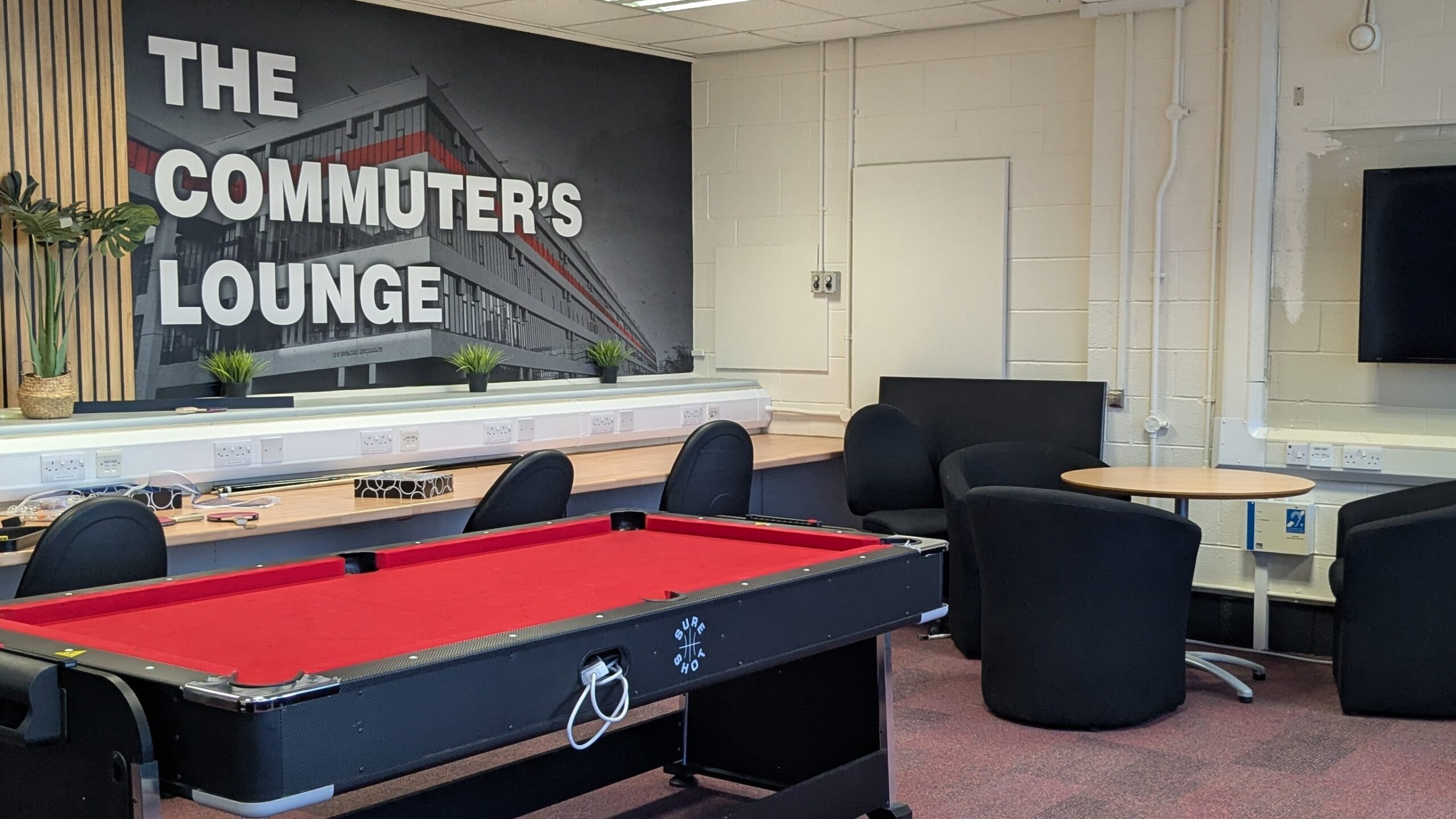
  • Students making changes on transport

    Students making changes on transport

    Before being elected as a sabbatical officer, I was a commuter student at my university for 5 years.

    Over that time, the price of the single student ticket increased gradually from £1 to £1.70. It doesn’t sound like a lot but it soon adds up.

    It had a huge impact on my studies. I reduced the number of days I spent on campus as I often did not have the funds to afford it. Eventually, I had to find a part-time job to cover the costs which were easily in their hundreds for each year.

    In 2021, following a campaign from youth activists, the “Zoom pass” was introduced in Sheffield, a travel pass often advertised to students that offers discounted tickets and fares to 18–21-year-olds. Sadly, I was already too old.

    I watched the service get drastically reduced, the timetable became more inconsistent and the prices of student tickets got increasingly more expensive. And on top of all this – the bus would never even arrive on time.

    Commuter students are entitled to the same learning opportunities and experiences that university offers.

    Commuter students make up a large proportion of our student population at Sheffield Hallam. In fact, we make up over 55 per cent. Add to the mix that 57 per cent of our students are also mature and more students are working than ever and you’re left with a huge cohort of students who are struggling to afford to attend teaching on campus and who are too busy and tired to engage in campaigning.

    The university has made steps to adapt to the needs of our diverse student body – a move towards more online or hybrid teaching, a condensed timetable with longer hours over fewer days. But students are still struggling. The solution must be to make transport cheaper.

    Time to campaign

    In the last academic year, Hallam Students’ Union launched its third iteration of the cost of living survey and its results were damning.

    We created a set of recommendations that would enable us to develop student support and lobby for positive change, at a local and national level, to help ease the burden on our students.

    For our “Cheaper Transport Campaign,” we committed to lobbying the South Yorkshire Mayoral Combined Authority (SYMCA), those responsible for economic development, transport and regeneration of South Yorkshire, for cheaper transport for students.

    We want:

    1. The Combined Authority to make the “Zoom pass” available to all students across South Yorkshire, regardless of age, on buses and trams
    2. A reduction in fares overall

    In the meantime, we promoted our campaign on our social media platforms, asking students to share their commuter experiences, with the help of a small cash incentive – the winner having the next few months of their travel expenses paid for.

    Eventually, with thanks to our Vice Chancellor, we were finally able to set up a meeting with our officer team and the South Yorkshire Mayor, Oliver Coppard in October. We discussed all the good stuff: the importance of affordable transport for Hallam students, the student testimonies we had collected, as well as the requests laid out in our campaign.

    Since our meeting, the Mayor has opened a public consultation on taking back control of South Yorkshire’s buses through franchising. Bus franchising will give SYMCA powers to decide what routes buses take, when and where they operate, the quality and reliability of the service, as well as the price of fares.

    With decentralised decision-making, things can happen faster – local people better understand local issues and can find local solutions.

    Ten foot testimony

    We began brainstorming how to engage commuter students, including students that use public transport to travel to placements, with the public consultation. But public consultations are boring and commuter students are time poor.

    We needed to mobilise, build student support and solidarity to get people to engage with public policy decision-makers and sign the consultation. How do you get students to be active citizens in the local transport agenda?

    I enlisted my good friend and fellow artist, Johnsey, to help us facilitate an outreach event to garner some energy, excitement or at least some interest around bus franchising.

    The ten foot testimony, we would call it. We secured a huge piece of paper on the floor, in the entrance of our main university building, inviting students to write their public transport experiences.Two student officers stood on a long piece of paper with feedback from commuter students on

    It was really simple, and I was worried students simply wouldn’t care. Fortunately, passers-by wanted to contribute (staff included) and the ten foot testimony became twenty feet in no time at all.

    While the testimony itself is no good to the Mayor, we had the opportunity to speak to so many students, encouraging them to sign the consultation.

    We successfully managed to engage students in the conversation, had a fun time doing it, and now have a lovely, long and bright piece of documentation to show for it.

    Many students feel disenfranchised when it comes to decision making in their towns and cities. We firmly believe that they should have an active say in how decisions are made and how it impacts them.

    Next stop, success

    The public consultation closed a few weeks ago, and it might be a while before we hear the official result and the following decisions made on bus franchising.

    Recently, one of our largest bus providers in Sheffield, First Buses, announced that they would be keeping the price of the student single fare at £1.50, following the bus fare cap rising. Not only that, but they extended the eligibility of the student ticket for all of South Yorkshire, not just Sheffield. We are hopeful that Stagecoach will follow suit.

    By making commuter students visible, we were able to gather their voice and campaign for more affordable and accessible travel. Whilst we’re not there yet, we’ve engaged students as active citizens in transport policy and displayed the benefits of devolution in practice.

    When it comes to decision making on transport, universities and their student unions can play a huge part in lobbying for an improved commuter student experience. It’s easy for their voices to go amiss in policy making when they are time poor, busy, not on campus or simply don’t think anything will happen fast but the sector can play a role in empowering students to have a more accessible, affordable and sustainable commuter student experience. It’s not just limited to the classroom, it’s also about getting there.


    This blog is part of our series on commuter students, click here to read more.


    Source link

  • 6 steps to a future-focused blueprint: Supporting students in making career decisions

    6 steps to a future-focused blueprint: Supporting students in making career decisions

    The OECD’s (Organization for Economic Co-operation and Development) study on teenage career uncertainty underscores a growing concern: 40% of 15-year-olds lack clear career plans, a figure that has risen by over 50% since 2018. This uncertainty is linked to poorer employment outcomes in adulthood, particularly for students with lower academic performance. The study emphasizes career development programs can significantly reduce this uncertainty by helping students explore interests and align education with potential career paths. However, data from PISA 2022 shows that too few students participate in such initiatives, suggesting a need for broader access and promotion of these programs. 

    The issue that frequently comes to the forefront is the potential disconnect between and among CTE programs, counseling, and academic standards-based classrooms. In conversations, all appear to believe in the interconnectedness of these three areas, yet they are often separate and distinct for a variety of reasons. Helping students prepare for their lives after school and for potential careers needs to be an integral part of all school’s educational vision. This is often demonstrated in graphics and words through a school’s mission, vision, and Portrait of a Graduate. 

    How can educators bring CTE, counseling, and standards-based classrooms together? Let’s look at six strategies through the lens of a curricular-focused learning environment: 

    Facilitating Career Exploration, Awareness, & Application 

    Counselors play a vital role in the success of all students, helping students identify their strengths, interests, and values through a variety of tools including interest assessments and career inventories. They provide one-on-one or group sessions to help students explore specific careers tied to their interests. These activities can guide students toward careers featured in classrooms, courses, and programs. 

    Interdisciplinary Career Units 

    Career exploration and application opportunities can be easily woven into all subjects. What students are learning in the classroom and the passions they are discovering can be connected to potential careers they may want to consider. For example, math classes could include performance tasks around topics such as financial literacy or architecture, requiring teamwork and communication to solve problems. Language Arts related careers could include a grant writer, social media marketer, public relations specialist, or a journalist with projects and lessons easily connected with essential content related to reading, writing, speaking, and listening. 

    Partnerships between CTE programs and general education teachers can help align these activities with broader learning goals and within and across career clusters and pathways. 

    Project-Based Learning (PBL) 

    Incorporating an instructional strategy such as PBL is something that is common for CTE teachers. Using this pedagogy and incorporating future-ready skills can involve students working on complex, real-world problems over an extended period, requiring them to think critically, collaborate, and communicate effectively. Defined utilizes career-themed projects that can be integrated across subjects, such as developing a marketing plan in business classes or designing solutions for community issues in science. These experiences make skills relevant to future careers while aligning with academic standards. 

    Embedded Communication Training 

    Incorporating oral presentations, team discussions, research, and report writing into assignments across all subjects ensures consistent practice. Weaving active communication strategies into learning activities helps students practice collaboration and interpersonal skills. Projects that require students to do presentations and/or build communication documents that are informative or persuasive promote formative and summative assessments of communication skills. 

    Assessment & Reflection 

    Self-reflections and teacher feedback through the lens of reflecting on the real-world connected processes and content applications to careers through their learning can be powerful “a-ha” moments for students. The use of rubrics for evaluating skills such as problem-solving can help teachers guide students as they practice skills throughout their learning experience. Evidence of practice and growth over time can also be part of an evidenced-based portfolio for the student. Bringing these ideas together can help students understand the interconnectedness between careers, content, skills, and projects. 

    Collaboration with Employers & Community Partners 

    Schools can establish partnerships with local businesses to provide interactive career days, mentorship programs, and soft skills training. Exposing students to the workplace through job shadowing, internships, or part-time work enables them to understand real-world career dynamics. When possible, incorporating on-site visits through field trips can help introduce students to different work environments and let them see first-hand the connections between school-based learning and future opportunities. 

    Bringing professionals into classrooms for workshops or mentorship allows students to practice skills in real-world contexts. Additionally, business and industry experts can work collaboratively with a curriculum team to create performance tasks, projects, and virtual internships to help students bridge the world of work, academic standards, and skill development and practice. 

    To learn more about how you can support and engage your students in career-connected deeper learning, please click here

    Source link

  • Becoming a professional services researcher in HE – making the train tracks converge

    Becoming a professional services researcher in HE – making the train tracks converge

    by Charlotte Verney

    This blog builds on my presentation at the BERA ECR Conference 2024: at crossroads of becoming. It represents my personal reflections of working in UK higher education (HE) professional services roles and simultaneously gaining research experience through a Masters and Professional Doctorate in Education (EdD).

    Professional service roles within UK HE include recognised professionals from other industries (eg human resources, finance, IT) and HE-specific roles such as academic quality, research support and student administration. Unlike academic staff, professional services staff are not typically required, or expected, to undertake research, yet many do. My own experience spans roles within six universities over 18 years delivering administration and policy that supports learning, teaching and students.

    Traversing two tracks

    In 2016, at an SRHE Newer Researchers event, I was asked to identify a metaphor to reflect my experience as a practitioner researcher. I chose this image of two train tracks as I have often felt that I have been on two development tracks simultaneously –  one building professional experience and expertise, the other developing research skills and experience. These tracks ran in parallel, but never at the same pace, occasionally meeting on a shared project or assignment, and then continuing on their separate routes. I use this metaphor to share my experiences, and three phases, of becoming a professional services researcher.

    Becoming research-informed: accelerating and expanding my professional track

    The first phase was filled with opportunities; on my professional track I gained a breadth of experience, a toolkit of management and leadership skills, a portfolio of successful projects and built a strong network through professional associations (eg AHEP). After three years, I started my research track with a masters in international higher education. Studying felt separate to my day job in academic quality and policy, but the assignments gave me opportunities to bring the tracks together, using research and theory to inform my practice – for example, exploring theoretical literature underpinning approaches to assessment whilst my institution was revising its own approach to assessing resits. I felt like a research-informed professional, and this positively impacted my professional work, accelerating and expanding my experience.

    Becoming a doctoral researcher: long distance, slow speed

    The second phase was more challenging. My doctoral journey was long, taking 9 years with two breaks. Like many part-time doctoral students, I struggled with balance and support, with unexpected personal and professional pressures, and I found it unsettling to simultaneously be an expert in my professional context yet a novice in research. I feared failure, and damaging my professional credibility as I found my voice in a research space.

    What kept me going, balancing the two tracks, was building my own research support network and my researcher identity. Some of the ways I did this was through zoom calls with EdD peers for moral support, joining the Society for Research into Higher Education to find my place in the research field, and joining the editorial team of a practitioner journal to build my confidence in academic writing.

    Becoming a professional services researcher: making the tracks converge

    Having completed my doctorate in 2022, I’m now actively trying to bring my professional and research tracks together. Without a roadmap, I’ve started in my comfort-zone, sharing my doctoral research in ‘safe’ policy and practitioner spaces, where I thought my findings could have the biggest impact. I collaborated with EdD peers to tackle the daunting task of publishing my first article. I’ve drawn on my existing professional networks (ARC, JISC, QAA) to establish new research initiatives related to my current practice in managing assessment. I’ve made connections with fellow professional services researchers along my journey, and have established an online network  to bring us together.

    Key takeaways for professional services researchers

    Bringing my professional experience and research tracks together has not been without challenges, but I am really positive about my journey so far, and for the potential impact professional services researchers could have on policy and practice in higher education. If you are on your own journey of becoming a professional services researcher, my advice is:

    • Make time for activities that build your research identity
    • Find collaborators and a community
    • Use your professional experience and networks
    • It’s challenging, but rewarding, so keep going!

    Charlotte Verney is Head of Assessment at the University of Bristol. Charlotte is an early career researcher in higher education research and a leader in within higher education professional services. Her primary research interests are in the changing nature of administrative work within universities, using research approaches to solve professional problems in higher education management, and using creative and collaborative approaches to research. Charlotte advocates for making the academic research space more inclusive for early career and professional services researchers. She is co-convenor of the SRHE Newer Researchers Network and has established an online network for higher education professional services staff engaged with research.

    Author: SRHE News Blog

    An international learned society, concerned with supporting research and researchers into Higher Education

    Source link

  • Making better decisions on student financial support

    Making better decisions on student financial support

    By Peter Gray, Chief Executive and Chair of the JS Group.

    As the higher education sector starts to plan its next budget cycle and many may need to make savings, there is a concern about the impact of any cuts on students and how this could negatively affect their university experience and performance.

    Universities are bound to look at a range of options to save money, especially given the stormy operating context. But one less-often highlighted aspect of university finances is the cost (and benefit) of the additional financial support universities devote to many of their students. Through cash, vouchers and other means, many universities provide financial help to support with the costs of living and learning.

    Using Universities UK’s annual sector figures as one indicator, roughly 5% of universities’ overall expenditure has gone towards financial support and outreach, equivalent to around £2.5 billion. Although some of this money will inevitably not go directly to students themselves, this is still a significant amount of spending.

    There are, naturally, competing tensions when it comes to considering any changes to targeted financial support. With significant financial pressures on students, exacerbated by the cost-of-living crisis, there is always a very justifiable case for more money. However, with the significant financial pressures universities are facing, there is an equally justifiable case to control costs to ensure financial sustainability. Every university has to manage this tension and trade-offs are inevitable when understanding just how much financial support to give and to whom.

    In many respects, the answers to those questions are partially governed by Access & Participation Plans, with the clear intention that these financial interventions really change student outcomes. However, properly measuring those outcomes is incredibly difficult without a much deeper understanding of student ‘need’ – and understanding these needs comes from being able to identify student spending behaviour (and often doing this in real-time).

    It always amazes me that some APPs will state that financial support ‘has had a positive impact on retention’ and some quite the opposite and I think part of this is a result of positioning financial support from the university end of the telescope rather than the student end.

    Understanding real and actual ‘need’ helps to change this. Knowing perhaps that certain groups (for example Asylum Seekers or Gypsy, Roma, Traveller, Showman and Boater students) across the sector will have similar needs would be helpful and data really help here. Having, using, and sharing data will allow us to draw a bigger picture and better signpost to where interventions are most effectively deployed so those particular groups of students who need support are achieving the right outcomes.

    Technology is at hand to help: Open Banking (for example) is an incredible tool that not only can transform how financial support can be delivered but also helps to build an understanding of student behaviour.

    Lifting the bonnet and understanding behaviour poses additional questions, such as: When is the right time to give that support? And what form should that support take?

    I am a big proponent of providing financial support as soon as a student starts. When I talk to universities, however, it is clear that the data needed to identify particular groups of students are not readily available at the point of entry and students’ needs are not met. Giving a student financial support in December, when they needed it in September, is not delivering at the point of student need, it is delivering at the point where the university can identify the student. I think there is a growing body of evidence that suggests the large drop off in students between September and December is, in part, because of this.

    Some universities in the sector give a small amount of support to all students at the start of the year, knowing that by doing so they will ensure that they can meet the immediate needs of some students. But clearly, some money must also go to those who do not necessarily need it.

    However, and this is where the maths comes in, if the impact of that investment keeps more students in need at university, then I would argue that investment is worth the return. And the maths is simple: it really doesn’t take many additional students to stay to have a profoundly positive impact on university finances. Thus it is certainly worthy of consideration.

    To me, this is about using financial support to drive the ultimate goal of improving student outcomes, especially the retention of students between September and December, which is when the first return is made, where the largest withdrawal is seen and where the least amount of financial support is given.

    As to the nature or format of support: of course, in most cases, it is easier to provide cash. However, again, this is about your investment in your student, and, for example, if you have students on a course with higher material and resource costs, or students who are commuting, then there is an argument to consider more in-kind support and using data to support that decision.

    Again, I am a proponent of not just saying ‘one size fits all’. Understanding student need is complex, but solutions are out there. It is important to work together to identify patterns of real student need and understand the benefits of doing so.

    My knowledge draws on JS Group’s data, based on the direct use of £40 million of specialist student financial support to more than 160,000 students across 30 UK universities in the last full academic cycle.

    I have also looked at the student views on such funding and there is an emerging picture that connects student financial support with continuation, participation and progress. A summary of student feedback is here: https://jsgroup.co.uk/news-and-views/news/student-feedback-report-january-2025/

    The real positive of this is that everyone wants the same goal: for fewer students to withdraw from their courses and for those students to thrive at university and be successful. We need to widen the debate on how financial support is delivered, when, and in what format to draw together a better collective understanding of student need and behaviour to achieve that goal.

    Source link

  • Making SEISA official | Wonkhe

    Making SEISA official | Wonkhe

    Developing a new official statistic is a process that can span several years.

    Work on SEISA began in 2020 and this blog outlines the journey to official statistics designation and some key findings that have emerged along the way. Let’s firstly recap why HESA needed a new deprivation index.

    The rationale behind pursuing this project stemmed from an Office for Statistics Regulation (OSR) report which noted that post-16 education statistics lacked a UK-wide deprivation metric. Under the Code of Practice for Statistics, HESA are required to innovate and fill identified statistical gaps that align with our area of specialism.

    Fast forward almost six years and the UK Statistics Authority have reiterated the importance of UK-wide comparable statistics in their response to the 2024 Lievesley Review.

    Breaking down barriers

    While higher education policy may be devolved, all nations have ambitions to ensure there is equal opportunity for all. Policymakers and the higher education sector agree that universities have a pivotal role in breaking down barriers to opportunity and that relevant data is needed to meet this mission. Having UK-wide comparable statistics relating to deprivation based on SEISA can provide the empirical evidence required to understand where progress is being made and for this to be used across the four nations to share best practice.

    In developing SEISA, we referred to OSR guidance to produce research that examines the full value of a new statistic before it is classed as an ‘official statistic in development’. We published a series of working papers in 2021 and 2022, with the latter including comparisons to the Indices of Deprivation (the main area-based measure utilised among policymakers at present). We also illustrated why area-based measures remain useful in activities designed to promote equal opportunity.

    Our research indicated that the final indexes derived from the Indices of Deprivation in each nation were effective at catching deprived localities in large urban areas, such as London and Glasgow, but that SEISA added value by picking up deprivation in towns and cities outside of these major conurbations. This included places located within former mining, manufacturing and industrial communities across the UK, like Doncaster or the Black Country in the West Midlands, as well as Rhondda and Caerphilly in Wales. The examples below come from our interactive maps for SEISA using Census 2011 data.

    An area of Doncaster that lies within decile 4 of the English Index of Multiple Deprivation (2019)

    An area of Caerphilly that lies within decile 5 of the Welsh Index of Multiple Deprivation (2019)

    We also observed that SEISA tended to capture a greater proportion of rural areas in the bottom quintile when compared with the equivalent quintile of the Index of Multiple Deprivation in each nation.

    Furthermore, in Scotland, the bottom quintile of the Scottish Index of Multiple Deprivation does not contain any locations in the Scottish islands, whereas the lowest quintile of SEISA covers all council areas in the country. These points are highlighted by the examples below from rural Shropshire and the Shetland Islands, which also show the benefit that SEISA offers by being based on smaller areas (in terms of population size) than those used to form the Indices of Deprivation. That is, drawing upon a smaller geographic domain enables pockets of deprivation to be identified that are otherwise surrounded by less deprived neighbourhoods.

    A rural area of Shropshire that is placed in decile 5 of the English Index of Multiple Deprivation (2019)

    An area of the Shetland Islands that is within decile 7 of the Scottish Index of Multiple Deprivation (2020)

    Becoming an official statistic

    Alongside illustrating value, our initial research had to consider data quality and whether our measure correlated with deprivation as expected. Previous literature has highlighted how the likelihood of experiencing deprivation increases if you are a household that is;

    • On a low income
    • Lives in social housing
    • A lone parent family
    • In poor health

    Examining how SEISA was associated with these variables gave us the assurance that it was ready to become an ‘official statistic in development’. As we noted when we announced our intention for the measure to be assigned this badge for up to two years, a key factor we needed to establish during this time period was the consistency in the findings (and hence methodological approach) when Census 2021-22 data became available in Autumn 2024.

    Recreating SEISA using the latest Census records across all nations, we found there was a high level of stability in the results between the 2011 and 2021-22 Census collections. For instance, our summary page shows the steadiness in the associations between SEISA and income, housing, family composition and health, with an example of this provided below.

    The association between SEISA and family composition in Census 2011 and 2021-22

    Over the past twelve months, we’ve been gratified to see applications of SEISA in the higher education sector and beyond. We’ve had feedback on how practitioners are using SEISA to support their widening participation activities in higher education and interest from councils working on equality of opportunity in early years education. The measure is now available via the Local Insight database used by local government and charities to source data for their work.

    It’s evident therefore that SEISA has the potential to help break down barriers to opportunity across the UK and is already being deployed by data users to support their activities. The demonstrable value of SEISA and its consistency following the update to Census 2021-22 data mean that we can now remove the ‘in development’ badge and label SEISA as an official statistic.

    View the data for SEISA based on the Census 2021-22 collection, alongside a more detailed insight into why SEISA is now an official statistic, on the HESA website.

    Please feel free to submit any feedback you have on SEISA to [email protected].

    Read HESA’s latest research releases and if you would like to be kept updated on future publications, you can sign-up to our mailing list.

    Source link

  • Making Higher Education More Affordable: The Role of Financial Aid Strategies

    Making Higher Education More Affordable: The Role of Financial Aid Strategies

    Key Takeaways:

    • Financial aid optimization transforms financial resource allocation into a strategic enrollment tool, aligning affordability for students with institutional goals.


    • By leveraging real-time data and tools like Liaison Othot, institutions can craft tailored financial aid strategies that address individual student needs and enrollment strategies.


    • Optimization enables proactive adjustments to financial aid strategies, ensuring accessibility while supporting student retention and institutional sustainability.


    • Strategic financial aid leveraging balances affordability for students with long-term enrollment and revenue objectives.


    The rising costs of higher education and fear of long-term debt have left many prospective students and their families questioning whether they can afford to pursue their academic dreams. For institutions, this presents a dual challenge: attracting diverse students and ensuring enrollment goals align with their mission. An effective and aligned financial aid optimization strategy offers a powerful tool to meet a campus’s enrollment goals. By combining institutional funds with federal and state resources effectively, colleges and universities can increase access and affordability in higher education while achieving broader enrollment objectives.

    From offering enough aid to make tuition manageable to continuously refining financial aid strategies based on real-time information, optimizing plays a pivotal role in strategic enrollment management (SEM). It transforms financial aid awarding from a static process into a dynamic tool that not only attracts and enrolls students but also supports their retention by effectively meeting their financial needs.


    What Is Financial Aid Optimization?

    Financial aid optimization transforms the allocation of financial resources into a critical enrollment tool. By aligning the overall enrollment leveraging strategy—regularly and in real-time at the individual level—optimization allows campuses to address student affordability needs in a unique and tailored way.

    At its core, optimization is a dynamic, data-informed process. Institutions develop annual plans for allocating financial aid (leveraging), basing decisions on previous cycles’ successes and challenges. Unlike traditional static leveraging models, modern optimization approaches incorporate continuous adjustments informed by real-time data. This lets colleges and universities respond proactively to shifting enrollment trends and keeps their financial aid strategies effective throughout the year.


    How to Make Higher Education More Affordable and Accessible

    More accessible higher education starts with understanding the financial challenges students face. For many undergraduates, the cost of tuition, housing, books, and other expenses can make college seem out of reach, even with federal and state aid. For example, a student from a low-income household may find that even the maximum Pell Grant award leaves a significant financial gap. Similarly, a middle-income family might struggle to cover tuition despite not qualifying for significant need-based aid.

    Financial aid leveraging allows institutions to tackle these challenges head-on by creating tailored aid packages that remove financial barriers for students. This approach relies on a mix of need-based and merit-based strategies, often informed by tools like FAFSA data and predictive analytics.

    One of the key advantages of financial aid optimization is its flexibility. Institutions can use data to fine-tune aid offerings based on unique student needs and behaviors. For instance, Liaison’s Othot platform, a cloud-based predictive and prescriptive analytics tool designed specifically for higher ed, can analyze factors such as a student’s location, academic profile, and campus engagement to build aid packages thatneeds. This granularity ensures that the financial aid awarding strategy not only meets the affordability threshold for students also aligns with the overall enrollment strategy being employed on the campus. An aligned optimization approach ensures that the affordability component is integrated into the strategy for specifically targeted cohorts or students, maximizing the likelihood of their enrollment.

    Optimization also lets institutions adapt aid policies for entire cohorts or demographic groups. For example, schools can address rising inflation in high school GPAs by recalibrating merit-based awards to prioritize equity and maintain fairness in their financial aid distribution. This adaptability keeps aid plans relevant as the dynamics of higher education continue to shift. By relying on data and continuously streamlining their financial aid models, institutions can make higher education more attainable for all students while maximizing their impact.


    The Strategic Impact of Financial Aid Optimization

    Financial aid optimization goes beyond simply helping students cover tuition—it’s about achieving a delicate balance between affordability for students and sustainability for institutions. By carefully crafting aid packages that meet the financial needs of students without overextending institutional resources, colleges and universities can enhance their enrollment efforts while maintaining financial health.

    For example, reallocating funds for strategic distribution among students could result in higher net tuition revenue (NTR) without sacrificing enrollment numbers. This demonstrates how strategic adjustments can yield significant results when financial aid decisions are guided by data, tailored to meet institutional priorities, and aligned to overall enrollment strategies.

    Retention and persistence are critical factors to consider when determining how to optimize financial aid. An effective leveraging model doesn’t stop at enrollment and the conclusion of a successful first year—it considers the long-term success of students. By analyzing which cohorts are more likely to persist and graduate, institutions can refine their aid offerings to improve outcomes for all students. This approach ensures that financial aid strategies not only attract students but also support their success throughout their academic journey.


    Aligning Financial Aid With Student Success and Institutional Goals

    Financial aid optimization is a powerful way to make higher education more accessible while helping institutions achieve their objectives. By combining institutional, federal, and state resources with data-driven optimization tools, colleges and universities can craft aid strategies that address affordability, bolster student retention, and maximize their impact.

    Institutions looking to enhance their financial aid and enrollment can benefit from Liaison’s suite of solutions, including Othot. Whether your team is just beginning to explore financial aid leveraging or has years of experience, Liaison’s tools provide the flexibility and insights needed to meet your unique goals. From devising an initial plan to optimizing existing processes, our solutions are designed to assist schools at every stage of their journey. Contact us today to learn more.


    Source link

  • Making Sense of the Loneliness Epidemic – CUPA-HR

    Making Sense of the Loneliness Epidemic – CUPA-HR

    by Julie Burrell | August 21, 2024

    Editor’s Note: This is the first of two posts that will explore the loneliness epidemic and practical ways HR can help combat it in the workplace.

    Loneliness can be as bad for you as smoking 15 cigarettes a day, according to a Surgeon General’s report from last year.

    The report identifies loneliness as a national epidemic experienced by about one in two adults. Loneliness is “associated with a greater risk of cardiovascular disease, dementia, stroke, depression, anxiety, and premature death.” That means human connection is as necessary for your long-term survival as food and water.

    Feeling isolated can also decrease general well-being. People who say they’re lonely are more likely to experience sadness, worry, stress, anger and physical pain, according to a recent Gallup poll. Their research shows that over one in five people globally feel lonely “a lot.”

    When Loneliness Is Worrisome

    Of course, we have all felt lonely sometimes, when changing jobs, getting a divorce, moving to a new city, or recovering from an illness. But when does a temporary feeling of loneliness become chronic?

    Chronic loneliness occurs when the feeling of isolation goes on for a long time and the inability to connect to other people is constant or prolonged. Chronic loneliness can occur even among very social people — you can still feel lonely in a crowd — and is often connected to self-doubt or low self-esteem.

    Taking Away the Stigma 

    Feeling lonely can come with a sense of shame. However, it’s important to understand that loneliness isn’t about who you are, but about a lack of deep social connection driven by factors in our sociocultural environment.

    Even though loneliness has been on rise since before COVID-19, the pandemic and recent political divisiveness have contributed to the epidemic. Social media is likely exacerbating the problem. People who report more than two hours of social media use a day are twice as likely to report feelings of isolation (versus people who use social media less than a half hour).

    The good news is that loneliness can be addressed in part by deliberately strengthening engagement in our workplaces, communities and other social networks.

    While workplace changes alone won’t combat political and social divisions, it’s still a key starting point for helping to decrease loneliness — especially considering how much time we spend at work. When implementing programs targeted at the loneliness epidemic, it can be best to frame your efforts as a positive: increasing social connection.

    One Small First Step

    Efforts to boost connection may help increase employees’ job satisfaction. The Surgeon General’s report stresses that “supportive and inclusive relationships at work are associated with employee job satisfaction, creativity, competence, and better job performance.” Connection at work prevents stress and burnout and can even be linked to fewer missed days of work after injury or illness.

    In the next post in this two-part series, we’ll focus on concrete steps that higher ed HR can take to combat loneliness at work, including for hybrid and remote employees.

    But you can take a meaningful first step by making a small personal change, such as tracking how much time you spend on social media, practicing short mindfulness sessions, or scheduling one phone-free lunch per month with a work friend. Even a positive interaction with a colleague you don’t know well, a barista or cashier, or someone in line with you at the coffee shop can have lasting mental health benefits by expanding your “relational diversity” — the variety of relationship categories you have daily.


    Source link