Tag: Market

  • International students encouraged to sharpen their skills to stand out in UK job market

    International students encouraged to sharpen their skills to stand out in UK job market

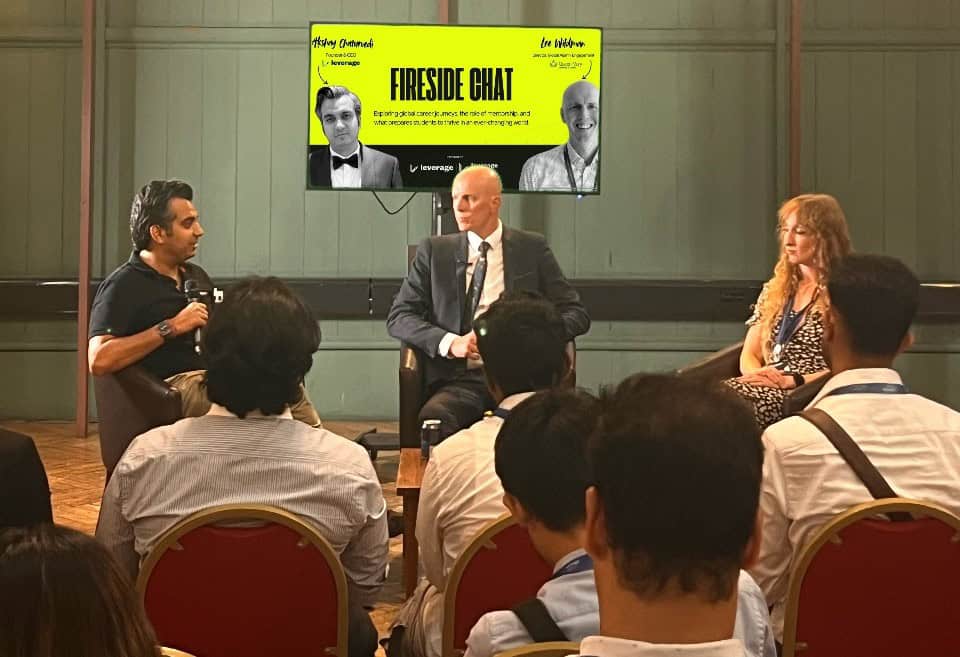
    More than 600 international students studying across the UK came together at Queen Mary University of London last month for the second edition of Leverage Careers Day.

    While a record 758,855 international students were enrolled in UK higher education in 2022/23, a 12% rise on the previous year, rising employer uncertainty, growing graduate anxiety, and an increase in job scams have made students more cautious in their professional choices.

    The event saw students, who are now exploring opportunities in AI, data science, marketing, finance, and more, connect with top employers and industry leaders, to network, explore career pathways, and gain valuable career advice.

    “We saw a remarkable breadth of interest from students across a range of disciplines, with data science and AI standing out as clear frontrunners. Many were especially drawn to AI-layered roles in marketing, creative industries, finance, and healthcare,” Akshay Chaturvedi, founder and CEO, Leverage, told The PIE News.

    “At the same time, digital marketing and content strategy sparked strong interest of their own, driven by rising opportunities in the digital economy. Beyond these, students also gravitated towards specialized tracks for example in biotechnology, luxury management, automobile design, and culinary arts.”

    For many international students, a successful career has long been the ultimate benchmark of achievement, and in the UK, standing out is crucial, with a sponsored job often seen as the true return on their significant investment in tuition and living costs.

    Moreover, with over a quarter of UK employers unaware of the Graduate Route – which allows international students to work sponsor-free for up to two years but is set to be reduced to 18 months under the May 2025 immigration white paper and tied more closely to skill-based jobs – understanding the realities of today’s hiring market has become increasingly important. 

    “Employers aren’t just looking for textbook skills anymore — they’re looking for forward-thinking talent who can bring innovation to the table,” explained Lee Wildman, director, global engagement, Queen Mary University of London, who joined a fireside chat on mentorship, global exposure, and the skills needed in an ever-evolving world, alongside Chaturvedi and Rhianna Skeetes, international careers consultant at QMUL.

    “What ideas do you have to take an organisation to the next level? Be prepared to sell yourself – not just in terms of what you’ve learned, but in terms of how you think.”

    What excites me most is seeing students ask better, sharper questions about their careers – not just what job they’ll get, but how they’ll grow, how they’ll lead, and how they’ll stand out

    Akshay Chaturvedi, Leverage

    Adaptability was also highlighted as the “strongest tool in a student’s back pocket” by Jennifer Ogunleye, B2B communications lead at Google, who delivered a keynote urging students to look beyond job titles, and academic credentials, and focus on building a personal brand. 

    “There isn’t always a straightforward route into tech or any industry today – even those who were most in demand just a year ago are having to pivot,” noted Ogunleye. 

    “What matters more than ever is your personal brand: What are you passionate about beyond your job title? That’s what sets you apart from AI, from competition, from volatility.”

    The event also brought together organisations such as Publicis Groupe, Reed Recruitment, Hyatt Place, Ribbon Global, and GoBritanya, which offered insights into student accommodation services across the UK and Ireland, giving students exposure to careers across creative, corporate, hospitality, and FinTech sectors. 

    The Westminster and Holborn Law Society also provided guidance to aspiring legal professionals on navigating local and international career pathways.

    “Students today aren’t satisfied with just ‘getting a job’ anymore. They’re actively chasing careers that offer international mobility, cross-border exposure, and long-term growth,” stated Chaturvedi.

    “That’s a significant shift, and quite refreshing so, given how only a few years back stability was often the top priority. Now, they want to thrive in industries that are constantly evolving every single day, with technology, globalization, and new market needs at play.”

    Source link

  • 3 Questions for Higher Ed Market Researcher Scott Jeffe

    3 Questions for Higher Ed Market Researcher Scott Jeffe

    We have a long history of working with Scott Jeffe during his time as the VP of research at RNL. Recently, Scott moved on from RNL to begin working as an independent higher ed market research consultant and adviser to universities. To learn more about the work that Scott does and to hopefully gain some insight into where things may be going with online and graduate programs, we asked Scott the following questions.

    Q: Tell us about what it means to be an independent higher ed market researcher. What sort of projects do you work on? How does what you do for universities differ from the services available from traditional consulting firms?

    A: In higher education, the best market research means more than just gathering data—it means showing up as a consultant. That’s something I’ve really learned throughout my career. Too often, I see research reports that are, frankly, hard to interpret or apply. The data might be sound, but it’s overly complex, the visualizations are unclear or the recommendations are disconnected from the realities of how colleges and universities actually operate.

    I’ve had those moments—looking at a data visualization and spending several minutes just trying to figure out what it’s supposed to say. And I know that no dean, provost or president has the time to do that. I’ve also read plenty of conclusions that are technically accurate but completely impractical in the real-world context of higher ed. That’s the kind of disconnect that leads campus leaders to quietly shelve the report, walk away and think, “Well, that was a waste of money.”

    That is exactly what my work today seeks to avoid. My research and consulting prioritize being more direct, actionable and grounded in higher ed’s current challenges. My work now spans both institutional consulting and national research, and I think that balance is part of what makes my approach effective. For example, I’ve recently completed national studies on graduate student expectations and mentorship, which give me insight into broader trends that I can then bring into highly tailored campus-level work.

    Over the past six months, I’ve developed four core services designed specifically for this moment in higher ed—politically, economically and culturally. They’re affordable, practical and fast to implement. I don’t believe in one-size-fits-all solutions, but I do believe institutions deserve work that respects their time, their context and their need to move quickly on what matters.

    That’s ultimately the difference between what I offer and what many vendors often provide. I’m not just delivering a report—I’m helping institutions make real decisions, grounded in both the data and the dynamics of higher ed today.

    Q: What are the most significant challenges and opportunities for universities wanting to grow graduate and/or online enrollment today?

    A: At the graduate level, one of the biggest looming challenges is the likely decline in international enrollment, which has quietly propped up graduate enrollment growth for the past several years. Under the Biden administration, we saw international graduate enrollment rise by more than 117,000 students—reaching over 500,000 total. Just last year, international students made up a full one-third of new graduate enrollments in the U.S., and over 200 institutions reported that international students represented more than 30 percent of their total graduate population.

    But we have to be clear-eyed: Not only is that level of growth not sustainable, but decline is coming. Whether due to shifting geopolitics, visa policy changes or growing global competition, institutions will need to refocus their efforts on the domestic graduate market—and fast.

    That said, there’s opportunity in the challenge. In fact, the current job market will likely nudge more adults to consider graduate study as a buffer or springboard during economic uncertainty. The catch? Institutions are now facing unprecedented competition. By some counts, we’re adding 800 new master’s programs each year. To grow—or even maintain—enrollment, institutions must have an acute understanding of what today’s graduate students expect. That means building a blueprint rooted in student preferences and behaviors and then aligning everything—program design, marketing, recruitment and support—around those insights.

    That’s where much of my work comes in. Over the last two decades, I’ve helped institutions do exactly this through tools like my Scorecard and Playbook and the Audience Alignment Study, which zero in on how to position programs for today’s increasingly selective learners.

    Now, on the online education side, the landscape is a bit more favorable at the moment—particularly due to the regulatory environment calming down. The Biden administration’s push to more heavily regulate online programs—particularly around OPMs and state reciprocity—has largely been shelved. That’s good news for smaller institutions, where online offerings often represent the best path to enrollment stability or growth. Interestingly, one of the unintended effects of that regulatory scrutiny is that OPM contract terms are now much more favorable than they were a few years ago. Institutions have more leverage.

    In terms of opportunity, there are two major areas I’m watching closely. First, the long-discussed but rarely well-executed effort to serve the 30 to 40 million U.S. adults with some college and no credential is almost entirely an online opportunity. However, most institutions struggle to fully serve this group. The barriers tend to fall into three key areas: restrictive credit transfer policies, pricing models that remain out of reach and a misplaced assumption that these students will return to campus for their courses. Institutions that succeed here build fully online programs with wraparound support—advising, tech help, financial aid guidance—specifically designed for students who haven’t set foot on a campus in years. And when they do that, it doesn’t just help this population—it improves online education quality for everyone.

    The second opportunity is more subtle but just as important: the increased demand from traditional undergraduates for access to online courses. While this isn’t online program growth in the classic sense, it presents a major advantage. A robust online course infrastructure doesn’t just support distance learners—it makes the entire campus experience more flexible, more attractive and more resilient. For institutions, that’s a strategic win across multiple audiences.

    Q: How can universities better choose which programs to start and invest in and then grow enrollments to financially sustainable numbers?

    A: At all levels, I think most institutions are doing a much better job now of integrating market data into their program decision-making. There’s a pretty direct line between the era when those insights were missing and the wave of program cuts we’re seeing now. For instance, Inside Higher Ed recently reported that Indiana’s public institutions have combined or eliminated over 400 programs that weren’t meeting fairly modest graduation thresholds. That’s a clear example of the consequences of earlier decisions made without solid market alignment.

    When I work with institutions on program strategy, my role is really to facilitate a conversation that balances market data and institutional strengths. I bring the external perspective—labor market demand, competitor analysis, growth trends—and they bring the internal knowledge of what they’re truly good at. The goal isn’t just to chase hot programs, but to find areas where there’s strong or emerging market demand and where the institution already has expertise, capacity and visibility. That combination is where real opportunity lives.

    Why take that approach? Because institutions need quick wins. We’re often working with limited time and resources and pressure to show results. If you can build momentum by improving or reconfiguring an existing program—something that already has a foundation—you get to impact faster and more cost-effectively. In fact, across dozens of program prioritization studies I’ve been involved in, I’ve rarely seen a proposed new program with more short- or midterm market potential than several underperforming existing ones. That’s why I usually recommend a 3-to-1 or 4-to-1 investment ratio favoring existing programs over net-new launches.

    Once we identify the right programs to focus on, differentiation becomes key—especially in the online space, where commodification is a real concern. Institutions need detailed competitor intelligence, not just high-level benchmarking. We’re looking at how programs are positioned, how they’re structured and what messages they’re putting in front of students. That kind of granularity allows us to develop a true blueprint for differentiation—one that goes beyond clichés like “small class sizes” or “personalized attention” and speaks to what really sets a program apart.

    And finally, with federal regulations increasingly focused on graduate outcomes and return on investment, it’s more important than ever to bake those metrics—job openings, wage growth, projected earnings—into the program planning process from the beginning. We’re entering a new phase where programs will be judged not just on academic merit or enrollment numbers, but on how they impact students’ long-term economic success.

    So to me, the smartest institutions are those that align their strengths with market needs, invest in what they already do well and differentiate with purpose—grounded in real data.

    Source link

  • 1 in 2 graduates say their college major didn’t prepare them for today’s market

    1 in 2 graduates say their college major didn’t prepare them for today’s market

    This audio is auto-generated. Please let us know if you have feedback.

    As today’s college graduates struggle to start a steady career, 1 in 2 Americans say their college major didn’t prepare them for the job market, according to a June 18 report from Preply.

    Beyond that, 1 in 6 Americans who went to college said they regret it. When thinking about their college experience, college graduates said their top regrets included taking out student loans, not networking more and not doing internships.

    “One of the main concepts of seeking higher education after high school is that college will prepare you for the rest of your life. While some graduates leave their alma mater feeling prepared to enter the workforce and begin their career, others feel underprepared,” according to the report.

    In a survey of more than 1,700 Americans with an undergraduate degree, 29% said they wished they picked a different major, and 18% said they regretted the institution they attended.

    College graduates said they felt unprepared in numerous ways, especially finding a job after graduation and navigating student debt and personal finances. 

    Americans also said they don’t feel college gave them real-world work experience, practical or technical skills or a professional network. In fact, only 5% reported feeling “adequately prepared” for life and the workplace.

    On the other side of the hiring table, more than half of hiring managers say recent graduates appear to be unprepared for the workforce, and 1 in 6 say they’re reluctant to hire them, according to a report from Resume.org. Their top complaints included excessive phone use, a lack of professionalism and poor time management skills.

    Within the workplace, executives and workers alike say entry-level workers seem unprepared for their jobs, particularly compared to five years ago, according to a General Assembly report. Although leaders said workers don’t have enough training to be hired, employers also don’t offer adequate training, the report found.

    Source link

  • Student protection through market exit is not a compliance exercise

    Student protection through market exit is not a compliance exercise

    As financial and regulatory pressures on higher education intensify, the once-hypothetical risk of a large-scale provider exiting the market is becoming increasingly likely.

    For government, regulators, providers, and students alike, the implications are far-reaching – and the sector needs to be better prepared.

    The risk is growing

    Following our previous reflections on this issue we received many messages of interest and support for doing some further work in this area. We also felt there was an opportunity to bring together the experiences of colleagues we have worked with on closures and mergers, and to capture the perspectives of receiving providers and learn from their experiences.

    SUMS Consulting reached out to us, offering to support a new project on a pro bono basis. Their expertise in supporting student services and change management, combined with the OIA’s experience of student complaints during provider exits, created a unique opportunity to look at the problem from both a practical and student-centred perspective. We also asked the Committee of University Chairs (CUC) to join the project’s steering group, ensuring governance perspectives were built into the work from the outset.

    The risks we highlighted last year have only intensified for students. At the OIA we have seen further complaints from students at smaller providers which have closed in recent months. In these scenarios we see staff working quickly to try to support students at both closing and receiving providers, but there is little legal scaffolding to protect students caught in these situations often leaving them with limited redress.

    Lessons from experience

    Whilst we recognise that there has been significant positive engagement, discussion and reports in this space, the SUMS and OIA report – Putting Students First – Managing the impact of higher education provider closure – focuses on mitigating the impact on students and specifically learning from the closures and cases the OIA has been involved in. If we don’t take these examples seriously, we risk missing a crucial opportunity to improve outcomes for students.

    Over the course of the project, there has been increasing discussion about these policy issues and a ‘playbook’ for market exit is frequently suggested. Whilst neither the SUMS nor the OIA has the expertise or role to produce something quite this detailed and comprehensive, SUMS have gathered insights from university leaders, students’ unions, experts, and those who have dealt directly with closures.

    Part one of our report provides the context for the study and collates findings on lessons and effective practice for the sector derived from all the research and information gathering for this study. SUMS also provide some conclusions on the gaps identified by the research and make a series of recommendations for Government, regulators and sector bodies and providers to consider to better support providers navigate exit and help mitigate the impact of future closures on students.

    Part two is a separately appended framework (in MS Excel format), which is a summary of the key lessons learnt from the study. The framework is not intended as a comprehensive guide for good institutional governance or achieving financial sustainability. Rather it is intended to provide a checklist of key actions that might be taken by providers to mitigate the risk of exit and, if exit is unavoidable, to help prepare for a managed exit.

    Several consistent themes emerged across our discussions – notably the practical disconnects between the current legal, regulatory, financial, and student protection processes. What’s clear is the value of early engagement – acting early and being transparent can reduce the impact on students – but we recognise this is difficult when reputational and commercial pressures are in play. Also it is apparent that receiving providers and students’ unions often play a vital role but aren’t always given the resources or support they need.

    We found that student protection is too often treated as a compliance task. If the sector is to avoid repeating past mistakes, this mindset must change.

    Moving the conversation forward

    This report is not the final word. We see it as a starting point — a resource that will grow over time, as more providers engage with it and share their own experiences. We hope that going forward the framework will continue to evolve – helping shape a more student-centred response. We also hope it will support other initiatives in this space, such as the forthcoming updates to the CUC Governance Code.

    Above all, we want to encourage providers, governors, and policymakers to engage in open and honest conversations about the risk of market exit — before it becomes an emergency. Used early, the framework can help institutions strengthen their preparedness, build resilience, and ultimately safeguard the student experience.

    What happens next?

    We encourage providers and others to review the framework and checklist with leadership and governance teams, integrate its guidance into risk and student protection planning, share feedback to help develop the next iteration of the work.

    We hope that this work will help enable honest and open conversations about exit, both within and between providers. We all need to understand that student protection isn’t just a compliance issue – it has a very direct impact on the experiences of students in the system, and we must all be ready.

    Ultimately, we need a more collaborative whole sector approach – because when a large-scale provider exits the market suddenly, the impact isn’t isolated – it becomes a sector-wide challenge. Ensuring students are protected must be a shared sector priority.

    Source link

  • Selling Prestige in a Predatory Credential Market

    Selling Prestige in a Predatory Credential Market

    Wake Forest’s online offerings, now delivered in collaboration with Kaplan, are dressed in glowing promotional language. Prospective students are promised access to “a global network of 80,000+ alumni,” “1-on-1 guidance from a dedicated Student Success Manager,” and a curriculum shaped by “a Program Advisory Board of diverse business leaders.” The university assures working professionals that they can “earn a 100% online master’s degree or graduate certificate” on their own terms, with a “streamlined admissions process” and “flexible courses.”

    But strip away the buzzwords and what’s left is a degree-granting operation outsourced to a for-profit education company with a controversial legacy. Kaplan, now owned by Graham Holdings (formerly the parent company of The Washington Post), has been at the center of lawsuits, regulatory scrutiny, and allegations of exploitative practices in its higher ed ventures—including its role in managing Purdue Global, formerly Kaplan University. The company has a long history of targeting vulnerable populations—especially working-class adults—with high-cost, low-value credentials that often don’t lead to the promised career outcomes.

    So why is Wake Forest—an elite university with a storied reputation—collaborating with Kaplan?

    The answer is simple: profit and scale.

    In an era when even wealthy private universities are looking to expand their revenue streams, online education has become a lucrative frontier. But building and managing online degree programs in-house requires serious investment, time, and expertise. Enter Kaplan, which provides the infrastructure, marketing, enrollment management, and student support—all in exchange for a share of the revenue.

    What does this mean for students?

    It means that Wake Forest’s name is now being used to sell online degrees to mid-career professionals under the promise of prestige, convenience, and upward mobility—without the full intellectual, cultural, or communal experience that Wake Forest once symbolized. The degrees may bear the Wake Forest seal, but they are increasingly indistinguishable from the mass-produced credentials churned out by dozens of other universities that have sold access to their brands through partnerships with Online Program Managers (OPMs) like Kaplan, 2U, Wiley, and Coursera.

    The “1-on-1 Student Success Manager” may sound supportive, but in practice these positions are often little more than call center roles staffed by Kaplan employees trained to ensure retention and upsell future courses—not to engage in meaningful academic mentorship.

    The curriculum may be “developed and led by recognized faculty and industry experts,” but in many cases these are adjunct instructors or contract workers who have limited interaction with students and little say in the structure or pedagogy of the courses. This model contributes to the broader exploitation of contingent academic labor—an issue Wake Forest, like many elite universities, prefers not to discuss.

    And the promise of becoming a leader “from anywhere” with a Wake Forest SPS degree? That too should be questioned. These degrees exist in an increasingly saturated credential market where employers are skeptical, return on investment is uncertain, and students often find themselves saddled with debt and disappointment.

    If Wake Forest were truly committed to ethical leadership, it would take a hard look at the implications of commodifying its brand through a partnership with a company like Kaplan. Instead, it has chosen to chase market share and tuition revenue at the expense of its academic credibility—and at the risk of misleading students who believe they’re buying into the full Wake Forest experience.

    The truth is this: Wake Forest is selling the illusion of prestige, wrapped in a glossy brochure of online convenience and corporate optimism. In reality, it’s another cog in a profit-driven machine that markets higher education as a product rather than a public good. And that’s not transformative change. That’s business as usual in the credential economy.

    Source link

  • A Broader Look at Labor Market Strain

    A Broader Look at Labor Market Strain

    The U‑6 unemployment rate, the broadest measure of labor underutilization reported by the Bureau of Labor Statistics (BLS), is showing signs of upward pressure. Unlike the headline U‑3 rate, which only includes those actively seeking work, the U‑6 figure captures a more complete picture of employment. It includes discouraged workers, marginally attached individuals, and those working part-time for economic reasons.

    According to the most recent data from the BLS and the Federal Reserve Bank of St. Louis, the U‑6 rate inched up from 7.7 percent in June 2024 to a recent peak of 8.0 percent in February 2025. Since then, it has remained elevated, recording 7.9 percent in March and 7.8 percent in both April and May. The June 2025 figure dropped slightly to 7.7 percent but remains among the highest levels seen since 2023.

    The U‑6 rate tends to rise when more people are involuntarily working part-time or when marginally attached workers reenter the job search but fail to secure full-time employment. These dynamics suggest that while headline unemployment may appear stable—hovering around 4.1 percent in June—the underlying labor market may be more fragile than it seems.

    This persistence in underemployment raises concerns about the quality of jobs available, wage stagnation, and economic resilience, particularly for lower-income workers and those in precarious positions. A growing number of Americans want full-time employment but are unable to find it. Others are technically outside the labor force but remain discouraged or marginally attached to it.

    In the broader context, the U‑6 rate serves as a counterbalance to optimistic economic narratives. The apparent stability in the U‑3 rate masks lingering vulnerabilities, especially as sectors like retail, hospitality, and education continue to rely heavily on part-time labor or are facing budgetary constraints. For those watching the post-pandemic economy, particularly in relation to student debt, workforce readiness, and higher education policy, these indicators suggest a structural weakness in job creation and labor absorption.

    The gradual rise of U‑6 is not just a statistical footnote. It signals that the labor market is not fully healed and that a portion of the population remains economically sidelined. It is a metric worth monitoring as debates around economic recovery, fiscal policy, and employment strategies continue.

    For readers of the Higher Education Inquirer, this trend reinforces the need to consider broader employment conditions when evaluating the health of the U.S. economy, particularly for recent graduates, contingent faculty, and other workers navigating a precarious job landscape.

    Sources

    Bureau of Labor Statistics, Table A-15. Alternative measures of labor underutilization: https://www.bls.gov/news.release/empsit.t15.htm

    Federal Reserve Bank of St. Louis (FRED), U‑6 Unemployment Rate: https://fred.stlouisfed.org/series/U6RATE

    TradingEconomics, U‑6 Unemployment Rate: https://tradingeconomics.com/united-states/u6-unemployment-rate

    Source link

  • Accelerating Innovation From Lab to Market (opinion)

    Accelerating Innovation From Lab to Market (opinion)

    American universities are dynamic engines of deep technological innovation (deep tech), responding to a growing demand for STEM research innovations that can reach the market quickly and at scale. In order to remain competitive in a fast-moving global scientific landscape and strengthen national research dominance, universities need to accelerate their innovation outputs by shortening the time it takes for research products from graduate students and postdoctoral researchers in STEM fields to reach the market, while providing these early-career researchers with the necessary mentorship and resources needed to translate their academic research projects into high-impact startup companies. By targeting these highly qualified scientists at the juncture of innovative university research and entrepreneurial ambition, we can more effectively advance academic research discoveries from early-career STEM talent into commercially viable new companies (NewCos) at scale.

    To fully capitalize on this immense potential, America must transcend the current national innovation paradigms. We argue that our nation’s global leadership in science and technology could be maintained through strategically scaled and nationally coordinated approaches to innovation, including cross-cutting and cross-sectoral approaches. Additionally, to retain American scientific and technological leadership on the global stage, we must confront the inherent risks of deep tech ventures head-on and decisively maximize our national “shots on goal,” which can lead to developing a truly robust and self-sustaining innovation ecosystem.

    A Scalable Model for National STEM Innovation

    The foundation of a new American innovation model lies in the urgent creation of new and effective cross-sectoral partnerships involving universities, industry, government and philanthropic players. Existing models supporting American innovation rely heavily on public seed funding, which, while valuable, often falls short in meeting the needs for the capital-intensive process of commercializing deep tech ventures from university lab research. Historically, the federal government has borne much of the early risk for deep tech company formation such as through the Small Business Innovation Research (SBIR) and Small Business Technology Transfer (STTR) programs, administered by agencies including the Department of Defense, the National Institutes of Health and the National Science Foundation.

    These programs have served as important launchpads for many academic entrepreneurs, including early-career scientists. However, early-phase SBIR/STTR grants typically range around $150,000 for durations of six months to one year. While this funding provides critical seed capital, it represents only a fraction of the substantial investment required for R&D, prototyping and market validation for deep tech ventures. Compounding this challenge, the acceptance rate for SBIR grants has declined sharply, from approximately 30 percent in 2001 to just 10 percent in 2024 in some sectors, further straining the pipeline necessary for deep tech innovation.

    Current federally focused financial support systems are falling short. Start-up success rates remain low, and private venture capital is unlikely to close the funding gap, especially for university-based early-career scientists. As competition for SBIR funding intensifies and global venture capital investment drops by 30 percent, America’s scientific and technological competitiveness is at risk without stronger shared-risk models and expanded backing for academic innovation.

    In today’s highly commercialized and globally competitive research landscape, the quality and quantity of start-ups emerging from academic labs are critical parameters for developing the next generation of entrepreneurs. A strong pipeline of NewCos enables more innovations to be tested in real-world markets, increasing the chances that transformative companies will succeed and attract external investment from industry. To meet this challenge, America needs a bold vision focused on maximizing national shots on goal through strategic scaling, proactive risk management and innovative risk-sharing models. This framework must not only rely on investment from the federal government but also from a strategically blended funding model that includes state and local governments, industry, philanthropy, venture capital, mission-driven investors, and other nontraditional funding sources.

    A nationally coordinated cross-sector pooled NewCo fund, supported by federal agencies, universities, industry, philanthropy, private equity and venture capital, partnering together, is essential for rapidly advancing national innovation at scale.

    This idea is not unique to us; it has been proposed in Europe and Australia and has been part of the science policy conversation for some time. However, the current historical moment in American science offers a unique opportunity to move from conversation to action.

    Impacts of Research Funding Cuts

    This year, significant reductions in federal funding for R&D at multiple federal agencies have posed substantial challenges to universities striving to remain global-leading STEM innovation hubs. Reductions in staff at the NSF have implications for SBIR programs, which rely on robust institutional support and agency capacity to guide early-stage innovation effectively. In addition, proposed reductions in indirect cost reimbursements for grantees at multiple agencies including NIH, DOD, NSF and the Department of Energy may also pose a challenge to research institutions and resulting start-ups in covering essential overhead expenses, impacting the transition of federally-funded research from labs to market-ready applications.

    An Updated Framework

    The national shots on goal framework is a potential remedy to the currently changing landscape imposed by federal science funding cuts. By emphasizing public-private-philanthropic partnerships, scaled seed investments and improved use of existing infrastructure within universities, this framework can help mitigate the impact of research funding cuts at federal agencies on early-career researchers.

    This framework can be especially impactful for graduate students and postdoctoral researchers in STEM fields whose scientific projects, entrepreneurial endeavors and research careers require robust and sustained federal support from multiple funding sources over a longer period of time. It also allows universities to maintain and expand deep tech innovation without relying solely on federal agency funding.

    For example, targeted one-year investments of $200,000 per NewCo can provide an essential and low-risk commercialization runway, similar in scale to the NIH R21 program. This fund would be sustained through contributions from a broad coalition of federal agencies, philanthropies, state governments, regional industries, universities and venture and private equity partners. By distributing risk across the ecosystem and focusing on returns from a growing pipeline of NewCos, this coordinated effort could partially counteract the losses sustained by the research enterprise as a result of federal agency funding cuts and accelerate university-driven scientific innovation nationwide.

    To support the long-term sustainability of these start-up companies, a portion of national NewCo funds could be reinvested in traditional and emerging markets, including crypto. This would help grow the NewCo funds over time and de-risk a pipeline of start-ups led by early-career scientists pursuing high-risk research.

    A Pilot Program

    To validate the national shots on goal vision, we propose a targeted pilot program initially focused on graduate students and postdoctoral researchers in STEM fields pursuing NewCo formation at select U.S. land-grant universities. Land-grant universities, which are vital hubs for STEM research innovation, workforce development and regional workforce growth, are uniquely positioned to lead this effort. Below, we suggest a few elements of effective pilot programs, bringing together ideas for outreach, partnerships, funding and relevant STEM expertise.

    • Dedicated, national risk-mitigating funding pool: To minimize capital risk, provide one-year seed grants of $200,000, along with subsidized or free access to core facilities. By the end of the year, each venture must secure external funding from the commercial sector, such as venture capital, or it will be discontinued, given that follow-on support cannot come from additional federal grants or the seed fund itself.
    • Targeted, risk-aware STEM outreach and recruitment: Implement a national outreach campaign explicitly targeting STEM graduate students and postdoctoral researchers at land-grant universities, highlighting risk-managed opportunities and participation pathways. Industry and philanthropic partners should be included in outreach and recruitment steps, and promote projects that meet high-priority industrial and/or philanthropic R&D strategic interests.
    • Specialized, STEM-oriented risk management–focused support network: Develop a tailored mentorship network leveraging STEM expertise within land-grant universities. The network should include alumni with entrepreneurial talent and economic development partners. It should also include training for academic scientists on risk modeling and corporate strategy, and actively incorporate industry experts and philanthropists.
    • Earmarked funding for STEM-based graduate and postdoctoral programs: In addition to the above, new funding streams should be specifically allocated to graduate students and postdoctoral researchers in STEM fields. This framework would grant them an intensive year of subsidized financial support and access to the university’s core facilities, along with support from business experts and technology transfer professionals to help them launch a company ready for external venture funding within one year. Critically, during this process, the university where academic research was conducted should take no equity or intellectual property stake in a newly formed company based on this research.
    • Rigorous, risk-adjusted evaluation and iteration framework: Establish a robust national evaluation framework to track venture progress, measure performance and iteratively refine the framework based on data-driven insights and feedback loops to optimize risk mitigation.
    • Leverage existing programs to maximize efficiency and avoid duplication: Entrepreneurial talent and research excellence are nationally distributed, but opportunity is not. Select federal programs and initiatives can help level the playing field and dramatically expand STEM opportunities nationwide. For example, the NSF I-Corps National Innovation Network provides a valuable collaborative framework for expanding lab-to-market opportunities nationwide through the power of industry engagement.
    • Prioritize rapid deep tech commercialization through de-risking models that attract early-stage venture and private equity: Transformative multisector funding models can unlock NewCo formation nationwide by combining public investment with private and philanthropic capital. The Deshpande Center at MIT demonstrates this approach, offering one-year seed grants of $100,000, with renewal opportunities based on progress. These early investments can help deep tech entrepreneurs tackle complex challenges, manage early risk and attract commercial funding. ARPA-E’s tech-to-market model similarly integrates commercialization support early on. Additionally, the mechanism of shared user facilities at DOE national labs reduces R&D costs by providing subsidized access to advanced infrastructure for academic researchers in universities, thereby supporting the formation of NewCos through strong public-private partnerships.
    • Bridge the academic-industry gap: Given the central role of universities in national innovation, building commercially viable deep tech ventures requires bridging the science-business gap through integrated, campus-based STEM ecosystems. This requires strengthening internal university connections by connecting science departments with business schools, embedding training in risk modeling and corporate strategy and fostering cross-disciplinary collaboration. These efforts will support the creation of successful start-ups and equip the next generation of scientists with skills in disruptive and inclusive innovation.

    Conclusion

    As American scientific innovation continues to advance, this moment presents an opportunity to rethink how we can best support and scale deep tech ventures resulting in start-up companies emerging from university research labs. In the face of federal funding cuts and ongoing barriers to rapid commercialization at scale within universities, these institutions must adopt bold thinking, forge innovative partnerships and exhibit a greater willingness to experiment with new models of innovation.

    By harnessing the strengths of land-grant universities, deploying innovative funding strategies and driving cross-disciplinary collaboration, we can build a more resilient and globally competitive national research and innovation ecosystem.

    Adriana Bankston is an AAAS/ASGCT Congressional Policy Fellow, currently working to support sustained federal research funding in the U.S. House of Representatives. She holds a Ph.D. in biochemistry, cell and developmental biology from Emory University and is a member of the Graduate Career Consortium—an organization providing an international voice for graduate-level career and professional development leaders.

    Michael W. Nestor is board director of the Government-University-Industry-Philanthropy Research Roundtable at the National Academies of Sciences, Engineering and Medicine. He directed the Human Neural Stem Cell Research Lab at the Hussman Institute for Autism, where his work led to the founding of start-ups Synapstem and Autica Bio, and contributed to early-stage biotech commercialization at Johnson & Johnson Innovation–JLABS. He holds a Ph.D. in neuroscience from the University of Maryland School of Medicine and completed postdoctoral training at the NIH and the New York Stem Cell Foundation.

    The views expressed by the authors of this article do not represent the views of their organizations and are written in a personal capacity.

    Source link

  • DfE and OfS are running out of road on regulating a “free market” effectively

    DfE and OfS are running out of road on regulating a “free market” effectively

    On The Wonkhe Show, Public First’s Jonathan Simons offers up a critique of the way the higher education sector has been organised in recent years.

    He says that despite being more pro-market than most, he’s increasingly come to the view that the sector needs greater stewardship.

    He says that the theory of change embedded in the Higher Education and Research Act 2017 – that we should have more providers, and that greater choice and contestability and composition will raise standards – has worked in some instances.

    But he adds that it is now “reasonably clear” that the deleterious side effects of it, particularly at a time of fiscal stringency, are “now not worth a candle”:

    If we as a sector don’t start to take action on this, then the risk is that somebody who is less informed, just makes a judgment? And at the stroke of a ministerial pen, we have no franchising, or we have a profit cap, or we have student number controls. Like that is a really, really bad outcome here, but that is also the outcome we are hurtling towards, because at some point government is going to say we don’t like this and we’re just going to stop it overnight.

    Some critiques of marketisation are really just critiques of massification – and some assume that we don’t have to worry about whether students actually want to study something at all. I don’t think those are helpful.

    But it does seem to be true that the dominant civil service mindset defaults to regulated markets with light stewardship as the only way to organise things.

    Civil servants often assume that new regulatory mechanisms and contractual models can be fine-tuned to deliver better outcomes over time. But the constant tweaking of market structures leads to instability and policy churn – and bad actors nip around the complexity.

    Much of Simons’ critique was about the Sunday Times and the franchising scandal. But meanwhile, across the sector, something else is happening.

    Another one

    Underneath daily announcements on redundancies, senior managers and governing bodies are increasingly turning to data analytics firms to inform their academic portfolios.

    The advice is relatively consistent – close courses with low market share and poor demand projections, maintain and grow those showing high share or significant growth potential.

    But when every university independently follows that supposedly rational strategy, there’s a risk of stumbling into a classic economic trap – a prisoner’s dilemma where individual optimisation leads to collective failure.

    The prisoner’s dilemma, a staple of economic game theory, runs like this. Two prisoners, unable to communicate, have to decide whether to cooperate with each other or defect. Each makes the decision that seems best for their individual circumstance – but the outcome is worse for both than if they had cooperated.

    I witnessed it unfold a couple of weeks ago. On a Zoom call, I watched four SU officers (under the Chatham House rule, obvs) from the same region simultaneously share that their university was planning to expand their computer science provision while quietly admitting they were “reviewing the viability” of their modern languages departments.

    It did sound like, on probing, that their universities were all responding to the same market intelligence, provided by the same consultancies, using the same metrics.

    Each university, acting independently and rationally to maximise its own market position, makes decisions that seem optimal when viewed in isolation. Close the underperforming philosophy department. Expand the business school. Withdraw from modern languages. Double down on computer science.

    But when every university follows the same market-share playbook, the collective result risks the sector becoming a monoculture, with some subjects vanishing from entire regions or parts of the tariff tables – despite their broader societal value.

    The implications of coordination failure aren’t just theoretical – they are reshaping the physical and intellectual geography of education in real time.

    Let’s imagine three post-92 universities in the North East and Yorkshire each offered degrees in East Asian languages, all with modest enrolment. Each institution, following market share analysis, determines that the subject falls below their viability threshold of 40 students per cohort. Acting independently, all three close their departments, creating a subject desert that now forces students in the region to relocate hundreds of miles to pursue their interest.

    The spatial mismatch of Hotelling’s Location Model means students having to travel further or relocate entirely – disproportionately affecting those from lower-income backgrounds.

    And once a subject disappears from a region, bringing it back becomes extraordinarily difficult. Unlike a coffee shop that can quickly return to a high street when demand reappears, universities face significant barriers to re-entry. The sunk costs of hiring specialist staff, establishing facilities, securing accreditation, and rebuilding reputation create path dependencies that lock in those decisions for generations.

    The Matthew effect and blind spots

    Market-driven restructuring doesn’t affect all providers equally. Higher education in the UK operates as a form of monopolistic competition, with stratified tiers of universities differentiated by reputation, research intensity, and selectivity.

    The Matthew effect – where advantages accumulate to those already advantaged – means that elite universities with strong brands and secure finances can maintain niche subjects even with smaller cohorts.

    Meanwhile universities lower in the prestige hierarchy – often serving more diverse and less privileged student populations – find themselves disproportionately pressured to cut anything deemed financially marginal.

    Elite concentration means higher-ranking universities are likely to become regional monopolists in certain subjects – reducing accessibility for students who can’t meet their entry requirements.

    Are we really comfortable with a system where studying philosophy becomes the preserve of those with the highest A-level results, while those with more modest prior attainment are funnelled exclusively toward subjects deemed to have immediate market value?

    Markets are remarkable mechanisms for allocating resources efficiently in many contexts. But higher education generates significant positive externalities – benefits that extend beyond the individual student to society at large. Knowledge spillovers, regional economic development, civic engagement, and cultural enrichment represent value that market signals alone fail to capture.

    Market failure is especially acute for subjects with high social utility but lower immediate market demand. Philosophy develops critical thinking capabilities essential for a functioning democracy. Modern languages facilitate international cooperation. Area studies provide crucial cultural competence for diplomacy and global business. And so on.

    When market share becomes a dominant decision criterion, broader societal benefits remain invisible on the balance sheet. The market doesn’t price in what we collectively lose when the last medieval history department in a region closes, or when the study of non-European languages becomes accessible only to those in London and Oxbridge.

    And market analysis often assumes static demand curves – failing to account for latent demand – students who might have applied had a subject remained available in their region.

    Demand for higher education isn’t exogenous – it’s endogenously shaped by availability itself. You can’t desire what you don’t know exists. Hence the huge growth in franchised Business Degrees pushed by domestic agents.

    Collective irrationality

    What’s rational for an individual university becomes irrational for the system as a whole. Demand and share advice makes perfect sense for a single institution seeking to optimise its portfolio. But when universally applied, it creates what economists call aggregate coordination failure – local optimisations generating system-wide inefficiencies.

    The long-term consequences extend beyond subject availability. Regional labour markets may face skill shortages in key areas. Cultural and intellectual diversity diminishes. Social mobility narrows as subject access becomes increasingly determined by prior academic advantage. The public good function of universities – to serve society broadly, not just commercially viable market segments – erodes.

    But the consequences of market-driven strategies extend beyond immediate subject availability. If we look at long-term societal impacts, we end up with a diminished talent pool in crucial but less popular fields – from rare languages to theoretical physics – creating intellectual gaps that can take generations to refill.

    An innovative economy – which thrives on unexpected connections between diverse knowledge domains – suffers when some disciplines disappear from regions or become accessible only to the most privileged students.

    Imagine your small but vibrant Slavic studies department closes following the kind of market share analysis I’ve explained – you lose not just courses but cross-disciplinary collaborations that generate innovative research projects. Your political science colleagues suddenly lacked crucial language expertise during the Ukraine crisis. Your business school’s Eastern European initiatives withered. A national “Languages and Security” project will boot you out as a partner.

    Universities don’t compete on price but on quality, reputation, and differentiation. It creates a market structure where elite institutions can maintain prestige by offering subjects regardless of immediate profitability, while less prestigious universities face intense pressure to focus only on high-demand areas.

    In the past decade, some cross-subsidy and assumptions that the Russell Group wouldn’t expand disproportionately helped. But efficiency has done what efficiency always does.

    Both of the assumptions are now gone – the RG returning to the sort of home student numbers it was forced to take when the mutant algorithm inflated A-Levels in 2020.

    Efficiency in market terms – optimising resources to meet measurable demand – conflicts directly with EDI and A&P goals like fair access and diverse provision. A system that efficiently “produces” large numbers of business graduates in large urban areas while eliminating classics, philosophy, and modern languages might satisfy immediate market metrics while failing dramatically at broader social missions.

    And that’s all made harder when, to save money, providers are reducing elective and pathway choice rather than enhancing it.

    Choice and voice

    When we visited Maynooth University last year we found structures that allow students to “combine subjects across arts and sciences to meet the challenges of tomorrow.” It responds to what we know about Gen Z demands for interdisciplinary opportunities and application – and allows research-active academics to exist where demands for full, “headline” degrees in their field are low.

    In Latvia recently, the minister demanded, and will now create the conditions to require, that all students be able to accrue some credit in different subjects in different institutions – partly facilitated by a kind of domestic Erasmus (responding in part to a concern about the emigration caused by actual Erasmus).

    Over in Denmark, one university structures its degrees around broad disciplinary areas rather than narrowly defined subjects. Roskilde maintains intellectual diversity while achieving operational efficiency – interdisciplinary foundation years, project-based learning that integrates multiple disciplines, and a streamlined portfolio of just five undergraduate degrees.

    As one student said when we were there:

    The professors teaching the classes at other universities feel a need to make their little modules this or that, practical or applied as well as grounded in theory. Here they don’t have that pressure.

    And if it’s true that we’re trapped in a reductive binary between lumbering, statist public services on the one hand, and lean, mean private innovative operators on the other, the false dichotomy paralyses our ability to imagine alternative approaches.

    As I note here, in the Netherlands there’s an alternative via its “(semi)public sector” framework, which integrates public interest accountability with institutional autonomy. Dutch universities operate with clear governance standards that empower stakeholders, mandate transparency, enforce quality improvement, and cap senior staff pay – all while receiving substantial public investment. It recognises that universities are neither purely market actors nor government departments, but entities with distinct public service obligations.

    When Belgian student services operate through distinct governance routes with direct student engagement, or when Norwegian student welfare is delivered through regional cooperative organisations, we see alternatives to both market competition and centralised planning.

    They suggest that universities could maintain subject diversity and geographical access not through either unfettered market choice or central planning mandates, but through governance structures that systematically integrate the voices of students, staff, and regional stakeholders into portfolio decisions. The prisoner’s dilemma is solved not by altering individual incentives alone, but by fundamentally reimagining how decisions are made.

    Other alternatives include better-targeted funding initiatives for strategically important subjects regardless of market demand, proper cross-institutional collaboration where universities collectively maintain subject breadth, regulatory frameworks that actually incentivise (rather than just warn against extremes in removing) geographical distribution of specialist provision, new metrics for university performance beyond enrolment and immediate graduate employment and better information for prospective students about long-term career pathways and societal value when multiple subject areas are on the degree transcript.

    Another game to play

    Game theory suggests that communication, coordination, and changing the incentive structure can transform the outcome.

    First, we need policy interventions that incentivise the public good nature of higher education, rather than just demand minimums in it. Strategic funding for subjects – and crucially, minor pathways or modules – that are deemed nationally important, regardless of their current market demand, can maintain intellectual infrastructure. Incentives for regional subject provision might ensure geographical diversity.

    Universities will need to stop using CMA as an excuse, and develop cooperative rather than competitive strategies. Regional consortia planning, subject-sharing agreements, and collaborative provision models are in the public interest, and will maintain breadth while allowing individual institutions to develop distinctive strengths.

    Flexible pathways, shared core skills, interdisciplinary integration – all may prove more resilient against market pressures than narrowly defined single-subject degrees. They allow universities to maintain intellectual diversity while achieving operational efficiency. And they’re what Gen Z say they want. Some countries’ equivalents of QAA subject benchmarking statements have 10, or 15, with no less choice of pathways across and within them. In the UK we somehow maintain 59.

    At the sector level, collaborative governance structures that overcome the coordination failure means resource-sharing for smaller subjects, and student mobility within and between regions even for those we might consider as “commuter students”.

    OfS’ regulatory framework could be reformed to incentivise and reward collaboration rather than focusing primarily on institutional competition and financial sustainability. Funding could reintroduce targeted support for strategically important subjects, informed by decent mapping of subject (at module level) deserts and cold spots.

    Most importantly, universities’ governing instruments should be reformed to explicitly recognise their status as “(semi)public sector bodies” with obligations beyond institutional self-interest – redefining success not as market share growth but as contributing to an accessible, diverse, and high-quality higher education system that serves both individual aspirations and collective needs.

    Almost every scandal other than free speech – from VC pay to gifts inducements, from franchising fraud to campus closures, from grade inflation to international agents – is arguably one of the Simons’ deleterious side effects, which are collectively rapidly starting to look overwhelming. Even free speech is said by those who think there’s a problem to be caused by “pandering” to student consumers.

    Universities survive because they serve purposes beyond market demands. They preserve and transmit knowledge across generations, challenge orthodoxies, generate unanticipated innovations, and prepare citizens for futures we can’t yet imagine.

    If they respond solely to market signals, the is risk losing what makes them distinctive and valuable. That requires bravery – seeing beyond the apparent rationality of individual market optimisation to recognise the collective value of a diverse, accessible, and geographically distributed higher education sector.

    It doesn’t mean running provision that students don’t want to study – but it does mean actively promoting valuable subjects to them if they matter, the government intervening to signal that quality can (and does) exist outside of the Russell Group, and it means structuring degrees such that some subjects and specialisms can be studied as components if not the title on the transcript.

    It also very much requires civil servants and their ministers to wean themselves off the dominant orthodoxy of regulated markets as being the best or only way to do stuff.

    Source link

  • Credit Score Penalties in the Home Insurance Market (Nick Graetz)

    Credit Score Penalties in the Home Insurance Market (Nick Graetz)

    On February 4, Nick Graetz joined the University of Michigan’s Stone Center to present “Individualizing Climate Risk: Credit Score Penalties in the Home Insurance Market.”

    Nick Graetz is an Assistant Professor at the University of Minnesota in the Department of Sociology and the Institute for Social Research and Data Innovation. He is also a Fellow at the Climate and Community Institute, a progressive climate policy think tank developing research on the climate and inequality nexus. His work focuses on the intersection of housing, population health, and political economy in the United States. Learn more at ncgraetz.com.


    Source link