
Tag: Minority Serving Institutions

  • Funding high-quality teacher preparation programs should be the highest priority for policymakers

    Funding high-quality teacher preparation programs should be the highest priority for policymakers

    by Sharif El-Mekki and Heather Kirkpatrick, The Hechinger Report
    November 25, 2025

    By dismantling the Department of Education, the Trump administration claims to be returning control of education to the states. 

    And while states and local school districts are doing their best to understand the new environments they are working in, they have an opportunity amidst the chaos to focus on what is most essential and prioritize how education dollars are spent.  

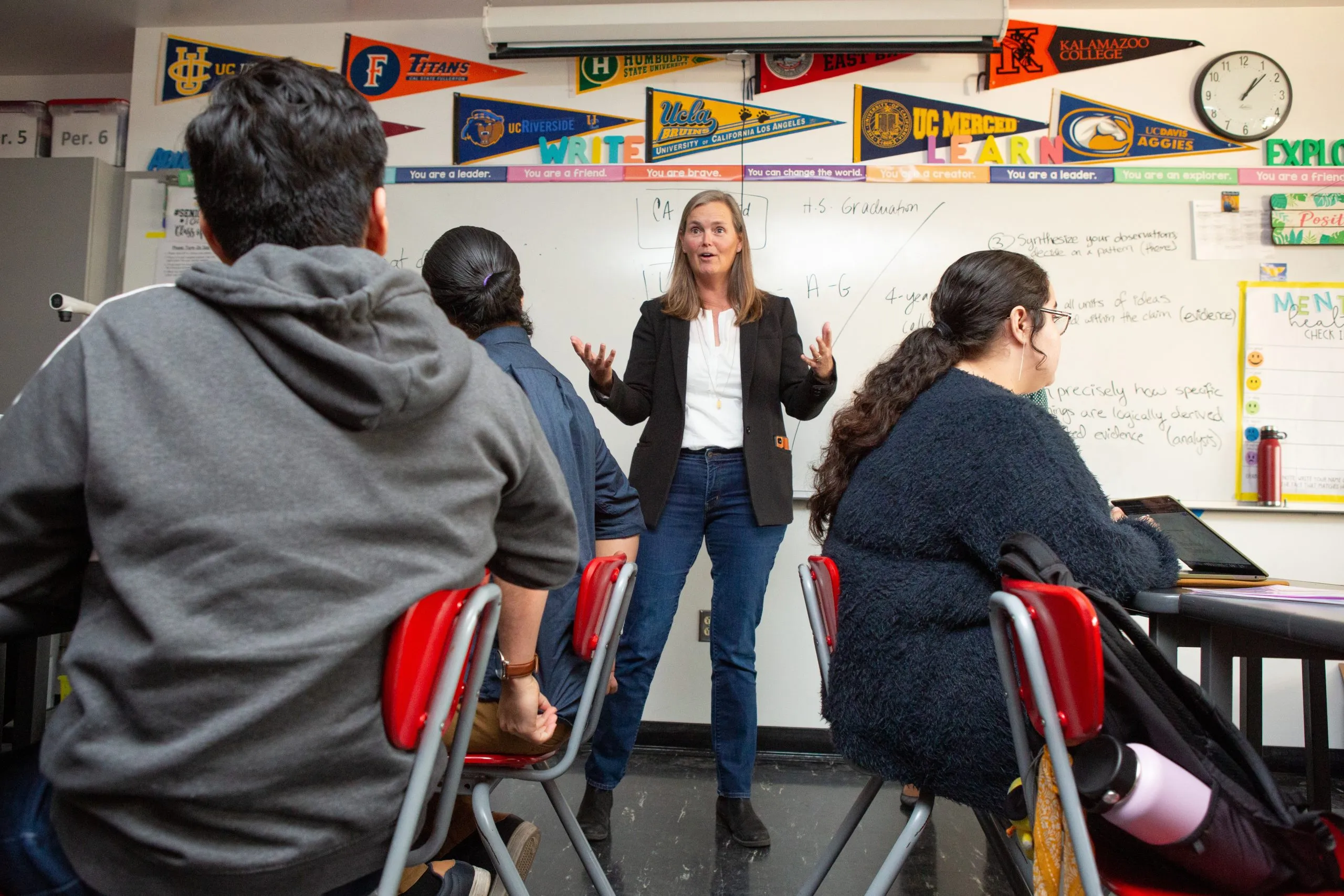
    That means recruiting and retaining more well-prepared teachers with their new budget autonomy. Myriad factors affect student learning, but research shows that the primary variable within a school’s control is the teacher. Other than parents, teachers are the adults who spend the most time with our children. Good teachers have been shown to singularly motivate students.  

    And that’s why, amidst the chaos of our current education politics, there is great opportunity. 

    Until recently, recruiting, preparing and retaining enough great teachers has not been a priority in policy or funding choices. That has been a mistake, because attracting additional teachers and preparing them to be truly excellent is arguably the single biggest lever policymakers can use to demonstrate their commitment to high-quality public schools. 

    Related: Interested in innovations in higher education? Subscribe to our free biweekly higher education newsletter. 

    Great teachers, especially whole schools full of great teachers, do not just happen. We develop them through quality preparation and meaningful opportunities to practice the profession. When teachers are well-prepared, students thrive. Rigorous teacher preparation translates into stronger instruction, higher K-12 student achievement and a more resilient, equitable education system

    Teachers, like firefighters and police officers, are public servants. We rightly invest public dollars to train firefighters and police officers because their service is essential to the safety and well-being of our communities. Yet teachers — who shape our future through our kids — are too often asked to shoulder the costs of their own preparation. 

    Funding high-quality teacher preparation should be as nonnegotiable as funding other vital public service professions, especially because we face a teacher shortage — particularly in STEM fields, special education and rural and urban schools.  

    This is in no small part because many potential teaching candidates cannot afford the necessary education and credentialing. 

    Our current workforce systems were not built for today’s teaching candidates. They were not designed to support students who are financially vulnerable, part-time or first-generation, or those with caregiving responsibilities.  

    Yet the majority of tomorrow’s education workforce will likely come from these groups, all of whom have faced systemic barriers in accumulating the generational wealth needed to pursue degrees in higher education. 

    Some states have responded to this need by developing strong teacher development pathways. For example, California has committed hundreds of millions to growing the teacher pipeline through targeted residency programs and preparation initiatives, and its policies have enabled it to recruit and support more future teachers, including greater numbers of educators from historically underrepresented communities. 

    Pennsylvania has created more pathways into the education field with expedited credentialing and apprenticeships for high school students, and is investing millions of dollars in stipends for student teachers. 

    It has had success bringing more Black candidates into the teaching profession, which will likely improve student outcomes: Black boys from low-income families who have a Black teacher in third through fifth grades are 18 percent more interested in pursuing college and 29 percent less likely to drop out of high school, research shows. Pennsylvania also passed a senate bill﷟HYPERLINK “https://www.senatorhughes.com/big-win-in-harrisburg-creating-the-teacher-diversity-pipeline/” that paved the way for students who complete high school courses on education and teaching to be eligible for career and technical education credits. 

    At least half a dozen other states also provide various degrees of financial support for would-be teachers, including stipends, tuition assistance and fee waivers for credentialing.  

    One example is a one-year teacher residency program model, which recruits and prepares people in historically underserved communities to earn a mster’s degree and teaching credential.  

    Related: Federal policies risk worsening an already dire rural teacher shortage 

    Opening new pathways to teaching by providing financial support has two dramatic effects. First, when teachers stay in education, these earnings compound over time as alumni become mentor teachers and administrators, earning more each year.  

    Second, these new pathways can also improve student achievement, thanks to policies that support new teachers in rigorous teacher education programs

    For example, the Teaching Academy model, which operates in several states, including Pennsylvania, New York and Michigan, attracts, cultivates and supports high school students on the path to becoming educators, giving schools and districts an opportunity to build robust education programs that serve as strong foundations for meaningful and long-term careers in education, and providing aspiring educators a head start to becoming great teachers. Participants in the program are eligible for college scholarships, professional coaching and retention bonuses.  

    California, Pennsylvania and these other states have begun this work. We hope to encourage other state lawmakers to seize the opportunities arising from recent federal changes and use their power to invest in what matters most to student achievement —teachers and teacher preparation pathways. 

    Sharif El-Mekki is founder & CEO of the Center for Black Educator Development in Pennsylvania. Heather Kirkpatrick is president and CEO Alder Graduate School in California. 

    Contact the opinion editor at [email protected]. 

    This story about teacher preparation programs was produced by The Hechinger Report, a nonprofit, independent news organization focused on inequality and innovation in education. Sign up for Hechinger’s weekly newsletter. 

    This <a target=”_blank” href=”https://hechingerreport.org/opinion-funding-high-quality-teacher-preparation-programs-should-be-the-highest-priority-for-policymakers/”>article</a> first appeared on <a target=”_blank” href=”https://hechingerreport.org”>The Hechinger Report</a> and is republished here under a <a target=”_blank” href=”https://creativecommons.org/licenses/by-nc-nd/4.0/”>Creative Commons Attribution-NonCommercial-NoDerivatives 4.0 International License</a>.<img src=”https://i0.wp.com/hechingerreport.org/wp-content/uploads/2018/06/cropped-favicon.jpg?fit=150%2C150&amp;ssl=1″ style=”width:1em;height:1em;margin-left:10px;”>

    <img id=”republication-tracker-tool-source” src=”https://hechingerreport.org/?republication-pixel=true&post=113500&amp;ga4=G-03KPHXDF3H” style=”width:1px;height:1px;”><script> PARSELY = { autotrack: false, onload: function() { PARSELY.beacon.trackPageView({ url: “https://hechingerreport.org/opinion-funding-high-quality-teacher-preparation-programs-should-be-the-highest-priority-for-policymakers/”, urlref: window.location.href }); } } </script> <script id=”parsely-cfg” src=”//cdn.parsely.com/keys/hechingerreport.org/p.js”></script>
    Source link

  • Two tribal colleges have been allowed to rehire staff that had been cut by the federal government

    Two tribal colleges have been allowed to rehire staff that had been cut by the federal government

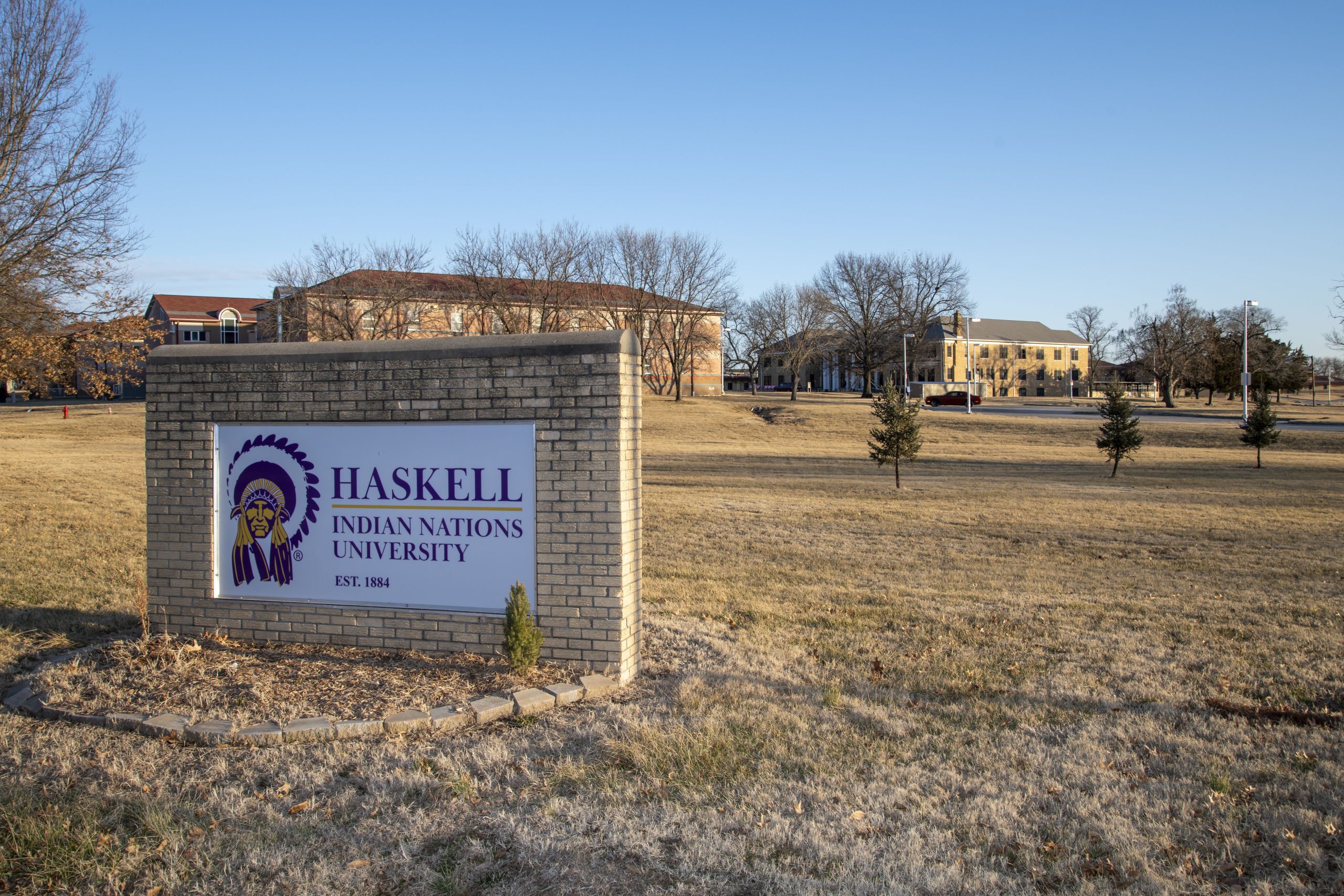
    After weeks of uncertainty, two tribal colleges have been told they can hire back all employees who were laid off as part of the Trump administration’s deep cuts across the federal workforce in February, part of a judge’s order restoring some federal employees whose positions were terminated.

    Haskell Indian Nations University in Kansas and Southwestern Indian Polytechnic Institute, widely known as SIPI, in New Mexico lost about 70 employees in mid-February amid widespread staffing cuts to federal agencies. While most of the nation’s 37 tribal colleges and universities are chartered by American Indian tribes, Haskell and SIPI are not associated with individual tribes and are run by the federal government.

    About 55 employees were laid off and 15 accepted offers to resign, according to a lawsuit filed last month by tribes and students. The colleges were forced to cancel or reconfigure a wide range of services, from sports and food service to financial aid and classes. In some cases, instructors were hired by other universities as adjuncts and then sent back to the tribal colleges to keep teaching.

    Related: Interested in more news about colleges and universities? Subscribe to our free biweekly higher education newsletter.

    It was not clear this week when and if the workers would return, whether the employees who resigned would also be offered their jobs back, or if the government would allow colleges to fill vacancies. Both colleges said some employees had turned down the offers.

    The Bureau of Indian Education, which runs the colleges, declined to answer questions except to confirm the laid-off workers would be offered jobs with back pay to comply with a judge’s order that the government reverse course on thousands of layoffs of probationary employees. But the agency also noted the jobs would be available “as the White House pursues its appeals process,” indicating possible turmoil if an appeals court reinstates the layoffs.

    Both colleges said the bureau also has refused to answer most of their questions.

    SIPI leaders were told last week that the positions were being restored, said Adam Begaye, chairman of the SIPI Board of Regents. The 270-student college lost 21 employees, he said, four of whom decided to take early retirement. All but one of the remaining 17 agreed to return, Begaye said.

    The chaos has been difficult for those employees, he said, and the college is providing counseling.

    “We want to make sure they have an easy adjustment, no matter what they’ve endured,” Begaye said.

    Related: How a tribe won a legal battle against the federal Bureau of Indian Education and still lost

    The chairman of Haskell’s Board of Regents, Dalton Henry, said he was unsure how many of the 50 lost employees were returning. Like SIPI, Haskell was forced after the layoffs to shift job responsibilities and increase the workload for instructors and others.

    Haskell was reviewed by accreditors in December, and Henry said he was worried how the turmoil would affect the process. Colleges and universities must be accredited to offer federal and state financial aid and participate in most other publicly funded programs.

    Henry declined to discuss his thoughts on the chaos, saying there was nothing the college could do about it.

    “Whatever guidance is provided, that’s what we have to adhere to,” he said. “It’s a concern. But at this point, it’s the federal government’s decision.”

    The Bureau of Indian Affairs declined to make the presidents of the two colleges available for interviews.

    Tribal colleges and universities were established to comply with treaties and the federal trust responsibility, legally binding agreements in which the United States promised to fund Indigenous education and other needs. But college leaders argue the country has violated those contracts by consistently failing to fund the schools adequately.

    In the federal lawsuit claiming the Haskell and SIPI cuts were illegal, students and tribes argued the Bureau of Indian Education has long understaffed the colleges. The agency’s “well-documented and persistent inadequacies in operating its schools range from fiscal mismanagement to failure to provide adequate education to inhospitable buildings,” plaintiffs claimed.

    Related: Tribal college campuses are falling apart. The U.S. hasn’t fulfilled its promise to fund the schools

    Sen. Jerry Moran and Rep. Tracey Mann, both Kansas Republicans, said before Trump took office that they plan to introduce a bill shifting Haskell from federal control to a congressional charter, which would protect the university from cuts across federal agencies such as the Bureau of Indian Education.

    “[F]or the last few years the university has been neglected and mismanaged by the Bureau of Indian Education,” Moran said in a written statement in December. “The bureau has failed to protect students, respond to my congressional inquiries or meet the basic infrastructure needs of the school.”

    The February cuts brought rare public visibility to tribal colleges, most of which are in remote locations. Trump’s executive orders spurred outrage from Indigenous communities and a flurry of national news attention.

    “We’re using this chaos as a blessing in disguise to make sure our family and friends in the community know what SIPI provides,” said Begaye, the SIPI board president.

    The uncertainty surrounding the colleges’ funding has left a lasting mark, said Ahniwake Rose, president and CEO of the American Indian Higher Education Consortium, which advocates for tribal colleges. But she added she was proud of how the schools have weathered the cuts.

    “Indian country is always one of the most resourceful and creative populations,” she said. “We’ve always made do with less. I think you saw resilience and creativity from Haskell and SIPI.”

    Contact editor Christina A. Samuels at 212-678-3635 or [email protected].

    This story about tribal colleges was produced by The Hechinger Report, a nonprofit, independent news organization focused on inequality and innovation in education. Sign up for the Hechinger newsletter.

    The Hechinger Report provides in-depth, fact-based, unbiased reporting on education that is free to all readers. But that doesn’t mean it’s free to produce. Our work keeps educators and the public informed about pressing issues at schools and on campuses throughout the country. We tell the whole story, even when the details are inconvenient. Help us keep doing that.

    Join us today.

    Source link

  • As diversity rates at elite colleges hang in the balance, some students still face increased exclusion and barriers

    As diversity rates at elite colleges hang in the balance, some students still face increased exclusion and barriers

    Diversity rates at several elite colleges and universities have plummeted, a little over a year after the Supreme Court’s restriction on race-conscious admissions. It’s a divisive but unsurprising blow to historically underrepresented students seeking educational opportunity and access.

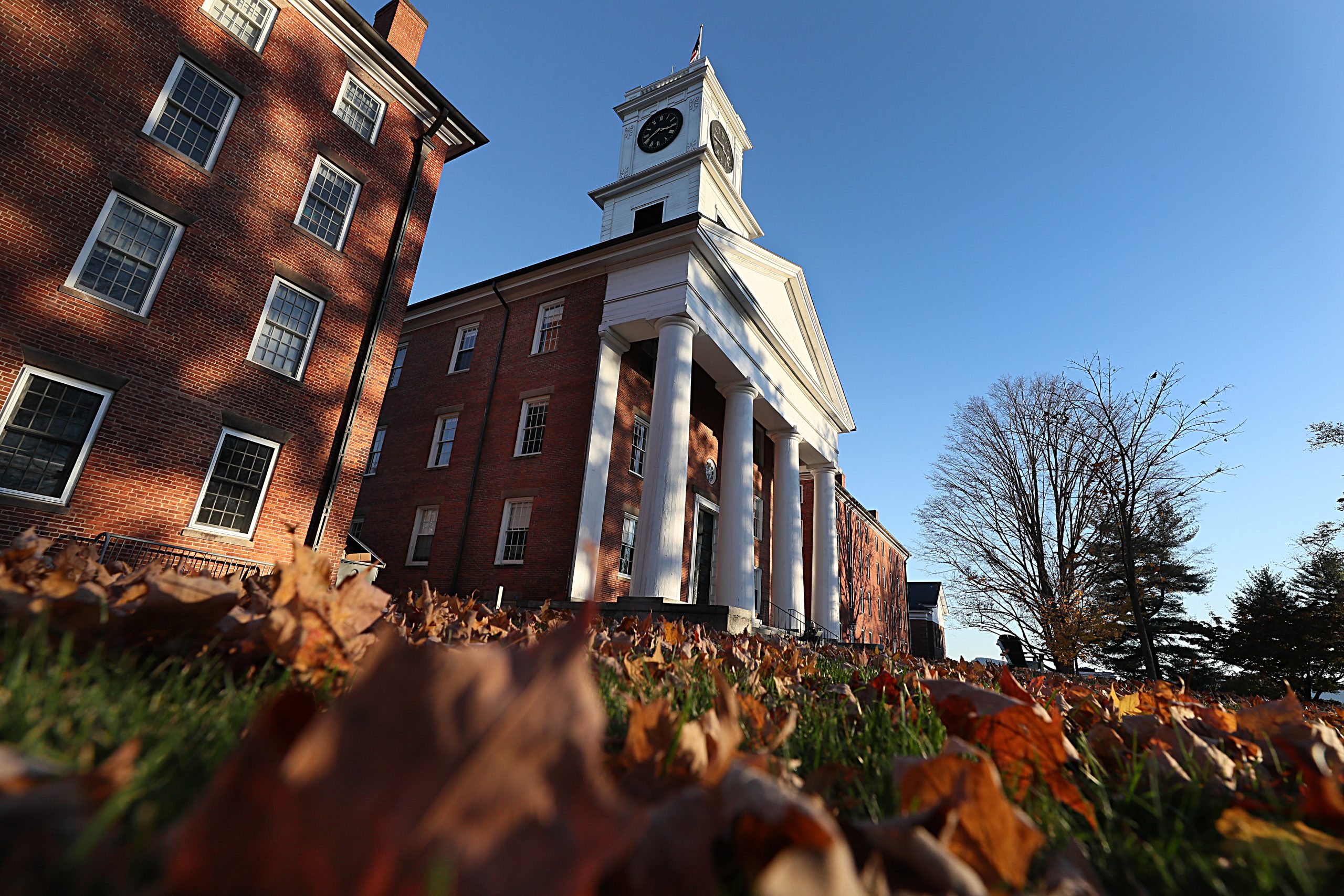
    While demographic data is still forthcoming, the challenges these students face to attend certain colleges continue to build. MIT, Amherst College, and Tufts have already seen sharp declines in the diversity of their student populations.

    But not all is lost. Ethnically diverse students have options to express their full identities, and organizations providing services to them have options to support these students’ overall success through postsecondary pathways.

    While assessing the state of race in higher education admissions, we cannot ignore its historical context in colleges in America. Colleges and universities were built by and explicitly served the educational needs of wealthy white men. For too long, the only people of color on campus were the (often enslaved) servants of white students.

    We should also bear in mind that, at elite universities today, the students who are overlooked in favor of race-neutral policies are not the only ones who miss out — students already on campus lose out on the richness that having a diverse array of educational experiences can provide, with their opportunities to encounter alternative viewpoints limited.

    Related: Interested in innovations in the field of higher education? Subscribe to our free biweekly Higher Education newsletter.

    Oftentimes, first-generation, Black, Hispanic and Native American students experience an inherent and often unspoken isolation on campus at predominantly white institutions.

    As a Black Chicana, I vividly remember being the singular student of color in my freshman-year seminar at Michigan State. My experience was not without the awkwardness of questioning my own merit and if I belonged there in the first place. We traveled to Ireland, and due to the humidity, I put on my silk bonnet to protect my hair. It was met with questions and stares.

    Here we are in 2025, discussing the all-too-familiar concept of racial bias in America, while institutions are bound by new laws that result in restricted access for the students whose right to educational access has historically been systematically denied. So what can we do?

    While it requires creativity, students can still highlight who they are in their applications by foregrounding their lived experiences outside of their grades, test scores and academic histories. For example, students can share the intricacies of being a historically marginalized person in America — from being asked to speak English to being pulled over for driving while Black. They can write about their experiences and identities in personal statements and on their resumes and through discussions of their community involvement. Students owe it to themselves to share their personal moments of overcoming barriers in everyday life.

    Related: What’s a college degree worth? States start to demand colleges share the data

    Institutions can ask essay questions that provoke such responses and allow students to share without prejudice or fear of reprisal. Students’ insightful perspectives should be applauded by educational institutions, and the power of their words should be respected.

    Underrepresented students also have options other than the traditional elite universities. Historically Black colleges and universities (HBCUs) and Hispanic-serving institutions (HSIs) are an alternative to predominantly white institutions like the ones mentioned above. Students can make the college experience what they want and need, and it is no different at smaller institutions like Lane College, an HBCU, or Colorado State University, Pueblo, an HSI.

    At these schools, a student’s culture and identity are revered and shared. Educational institutions that see the value in diversity should be reconsidered as the best option for ethnically diverse students.

    And, as educational institutions grapple with the effects of the Supreme Court ruling, they should support the students from historically marginalized populations already on their campuses to ensure that they feel welcome, supported and valued. Building robust affinity groups not only provides current students with communities they can co-create and adapt to their needs, but also demonstrates that the institutions are committed to creating spaces for all students.

    Scholarship providers and organizations that support underrepresented students will continue to play a vital role in fostering diversity on college campuses. Mission-driven organizations like the one I work for, the Sachs Foundation, still help Black students who lack the financial capacity or easy access to attend elite schools like MIT and Brown.

    Students deserve to have their whole selves valued, welcomed and supported when applying for higher education.

    Pamela Roberts-Mora is the chief operations officer at the Sachs Foundation, serving Black youth from Colorado through educational and community programs. She was a first-generation college student.

    Contact the opinion editor at [email protected].

    This story about college diversity was produced by The Hechinger Report, a nonprofit, independent news organization focused on inequality and innovation in education. Sign up for our higher education newsletter. Listen to our higher education podcast.

    The Hechinger Report provides in-depth, fact-based, unbiased reporting on education that is free to all readers. But that doesn’t mean it’s free to produce. Our work keeps educators and the public informed about pressing issues at schools and on campuses throughout the country. We tell the whole story, even when the details are inconvenient. Help us keep doing that.

    Join us today.

    Source link