Tag: Nevada

  • Nevada Funding for Dolly Parton Book Program in Clark County Dries Up – The 74

    Nevada Funding for Dolly Parton Book Program in Clark County Dries Up – The 74


    Join our zero2eight Substack community for more discussion about the latest news in early care and education. Sign up now.

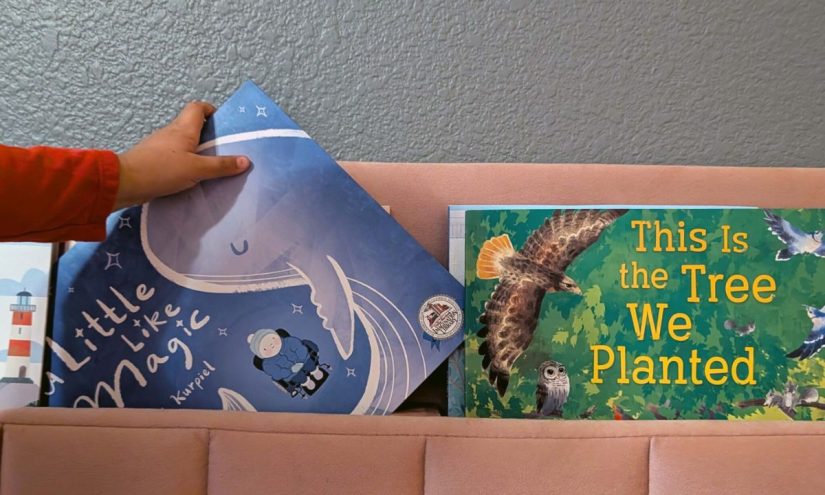
    Over the past two years, upwards of 18,000 young children in the Las Vegas metro area have received free monthly books in the mail as part of an early literacy program started by country icon Dolly Parton. But that ends this month.

    Storied Inc., the Clark County-based nonprofit partner for Parton’s Imagination Library, last week announced to parents and guardians that its October books would be the last until additional funding for the program is secured. The program, when funded, provides a free, age-appropriate monthly book to children 0 to 5 years old.

    According to Meredith Helmick, executive director of Storied, the nonprofit sought funding from the Nevada State Legislature earlier this year to keep the program going after an initial two-years of state grant funding ended, but they came up empty handed.

    Assembly Speaker Steve Yeager sponsored a bill to appropriate $3.9 million to the United Way of Northern Nevada and the Sierra, which currently runs the Imagination Library for Washoe County residents, to expand the program statewide. The bill was referred to the Assembly Committee on Ways & Means, where it languished until the end of the regular session without a hearing or even a mention, according to the legislature’s website.

    Helmick also hoped the nonprofit program might be able to secure funding through Senate Bill 460, Senate Majority Leader Nicole Cannizzaro’s omnibus education legislation.

    An early version of that bill appropriated $50 million for early childhood literacy readiness programs, but an amendment reduced that to $0 for the fiscal year beginning July 2025 and $12 million for the fiscal year beginning July 2026. Helmick says lawmakers chose to prioritize expansion of preschool seats, a Cannizzaro priority.

    SB460 was heavily negotiated and amended to include many of Gov. Joe Lombardo’s education priorities. Those priorities included setting aside $7 million in grant funding for charter school transportation.

    It appears those other priorities came at the expense of existing innovative programs that were working.

    Helmick says a survey of her families last year found 62% of them had fewer than 20 children’s books in their homes before enrolling their children in the program.

    “This program is such a low cost, high reward program,” she added.

    Helmick is hopeful the program can return to the Las Vegas area. She says Storied is having conversations with large companies and other nonprofits, reaching out to elected officials at all levels of government, and urging their supporters to do the same.

    “We’ve heard rumors of a special session,” she adds. “Can we rewrite SB460 to include the language that it took out? Are there other funds that we could add or tap into that we could fit under? Maybe that’s an avenue.”

    ‘It isn’t just about the books’

    Meredith Helmick and her husband, Kyle, were inspired to start Storied Inc. after attempting to sign up their daughter for Imagination Library only to learn the nationwide program didn’t serve their area.

    Dolly Parton launched Imagination Library in 1995 and the program has since given out more than 250 million free books to children in the United States and four other countries.

    Storied Inc. is one of several partners running the program in Nevada. According to Helmick, the other partners have managed to continue their programs, either in whole or by scaling down the number of kids served.

    The sheer size of Clark County’s population makes that a tougher task for Storied. According to the Imagination Library’s website, nearly 29,000 Nevada children are enrolled, the vast majority through Storied.

    Helmick says that before they even had a chance to market the program or figure out stable funding, an intrepid stranger found the sign up form and shared it on a social media group for parents in Las Vegas.

    “In 48 hours, we had 3,500 kids registered,” she recalls. “It was, like, ‘I guess we’re doing it now.’ But it all worked out beautifully.”

    From there, the program quickly grew just by word of mouth. It was funded from June 2023 to July 2025 by a grant from the state’s Early Childhood Innovative Literacy Program. Participation fluctuates each month as kids are signed up or age out at 5 years old, but Helmick says it stays in the range of 18,000 or 19,000 thousand children spanning most of Clark County.

    (Boulder City residents have a dedicated partner, Reading to Z, which currently serves fewer than 200 kids. Rural Clark County residents who live in Valley Electric Association’s service area can sign up for a program run by the energy cooperative’s charitable foundation.)

    Over the summer, with the funding drying up, Storied stopped accepting new kids into the program.

    “We didn’t want to disappoint families” by starting to send them books only to stop sending them a few months later, said Helmick. “One thing that sets (Imagination Library) apart is these books are sent directly to their home. I am a huge proponent of libraries. I’m there practically every week. But not everybody is able to do that. That is a barrier.”

    Additionally, the books arrive addressed to the child.

    “Getting it in the mail, the label with their name, it gives them ownership of the book,” says Helmick. “It makes a huge difference. I didn’t realize it until I heard it from families.”

    On the inside of each book cover is a note from Imagination Library with tips for parents on conversations they can have with their child about the book, or questions they can ask to boost critical thinking and early reading skills.

    “It isn’t just about the books and the words and the stories you’re reading with your kids,” said Helmick. “It’s sitting together side by side. It’s having conversations with them.”

    Nevada Current is part of States Newsroom, a nonprofit news network supported by grants and a coalition of donors as a 501c(3) public charity. Nevada Current maintains editorial independence. Contact Editor Hugh Jackson for questions: [email protected].


    Did you use this article in your work?

    We’d love to hear how The 74’s reporting is helping educators, researchers, and policymakers. Tell us how

    Source link

  • Trump Targets Nevada at Reno’s Undocumented Student Supports

    Trump Targets Nevada at Reno’s Undocumented Student Supports

    Photo illustration by Justin Morrison/Inside Higher Ed | Cheriss May/NurPhoto/Getty Images | Brycia James/iStock/Getty Images 

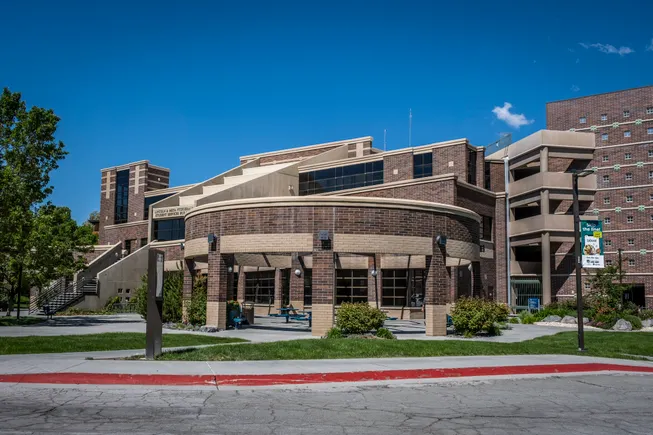
    Centers and programs for undocumented students are caught in a politically precarious moment after the Department of Justice called for an investigation of the University of Nevada at Reno’s undocumented student services. Immigrant students’ advocates say the move marks an escalation in the Trump administration’s ongoing crackdown on higher ed benefits for these students. And they worry campus programs supporting undocumented students might pre-emptively scale back or close altogether.

    In a letter late last month, DOJ officials directed Education Secretary Linda McMahon to investigate the Nevada university over UndocuPack, its support program for undocumented students.

    According to the letter, the DOJ had received reports of the university’s “efforts to assist illegal immigrants” by providing referrals to on- and off-campus resources, student aid, and academic and career support, including helping students find “career opportunities that do not require applicants to provide a Social Security Number.”

    “We are referring this matter to the Department of Education to investigate whether UNR is using taxpayer funds [to] subsidize or promote illegal immigration,” the letter read.

    The U.S. Department of Education did not respond to a request for comment; Inside Higher Ed received an automatic out-of-office message citing the government shutdown.

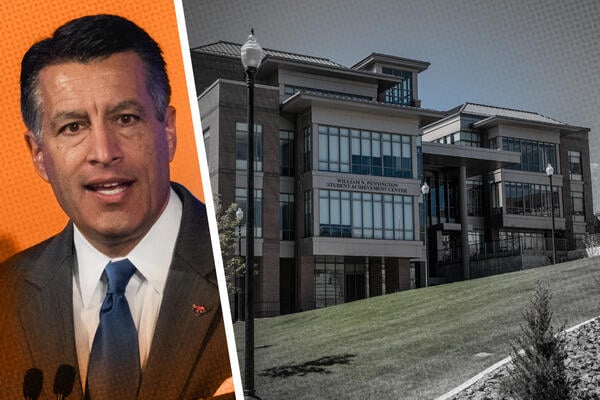
    But UNR is pushing back. Brian Sandoval, a former Republican governor of Nevada and the university’s first Hispanic president, responded with a forceful defense of the program.

    He stressed to students and staff that the UndocuPack program offers supports to all students, regardless of citizenship status, and uses no federal funds. He also emphasized that several state-funded scholarships don’t take immigration or residency status into account; the university doesn’t dole out state or federal aid to anyone ineligible.

    “The University has remained in compliance with federal and state law, as well as the Nevada and United States Constitutions regarding adherence to federal and state eligibility requirements for undocumented students for federal aid and scholarships,” Sandoval wrote. “In addition, we have made good, and will continue to make good on our commitment in ensuring a respectful, supportive, and welcoming environment on our campus where all our students have access to the tools they need for success.”

    He said the university plans to respond to the proposed investigation “through the appropriate legal channels.”

    A ‘Test Case’

    The threat to UNR brings fresh worries for undocumented students’ advocates, who say it’s the latest in a string of federal efforts to curb public higher ed benefits for such students.

    The Justice Department has already sued five states over policies allowing undocumented students to pay in-state tuition, successfully quashing state laws in Texas and Oklahoma after their attorneys general swiftly sided with the federal government. Over the summer, the Education Department announced it would investigate five universities for offering scholarships intended for undocumented students, claiming such programs violated civil rights law. The department also ended Clinton-era guidance that allowed undocumented students to participate in adult and career and technical education programs in response to Trump’s February executive order demanding that “no taxpayer-funded benefits go to unqualified aliens.”

    Diego Sánchez, director of policy and strategy at the Presidents’ Alliance on Higher Education and Immigration, said going after UNR’s UndocuPack program is “part of a broader effort by the administration to intimidate colleges and universities that seek to serve undocumented students.” But it also takes the campaign a step further, “targeting any form of campus support for undocumented students,” including academic and career services. “It’s definitely a pattern of escalating attacks via different avenues of law.”

    The DOJ’s letter cites the Personal Responsibility and Work Opportunity Reconciliation Act of 1996, which bars undocumented immigrants from many public benefits, but Sánchez maintains that “no court has ever interpreted PRWORA to bar universities from offering support offices, mentoring resource centers for undocumented students.”

    Those kinds of supports for undocumented students exist at colleges and universities across the country. A 2020 study found at least 59 undocumented student resource centers on campuses nationwide, mostly in California but also in other states including Arizona, Colorado, Florida, New Jersey, Oregon, Texas, Utah and Washington.

    Sánchez worries that colleges and universities could modify or scrap perfectly lawful programs out of fear after seeing the DOJ chide UNR for such common supports. He also expects the Trump administration to target more programs like UndocuPack.

    UNR feels like “a test case,” he said.

    Gaby Pacheco, president and CEO of TheDream.US, a scholarship provider for undocumented students, said other colleges and universities with undocumented student supports are already weighing what to do in response to the developments in Nevada.

    “Do we duck and hide and lay low so that we don’t get picked on, or do we stand together with others and potentially become a target of this? It’s a question that a lot of people and institutions … are asking themselves,” Pacheco said.

    She worries canceling or minimizing undocumented student support programs will send those students a message—“that they don’t belong.” And she doesn’t believe trying to lie low or scale back programs will deflect federal attention.

    “This is just month nine into this administration. We still have a full three more years to go,” she said. And the administration seems like it plans to “continue full force until, in essence, there are no policies left where undocumented students have access to higher education.”

    Source link