Tag: News

  • Texas A&M Won’t Reinstate Instructor Fired for Gender Lesson

    Texas A&M Won’t Reinstate Instructor Fired for Gender Lesson

    McKenna Baker/iStock/Getty Images

    Texas A&M University will not reinstate Melissa McCoul, the instructor fired in September after a video showing a student confronting her over a gender identity lesson went viral, The New York Times reported

    In a Dec. 19 memo that McCoul’s lawyer Amanda Reichek shared with the Times, the Texas A&M system’s vice chancellor for academic affairs, James Hallmark, wrote that he had “determined that Dr. McCoul’s dismissal was based upon good cause.”

    A faculty panel determined in late September that McCoul’s academic freedom was violated and that former Texas A&M president Mark Welsh flouted proper termination processes when he fired her.

    McCoul was “disappointed by the university’s unexplained decision to uphold her termination but looks forward to pursuing her First Amendment, due process and breach of contract claims in court very soon,” Reichek said in a statement to the Times.

    Source link

  • 25 of Our Top Stories About Schools, Students and Learning – The 74

    25 of Our Top Stories About Schools, Students and Learning – The 74

    Republish This Article

    We want our stories to be shared as widely as possible — for free.

    Please view The 74’s republishing terms.


    Source link

  • Being a principal just got harder–and here’s why

    Being a principal just got harder–and here’s why

    eSchool News is counting down the 10 most-read stories of 2025. Story #3 focuses on challenges in school leadership.

    This story was originally published by Chalkbeat. Sign up for their newsletters at ckbe.at/newsletters.

    There is a squeaky old merry-go-round in my neighborhood that my own children play on from time to time. Years of kids riding on it have loosened its joints so it spins more freely and quickly. The last time they played on the merry-go-round, my children learned the important lesson that the closer to the center they sit the more stable and in control they feel.

    While being a school leader has always felt like being on a spinning piece of playground equipment, leading since the inauguration of President Donald Trump has made me feel as if I moved from the center to the edges in this merry-go-round metaphor. Immigration raids and attacks on civil liberties have made the work feel blindingly fast.

    The school I serve has a large population of immigrant students. Teens who just weeks ago felt like our school was a safe and secure place now carry a new level of concern into our classrooms and hallways. My school has seen a significant drop in attendance since January with parents and guardians citing the desire to keep their children home instead of sending them to school and putting them in harm’s way as ICE raids happen across the city.

    Our staff feels the impact of the rhetoric and policy shifts out of Washington as well. They fear for the physical and emotional safety of our students when they leave the school.

    For my part, I wonder if my decisions that prioritize equity and inclusion will make me the target of criticism–or worse, an investigation. This year, we have had ongoing professional development opportunities to teach staff how they can better support our queer students and employees. Each time we engage in these discussions, I find myself worrying about the repercussions.

    But I am determined that the programs and people in place to support and protect our most vulnerable students will not go away. Rather, they will be reinforced. My role as a school leader is to create an environment so safe and accepting that students and staff never feel like they must look over their shoulder while they are at school. We want them to breathe easily knowing that, at least during the school day, they can be seen, safe, and successful.

    To be sure, this job has always been a juggle, which includes instructional leadership, behavioral support, budgeting, staffing, and–in my case–fighting the stigma of historically being identified as a low-performing school by the Colorado Department of Education. But the changes out of Washington have taken things to the next level. As I navigate it all, I do my best to be energetic, optimistic, and reliable. Each day is an exercise in finding joy in my interactions with students and staff.

    I find joy in seeing students cheer on their peers at basketball games. I find joy in watching a teacher sit with a student until they grasp a challenging concept. I find joy when I see staff members step in to teach a class for a colleague who is sick or just needs a break. I find joy and hope in my daily interactions with students and staff; they are the core of my work and are the bravest people I have worked with in my career.

    When I push my children on the merry-go-round, I tell them to get to the center because the spinning seems to slow down and the noise decreases. This is the same advice I would give to school leaders right now. Get right to the center of your work by being with students and staff as much as possible. Even at the center, the spinning does not stop. The raids, political attacks, and fear tactics do not decrease, but the challenge of facing them becomes a little more manageable. While every force out there may be pushing leaders away from the center of their work, prioritizing that values-based work reminds us exactly why we do what we do.

    Chalkbeat is a nonprofit news site covering educational change in public schools.

    For more news on school leadership, visit eSN’s Educational Leadership hub.

    Latest posts by eSchool Media Contributors (see all)

    Source link

  • Why new math problems won’t solve our nation’s math problem

    Why new math problems won’t solve our nation’s math problem

    eSchool News is counting down the 10 most-read stories of 2025. Story #4 focuses on making math instruction more relevant to students.

    Key points:

    How much longer will we keep trying to solve our nation’s dismal math proficiency problem by writing new math problems? Clearly, if that was the answer, it would have worked by now–but it hasn’t, as evidenced by decades of low proficiencies, historic declines post-COVID, and the widest outcome gaps in the world.

    The real question students are asking is, “When am I ever going to use this?” As a former math teacher, I learned that addressing this question head-on made all the difference. Students’ success in math wasn’t found in a book–it was found in how math applied to them, in its relevance to their future career plans. When math concepts were connected to real-world scenarios, they transformed from distant and abstract ideas into meaningful, tangible skills.

    My first-hand experience proved the premise of education innovator Dr. Bill Daggett’s “rigor-relevance-relationship” framework. If students know what they’re learning has real-life implications, meaning and purpose will ensure that they become more motivated and actively engaged in their learning.

    Years later, I founded the nonprofit Pathway2Careers with a commitment to use education research to inform good policy and effective practice. From that foundation, we set out on a path to develop a first-of-its-kind approach to math instruction that led with relevance through career-connected learning (CCL).

    In our initial pilot study in 2021, students overwhelmingly responded positively to the curriculum. After using our career-connected math lessons, 100 percent of students reported increased interest in learning math this way. Additionally, they expressed heightened curiosity about various career pathways–a significant shift in engagement.

    In a more comprehensive survey of 537 students spanning grades 7–11 (with the majority in grades 8 and 9) in 2023, the results reinforced this transformation. Students reported a measurable increase in motivation, with:

    • 48 percent expressing “much more” or “slightly more” interest in learning math
    • 52 percent showing greater curiosity about how math skills are applied in careers
    • 55 percent indicating newfound interest in specific career fields
    • 60 percent wanting to explore different career options
    • 54 percent expressing a stronger desire to learn how other skills translate to careers

    Educators also noted significant benefits. Teachers using the curriculum regularly–daily or weekly–overwhelmingly rated it as effective. Specifically, 86 percent indicated it was “very effective” or “somewhat effective” in increasing student engagement, and 73 percent highlighted improved understanding of math’s relevance to career applications. Other reported benefits included students’ increased interest in pursuing higher education and gaining awareness of various postsecondary options like certificates, associate degrees, and bachelor’s degrees.

    Building on these promising indicators of engagement, we analyzed students’ growth in learning as measured by Quantile assessments administered at the start and end of the academic year. The results exceeded expectations:

    • In Pre-Algebra, students surpassed the national average gain by 101 Quantiles (141Q vs. 40Q)
    • Algebra I students achieved more than triple the expected gains (110Q vs. 35Q)
    • Geometry learners outpaced the average by 90 Quantiles (125Q vs. 35Q)
    • Algebra II showed the most significant growth, with students outperforming the norm by 168 Quantiles (198Q vs. 30Q)

    These outcomes are a testament to the power of relevance in education. By embedding math concepts within real-world career contexts, we transformed abstract concepts into meaningful, tangible skills. Students not only mastered math content at unprecedented levels but also began to see the subject as a critical tool for their futures.

    What we found astounded even us, though we shouldn’t have been surprised, based on decades of research that indicated what would happen. Once we answered the question of when students would use this, their mastery of the math content took on purpose and meaning. Contextualizing math is the path forward for math instruction across the country.

    And there’s no time to waste. As a recent Urban Institute study indicated, students’ math proficiencies were even more significant than reading in positively impacting their later earning power. If we can change students’ attitudes about math, not just their math problems, the economic benefits to students, families, communities, and states will be profound.

    Latest posts by eSchool Media Contributors (see all)

    Source link

  • She Reimagined Dolls for Her daughter — and Defied Stereotypes About Indigenous Women – The 74

    She Reimagined Dolls for Her daughter — and Defied Stereotypes About Indigenous Women – The 74


    Get stories like this delivered straight to your inbox. Sign up for The 74 Newsletter

    When Cara Romero’s daughter was 11, she became interested in dolls. Romero, who is an enrolled member of the Chemehuevi Indian Tribe in Southern California, began to think about doll culture more deeply and what it can convey to the next generation. 

    Romero’s husband grew up collecting G.I. Joes, and her mother-in-law had her own Victorian-style porcelain doll collection. For Romero, though, her daughter’s doll phase reminded her of the Native American dolls she grew up seeing at truck stops along I-40.

    The dolls were often dressed in plastic pony beads and fake buckskin that parroted the Native American Halloween costumes she knew all too well as dehumanizing stereotypes. So Romero, who is a photographer and artist, set out to create a series of photos that broke down these tropes.

    Each photograph in the “First American Doll” series features a life-sized doll box that she designed and crafted, where she poses the women with objects that represent their families, traditions and unique stories. 

    She wanted her daughter to be proud of her heritage. “I come from a community where women are allowed to have a voice, allowed to be really strong,” she said. “So [I was] wanting to pass down good self esteem and a strong sense of self and identity,” she said. “That’s what we aim to do as moms.”

    She started the series with artist and powwow dancer Wakeah Jhane, who is of Kiowa, Comanche and Blackfeet descent. While the Plains Tribes that she is from are the models for stereotypical dolls and costumes, Romero’s photograph captures her intricate buckskin regalia, which was made by her family. Also on display are her moccasins and a fan.

    “You can see the stark contrast between what she’s wearing and the Halloween costumes that people portray Plains people as,” she said. “I really wanted to kind of own it and be like, “You guys even have this wrong.’” 

    She has since published nine photographs for the series, the most recent featuring Fawn Douglas, an artist, activist and enrolled member of the Las Vegas Paiute Tribe, who is posed with handcrafted baskets and a gourd rattle made by her family. The box is bordered by a Las Vegas playing card motif. 

    Cara Romero (Getty Images)

    The current day symbolism and high fashion lighting communicates that these women are also contemporary, Romero said. “When artwork, and specifically photography, is devoid of modern context, it does something psychologically, it perpetuates [this idea] that we’re gone and only living in history.”  

    Naming each of the pieces after the models was also meant to humanize Indigenous women in a way that they weren’t in historical photos. “A lot of times in the ethnographic photographs, they didn’t even say their name,” she said. “We don’t know who they were.”

    Some of the photographs from the series are currently traveling the country as part of Romero’s first solo museum exhibition, titled: “Panûpünüwügai (Living Light).” They will be on display next at the Phoenix Art Museum in Arizona starting in February.

    This story was originally reported by Jessica Kutz of The 19th. Meet Jessica and read more of their reporting on gender, politics and policy.


    Did you use this article in your work?

    We’d love to hear how The 74’s reporting is helping educators, researchers, and policymakers. Tell us how


    Source link

  • DEI in education: Pros and cons

    DEI in education: Pros and cons

    eSchool News is counting down the 10 most-read stories of 2025. Story #6 focuses on DEI in education.

    Key points:

    Diversity, equity, and inclusion (DEI) initiatives have become integral to educational institutions across the United States. DEI aims to foster environments where all students can thrive regardless of their backgrounds. The programs are designed to address systemic inequalities, promote representation, and create inclusive spaces for learning. However, as DEI becomes more prevalent, it also faces scrutiny and debate regarding its effectiveness, implementation, and impact on educational outcomes.

    One of the main advantages of DEI in education is the promotion of a more inclusive and representative curriculum. Students gain a broader understanding of the world by integrating diverse perspectives into course materials. This enhances critical thinking and empathy. Furthermore, the approach prepares students to navigate and contribute to our increasingly globalized society. Moreover, exposure to diverse viewpoints encourages students to challenge their assumptions and develop a more nuanced perspective on complex issues.

    DEI initiatives also contribute to improved academic outcomes by fostering a sense of belongingness amongst students. When students see themselves reflected in their educators and curricula, they are more likely to feel valued and supported. This leads to increased engagement and motivation. This sense of inclusion can result in higher retention and graduation rates (particularly among historically marginalized groups). Furthermore, diverse learning environments encourage collaboration and communication skills because students learn to work effectively with peers from different backgrounds.

    In addition to benefiting students, DEI programs can enhance faculty satisfaction and retention. Institutions that prioritize diversity in hiring and promotion practices create more equitable workplaces. This can lead to increased job satisfaction among faculty members. Mentorship programs and professional development opportunities focused on DEI can also support faculty in creating inclusive classroom environments, which further benefits students.

    Despite these benefits, DEI initiatives are not without challenges. One significant concern is the potential for resistance and backlash from individuals who perceive DEI efforts as a threat to traditional values (in other words, a form of reverse discrimination). This resistance can manifest in various ways (opposition to DEI policies, legal challenges, and political pressure). Such opposition can hinder the implementation and effectiveness of DEI programs, thereby creating a contentious atmosphere within educational institutions.

    Another challenge is the difficulty in measuring the success of DEI initiatives. Without clear metrics, it can be challenging to assess the impact of these programs on student outcomes, faculty satisfaction, or institutional culture. The lack of quantifiable data can lead to skepticism about the efficiency of DEI efforts, thus resulting in reduced support or funding for such programs. Additionally, the absence of standardized definitions and goals for DEI can lead to inconsistent implementation across institutions.

    Resource allocation is also a critical issue in the execution of DEI initiatives. Implementing comprehensive DEI programs often requires significant financial investment (funding for specialized staff, training, and support services). In times of budget constraints, institutions may struggle to prioritize DEI efforts. This may lead to inadequate support for students and faculty. Without sufficient resources, DEI programs may fail to achieve their intended outcomes thus further fueling criticism and skepticism.

    The potential for tokenism is another concern associated with DEI initiatives. When institutions focus on meeting diversity quotas without fostering genuine inclusion, individuals from underrepresented groups may feel marginalized or exploited. Tokenism may undermine the goals of DEI by creating superficial diversity that does not translate into meaningful change or equity. To avoid this, institutions must commit to creating inclusive environments where all individuals feel valued and empowered to contribute fully.

    Furthermore, DEI programs can sometimes inadvertently reinforce stereotypes or create division among student populations. For example, emphasizing differences without promoting commonalities may lead to increased social fragmentation or feelings of isolation among certain groups. Educators must carefully balance the celebration of diversity with the promotion of unity and shared values to foster cohesive learning communities.

    In summary, DEI initiatives in education offer numerous benefits, but these programs also face significant challenges. To maximize the positive impact of DEI efforts, educational institutions must commit to thoughtful, well-resourced, and inclusive implementation strategies that promote genuine equity and inclusion for all members.

    Latest posts by eSchool Media Contributors (see all)

    Source link

  • ED to Investigate Brown Over Campus Shooting

    ED to Investigate Brown Over Campus Shooting

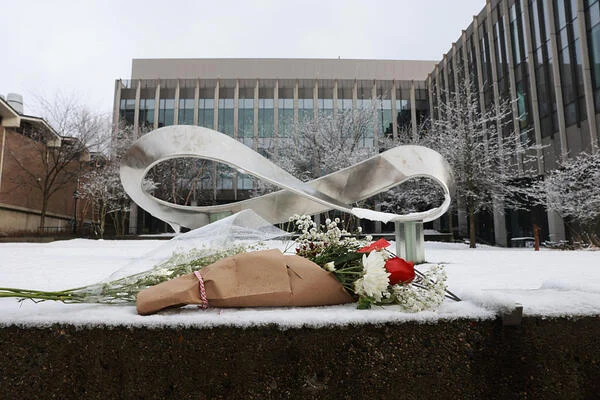
    The Department of Education is investigating whether Brown University violated the Clery Act in relation to a campus shooting earlier this month that left two students dead.

    “After two students were horrifically murdered at Brown University when a shooter opened fire in a campus building, the department is initiating a review of Brown to determine if it has upheld its obligation under the law to vigilantly maintain campus security,” U.S. Secretary of Education Linda McMahon said in a Monday news release announcing the investigation. 

    The release also questioned whether Brown’s video surveillance system was “up to appropriate standards” and accused the university of being “unable to provide helpful information about the profile of the alleged assassin” in the aftermath of the shooting. 

    The suspected shooter, Claudio Manuel Neves Valente, a former Brown student, evaded capture and was found dead from a self-inflicted gunshot wound following a five-day manhunt. While some observers accused Brown of substandard security practices, which critics say delayed the capture of the suspected shooter, others allege the FBI bungled the search.

    ED is also probing whether Brown’s emergency notifications about the shooting were delayed.

    The department requested various records to aid in the investigation, including copies of annual security reports; crime logs; student and employee disciplinary referrals “related to the illegal possession, use, and/or distribution of weapons, drugs, or liquor”; and copies of all Brown policies and procedures, among other campus safety documents.

    The same day that ED announced the investigation into Brown, the private university in Rhode Island placed its top campus safety official, Rodney Chatman, on administrative leave as it reviews the shooting. Hugh T. Clements, the former chief of police of the Providence Police Department, will take on the top public safety job as Brown conducts a security assessment.

    Brown officials did not respond to a request for comment from Inside Higher Ed.

    Source link

  • Cost of DfE’s school insurance scheme to rise 7.4%

    Cost of DfE’s school insurance scheme to rise 7.4%

    Risk protection arrangement costs have risen by 61 per cent since 2020

    Risk protection arrangement costs have risen by 61 per cent since 2020


    The Department for Education has confirmed costs for its school insurance programme will rise again by 7.4 per cent this year, with the scheme now costing 60 per cent more than in 2020.

    The risk protection arrangement (RPA), first set up in 2014, provides state schools an alternative to commercial insurance.

    It covers risks such as material damage, personal accident and employers’ liability, with government covering the losses.

    Now, the DfE has confirmed the amount it charges will rise from £27 to £29 per pupil from April 2026. This 7.4 per cent increase is far above the current rate of inflation, around 3.5 per cent.

    It said costs were reviewed annually “to ensure breadth of cover and value for money are balanced”.

    While the DfE first charged £25 per pupil for schools in 2014, prices were lowered to £18 per pupil in 2019-20.

    Prices have since increased year on year, with a 61 per cent change from 2020 to 2026.

    Around 12,400 schools were signed up to the RPA in January 2025. The DfE opened the scheme to LA-maintained schools in 2020.

    It was originally launched to reduce the public cost of protecting academies against risk.

    While schools may join at any time of the year, multi-academy trusts can join in a phased manner, where some academies may still have commercial insurance contracts in place.

    The DfE has been approached for comment.

    Source link

  • Think you’re a news whiz? Take our news quiz

    Think you’re a news whiz? Take our news quiz

    You recall the big headlines in your news feed. But News Decoder took you to places that don’t get big spotlights. How well did you pay attention?

    Source link

  • Layoffs, Cuts and Closures Are Coming to LAUSD Schools As District Confronts Budget Shortfalls – The 74

    Layoffs, Cuts and Closures Are Coming to LAUSD Schools As District Confronts Budget Shortfalls – The 74


    Get stories like this delivered straight to your inbox. Sign up for The 74 Newsletter

    Budget cuts, staffing reductions and school consolidations are coming to Los Angeles Unified as the cash-strapped district works to balance its shrinking budget, a top school official said. 

    LAUSD’s chief financial officer in an interview last week said declining enrollments and the end of pandemic relief funds have forced the district to take cost-cutting measures.  

    Schools have already been notified of how much they will have to cut from their budgets. The cuts will go into effect starting in August. 

    LAUSD officials in June had predicted a $1.6 billion deficit for the 2027-28 school year. But an updated version of the budget approved by the board last week eliminates the deficit by using reserve funds plus cost-cutting measures over the next two years. 

    The planned cuts to school budgets will begin in the 2026-27 school year, with school consolidations and staffing reductions planned for the following school year, said LAUSD Chief Financial Officer Saman Bravo-Karimi. 

    “We have fewer students each year, and in LAUSD that’s been the case for over two decades,” Bravo-Karimi said. “That has a profound impact on our funding levels. Also, we had the expiration of those one-time COVID relief funds that were very substantial.”  

    The district recently contracted with the consulting firm Ernst and Young to create models for closing and consolidating schools. While school officials wouldn’t say which schools or how many would be closed, the district has clearly been shrinking. 

    Enrollment last year fell to 408,083, from a peak of 746,831 in 2002. Nearly half of the district’s zoned elementary schools are half-full or less, and 56 have seen rosters fall by 70% or more. 

    Bravo-Karimi said in the current school year the district will spend about $2 billion more than it took in from state, local and federal funding. The trend of overspending is expected to continue next year and the year after that, he said.

    The district’s board in June approved a three-year budget plan that included a $18.8-billion budget for the current school year. The plan delayed layoffs until next year, and funded higher spending in part by reducing a fund for retirees’ health benefits. 

    According to the plan approved this month, the district will save:  

    • $425 million by clawing back funds that went unused by schools each year 
    • $300 million by reducing staffing and budgets at central offices 
    • $299 million by cutting special funding for schools with high-needs students
    • $120 million by cutting unfilled school staffing positions
    • $30 million by consolidating schools  
    • $16 million by cutting student transportation 

    Bravo-Karimi said the district gets virtually all of its money through per-pupil funding from the state. Since enrollment in the district has fallen steadily for decades, and then sharply since the pandemic, funding is down significantly, he said.

    Most zoned L.A. elementary schools are almost half empty, and many are operating at less than 25% capacity. Thirty-four schools have fewer than 200 students enrolled; a dozen of those schools once had enrollment over 400.     

    The drops have prompted LAUSD leaders to talk about closing or combining schools, a controversial step that other big U.S. cities are already doing or considering. 

    Bravo-Karimi said the district would assess the needs of communities and the conditions at local schools before it makes any decisions about school closings or consolidations. 

    “That process needs to play out before any decisions are made about potential consolidation of school facilities,” he said.

    Bravo-Karimi said other factors, including ongoing negotiations with labor unions, and changes to state funding, will further impact the district’s budget in the coming months. 

    Marguerite Roza, director of the Edunomics Lab and Research Professor at Georgetown University’s McCourt School of Public Policy, said the cuts planned for LAUSD are “relatively mild” compared to overall size of the district’s budget and cuts being considered at other districts around California and the rest of the country. 

    “I don’t think the people in the schools are going to notice that there’s a shrinking of the central office or that they’re using reserves,” said Roza. “Unless you’re one of the people who loses their transportation or if you’re in one of the schools that gets closed.” 

    But, Roza said, many of the cuts taken by LAUSD can only be made once, and the district still faces profound changes as enrollments continue to fall and downsizing becomes more and more necessary. 

    “This really should be a signal to families,” said Roza of the planned cuts in the district’s latest budget. “After several years of really being flush with cash, this is not the financial position that LA Unified is going to be in moving forward.” 

    LAUSD Board Member Tanya Ortiz-Franklin, who represents LAUSD’s District Seven, which includes neighborhoods such as South L.A., Watts and San Pedro, said the district will work to shield kids from the impact of budget cuts. 

    But, Ortiz-Franklin said, the district hired permanent staffers with one-time COVID funding, and now some of those staffers will have to be let go. 

    Still, LA Unified has made strong gains since the pandemic, she said, and the district must work hard to preserve its upward trajectory despite financial headwinds. 

    “We would love to share good news, especially this time of year,” said Ortiz-Franklin. “But the reality is, it is really tough.” 

    School leaders across LAUSD received preliminary budgets for the next year over the last few weeks, said Ortiz-Franklin. Some schools in her district are facing cuts of up to 15%, forcing them to make tough decisions on which staffers to keep and who to let go. 

    Several hundred additional layoffs will be announced in February, she said, when the district makes another assessment of staffing needs. 

    “We don’t know the total number yet, and we don’t know which positions yet,” said Ortiz-Franklin.


    Did you use this article in your work?

    We’d love to hear how The 74’s reporting is helping educators, researchers, and policymakers. Tell us how

    Source link