Tag: Plan

  • How to Build a Dynamic Student Enrollment Plan That Thrives Amid Change

    How to Build a Dynamic Student Enrollment Plan That Thrives Amid Change

    Key Takeaways:

    • Evolving student enrollment strategies require proactive, data-informed approaches that adapt to demographic shifts, economic pressures, and market dynamics.
    • Real-time metrics and prescriptive analytics enable institutions to refine recruitment strategies, address challenges quickly, and optimize enrollment outcomes.
    • Flexible tools and predictive modeling help mitigate disruptions, align team efforts, and support personalized student engagement.
    • Continuous refinement ensures institutions can navigate uncertainties, maintain competitive student enrollment plans, and prepare for future challenges.

    Higher education is in constant flux, primarily driven by student demographic shifts, economic pressures, and rapid technological advancements. For institutions to stay competitive in this environment, student enrollment strategies must evolve. By embracing a consistent, data-informed, and adaptable enrollment management approach, institutions can navigate current and unforeseen uncertainties and meet their enrollment goals.

    A Forward-Looking Approach to Enrollment Strategies

    Traditional enrollment strategies often rely on rearview analyses, evaluating successes and missteps only at the end of an enrollment cycle. However, the dynamic nature of student recruitment today demands a more proactive approach. Institutions must adopt prescriptive analytics to “look through the windshield,” using real-time data to understand how current strategies are performing and make adjustments on the fly. This forward-thinking approach allows enrollment managers to:

    • Identify what is working and what needs refinement during the current recruitment cycle.
    • Test potential strategies against historical data to predict their effectiveness before implementation.
    • Address emerging challenges quickly, such as unexpected FAFSA delays or shifts in application behavior.
    • Develop broad tactics to adapt to changes throughout the enrollment cycle as well as adjust to shifting dynamics with individual students.

    Such adaptability requires not just access to the right data but also the tools and expertise to act on it effectively. The combination of robust technology platforms, such as Liaison’s predictive analytics tool Othot, and experienced partners who understand the nuances of higher education can make all the difference. By integrating analytics and expert guidance, institutions can respond to challenges with precision and agility.

    Data-Informed Metrics for Strategic Refinement

    To optimize their student enrollment plans, institutions must evaluate specific metrics at each stage of the recruitment process. This means aligning data evaluation with the student journey, focusing on key performance indicators (KPIs) that matter most at each stage:

    · Search phase | Metrics such as inquiry volume, lead conversion rates, and source effectiveness provide insight into initial interest in the institution and the success of outreach efforts.

    · Application phase | Metrics such as application volume, completion rates, and demographic trends help institutions understand the reach and appeal of their efforts.

    · Yield phase | Yield rates and admitted student feedback provide insights into how students perceive the institution’s value.

    · Enrollment phase | Deposit rates and engagement tracking reveal which admitted students are likely to matriculate, enabling targeted follow-ups.

    Different variables also emerge during the cycle that require immediate action. For example, when unexpected disruptions such as a sudden change in application deadlines or a major shift in funding policies occur, enrollment leaders must have the tools and knowledge to not only pivot their strategies to address the issues at hand but also effectively predict the results of those changing approaches in real-time. This requires a flexible data infrastructure that can accommodate real-time adjustments.

    Overcoming Challenges Through Continuous Adaptation

    Flexibility is a nonnegotiable trait for enrollment management teams. The new realities of a post-pandemic world, declining high school graduating classes, and a highly competitive marketplace are significantly challenging existing strategies. The pressure to meet enrollment goals often comes with internal changes—such as staff turnover or shifts in leadership priorities—and external pressures like economic downturns or new legislation.

    • Turnover and continuity | Staff turnover can disrupt institutional momentum, particularly when strategies are person-dependent rather than system-driven. Tools such as Othot provide consistency by embedding critical data insights and processes into the institution’s framework, reducing the impact of turnover and fostering a culture of data-informed decision-making.
    • Adapting to unexpected variables | Challenges like sudden changes in funding or board directives require immediate adjustments. By leveraging “what-if” scenario modeling, institutions can simulate the impact of potential changes and make informed decisions quickly.

    Strategies to Increase Student Enrollment

    Strategic flexibility can make the difference between hitting enrollment targets and falling short. Institutions can take several steps to continuously refine their strategies:

    1. Monitor trends in real-time | Stay ahead of shifts in student behavior by regularly reviewing metrics such as engagement rates, application trends, and deposit patterns.

    2. Incorporate scenario planning | Use predictive tools to simulate how changes in funding, messaging, or outreach might impact enrollment outcomes.

    3. Align collaboration across teams | Align data and strategy efforts across departments to create a unified approach to enrollment management.

    4. Personalize student engagement | Tailor communication based on individual student data, ensuring that messaging resonates with their unique needs and interests.

    By integrating these strategies into their student enrollment plans, institutions can adapt to changing circumstances while maintaining a steady focus on meeting their overall long-term enrollment goals.

    Staying Ahead in a Dynamic Environment

    Continuous refinement isn’t just about meeting immediate needs—it’s about preparing for the future. Institutions that embrace adaptability, leverage data strategically, and invest in both technology and expertise are better positioned to succeed in today’s competitive higher education market.

    Whether it’s managing the challenges of staff turnover, responding to external pressures, aligning all your enrollment tools at hand, or identifying the most effective ways to engage prospective students, institutions must prioritize flexibility and innovation.

    With Liaison’s advanced tools and expert partnership, institutions can confidently navigate the complexities of data-driven enrollment management and set the stage for sustained success. Contact us today to get started.


    About the Author

    Craig Cornell is the Vice President for Enrollment Strategy at Liaison. In that capacity, he oversees a team of enrollment strategists and brings best practices, consultation, and data trends to campuses across the country in all things enrollment management. Craig also serves as the dedicated resource to NASH (National Association of Higher Education Systems) and works closely with the higher education system that Liaison supports. Before joining Liaison in 2023, Craig served for over 30 years in multiple higher education executive enrollment management positions. During his tenure, the campuses he served often received national recognition for enrollment growth, effective financial aid leveraging, marketing enhancements, and innovative enrollment strategies.

    Source link

  • Law professor challenges university after campus ‘shooting’ hypothetical changed in lesson plan

    Law professor challenges university after campus ‘shooting’ hypothetical changed in lesson plan

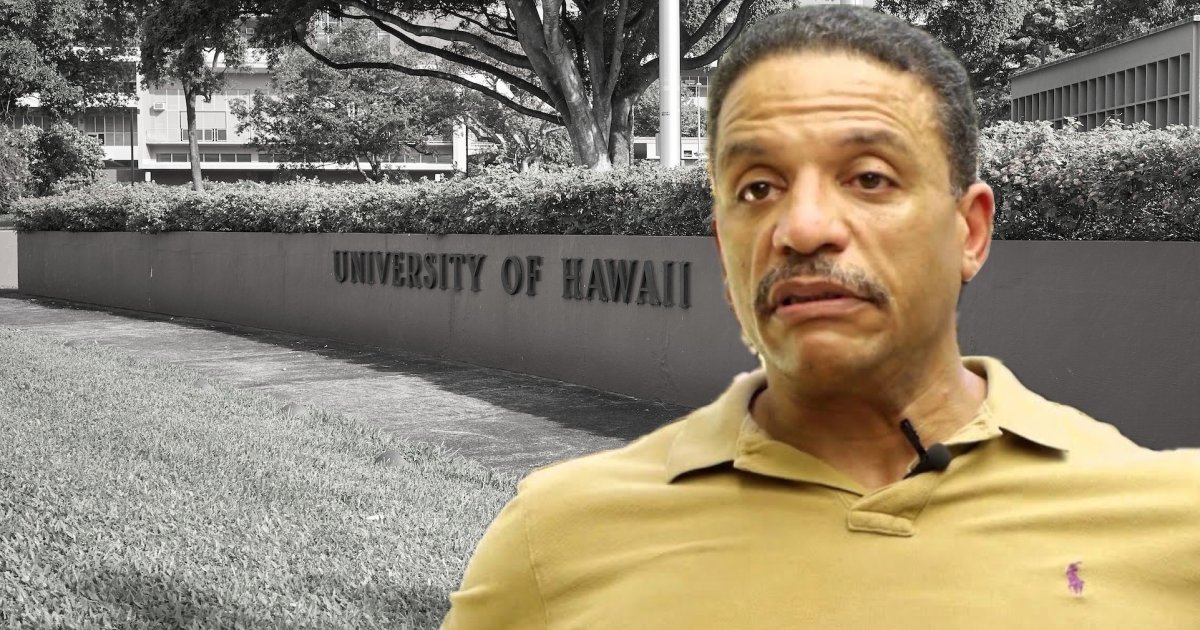
    Those concerned that law schools are shying away from teaching some areas of law to avoid controversy just got more reasons to worry, this time courtesy of the University of Hawai’i at Manoa and its absurd treatment of law professor Kenneth Lawson.

    Lawson, an accomplished faculty member at UH, used a simple hypothetical to teach the idea of “transferred intent,” a legal concept invoked when a defendant intends to harm one person, but ends up harming a second person instead. As is common in law school, Lawson offered a hypothetical to convey this idea: Imagine if a dean at his institution tried to shoot another dean, missed, and hit Lawson instead.

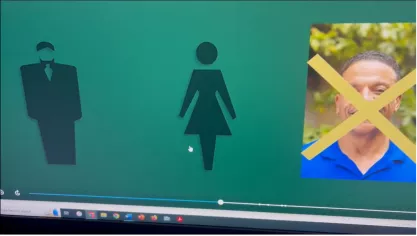
    Here’s a screenshot from part of his lesson:

    Those who have been to law school will understand that using campus figures to illustrate hypotheticals is not at all unusual, and is intended to add a bit of levity and grounding to what can be pretty esoteric topics.

    But when an anonymous student filed a complaint, calling the hypothetical “extremely disturbing” and citing the context of some shootings near the university’s campus, administrators summoned Lawson to a meeting near the end of last semester. Though they acknowledged he had not violated any university policy, they nevertheless mandated that he remove the thought experiment from a posted video of the class — or they would change it for him

    The ability of administrators to forcibly alter course materials is positively ripe for abuse.

    Lawson hadn’t thought twice about including the example, and had been using the example for years, not simply because it wasn’t unusual but because the protections of academic freedom give faculty wide latitude in determining how to approach controversial or potentially difficult material. When Lawson refused to alter the video of his presentation, given that he had not violated any policy, and using the hypothetical was well within his academic freedom rights, administrators just went on the school’s online curriculum system, where faculty submit presentations, to make the changes themselves.

    Remember: these changes were being made because, supposedly, some found a hypothetical of campus figures being shot to be disturbing. So this is what the administration came up with.

    Slide with an image of law professor Ken Lawson alongside generic man/woman icons

    You will note that there is still a campus figure on that slide, and it’s the person who was (hypothetically) shot: Professor Lawson. Only the deans have been removed. It seems that at UH, some hypothetical victims are more equal than others.

    There’s no denying that this is silly, and many will be tempted to chalk it up as just more campus craziness. But there’s a disturbing wrinkle here, which is that the ability of administrators to forcibly alter course materials is positively ripe for abuse. The university’s administrators have granted themselves unilateral authority to interfere with faculty teaching decisions, despite the fact that UH is a public institution bound by the First Amendment, which views academic freedom, which protects that right, as a “special concern.” If administrators can “memory hole” bits and pieces of curricula they don’t like, even when it violates no rule, where does it stop?

    UH still has an opportunity to do the right thing. It’s easy, too — all it has to do is step back and let faculty teach, and save the video editing for film class.

    FIRE wrote the university on Dec. 13, urging it to reverse course and restore Lawson’s original hypothetical. The university responded in early January, declining to substantively engage with our concerns or detail specific issues with our argument. Lawson, and all UH students, deserve better. As our second letter states: 

    FIRE’s concerns are only amplified by the fact that this alleged capitulation to sensitivity is occurring in a law school. To receive a proper education in the law, students will inevitably encounter difficult topics like sexual assault, homicide, physical assault, domestic violence, and may be faced in school and in their careers with descriptions of personal injuries far more graphic than those in Lawson’s hypothetical. Where do UH administrators draw the line regarding their interference in faculty instruction if they feel free to operate under a nebulous standard of protecting students from “disturbing and harmful” material? 

    Lawson has submitted a grievance about the situation, so UH still has an opportunity to do the right thing. It’s easy, too — all it has to do is step back and let faculty teach, and save the video editing for film class.

    Source link

  • Wildfire aid coming to California schools as educators plan to restart learning

    Wildfire aid coming to California schools as educators plan to restart learning

    This audio is auto-generated. Please let us know if you have feedback.

    Schools across Southern California impacted by devastating wildfires this month are working to ensure students, families and staff are safe and have basic needs — all while attempting to restart instruction and as-normal-as-possible school routines after school closures. 

    At least 335 schools from Los Angeles, San Bernardino, Riverside, Ventura and San Diego counties had closed temporarily when fires broke out last week, affecting more than 211,000 students, according to the California Department of Education. 

    Two schools in the Los Angeles Unified School District — Palisades Charter Elementary and Marquez Charter Elementary — will need to be rebuilt due to fire damage, LAUSD said in a Jan. 13 statement. 

    At an event Tuesday in Washington, D.C., to highlight U.S. Department of Education initiatives under the Biden administration, Deputy Secretary of Education Cindy Marten, who previously served as superintendent of San Diego Unified School District, said the area is close-knit and that people have been “deeply affected” by the destructive wildfires. 

    “What we know is that precious schools have burned down and communities are reeling,” said Marten, adding that the U.S. Education Department will provide training and funding to communities affected by the disaster.

    According to the California Department of Forestry and Fire Protection, known as CAL FIRE, 40,695 acres have burned and more than 12,300 structures have been destroyed. Several fires that started Jan. 7 or after still have not been fully contained. 

    Most schools in LAUSD — the second largest school system in the nation — reopened Monday after district employees cleaned schools and others worked “around the clock” over the weekend to ensure campuses were safe for students and staff, a Jan. 13 district statement said. By Wednesday, outdoor activities including P.E. and recess could resume at all campuses pending local conditions, and students at the two schools destroyed by fire were relocated to two other campuses, the district said.

    “We have a unique opportunity to show the strength and resilience of our community in the face of adversity,” said Pamela Magee, executive director and principal of Palisades Charter High School, in a statement Jan 13. “By coming together, we can ensure that our students can stay in their learning environment, with their friends and mentors, at a time when they need it most.” 

    Schools in Malibu are closed through at least Jan. 21, while Santa Monica schools are open, according to the Santa Monica-Malibu Unified School District. The district and its partners have organized optional gathering spaces for children and teens displaced by the fires and not in school.

    In the Pasadena Unified School District, more than 1,300 Pasadena USD staff members had homes within the burn zone, and the district is still determining the exact number of students and families impacted. That number is anticipated to be in the thousands, according to the California Department of Education. 

    The district is closed through Jan. 17, although students had access to optional, self-directed learning options, Superintendent Elizabeth Blanco wrote in a statement to the school district community Jan. 10. 

    The health and safety of our PUSD community remain our highest priority as we navigate the significant impact of the fire on so many of our students, families, and staff,” said Blanco, adding that nearly half of the district’s employees live within the fire evacuation zone and that many staff, students and families lost their homes.

    Odyssey Charter Schools, South Campus, in Altadena, California, and authorized by PUSD, was destroyed by the Eaton fire on Jan. 8. The 7-year-old school served about 375 students in grades TK-8. 

    “While our campus is closed, Odyssey Charter Schools South continues and will move forward stronger than ever. We’ve already built this school from an idea to a full institution. Then we rebuilt it again online during COVID and we built it a third time when we had to relocate so we are a resilient community and we already weathered many challenges,” said a video showing the fire’s destruction to the campus.

    https://www.youtube.com/watch?v=/Q9sOZLdDcBg

    Providing basic needs, making adjustments

    With the widespread impact of the wildfires and ongoing firefighting, the focus on learning is taking a backseat to supplying students, families and school employees with basic needs.  

    Source link

  • 2025 Higher Education Trends: What to Watch & How You Can Plan

    2025 Higher Education Trends: What to Watch & How You Can Plan

    Higher education is experiencing transformative shifts as institutions respond to societal, economic, and technological changes. This year is set to bring new opportunities and challenges. We’re always keeping a pulse on the industry and where it’s headed so we can stay proactive and prepared –– ready to support our partners through whatever conditions they’re facing.

    10 most impactful higher ed trends for 2025

    To help institutions stay ahead, we asked our team of experts to share their predictions for this year’s most impactful trends in higher education. From AI and digital transformation to new enrollment strategies, these insights highlight what’s shaping the future of higher ed— and how institutions can adapt.

    1. Increased mergers and consolidations

    The pace of mergers and consolidations among smaller colleges is expected to accelerate in 2025, according to Collegis Education CEO Kim Fahey. With financial pressures and declining enrollment, many institutions will view mergers as a strategic alternative to closure. But these transitions are anything but simple.

    “Mergers involve unique technology requirements and complex data management challenges,” Fahey explains. Successfully integrating applications, systems, and hardware requires expert guidance. Higher ed leaders will look to partner with experienced organizations to help navigate these intricacies.

    2. Heightened focus on data privacy and security

    The information security landscape is becoming increasingly intricate. With 21 comprehensive state privacy laws, alongside European Union (EU) regulations, federal rules, and Title IV requirements, compliance challenges are mounting.

    “Smaller schools often lack the experience and qualifications to manage these threats,” notes Dr. Jason Nairn, CISSP, Collegis VP of Information Technology. Cyberattacks, like phishing and social engineering, are relentless. In 2025, institutions must prioritize more robust cybersecurity measures, leveraging external partnerships and security tools to protect sensitive data.

    3. Acceleration of digital transformation

    Cloud migration will take center stage as institutions transition away from outdated, on-campus systems. While many schools still rely on highly customized platforms, which limits their ability to adopt or migrate to more modern technology, the adaptability and scalability of cloud platforms are simply too compelling to ignore.

    Furthermore, technology infrastructures must be sufficiently modernized in order to capitalize on emerging tech innovations in AI and predictive analysis. This process can’t happen overnight –– it’s an evolution, according to Fahey.

    “Cloud migrations take 18+ months, so schools need to act now,” she emphasizes. An institution-wide commitment to digital transformation will not only modernize operations but also position institutions to stay competitive in an increasingly tech-driven environment.

    4. Adoption of shared services models

    Financial constraints will push smaller schools toward shared services and consortium models to access the technology and expertise they need at a manageable scale. These models allow institutions to pool resources and reduce costs but require significant change management, according to Jeff Certain, VP of Solution Development at Collegis.

    “This will require schools to standardize and make some concessions,” Certain explains. “This could pose a challenge, but they may not have an option.” Institutions must embrace these shifts to remain sustainable while navigating limited budgets.

    5. Growth in career-focused and flexible education

    Programs aligning with workforce needs will gain momentum in 2025. Alternative credentials like microcredentials and certificates will become more prominent, offering shorter, career-oriented pathways for learners.

    “Institutions will increasingly recognize and credit learning outside the classroom, exploring more direct pathways into the workforce,” predicts Dr. Tracy Chapman, Chief Academic Officer for Collegis. This reflects growing demand for flexible, career-focused education that meets student and employer expectations.

    6. Ed tech consolidation and market impact

    It is not just colleges and universities facing consolidation. Ed tech companies and services providers are also reshaping the landscape with their own mergers and acquisitions. While these changes may offer schools more comprehensive solutions, they may not necessarily align with institutional objectives.

    “Some recent acquisitions have led to poorer customer experiences,” Fahey observes. Institutions must carefully evaluate new partnerships to ensure they will deliver meaningful improvements.

    7. Higher Focus on Retention

    With the “enrollment cliff” looming, institutions must double down on maintaining their existing student base as a key to sustainability. Purposeful and cost-effective retention strategies will play a pivotal role in maintaining financial health, as retaining current students is often more cost-effective than recruiting new ones.

    “Retention strategies build stronger, more loyal communities,” says Patrick Green, VP of Enrollment Strategy. Forward-looking schools have perceived the importance of fostering a sense of belonging across the student lifecycle and are providing robust support networks that improve student persistence and satisfaction.

    8. Rise of value-focused marketing

    Students and families are increasingly demanding clear ROI from their education. As a result, institutions will need to demonstrate how their programs lead directly to employment and career advancement.

    “Building relationships with regional industries and showcasing job placement rates will be essential,” advises Tanya Pankratz, AVP of Marketing at Collegis. Marketing efforts will need to start highlighting tangible outcomes (e.g., alumni success stories, job placement rates, and employer partnerships) to win over prospective students.

    9. Expanded role of AI and emerging technologies

    AI and other emerging technologies will revolutionize higher education operations. From enrollment management and personalized marketing to virtual campus tours using augmented reality (AR) and virtual reality (VR), technology has the means to dramatically enhance the student experience –– or wreak technical havoc if data, platforms and tools are misaligned.

    “AI-driven tools make personalization more accessible, but the strategy remains critical,” notes Dan Antonson, AVP of Data and Analytics. Institutions must invest in data infrastructure to fully harness these advancements in order to build and maintain a competitive edge.

    10. Proliferation of strategic partnerships

    Higher ed institutions are increasingly recognizing that they don’t need to own the entire value chain. In 2025, strategic partnerships will play a more prominent role.

    “Institutions will double down on their core mission of education and seek out partners to support other critical functions,” Dr. Chapman explains. These partnerships provide access to technology, expertise, and resources, allowing schools to focus on what they do best — educating students.

    Opportunities on the horizon for higher ed

    As evident in this compilation of higher ed trends, the landscape is set for significant change in 2025 and beyond. Institutions that proactively address these trends will be well-positioned to navigate challenges and seize opportunities. By embracing digital transformation, fostering strategic partnerships, and adopting value-driven approaches, schools can ensure long-term success in an evolving marketplace.

    Excited about the opportunities that lie ahead? Collegis Education has the experience and expertise to guide you through any twists and turns you may face. We’ll help you stay on the leading edge instead of chasing trends. Connect with us and let’s start creating solutions together.

    Innovation Starts Here

    Higher ed is evolving — don’t get left behind. Explore how Collegis can help your institution thrive.

    Source link

  • How to Create an Education Marketing Plan for 2025

    How to Create an Education Marketing Plan for 2025

    Reading Time: 9 minutes

    It’s 2025! Now is the perfect time to reevaluate your strategies and set a fresh, bold new vision for your institution’s success. This year, education marketing will continue to evolve rapidly, and staying ahead means adapting to the latest trends, technologies, and audience expectations. Keeping this in mind as you follow the 4 stages of the marketing planning process will help you boost your school’s digital marketing campaign results. 

    What are the 4 stages of the marketing planning process? Follow these steps: Analyze, plan, implement, and control. The advice we’re sharing today is applicable during each of these phases.

    As a school marketer or administrator, you have the opportunity to refresh your education marketing plan, making it more dynamic, personalized, and impactful. This guide will walk you through actionable steps to rethink your approach and leverage the tools that will define success in 2025. Let’s get started!

    Struggling with enrollment?

    Our expert digital marketing services can help you attract and enroll more students!

    Evaluating 2024’s Performance to Shape 2025 Goals

    How do you create a marketing plan for education? Any successful education marketing plan involves a data-driven evaluation of the previous year’s performance, an analysis of current digital marketing trends, and a targeted investigation into what your particular audience needs.

    To start your school’s reimagined marketing plan, conduct an honest evaluation of the previous year’s performance. Begin by reviewing their analytics from 2024, identifying what strategies brought the most engagement, where the most valuable leads originated, and what channels seemed underutilized. Metrics such as lead-to-enrollment conversion rates, social media engagement trends, and website traffic sources can illuminate what strategies resonated most effectively with prospective students and parents.

    To make this evaluation productive, a methodical approach should be applied. Your team can organize findings by categorizing successful campaigns, unexpected successes, and areas where they fell short. This allows you to use data to guide your decisions. This data-driven assessment will form a solid foundation for crafting strategies that are both visionary and practical in 2025.

    HEM Image 6HEM Image 6

    HEM Image 8HEM Image 8

    Source: HEM

    Example: Digital marketing audits such as the one we completed for one of our clients are an excellent way to reflect on last year’s performance and enter the new year with a data-informed plan. Our digital marketing audits include traffic insights, keyword rankings, and personalized suggestions for optimizing your school site. This provides a solid starting point to creating a marketing plan that drives results.

    Do you need support as you create a new digital marketing plan for your school? Reach out to see how our digital marketing services can help

    Reimagine How You Engage with Prospective Students

    In 2025, your audience expects you to meet them where they are. To stay relevant, you need to embrace a digital-first strategy that prioritizes engagement over promotion. Emerging technologies like augmented reality (AR) and virtual reality (VR) can bring your campus to life for prospective students, offering immersive experiences that go beyond static images or videos.

    HEM Image 5HEM Image 5

    Source: University of Western University

    Example: This AR campus tour, complete with 360º images, audio guidance, and detailed written descriptions of your campus as Western has done is a convenient, immersive way to share your school with prospects. Take full advantage of new technology when creating an education marketing plan. Though not as revolutionary as AR and VR, social media is another tool you should never neglect when creating a school marketing campaign.

    Social media is where the most authentic connections happen, especially on platforms like TikTok and Instagram. But the key to standing out in 2025 will be authenticity. Think about how you can use short-form videos to showcase real student experiences, faculty achievements, or day-in-the-life snapshots. Consider hosting live Q&A sessions or interactive events to foster direct engagement. The more you humanize your institution, the stronger the connection you’ll create with your audience.

    Leverage Artificial Intelligence for Smarter Marketing

    Artificial intelligence (AI) has moved beyond being a buzzword—it’s now a vital part of successful marketing. This year, take advantage of AI to transform how you interact with prospective students. Predictive analytics, powered by AI, can help you understand student behavior and target your campaigns with unprecedented precision. You can predict the types of students most likely to enroll, what they care about, and how they prefer to engage with your school.

    Chatbots are another way AI can streamline your communication. Today’s chatbots don’t just answer basic questions—they guide prospective students through complex processes like application submission or program selection. You can also use AI to personalize your outreach efforts, crafting content tailored to each prospect’s unique interests and behaviors. AI provides efficiency and more; it helps you create an experience that feels relevant and meaningful.

    Make Accessibility and Inclusivity a Priority

    Your prospective students come from diverse backgrounds and circumstances, and they expect your marketing to reflect that. In 2025, it’s more important than ever to create campaigns that are accessible to everyone. Take a close look at your website and digital content. Is it optimized for screen readers? Does it work seamlessly on mobile devices? These small adjustments can make a big difference in how inclusive your institution feels to prospective students.

    Inclusivity also means speaking to the values your audience cares about. Highlighting diversity, equity, and inclusion initiatives on your campus can help students see themselves as part of your community. International students, in particular, will appreciate content that acknowledges their unique needs, whether it’s visa support, language resources, or cultural events. By showing that you’re committed to creating an inclusive environment, you’ll build trust and strengthen your brand.

    HEM Image 4HEM Image 4

    Source: Syracuse University |  Instagram

    Example: Here, Syracuse University demonstrates its commitment to diversity and inclusion with a dedicated office for championing these principles. On its Instagram page dedicated to its Office of Diversity and Inclusion, Syracuse University provides updates on how it fosters acceptance and respect in meaningful, action-oriented ways. 

    Adapt Your SEO Strategy for the Future of Search

    Search engine optimization (SEO) is evolving, and your strategy needs to keep pace. In 2025, the way people search for information is increasingly conversational. With voice search growing in popularity, you need to focus on optimizing for natural language queries. Prospective students are asking questions like, “What’s the best school for me in New York?” or “How can I study abroad in Italy?” Tailoring your content to match these queries will make it easier for them to find you.

    Video SEO is also a critical area to watch. Platforms like YouTube and TikTok are now major search engines for younger audiences. By creating engaging video content and optimizing it with descriptive titles, tags, and captions, you can expand your reach significantly. Don’t forget to prioritize user experience—your website should load quickly, look great on mobile, and provide intuitive navigation.

    HEM Image 3HEM Image 3

    Source: TikTok

    Example: As you create your 2025 SEO strategy, don’t underestimate the importance of video SEO on platforms such as TikTok and YouTube. Your young prospects are searching for information about schools in an easy-to-digest, engaging format. This means that video platforms the perfect place for you to make your first impression on them. 

    Stay Ahead with Innovative Advertising Strategies

    If paid advertising is part of your student recruitment strategy, now is the time to rethink how you’re using it. Interactive ads—featuring live polls, quizzes, or even augmented reality filters—can capture attention and drive engagement. Streaming platforms and connected TV are also gaining traction as advertising spaces, giving you new ways to reach prospective students and their families.

    Retargeting campaigns will be even smarter in 2025, thanks to AI. Imagine delivering ads that dynamically adjust based on a prospective student’s previous interactions with your website or social media. These personalized ads feel more relevant, increasing the chances of conversion. At the same time, new privacy regulations mean you’ll need to adopt ethical, transparent practices when handling user data. Building trust with your audience will be just as important as getting their attention.

    Use Data to Continuously Improve

    Marketing isn’t static—it’s an ongoing process of learning and refining. This year, make data-driven decision-making the backbone of your strategy. Use your analytics tools to track key metrics like website traffic, social media engagement, and lead conversions. What’s working? What’s falling flat? By identifying education marketing trends and adjusting your approach in real time, you can ensure that your efforts are always aligned with your goals.

    Predictive analytics can help you go even further by forecasting future trends and identifying areas for growth. For example, if your data shows that a specific program is generating high interest but low conversions, you can adjust your messaging to address potential concerns. The more you rely on insights, the more effective your campaigns will be.

    HEM image 2HEM image 2

    Source: Google Analytics

    Example: In 2025, analytics tools will continue to be essential for making informed decisions about your school’s digital marketing strategy. As you can see in the example above, Google Analytics provides information about traffic volume and sources, audience demographics, and user behavior for your site. 

    Showcase Your Brand’s Values Through Partnerships

    Students in 2025 want more than just a degree—they want to join a community that aligns with their values. Highlighting your partnerships with industry leaders, alumni, and global institutions can help reinforce your school’s credibility and reach. Think about how you can collaborate with partners to launch new initiatives, co-host events, or create content that appeals to your target audience.

    For international students, partnerships with schools abroad or study-abroad programs can be particularly compelling. Promoting these opportunities shows that you’re forward-thinking and globally minded, which can resonate with students looking for diverse and enriching experiences.

    HEM Image 1HEM Image 1

    Source: Instagram | Ivy Campus USA

    Example: Partnerships are a highly effective way to demonstrate your institution’s commitment to continuous academic enrichment for students. Here, Ivy Campus USA announces a partnership with Artal International Preparatory School that offers young students unique skills. Try forging partnerships that can provide valuable and unique learning opportunities for your prospects. 

    Anticipate What Students Will Want in 2025

    The next generation of students expects your institution to care about issues that affect them directly such as mental health, career development, and sustainability. Incorporating these priorities into your marketing campaigns can help you stand out. Highlight your mental health resources, career placement rates, and green initiatives. Transparency is key—students and their families want clear, honest information about tuition costs, scholarships, and program outcomes.

    By anticipating their needs and addressing them upfront, you can create a marketing plan that not only attracts attention but builds trust.

    Create a Seamless Multi-Channel Experience

    Your audience moves seamlessly between platforms, and they expect your marketing to do the same. Whether someone is exploring your website, scrolling through Instagram, or attending a virtual open house, they should encounter consistent messaging and visuals that reinforce your brand. In 2025, it’s critical to ensure that all your channels work together to provide a unified experience.

    Real-time engagement will also be a game-changer. Live events—like virtual Q&A sessions or webinars—offer opportunities to connect directly with prospective students and answer their questions. By creating these interactive moments, you can leave a lasting impression and strengthen their connection to your school.

    By embracing new technologies, prioritizing inclusivity, and building campaigns that reflect the values of modern students, you can create a strategy that resonates deeply and drives real results. The new year is your opportunity to reimagine what’s possible, and with the right approach, you’ll not only meet your goals but exceed them.

    We’re here to help!

    Struggling with enrollment?

    Our expert digital marketing services can help you attract and enroll more students!

    FAQ

    What are the 4 stages of the marketing planning process?

    Follow these steps: Analyze, plan, implement, and control.

    How do you create a marketing plan for education?

    Any successful education marketing plan involves a data-driven evaluation of the previous year’s performance, an analysis of current digital marketing trends, and a targeted investigation into what your particular audience needs.

    Source link

  • Retirement Plan Changes and Workplace Protections for Pregnant Workers Included in Fiscal Year 2023 Omnibus Bill – CUPA-HR

    Retirement Plan Changes and Workplace Protections for Pregnant Workers Included in Fiscal Year 2023 Omnibus Bill – CUPA-HR

    by CUPA-HR | January 10, 2023

    On December 29, 2022, President Biden signed the $1.7 trillion Consolidated Appropriations Act of 2023 (omnibus bill) to fund the federal government through fiscal year 2023 (FY 2023). Given the “must-pass” nature of the bill, the omnibus bill also served as a vehicle for policy unrelated to government funding that was unlikely to pass as a standalone bill in Congress. Below outlines some of the highlights that will impact higher education generally and human resources specifically.

    SECURE 2.0

    Notably, the new law includes changes to the access and use of individual retirement funds. Provisions from a package of retirement-related bills, referred to as SECURE 2.0, were ultimately included in the final omnibus package. Specifically, the new law included the following provisions, in addition to others not listed here:

    • Automatic 401(k) and 403(b) plan enrollment: The new law requires employers to automatically enroll employees into newly created 401(k) and 403(b) retirement plans at a rate between 3 to 10 percent of eligible wages. Employees will then have the option to opt out of the enrollment. Employers with 10 or fewer employees and companies in business for less than three years are excluded from this requirement.
    • Expanded eligibility for part-time employees: The law requires employers to provide the option to participate in employer retirement plans for part-time employees who work between 500 and 999 hours for at least two consecutive years (lowered from three consecutive years previously required).
    • Emergency expenses and savings accounts: Employees would be allowed to withdraw up to $1,000 from retirement accounts for qualified emergency expenses without facing early withdrawal penalties if the worker is under 59.5 years old. Additionally, the law allows employers to offer employees an emergency savings account through payroll deductions for amounts up to $2,500.
    • Matching employer contributions for student loan payments: Employers will be allowed to make contributions to their company retirement plan on behalf of employees who are paying student loans and are not contributing to a retirement account as a result.
    • Roth treatment of employer contributions: The new law grants employers the option to amend their retirement plans and allow employees to choose their employer’s matching and non-elective contributions to be made as Roth contributions.
    • Multiple Employer and Pooled Employer Plans for 403(b) plans: The new law allows employers to participate in Multiple Employer Plans (MEPs) and Pooled Employer Plans (PEPs) for 403(b) plans.

    The final law also included several changes to individual activity with respect to their retirement plans, including an increase to the “catch-up” contribution limits of up to $10,000 for older retirement savers and an increase to the age an individual is required to begin taking minimum distributions from their retirement accounts, which is now effective at age 73 and effective at age 75 effective in 2033.

    Workplace Protections for Pregnant Workers

    Additionally, Congress was able to agree on the inclusion of the Pregnant Workers Fairness Act (PWFA) and the Providing Urgent Maternal Protections (PUMP) for Nursing Mothers in the omnibus bill.

    Pregnant Workers Fairness Act

    Passed by the House in May 2021, the PWFA specifically declares that it is an unlawful employment practice for employers with 15 or more employees to do any of the following:

    • fail to make reasonable accommodations to known limitations of such employees unless the accommodation would impose an undue hardship on an entity’s business operation;
    • require a qualified employee affected by such condition to accept an accommodation other than any reasonable accommodation arrived at through an interactive process;
    • deny employment opportunities based on the need of the entity to make such reasonable accommodations to a qualified employee;
    • require such employees to take paid or unpaid leave if another reasonable accommodation can be provided; or
    • take adverse action in terms, conditions or privileges of employment against a qualified employee requesting or using such reasonable accommodations.

    Though the bill enjoyed bipartisan support in both the House and Senate, Republicans opposed bringing the bill to a Senate vote without the inclusion of a religious exemption for employers. Such exemptions were provided in the omnibus bill’s version of the PWFA, ultimately helping lead to its passage.

    PUMP for Nursing Mothers Act

    The PUMP for Nursing Mothers Act passed the House of Representatives in October 2021 with bipartisan support. The bill aims to amend the Fair Labor Standards Act (FLSA) to expand access to breastfeeding accommodations in the workplace for lactating employees and builds upon existing protections in the 2010 Breaktime for Nursing Mothers Act by broadening breastfeeding accommodations and workplace protections. In the new law, the PUMP for Nursing Mothers Act is expanded to include salaried employees exempt from overtime pay requirements under the FLSA as well as other categories of employees currently exempt from such protections, such as teachers, nurses and farmworkers. It also clarifies that break time provided under this bill is considered compensable hours worked so long as the worker is not completely relieved of duty during such breaks, and it ensures remedies for nursing mothers for employer violations of the bill.

    Similar to the PWFA, the PUMP for Nursing Mothers Act did not reach a Senate floor vote, leaving the omnibus bills as one of the last options for passage before the 117th Congress’s term expired.

    Immigration Provisions

    Due to the situation at the southern border, the new law excluded any major immigration overhauls, such as the Equal Access to Green cards for Legal Employment (EAGLE) Act, which would have addressed the immigration visa backlog and made changes to the H-1B visa program. Additionally, protections for the Deferred Action for Childhood Arrivals (DACA) program and Dreamers that have been threatened by recent court decisions were not included in the final bill enacted into law.

    Despite the exclusion of important reforms, the new law reauthorized several expiring immigration programs that are already utilized by institutions of higher education, including additional funds for the E-Verify program.

    Higher Education Funding

    Several provisions were included in the omnibus package that will increase funding for a variety of higher education programs. Notably, the bill includes a $500 increase to the maximum Pell Grant a recipient can receive, raising the total to $7,395 for the 2023-24 award year. Additionally, the bill included funding increases for Federal Work-Study grants, Title III and V programs, Postsecondary Student Success Grants, and the TRIO and GEAR UP programs.

    CUPA-HR will continue to analyze the provisions included in the FY 2023 funding bill and will keep members apprised of any additional noteworthy provisions included in the law.


    Source link

  • Supreme Court Issues Decision Regarding Retirement Plan Fiduciary Duties in Hughes v. Northwestern – CUPA-HR

    Supreme Court Issues Decision Regarding Retirement Plan Fiduciary Duties in Hughes v. Northwestern – CUPA-HR

    by CUPA-HR | March 18, 2022

    On January 24, the Supreme Court issued its unanimous decision in Hughes v. Northwestern University, a case dealing with 403(b) retirement plan fiduciary duties under the Employee Retirement Income Security Act (ERISA). The court criticized the standard applied by the lower courts and sent the case back to the 7th Circuit to reevaluate the plaintiffs’ allegations.

    In the case, the three plaintiffs, all current or former employees of the university, alleged the plan fiduciaries violated the duty of prudence standard under ERISA by “(1) failing to monitor and control recordkeeping fees, resulting in unreasonably high costs to plan participants; (2) offering mutual funds and annuities in the form of ‘retail’ share classes that carried higher fees than those charged for otherwise identical share classes (institutional share class) of the same investments; and (3) offering investment options that were likely to confuse investors.”

    In their decision, which was written by Justice Sotomayor, the court explained that, when determining if a plan fiduciary violated the duty of prudence standard under ERISA, courts must engage in “a context-specific inquiry of the fiduciaries’ continuing duty to monitor investments and to remove imprudent ones” as articulated in Supreme Court precedent, Tibble. The court said the 7th Circuit was wrong in concluding that by providing a choice of investment options, plan fiduciaries insulated themselves from liability claims. It is important to note that the court chose not to weigh in on the plausibility of the plaintiffs’ claims, only on the standard applied by the lower courts.

    CUPA-HR, along with 17 other higher education associations, participated in an amicus brief filed in the case. In the brief, we supported the 7th Circuit’s decision in favor of Northwestern University. We explained, “The question in this case is whether petitioners have pleaded sufficient facts to state a plausible claim for breach of fiduciary duty in administering a retirement plan” under ERISA, but the complaints in this case “overlook important features of the university retirement system and ignore the discretion ERISA affords to plan fiduciaries.” We also clarified that universities and plan fiduciaries “must have the flexibility o administer the plans based upon the particular needs and preferences of the plan participants, without constant second-guessing.”

    The 7th Circuit now has the opportunity to revisit the case. It may choose to dismiss much of the case or review the record again.

    Following the decision, our amicus briefing counsel was quoted saying, “Despite some of the early headlines that have already been written suggesting this case is a really big deal, in fact, I view this as a limited ruling… [T]he Supreme Court did not reach any specific or detailed conclusions that any of the investments offered by the defendants in this case are actually inappropriate, nor did the justices come down and say a fiduciary can never offer retail shares of funds within their institutional retirement plans. Instead, what they said, in a nutshell, is that the 7th Circuit simply did not give enough consideration of the duty-to-monitor precedents set by Tibble.”

    Importantly, the final sentence of the Supreme Court’s decision provided a silver lining; “At times, the circumstances facing an ERISA fiduciary will implicate difficult tradeoffs, and courts must give due regard to the range of reasonable judgments a fiduciary may make based on her experience and expertise.” The court here is clarifying that fiduciaries must be given due deference when making tough decisions.

    That being said, the decision could pave the way for more cases on fiduciary duties to be filed, as plaintiffs’ attorneys may take advantage of the potential opening in order to force settlements.


    Source link

  • Biden Announces New COVID-19 Mitigation Plan – CUPA-HR

    Biden Announces New COVID-19 Mitigation Plan – CUPA-HR

    by CUPA-HR | September 9, 2021

    On September 9, President Biden released a new COVID-19 mitigation plan, which includes several new requirements and recommendations for employers, employees, schools and others across the country. The six-part plan includes new policies and strategies to vaccinate more unvaccinated individuals, administer booster shots, keep schools safely open, increase testing facilities and products, protect economic recovery, and improve treatments for COVID-19.

    New Vaccine Requirements for Many Employers and Employees

    In the new plan, the Biden administration announced that the Occupational Safety and Health Administration (OSHA) is developing a rule to require all employers under OSHA’s jurisdiction with 100 or more employees “to ensure their workforce is fully vaccinated or require any workers who remain unvaccinated to produce a negative test result on at least a weekly basis before coming to work.” Additionally, OSHA is developing a rule that will require these same employers to provide paid time off to their employees to allow them to get vaccinated and recover from post-vaccination symptoms. According to the plan, both of these rules will be implemented by OSHA through an Emergency Temporary Standard (ETS), though when the ETS will be issued is still unknown. Importantly, while OSHA’s direct jurisdiction is limited to private sector employers, the ETS requirements could extend to many state and local government employers as detailed in the February 2021 CRS report.

    In addition to the requirements for employers with 100 or more employees, the plan also announced that healthcare workers at Medicare and Medicaid participating healthcare settings will be required to be vaccinated. Unlike the requirements for employers with 100 or more employees, these requirements do not allow for a testing option in lieu of getting vaccinated. According to the announcement, this requirement will apply to over 17 million healthcare workers across the country.

    Lastly, the plan states that President Biden signed two Executive Orders that will require all federal executive branch workers and federal contractors to be vaccinated. Unlike previous Biden administration policies on vaccine mandates for federal employees and contractors, the new requirements will no longer provide the option for unvaccinated employees to undergo regular testing instead of getting vaccinated, “with exceptions only as required by law.”

    COVID-19 Testing and Booster Shots

    In addition to these new vaccine requirements, the plan lays out the Biden administration’s plans to expand and improve testing and to provide booster shots to eligible Americans. According to the plan, booster shots will begin during the week of September 20 after the Food and Drug Administration authorizes their use.

    President Calls on Entertainment Venues to Require Vaccination or Negative Tests

    While not directly mandating, the president’s plan also calls on entertainment venues such as sports arenas, large concert halls and other venues where large groups of people gather — many of which are common to campuses — to require that their patrons be vaccinated or show a negative test for entry.

    As the Biden administration moves forward with implementing this new plan, CUPA-HR will continue to keep members apprised of any new guidance or requirements that come from this announcement.


    Source link