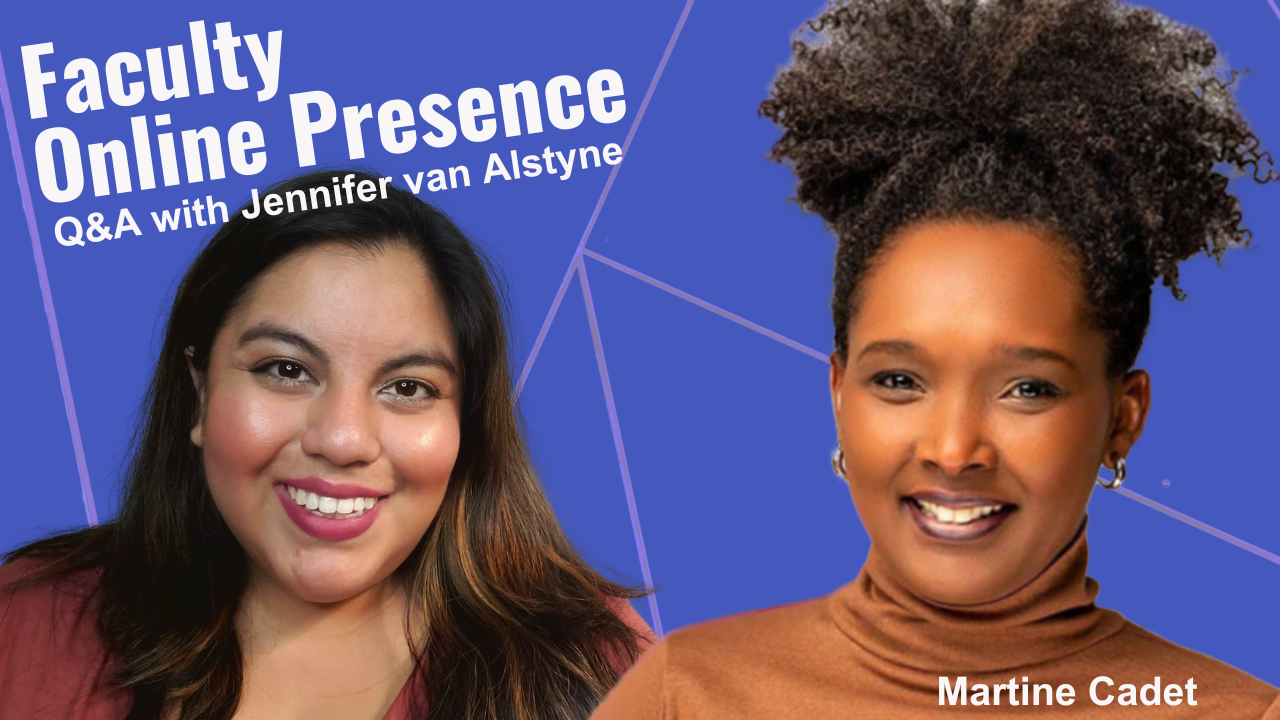
Martine Cadet interviews me about faculty online presence for the professional development workshop she’s hosting at her university. What is faculty online presence? How can a personal academic website help professors and the people they care about? Let’s talk about your digital footprint as an academic.
Jennifer: Hi everyone, this is Jennifer van Alstyne of The Social Academic. Today I have a special guest who’s actually going to be interviewing me, Martine Cadet.
I’m so excited we’re recording this video as part of a faculty development workshop that you’re doing for your university. So let’s chat about online presence for academics. I’m happy to answer your questions.
Martine: I love it. Thank you so much, Jennifer, for taking the time to meet with me. It’s such an important topic, right? Being digital today is like, you know, brushing your teeth every day. It’s like a no brainer. Everybody has their phones and laptops.
I’m an adjunct professor, and I have found that several of my peers are not actually active digitally. And one of the things that came up is having a website. Mind you, digital marketing includes social media for sure, but it also includes that digital presence online overall websites and blogs and conversations like this on channels and podcasts and so on.
Today, I’m so excited to tap into your expertise in this area of building an academic website. I’m, I’m so excited. And so I have four questions that I truly believe will help any, you know, academic person to identify how important it is to explore having a website or perhaps if they already have one, to continue to maintain it and make it better. And so I’d love to dive in. If you’re ready, let me know, Jennifer, because I can’t wait to hear your expertise.
Jennifer: I am ready.
Martine: Wonderful. And so to get started, I wanted to ask you, Jennifer, can you explain the concept of a scholarly website and why it’s important for faculty to have one, even if they already have a strong presence on social media, why should they even look into kicking off a website and or maintaining one?
Jennifer: That is such a great question. I feel like so many faculty want a website. They’re not really sure if it’s for them, or they think that they don’t want a website, but actually it would really meet all of their professional goals. So let’s chat about it. What is a personal academic website? Well, it’s a place online that you own, that you control, where you can share things like your academic bio, a photo of you, and links to anywhere else that you’re online, whether it’s your faculty profile, your social media accounts.
The thing I love about personal websites for professors is that they can grow as big as you need them to be. They can change their shape and what they hold in terms of the contents and what you wanna share over time. So if you just want a one page personal website that has what we talked about, your bio, your headshot and contact links, that’s great. That’s a perfect place to start from.
But some of the professors that I work with have really extensive needs for their website. They’re trying to reach new audiences. They’re trying to communicate with their current collaborators, you know, attract research funders, share their publications, and really be helpful for their students. There is a teaching aspect to this that I think a lot of people don’t realize that they can have with their personal website. So a personal website can be anything you want it to be. And that’s the beautiful thing.
Professors, if you’ve been thinking about a website for yourself, I want you to know you can have one. You could definitely create your own personal website, or you can hire a professional to create one for you. But it can be up in as little as an hour with a service like Owlstown from my friend, Dr. Ian Li, that is an academic website builder that really supports you to make this a reality like today.
But for some people, you know, it takes a lot longer than that. I don’t want you to think it needs to go up fast or it needs to take a long time to be a good website. You can have the website that you want and that you need for your academic life.
Martine: I love that. And so having a website, the takeaway here, I’m getting right, Jennifer, you can be on social media, but it’s like this added bonus for you, right? To do all those things that you wanna do, that you share, sharing your research, engaging with your students, and so on and so forth.
Let’s talk about that content creation a little bit more. You touched on different aspects of the website that could have the content, either the bio and you know, information about your social and whatnot.
But let’s dive in for one that’s just starting out. Let’s just say I’m a faculty. I wanna do a website. I don’t have one. Can we briefly go back to that content creation and perhaps the resource that you shared is actually a template that’s prompting faculty to include that content. Like can you walk us through the most important content pieces as we get started? That should be there.
Jennifer: Definitely. So, yes, the tool that I mentioned, Owlstown does walk you through all of these steps. So if you have pieces and parts of your academic life, you’re not sure how to bring them together, it’s a step-by-step process that will guide you through that. I want you to know that it is very supportive.
But for anyone who’s looking to build a website outside of Owlstown, or who is gonna be working with a professional to make your website, let’s talk about the content that you need. Definitely a bio that’s the most important thing that you can put on your personal academic website. And you want your bio not to be the standard academic bio that you have. Maybe on your faculty profile, it needs to do a little bit more work because the people who see your academic bio are other academics. There are people who are probably seeing you at a conference, who are gonna be talking with you about your research. But people who come across your personal academic website might be from a variety of fields or countries. They may need a little bit more support to understand who you are, what you do, and the things that you value and care about most as a professor. So I want you to take some time and be introspective when you’re writing that bio to, to really help you make it feel like you, but also communicate with that wider audience. I want the media, the public, and your friends and family to also be able to understand you and connect with what you do based on what you share there. So academic bio is the number one thing that you’ll want to gather.
You’ll also want a headshot, a photo of you. Now, that can be a little bit tricky for some people. You know, I just did my first professional photo shoot. I had an amazing photographer for my engagement photos. And it was so much fun. If you can afford or want to work with a professional photographer, I highly recommend it. It was an amazing experience.
But for the longest time, I have only used selfies on my personal academic website. So I don’t want you to think you have to go out and spend money. You can take your phone and go take some selfies. You can ask a friend or a colleague to take some photos of you. I’ve actually done that for friends, for their first books and for a grant award. Things like, I love taking photos of other people. So I want you to know, you probably have someone in your life who’s willing to take a photo of you too.
There’s lots of opportunities to work with the people around you to create content, but sometimes a selfie is the easiest thing to do. Prop it up on some books. Take that photo with a timer and just call it a day. If you can get your photo and your bio, you can have a personal academic website. You don’t really need anything more than that.
Definitely gather your social media links if you have them. But the truth is, a lot of people with personal websites, maybe not on social media, or maybe they’re not super active on social media or that account that they made, they haven’t actually touched it in like four years. That’s okay.
That’s one of the things I love about personal academic websites. It’s this great tool to help share your online presence and the things that you care about, even when you’re sleeping, even when you’re not active on social media, even when you’re traveling for conferences or grants and you don’t have time to check your phone or don’t want to because you’re so focused on what you’re doing at hand. I want you to have those privileges. And when you have a personal website, it’s doing that work for you even when you’re not working. So I really love that.
Now, in terms of growing the site, there is more content to gather and some of that content, in fact, most of it is probably in your curriculum vitae (CV). So updating your CV and then seeing the different pieces of your life that feel important to you, whether it’s publications, speaking engagements, media mentions, or actually talking about your students and mentees and the people that you collaborate closely with that information. You’ve probably already done the hard work of gathering quite a bit of it. And so placing it on your personal academic website just from your CV, is an improvement.
Now, if you can also go in and add things like abstracts for your talks or publications, links to maybe the conference program or a video of that speaking engagement, if there is one. These are all ways to enhance your website, but I don’t want you to feel like if you don’t have these right at the start that you can’t hit publish, you totally can. Your website can grow with you over time.
Martine: Wonderful tips. My goodness, Jennifer. So good. I love the tip about the selfie. So good. ’cause I know as a faculty, we’re so busy, right? With our work and it, it’s so refreshing to hear the tips that you gave about, you know, reach out to a colleague to take your picture, take a selfie. It’s okay. Right?
I wanna hone back into the statement that you made that I love so much for my next question, when you said, let the website do the work for you, right? And I wanna go back to that.
You mentioned that a website has the added value here for us faculty is to be able to engage with our students, other faculty members and beyond. But how do we get them to come and to see it? Let’s talk about that engagement, right? Yeah. This whole SEO, you know, search engine optimization and website, it kind of scares me. What are your tips with that?
Jennifer: That’s a great question, actually. It reminds me of a conversation I had with a client just last week. We were looking over his new website together. It was a redesign from an existing personal academic website that he already has. And we’re right at the end of this project. And so there’s always this like, “Ooh, like is this gonna do everything I need” kind of feeling? And he said, “My current website doesn’t get a lot of views. Like, is this going to reach people?” And the answer is yes. If you do the work to share it, if you make it available, if you mention it to people, people are gonna come regardless of if they’re Googling you or not. You are someone who is on campus meeting people all the time. You have students coming to your classes. You have students considering your classes. You have people considering your talk for, you know, programs and conferences that they’re running. You have people who are thinking about potentially reaching out and working with you. But when you have that online presence, it’s doing a lot of that kind of in-person work with you.
It’s not like you don’t exist as a person anymore. You have an online presence, but your online presence enhances what people can learn about you even when you’re sleeping, even when you’re not in the room. And this is really important for scholars who, you know, maybe don’t have the funds to travel all the time. Or, who really need their work to reach people beyond their university, beyond their state, or even their country.
Online presence is something that can spark further conversations. But the first step is always being willing to share it yourself first. So places like your email signature, your social media profiles, your faculty profile, making sure that you mention your bio in, or excuse me, you mention your website, URL when you’re sharing your bio with event organizers and with other people who mention you in the media, you have agency and helping people find your website because they’re going to be searching your name and finding your website without you too.
But I want you to remember, like you, you shouldn’t hide your website once you’ve created it. There’s no reason to feel embarrassed or anxious. It’s not self-promotion. It’s actually helping people because when they’re on your website, they don’t have to be there. It’s not like social media where they’re scrolling and like they’re forced to, you know, take a quick look at what you share.
A website is exploratory. It sparks curiosity and it’s an invitation for people to learn more about you for the things that they wanna learn. And they can click off at any time. So I don’t want you to feel icky or negative about sharing your website. But sharing your website is definitely the first step. Google and other search engines, they’re gonna crawl your website. They’re going to start serving it in search results when people Google your name, potentially when people Google topics about your research. So that’s gonna do the work too. There are multiple ways that people can find you and your website, and I want you to know that you have responsibility, but also online that’s gonna do a lot of the work for you.
My favorite part about having an online presence with a personal academic website is it facilitates word of mouth references and collaborations. So if you have a collaborator who has an upcoming graduate student who’s interested in the same research as you, they’re looking for a postdoctoral position next year, that person can easily share your personal academic website with a really great potential applicant for your postdoc position. It facilitates that word of mouth connection that people have. It helps ’em better be able to share who you are and what you care about with other people who they think might be a really great fit to connect with you. So I really love that. It’s just, it’s yourself, it’s the people around you and it’s all of those kind of benefits of being online. So search engines can find you that can help share your website.
Martine: Oh, so good. You know what I love the most in all of this, the biggest takeaway that I’m taking from you here is this mindset shift that you shared about your website is not to be yourself promotional tool. It’s more about presenting yourself so you could help people.
Yeah, like when you said that, I’m like, “oh my gosh, that makes so much more sense,” right? Because then I feel more at ease to share what it is that I can help others do, right? I love this mindset statement that you shared such great nuggets. I wish I could be with you forever.
I have one more question for you, Jennifer. And that’s the big one in regards to what you shared that you said the online world is here and it’s here to stay. And it’s evolving, evolving very, very fast. I mean, two decades ago it wasn’t even half of what it is today.
And so my last question to you, Jennifer, as this whole digital landscape grows every day, what would you recommend a faculty to make sure that they keep in mind to ensure that their website remains relevant and that, you know, they, they update it? Because again, two decades ago it was a completely different experience and who knows what it’s gonna be next year, two years from now? What are your suggestions based on how you see the digital landscape is evolving to ensure that we do if we have a website?
Jennifer: Yeah, that is a great question because I wanna protect your futures too. Like, I’m not gonna give you information or guidance that’s gonna steer you down the wrong path and be a waste of your time. I like personal academic websites for professors because it is lasting. It’s not gonna disappear like if a social media platform no longer exists.
Your website not going to go away if you stop using it or stop having time or attention for it. At minimum, I recommend updating the content once a year. So if you can put a reminder in your calendar to, on that date every year you spend an hour looking through your website pages, just making a list,
what needs to be changed
what needs to be added
what needs to go away because it’s no longer relevant
If you can do that once a year, your website is gonna be doing far better than the vast majority of personal websites because most go un updated.
You know, most people, like, once they create it, it’s there and they’re like, I did the work. But the truth is that Google search engines and the people who are coming to your website, they need new and relevant information. They need to know who you are, what you care about, and the work that you’re doing now and the people that you want to be working with in the future. So taking that time for an annual update for sure.
My second tip is really just being open. I mean, things are going to change over time. I had an amazing guest on The Social Academic just last month that was totally focused on augmented reality, virtual reality, gamification, and all these cool things in the classroom. I know that the way that professors communicate about who they are and what they do, that’s gonna change over time too.
But I’ve met so many people on social media who just say, I’m not gonna join because I don’t know what it’s gonna look like 10 years from now. People are looking for you today. They’re not caring about what you’re gonna be doing in eight years unless they care about you now. You have that opportunity to start reaching people this year, this week, this month.
I want you to have all of that time to be reaching the people who actually care, the people who you want to be having conversations with, the people who you want to be collaborating with, the students who you want in your courses. You have more agency in what you share about yourself online than you might expect.
A lot of people don’t realize they can meet so many goals with their personal academic website, but just being open to having one. Being open that your website may and probably will change in the future because you are gonna change in the future. And your needs and your interests are gonna change in the future.
That’s the best thing that you can do. Be adaptable. Be open to new ideas and open to change if something new that you’re interested in exploring comes up. I think if you do that, you’re gonna be golden. You’re gonna be in such a good place with your online presence, not just now, but long-term. I’m excited for you.
Martine: That’s wonderful. I love this tip about, just check it once a year, pick a time and I’m guessing it could be any time of the year. If you wanna do it right at the end of the year or perhaps over the summer. If you have that break in between semesters and you’re just getting ready for the next semester, like maybe that’s the time. I love that. And it’s so relevant. It makes sense.
This is great, Jennifer. I am so, so grateful for this conversation and I know my peers are gonna be excited to hear all the tips that you shared with us today from why having a website is important as a academic faculty, personal academic website is important from that point to what’s the content creation, how do you make sure that it’s engaging and does the work for itself and truly looking out for the future of it?
My goodness, you gave us everything. And now I’m like, okay, I’m going to do what you’re doing right now watching. Go to the description here and, and click, click, click. Because I understand how exciting it feels to be hearing such information.
Like you said, Jennifer, having an online presence is going to really, really bring a reach of things that you never could have ever imagined. I couldn’t agree more. And so thank you again for this wonderful conversation. Jennifer, you’re amazing.
Jennifer: Thank you. I have loved these questions and I hope that your faculty find it super helpful.
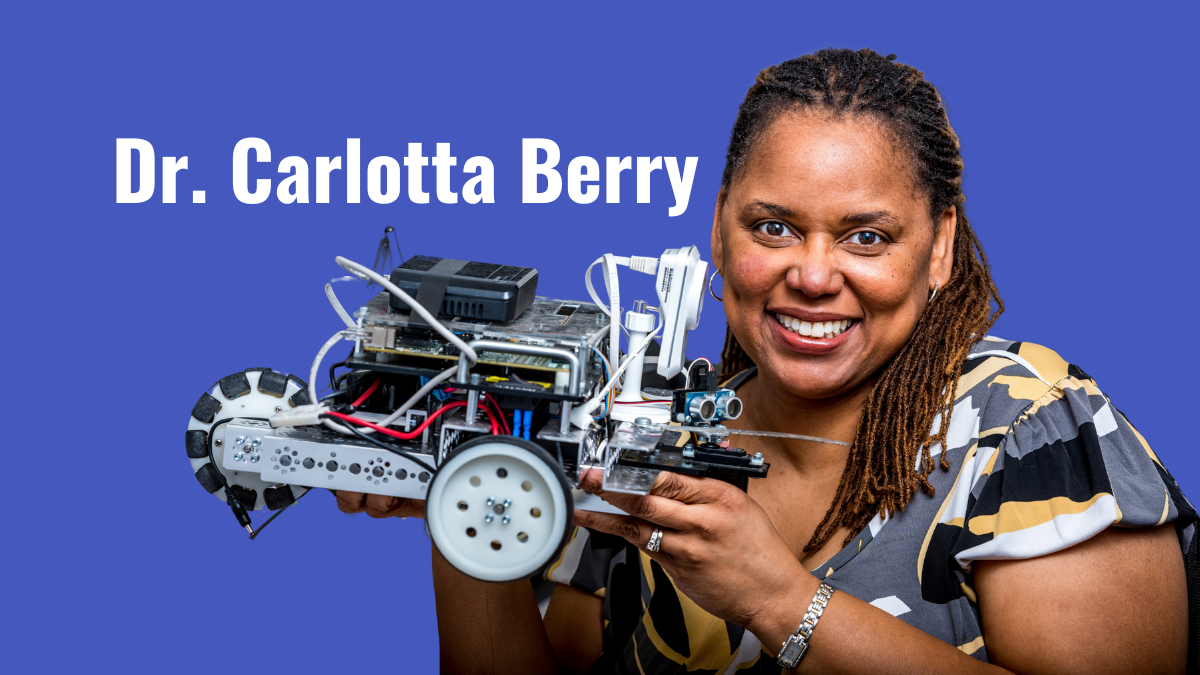
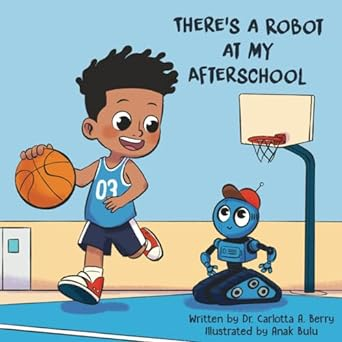
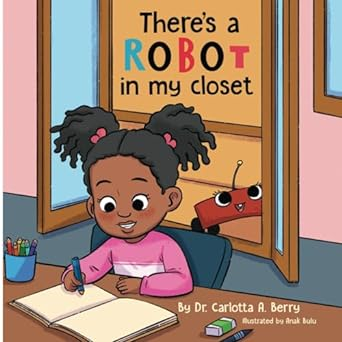
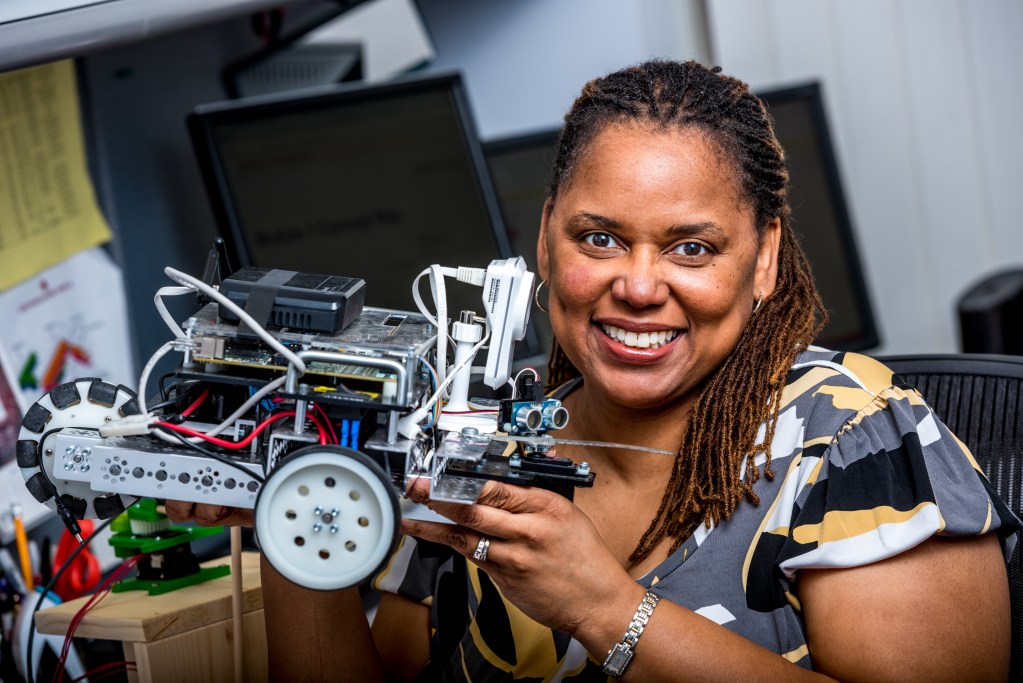
Electrical and Computer Engineering and Robotics Professor, Dr. Carlotta Berry knows her online presence can fit as many of her identities as needed to support her goals to “diversify STEM by being a STEM communicator.” And, to share her black STEM romance books and her children’s book There’s A Robot! Series with the world.
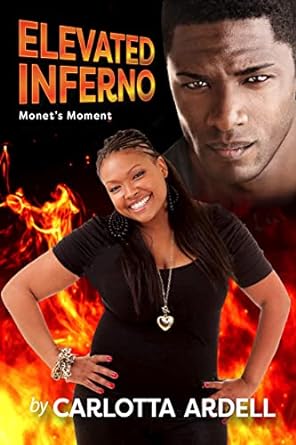
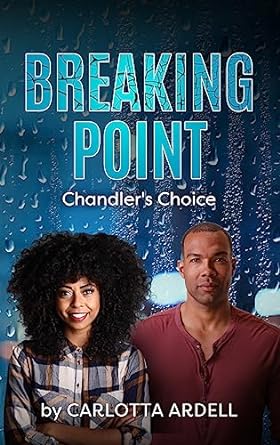
In this featured interview, we talk about what it’s like to be a professor with an extensive online presence with profiles on many platforms and multiple websites. Dr. Berry knows that when she shows up online, when she creates strong black women characters for her books who care about STEM, she helps create “what I really wanted to see when I was an engineering student: was Black women professors in engineering.” We also talk about writing her Black STEM romance books, Elevated Inferno and Breaking Point: Chandler’s Choice and what it’s like to be a professor and an author online. Read her bio.
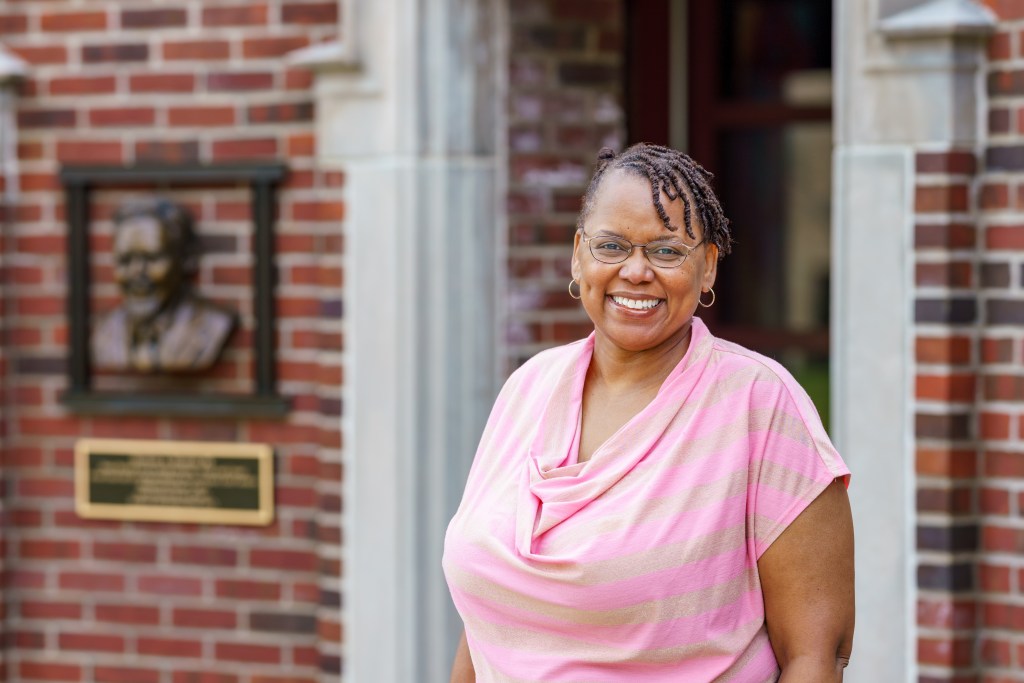
Meet Dr. Carlotta Berry
Jennifer: Hi everyone, it is Jennifer van Alstyne from The Social Academic podcast where we talk about managing your online presence in academia. Today, I have a featured interview guest I’m so excited about because I’ve been planning this interview for, to be honest, over a year.
Dr. Berry, I’m delighted to have you on The Social Academic podcast. Would you please introduce yourself for people?
Carlotta: Absolutely, my name is Carlotta Berry, PhD and I’m a Professor of Electrical and Computer Engineering and Robotics. I’m also the owner of NoireSTEMinist Educational Consulting, a company that I started during the 2020 pandemic. My area of research is robotics and controls. The theme for my company is ‘my STEM is for the streets,’ and my goal is to use robotics to diversify STEM by being a STEM communicator and having a strong presence online and also by doing speaking and writing books and making GIFs and doing lots of things in order to amplify the importance of diversity in STEM and robotics.
Jennifer: The first time I saw you online was a post that you were sharing on Twitter about robotics. It was so visually engaging for me. I was like, “Oh my gosh. I can’t wait to see more from this professor,” even though I don’t know anything about robotics personally. Just having that visual, just seeing who you were as a person made a difference for me.
I’m curious like, what prompted you to get on social media and to create an online presence for yourself?
Carlotta: I’m gonna tell you, the pandemic was a crazy place. So my initial beginning to social media was actually back in 2013. I had gone to a women’s leadership conference and Paul Carrick Brunson spoke. Paul Carrick Brunson was a famous guy who was a matchmaker actually. And he had gotten famous because he was on Oprah Winfrey. And he came and spoke to this room full of women engineering academics who were all professors. And he said, “I went and looked for the clout score for most of you and most of you’re at zero.” And basically what that means is that we did not have any kind of online presence. And he was saying, “If you’re gonna be the thought leaders of tomorrow, you have to understand that your work has to impact people beyond the ivory tower, beyond conferences, beyond paywall journals.” At that time, I started my social media. I think I just started a Twitter account around 2013, but I never really did anything with it.
Then in 2020, thank God, I got approved to go on sabbatical right before the pandemic struck. So I was going on sabbatical anyway. And once we were all home all day and you can only do but so much, I started playing on social media.
What I realized is that every time I was posting something, I think I had maybe like a thousand followers or maybe 2,000 in 2020, even after seven years on social media, and it just started growing and people loved when I put engineering and robotics quizzes. They’d be like, “I don’t know what any of this is, but put another one.” And I thought it was so crazy.
I like to call 2020 my Jerry McGuire moment. It’s like the beginning of Jerry McGuire. He talks about, “I want to be a agent but I want to learn to be a sports agent in a new way.” And my Jerry McGuire moment was, “If I really wanna diversify STEM and the thing I really wanted to see when I was an engineering student was Black women professors in engineering, then how can I increase my visibility for other people and not for me?”
And social media is great. My STEM is for the Streets. Where more are the streets than social media? So I started on Twitter, and the way I ended up other places beyond Twitter, ’cause Twitter really was my pocket because I didn’t really understand social media. I still don’t understand Instagram. No clue how Instagram works.
A parent said to me, “My daughter is a teenager and she is really into STEM. You gotta go where they are. You gotta get over on TikTok.” And I was like, “Ugh.” You know, ’cause TikTok has kind of a bad rap. I went on TikTok and I wanna say within one year, I had gotten the same number of followers that I got on Twitter after 10 years.
Jennifer: Amazing.
Carlotta: TikTok is the jam.
Jennifer: We’re drawn to you. And TikTok allowed more people to see you probably than anything like Twitter or even Instagram with its more limited kind of reach to people. Oh, they were just waiting for you.
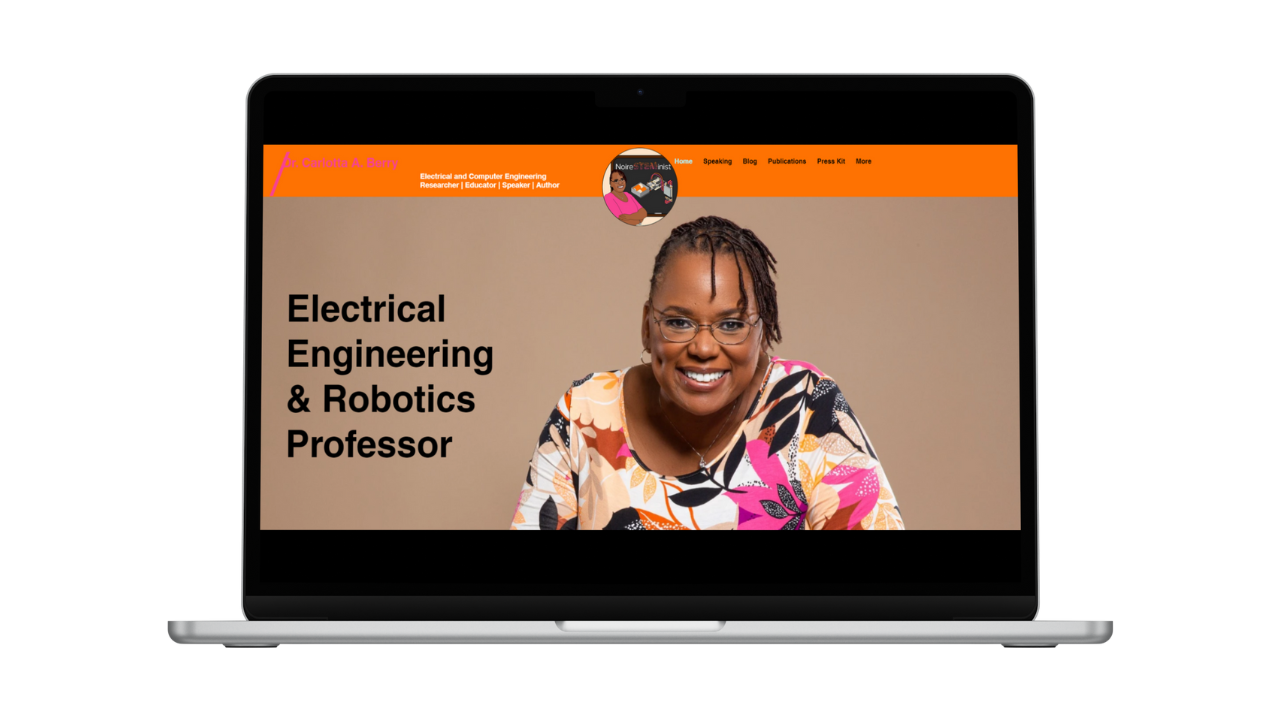
Carlotta: They were, I mean, it’s a total different kind of dynamic. So I can truly say that Twitter and TikTok are really where my pocket is. Everyone else is just kind of there. And that all came from, I went to a branding workshop about a year or so ago and I don’t remember her name unfortunately but she said, “You need to make sure that you at least park your name on any platform that you may eventually have some impact on. Because the worst thing you want to happen is that your brand grows and then somebody else takes your username because you never parked it and they do something inappropriate with it.” And so that’s kind of how I ended up with the same username on all these different platforms even if they don’t get as much attention as that one. Because I remember her saying that like, I have a NoireSTEMinist.com website. She’s like, “You need to have a website with your name.” So I now have a pointer from my name to that website, and that just came from that advice from that woman.
Jennifer: Oh, I love that. So it sounds like having an online presence was something that you wanted to be able to reach people in the streets, to be able to reach people. But it was also something that you realized was valuable for yourself as a researcher, as a professor, and just as a person, like a human being. It sounds like that, almost like that comment from the family member of the high school student.
Carlotta: Yeah, yeah.
Jennifer: How you realize that there were a ton of people waiting to hear from you, that were younger.
Carlotta: If you build it, they will come. But you have to build it in the right place, right? So I had to go where they are, you know. They now think Twitter and Facebook and maybe even Instagram to a certain extent are a little bit, you know, still and crusty. Which is interesting because when I first started teaching my students, Facebook was the place to be. Then probably 2013 or so, it was Twitter. I don’t know when Instagram was hot. Some of my students are on Instagram still, but now some of them are also on TikTok. So it’s just interesting.
I do do a lot of cross-posting and cross-pollinating just so that I can have maximum impact. But like I said, I’m trying to invest mostly in now Instagram and TikTok because we’re just not sure how much longer Twitter’s gonna be here.
Trolling, racism, and responding to hate on social media
Jennifer: I hear that. Now let me ask, it sounds like you’re on a lot of platforms, which one do you like personally enjoy the most?
Carlotta: Crazy as it may sound is still Twitter.
Jennifer: Oh! Okay.
Carlotta: Yeah. Despite the fact that they still have a lot more trolling, a lot more ads, a lot more racist. I actually get the trolling being a Black woman in STEM, having a PhD in my bio, I have probably been trolled on all, actually all of the platforms for someone questioning my credentials, talking about affirmative action, diversity hires and all that. It even happened on LinkedIn as crazy as that may sound.
None of them are safe, but I think Twitter is probably the worst for that. Where you know they just wanna come in and question you, like, are you really a doctor? And I tell them, “Yeah. Maybe I did get my degree from affirmative action, but I have it. Do you have one?” Yeah, because they kind of expect you to get defensive like, “Oh my God, somebody gave you a chance, so you don’t deserve it.” I got a chance and my mama did not have to cut my face on a lacrosse crew captain to do it, you know? So I mean, you know, you just have to get them.
I probably get more of that on Twitter than any other platform. But I like to say I’m a troll take down queen.
My vision for trolls is I’m going to keep going at you until I make you block me. So far I’m batting 1000 and have been since 2020. pic.twitter.com/TTkJIeNBnw
— Dr. Carlotta Berry, PhD #NoireSTEMinist® 👩🏾🎓🤖 (@DrCABerry) August 26, 2022
“I’m a troll take down queen.“
Jennifer: You’re a troll take down queen. I love that. What do you do to take down trolls? What do you do to protect yourself in this situation?
Carlotta: What they want you to do is to get upset, and they also want you to block them and run and hide. And depending on if I have a deadline, like I had one when I’m on deadline, like if I have papers due or I got grading to do, I got to get ready for class, I do block them and move on.
If I have a little bit of time in my day, I will GIF and meme the teeth out of you. And a lot of times they block me first. And at that point I’m like, “Troll 101, baby. You blocked me.” But yeah.
Jennifer: Interesting!
Carlotta: And then I noticed that once I start coming back at them, I’ll start getting comments like, “But you’re a professor. What kind of professor acts like this? How do you think your school would feel? How do you think your boss would feel they knew?”
Okay, first of all, I am tenured, and I am a full professor, but a lot of my colleagues follow me on social media as well as my school follows me. So if you are so concerned, feel free to do that.
I had someone on TikTok also threatened to screenshot a video or something and send it to my school. I don’t believe there’s anything I do that anybody at my university really cares about.
But if you think that that’s going to scare me out of responding to your ignorance, then you got another think coming.
Jennifer: Yeah, professors are reported all the time for things that happen on social media, even in person that are recorded on video and their universities often are like, “Thanks for sending that to us.” And then they don’t really do anything with it the vast majority of the time.
I’m sorry to hear that you’ve gotten so many threats, especially reporting to your employer. I really like your response. It actually sounds like you approach responding to them from a very empowered place of knowing yourself, knowing who your real friends are, and who your real supporters are.
Carlotta: Absolutely.
Jennifer: That is beautiful. Thanks for sharing that with me.
Carlotta: Thank you, I was gonna also say, you know, lemme tell you, when I knew reporting doesn’t do anything: there was a guy at a university and I cannot remember where it was anymore, but he was just tweeting things like, ‘this is why women shouldn’t be in STEM’ and ‘women shouldn’t be in the science classroom because they are not smart enough’ and all of that.
He was saying some horrible misogynistic things about women in STEM and all of these women scientists and engineers like me underneath were tagging the university, reporting him to the university, et cetera.
Eventually the university released a statement, “We are aware of the statements of one of our adjunct or endowed or emeritus professors. We have heard you. We’ve gotten the comments. He’s done this for years. You always report. However, we wanna make it clear he’s emeritus and there’s nothing we can do about it.”
I’m sitting here like, “If this white guy can go on here saying all kind of misogynistic stuff and nothing can happen? Then the fact that me promoting diversity in STEM is bothering somebody, then I know nothing’s gonna happen from that.”
Jennifer: Hmm. So you have all of these profiles, it sounds like you’ve got trolled on every platform that you’ve been on. What prompted you to have so many profiles for different things? I get that you went to the branding workshop, but you don’t just have your name, you have NoireSTEMinist, and I think you have Carlotta Ardell. Is that right?
Carlotta: I do, I do. Yes, so what happened was also during the pandemic, not only did I launch my company, but I also started writing Black STEM romance novels.
I just started brainstorming all the different ways to normalizing Black, oh, thank you, Black women in STEM, Black women in engineering. And my mentor, my writing mentor, ’cause it was not an easy transition from technical engineering journal type writing to fictional writing, understanding view, understanding visual writing and all of that. And my writing mentor was like, “I think your messages are getting crossed up. I know everything relates back to your primary, but you don’t want your romance books getting mixed up with your technical papers. You don’t want people going to learn about your books and they’re on your professor site.”
That was her recommendation, to disconnect the two. And so that’s why I came up with a pen name Carlotta Ardell, which is my middle name, so that if you search on that, only the romance books come up. But if you search on my surname, then my textbook will come up or my journal papers that come up, et cetera.
Then that just immediately transitioned to, you need to have dedicated websites, channels, et cetera for book stuff. So I’m not always the best at it and I do most of the managing of my stuff, which is why I’m crazy most of the time. But I do try to dedicate, if at all possible, the Carlotta Ardell stuff to the Black STEM romance, NoireSTEMinist to the STEMy stuff, the educator stuff, and then my others like my personal Twitter or my personal Instagram. I’m liable to say anything on that one. But I’m not always best about doing that.
But I also had to at some point realize I can’t do it all. And so I do have a virtual assistant and she does a little bit of the managing for me, not that much, but she helps a little bit with content creation.
“Canva has been a game changer, designing things in Canva and automating posts in Canva.“
But Canva has been a game changer, designing things in Canva and automating posts in Canva. Even though I know it’s frowned upon and a lot of people don’t, I like it. AI art has also been a game changer for me because it’s very, very difficult to find little Black girls building robots, little Black girls doing electronics, Black women in research labs.
I’m able to en mass create the vision for the world that I want to see. And through that media, I was able to get an Afro-futurism talk at the National Museum of African-American History and Culture. So because I started generating this content of little Black girls and brown girls being androids and playing with robots, I got the Afro-futurism talk.
Even though I’ve gotten trolled about my AI art as well, it has already led to some opportunities for me.
Carlotta: But yeah, so the GIFs was the same thing. The GIFS came about also 20, I’m telling you 2020 and 2021, the pandemic sabbatical year was crazy. I hated that whenever I wanted to make a reaction to somebody’s post, I would have to scroll forever to find Black teacher, Black woman engineer, Black STEM, Black professor, Black woman laughing, there were like three or four people.
So that’s why I really started making the GIFs because I could never find GIFs that represented me. And so that’s where that came from. And I don’t do it so much anymore, but I have found that some of them have become relatively popular. Like there’s a frustration one that I made that is like extremely popular. People will sometimes DM me a message if somebody used my meme or my GIF in a response. They’d be like, “Look, this person used one of yours.”
Jennifer: That’s great. When you first created your GIFs, did you have that kind of idea or notion that a lot of people would then be using them? You created them for yourself, it felt like personal, but like now other people are using them. What are your thoughts on that?
Carlotta: A hundred percent I did not. It was completely for me. In fact I was on Twitter venting like, where are the GIFs for people who look like me? Where are the GIFs for people that act like me? Where are my GIFs? And it’s been a few times I’ve tweeted something and somebody reached out to me, and I think GIPHY may have responded or GIPHY identity responded. I think GIPHY identity must be maybe their diverse voices channel. And I think they responded and said something make a GIPHY channel and make your GIFs.
I honestly did not know it was that easy. I mean, I already make videos in Canva. I already make videos for my class in Camtasia. Making a GIF really is as easy as having a picture or a video converting it to a GIF and uploading it to that website. I mean, it’s so easy and I don’t think people realized that. And so once I did it, there were a couple of people who reached out and was like, “Can you make me one?” So if you look at my GIPHY channel, there’s probably about three or four other Black women in STEM on there. ‘Cause I don’t think anybody realized how simple it was. But it was me venting in a tweet where somebody responded and was like, “You know, anybody can do this. You just have to make a Giphy channel and get it approved.” Really? I mean, that easy outta debt that done it years ago. Who knew?
Jennifer: It sounds like a lot. So you’ve made your own GIFs in the past, you have all of these channels, you’ve got the websites, you do have some support with your assistant, which is amazing.
Leaving Spill, and considering other social media platforms
Jennifer: But before we started recording, you actually said like it feels messy. Like it feels like a lot. And so I’m curious, like what’s something like a decision that you’ve made for your online presence that you probably wouldn’t make again, you like, wouldn’t repeat it, or wish you could take it back?
Carlotta: I think when people kept saying Twitter was dying and there was a mad rush to other platforms, I probably would’ve slowed down because now that I’ve opened them up, I probably feel kind of obligated to maintain them even though I don’t post a lot. Like I made a post news site. My post news site may have like five things on it. I made a Bluesky site. My Bluesky may have like five or 10 on it. I got on Mastodon. Mastodon is kind of a different kind of place. The format is kind of different. It’s kind of weird. And I have a Spoutible.
But to be honest, if I would’ve just slowed down and been like, everybody’s making a mad rush for the doors on Twitter, I’m not going, I probably would’ve made them.
One thing I made and I did reverse this decision, I made a Spill. Spill was the one that was invitation only and they sent out the little codes and pretty early on, I got a Spill invitation and I went on there. And what I did not like is Spill is visual. It’s more you post images than words.
I was over there sharing some of the same kind of content that I share everywhere ’cause you know, my brand doesn’t change just because I changed platforms. And I started becoming, they were like, “You’re trolling the timeline. You’re spamming the timeline. You don’t engage right. You’re not doing it right.” And for the first time ever, I deleted myself off of a social media account because I felt Spill was a little bit too judgy.
And I’m like, if I’m gonna be criticized, critiqued, and judged, I can go read my course evaluations at work. And you know, in my time of relaxation, I don’t get on social media to be critiqued and criticized about how I do it.
You know, when a troll does it on Twitter, I just slam ’em down. But when I did it on Spill, you know, this person’s saying stuff like “I’m trying to educate her,” “I’m trying to tell her.” And then other people started popping in like, “Well, she just doesn’t know.”
I said, “Well, I know what I am gonna know. I’m about to delete this. That’s what I am gonna know.” And I actually contacted Spill on Twitter and said, “I don’t think you’re ever gonna be successful because you’re letting the members of your community police the way people engage.” And if you don’t want people here, just say you don’t want people here. I thought the whole goal for a social media community was to build community. And I was just like, it was just so negative.
But similarly with Mastodon, I could post the same engineering professor quizzes and engineering STEM content that I put on Twitter or somewhere else and people will engage or just click on things and be like, “I have no clue.”
On Mastodon, I have people coming underneath and trying to, well, actually this is what your question should say or well, actually this is how we, almost every time, and I’m like. So it’s kind of like, interesting to me how you can post the same thing in multiple places and get completely different reactions. Mastodon is not so negative that I’m going to leave it necessarily.
I just think it’s a little irritating that they have a bunch of elite type of intellectuals over there. Some of them who want to constantly try to tell you how to do things like, “I’m not sure that was the correctly framed question and that your multiple choice options are the best ones.”
This is for fun, honey. And to introduce people to STEM. This ain’t my classroom and you are not a peer reviewer. Get over yourself.
Jennifer: Tell me a little bit about NoireSTEMinist and who it’s supporting. I’d love to hear more about your business.
Carlotta: The business was started because, also during the pandemic, is once my social media presence exploded, I started getting contacted and pinged a lot for speaking engagements. I didn’t mind doing the first couple of talks, ’cause academics and professors, we speak for free all the time at conferences, on panels.
But I started having people asking me to speak in person and online to events that might be 500+ people. Sometimes at events, they were charging people to attend but had no budget for the speaker. Or, they had money to fly me there, but nothing to pay me for preparing my slides, leaving my classes, and wanted to share the slides and the recording after I left.
Okay, I’m now giving you my pearls. I’m giving you my intellectual labor.
It took me six years to get this PhD. You count that plus the 13 years of K through 12, that is like 19 or 20 years of education that you’re now asking for for free.
That was my original motivation for starting my business. I had to find a way to monetize my intellectual property because people will use you up dry if you let them.
Now, I do most of my free labor through the organizations. I help co-found: Black in Engineering and Black in Robotics. We do robotics workshops for low cost or no cost for people in the community.
I also do STEM workshops and webinars for adults and kids through my business. I do speaking engagements through my business and I’m also currently the visiting scientist at the Children’s Museum of Indianapolis. So I do STEM activities for them as well.
NoireSTEMinist is now taking her work to the streets. And so I take things that I give my students for their high price tuition and my salary and I scale them down into bite-sized chunks for anybody who wants to get or know a little bit more about STEM.
Jennifer: I love that it’s like your business is enabling you to actually help more people for free by allowing you to produce more content, reach more audiences and having a way to like monetize that so it can continue to do so in the future. I love it.
Carlotta: My business is me, right? So NoireSTEMinist is me. So basically, my business is me doing what I was doing for free and doing what I normally do anyway, but now setting it up into a model where I can ideally start making money in my sleep and leave a legacy for my daughter. And that was the main difference, yes.
Writing Black STEM romance novels
Jennifer: That’s amazing. Oh, that felt really powerful. Thank you for sharing that with me. Oh, okay. So who should definitely be reading these books? Because your books are awesome. When I read this, I was like, “Oh my gosh, this character is just so strong.” And someone who thinks about herself first in a beautiful way because she cares about her education, because she cares about her family, ’cause she values herself.
I’m curious. Tell me more about the books. Tell me about being an author online while having like these multiple identities and multiple hats. Cause it’s all you, right?
Carlotta: Absolutely.
Yeah, the intersectionality, when I became a full professor, I gave a full presentation on the intersectional identities of being a Black woman in STEM, being a mother, being a Black person, being a woman, loving romance novels, loving to cross stitch and saying, “Why can’t these all intersect in that ball of being multidisciplinary, intersectional, interdisciplinary?”
So where this started is that during the pandemic as well, I was chatting with a couple of my colleagues in Black in Engineering, all Black women engineering professors, and we always talk about that MacGyver and Dilbert and Sheldon get all the STEM love online.
“How can we devise a way to start getting more Black women in STEM marketed correctly?“
And so we were like TV shows, comedy series, web series, web comics, and we had just thought maybe we start with books, get those to a certain point and then try to mark it out.
But it was really all about marketing. The romance came later. Originally, and we were called the Catalyst Chronicles Crew. Then the pandemic started to end and we started to go back to work and it became very difficult.
But I didn’t wanna give it up. I now had this social media presence. I had already started honing this fictional writing skill. And the first book, Elevated Inferno was actually birthed out of Instagram of all places. That was a young lady who got stuck in an elevator and it went viral because she was recording her experience. And when the doors opened, there was this gorgeous firefighter there. Of course, everybody’s like, “Ah, love interest. Love interest, love connection!”
And it went viral.
Then, he creates a Instagram account. He didn’t even have one. He said his sister contacted him and said, “do you know you’re going viral on Instagram right now because of you rescuing that young lady in the elevator?”
So he comes on and goes, “I wanted to create an Instagram account and say thank you for everyone and for all the love, and I’m married and have a son.”
I thought it was so hilarious. And so I told my friend, I said, “Okay, I know what my first book’s gonna be. I wanna use this story for my first book except he’s not gonna be married with a child.” And so that was where it was birthed.
I always knew all the women were gonna have some relationship to science, technology, engineering, and math (STEM). And I want all of them to have some kind of meet cute, kind of crazy way to meet. Because I want it to be romance first, but I want the STEM to be injected in a way so that someone doesn’t feel like they’re being preached to, doesn’t feel so high level, they can’t follow or understand it.
The greatest compliment I have gotten is from people who’ve said, “I don’t read romance, I don’t like romance novels, and I’m not a STEM person, but I liked your book” because that means I hit on the right note.
Because I’m the sneak attack, right? I’m proselytizing the STEM in such a way you don’t even know it hits you. You finish the book and you’re like, “Did they STEM me?”
Jennifer: I love it, well, I’m not in STEM. I’m a poet. I’m not a fiction writer. But I love romance novels and I loved your book. So pick up your copy of Elevated Inferno.
Carlotta: Thank you, and because I’m an engineer and my students have found my books, even with a different name as well as some of my colleagues at engineering conferences, they are appropriate for teenagers.
I’ve had colleagues and students talk about, are they the nasty books? You know, this is not 60 degrees of gray or whatever it’s called. These are your high school run of the mill 16+ romance novels.
We fade to black. We make, you know, we allude to the scenes because I’m an engineer and an academic and a professor and my students have found and do read my books. I can’t be talking to them in front of class if, you know, they just done finished reading steam and steamy.
Jennifer: Oh, I love that. Well, I was a writer and went to school for writing. And so a lot of my professors wrote some steamy scenes in their books and it was always a little awkward. That’s very thoughtful of you.
Carlotta: Book two is Moses. Moses was actually in book one. He helped Reese connect with Monet on social media in book one. And book two is all about Moses, who’s a womanizer and a player. And Chandler is a nursing student. So she’s serious about her business. She lost her father some years ago and had a little bit of a detour but she’s on the right track. She’s getting her degree. She’s about her business. And Moses gives off straight player vibes when she meets him. And she’s like, “Uh-uh. I’m not even trying to go there with him.”
He’s a player, but he’s persistent. So eventually, she relents, gives him her number and they start dating. And she tells him, I just don’t have time. I don’t have time for any foolishness. So if we’re gonna date, I wanna be in a situationship. You know, I’m not even gonna put myself out there like that. We know from the very beginning, we are just having a summer fling. We’re flinging it. It’s all good. But he’s great, you know. He’s a great guy.
Even though he’s a player, he’s not a dog. So they have a great summer. And at the end of the summer she goes, “I wanna try this for real. I wanna stop playing at dating and I want to date date.”
And he’s just like, “Uh-uh, you knew what this was.” He wasn’t ready. And so they have a horrible, horrible breakup. It gets really, really ugly. And Chandler walks away. And Moses goes, “Wait a minute. I like her, but she’s gone. She’s gone.”
I don’t wanna give the whole book away, but she goes on with her life. She makes some decisions and does some things in her life. And then some years later, he gets in a motorcycle accident. She’s now a visiting nurse. She does like concierge nursing and he ends up being her nurse. He’s bedridden ’cause he’s broken his leg all the way completely. And so that’s how they come back together. That’s where ‘Breaking Point’ comes from. She reached her breaking point when he couldn’t settle down with her. He reaches his breaking point when he breaks his leg and she comes back into his life.
Jennifer: I love it. I mean, I think you gave a little bit away about the book, but the kind of stuff that’s like making everyone gonna wanna read it. I love it.
Jennifer: Tell me a little bit about the covers. I know, I think I remember that I saw you used AI art for the covers because–
Carlotta: I did not. So that’s one of my challenges. I know you know I do presentations on bias and AI, bias in STEM, bias in robotics. I have one next week. So because of that, I use AI art for marketing, but I don’t use AI, yeah, I don’t use AI art for anything that I want to copyright and sell because you don’t really know what the engine for the AI art is. You don’t really know how it’s being used.
I don’t wanna accidentally ever try to market or sell something that’s somebody else’s work.
So on my website, I think any of the AI art, a lot of it I generate is like 50 cents or a dollar, just whatever the work took for me to put it up. I use real stock photos for the book covers and then I hire somebody to put them together.
The first one my brother did, ’cause he’s a graphic artist. The second one is a stock photos and I just had somebody put it together.
And I don’t want AI art for it, but because my stuff is so very specific, it’s very hard to find stock photos of little kids, Black and brown little kids, building robots, playing with robots, et cetera. It’s just not a lot of them.
So I don’t wanna do AI art, but I gotta find an artist who’s reasonably priced ’cause I’m an independent author and publisher. I don’t have an agent who I can pay to bring my visions to life.
I don’t mind using the AI art for stuff on social media and showing it off. But all of my books need to have either real artists or real stock photos and stuff.
Book three is actually written as well. I’m hoping to get it out this summer. I’m just so crazy busy. I need to get it edited right now. But yeah, this book, I’ve now, because I have a writing mentor, I’ve gone from pandemic taking a year to get a book written.
“I can now write a book in about 35 days and then it takes another two or three months to do the editing, which is where I am right now.“
Jennifer: My mind is blown. That is some work, wow.
Carlotta: Yeah, I just, it’s hard work, but because I’m a professor and busy, I have to get the idea and get it out like that or it won’t get done.
It took so long the first time because I just didn’t know the mechanics of writing. I didn’t know how fictional book writing, I didn’t know how to lay a book out. I didn’t know about changing perspective. And if you notice my books have the male, female thing now, the second one, I just didn’t know how to do that. And so learning a lot of those things really helped me go faster. The editing is what’s slowing me down right now ’cause when I go back to work, it’s all about the students, you know.
Wikipedia and how to connect with Dr. Carlotta Berry
Jennifer: What’s it like to talk about your book online? Do people from your university like, know that you write these books? I’m curious about what it’s like to embrace both of those identities at the same time.
Carlotta: They do, and I love it. I actually, because I was on NPR a couple of weeks ago, one of the young ladies at my school, her parents heard my interview, bought her the books, shipped them to her at school, and she came to my office and had me sign them. And I think it’s really an honor. I had some young ladies who asked to borrow and read the book. And because I didn’t want them to keep taking my one copy outta my office, I had talked, my school library has now purchased copies of my books so that if they wanna read the romance novels, they can go check it out at the school library.
Jennifer: I love it.
Carlotta: But yeah, I think it’s really important for them to know that I practice what I preach and that if I say I promote diversity in STEM and all of those things, then your professor has to do more than just spout those things in the classroom.
I tell them all the time, I’m a STEM communicator, I’m a superstar on social media. And then when I’m not here, you know that I’m off doing an interview or I’m off giving a talk or I’m off doing something important. ‘Cause you know, sometimes they’re like, “Where are you going and why are you going all the time?”
The work I do is important. What I do for you is important. What I do when I’m away from you is just as important. And so helping them to understand that it’s important. And that I tell ’em, “I’m not like any of your other professors, you know.” And I think that’s a good thing.
You know, being the only Black woman engineering professor at my university, the things that I do impact a lot of people.
If I keep all of that in my little box, in my little corner of the world, I’m doing it wrong. I like to say to whom it is given much is required. And if I don’t let my blessing bless other people, then why do I have it?
Jennifer: Hmm, hmm, beautiful, beautiful. Okay, my last question.
What do you most want people to know about you or remember about you when they find you online? What’s that thing that you really want them to bring with them to whatever’s next?
Carlotta: I want them to know that my passion for diversifying STEM is infectious. And I want it to be so exciting to them that they wanna join me on the journey. Whether that’s getting some kids excited about STEM, getting themselves excited by STEM, showing some little kid how to program a robot, helping somebody get excited about being creative, being a designer, being innovative, being curious. That’s all there it is.
Jennifer: Beautiful. Dr. Carlotta Berry, it’s been amazing to have you on The Social Academic. Is there anything that you’d like to add before we wrap up?
Jennifer: Here’s both those books again. Be sure to pick up a copy. I will be linking to those in the interview. How can people find you online after this?
That was something else that happened during the pandemic. There was a Wikiathon to get more Black STEM and Black scientists, engineers and physicians online. And so we did it through the National Museum of African American History and Culture.
One day, we had a Wikiathon and we were all gonna go make Wikipedia pages. I was gonna make a page for somebody. They were gonna make a page for me. Imagine our shock when we went to Wikipedia and somebody had already made me a page. I have no idea who did it. So this was March of 2021 and somebody had made me a page back in September of 2020 and I didn’t even know it. And so I’m going on there.
But I made other people’s Wiki pages ’cause once again, you pay it forward. But I don’t have any idea who made my Wikipedia page. It’s crazy.
But yeah, so really Googling. If you just put in my name, things come up. But probably the easiest is NoireSTEMinist. And I actually purposely selected that word because I wanted it to be something that wasn’t a common term because I was able to trademark it. And also because of that, if you type that in, everything that comes up is me. So NoireSTEMinist.com. And also @DrCABerry on most social social media. NoireSTEMinist is on Twitter and Instagram and Facebook. And then there’s author Carlotta Ardell as well as on Facebook and also my website.
Jennifer: Amazing. Well, Dr. Berry, thank you so much for joining me on The Social Academic. And thank you to everyone who’s been listening to this interview.
Go and pick up a copy of Elevated Inferno, or Breaking Point: Chandler’s Choice. And be sure to follow Dr. Berry on social media. Her videos and posts are amazing and you will not regret it.
Dr. Carlotta Berry is a professor, author, researcher, mentor, role model, and prolific speaker. In her efforts to increase the number of women and historically marginalized and minoritized students earning degrees in computer science, computer, electrical, and software engineering at her university, she co-founded the Rose Building Undergraduate Diversity professional development, networking, and scholarship program.
In 2020, to achieve her mission to diversify STEM by bringing robotics to people and bringing people to robotics, she launched her business, NoireSTEMinist educational consulting. She also co-founded Black In Engineering and Black In Robotics to promote diversity, equity, inclusion and justice in STEM. Her innovative strategies to normalize seeing Black women in STEM including performing robot slam poetry, writing Black STEM Romance novels, conducting robotics workshops, creating open-source robots, and using social media to educate the world about engineering and robotics.
I’m sitting in my office with a cup of tea thinking about how many of the academics I work with experience anxiety when it comes to talking about themselves. When I sat down to write this episode, I realized I was having some of that anxiety myself.
Today’s episode of The Social Academic is all about me, Jennifer van Alstyne. But, it almost didn’t get recorded.
I thought talking about myself and why I started my business, The Academic Designer LLC, was something you wouldn’t want to hear. I don’t know why I felt that way. I’m always asked about my origin story when I go on podcasts as a guest. I tell most of my clients how I got started.
I had a lot of hesitancy when it came publishing on The Social Academic about myself.
You probably noticed that most of my content is focused on educational how-to’s about how to have an online presence as a professor. When I went back to my very 1st blog post, called Welcome to The Social Academic, I realized that I don’t share a lot about myself with you.
When I told a friend I was going to record this episode, she said, “I’ve always been curious about you!” Getting that kind of response made me feel warm, and helped me get ready to record my story for you. My friend is probably excited that this episode will finally come out. Thank you for encouraging me!
Have you ever worried about bragging or self promotion? Professors tell me that it brings them anxiety to talk about themselves. They don’t want other people to feel like they’re bragging. They don’t want to come across as narcissistic.
But telling your story, sharing why you do the research you do, will make a difference to the people in your life. And the people who care about your research. The people you want to help most.
It’s been 5 years since I started my business The Academic Designer LLC working with professors to build personal websites and social media so you have a strong online presence you can feel confident about.
5 years into my business, I realize I am personally struggling with the same thing that stops my clients from talking about themselves online.
It’s a great reminder that our feelings about what we share, how we share it, and why change over time. I knew that it was time for me to push past my comfort zone and share this episode, my story, with you.
I’m Jennifer van Alstyne. Welcome to The Social Academic blog, podcast, and YouTube channel. Before we dive into today’s episode please subscribe to The Social Academic. Stick around for the whole episode because I’m going to share about my online presence program for professors where we work together 1:1 to create the digital footprint you need. Get support from me on your personal website,social media, and a new bio that shares who you are with the world.
I remember the moment I had the idea for my business so clearly. I was sitting in my professor’s office at the university, her desk with an old desktop computer and even older books. My bag on the floor was leaning against my leg. My professor and I finished up a meeting about the online course we designed together. I packed up my things, placing the cap back on my pen. I slipped it into my bag and stood to leave.
My professor asked me, “Do you know anyone who would be great for this role? We really want someone who wants to grow and learn for their future career.”
You see, my academic department was hiring a graduate student assistant to do professional writing and communication. They were putting together a team to handle things like the website and social media.
I sat back down. “You want me for this job. I’m perfect.”
I already knew I wasn’t interested in moving on to a PhD, despite all the encouragement of my mentors and peers. This? This role would give me an opportunity to gain valuable skills and experience. But I only had one semester left before I was done. My professor was looking for a person on behalf of the supervisor of this role. And they had discussed someone who could stay on for a year or more.
So I argued for myself. And told her why I was the best. It was the first time I felt so sure I was the right person for a project.
I pitched myself then because I knew I was the best person to help. My professor’s disappointment that I didn’t want to continue in academia didn’t deter me from sticking up for myself. It didn’t lessen the excitement I felt when talking because I knew in that moment I had a path forward perfect for me.
I didn’t know at the time that my business, The Academic Designer LLC would help professors increase their confidence talking about themselves. That I would love empowering academics to build an online presence so they can help more people with their research and teaching. That specificity about my business came later.
It was in my professor’s office that I discovered that spark, and knew that I would own my own business after graduate school.
Thinking back on it, my professor impacted my feelings about working with academics. You see, she didn’t have a strong online presence. The 1st thing that came up when you Googled my professor’s name was her faculty profile. But her faculty profile hadn’t been updated in years! It didn’t reflect her promotion or current research interests.
You may have noticed that your faculty profile on your university website doesn’t really reflect who you are now. Maybe it hasn’t been updated in a while. Oftentimes it’s limited. Many faculty members, just like my professor, weren’t sure what information made the most sense to include on their faculty profile.
Universities often put the responsibility on professors to write their own faculty profiles. Universities don’t offer the kind of support professors need to keep your profile updated as your research and teaching interests change over time. Universities also don’t offer the kind of staff that is needed to support the technical side of updates, actually making those changes on the website. And if your university does provide staff support, they’re likely overworked and might not get to update your faculty profile because of the many responsibilities they have.
Writing a new faculty profile for my professor was the most impactful thing I could do. Before I graduated, my professor had a new faculty profile that reflected who she was and the research and teaching that were important to her.
I knew then that even small changes to your online presence could make a big impact for professors. A new faculty profile can bring you new opportunities.
Imagine what a personal website could do. A space online that you control. Something separate from the university. A website of your own where you can share your research in creative ways. Where you can invite people around the world at any time to explore what you care about.
A couple weeks after graduating with my 2nd master’s degree, I became a small business owner.
I’ve been interviewing people here on The Social Academic and talking with them about their online presence. It’s fun because we get to talk about their research and also about social media.
Today I’m going to tell you a bit about my experience with social media. I’m going to talk about some of the things I like to ask my guests.
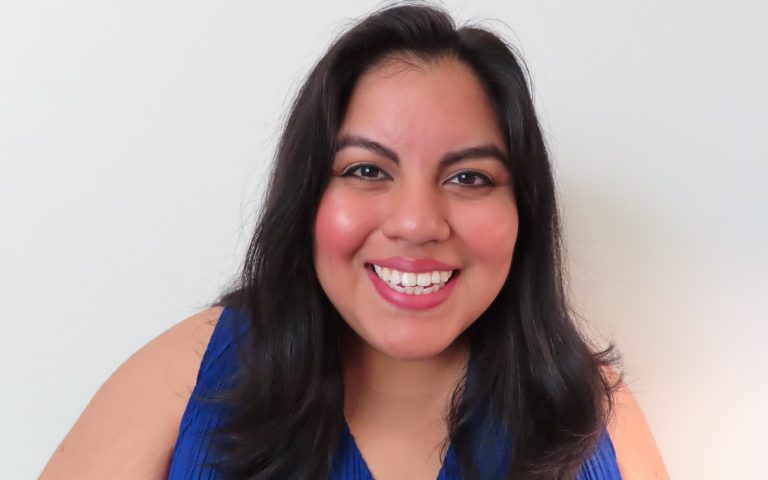
My name is Jennifer van Alstyne. I am a Latina woman. I’m an immigrant. I’m the owner of The Academic Designer LLC.
I’m also a poet. One of my very 1st interview guests here on The Social Academic asked me how poetry impacted my work today, and I said, “It’s so much like social media.” I told him that I love form and constraint, the kind of rules that help you be more creative. That gives you a box to focus your energy.
Social media is the same way for me. Each platform whether it’s Twitter, LinkedIn, or YouTube which I’ve been experimenting more with recently, has its own rules. Its own constraints. I love that!
In grad school, my research focused on representations of nature in poetry. When I think about it now…Looking back, I dedicated a lot of my time studying the writing of old white men. Don’t get me wrong, I loved my research. It just didn’t help people the way I wanted. I knew I couldn’t make the kind of impact I wanted for professors if I stayed in the academy. Especially as a woman of color.
I feel much more aligned with the work I do in my company, The Academic Designer LLC, helping professors around the world share their research online. As a latina woman, I love that I get to work with professors who are making massive impact in their respective fields. And that I get to work with professors at all types of universities whether you’re at an ivy league school or a community college. I’m not limited to any single campus, which means I get to help you too!
There is one story about grad school I want to share with you. I wanted to share it with you because it’s about an award I got, one that made me feel seen. It’s something I’m so proud of. The award was from the grad student association for my academic department. 6 years ago they got together and organized personalized awards for each grad student in the program.
What was my award you ask?
I got the award for Person You Most Want To Stick Up For You In A Meeting.
I love that. That’s so meaningful to me. My graduate student association saw me as someone who will support you, stand up for you, protect you if I am able. It makes me smile, because that’s how I see myself too.
Being named Person You Most Want To Stick Up For You In A Meeting by my fellow grad students is more meaningful to me than academic and research awards. It matters more to me now than my publications. My peers saw me as someone who will stick up for you. Someone you want to stick up for you.
I feel like that’s what I do for my clients when we work together 1:1. I know we can build an amazing online presence for you together.
Actually, this was a good story to share with you because some of that anxiety when it comes to talking about yourself? I experienced that then too. And it stopped me from saying anything on social media.
I should have posted about my award then, because it made me smile.
But I was too anxious to post about myself all the time on social media. I didn’t want to come across as narcissistic. I didn’t want to make anyone feel bad.
I remember writing a post and then feeling like I had to apologize, and be like “Don’t worry – EVERYONE got an award.” Which was true. Yes.
But what mattered was how much being a Person You Most Want To Stick Up For You In A Meeting mattered to me. How warm it made me feel to be seen. To want my voice in support of yours. I counted the posts I shared that semester that might seem like bragging…I decided to delete my post.
Don’t do that. If you’re in academia, celebrate the things you care about. Share what you’ve worked hard for. Don’t hit delete like I did.
Being open to sharing your accomplishments can be easier than being open about your struggles. Or about the things in your life that aren’t so positive. I’ve definitely dealt with that before.
I was sitting in a farm-to-table Italian restaurant in Cold Spring, New York over Thanksgiving with one of my mom’s best friends Barbara and her husband Peter. We spoke about the death of my mom, when I was 13, and her struggle with prescription pill addiction and bi-polar disorder. It had been almost 15 years since I had seen Barbara and Peter.
In that time, my father had died of pneumonia after a long battle with cancer. I had escaped a physically abusive ex-husband. I found myself a young undergraduate student alone in the world struggling to find a reason to live.
Barbara was totally engrossed as I talked about my life over an endive and pomegranate salad. She had questions about what I went through, about how I survived.
She was so curious without judgment, I even told her a dark secret about my mom, Kitty, her close friend. Kitty adopted me from Peru as an infant, told me, “I never should have adopted you. It was a horrible mistake.” Twice. I was 13 when she died.
Barbara leaned in to talk more, but Peter had a solemn look on his face, now well wrinkled in his 80s. He said, “Let’s change the subject. This is the saddest story I’ve ever heard.”
The saddest story he ever heard.
He actually repeated it because Barbara asked, “What?” in surprise. The saddest story he ever heard.
That was a whole new level of seen for me. I’ve heard sadder stories than mine, now. I mean it’s never a competition. But I did often feel like I was carrying around a heavy tapestry of sad. This weight I got used to, that’s become a part of me.
I’m grateful for the therapy that got me to a place where I can talk openly about my past, without overwhelm.
But I don’t want to overwhelm anyone else. It’s probably why I’ve given you a whole lot of sad in just a few sentences. When people ask me why don’t I talk about my past, I often say because it’s too sad. I don’t want to upset people. And that has kept me from opening up with the people I care about.
Yes, there was anxiety about what people would think. Fear of judgment. Fear of what you might say about me.
But that doesn’t change that it happened to me. That it’s my life. And I can’t change it. No amount of “not telling you” will make my sad history disappear.
Not telling you relieves my anxiety. But it doesn’t help me, or you.
What I went through helps me help you better. I’ve had fear about being online. Paralyzing fear. I deleted my social media accounts after leaving a physically abusive marriage. The idea of being seen by the person I feared most kept me awake each night. I was scared to sleep. I jumped every time the phone rang. Eventually, I moved on campus where I could feel safer.
As I began to heal, I started to recognize how small I’d let my world get. I missed the friendships and larger network I’d stopped communicating with. Staying off social media altogether was no longer right for me. So I started a new Facebook account and sent out friend requests one at a time. Baby steps.
I kept being surprised when people connected. I looked deeper into my past, reaching out to childhood friends. Having so many people connect in a short timeframe made me feel good about myself because they were real people that I knew.
I started connecting with my professors, visiting writers, or people I met at events. When I presented at my 1st conference in undergrad, I connected with my fellow panelists. I moved past my fear and allowed myself to be more connected with the world.
Now I help professors build deeper connections with people online in ways that impact their research. I help them feel less isolated in the academy.
Telling my story is powerful. It may help you, or others feel seen too. Even if you judge it. Even if you judge me.
I was adopted by people who regretted adopting me.
I am a survivor of domestic violence.
I am an orphan, who had no family.
Except that I did have family. And social media became so important in connecting with them. That’s what I want to share with you next.
Having an online presence has impacted my life in many ways. I’ve been invited to speak, publish, lead workshops. My poetry has been read by more people than I’d ever imagined. My blog The Social Academic has reached you in over 191 countries around the world so far in 2023.
What’s the weirdest thing to happen to me? I was invited to audition for a reality tv show!
But the most impactful thing that has happened to me since taking my social media profiles public was being found.
Both my adoptive parents died before I went to college. It was so easy to fall out of touch with friends when you moved around like I had.
I couldn’t even afford a phone in college. Seriously. I signed up for Google Voice because I felt like I was missing out. Each person who said, “Oh, I would have texted you to meet at the dining hall, I didn’t have your number,” weighed on me.
I often feel like people forget about me. Like if I’m not there talking with you, if we haven’t seen each other in a while, I’ve dropped off the face of the earth. Like I don’t exist to you anymore.
Social media was the easiest solution for me to communicate with my friends. To keep in touch with people so they wouldn’t forget about me. So as a person alone in the world, I could still have connection.
I’m someone who needs to remind myself that “people care more about you than you think.”
It was actually through social media that my birth sister, Patssy reached out to me. I have a sister. One who has been missing me and thinking about me much of her life.
I have lots of siblings: Patssy, Veronica, Andrea, Isabella, and Leonardo.
When my sister Patssy found me, I was scared. I was still in that space of fear, with anxiety about being seen. I remember literally saying, “How did you find me?” And not knowing what to say.
Sometimes Patssy sends me videos on Facebook of her with my nieces. I get to see my little brother Leonardo on Instagram stories. And my sister Andrea and I share a love for singing. I got to hear her perform at a concert at her college in Peru when the video was posted online.
What a gift it was to connect with my family. Imagine if I hadn’t had the strength to build my online presence. Imagine if I hadn’t taken the chance to be public again on social media. My family in Peru might not have found me. The feeling Patssy had, the timing of her search for me. I had moved 11 times across 3 states since I’d been adopted as an infant. But Patssy reached out through social media and found me 27 years later.
Social media has changed my life. I know it can change yours too.
OK so maybe a long lost sister isn’t going to reach out to you from across the world. But more people are going to care about you.
When you’re more open about yourself, you invite people to engage with what you care about too (like your teaching and research).
Having an online presence can help you connect with people around the world. More people care about you and your research than you think.
Help them by having an online presence that invites them to connect with you. When people Google your name, you want them to find a bit about you. Things like your bio, a photo of you. Can they learn about your research? Do you have a website that helps them explore it further?
I’m here to help you with your online presence. I have lots of free resources on The Social Academic blog to help you get started.
I’m here to help you, so don’t hesitate to reach out at [email protected] or on social media @HigherEdPR.
If this episode touched you, send me a direct message. Share The Social Academic on social media with your friends. Getting an email or DM from you just makes my day, so I would absolutely love a message. I’d love to hear from you.
When you’re a professor, you may feel unsure what path to take for your online presence.
Do you need a website? A LinkedIn profile (even when you’re not job searching)? A new bio for your faculty profile? Maybe you’ve been wanting to build your social media skills. But is that where you should start?
Let’s chat on Zoom if a stronger online presence is a goal you in 2024. I’m happy to see how we might work together. Professors, you deserve an online presence you’re confident in.