There is a squeaky old merry-go-round in my neighborhood that my own children play on from time to time. Years of kids riding on it have loosened its joints so it spins more freely and quickly. The last time they played on the merry-go-round, my children learned the important lesson that the closer to the center they sit the more stable and in control they feel.
While being a school leader has always felt like being on a spinning piece of playground equipment, leading since the inauguration of President Donald Trump has made me feel as if I moved from the center to the edges in this merry-go-round metaphor. Immigration raids and attacks on civil liberties have made the work feel blindingly fast.
The school I serve has a large population of immigrant students. Teens who just weeks ago felt like our school was a safe and secure place now carry a new level of concern into our classrooms and hallways. My school has seen a significant drop in attendance since January with parents and guardians citing the desire to keep their children home instead of sending them to school and putting them in harm’s way as ICE raids happen across the city.
Our staff feels the impact of the rhetoric and policy shifts out of Washington as well. They fear for the physical and emotional safety of our students when they leave the school.
For my part, I wonder if my decisions that prioritize equity and inclusion will make me the target of criticism–or worse, an investigation. This year, we have had ongoing professional development opportunities to teach staff how they can better support our queer students and employees. Each time we engage in these discussions, I find myself worrying about the repercussions.
But I am determined that the programs and people in place to support and protect our most vulnerable students will not go away. Rather, they will be reinforced. My role as a school leader is to create an environment so safe and accepting that students and staff never feel like they must look over their shoulder while they are at school. We want them to breathe easily knowing that, at least during the school day, they can be seen, safe, and successful.
To be sure, this job has always been a juggle, which includes instructional leadership, behavioral support, budgeting, staffing, and–in my case–fighting the stigma of historically being identified as a low-performing school by the Colorado Department of Education. But the changes out of Washington have taken things to the next level. As I navigate it all, I do my best to be energetic, optimistic, and reliable. Each day is an exercise in finding joy in my interactions with students and staff.
I find joy in seeing students cheer on their peers at basketball games. I find joy in watching a teacher sit with a student until they grasp a challenging concept. I find joy when I see staff members step in to teach a class for a colleague who is sick or just needs a break. I find joy and hope in my daily interactions with students and staff; they are the core of my work and are the bravest people I have worked with in my career.
When I push my children on the merry-go-round, I tell them to get to the center because the spinning seems to slow down and the noise decreases. This is the same advice I would give to school leaders right now. Get right to the center of your work by being with students and staff as much as possible. Even at the center, the spinning does not stop. The raids, political attacks, and fear tactics do not decrease, but the challenge of facing them becomes a little more manageable. While every force out there may be pushing leaders away from the center of their work, prioritizing that values-based work reminds us exactly why we do what we do.
Chalkbeat is a nonprofit news site covering educational change in public schools.
Dr. Chris DeRemer is the principal of Manual High School in Denver. He has been teaching and leading schools in the Denver metro area for the past 15 years. When he is not working in or thinking about schools, he can be found running or playing outside with his wife and three kids.
Latest posts by eSchool Media Contributors (see all)
As artificial intelligence (AI) continues to reshape the educational landscape, teachers have a unique opportunity to model how to use it responsibly, creatively, and strategically.
Rather than viewing AI as a threat or distraction, we can reframe it as a tool for empowerment and efficiency–one that allows us to meet student needs in more personalized, inclusive, and imaginative ways. Whether you’re an AI beginner or already experimenting with generative tools, here are five ways to infuse AI into your classroom this school year:
1. Co-plan lessons with an AI assistant
AI platforms like ChatGPT, Eduaide.ai, and MagicSchool.ai can generate lesson frameworks aligned to standards, differentiate tasks for diverse learners, and offer fresh ideas for student engagement. Teachers can even co-create activities with students by prompting AI together in real time.
Try this: Ask your AI assistant to create a standards-aligned lesson that includes a formative check and a scaffold for ELLs–then adjust to your style and class needs.
2. Personalize feedback without the time drain
AI can streamline your feedback process by suggesting draft comments on student work based on rubrics you provide. This is particularly helpful for writing-intensive courses or project-based learning.
Ethical reminder: Always review and personalize AI-generated feedback to maintain professional judgment and student trust.
3. Support multilingual learners in real time
AI tools like Google Translate, Microsoft Immersive Reader, and Read&Write can help bridge language gaps by offering simplified texts, translated materials, and visual vocabulary support.
Even better: Teach students to use these tools independently to foster agency and access.
4. Teach AI literacy as a 21st-century skill
Students are already using AI–let’s teach them to use it well. Dedicate time to discuss how AI works, how to prompt effectively, and how to critically evaluate its outputs for bias, credibility, and accuracy.
Try this mini-lesson: “3 Prompts, 3 Results.” Have students input the same research question into three AI tools and compare the results for depth, accuracy, and tone.
5. Automate the tedious–refocus on relationships
From generating rubrics and newsletters to drafting permission slips and analyzing formative assessment data, AI can reduce the clerical load. This frees up your most valuable resource: time.
Pro tip: Use AI to pre-write behavior plans, follow-up emails, or even lesson exit ticket summaries.
The future of AI
AI won’t replace teachers–but teachers who learn how to use AI thoughtfully may find themselves with more energy, better tools, and deeper student engagement than ever before. As the school year begins, let’s lead by example and embrace AI not as a shortcut, but as a catalyst for growth.
Timothy Montalvo, Iona University
Timothy Montalvo is an educator passionate about leveraging technology to enhance student learning outcomes. With over a decade of experience in social studies education, he is dedicated to preparing students for active citizenship in the digital age. He currently serves as a Middle School Assistant Principal in Westchester, NY and an adjunct professor of education at Iona University in New York. He can be reached on Twitter/X @MrMontalvoEDU.
Latest posts by eSchool Media Contributors (see all)
The departure and replacement of school principals represents one of the most significant organizational changes within educational institutions, creating ripple effects that permeate every aspect of school operations. This phenomenon, increasingly prevalent in contemporary education systems, deserves thorough examination for its profound impact on institutional effectiveness, academic achievement, and organizational stability.
When a principal exits an educational institution, the immediate effects reverberate throughout the entire school system. The administrative vacuum extends far beyond mere personnel changes, as new principals invariably bring distinct leadership philosophies, strategic priorities, and management approaches that can fundamentally reshape the school’s operational framework. Current research in educational leadership suggests that schools typically require between three to five years to fully stabilize following leadership transitions, indicating that frequent turnover can trap institutions in continuous cycles of adjustment and reorganization.
The principal’s role transcends traditional administrative leadership, functioning as the cultural architect of the school community. During leadership transitions, the delicate fabric of established relationships between administration, faculty, and staff enters a period of uncertainty and realignment. The school’s cultural identity, carefully constructed through years of shared experiences and mutual understanding, often undergoes substantial transformation as new leadership implements alternative approaches to community building and professional collaboration. This cultural shift can significantly impact teacher motivation, student engagement, and overall school climate.
Academic program integrity and student achievement metrics frequently experience fluctuations during principal transitions. New leaders typically introduce fresh perspectives on curriculum implementation, instructional methodologies, and resource allocation strategies. While innovation and new approaches can catalyze positive change, frequent shifts in academic direction may disrupt educational continuity and student progress. Empirical studies have consistently demonstrated that schools experiencing frequent principal turnover often exhibit temporary declines in student achievement metrics, with particularly pronounced effects in high-poverty areas where stability serves as a crucial factor for student success.
The impact extends deep into stakeholder relationships and community partnerships. Parents, community organizations, and local partners must adapt to new leadership styles, communication protocols, and institutional priorities. The critical process of building and maintaining trust, essential for effective school-community partnerships, frequently requires renewal with each leadership change. This cyclical process can affect various aspects of school operations, from volunteer program effectiveness to community support for school initiatives and funding proposals.
Professional development trajectories and staff retention patterns often undergo significant changes during principal transitions. Different leaders may emphasize various areas of professional growth or implement modified evaluation systems, directly affecting teacher satisfaction and career advancement opportunities. Research indicates a strong correlation between principal turnover and increased teacher attrition rates, creating compound effects on institutional stability and educational continuity. This relationship suggests that leadership stability plays a crucial role in maintaining a consistent and experienced teaching staff.
The challenges of strategic planning become particularly acute in environments characterized by frequent leadership changes. Multi-year improvement initiatives risk interruption or abandonment as new principals implement different priorities and approaches. This instability can affect various aspects of school development, from technology integration plans to curriculum development initiatives, potentially compromising the institution’s ability to achieve long-term educational objectives and maintain consistent progress toward established goals.
Educational institutions can implement various strategies to minimize the negative impacts of principal turnover, including developing comprehensive transition protocols, maintaining detailed documentation of ongoing initiatives, creating strong distributed leadership teams, establishing clear communication channels during transitions, and building robust institutional memory through systematic record-keeping. These mitigation strategies prove essential for maintaining organizational stability and educational effectiveness during periods of leadership change.
The implications of principal turnover extend throughout the educational ecosystem, influencing everything from daily operations to long-term strategic initiatives. Understanding these complex dynamics becomes increasingly crucial for educational stakeholders, policymakers, and administrators in developing effective strategies to maintain institutional stability and educational quality during leadership transitions. As educational institutions continue to evolve in response to changing societal needs and expectations, the ability to manage leadership transitions effectively becomes paramount for ensuring consistent, high-quality education for all students.
This comprehensive analysis of principal turnover effects provides valuable insights for educational professionals, administrators, and policymakers working to create more stable and effective learning environments. The ongoing challenge lies in balancing the potential benefits of new leadership perspectives with the fundamental need for institutional stability and continuous educational improvement, all while maintaining focus on the ultimate goal: providing optimal learning opportunities for students in an ever-changing educational landscape.
Dr. Jason Richardson, Garden City Elementary School & the International University of the Caribbean
Dr. Jason Richardson is a Teacher Leader at the Garden City Elementary School in Savannah, Georgia and a Professor of Graduate Studies at the International University of the Caribbean (Jamaica). He holds a Diploma in Principalship from the National Leadership College of Jamaica, Bachelor of Education from the International University of the Caribbean, Master of Science in Counseling and Consulting Psychology from the International University of the Caribbean, Educational Specialist Degree and a Doctor of Education Degree in Leadership and Management from the William Howard Taft University.
Latest posts by eSchool Media Contributors (see all)
When I became principal of Grant Elementary a decade ago, I stepped into a school community that needed to come together. Family involvement was low, staff morale was uneven, and trust between school and home had to be rebuilt from the ground up.
Early on, I realized the path forward couldn’t start and end in the classroom. We needed to look outward to families. Our goal wasn’t just to inform them. We needed to engage them consistently, with care and transparency.
That meant changing how we communicated.
A shift toward authentic partnership
We made a schoolwide commitment to open up communication. That included using a digital platform to help our team connect with families more frequently, clearly, and consistently.
With our platform, we could share classroom moments, highlight student growth, reinforce positive behavior, and build relationships, not just exchange information. Importantly, it also supported two-way communication, which was key to creating real partnership.
The impact was visible right away. Families felt more connected. Teachers felt more supported. And students were proud to share their progress in ways that resonated beyond school walls.
That foundation has become central to how we approach culture-building today.
5 ways better communication deepened engagement
A decade later, we’ve learned a lot about what it takes to build a strong school-home connection. Here are five strategies we’ve used to increase trust and engagement with our families:
1. Strengthen student-teacher relationships Real communication depends on a two-way dialogue, not one-way blasts. It’s about building relationships. During the pandemic, for example, students submitted photos of artwork, short reflections, or voice notes through the platform we use. Even in isolation, they could stay connected to teachers and classmates and feel seen. That continuity gave them a sense of belonging when they needed it most.
2. Reinforce positive behavior in real time Our school uses a digital point system tied to schoolwide expectations. Students can earn points and use them at our “Dojo Store,” a reward system named by our students themselves. From spirit week participation to classroom challenges, this approach helps students stay motivated while reinforcing a culture of positivity and pride.
3. Build trust through direct, personal updates Many of our families speak different home languages or come from diverse cultural backgrounds, so building trust is something we focus on every day. One of the most impactful ways we’ve done that is by using ClassDojo, which is both direct and secure, while feeling personal–not formal or distant. When families receive messages in a language they understand, and know they’re coming straight from our school team, it helps them feel connected, informed, and valued.
4. Share classroom stories, not just grades One of the most powerful changes we made was giving families a window into classroom life. Teachers regularly post photos, lesson highlights, and messages recognizing growth, not just achievement. Kids go home excited to show what was shared. And even those parents who can’t attend in-person events still feel part of the learning experience.
5. Keep communication simple and accessible Ease of use matters. Even staff members hesitant about technology embraced our system once they saw how it strengthened connections. It became part of our school’s rhythm, like a digital bulletin board, messaging app, and family newsletter all in one. And because everything lives in one place, families aren’t scrambling to find information.
What we gained
This shift didn’t require an overhaul. We didn’t start from scratch or invest in a complex system. We just chose one easy-to-use platform families already loved, committed to using it consistently, and focused on relationships first.
Today, that platform is still part of our daily practice. But the tool was never the end goal–we were trying to build connections.
What we’ve gained is a more unified school community. We’ve seen more proactive family involvement, stronger student ownership, and a deeper sense of belonging across our campus.
Families are informed. Teachers are supported. Students are celebrated.
Looking ahead
As we continue to evolve, we’ve learned that consistent, authentic communication isn’t a “nice to have.” It’s a foundational part of any school culture built on trust.
If you’re leading a school or district and looking to increase family engagement, my biggest advice is this: Pick an accessible platform families are already familiar with and enjoy using. Use it consistently. And let families in–not just when it’s required, but when it matters.
That’s where trust begins.
Farnaz Heydari, Grant Elementary School
Farnaz Heydari is principal of Grant Elementary School in the West Contra Costa Unified School District in Richmond, CA.
Latest posts by eSchool Media Contributors (see all)
I knew taking a central office role meant trading the school building for a district badge. I knew the days would be filled with policy, meetings, and personnel issues. What I didn’t know was how much I would miss morning announcements, front office chatter, and the small but sacred chaos of classroom life.
When I accepted my central office role at Knox County Schools nearly three years ago, I heard words of congratulations and encouragement, and a lot of “You’ll be great at this.” What I didn’t hear was, “You’re going to miss the cafeteria noise” or “You’ll feel phantom pain for your walkie and reach for it like it’s still there.” No one warned me I’d find myself lingering too long during school visits, trying to feel like I still belong.
What I lost wasn’t just proximity; it was identity.
As a principal, I was part of everything. Students shouted greetings across the parking lot. Parents stopped me in the grocery store to ask about bus routes or share weekend news. Teachers popped into my office with questions or just to drop off a piece of cake from the lounge. I wasn’t above the work. I was in it. I was woven into the messy, beautiful rhythm of a school day.
Shifting to the central office changed not just the pace of my day, but the feel of the work. The space was quieter, the communication more deliberate. There are no morning announcements. No car rider line and morning high-fives from kids. No spontaneous TikTok dances during class change. I moved from the rhythm of a living, breathing school to a place where school leadership feels more technical, more filtered, and more removed.
The relationships changed, too. As a principal, you’re not just part of a team; you’re a part of a family. You laugh together, carry each other’s burdens, and share both the stress and the wins. Move into a district role, and you’re now “from downtown,” even if your heart still lives on campus. You walk into buildings with a badge that means something different, and the conversations shift just enough for you to notice.
None of this means the central office work doesn’t matter. It does. Or that I don’t love it. I do. Central office work gives me a systems-level view of how our schools function. I find purpose in improving not just individual outcomes, but the structures that guide them.
Still, the change in relational gravity caught me off guard. And once the initial disorientation passed, it left me with a deeper concern: How will I stay connected to how the work is actually experienced and carried out in schools if I’m no longer living in it each day?
At first, I told myself it was just a learning curve, that it would pass, that I’d find new rhythms soon enough. And I did — but not before realizing that central office leadership requires a different kind of muscle. One I hadn’t needed before.
As a principal, I lived in fast feedback loops. I saw the effects of my decisions by lunchtime. I knew which teachers were having a hard week, which student needed extra eyes, which parent was about to call. Even hard conversations came with a certain clarity because I was close to the context and knew the culture I wanted to build.
At the district level, the impact is broader but harder to track. The wins take longer to see. The feedback is quieter.
I had to become more intentional about noticing what I could no longer see. That meant listening differently during school visits, paying closer attention to what leaders were navigating, and asking better questions. Not just about what was happening, but what it was costing them to make it happen.
One of the advantages of working at a systems level is being able to recognize patterns across multiple settings. They can reveal root causes that individual concerns might never expose. That clarity opens the door to more aligned, lasting support.
I began thinking less about whether expectations were clear and more about whether they were sustainable. My role was not to direct the work but to support the people carrying it out.
These changes didn’t come naturally. They came because I didn’t want to become a leader who made good decisions in theory but stayed out of touch in practice. I didn’t want to lead by spreadsheet, even though color-coded tabs bring me great joy. I wanted to lead by understanding.
Eventually, I began to see that even though I was no longer in the thick of the school day, I could still choose to stay connected — to show up, to ask real questions, to build trust not just through policy, but through presence.
The classroom educators and school leaders I supported didn’t need someone who had knowledge of what it was like to be a teacher or principal. They needed someone who remembered what it felt like to be one. Someone who hadn’t forgotten the rush of the morning bell or the weight of a tough parent meeting or the impossible feeling of juggling school culture, teacher evaluations, instructional priorities, and a leaky roof all before noon.
I think back often to my first year in central office. The silence. The absence of bells and kids and chaos. The invisible weight of missing something no one warned me I would lose. I remember walking through a school one afternoon and instinctively reaching for my walkie talkie. It wasn’t there. Of course it wasn’t there. But the reflex reminded me of something important: I still wanted to be tuned in.
Leadership doesn’t have to grow lonelier as it grows broader. But staying connected takes intention. It takes habits, not just memories.
I didn’t expect to grieve. But I’m grateful I did. Because grief has a way of reminding you what still deserves your presence.
Chalkbeat is a nonprofit news site covering educational change in public schools.
Dr. Meagan Booth is a former high school principal and current human resources supervisor for Knox County Schools. Her work focuses on how school systems can better support educators through the lens of retention, culture, and generational dynamics.
Latest posts by eSchool Media Contributors (see all)
The anticipation of a new school year brings a complex mix of emotions for both students and teachers in K-12 education. As the 2025-2026 academic year approaches, experiencing anxiety about returning to the classroom is a natural response to change that affects everyone differently.
From elementary students facing new classroom environments to high school teachers preparing for curriculum changes, these feelings manifest uniquely across age groups. Young children often worry about making new friends or adjusting to new teachers, while older students grapple with academic performance pressures and social dynamics. Teachers face their own challenges, including meeting diverse student needs, implementing new edtech tools and digital resources, and maintaining high academic standards while supporting student well-being.
Early identification of anxiety symptoms is crucial for both educator and student success. Young children might express anxiety through behavioral changes, such as becoming more clingy or irritable, while older students might demonstrate procrastination or avoidance of school-related topics. Parents and educators should remain vigilant for signs like changes in sleeping patterns and/or eating habits, unusual irritability, or physical complaints. Schools must establish clear protocols for identifying and addressing anxiety-related concerns, including regular check-ins with students and staff and creating established pathways for accessing additional support when needed.
Building strong support networks within the school community significantly reduces anxiety levels. Schools should foster an environment where students feel comfortable expressing concerns to teachers, counselors, or school psychologists. Regular check-ins, mentor programs, and peer support groups help create a supportive school environment where everyone feels valued and understood. Parent-teacher partnerships are essential for providing consistent support and understanding students’ needs, facilitated through regular communication channels, family engagement events, and resources that help parents support their children’s emotional well-being at home.
Practical preparation serves as a crucial anxiety-reduction strategy. Teachers can minimize stress by organizing classrooms early, preparing initial lesson plans, and establishing routines before students arrive. Students can ease their transition by visiting the school beforehand, meeting teachers when possible, and organizing supplies. Parents contribute by establishing consistent routines at home, including regular sleep schedules and homework times, several weeks before school starts. Schools support this preparation through orientation events, virtual tours, welcome videos, and sharing detailed information about schedules and procedures well in advance.
The importance of physical and emotional well-being cannot be overstated in managing school-related anxiety. Schools should prioritize regular physical activity through structured PE classes, recess, or movement breaks during lessons. Teaching age-appropriate stress-management techniques, such as deep breathing exercises for younger students or mindfulness practices for older ones, provides valuable tools for managing anxiety. Schools should implement comprehensive wellness programs addressing nutrition, sleep hygiene, and emotional regulation, while ensuring ready access to counselors and mental health professionals.
Creating a positive classroom environment proves essential for reducing anxiety levels. Teachers can establish predictable routines, clear expectations, and open communication channels with students and parents. Regular class meetings or discussion times allow students to express concerns and help build community within the classroom. The physical space should consider lighting, noise levels, and seating arrangements that promote comfort and focus. Implementing classroom management strategies that emphasize positive reinforcement and restorative practices rather than punitive measures helps create a safe space where mistakes are viewed as learning opportunities.
Technology integration requires careful consideration to prevent additional anxiety. Schools should provide adequate training and support for new educational technologies, introducing digital tools gradually while ensuring equitable access and understanding. Regular assessment of technology needs and challenges helps schools address barriers to effective use. Training should encompass basic operational skills, digital citizenship, online safety, and responsible social media use. Clear protocols for technology use and troubleshooting ensure that both students and teachers know where to turn for support when technical issues arise.
Professional development for teachers should focus on managing both personal and student anxiety through trauma-informed teaching practices and social-emotional learning techniques. Schools must provide regular opportunities for skill enhancement throughout the year, incorporating both formal training sessions and informal peer learning opportunities. Creating professional learning communities allows teachers to share experiences, strategies, and support, while regular supervision and mentoring provide additional support layers.
Long-term success requires commitment from all stakeholders–including administrators, teachers, support staff, students, and families–working together to create a supportive educational environment where everyone can thrive in the upcoming 2025-2026 school year.
Dr. Jason Richardson, Garden City Elementary School & the International University of the Caribbean
Dr. Jason Richardson is a Teacher Leader at the Garden City Elementary School in Savannah, Georgia and a Professor of Graduate Studies at the International University of the Caribbean (Jamaica). He holds a Diploma in Principalship from the National Leadership College of Jamaica, Bachelor of Education from the International University of the Caribbean, Master of Science in Counseling and Consulting Psychology from the International University of the Caribbean, Educational Specialist Degree and a Doctor of Education Degree in Leadership and Management from the William Howard Taft University.
Latest posts by eSchool Media Contributors (see all)
Two years ago, I bought each of the teachers at Hamilton Elementary in San Diego’s City Heights neighborhood a blue chair. I told them to put it in the back of their classrooms, and that if a parent or caregiver wanted to visit to see how their children are learning — no matter what the reason — that this would be a dedicated space for them.
I may have earned some exaggerated eye-rolls from educators that day. After all, I can appreciate the disruption to learning that classroom visitors can sometimes cause, especially among excitable elementary schoolers.
But school is our home, and it is our responsibility to invite families into our home and welcome them. And this was a necessary olive branch, my way of saying to families: “From here on out, things are going to be different.”
And they were. They also can be different at other schools, because the benefits of family engagement go well beyond student achievement.
Research has long shown that when parents and caregivers are involved and engaged with their children’s education — whether that’s by attending parent-teacher conferences or participating in school events — student achievement, motivation and social-emotional well-being increase.
Parent involvement with reading activities has a positive impact on reading achievement, language comprehension, expressive language skills and level of attention in the classroom, according to the National Literacy Trust.
Research also shows that educators enjoy increased job satisfaction and are more likely to keep teaching at the school, families enjoy stronger relationships with their children and feel less isolated, and even school districts themselves become better places to live and raise children.
None of this was the case when we returned to normalcy following Covid. Just 13 percent of students were reading on grade level, and 37 percent were chronically absent. I knew right away that before we even attempted to tackle academics, we needed to engage families and make them feel deeply connected and committed to the community I envisioned building here.
Today, 45 percent of students are reading at grade-level, and chronic absenteeism, at 12 percent on the most recent official numbers, is down to 10 percent in our own tracking, with a goal of pushing it down to 8 percent in 2025-26.
But it wasn’t easy given the distrust that had boiled over during the pandemic, with families skeptical of our ability to effectively support their children and school staff feeling defensive and exhausted.
It was clear to me that families weren’t excited to send their kids to school, didn’t feel informed about what was happening on our campus and, moreover, didn’t feel comfortable — let alone capable — of communicating their needs to us.
Complicating matters further was the need to share information across many languages other than English, which can make relationship-building and communicating expectations difficult.
Roughly half of our students are English learners, and while the majority of their families are Spanish-speakers, there are growing populations of students whose first languages are Haitian-Creole, Pashto and Vietnamese.
The first thing I did was establish open communication with parents using ClassDojo, a mobile app that gives families an easy, intuitive central access point to our teachers and staff, automatically translates all messages into parents’ native languages and allows us to share stories about what is happening in school.
It became an easy way to build trust and collaboration between families and staff.
Creating that type of visibility was key to breaking down walls between us. And in those early days, we didn’t post about literacy, math or anything related to academics. Instead, we focused solely on attendance and getting families to come inside the school as much as possible.
We focused on relationship-building activities and joyful learning. We hosted after-school art classes and monthly family Fridays, when families could come to school to engage in a fun activity.
We organized a Halloween costume drive with candy and fun games for kids; we hosted a Read Across America event where we passed out Play-Doh; and we organized other low-stakes events at school, rooted in building a partnership between home and school.
Again, our goal wasn’t learning during these meet-ups. It was all in service of building trust and creating meaningful relationships with students and their families.
Once we had the foundation in place, we added a focus on academics — though we rooted that learning in family engagement, too. For example, our schoolwide focus last year was phonics, so we sent activities home for families to complete with their children that were tied specifically to concepts the students needed reinforced, based on their individual assessments, like long vowel patterns and sight words.
These activities were taught by the students and their teachers to family members during conferences.
Beyond helping students, the exercise challenged a false narrative so many families had assumed — that they either didn’t know enough about what was happening in school to help, weren’t confident enough to help or didn’t have enough time.
Today, the atmosphere at Hamilton feels radically different than when I first walked through the doors. When we first started hosting Family Fridays, about 10 family members and their children showed up.
Now, we have roughly 200 caregivers at every meet-up. Families run most of the community-based initiatives at the school — from a boutique where families can shop among donated clothes twice a month, to a food distribution center, to a book club, English classes and a monthly meet-up where families can socialize.
When district leaders visit, they’re always impressed by the participation. I tell them, if you care about family engagement, it has to be so deeply embedded into the system that people don’t have a choice but to do it.
That’s why I’m constantly thinking about how to center family engagement in staff meetings, in attendance meetings, in literacy and math plans, in behavioral and counseling plans and in meetings about school procedures and budgets.
It’s a strategy that not only involves families but also supports academic achievement and student well-being. For me, family engagement is the ultimate strategy for academics.
Sometimes in the K-12 world we keep outreach and academics separate, but in reality, engagement is the key that unlocks our ability to hit academic goals and create a joyful school community.
The Hechinger Report provides in-depth, fact-based, unbiased reporting on education that is free to all readers. But that doesn’t mean it’s free to produce. Our work keeps educators and the public informed about pressing issues at schools and on campuses throughout the country. We tell the whole story, even when the details are inconvenient. Help us keep doing that.
What should go on my research lab website? Hi everyone! My name is Jennifer van Alstyne. Welcome to The Social Academic, my blog/podcast about managing your online presence in academia.
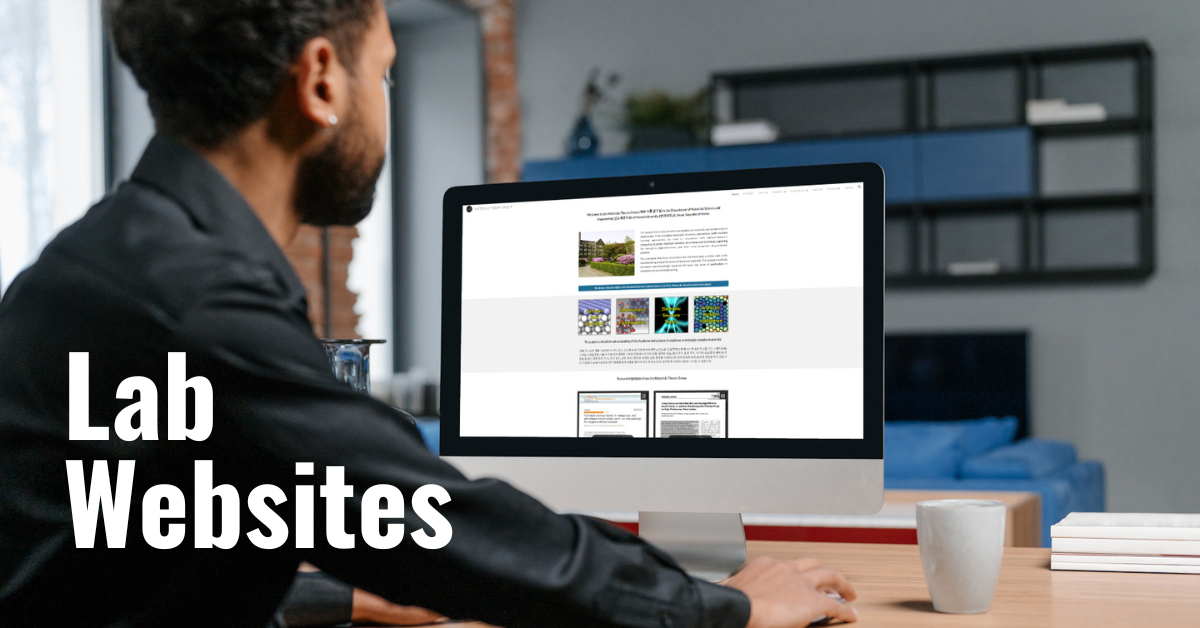
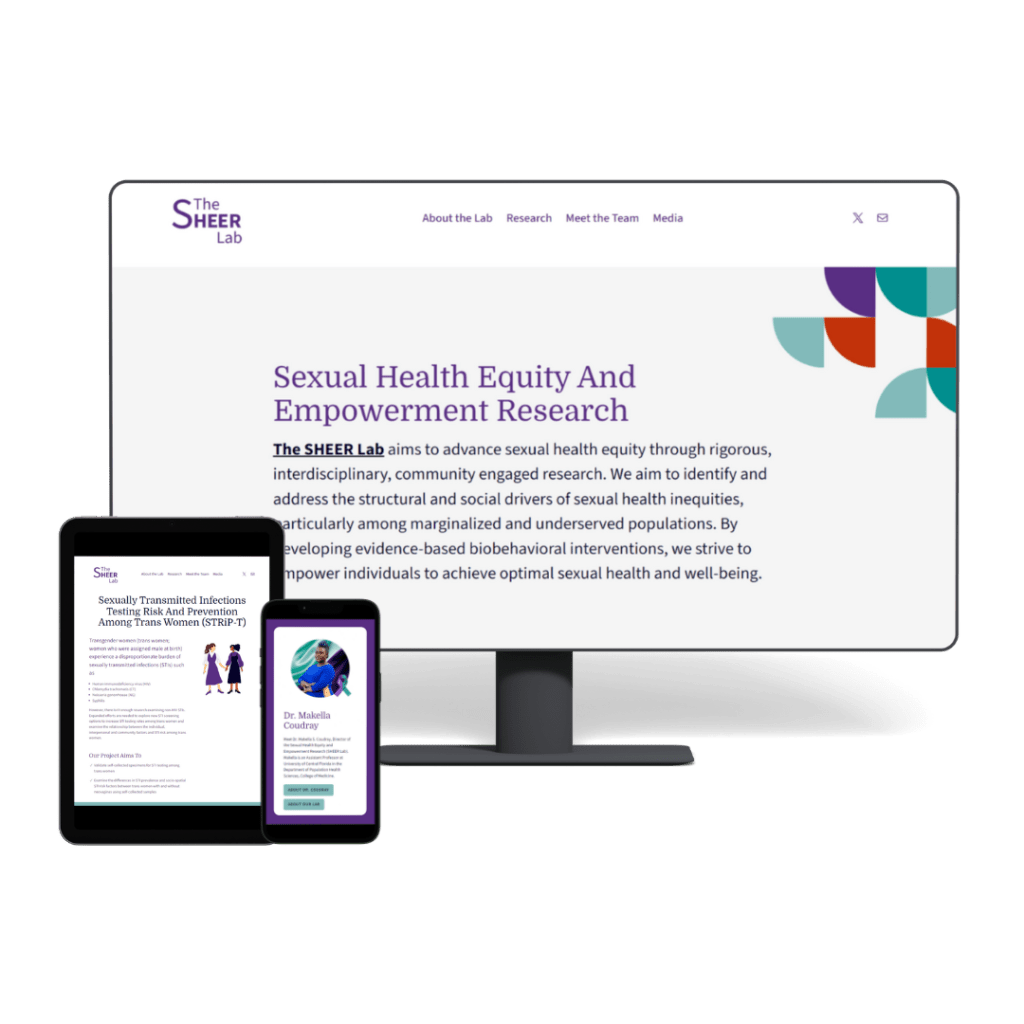
Today I want to talk about what is a research lab website? And, why should I have one?
This is a question that I’m asked often. Now that I’ve been doing this for 6 years, I have some new perspectives I’d like to share with you. So the 1st thing you need to know is that a research lab website is kind of a lot of work, and if you’re not willing to listen to this idea that it’s a lot of work, you probably aren’t going to be able to enjoy the benefits, and I promise you that the hard work is worth it.
The conversation today is going to be about structure, like what goes on a website. We’re going to talk about whether you need help, whether you want to hire professional support to make your website happen and what you need to consider before you actually take that step. We’ll get into all of the details.
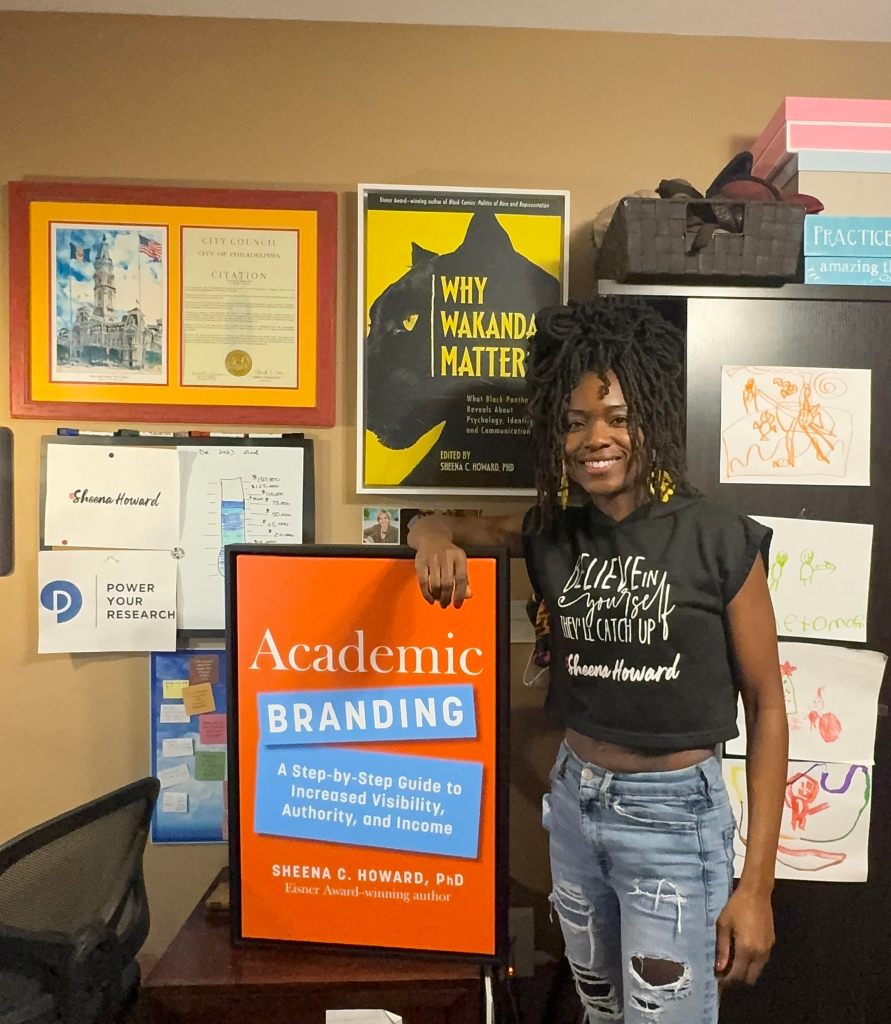
Before we get into your research lab website, I want to give a shout out to my friend Dr. Sheena Howard, whose new book Academic Branding: A Step-by-Step Guide to Increased Visibility, Authority, and Income for Academics is out February 27, 2024.
Let’s talk about the structure of a research lab website. There are so many more pages that you could have on your website than people might expect, so I’m going to go through some ideas today and you can use whatever you find helpful and just not create pages for anything that you don’t.
Everyone needs a Homepage, a main landing page for your research lab website. That’s going to be the only page if you have a one page website, but a lot of people want more.
They want to be able to highlight the people who are involved in their lab, like their team. So you can have a Team page.
You could also have a page that really specifically focuses on your Research Impact and the people who your research is most trying to help: that end user that you’re trying to reach.
Definitely include a page for Publications. Your lab probably has a number of publications that come out every year, and while the individuals who work on those publications, it would be great for them to share them online. Having a research lab share those publications in one place makes it easy for anyone who cares deeply about the research that you’re doing. And helps people, find collaborators.
I love having a News page for research labs because it shows people all of the new things that you have going on, any events, conferences, meetings. This is a great place to curate that for people who are curious.
Speaking Engagements is a page that a lot of research labs don’t think about, to be honest. It’s not a common page on research lab websites, but it’s highly recommended. The people who are in your lab are going out and presenting research. They’re going to conferences. They’re spending money on that travel, whether it’s funded through the lab or self-funded beyond whatever professional development budget there is for that year. I want to make sure that if you have a research lab and the people who are in it are going out and presenting work that they’re doing associated with the lab, that people can still engage and come back and learn about the rest of the research that you’re doing through that Speaking Engagements page. Even though it’s not a common page, I do recommend it.
I love when research labs have a Photo Gallery, something that shows when you get together. Maybe it is just at the annual meeting, but that kind of personal touch makes such a difference for researchers. For students who are considering joining your lab and joining that particular research subject, knowing how personal it is can make a big difference. People are looking to understand the lab culture that you create as a P.I., and I want to make sure that they can see that through different visuals on your website whether you have a Photo Gallery page or just visuals on other pages of the website.
I highly recommend that the P.I., the principal investigator of the lab, has their own page, something that includes a bio, a photo, how people can get in touch with them, and the research topics that they care most about.
If you have a personal academic website that is separate from this page, your research lab should still have this page even if you have your own website. That’s because people really want to understand why you do the work that you do, what kind of impact that you hope to create in the world, and the values that you care about. If you can share that in your bio on your website, it makes a massive difference. Each co-P.I. should get their own page. So if there are multiple P.I.s in your lab, make sure that each person has their own page with their bio, headshot, and any links like contact information that they should have.
Some people really consider whether they want a Team page that has a bunch of bios on it or photos on it. Some people actually like to create an individual Bios pages for each member of their lab, more like a faculty profile. This is more work, but it can really help create an online presence for people who might not have one otherwise. And it’s a wonderful way to highlight staff and other supporters in your lab who may be there more permanently.
I want to make sure that you know that you can have a Team page with a number of bios on it, but each person could also have their own page if you’d find it helpful. This is particularly helpful if you are at a research center or have a larger group with multiple teams of researchers or multiple teams of P.I.s. The more people there are in a research lab, the better it is to have that information out there so people can better understand the person that they’re most closely collaborating with.
Anywhere on the website is a great place to have contact information, whether you’re on an individual bio for someone or on the homepage of the website. You want to make sure that that contact information is easy to find. Some people like having a form on their website, but I found that forms don’t always function correctly across different devices. Sometimes in different areas of the world. Having an email address at minimum is super helpful. Where you include that contact information? Definitely include it on the homepage. Include contact information on any bios. I like to have a contact button or a contact space in the upper menu in the heading. Even having contact information in the site footer. Basically, if you want people to be able to contact your lab, get in touch with you, if you want media to be interested in your research and be able to actually reach out to talk about it, having that contact information easy to find is super important.
Another question you want to consider is, do you want an email list? A lot of labs already have some kind of internal email list of members of the lab, people that they’re already communicating with. Would you like people to be able to subscribe to a larger email list or maybe a newsletter that you’re planning on having? That’s something to consider when you have a website because there are legal permissions and requirements that are involved when making that decision.
You want to make sure that you think about that when you’re starting that website project. So if you work with a developer, they know to make sure that you have all of the permissions correct. Basically, you want to protect people’s privacy and make sure that they’re legally opting in to receiving email from you. You’re not just sending it without permission.
I always recommend having a Research Funders page somewhere where you can thank the people who are helping fund your research and helping it really make an impact. So if you can have a Research Funders page to thank people? That is wonderful.
You might also consider a Partnerships page, especially if you partner with corporations or organizations.
The next question is with all of these pages in mind…and you don’t need all of these pages! You definitely can start with a 1, 2, or even 3 page website. You can grow it over time. So don’t feel like even though I just listed 15 pages or something that you have to have all of those.
But when you think about the website that you want and dream about for your research lab, or your research group, or your research center, are you like, “Oh yeah, we could do this ourselves! We actually, we have a communications person on staff or at the university who can support this project. I actually think that we can do this in house.”
Well hey, that’s great! Now you have a bunch of page ideas. You can start putting together a document that actually will support that person in making changes to your website.
But if you think about that question, “Can I do this myself?” And your answer is like, “Oh, I don’t think so. I definitely need to hire help with that.”
Let’s talk about what that looks like.
When people ask me questions like, “Can I do this myself?” I often turn that around and say, “Do you want to do this yourself? Is that something you want for yourself? Because the question of can I is of course. I mean you’re a professor, you’re likely a PhD. You can learn this. You can totally learn to build a website and develop those skills if you want to. And now you have a list of website pages that you might consider including on your research lab website. So not only can you develop the skills, you know what to put on the website.”
A question is, do you want to develop those skills? Because a lot of people that I talk to are like, “No, I’m busy doing my research. I’m busy being a mentor and doing these leadership positions on campus. I don’t have time. I don’t have time to develop these skills even if I wanted to.” And to be honest, most people that I talk to, they just don’t want to.
Now, if you want to develop the skills, I promise this is possible. You can create a personal academic website. And if you want a research lab website that doesn’t involve a lot of decision making, you just want to be able to add these pages? I highly recommend Owlstown. It is an academic website builder from my friend Dr. Ian Li. He knows that research labs need websites. He’s created a free service to help you create one yourself. Please know there are options for you if you want to do-it-yourself.
Another question that I typically have for people who come to me and say, “Can I do this myself? Do I need to hire help?” is, “Do you have time to do this?”
Because you might not have the time. You’re already doing a lot. You’re already adding value to the world. You might not have the capacity to build another skillset.
And even though you can create your website yourself, it may not be the best use of your time. You are someone who prioritizes your time very well. That’s why you’re in academia and being successful at it. But that also means knowing when to say no. So if you don’t want to do it yourself, but you want a website, hire help. If you don’t have the time or capacity to do it yourself, but you want a website, hire help. I mean, that is my goal, is to help you get help whether it’s working with me or whether I can direct you to someone else who’s better suited to help you.
“The truth is you either have to invest the time. Or you have to invest the money. To get it done in the best way possible, it often takes both.”
Hiring professional support for your research group website
Let’s talk about how to hire help. Most developers don’t know how to make a research lab website unless you know what you’re looking for, like the pages you want and the content that you want to share on those pages. These are also things that you need to build yourself. If you want to D.I.Y., your research lab website, so know what pages that you want to have and what you’d like to be included on each of those pages. Either way, that’s the step you’re going to need to take.
Actually, that is even a block for people like what to put on your website? You don’t know what goes on the page, what to say. There’s so many things to think about like photos or links or buttons. Sometimes it becomes hard to communicate with a website developer if you’ve not already thought about some of those things in advance.
I highly recommend that you create a Word Doc or any kind of document processor that you use, something that you can share with your website developer. If you already know your bio and you know what you want to link, like publications, now you have a Publications page. If you want to highlight team members and their bios, you got to gather all of that stuff. Put it into a document. That’s some work that you do have to do upfront. But once you have those things, the developer can make you a great website.
You need the vision and hopes for your website before you start talking to the website developer. That’s something that becomes surprising for a lot of people. And I want to tell you this because I’m trying to save you money.
The cost of a website can range wildly depending on the skill level of the developer, what country they’re located in. It can range from about $1,500 USD to over $65,000. A P.I. reached out to me at the end of 2023 who had been given a quote by a website design agency for their research lab website of $65,000. This is a huge range for professional websites that are specific like a research lab, research group, research center, or other grant-funded initiative.
But if you don’t know what you want on the website, the quote that a developer gives you is not going to be specific to your needs. They’re going to quote you what they think you need. Having things prepared in terms of what you want to be on your website in advance will result in a more accurate quote.
Your website will be launched quicker and you’ll be celebrating your new website. That’s what I want for you.
Doing this work, thinking about this, being a little introspective about what you want on your website upfront? Really helps set expectations for you and the website developer or designer on this project. I want to avoid any miscommunication. Having that information upfront will help you both know what to expect.
How a lab website can be life-changing for researchers
Okay, so what are the benefits now that we’ve gone through all the things you can have on your website, and if you need to hire help. Now you’re really like, “Oh, this is kind of tangible now. How is this going to affect my life?”
Well, a research lab website is great. It highlights the research that your lab does. Research can go on your Homepage, News, Research Impact pages. I mean, it shows visitors how they can actually engage with your research. And, with you, as a researcher and a person to potentially collaborate with in the future.
It really helps people invite you for speaking engagements that are really specific to your topic, because I know that there are things you have to say no to, that aren’t going to fit into your schedule.
I want to make sure that when people are reaching out to you, it’s even closer aligned to what you hope for that relationship in the future. Again, not everyone cares about that Speaking Engagements page, but that’s where you’re out talking with people who are in your research field and who already care about it. That’s why they’re coming to the talk. So having that page is something I highly recommend. I hope that maybe this podcast and blog makes an impact on research centers out there. I think that this is a page more people should have.
The impact of the hard work that you do for your research is apparent on each page of your website, but people can’t really explore that in any way now. When you don’t have a website, people are probably engaging with your research when they come across your publication, if they’re searching for it. When they see you on Twitter or LinkedIn, these are all kind of momentary.
Even meeting at a conference, it’s great to see the people that you care about, but you don’t always catch up on all the cool things that they’re doing. There’s just not time. And oftentimes that’s not the main topic of conversation.
When people can explore that in advance before they even come and meet you at the conference? Your lab website gives something for the conversation to be informed by. And it can really prompt new relationships, new collaborations, and help people better refer you or recommend you to the people who care about your research, whether it’s their students, their research funders, or other potential collaborators for you. I think it’s so great when you can highlight your research, media mentions, publications, collaborators, funders, events, speaking engagements. Gosh, there’s so much you can include on a research lab website, and it’s all really exciting.
Your website works for you even when you’re sleeping, even when you’re traveling, or going to conferences and meeting people in person. Your research lab website is a tool. It’s a boost to every in-person interaction that you’ll have in the future.
When people meet you or consider going to your talk, I mean they Google you, they just do, and they look at your research lab and sometimes they decided if they wanted to go to your panel or they want to go to someone else’s. Your website really helps them make that decision. And gets people excited to be in your audience.
People are already searching for you and the change that you want to see in the world. I want your research lab, your research group, or your research center to be more findable. I want your research lab to be the answer to the question that they’re looking for.
You are a part of your research lab website too
A lot of P.I.s are specifically looking for a research lab website, like, “This isn’t about me, it’s about my research or my team.”
I get it. They want ‘to remove the ego’ from their website. But a good research lab website is direct and clear about how you help people, and it actually helps people because it’s clear. And that includes sharing a bit about yourself as the P.I.
Be a little bit more open than you might be comfortable with.
Be proud of the research that your lab does and your team. Your website can proudly stand behind your work for you.
The labs, research centers, and grant funded initiatives that I work with care deeply about their team and their collaborators. They want their people, their staff, postdoctoral researchers, students, and sometimes the people that their research supports to actually inform the plan for their website. It gets everyone excited about the project.
My strategic website planning service starts with in-depth interviews with the principal investigators and members of your team. It’s my favorite part of the process because I get to discover all the amazing things you do. Especially the things that aren’t being communicated with your online presence. I’d love to help you with your research lab, research center, or grant funded initiative website.
I’m Jennifer van Alstyne. You can find me on social media @HigherEdPR. Thanks for listening to this episode of The Social Academic podcast. Please share it with a friend or a colleague who might find it helpful.
Subscribe to The Social Academic so you don’t miss the next one.
For more page ideas and tips for your academic lab website, check out this episode of the Beyond Your Science Podcast from my friend Brittany Trinh. I love her tip about updating your website content before recruitment season. Brittany and I love collaborating to create your website for you in as little as a single Team VIP Day.
Get inspired with the award winning lab websites from the 2023 Best Personal Academic Websites Contest which Brittany and I judged along with Dr. Ian Li from free academic website builder, Owlstown.