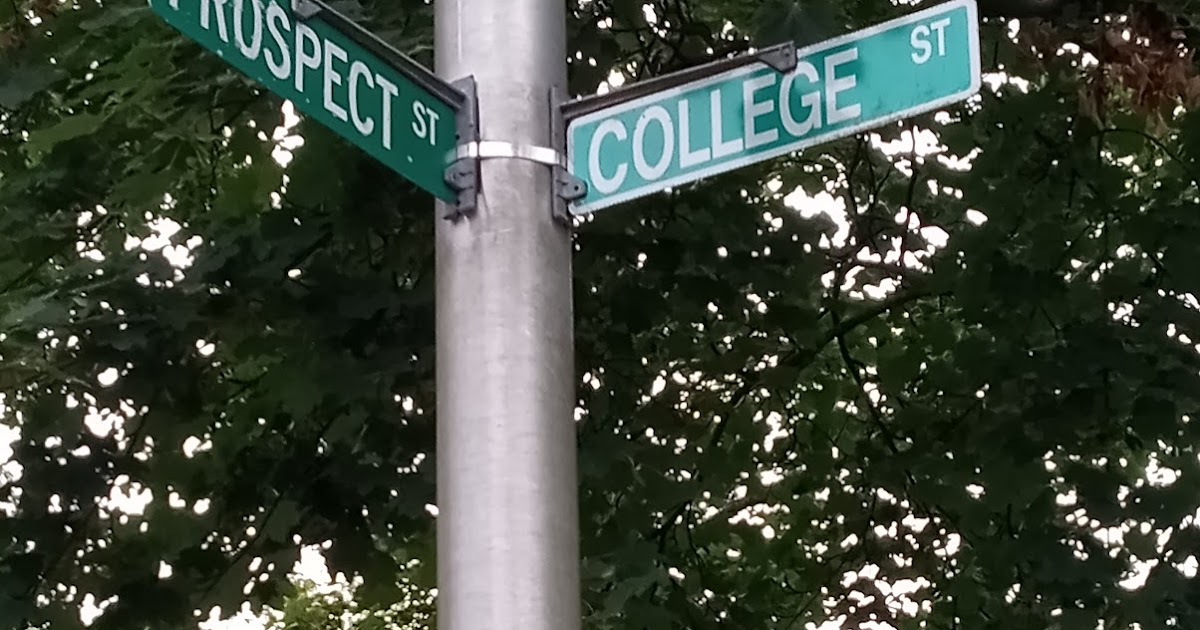
In the old American dreambook, a “college prospect” was a young person with ambition and promise—a student looking for a campus where they could grow intellectually, socially, and economically. But in today’s reality, “prospect” is an industry term, a sales category. In enrollment management suites across the country, prospective students aren’t just applicants; they’re targets.
[Image from Brown University, August 2025)
Higher education—whether elite, public, or for-profit—now runs on sophisticated marketing pipelines. The same predictive analytics used by corporations, political campaigns, and even law enforcement are deployed to track, segment, and convert students into paying customers. Colleges buy and sell student data from standardized test companies, online lead generators, and high school surveys. They follow “prospects” through their clicks, their campus visits, their FAFSA submissions—nudging them toward a deposit with personalized emails, algorithmically timed text messages, and calculated financial aid offers.
This is not about education first. It’s about yield rates, tuition revenue, and net tuition per student. For working-class families, first-generation students, and those from marginalized backgrounds, this targeting can be especially dangerous. The glossy brochures and “student success” slogans conceal the hard realities: inflated tuition, debt burdens that can last decades, and career outcomes far less rosy than advertised.
The for-profit sector perfected this playbook. Schools like Corinthian Colleges, ITT Tech, and the Art Institutes honed high-pressure recruiting scripts, built massive lead databases, and saturated social media feeds with ads promising quick career training and big paydays. When many of these institutions collapsed under federal scrutiny, their tactics didn’t disappear—they spread. Today, public universities and elite private schools use their own version of the same system, dressed up in more respectable branding.
At the top end of the prestige ladder, “targets” have a different profile. Elite schools scout “development prospects”—wealthy families whose applications are accompanied by the potential for multimillion-dollar gifts. The student is both a potential enrollee and a future donor pipeline. Recruitment here is less about financial aid and more about legacy admissions, networking dinners, and quiet tours with the president.
What all this targeting has in common is an imbalance of information. Colleges know almost everything about their prospects—income bands, likely majors, ability to pay—while students and families often have only the marketing copy and a sticker price. In this environment, independent, transparent information is a rare form of defense.
That’s where tools like TuitionFit and the CollegeViability app come in—not as recruitment aids, but as counterintelligence for families.
-
TuitionFit collects and shares real financial aid offers from students across the country. This allows families to see what schools are actually charging students with similar academic and financial profiles—not just the “average” cost schools advertise. By revealing the hidden discounting game, TuitionFit helps families avoid overpaying and resist the psychological pressure of “limited-time offers” from admissions officers.
-
The CollegeViability app compiles public financial data from the U.S. Department of Education and other sources to create an at-a-glance picture of an institution’s fiscal health. It tracks enrollment trends, tuition dependency, debt loads, and other risk factors—warning signs that a college might be on the verge of closing or slashing programs. Families who use it can see trouble coming long before the next headline about a sudden campus shutdown.
These are not small benefits. Every year, thousands of students are lured into institutions that overpromise and underdeliver. Some are blindsided by mid-program closures. Others graduate into underemployment with six figures of debt. Without tools like TuitionFit and CollegeViability, many would walk into these situations blind.
The troubling truth is that higher education’s recruitment machine treats students the same way a corporate sales funnel treats customers—and sometimes the way a military intelligence operation treats enemy assets. Prospects are acquired, qualified, engaged, and converted. They are ranked by “propensity to enroll,” courted by carefully timed contact, and celebrated in quarterly revenue reports.
The people making the targeting decisions rarely bear the costs of a bad outcome. If a student drops out with debt and no degree, it’s a personal tragedy, not a liability on the college’s balance sheet. If a school shutters with no warning, students and their families are left scrambling while administrators move on to new posts elsewhere.
College should be more than a precision-marketed capture. It should be a transparent, good-faith exchange where both sides have access to the same essential facts. Right now, that balance doesn’t exist—and the gap is being exploited.
Families who want to survive the recruitment gauntlet must treat it for what it is: a sales process backed by data analytics, designed to maximize institutional revenue, not student outcomes. That means using every independent resource available, asking hard questions, and refusing to be rushed into decisions.
In the end, the difference between being a college prospect and a college target might be whether you’re armed with real information—or just hope.
Sources:
-
The Century Foundation, College Admissions and the Business of Enrollment Management
-
U.S. Senate HELP Committee, For Profit Higher Education: The Failure to Safeguard the Federal Investment and Ensure Student Success
-
The Hechinger Report, How Colleges Use Big Data to Target Students
-
TuitionFit, About
-
CollegeViability, Institutional Health Indicators