Tag: Recruitment

  • Agent Advisory Groups set to strengthen UK-East Asia recruitment links

    Agent Advisory Groups set to strengthen UK-East Asia recruitment links

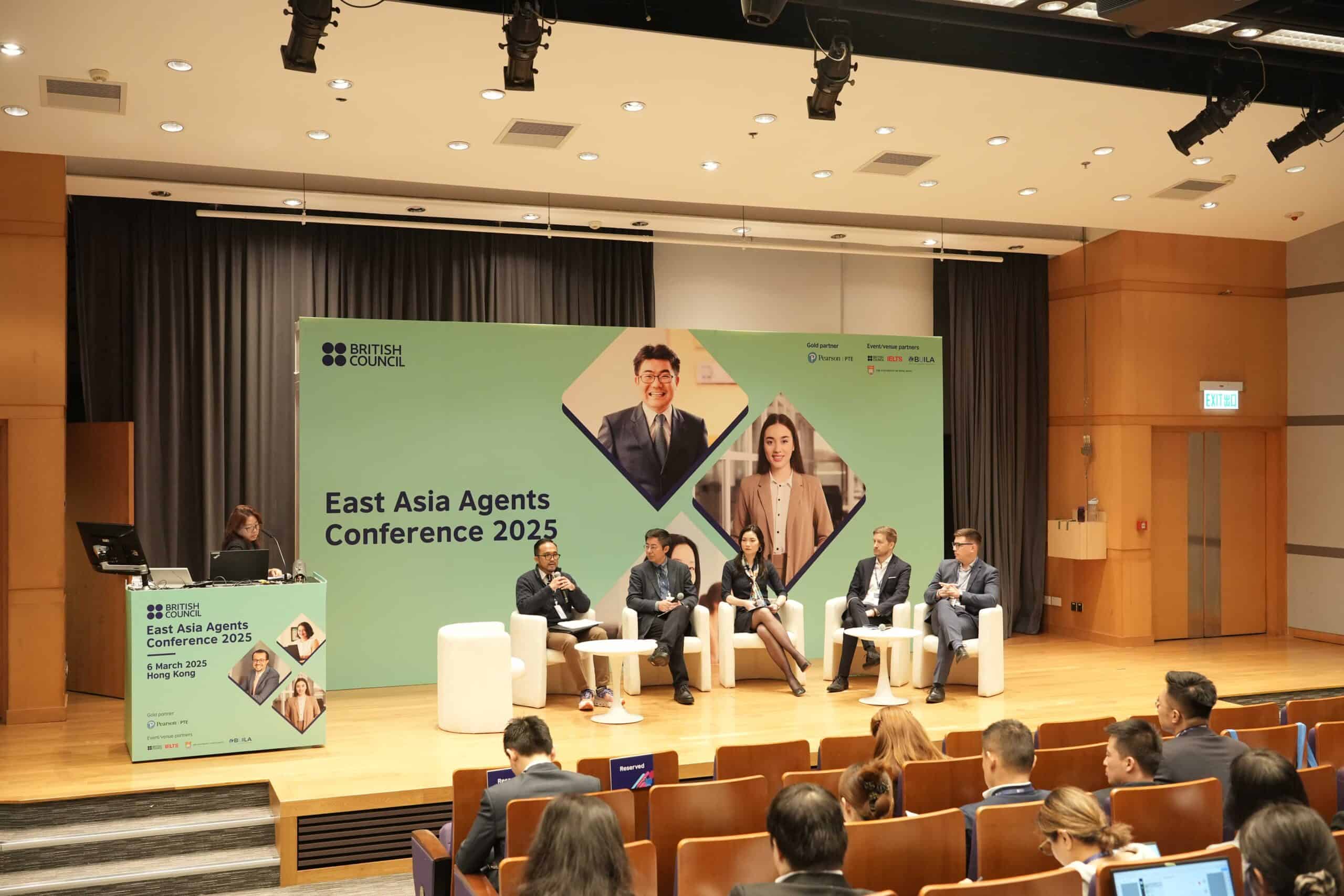
    Addressing the audience at the British Council’s East Asia Education Week 2025, held in Hong Kong, Xiang Weng, visa outreach officer for South China/ West China/ Hong Kong and Macau Visa, British Consulate – General Guangzhou, described a “new concept” which would see agent advisory groups set up to enhance collaboration.

    “One of our colleagues from Vietnam set up what we call our Agent Advisory Groups and tested the concept there. Now, we plan to expand it across the rest of East Asia,” said Weng.

    “By having these advisory groups, UKVI can build a much stronger connection with agents, gain valuable local intelligence, and share insights with our Home Office colleagues. This will help us introduce and improve our visa services across the region.”

    Though UKVI didn’t confirm plans to introduce agent advisory groups in the broader East Asian region to The PIE News, it noted that it continually works with overseas stakeholders, including the British Council, to support prospective students by addressing their questions about the UK visa system.

    Over the years, Vietnam has played a pioneering role in the UK’s efforts to increase transparency among agents in East Asia. 

    By having these advisory groups, the UKVI can build a much stronger connection with agents, gain valuable local intelligence, and share insights with our Home Office colleagues.

    Xiang Weng, British Consulate-General Guangzhou

    Just last year, over 130 education advisers in Vietnam earned the prestigious “I am a UK-certified counsellor” badge, as part of the Agent Quality Framework, showcasing their expertise and deep understanding of the UK as a study destination.

    According to Weng, the concept’s success in Vietnam can be emulated in the broader East Asian region. 

    Though visa approval remains high in East Asia, students still fall victims to common mistakes, she explained.

    “Some students forget to provide a TB (tuberculosis) certificate or evidence of finances which can impact their applications,” stated Weng. 

    “In countries like Japan, Korea, Malaysia, Singapore, China, and Hong Kong, when applying for a student visa, you only need to submit your passport and TB certificate. That’s it. You don’t even need to apply for IELTS or provide evidence of finances.”

    Though visas challenges have not proved to be a major barrier for UK universities accessing the East Asian student market, intra-regional mobility and price concerns are leading to fluctuations in demand for UK education, as reported by The PIE News. 

    According to Daniel Zheng, managing director, HOPE International Education, safety concerns and career prospects have also become key factors influencing student choices in East Asia, particularly in China.

    To tackle these challenges, UK universities are increasingly turning to in-house employability services and other affordability options for international students. 

    “In terms of affordability, many UK universities, including ours, have in-house employability service teams. Their role is to enhance students’ employability and expand their career opportunities after graduation,” stated Scarlett Peng-Zang, East Asia regional head, University of Nottingham. 

    “So I believe that there’s something everyone is working on regarding addressing the economic uncertainty. I found lots of UK universities offer alternative payment options to improve affordability. So is the same for Nottingham University.”

    As rankings of East Asian universities rise and the countries set mammoth targets for international students, agencies are also looking inward for recruitment opportunities, expanding beyond the UK. 

    “In the past six months, my colleagues and I have traveled to Singapore and Malaysia three times, visiting UK university campuses like Southampton and Nottingham, as well as boarding schools like Epsom College,” stated Zheng.

    “This indicates that there is significant interest – not just from us, but also from our partners and institutions – in the Malaysian market, particularly from China.”

    These changing trends come at a time when UK institutions are under pressure to measure the return on investment of their agents, according to Fraser Deas, director, client success, Grok Global. 

    “We are noticing that UK institutions are under pressure to measure the ROI of their agents. How can we work with them, along with in-country staff, to ensure that agencies provide evidence that these partnerships are going well? There’s important work to be done in that sense,” stated Deas. 

    “I think there is a genuinely good understanding in the sector of the difference between in-country staff and agents. The role of a third party should be to facilitate that relationship without interfering, but it remains very important.”

    Agents and universities having a direct relationship has also become important for UK-East Asia relations, with organisations like BUILA demonstrating how agents can be compliant with the UK National Code of Ethical Practice as the Agent Quality Framework comes in focus. 

    As per Dave Few, Associate Director, Jackstudy Abroad, while education agents are already performing well, there is a concern about maintaining quality as more agencies enter the market, particularly through aggregators.

    “In my unbiased perspective, I think agents are already doing a fantastic job. The key factor is the quality of information – ensuring that as the barrier for entry for new agencies lowers through aggregators, the quality remains consistent,” stated Few. 

    “Whether that means requiring a year of training from the very beginning or another measure, the priority should always be keeping the student at the heart of the conversation, not revenue.”

    Source link

  • Does Your SIS for Student Recruitment Support These 11 Strategies?

    Does Your SIS for Student Recruitment Support These 11 Strategies?

    Running a large-scale institution calls for knowledge of the typical difficulties throughout the hiring process. The list is extensive; established student recruitment tactics assist in reaching enrollment targets, keeping up with the worldwide competition and international market, attracting and recruiting the proper mix of students, and so on.

    This blog from us seeks to RETHINK the way your admissions and recruiting process is now run. We have tried to specifically describe the student recruitment techniques that a Student Information System SIS is supposed to have, which will help your whole admissions and recruitment committee. Let us assist you with a better analysis.


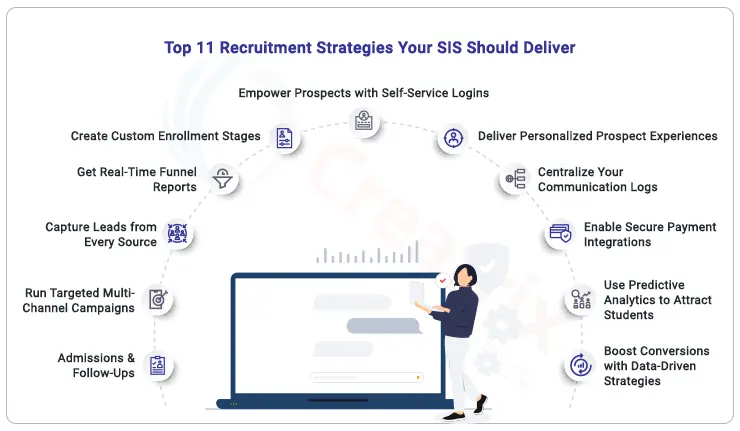
    How to improve student recruitment using an SIS. 11 powerful student recruitment strategies for your institution

    Your Student Information System (SIS) shouldn’t just store data — it should actively help you attract, engage, and convert students. From personalized outreach to faster application processing, the right SIS transforms recruitment from a numbers game into a smarter, student-first strategy.

    Student recruitment is evolving, and so are the strategies that drive success. A poll by The Guardian surveyed 70 UK university marketing teams and found that,

    57% of university marketing teams found open days to be their top recruitment tool.

    72% relied on external digital advertising.

    98% favored social media advertising.


    It’s clear — a one-size-fits-all approach won’t cut it anymore. To stay competitive, institutions need a well-rounded, data-driven recruitment strategy. Here’s a breakdown of 11 powerful SIS-supported strategies to help your institution attract, engage, and enroll more students.


    1. Try automating admissions & follow-ups for higher conversions with an integrated CRM


    How to Boost Your SIS for Student Recruitment with Smart Strategies


    CRM integrated into Admissions can be the first savior. We promise they have a suite of tools that are specifically tailored to the needs of your educational institute. An SIS integrated with CRM offers a targeted approach to your mundane admissions process. 

    At Creatrix Campus, we have a CRM in place that can likely enable institutions of all sizes to thrive in the competitive market while ensuring data is formed, tracked, processed, and analyzed to deliver a rich personal experience to students and other stakeholders alike.

    There are ways to nurture relationships with seamless lead generation and marketing capabilities. We are cloud-native and accessible across many devices.


    2. Run targeted, multi-channel campaigns

    Make sure your SIS supports digital, social media, institution, API, and other source lead capture. For quicker follow-up, all leads should direct themselves to one system and path to the correct counselors. Integration of a CRM helps to simplify this procedure.

    Potential update: To be competitive, think of mentioning automated campaigns driven by artificial intelligence.


    3. Capture leads from every channel — perfectly

    Options to capture student inquiries through multichannel including digital, social, institutions, APIs, and much more. Direct all these inquiries to a single place and direct them to the right lead owners or counselors for a timely connection. Trust us; a CRM can help you with this.


    4. Get funnel reports in real-time

    Your SIS should create funnel reports tracking leads at all levels, therefore enabling you to spot areas of congestion and make quick strategic changes. Comprehensive analytics make sure organizations may maximize their hiring plans for the next inflow.

    Potential update: Including predictive analytics or artificial intelligence advice here could improve this approach.


    5. Create custom enrollment stages 

    Every institution is different; your SIS should enable you to construct custom enrollment phases to suit your particular procedure. This guarantees that prospects pass the funnel without incident and helps to keep your pipeline orderly.

    Potential update: Could underline dynamic systems that change depending on student behavior or profile data.


    6. Use self-service logins to empower prospects

    Through one safe platform, let prospects build profiles, follow their application status, submit documentation, speak with counselors, and pay costs. It cuts administrative overhead and keeps them interested.


    7. Deliver personalized prospect experiences  

    Personalized interactions build relationships, and your SIS should support this. From inquiry to enrollment, ensure tailored messages, program recommendations, and helpful content reach the right prospect at the right time.

    Potential update: AI-driven personalization or behavioral tracking could elevate this further.


    8. Keep a centralized communication log 

    Automatic generation of offer letters with in-built templates, intimation of fee payment, request sent for missing documents, program orientation, etc.

    The tool you are using should generate, capture, and nurture leads across platforms, both online and in-person. At Creatrix Campus, you could set up personalised emails and communications to your prospects based on the inquiry made.


    9. Turn on Safe Payment Integration

    Make sure your SIS has integrated safe payment gates. Prospects can easily complete their applications and pay fees online; this helps to lower dropout rates and guarantees faster conversion.

    Potential update: Talk about adherence to PCI DSS and other worldwide payment standards for further confidence.


    10.  How predictive analytics helps universities attract students

    Want to stay one step ahead in student recruitment? Predictive analytics helps universities do just that — analyzing trends, student behaviours, and historical data to spot who’s most likely to enroll. It’s like having a crystal ball but smarter, helping you focus efforts on the right students at the right time.


    11. Data-driven enrollment strategies for better conversions 

    Why guess when data can lead the way? With advanced analytics, universities can track engagement, demographics, and even application patterns, fine-tuning their enrollment strategies to attract the right students and boost conversions effortlessly. 


    Know about Creatrix student recruitment strategies to adapt and grow

    Creatrix Campus’s Student Recruitment Software has opened new doors for several universities across the globe and added value to their recruiting efforts. If you wish to know the secret of how we do it, contact our team now.

    Source link

  • Scotland’s “sleeping giant” looks to international recruitment

    Scotland’s “sleeping giant” looks to international recruitment

    Although the history of the institution dates back over 100 years, it only achieved degree-awarding powers last year. Specialising in agriculture and life sciences, SRUC hopes to become an increasingly attractive choice for international students.

    “For many years, SRUC’s been a sleeping giant,” SRUC’s principal and chief executive Wayne Powell told The PIE News. “Now we’ve awoken and we can see huge amount of potential in what we can offer here in Scotland.”

    Offering international masters programs including international food and agriculture business, business consultancy and project management, Powell said the institution is “creating a future which is much more aligned to what students for the future will want to do” – with international recruitment efforts largely looking to students from India, Pakistan, Nigeria and other parts of sub-Saharan Africa.

    With six campuses located around Scotland, SRUC’s Edinburgh campus launched a £1.8 million vertical farming innovation centre in January, making it the first Scottish higher education institution in Scotland to create a commercial-sized vertical farm to help address global and local food production challenges.

    “Some of the things that we work on are at the nexus of the most important challenges facing society. So how do we feed a growing world?” explained Powell. “How do we support environmental sustainability?”

    He continued: “We are interested in attracting students that have an identity and an interest in sustainability and how the sustainability will play out over their lifetimes”.

    But while sustainability is undeniably a focus for the institution, Powell stressed that prospective students are also being enticed by curriculums focussing on business – especially as SRUC runs its own “successful consultancy business”.

    Now we’ve awoken and we can see huge amount of potential in what we can offer here in Scotland
    Wayne Powell, SRUC

    Learning about international agriculture, food and business in tandem is also a focus for programs, “particularly the potential for acquiring those business skills as part of a green economy”, Powell said.

    “And our location in Edinburgh [creates] a fantastic opportunity to come and live and work and study in a great city,” he added.

    “There’s something here which is going to be attractive and we’re keen to market that in the right way and creating the first cohort of students coming into something really special.”

    It comes as Scotland has taken steps to position itself as an attractive destination for international students. In late January, the country’s universities were encouraged to take “collective action” to promote Scotland as a study destination.

    In the same week, Scotland’s first minister John Swinney made the case for a bespoke visa for skilled international students graduating from the country’s colleges and universities. However, it is understood that the UK government has no plans to make good on these ambitions.

    Source link

  • The Evolution of College Recruitment: What’s Working in 2025

    The Evolution of College Recruitment: What’s Working in 2025

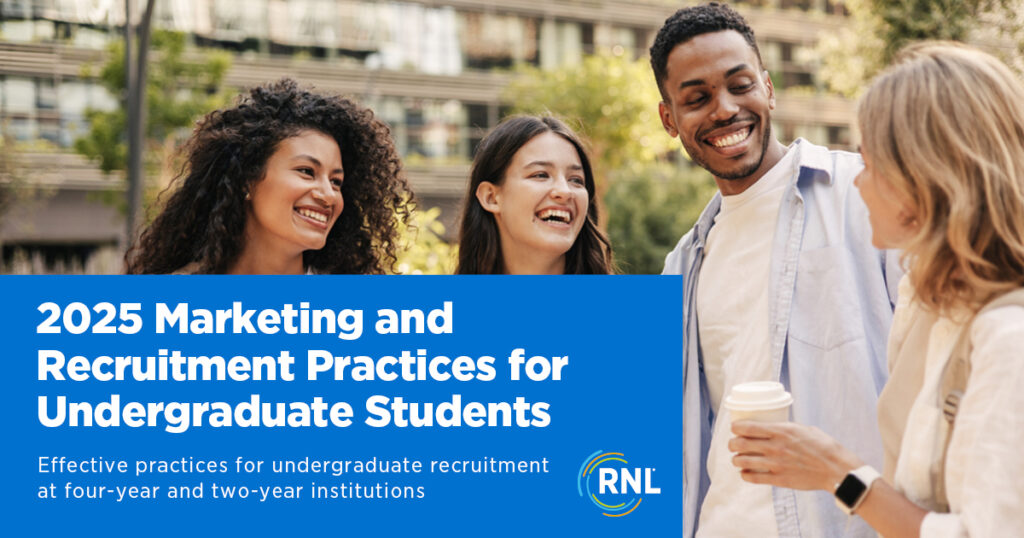
    As higher education faces what experts call an “enrollment cliff,” with projections showing a potential 15% decline in traditional college-aged students, institutions are radically re-imagining their recruitment strategies. The latest data from RNL’s 2025 Marketing and Recruitment Practices For Undergraduate Students report reveals fascinating shifts in how different institutions connect with prospective students in this challenging landscape.

    The human touch remains supreme

    In an era dominated by digital technology, the enduring power of human connection stands out prominently in the data. Face-to-face interactions continue to be the most effective recruitment tool for both four-year private and public institutions while ranking as the second most effective strategy for two-year colleges. This finding reinforces what many enrollment professionals have long suspected: despite technological advances, students crave authentic, personal connections when making significant life decisions.

    The effectiveness of in-person meetings spans various formats—from traditional campus tours to innovative “mini-sessions” with faculty and current students. These interactions provide prospective students with tangible experiences that digital alternatives cannot replicate. Recent research from Higher Education Marketing confirms that prospective students in 2025 seek personalized experiences that resonate with their individual aspirations and concerns.

    Digital innovation takes center stage

    While the human element remains crucial, the digital recruitment landscape has evolved beyond basic email campaigns into a sophisticated ecosystem of interconnected strategies. Two-year institutions are particularly notable for successfully adopting digital advertising as their primary recruitment tool, demonstrating how smaller institutions can effectively compete in the digital space.

    Personalized videos have emerged as a powerful medium across all institution types, appearing in the top three most effective strategies for public universities and community colleges in the RNL Marketing and Recruitment report. These aren’t generic promotional videos—they’re customized content pieces that speak directly to individual student interests, academic goals, and career aspirations.

    Text messaging has become a crucial communication channel, particularly for four-year institutions. This shift reflects the broader trend of meeting students where they are—on their mobile devices. Successful institutions are using texting not just for announcements but for meaningful engagement, including quick Q&A sessions, application status updates, and deadline reminders.

    The advertising landscape

    The advertising strategies employed by institutions reveal a nuanced understanding of their target audiences. Social media advertising dominates the scene for four-year private and two-year institutions, while public universities are finding success with a more diverse media mix, including television ads. This divergence suggests that different institutional types successfully identify and leverage the channels most effective for their specific audience segments.

    Re-targeted ads have proven particularly effective in the top three strategies for private institutions and community colleges. This sophisticated approach indicates a deep understanding of the modern student’s digital journey—from initial awareness through the final enrollment decision. Video advertising’s strong performance across all categories underscores the growing importance of dynamic, visual content in capturing and maintaining student attention in an increasingly competitive digital landscape.

    Digital strategy deep dive

    Search engine optimization (SEO) has emerged as a cornerstone of digital strategy, particularly for private institutions. This emphasis on SEO reflects a fundamental truth about modern student behavior: the college search process overwhelmingly begins online. Institutions that excel at SEO are ensuring they’re visible at the crucial moment when students begin their higher education journey.

    Request for information (RFI) forms continue to play a vital role, though their implementation has evolved significantly. The most successful institutions are now embedding RFI forms within interactive content experiences and using AI-powered chatbots to provide immediate, personalized responses. This shift toward automated yet personalized engagement represents a crucial evolution in how institutions manage initial student inquiries.

    Management practices: The rise of AI and analytics

    Behind the scenes, the most transformative changes occur in how institutions manage and analyze their recruitment efforts. The integration of AI in admissions has reached a tipping point, with eight in 10 colleges now utilizing some form of artificial intelligence in their processes. This technology is used for basic tasks, sophisticated predictive modeling, and personalized communication strategies.

    Private institutions are leading the charge in leveraging AI for enrollment operations, while all institution types are embracing increasingly sophisticated tracking and analytics tools. Behavioral scoring and engagement tracking have moved from an innovative approach to an essential practice, indicating a decisive shift toward data-driven decision-making in enrollment management.

    CRM systems have become particularly crucial for two-year institutions according to the RNL report, suggesting a growing emphasis on relationship management throughout the enrollment funnel. These systems are no longer simple contact databases but have evolved into comprehensive platforms that track, analyze, and optimize every student interaction.

    Looking forward

    These findings paint a picture of an industry in transition, balancing traditional high-touch approaches with innovative digital solutions. Success in 2025’s challenging enrollment landscape requires a sophisticated blend of:

    • Personal connection through face-to-face interactions
    • Strategic digital engagement across multiple channels
    • Data-driven decision-making powered by AI and analytics
    • Personalized communication at scale

    For enrollment professionals, the message is clear: while the tools and techniques may evolve, the fundamental goal remains unchanged—connecting with prospective students in meaningful ways that address their individual needs and aspirations.

    The institutions that will thrive can effectively combine the warmth of personal interaction with the efficiency of digital innovation, all while maintaining authentic connections with their prospective students.

    Want to dive deeper? Read the report

    2025 Marketing and Recruitment Practices for Undergraduate Students: Effective practices for undergraduate recruitment at four-year and two-year institutions.

    Ready to transform your institution’s recruitment strategy with data-driven insights? Download the complete 2025 Marketing and Recruitment Practices Report to access:

    • Detailed breakdowns by institution type
    • Implementation guides for top strategies
    • Benchmark data to compare your performance
    • Expert analysis and recommendations
    • Case studies from successful institutions

    Download the full report now and get exclusive access to comprehensive data and insights that will shape your 2025 recruitment strategy.

    Source link

  • AI and Student Recruitment: Bridging Technology and Human Connection 

    AI and Student Recruitment: Bridging Technology and Human Connection 

    Artificial intelligence (AI) is revolutionizing student recruitment, offering tools to meet the growing demands of efficiency and personalization. As higher education institutions face shrinking pools of applicants and increased competition, the ability to deliver targeted, meaningful engagement is more critical than ever. AI not only enhances how a college or university understands prospective students but also how it interacts with them at every stage of the enrollment journey. 

    Leveraging AI for Data-Driven Decision Making 

    At the core of these advancements are customer relationship management (CRM) systems like TargetX and Outcomes, which centralize student data and lay the groundwork for AI-driven insights in higher education. By integrating AI with CRMs, institutions can unlock the potential of their data to deliver smarter, more effective recruitment strategies. However, the key lies in leveraging AI to augment human effort, not replace it

    Analyzing Data for Actionable Insights 

    Enrollment marketing thrives on data, and AI enables institutions to transform raw information into meaningful insights. With centralized student data in place, AI tools can: 

    • Identify high-value prospects | Predictive modeling analyzes behaviors, such as frequent visits to financial aid resources or high engagement with email campaigns, to identify students with the greatest likelihood to enroll. 
    • Discover growth markets | AI uncovers patterns in geographic and demographic data, highlighting regions or populations with untapped enrollment potential. For example, data analysis might reveal an increasing interest in online programs among working professionals. 
    • Enhance segmentation | AI’s ability to analyze large datasets allows institutions to refine audience segmentation, enabling hyper-targeted campaigns tailored to specific student profiles. 

    Prescriptive Strategies for Recruitment 

    AI doesn’t just interpret data—it help enrollment management professionals generate actionable strategies to optimize recruitment efforts: 

    • Financial aid optimization | By evaluating a student’s financial profile and likelihood to enroll, AI can recommend targeted aid packages that maximize yield. 
    • Campaign personalization | AI suggests tailored outreach strategies, such as sending event invitations to students interested in specific programs or nudging inactive prospects with relevant content. 
    • Continuous improvement | Enrollment marketing campaigns benefit from AI-driven feedback loops that analyze performance data and recommend iterative improvements for future campaigns. 

    Enhancing the Student Journey with AI 

    AI in the Exploration Phase 

    Most prospective students begin their college search online, making search engines a critical touchpoint. AI has significantly altered how search engines present results, directly impacting recruitment efforts: 

    • AI-enhanced search results: Tools like Google Bard or ChatGPT increasingly offer conversational responses, summarizing key information without requiring users to click on external links. For instance, a search for “top nursing programs” might yield an AI-generated list, bypassing institutional websites. 
    • Adapting to AI-driven search: To stay competitive, institutions should create conversational, Q&A-style content optimized for AI algorithms. Structured data and schema markup can enhance visibility, ensuring accurate representation in AI-driven search results. 

    Personalization Across the Enrollment Journey 

    Personalization is no longer a luxury—it’s an expectation. AI enables enrollment marketers to deliver individualized experiences to potential students: 

    • Dynamic content | Emails, ads, and landing pages can dynamically adjust based on a student’s preferences or behaviors. For example, prospective engineering students might see content highlighting research opportunities, while transfer students encounter information about credit evaluations. 
    • Real-time engagement | AI-driven tools monitor student interactions and trigger timely responses. If qualified students visit a program-specific webpage multiple times, marketers can automate follow-up emails with relevant resources or event invitations. 

    Guiding Students Through Key Milestones 

    AI supports students by providing actionable, personalized guidance throughout the recruitment process: 

    • Next-best actions | AI-driven solutions can recommend tailored next steps, such as completing an application, scheduling a virtual campus tour, or exploring scholarship options. These nudges keep students engaged and on track. 
    • Proactive assistance | AI can analyze behavior patterns to identify potential barriers, such as incomplete applications, and prompt intervention. For instance, a student frequently visiting pages about financial aid might trigger outreach offering a one-on-one consultation. 

    Navigating the Limitations of AI 

    The Irreplaceable Value of Human Connection 

    While AI excels at data analysis and automation, human interaction remains indispensable: 

    • Fostering relationships | Admission counselors play a vital role in addressing nuanced questions, providing reassurance, and building trust during critical decision-making moments, all of which support student success. 
    • In-person engagement | Face-to-face interactions, whether through campus tours, phone calls, or personalized advising sessions, create memorable experiences that AI cannot replicate. 

    Challenges in AI-Generated Content 

    AI-generated content, while efficient, has limitations that institutions must navigate carefully: 

    • SEO considerations | Search engines prioritize high-quality, original content with human authorship. Over-reliance on AI-generated text can harm visibility and credibility. 
    • Authenticity matters | Prospective students value content that reflects institutional expertise and culture, reinforcing trust and engagement. 

    Striking a Balance Between Technology and Humanity 

    AI should enhance, not replace, human efforts. While AI handles initial outreach and data-driven recommendations, human staff focus on relationship-building and addressing complex inquiries. This synergy ensures a recruitment strategy that is both efficient and personal. 

    Supporting the Institutional Mission

    AI is reshaping student recruitment, offering powerful tools to analyze data, personalize engagement with the right student each time, and optimize strategies. However, its limitations underscore the importance of human connection and authentic communication. By leveraging an AI-driven recruitment strategy, institutions can enhance recruitment efforts and support student success while staying true to their mission of fostering meaningful connections with prospective students. 


    Jess Lanning began her career in higher education at a private university where she served as director of enrollment marketing on a record enrollment team. Over her decade-long career, she has focused on strategizing and implementing digital marketing campaigns as a senior vice president of strategy and senior partnership manager for higher education-specific agencies. In these roles, she served undergraduate, adult, and graduate audiences across the verticals of paid social, search engine marketing, search engine optimization, conversion rate optimization, digital PR, and user experience. Jess now serves as a Director of Digital Strategy at Liaison and we are very lucky to have her!

    Source link

  • From Recruitment to Retention: The Impact of AI on Higher Education

    From Recruitment to Retention: The Impact of AI on Higher Education

    Artificial intelligence is influencing every aspect of the higher education experience, from recruitment strategies to long-term student success. Community college, undergraduate, and graduate programs use advanced analytics to predict outcomes, optimize operations, enhance decision-making, and improve the student experience. However, the opportunities and challenges associated with using AI in higher education require careful strategic planning. By understanding AI’s evolving role in enrollment management and retention, higher education leaders can now support students and strengthen institutional outcomes more effectively than ever. 

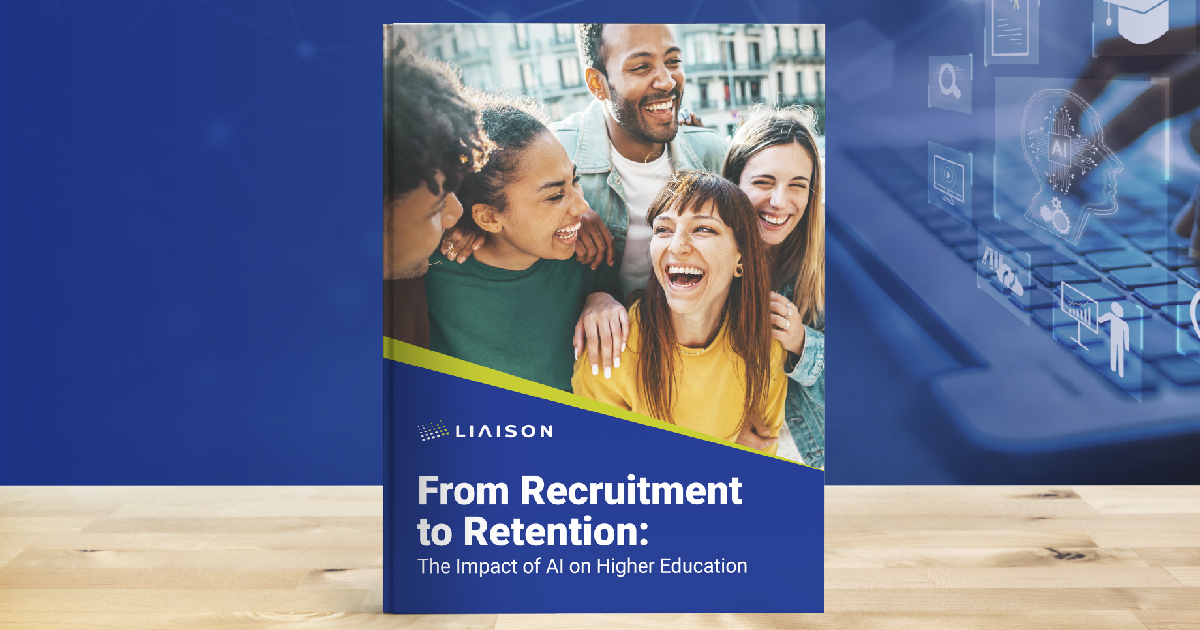
    Is your institution keeping pace or lagging behind when it comes to educational technology? Liaison’s new whitepaper—From Recruitment to Retention: The Impact of AI on Higher Education—will help you answer that question and begin learning to plan for a better future.  

    Insights include practical tips about AI technology, such as: 

    • Applying AI Strategically 

    Institutions that apply AI tools thoughtfully have the ability to improve processes and results in areas including admissions, student success, and retention. From innovative yield strategies to predictive analytics tailored for community colleges and grad schools, AI is already driving better outcomes by providing higher education institutions with roadmaps for achieving institutional goals and improving student outcomes. 

    • Addressing AI Challenges and Ethical Considerations 

    While the widespread adoption of AI tools in higher ed promises advancements in innovation, efficiency, and the management of student data, it also introduces complex challenges and ethical dilemmas that demand attention. From concerns about data privacy and algorithmic bias to questions surrounding accountability and the societal impact of automation, the rapid rise of AI tools in higher education institutions requires thoughtful, responsible oversight. As the whitepaper explains, that involves exploring the nuances of AI development and implementation, examining the ethical principles at stake, and creating frameworks that prioritize fairness, transparency, and the well-being of individual students and the institutions that serve them. 

    • Achieving Data Readiness 

    Data readiness is essential for strategic enrollment management, allowing colleges and universities to harness AI to make informed decisions that drive success. For starters, creating a data-informed institution involves navigating the overwhelming influx of information to uncover actionable insights while building data literacy among every key stakeholder on campus. By achieving data readiness, educators can align their efforts with student learning needs, improve outcomes, and create a sustainable path forward. 

    It seems like everyone is talking about artificial intelligence and its potential to redefine not just student learning, but the future of higher education itself. But how well do you understand and speak the language of AI? Although much of the language that now informs conversations about innovation and success wasn’t familiar to most people just a few years ago, it’s now mission critical for you and your peers to begin learning how to embrace AI literacy. 

    Envisioning the Future of AI in Higher Education 

    As its capabilities and applications grow in the years ahead, AI will continue to provide new opportunities for colleges and universities to enhance decision making, streamline operations, emphasize academic integrity, and provide predictive insights that guide future strategies. The ongoing integration of AI throughout higher education will apply new scientific insights to holistic application evaluation, personalized student communications, and enrollment workflow automation, among other endeavors.  

    The future of AI in education promises even more sophisticated tools to come, which will further personalize and secure the admissions process. Looking ahead, one thing is clear: Today’s higher education leaders have an unprecedented opportunity to foster greater student success and institutional growth by embracing AI as a tool to help inform their decisions.  

    To learn how to get started, download From Recruitment to Retention: The Impact of AI on Higher Education today.  

    Source link

  • College Recruitment Strategies and Ideas to Boost Enrollment

    College Recruitment Strategies and Ideas to Boost Enrollment

    Student Recruitment Ideas for Better Enrollment Marketing

    College recruitment strategies have undergone a seismic shift in recent years with the rise of an always-on digital audience and the growing accessibility of online programs. Fewer geographical constraints and heightened competition have fueled this realignment, prompting institutions to craft student recruitment strategies that are as dynamic as the students they aim to enroll. 

    In the modern, digital-first landscape of higher education, recruitment season is no longer confined to the traditional August to December window. Students are applying and enrolling year-round, and your institution must constantly assess which strategies are driving results and which are falling flat. 

    By embracing smarter, data-driven marketing tactics, you can stand out in the crowded landscape of online education, uniting students under the shared mission of your institution. 

    The Importance of Student Recruitment Strategies 

    You’ve been working in higher education for over a decade, but recently, student recruitment seems harder. You’re not alone. Prospective students are going in less traditional directions and finding cheaper, faster ways to become qualified for the workforce through modalities such as online certificates and boot camp programs. Inflation isn’t helping either. 

    But through a realignment of strategy to meet digital native consumers, you can meet students where they are and capitalize on projected enrollment growth

    Don’t get scared into sticking with outdated ways of reaching prospective students. Instead, rise to the challenge, get a better understanding of the landscape you’re working with, and refresh your enrollment marketing strategy. 

    3 Student Recruitment Strategies

    We won’t tell you that all traditional marketing strategies are outdated, but we do want to make it crystal clear that students are online. They’re surfing the web on their smartphones and discovering new universities and programs through (mostly mobile) online journeys. If your enrollment strategy isn’t rooted in this reality, you’re at risk of losing more than half of your potential students. 

    1. Meet Them Where They’re At (On Their Phones!)

    With 91% of the U.S. residents owning a smartphone, it’s no surprise prospective students are surfing the web from their mobile devices. In fact, a recent report by Oberlo tells us that over 60% of all internet traffic comes from mobile devices. 

    Most of the time, however, our web developers, brand managers, and marketing professionals are viewing and building websites on their desktop computers. While working from a computer is convenient, it’s imperative that every single UX/UI change made to your university/program website is tested on both desktop and mobile. 

    Don’t lose out on prospects just because you didn’t consider both desktop and mobile website views in your design process. It may seem obvious, but plenty of colleges and universities aren’t considering this important strategic detail. 

    2. Consider Utilizing Paid Media

    Now that you’ve cleaned up your mobile site, you’re ready to start pushing students from other platforms to your program pages through a key college recruitment strategy: paid media. While paid media isn’t the cheapest option, it’s often one of the most effective. Google Ads, LinkedIn, and Facebook provide fairly straightforward ways to spend for clicks. 

    We recommend starting with PPC (pay per click) campaigns to attract prospective students to your site. These campaigns help the most with bringing in entirely new audience members whom you may not have been able to reach through organic efforts. The internet is vast, and it’s not always easy to track down potential candidates without some extra help. 

    After bringing in new prospects from platforms like Google and LinkedIn, your job is to create a journey where they’ll sign up for your newsletter or respond to a survey so you can effectively follow up and make their click worthwhile. It may seem pricey at first, but once the leads start coming in and you’re able to connect with them well after that first click, you’ll see the return on investment. 

    PPC campaigns can also help speed up the process if you’re finding yourself behind on your goals this quarter.

    3. Tap Into Popular Platforms and Their Users

    If paid media feels a bit too far out of reach, some high-growth organic options can help your student recruitment strategy. 

    Use Instagram to Engage With Students

    Most institutions now have a presence on LinkedIn and Facebook, but university marketers may be missing a huge opportunity with Instagram. A recent article from RivalIQ cited higher ed’s impressive average engagement rate of 2.43% on Instagram, compared with the median across all industries of 0.43%. 

    Instagram should be used in a completely different way than Facebook and LinkedIn, which can be deterring for content teams, but clearly prospective students are interested in engaging there. Be sure to connect with them and provide tailored content.

    Harness the Power of Testimonials

    When you hear the words “influencer marketing,” you may think of famous teenagers with millions of followers dancing their hearts out to a 15-second song. While plenty of those influencers are out there, so are users who share their educational journeys, financial tips and tricks, and personal stories about their lives and experiences. 

    With the number of graduates, administrators, and staff members your school has on social media, you’re sure to find some influential users who are willing to share their satisfaction with your program on their channels. It doesn’t require millions of followers either. 

    Nano influencers (influencers with a following between 1K and 10K) are “everyday people” who come across as more authentic and with much more enthusiasm than the players in the big leagues (micro/macro influencers). According to a recent study from Matter Communications, 69% of consumers depend on recommendations from influencers, family members, and friends over information provided by brands. That means two of every three consumers want to read reviews from online personalities they see as trustworthy sources — an amplified version of word-of-mouth marketing.

    Use Short-Form Video to Reach New Audiences

    Short-form video is an important college recruitment strategy for engaging with students. Though the style of content may seem daunting and the editing may seem like a lot of work, recent studies have indicated that Gen Z users prefer TikTok for search over Google — making it an indispensable part of your strategy. 

    Although prospective student demographics look different across universities, your target students are likely on TikTok. And more importantly, they’re using it as a source of information. The hashtag #LearnOnTikTok had over 360 billion views as of 2024, according to The Leap

    Think of the reasons users visit your website — and the questions they have — and use that insight to inform the kinds of content you can provide to educate prospective students. 

    We Can Help Build Your Online College Recruitment Strategies

    The higher-ed landscape is still undergoing unexpected shifts at a faster rate than most of us are ready for. Some days, you might feel like you’ll be playing catch-up for ages, and evolving marketing tactics might make that race feel even harder. It’s a lot to manage a robust omnichannel college recruitment strategy, but you don’t have to do it all internally. 

    At Archer Education, we partner with colleges and universities to create effective messaging that will illuminate your brand’s strengths and unique values to attract and convert high-quality students. Our experts are always in the know, employing tech-enabled, modern enrollment tactics to attract prospective students’ attention, drive engagement, and facilitate action. Don’t overstretch your team members — let us help. Contact us today for more information.

    Source link

  • At Hudson County Community College, Inclusion Drives Recruitment and Retention – CUPA-HR

    At Hudson County Community College, Inclusion Drives Recruitment and Retention – CUPA-HR

    by Julie Burrell | February 27, 2024

    The motto at Hudson County Community College is “Hudson is Home,” a saying created by their students that reflects HCCC’s commitment to community across their three New Jersey campuses. Located in one of the densest and most ethnically diverse counties in the country, HCCC uses inclusive strategies to boost employee recruitment and retention.

    HCCC’s focus on promoting a culture of care and belonging positions them well to contend with voluntary turnover, which remains on the rise nationally as higher ed employees report feeling overworked and undervalued. HCCC’s inclusion and belonging initiatives, including their new peer-to-peer recognition program, address the top three predictors that employees will seek work elsewhere: recognition for contributions, being valued at work, and having a sense of belonging.

    In their recent CUPA-HR webinar, HCCC’s Anna Krupitskiy, vice president for human resources, and Stephanie Sergeant, assistant director of human resources, explained how they use inclusive strategies to engage their approximately 1,000 employees, including:

    Prioritizing a Culture of Care

    Addressing the needs of parents is one way HCCC creates a culture of care through inclusion. In the past, parents who were employees or students were confronted with unclear and inconsistent guidelines. But the institution’s new parent-friendly children on campus policy makes it clear that children are welcome on HCCC’s three campuses. With the new policy, Krupitskiy says, “we wanted to make sure that there’s a strong message that we do allow children on campus.” HR has also collaborated with campus partners on their Take Your Child to Work Day program, where children of employees engage in a range of campus activities, like participating in science projects or watching a nursing demonstration, before ending the day with an ice cream social.

    Using Checkpoints During Recruitment to Ensure Inclusive Hiring

    HCCC has created checkpoints to ensure there are meaningful milestones to reflect on inclusion during the recruitment and selection process. The first checkpoint is the composition of the hiring committee itself. Krupitskiy and Sergeant stress that screening committees should be representative of HCCC, not just in terms of demographics, but also such characteristics as how long a person has been employed at HCCC, what role or level of position they hold, what union affiliation they have, etc. They’ve also invited students to participate in searches when appropriate.

    Job descriptions are another area they’ve scrutinized, asking if certain minimum qualifications inherently limit a pool of applicants. Might a minimum qualification, like years of experience, be listed as a preferred qualification instead?

    Implementing a Peer-to-Peer Recognition Program  

    Recognizing employee contributions is a critical retention tool. Only 59% of higher ed employees say they receive regular verbal recognition for doing good work, according to CUPA-HR data. To address recognition, HCCC holds a years-of-service event, with awards for five to 40-plus years of service for both part-time and full-time employees. Their new Hudson is Home employee recognition program allows colleagues to nominate each other for awards ranging from Collaboration and Team Achievement to a Part-Time Spotlight award. Employees receive an email notification when they’ve been nominated, which has driven up participation overall.

    To learn more about the programs and initiatives at HCCC — including working to close pay equity gaps and establishing professional development funds — view the recording of Retention Strategies for an Inclusive and Engaged Workforce. For data on higher ed retention challenges and recommendations, see The CUPA-HR 2023 Higher Education Employee Retention Survey.


    Source link