California’s community college–to–four-year university transfer pipeline has not delivered the outcomes students need. While 80 percent of community college students intend to transfer, just 19 percent reach a California State University campus within four years. The gap is stark. While there have been numerous statewide efforts to define clear pathways to California State University and the University of California, time and time again it’s taken local innovation and collaboration between sending and receiving colleges to make a real difference.
In Los Angeles, which enrolls a quarter of the state’s students, educators and partners have spent nearly a decade working to support student-centered transfer innovations by focusing attention on implementation of the associate degree for transfer (A.D.T.), a 2+2 pathway intended to offer community college students guaranteed admission to the CSU and an efficient path to graduation. Cross-sector education and workforce collaboratives like the L.A. Compact and the L.A. Region K–16 Collaborative, both convened by UNITE-LA—a nonprofit advancing equitable education and career pathways—have stewarded this work.
In 2017, UNITE-LA brought together leaders from California State University, Northridge; the L.A. Community College District; and other local public and private universities to attempt to solve a common challenge: re-engaging students who stopped out. Recognizing that institutions had a shared responsibility to support this student population, California’s first reverse-transfer program was born.
CSUN Connections went further than traditional reverse-transfer models by helping disengaged students seamlessly transfer their credits to a partnering community college, apply them to an A.D.T. when available and then transfer back to CSUN to complete their bachelor’s with all the benefits of an associate degree. This work required us to take stock of the student data and identify where institutional and systemwide policy barriers, including degree offerings, residency requirements and program misalignments, were costing students additional time and money
Concurrently, campus partners wanted to better understand A.D.T. pathway availability and student outcomes from a regional perspective. Recognizing that the benefits of the A.D.T. unravel when such degrees are not locally available or, when available, rendered inaccessible by enrollment impaction, 16 community colleges and four CSUs engaged in historic data sharing to assemble a clearer picture.
The findings were clear: The A.D.T. was not yielding the desired results. Students who earn the A.D.T. transfer to CSU at half the rate of non-A.D.T. earners. A.D.T. earners often did not complete their degree in two years, and many did not enter CSU in the same field of study. This is due, in part, to the fact that A.D.T.s are not offered locally in many high-paying fields in popular majors like STEM and health. Students of color, especially L.A.’s African American student population, were even less likely to earn the degree, transfer or enter high-demand fields.
In response, UNITE-LA convened a 2021 community of practice focused on improving transfer pathways in the region, asking, to what extent do our educational systems yield inequities in transfer, and for whom? Why is this happening? And how might we bring change? The group surfaced systemic challenges and also revealed that meaningful solutions must be developed at the campus level.
From 2022 to 2024, UNITE-LA piloted a new approach: the Student-Centered Transfer Redesign Process. In partnership with California State University, Dominguez Hills; Cal Poly Pomona; and their feeder community colleges, campus administrators and staff in academic affairs, student services and enrollment management worked together alongside faculty to diagnose barriers and design strategies to improve transfer and bachelor’s attainment.
The process went beyond policy change—it built campus capacity. Participants gained deeper understanding of equity gaps, stronger cross-campus relationships and hands-on tools for problem solving. Empathy interviews with transfer students shifted the focus from what students did or didn’t do to what they experienced, learned and overcame. This perspective is critical to making a student-ready system instead of making students conform to existing policies that don’t serve them.
For example, through the Transfer Redesign Process, CSUDH looked at data-backed recommendations of the statewide AB 928 Committee and assessed the viability of expanding its campus emergency aid program for prematriculated transfer students. Such aid could help incoming transfer students navigate unexpected expenses associated with transfer, such as moving costs, childcare costs and additional transportation expenses like up-front parking or transit pass fees.
In another example, Cal Poly Pomona sought to partner with a feeder community college to implement eTranscript in order to create faster and more consistent transcript and data-sharing processes to support transfer student success. As noted in a recent study of five public institutions in California, despite improvements in available technology, transcript sharing remains a highly manual process that can delay transfer students in receiving final credit-evaluation decisions that are needed for accurate advisement and on-time course registration.
These efforts underscore a core lesson: Localized collaboration is essential for effective implementation of state policy, to diagnose new challenges as they arise, to develop responsive solutions from the ground up and then to advocate for the scaling of innovations that work. The size of California’s higher education systems and complexity of degree pathways require more robust investments to support this type of cross-campus work. State-funded initiatives like the K–16 Collaboratives have provided flexible funding to make it possible in places like Los Angeles. But sustained, dedicated funding is key to turning localized innovation into statewide reforms that reach all Californians. With the state’s Cradle-to-Career Data System, the new Master Plan for Career Education and proposed Education Interagency Council, California has an opportunity to embed these lessons statewide.
Los Angeles is fortunate in that it has a coalition of education leaders willing to cut through the bureaucracy and advance change for the well-being of students. It’s taken data sharing, relationship building, intermediaries and a creative blend of funding, but our students deserve systems that work. Campuses deserve resources to improve them. By aligning funding, policy, practice and partnership, we can ensure their success—and, in turn, the prosperity of our communities and our state.
Adam Gottlieb is the director of postsecondary strategy and policy at UNITE-LA.
As part of National Transfer Student Week, hundreds of college campuses are hosting public celebrations to uplift their transfer student communities, including many in our home state of California. While these celebrations are important to increase visibility and a sense of belonging, transfer students warrant our attention and support year-round. The data demonstrate why: While 80 percent of community college students nationally aspire to earn a bachelor’s degree, just 17 percent of community college students in California reach that finish line within six years. Moreover, sizable inequities by race and ethnicity, income, and age point to the need for drastic change.
As former transfer students from the California Community Colleges who have worked in various capacities to improve transfer, including working directly with students through admissions, partnering with higher education system leaders to implement statewide legislation like Assembly Bill 928 and educating lawmakers and system leaders on the gaps that persist as policy fellows with the Campaign for College Opportunity, we know these challenges firsthand. Reflecting on our own transfer journeys and professional experience, we have identified three priorities that must be addressed to improve transfer student outcomes.
Align and streamline transfer pathways to create flexibility for learners.
When we began our community college journeys, we had no idea where the road might lead us: to a California State University, a University of California or a private nonprofit institution. Like many first-time students, we explored our options and built contingency plans. Yet California’s transfer pathways are not designed to provide such flexibility. Eligibility requirements vary across systems, with CSU and UC maintaining their own preferred pathways.
Adding complexity, individual campuses and academic programs also impose local requirements, as documented in a recent study of five public institutions in California. This means that the same community college class can be treated differently by every campus, even in the same system, and may not end up applying to the intended major. As Just Equations further documented, the campus- and major-specific requirements are especially complicated for math.
To avoid wasting time and credits, transfer students must commit early to a specific path. Making sense of these requirements, however, falls largely on students. One resource that helped us navigate course transfer in California is ASSIST.org. Nancy was able to use this tool to decide that the flexibility afforded by the general education transfer curriculum recognized by all CSU and UC campuses would be the best path for her. Meanwhile, both Brianna and Carlos relied on the tool to understand which math classes to take for their intended majors. Brianna discovered that the business calculus class she planned to take at American River College would work at her target CSU campus but would disqualify her from every UC campus.
Unfortunately, while tools exist, students must independently seek them out and interpret complex rules. This adds unnecessary stress and risk of error. While we each ultimately succeeded in transferring and graduating, too many students are thrown off course. California should cut through this confusion by better aligning curricular requirements across the CSU and UC, and across campuses in the same system, so students have breathing room.
Expand access to accurate and timely advising.
While students in specialized programs often receive consistent advising, all community college students would benefit from personalized, ongoing support. Advising was pivotal for each of us, but only after we made the effort to seek it out and build relationships.
For Nancy, proactively meeting with a transfer counselor every semester at El Camino College ensured that her general education plan and major requirements stayed on track. Brianna initially struggled to connect with advisers, but after joining her college’s track team, she began working with a consistent counselor who understood her long-term goals and helped her recognize that her coursework qualified her for several associate degrees.
Through EOPS and athletics, Carlos met with his counselors multiple times each semester to monitor his progress on his plan to transfer to UCLA for economics. Despite his persistence, he was not informed of the calculus prerequisites until a year into his studies, which delayed his graduation from Porterville College. This gap was not the result of inaction on his part but of advising structures that are too underresourced to keep up with the ever-changing terrain of major requirements and hidden prerequisites.
Together, our experiences highlight both the promise and pitfalls of advising. Consistent guidance turned potential setbacks into opportunities, but these outcomes depended on resources and relationships that are not universally accessible. California can and must do better by guaranteeing timely, accurate advising from the start. That means staffing campuses with sufficient transfer counselors, ensuring continuity with the same adviser, embedding transfer-specific advising across programs, as well as transfer receiving institutions investing more into their future students before the application process begins.
Invest in transfer success and building transfer-receptive cultures.
Admission to a four-year institution is only the beginning of the transfer journey. Just like first-year students, transfer students need resources and communities to thrive at an entirely new school and system. For Nancy and Carlos, UCLA’s Transfer Summer Program provided an early introduction to key campus resources and a strong peer community. That foundation smoothed their transition and reinforced their sense of belonging. With one in three UC undergraduates entering as transfer students, investing systemwide in transfer-specific programming is essential. Summer bridge programs, structured mentorship and visible campus traditions can ensure transfer students feel valued from the first day they enter campus.
By contrast, Brianna entered Pomona College as one of just 20 transfer students. While living with fellow transfer students helped build community, formal support was limited. She stepped up as a student leader, serving as the first transfer community residential adviser and partnering with university leaders to design and implement transfer-specific programming.
These stories illustrate both the power of institutionalizing support services and of recognizing the inherent assets that transfer students bring to the table, because building a transfer-receptive culture must begin with valuing transfer students and treating them as integral contributors to the intellectual and social life of their campuses.
Looking Ahead
Our transfer success stories were possible because of our persistence in seeking tools like ASSIST.org, the guidance of dedicated advisers and the support of peer communities that helped us navigate through an unduly complex and high-stakes process. But no student’s success should depend on luck—our higher education systems need to make sure they are student-ready. California has made important progress through reforms like common course numbering, the Associate Degree for Transfer and Cal-GETC. Now it is time to build on that momentum by aligning and streamlining pathways, expanding access to accurate advising and degree planning tools, and investing in transfer-receptive campuses.
Brianna Huynh is a former policy fellow at the Campaign for College Opportunity. She is completing her M.S. in mathematics at California State Polytechnic University Pomona, and holds an A.S.T. in mathematics from American River College and a B.S. in mathematics from Pomona College.
Nancy Ohia is a current policy fellow at the Campaign for College Opportunity. After graduating from UCLA as a transfer student, Nancy earned her M.P.P. from USC.
Carlos Rodriguez is a current policy fellow at the Campaign for College Opportunity. He earned his A.S. in business management from Porterville College and is a current transfer student at UCLA majoring in economics.
This HEPI guest blog was kindly authored by Emma Roberts, Head of Law at the University of Salford.
New figures from the Office for National Statistics (ONS) show that student suicide rates in England and Wales for the period 2016 to 2023 remain stable – but stability is no cause for complacency. The age-adjusted suicide rate among higher education students stands at 6.9 deaths per 100,000, compared with 10.2 per 100,000 for the general population of the same age group. Over the seven years of data collection, there were 1,163 student deaths by suicide – that is around 160 lives lost every year.
The rate being lower than the wider population is encouraging and may reflect the investment the sector has made in recent years. Universities have developed more visible wellbeing services, invested in staff training and created stronger cultures of awareness around mental health. The relative stability in the data can be seen as evidence that these interventions matter. But stability is not a resolution. Each student suicide is a preventable tragedy. The data should therefore be read not as reassurance, but as a call to sustain momentum and prepare for the challenges that lie ahead.
What the ONS data tells us
The figures highlight some familiar patterns. Male students remain at significantly higher risk than female students, accounting for nearly two-thirds of all suicides. Undergraduate students are at greater risk than postgraduate students, while students living at home have the lowest suicide rate. The data also shows that rates among White students are higher than for Black or Asian students, though the sample sizes are small, so these figures may be less reliable.
In terms of trend, the highest rate was recorded in the 2019 academic year (8.8 per 100,000). Since then, the rate has fallen back but remains stubbornly consistent, with 155 deaths recorded in the most recent year. The ONS notes that these figures are subject to revision due to coroner delays, meaning even the latest year may be under-reported.
The key point is that the problem is not worsening, but it is also not going away.
A changing student demographic
This year’s recruitment trends have introduced a new variable. Several high-tariff providers (universities with the highest entry requirements) have reduced entry requirements in order to secure numbers. This can open up opportunities for students who might otherwise not have had access to selective institutions. But it does raise important questions about preparedness.
Students admitted through lower tariffs may bring with them different kinds of needs and pressures: greater financial precarity, additional academic transition challenges, or less familiarity with the social and cultural capital that selective universities sometimes assume. These are all recognised risk factors for stress, isolation and, in some cases, mental ill-health. Universities with little prior experience of supporting this demographic may find their existing systems under strain.
Building on progress, not standing still
Much good work is already being done. Many universities have strengthened their partnerships with local National Health Service (NHS) trusts, introduced proactive wellbeing campaigns and embedded support more visibly in the student journey. We should recognise and celebrate this progress.
At the same time, the ONS data is a reminder that now is not the moment to stand still. Stability in the numbers reflects the effort made – but it should also prompt us to ask whether our systems are sufficiently flexible and resilient to meet new pressures. The answer, for some institutions, may well be yes. For others, particularly those adapting to new student demographics, there is a real risk of being caught unprepared.
What needs to happen next
There are several constructive steps the sector can take:
Stress-test provision: Assess whether wellbeing and safeguarding structures are designed to support the needs of the current, not historic, intake.
Broaden staff capacity: Ensure that all staff, not just specialists, have the awareness and training to spot early warning signs so that distress does not go unnoticed.
Strengthen partnerships: Align more closely with local NHS and community services to prevent students falling between two in-demand systems.
Share practice sector-wide: Collectively learn across the sector. Good practice must be disseminated, not siloed.
These are not dramatic or expensive interventions. They are achievable and pragmatic steps that can reduce risk while broader debates about legal and regulatory reform continue.
Conclusion
The ONS data shows that student suicide is not escalating. But the rate remains concerningly consistent at a level that represents an unacceptable loss of life each year. The progress universities have made should be acknowledged, but the danger of complacency is real. As recruitment patterns shift and new student demographics emerge, the sector must ensure that safeguarding and wellbeing systems are ready to adapt.
Every statistic represents a life lost. Stability must not become complacency – it should be a call to action, a chance to consolidate progress, anticipate new challenges and keep the prevention of every avoidable death at the heart of institutional priorities.
This HEPI blog was kindly written by Mike Boxall, writing in a personal capacity.
According to the latest survey by PA Consulting, over 90% of university vice-chancellors endorse a call for ‘fundamental system reforms’ to secure the survival of their sector against what they universally regard as an unprecedented combination of existential threats and challenges. Yet the responses seen from across the sector to date have been distinctly conventional and, in a literal sense, conservative: cost-cutting, portfolio rationalisation, recruitment freezes and redundancies, and forgone investments. While undoubtedly necessary in some cases to stave off short-term financial crises, such measures hardly represent transformational innovations; indeed, almost half the survey respondents predicted that their institutions would look and feel much the same in ten years’ time as today. As one vice-chancellor put it:
We have been propping up a 20th-century system that is no longer fit for the purposes of the early 21st century
Meanwhile, policymakers in the Department of Education and the Office for Students are busily preparing contingency measures against the heightened risk of multiple institutional failures and institutions plan for continued retrenchment. Big questions remain unanswered: Why might ‘fundamental system reforms’ be needed? What could (or should) a fundamentally reformed higher education system look like? And how might it be brought about in an era of continued fiscal and policy austerity?
Unlike just about every other sector facing seismic shifts in their markets and operating environments, universities have remained uniformly committed to what many regard as self-limiting and increasingly outdated business models:
Reliance on providing essentially similar subject-based courses to limited cohorts of school-leavers, largely neglecting the more diverse learning needs of much larger populations of in-career professionals and their employers.
Adherence to misleadingly named ‘full-time’ study schedules typically limited to 30 weeks a year or less, with single annual entry points and campuses and facilities largely empty of students and staff for almost half the year.
A deficit-based business model in which devolved expenditure plans are set (and spent) separately from confirmed earnings, often resulting in unexpected year-end shortfalls and relying on cross-subsidies from international student fees to balance budgets.
Over 150 autonomous and self-determining universities competing with one another for shares of largely fixed or even shrinking markets and funding sources, with success judged more in terms of reputational standings than by the quality and social value of their services.
It must be acknowledged that, despite these self-imposed limitations, the current university system has defied repeated prophesies of its demise. It has survived largely intact for many decades, with few provider closures or even forced mergers, and continues to recruit almost 1.5 million domestic and international students each year, generating over £55 billion in revenues. A handful of global institutions with annual incomes exceeding £1 billion or more may be considered too big and important to fail, and indeed these few continue to do relatively well, often at the direct expense of less-favoured rivals. However, many, perhaps even most, others face a future of chronic struggles to cover inexorably rising costs and to protect their shares of markets eroded by new competitors and alternative options for students, employers, knowledge users and public programmes. Survival for these providers through continued efficiency drives might be possible, but it won’t be fun; nor will it be sufficient to secure the pivotal roles of universities in educating and informing an increasingly complex and precarious world.
The roles and contributions of universities in today’s and tomorrow’s learning society are no less important than in the past, but they will be different. In particular, they have a unique responsibility for sustaining human and social intelligence in the face of impersonal AI and related technological advances. To fulfil this role, universities must move beyond the limitations of their legacy models, expanding their roles within national and localised ecosystems to promote:
Lifelong and continuous learning and professional development for all adults, from post-secondary to late-career stages, and from initial formation to periodic upskilling and personal renewal, facilitated and supported through the Lifelong Learning Entitlement and related schemes
Cumulative and personalised learning attainments, embracing the rounded acquisition and development of knowledge, competences, experience and personal development, incorporating micro-credentials and stackable awards on the lines proposed by the OECD
Variety and choice of accessible pathways through different modes of provision for useful learning as and when sought by individuals and employers, embracing universities, colleges, training providers and online services, as is being developed in Greater Manchester
Funding and economic structures based on the value and benefits of different modes of learning provision, shared equitably between individuals, employers, civic authorities and the State, on the lines explored by the UNESCO Innovative Funding for Education project.
While fully articulated and integrated learning and skills ecosystems built on these principles may seem a long way off, the examples cited show that prototypes can already be seen in localised initiatives and emerging proposals across the international tertiary formation landscape. A variety of models built around these principles might emerge, displaying the characteristics of complex adaptive systems: self-organising and dynamic networks of diverse partners and stakeholders, producing emergent results in response to changing experiences.
Unpredictable and sometimes surprising outcomes of these kinds cannot easily be planned or fitted into pre-determined blueprints. They are thus unsuited to the normal pattern of government policy interventions. Rather, the role of government should be to provide the enabling conditions and supportive frameworks (including funds) within which self-organising solutions can emerge. A good start would be to reduce the fragmentation of policy, funding and regulatory constraints to innovation and enterprise across existing learning and skills provision. The Commission on Tertiary Education and Research (Medr) in Wales offers a laudable start towards that end, now being emulated in the Republic of Ireland and in New Zealand.
System-wide reforms on this scale do not in any way diminish the importance or critical roles of universities in serving fast-changing national needs for advanced education and skills. What they would do would be to shift the debate on the health of higher education provision from its current focus on enabling universities to continue doing what they have always done, on their own terms, to redefining and consolidating their roles at the heart of sectoral or place-related advanced learning ecosystems. In spirit, if not in forms, this would represent returns to the principles on which most universities (both pre- and post-1992) were first established and which many would argue are needed even more today.
Back in late 2023, a little known libertarian by the name of Javier Milei was elected President of Argentina with a strong mandate to conquer that country’s hyperinflation. His strategy for doing so was pretty straightforward — freeze public spending, which would mean a big loss in real terms until inflation came down, and then let the free market do the rest.
That was easier said than done. Milei lacked a majority in Congress and all of the legacy parties had some reason to try and preserve the status quo, but more or less, Milei got his way and the public sector, including public universities, have had to shrink enormously as a result. Falling budgets, cratering salaries, the lot.
But now the opposition is starting to gain strength. Over the northern summer, Congress passed a bill meant to roughly double state spending on public higher education. Last week, predictably Milei vetoed the law. We can probably expect a season of protests and strikes to ensue.
Returning to the show today to discuss all this is Marcelo Rabossi of the Universidad Torcuato Di Tella in Buenos Aires. He joined the podcast 18 months ago at the outset of Milei’s term to discuss what the President’s agenda was likely to have in store for the higher education sector. Today he’s with us to talk about how the system is surviving what amounts to a massive cut in real pesos, and what the next few months look like as tensions mount between the President and the opposition.
Of particular interest, I think, is where we talk about how, despite Milei’s affinity to the US hard right, he’s avoided Trumpian tactics, like targeted cutbacks through research rescissions and outright institutional extortion.
The World of Higher Education Podcast Episode 4.3 | Crisis or Reform? Higher Education in Milei’s Argentina with Marcelo Rabossi
Transcript
Alex Usher (AU): Marcelo, when we last spoke in January 2024, Javier Milei was newly elected president at the head of La Libertad Avanza. He didn’t have a majority in Congress—still doesn’t. He was elected on a mandate to stop hyperinflation, but his appeal wasn’t just about tighter money. He was a libertarian who wanted to shrink the size of government enormously, which is, in some ways, quite a revolutionary idea in Argentina. Generally speaking, how has his first year and a half in office gone? Is inflation down? Has the size of the government shrunk?
Marcelo Rabossi (MR): From the very beginning, even during his campaign, Milei promised radical changes to literally crash hyperinflation. He aimed to do this by reducing government spending and opening the economy. Inflation has dropped substantially. For example, in December 2023, monthly inflation peaked at 25% and now it’s around 2% for three consecutive months. This is largely due to Milei’s aggressive austerity measures and a very tight monetary policy. He significantly cut federal spending and restored market dynamics.
It’s also true that poverty has declined, from 54% in early 2024 to about 32% in early 2025. On the other hand, economic activity has stagnated, and retirees have lost much of the purchasing power of their pensions. That’s the dark side of Milei’s economic plan.
AU: How has he been able to achieve his agenda without a majority in Congress? What’s the dynamic there? Does he strike deals with conservative parties, or does the presidency give him some ability to rule by decree? How do you get things done when you’re a minority president?
MR: That’s a great question, because I think this is the first party in power with a minority in both chambers of Congress. Milei has relied on emergency executive decrees to bypass legislative opposition or blockages and to implement deep reforms.
Early on, he also struck strategic deals with conservative parties, particularly PRO—the party of former President Macri—and the Radical Civic Union. These strategies helped him pass the “Ley de Bases” in 2024, which was a foundational reform to deregulate the economy.
However, this approach had its limits. He’s now facing growing resistance, even from former allies. Internal divisions and shifting loyalties have made these alliances fragile.
By mid-2025, even some conservative legislators began distancing themselves from Milei’s more extreme measures and aggressive behavior. So I’d say he has governed through a mix of executive power, tactical alliances, and public pressure—but he’s losing that advantage.
AU: My understanding is that Milei’s approach to reducing expenditure and inflation has been simply to freeze spending on government departments. Inflation is lower now than it was two years ago, but it’s still reasonably high, so inflation just erodes the value of that spending.
How has this affected higher education? How big has the cut been to higher education in real terms—that is, after inflation? And is higher education different from other social sectors? Presumably you’d see the same dynamics with hospitals and other services. Is higher education being targeted for bigger reductions, or no?
MR: You’re absolutely right. Spending freezes across all public areas—education, health, infrastructure—have been his primary tool to fight inflation. But as you noted, when inflation remains high, even if it’s slowing, frozen budgets imply reductions in real terms.
Regarding higher education, let me give you some numbers. In 2024, funding for Argentina’s public universities fell by around 30% in real terms and by 2025, the projected university budget is about 35–36% lower than in 2023. According to my analysis, around 80% of higher education spending in Argentina goes to salaries, and those dropped by about 30–35%. Capital expenditures for infrastructure have also collapsed.
But it’s not only university funding. Overall, education has suffered a real decrease of more than 30% between 2023 and 2025. For example, teacher training and technology programs are down 40%, and early childhood education infrastructure is down 60%. Scholarships for low-income students have also decreased by about 40%. I should add that schools are funded at the provincial level, so national cuts didn’t have as large an impact there. But universities, which are funded nationally, were hit hard. Overall, higher education has been one of the hardest-hit sectors.
So, this “freeze strategy,” as I call it, has helped Milei achieve fiscal surpluses and reduce inflation—but it has come at the cost of shrinking real investment in the country’s future.
AU: The president is sometimes seen as Argentina’s Trump—that’s sort of his international reputation. He certainly has admirers on the U.S. far right. Elon Musk even copied him with the chainsaw routine, attacking public finances.
I don’t get the sense that Milei is a friend of higher education. He rants about “woke intellectuals” and that kind of thing, which lines up with the American right. But I don’t get the sense he’s copied Trump in terms of silencing particular lines of research or picking fights with individual universities.
So apart from the financial cuts, which can maybe be defended purely on anti-inflationary grounds, what has the relationship been between Milei and the higher education sector?
MR: Unlike Trump, Milei hasn’t gone after specific research areas or individual institutions. He hasn’t interfered with academic freedom—there have been no restrictions on curricula, no attacks on gender studies or climate research, and no attempt to control university governance.
His approach has been more structural than targeted at specific institutions. That said, the University of Buenos Aires—the largest and most important in the system—has been his main target, simply because it’s the most visible.
I should add that some of his early ideas, like replacing direct public funding of universities with vouchers, have remained more like theoretical provocations than serious proposals. They have no real support and no chance of being implemented.
So while Milei’s stance toward higher education is hostile, it’s not close to institutional repression. His obsession is with the economy and controlling inflation.
AU: A moment ago, you talked about roughly a 30% decline in real terms for university support—maybe a bit higher if you compare the end of 2025 to the end of 2023. How does a university deal with a cut of 33%? What kinds of decisions do they have to make to keep the doors open in conditions of austerity like that? And what have been the consequences of those decisions?
MR: First, universities reacted in order to survive. I would say they are operating in survival mode. In this scenario, universities have had to freeze salaries, delay infrastructure repairs, and cut back on research funding. They’ve also shortened semesters, reduced course offerings, and postponed new programs. Some campuses, like the University of Buenos Aires, have even merged departments or cut non-essential services.
To give you an idea of why these fiscal restrictions have hit so hard: between 80% and 90% of universities’ total income comes from national government funds. Remember, undergraduate education in Argentina is tuition-free, and undergraduates represent more than 90% of a total student body of over 2 million enrolled in national institutions. On the other hand, historically Argentina’s public universities haven’t had a strong tradition of fundraising. Some institutions are beginning to move in that direction, collecting money from private donors, but it’s still very limited.
AU: Surely those kinds of cutbacks would make private universities in Argentina more attractive, right? Argentina doesn’t have a huge private sector—it’s not like Chile or Brazil. I think about 80% of students are in the public system. But have private universities seen an opportunity here? Are they taking advantage of these cuts to tout the benefits of paying tuition and offering something more complete than the public sector?
MR: As I always say, in Argentina the private sector is more tolerated than stimulated, unlike in Brazil or Chile. There are about 60 private universities in the country with around 400,000 undergraduates. Historically, they’ve largely avoided political confrontations and remained neutral. Politics tends to play out in the public sector, so unlike national institutions, private universities haven’t been cast as ideological enemies or targets. This has allowed them to operate with less social and political confrontation.
On the financial side, the private sector largely depends on tuition fees—on average, 90% of their income comes from that source. So decreases in public funding haven’t been an issue for them, since they don’t rely on public subsidies or loans. Recently, however, there have been rumors about public scholarships for students at private universities.
Financially speaking, they’re in reasonably good shape. They’ve been able to maintain operations, salaries, and infrastructure. In a way, they look relatively resilient. And you’re right—while public universities are cutting programs, freezing salaries, and facing potential strikes, private universities now appear more stable and predictable for students and families. For those who can afford tuition, private institutions may seem like a real option.
AU: The public universities have obviously been fighting back over the past year and a half. I’ve lost count of the number of strikes, protests, and demonstrations of public opposition.
What’s interesting is that just in the past few months—during the Northern Hemisphere summer, your winter—Congress considered a bill to stabilize university finances. If I understand correctly, they mandated a funding floor tied to a certain percentage of GDP. That law passed about a month ago. What was this bill, and how did it pass? Because it seems to get back to the question of the president losing allies, since some of his conservative partners voted for it.
MR: Right. The goal of this law was to increase Argentina’s university budget from around 0.4% of GDP to 1.5% in the next five years. That’s a big jump. Beginning in 2026, funding will rise to 1% of GDP.
Historically, public spending on universities has been around 0.6% of GDP, peaking at 1% but usually closer to 0.8%. So this proposal represents a significant increase. It’s intended to replace the funding law passed by the government in 2024.
The bill was introduced in Congress by the rectors of Argentina’s 56 national universities, with support from unions and student organizations. It also proposes updating budget allocations for accumulated inflation in 2023–2024 and reinforcing faculty salaries starting in December 2023, with monthly updates tied to the consumer price index.
AU: Let’s talk about what happens politically here. Both houses of Congress passed the law, and Milei vetoed it on September 10th, I think. How does this get resolved at this point? What happens politically to the bill from here on in?
MR: You’re right about the veto—it’s his main political tool, given that he has no majority in either chamber. University unions, students, and education advocates have already staged protests and strikes, and more demonstrations are expected, especially around Congress.
The veto will escalate tensions between Milei and the education sector, and it’s becoming a rallying point for the opposition. In my view, the next few weeks will be critical. If Congress can’t override the veto, universities will remain under severe financial strain, and political pressure on Milei will intensify.
Either way, this is more than a budget fight. The opposition says it’s a battle over the future of public education in Argentina.
AU: President Milei has another two years and three months left in his mandate. What’s your best guess about higher education? How is it going to fare between now and then? What does the Argentinian system look like at the end of 2027?
MR: Yes, you’re right—we have two years ahead. It’s difficult to predict the future in Argentina, although some would say: expect a new crisis and you’ll probably be right.
As we’ve said, despite lacking a congressional majority, Milei has pushed through major reforms via executive decrees. That’s been his political tool. His confrontational style has kept him in the spotlight but also sparked resistance from traditional parties, the far left, conservatives, and even moderate liberals.
Whether this initial economic stabilization translates into long-term growth—and consequently, political support—remains the big question. If he wins in the next legislative elections this October, he will likely maintain his firm stance, continue vetoing, and I don’t see major changes. If the economy grows, there may be some money to calm the situation, but not enough to achieve what the vetoed law proposed: doubling university funding in relative terms in the short or medium term. That’s a kind of utopia, even if the country emerges from its depression.
But if Milei loses by a wide margin, the pressure will be enormous, creating a vicious circle that prevents Argentina from escaping economic stagnation. Keep in mind: the only way for universities to receive more funding is for the country to grow. If conflict increases, investors will postpone decisions, and in such a scenario, there are no winners.
Again, public universities in Argentina are more than just educational institutions—they are symbols of social mobility and national pride. Milei’s veto of the bill to increase university funding and staff salaries will likely trigger widespread outrage, uniting students, faculty, unions, and the political opposition. In fact, new public demonstrations are already underway and may continue for weeks, months, or even the next two years until his mandate ends.
AU: Lots to keep an eye on. Marcelo Rabossi, thank you so much for being with us today.
MR: It’s my pleasure. Thank you so much.
AU: And it just remains for me to thank our excellent producers, Sam Pufek and Tiffany MacLennan, and you—our listeners and readers—for joining us once again. If you have any questions or comments about today’s episode, or suggestions for future ones, please don’t hesitate to write to us at [email protected].
Join us next week when our guest will be Yale University’s Zach Bleemer, professor of economics, who has just co-written a fascinating new paper, Changes in the College Mobility Pipeline since 1900. We’ll be talking about some of that report’s surprising findings. Bye for now.
*This podcast transcript was generated using an AI transcription service with limited editing. Please forgive any errors made through this service.Please note, the views and opinions expressed in each episode are those of the individual contributors, and do not necessarily reflect those of the podcast host and team, or our sponsors.
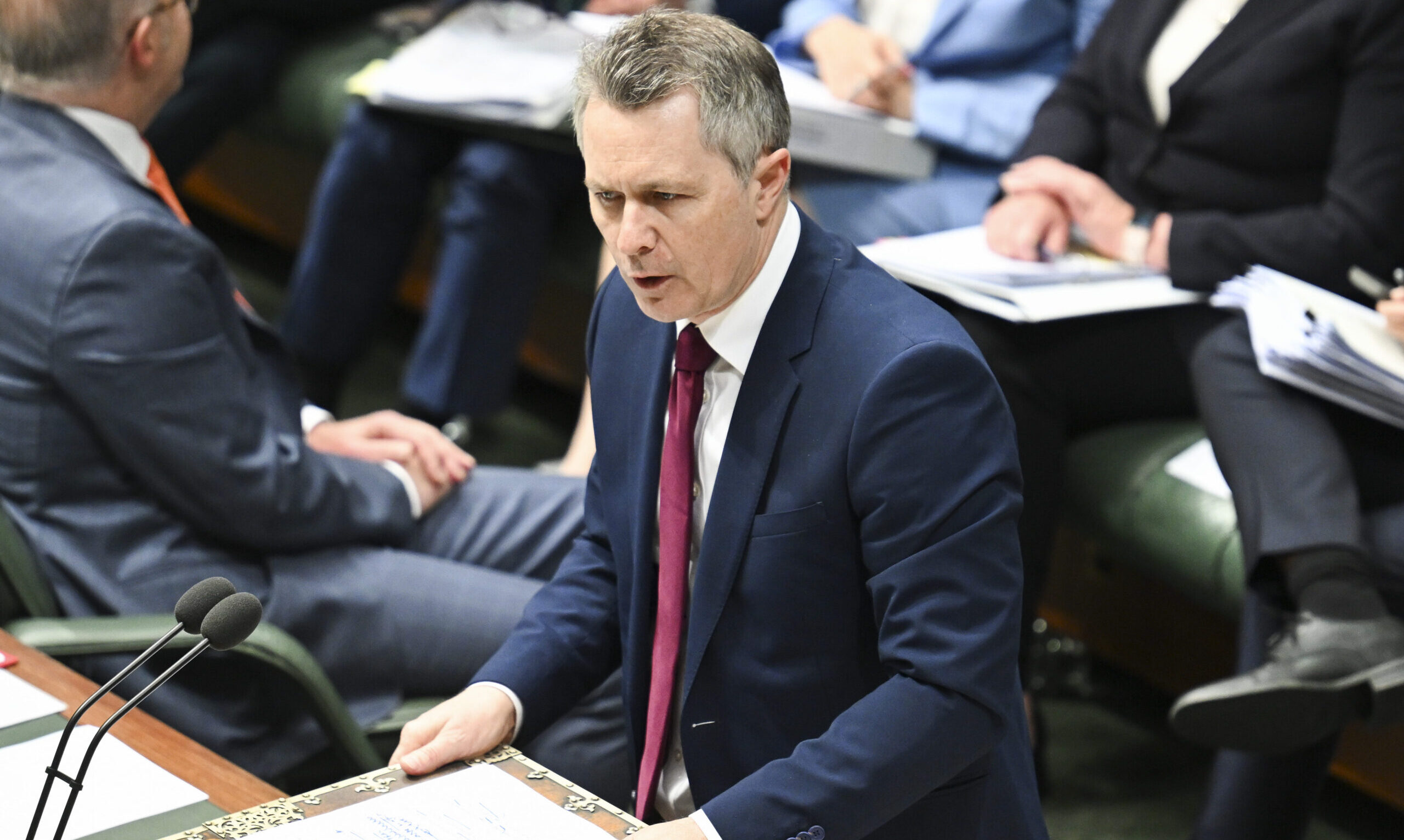
Jason Clare said TEQSA can only act either as a sledgehammer or a feather. Picture: Martin Ollman
The federal government has published a consultation paper calling for suggestions to reform the Tertiary Education Quality and Standards Agency (TEQSA) Act, which determines the regulator’s powers.
Please login below to view content or subscribe now.
HEPI Director Nick Hillman reviews Reforming Lessons: Why English Schools Have Improved Since 2010 and How This Was Achieved by Nick Gibb and Robert Peal.
On Tuesday, 9 September 2025, HEPI will be hosting the launch of the OECD’s flagship Education at a Glance report. Book a place (in person or online) here.
This is the second book on education in a row that I have reviewed on the HEPI website that comes from a right-of-centre perspective. The previous review (of a book by the President of the New College of Florida) garnered some pointed attacks underneath – ‘No doubt we’ll soon be seeing articles offering a “more balanced” perspective on Putin and Orban’s records in office’. So let me start by noting HEPI has also run many reviews (by me and others) of books written by left-of-centre authors as well as centrist authors, such as Sam Friedman and Aaron Reeve, Simon Kuper, Francis Green and David Kynaston, Melissa Benn, and Lee Elliot Major and Stephen Machin.
Let me also note that we are always on the lookout for reviews of recent books that are likely to be of interest to HEPI’s audience, irrespective of where on the political spectrum the authors of the books in question or – indeed – the reviewers sit. When we started running book reviews on the HEPI site many years ago, they tended to receive less engagement than other output, but that has changed over the years and they are often now among our most-read pieces. We hope this remains true on our brand new website. So the door is wide open. Come on in.
Now down to business. Reforming Lessons is a defence of the changes wrought by the long-standing and thrice-appointed Minister for Schools, Nick Gibb, and to a lesser extent his boss Michael Gove, co-written by Gibb himself. The other author is Robert Peal, who was one of a group of young state-school teachers (often, like Peal, powered by Teach First) who made up the advancing phalanx for the school reforms that were implemented by the Coalition and subsequent Conservative Governments. (John Blake, the Office for Students’s Director for Fair Access and Participation was another member of this front line and merits a mention in the book, as was Daisy Christodoulou, who has contributed a Foreword and who features multiple times.)
At the risk of further brickbats, it would be absurd for HEPI to have ignored this particular book at this particular time, for it is currently a huge talking point among educationalists. But is not just about education; it is also a book about the practice of politics. As the authors themselves write, it is an account of ‘the virtues of a subject-specialist minister driven by conviction in a specific cause rather than personal ambition.’ It fulfils this brief very well indeed, so it should be read far beyond the education world, especially by aspiring ministers in any field where they want to make a difference. But, and I do not mean this to be in any way rude, I suspect it was not – in one important sense – all that hard for Gibb and Peal to make their case.
This is because the key international data on school performance, which come from the OECD’s comparative PISA (the Programme for International Student Assessment), show England forging ahead, including against other parts of the UK, between 2009 and 2022. So Gibb and Peal had a secure evidence base on which to build their story.
We may argue that PISA is not a perfect measure: it tests only a small number of disciplinary areas and to a fairly basic level of knowledge and it has not always been completed the same way (sometimes on paper and sometimes on screen), but it is better than anything else we have when it comes to comparing school systems – and infinitely better than anything we have in higher education. So anyone who wants to shoot down the book’s central claim that Nick Gibb succeeded as a Minister will struggle to find equally robust performance data for their argument – though they could presumably focus on other evidence such as on an apparent narrowing of the curriculum (though Gibb and Peal get their defence on this in first – see pages 123 and 124).
Near the start, the book takes a look at how any education changes begun in 2010 had to be extremely cost-effective – cost-cutting or else free – given the dire fiscal position which led every major political party to promise drastic spending cuts at that year’s general election. Gibb and Peal also paint a picture of the ineffectiveness and wastefulness of the expensive centralised initiatives based on existing orthodoxies that preceded the Coalition. The multi-billion pound Building Schools for the Future programme was perhaps the archetype for, as Gibb shows, tens of millions of pounds were spent on building individual schools with open-plan classrooms where staff struggled to teach and pupils struggled to learn. Another challenge during the 2000s is that schools were overwhelmed with bureaucracy: in 2006/07 alone, we are told, there were around 760 missives to schools from Whitehall and quangos – four-per-day for the whole school year.
Yet Nick Gibb is far from being a free-for-all libertarian right-winger. He is, rather, someone who wants to use the power of the state to drive policy, including how to teach reading (synthetic phonics) as well as how to shape other aspects of the school curriculum. It is easy to see how this approach could have gone wrong but Gibb’s primary goal is always to follow the evidence as he sees it, and I cannot be the only parent who was amazed by how quickly their children started to read during their initial school years in the second half of the 2010s. Gibb has given more thought to schooling than any other modern politician and he rejects many of the ideas of his colleagues as much as those from the political left: he did not favour a wave of new grammar schools, he did not want GCSEs to be replaced by O-Levels and he opposed Rishi Sunak’s Advanced British Standard.
The book might begin and end somewhat immodestly and uncollegiately by reminding readers that many commentators picked out education as the one and only really big success of the Coalition and Conservative years, yet this is not by any stretch of the imagination a selfish book. Nick Gibb shows how his worldview was built upon teachers like Ruth Miskin, academics like ED Hirsch and others – even his researcher Edward Hartman gets a namecheck (or rather two) for introducing him to Hirsch. He shows how his agenda was carried forward by people like Hamid Patel, Katharine Birbalsingh and Jon Coles.
Political colleagues like Michael Gove and David Cameron are given credit for changing Whitehall’s approach to schooling. The triumvirate of advisers, Dominic Cummins, Sam Freedman and Henry de Zoete all receive praise, as does Nick Timothy for his stint in Number 10 as Theresa May’s Joint Chief of Staff. Andrew Adonis garners the most praise of all for starting ‘the revolution we undertook whilst in office’, and Kenneth Baker is lauded for getting the successful City Technology Colleges (the forerunners of academies) off the ground in the 1980s. Gibb and Peal note there have been ‘squabbles’ between Conservatives and Lib Dems over who designed the Pupil Premium policy but they do not join in, concluding instead that ‘we should celebrate that it was jointly pursued and agreed upon by the Treasury’.
There is high praise even for the man who temporarily displaced Gibb as the Minister for Schools, David Laws, especially for the design of the school accountability measure Progress 8 as well as for Lord Nash, who oversaw academies and free schools from the House of Lords. Gibb admits he did not agree with Nicky Morgan, who replaced Michael Gove as the Secretary of State for Education in 2014, on pushing ‘character education’ as a discrete concept but he excuses her on the grounds that ‘she had been transferred to Education from the Treasury with no notice, so never had the luxury of time I had enjoyed to read up on education philosophies.’
The tales from Gibb’s period as a backbench MP and then Shadow Minister also remind us that the most effective Ministers have typically learnt their briefs in the years before they take office rather than on the job. They then stay in post long enough to make a difference (or, in Gibb’s case, do the job more than once). Even for bold reforming ministers, like Gibb and Gove, good policy tends to be patient policy. In contrast, many of Gibb’s predecessors as the Minister for Schools (who include the current Minister for Skills, Jacqui Smith, who did the job in 2005 to 2006) were not in post for long enough to make a major sort of difference. Gibb’s account of his time in office also serves to remind us that it is wrong to think effective ministers must have worked in the field they are overseeing before entering Parliament: Gibb was an accountant, not a teacher, just like David Willetts, the well-respected Minister for Universities and Science during the Coalition, was a civil servant rather than an academic or scientist.
The book is peppered by illustrative and illuminating anecdotes. The one I found most shocking is about a visit Nick Gibb made in the mid-1990s to a school in Rotherham, where he was fighting a by-election: a headteacher ‘explained how she had completed an “audit” of her school library, removing any old-fashioned books that simply conveyed information.’ (A few years later, Tory party HQ abolished their library altogether, so it was not just schools that fell down this hole.) The second most shocking anecdote, at least to me, concerns the first draft of the rewritten National Curriculum for primary schools: ‘when the first draft of the curriculum was sent out for informal consultation amongst maths subject associations, it returned with all 64 mentions of the word “practice” expunged from the document.’ The funniest anecdote is one about Gibb visiting a successful academy that had converted from being an independent school: ‘On my train up to Yorkshire, I saw a pupil’s tweet expressing disappointment to find out the politician visiting her school was not Nick Clegg, as she had been led to believe, but instead “some random” called Nick Gibb.’
Personally, I dislike the language used by those who talk of an educational ‘blob’, not least because it paints all educationalists in the same negative light. Gibb dislikes the term too, and he was uncomfortable with his political colleagues throwing it about. He is pro-teachers and there were always some classroom teachers who held out against the knowledge-light ‘progressivist ideology’ even at its height. Gibb’s reforms were designed to dilute the educational orthodoxy of unions and quangos and to give power to trusted headteachers as well as to multi-academy trusts instead – the mantra was ‘high autonomy and high accountability’. His core goals were to find the best resources and teachers, then to free school leaders to make the biggest differences they could and finally to encourage others to emulate them, especially via high-performing multi-academy trusts. If Blair’s mantra was ‘education, education, education’, Gibb’s was ’emulation, emulation, emulation’.
But while rejecting the ‘blob’ term, the book does help one to understand how the moniker came to gain such currency. Gibb tells a story, for example, of how, as an MP and a member of the Education Select Committee, he was summoned to the ‘salubrious offices in Piccadilly’ of the Qualification and Curriculum Authority. Once there, the Chief Executive and Chairman demanded Gibb stop asking parliamentary questions about their work. It was an error of immense proportions – perhaps if they had known Gibb had circulated anti-communist propaganda in Brezhnev’s Russia, they would have had a better idea of how tough he is under the polite demeanour. Either way, the scenario served to remind Gibb not to back down in battles once he became a minister.
One surprise in the book is the degree to which Gibb thinks his reforms have deep roots and are here to stay. He makes a persuasive case for this, especially in the Conclusion, when he notes how embedded and successful some multi-academy trusts now are. Yet his book also recounts how Scotland and Wales have in recent years moved in the opposite direction to England, downplaying knowledge in their school curricula (and suffering the consequences in international comparisons). So one-way travel is surely not guaranteed.
Keith Joseph talked of a ‘ratchet effect’ in British politics and it might be too early to tell if the Gibb / Gove reforms are locked in or whether the pendulum could now swing back. What I saw after the 2024 general election from my vantage point of being a long-standing Board member of the National Foundation for Educational Research (NFER) gives me less confidence that educational policy is now settled. Despite Gibb’s belief his reforms will last, even he notes in passing the recent attempt to water down the freedoms enjoyed by academies. What is taught in schools, and how, will surely continue to be fervently debated and it is why HEPI has sought to focus minds in higher education on the important Curriculum and Assessment Review under Professor Becky Francis.
The book is all about the pipeline to higher education but it is not really about higher education except near the end, where the authors take a look at teacher training. Those running university education departments were among the people who did not take Nick Gibb seriously while in Opposition or in Government and they too paid the price for it:
‘Of all the different sectors of the education establishment, university education faculties were – by a stretch – the most difficult with which to work. … the main message I received whenever I visited university education faculties was, as Jim Callaghan had been told 40 years previously, “keep off the grass”. Meetings I had usually consisted of being talked at for 90 minutes in a boardroom with no appetite or opportunity for discussion. If I, as a minister, showed any interest in what they thought, they would mistily invoke the virtues of “academic independence”, and insist the government had no place stepping on their hallowed turf.’
At the very end of the book, Gibb bemoans the fact that, when it comes to ‘the evidence revolution in English education’, ‘university education faculties have been – with one or two exceptions – notable only by their absence’. And when it comes specifically to school teaching, Gibb regards universities as part of the problem rather than the solution. (So perhaps we should not be surprised that Gibb and Peal do not mention the short-lived attempt by Theresa May’s Government to get universities to sponsor academies.) As Universities UK prepare to release new research on public perceptions of higher education institutions, I was left wondering whether there might be lessons for how the higher education sector can best engage with Ministers and officials.
While Twitter / X may often be a sewer today, Gibb argues that various education bloggers and tweeters (often from the political left) played a vital role in shoring up his reforms, for example in helping Michael Wilshaw sort out Ofsted, who we are told ‘succeeded where Chris Woodhead could not.’ Gibb may point the finger of blame at those who pushed the ‘progressivist ideology’ that he has fought against but when it comes to A-Level grade inflation, for example, he does not limit his criticism to the Blair / Brown Governments, also complaining about his Conservative predecessors. Yet despite the ferocious attacks he was subjected to as a Minister, Gibb does not respond in kind, confident instead that his policies rested on evidence from the UK and overseas rather than polemic.
This is a lengthy book and a very very good one, though it does not stop me wanting to know more about what Gibb thinks in one or two areas. For example, we surely do not talk enough about demographics in education. Yet it was the growing number of young people that was part of the reason why the Treasury and others accepted lots of brand new schools called ‘free schools’, just as it was the falling number of school leavers prior to 2020 which helped persuade the Treasury to remove student number caps for undergraduates in England. Gibb does acknowledge the impact of changes to the birth rate in boosting his agenda, but personally I would like to have read more than the single paragraph on page 155 about it.
Churchill is said to have remarked, ‘history will be kind to me, for I intend to write it’. I kept thinking of this as I was reading the book, so it is perhaps too much to expect a deep dive into educational areas that the Conservatives failed to fix in their 14 years in charge. For me, these are: the educational underperformance of boys relative to girls, which does not merit any specific mentions; the current crisis in the supply of new teachers, which gets less than a page of dedicated text; and post-COVID truancy rates, which gets a paragraph and a couple of other fleeting mentions. But Nick Gibb is, and will rightly remain, one of the most important Ministers of recent decades – and to think he never even made it into the Cabinet.
This year marks the 75th anniversary of the Fulbright Program in Korea, one of the oldest and most robust binational educational exchanges in the world.
Coinciding with this milestone is the 30th anniversary of South Korea’s landmark 5.31 Education Reform – a policy blueprint that sought to transform the nation’s education system into a more open and globally competitive ecosystem.
The Fulbright legacy in Korea illustrates how long-term bilateral cooperation has scaffolded national education strategies and fostered intellectual diplomacy across generations.
The strategic alliance between the Republic of Korea and the United States has been underpinned by an enduring educational partnership. Education has always been more than a soft-power tool in this relationship; it has served as a central pillar for shared values, talent development, policy learning, and institutional co-evolution.
At a time when the Indo-Pacific region is undergoing profound geopolitical, technological, and demographic shifts, reaffirming the educational ties between Korea and the US is a strategic imperative.
Fulbright Korea: peacebuilding through knowledge
Established through a 1950 agreement, Korea became one of the first countries to join the Fulbright Program, though the Korean War delayed its launch until 1960. Revised agreements in 1963 and 1972 created the Korean-American Educational Commission (KAEC) and introduced joint funding, making Korea one of 49 nations to co-finance the programme with the US.
Since then, Korea has often matched or exceeded US contributions. Today, KAEC awards over 200 grants annually to Korean and American participants, supporting a global network of Fulbright scholars and more than 7,600 Korean alumni across diverse fields.
Fulbright Korea exemplifies educational diplomacy at its best. Graduate fellowships support future policymakers and scientists, while English teaching assistants serve across Korea’s provinces, enhancing not just language acquisition but also cross-cultural understanding.
These initiatives echo the lifelong learning ambitions embedded in Korea’s broader educational reforms, showing how international exchange and domestic innovation can reinforce each other. These long-standing programs have strengthened Korea’s education system while fostering mutual understanding, helping to build enduring people-to-people ties that support bilateral cooperation.
Fulbright Korea exemplifies educational diplomacy at its best
The US also supports student mobility and academic advising in Korea through EducationUSA, housed at KAEC, which offers Korean students up-to-date information on American higher education. Korea continues to rank among the top sending countries of international students to the US, with over 43,000 enrolled in 2023/24, making it the third-largest sender.
While the Ministry of Education’s 2024 data reports 3,179 American students enrolled in Korean higher education, US study abroad figures suggest that nearly twice as many participate in programmes based in Korea. The US has also been recognised as a key partner in Korea’s Study Korea 300K Project, which seeks to host 300,000 international students by 2027.
Institutional transformation and globalisation
The 5.31 Education Reform, declared in 1995 amidst the waves of globalisation, aimed to modernise Korea’s education system through two core principles: globalisation and informatisation.
These pillars reshaped how universities operate, allowing for greater curricular flexibility, the introduction of credit banking and recognition of prior learning, and the rapid adoption of digital tools. Competitive government initiatives like Brain Korea 21 and, later, the University Restructuring Plan incentivised research output and global benchmarking.
Despite uneven implementation, the reform not only accelerated the internationalisation of Korean higher education but also deepened its ties with US institutions. By 2008/09, over 75,000 Korean students were enrolled in US higher education, placing Korea among the top sending countries globally.
Given its relatively small population, this figure represented the highest per capita rate of US-bound students in the world. At the same time, Korea became an increasingly attractive destination for American students, with study abroad numbers growing substantially over the past two decades, growing from 2,062 in 2008/09 to 5,909 in 2022/23.
Even before the 5.31 reform, US higher education institutions played a pivotal role. In the decades following the Korean War, American graduate programs served as critical training grounds for a generation of Korean scholars. These individuals returned not as passive recipients or brokers of foreign models but as active knowledge creators who adapted global ideas to local contexts, built research infrastructure, and mentored emerging academics.
This process of intellectual circulation laid the groundwork for Korea’s ascent in global university rankings and research productivity. Foundational initiatives such as the Minnesota Project and the US-supported establishment of KAIST in 1971 were emblematic of this transformation.
Transnational education and role of program providers
Transnational education has added new depth to Korea-US educational co-operation. The Incheon Global Campus, which hosts the Korean branches of five US universities, enables local students to earn US degrees without leaving the country.
These institutions bring American accreditation standards and pedagogical approaches into the Korean context, serving as important centres for cross-cultural learning and academic collaboration. Increasingly, they also function as supportive platforms for study abroad, facilitating intercultural engagement. Modest but meaningful forms of faculty and scholarly exchange further enrich these settings.
Not-for-profit organisations such as IES Abroad have also become indispensable facilitators of educational exchange. Marking its 75th anniversary in 2025 as well, IES Abroad shares a parallel legacy with Fulbright Korea in advancing international education.
Its recently established Seoul Center has already hosted over 220 US students, exemplifying the growing role of study abroad programme providers in fostering engagement with Korean society. By offering for-credit academic programmes, cultural and language immersion, and hands-on learning opportunities, these providers play a crucial role in sustaining the depth and accessibility of bilateral educational exchange.
Toward mutuality and innovation
Together, these developments have yielded significant accomplishments: a thriving academic pipeline, robust knowledge circulation, improved global rankings for Korean institutions, and a steady increase in intercultural literacy among students from both countries. Korean graduates with US degrees now occupy leadership roles in government, academia, and business. American students return with deeper cultural understanding, with many pursuing careers in diplomacy, education, or East Asia-focused industries.
However, challenges remain. Some observers have raised concerns about the asymmetrical flow of talent, particularly during earlier decades when “brain drain” seemed more plausible than circulation.
Others caution against over-Americanisation in curricula and institutional culture. Korea’s demographic decline and the rising cost of US education now pose additional obstacles to sustained exchange. National policy shifts, ideological realignments, and increasing public scrutiny of foreign involvement in higher education further complicate the outlook.
Reimagining educational diplomacy
The pressing challenges highlight the importance of rearticulating a shared vision for the future, particularly as the direction of bilateral commitments established under previous administrations continues to evolve.
Mutual investment in scholarship funds, stronger collaboration among diverse stakeholders within the broader international education field, more accessible hybrid learning models, and enhanced joint governance of transnational campuses can all help to future-proof the Korea-US educational partnership.
In 2025, as we commemorate 75 years of Fulbright Korea and IES Abroad, and reflect on 30 years since Korea’s 5.31 reform, it becomes evident that international exchange and domestic transformation are not separate trajectories but mutually reinforcing forces. Korea-US educational cooperation has evolved from aid-driven assistance to a platform for peer-to-peer growth and innovation.
If approached strategically, the next chapter of this relationship can not only address pressing policy challenges but also reimagine the purpose of education in a world increasingly defined by brittleness, anxiety, nonlinearity, and incomprehensibility.
This HEPI guest blog was kindly authored by Fred Jacques, a Year 12 student who recently completed a week of work experience at HEPI.
(Have you completed the HEPI survey? If not, time is running out! It will only take a few minutes and will help inform our future output. You can access the survey here.)
With Reform UK gaining significant ground in recent elections and opinion polls, the prospect of a future Reform government is now plausible. The party discusses education very little, instead focusing on their big, vote-winning issues such as opposing immigration and net zero. But what are Reform’s plans for higher education and what impact would these have? Their 2024 manifesto is lacking in detail, but it outlines a handful of proposals that suggest the direction a Reform government might take. They promised to:
bar international student dependents
make universities provide two-year undergraduate courses
cut funding for universities that undermine free speech; and
scrap interest on student loans.
Scrapping tuition fees for STEM degrees
Additionally, in an interview with ITV following the release of the manifesto, Nigel Farage stated that he would abolish tuition fees for STEM (science, technology, engineering and mathematics) degrees while maintaining them for all other courses. Although this policy was not included in the 2024 manifesto, it did appear in Farage’s 2015 UKIP manifesto, suggesting it is a long-standing idea of his and therefore one that could be implemented if Reform were to win power.
While this proposal is intended to attract more students into these fields, it may not be effective. In his HEPI report, Peter Mandler argues that the current increase in the uptake of STEM degrees (the ‘swing to science’) is due to numerous factors: demographic and cultural changes, perceptions of future job prospects and subject choice at A level primarily. Government policy is less influential than these factors. Therefore, given that the swing to science is happening of its own accord because of high student demand, this policy is not even necessary, especially considering the enormous cost. If Reform do want to accelerate this trend, though, then removing the barrier of poor A level results by improving attainment in secondary schools may be more effective than targeting STEM at degree level.
Despite its possible shortcomings in attracting more students to STEM courses, the policy could still accelerate the decline in the popularity of arts and humanities degrees. While those with arts or humanities A levels are unlikely (and probably unable) to switch to a completely different field purely for financial reasons, the disparity in fee structure may discourage them from pursuing a university degree altogether. This appears to be Farage’s intention: he suggests that arts and humanities degrees are not worthwhile and ’[students would] have been better off learning trades and skills’. If this aspect of the policy is successful, then it would negatively impact students, institutions and the country. Humanities degrees are incredibly valuable: they help students develop transferable skills like communication and critical thinking that are needed in any workplace and they are a pathway into careers in law, business, or media. And without humanities degrees, who will teach Reform’s ‘patriotic’ curriculum in primary and secondary schools? The arts, meanwhile, are also valuable to the economy and positively impact culture and society.
Overall, while efforts to increase the number of students pursuing STEM degrees are commendable, this should not come at the expense of arts and humanities students. Higher education institutions should work with Reform to ensure that the contributions of these subjects are properly recognised and supported by the party, should they win power.
Two-year undergraduate courses
Reform’s policy of expanding two-year undergraduate courses to all universities across the UK would be beneficial to higher education, provided they do not replace the typical three-year degrees. These accelerated degrees are already offered by universities like Buckingham and Northumbria and have many benefits, such as allowing students to enter into work sooner and reducing the amount of debt they incur. Furthermore, students on accelerated courses are generally more focused and motivated and the more intensive nature of the courses prepares students for the workplace. These degrees are well suited to subjects like law or business and could therefore act as an alternative to some arts and humanities students who feel discouraged by Reform’s tuition fee policy.
But although these courses are a good idea in theory, there is little evidence to suggest that there is a high demand for them. Slightly older students entering higher education for the first time and wanting to progress into the workplace faster may find these courses appealing, but most typical 18-year-old undergraduates prefer the more flexible three or four-year courses. Perhaps this is due to a lack of awareness, which Reform could work to correct, but as it stands, it is unrealistic for them to expect all universities to provide these accelerated programmes, given the low demand.
Conclusion
This blog has not covered the entirety of Reform’s higher education policy, and some proposals, such as cutting funding for universities that undermine free speech, raise challenges of their own. Nonetheless, the policies discussed here do show some promise: expanding the availability of two-year undergraduate courses and encouraging more people into STEM degrees could be beneficial to the country. However, the apparent lack of regard for arts and humanities degrees is concerning and the effectiveness of the tuition fee policy is debatable, as is the achievability of the accelerated degree policy.
Perhaps the greatest flaw with Reform’s education policy, and wider policy platform, is the achievability. The party’s plans to scrap tuition fees on STEM degrees and encourage all universities to provide two-year undergraduate programmes will all come at a massive cost to the government and institutions. Reform’s policy of barring international student dependents (presumably beyond current restrictions) will also worsen the issue, as this could lead to lower numbers of international students, meaning that universities’ incomes are significantly reduced. Reform need a way to fund their policies, but according to the Institute for Fiscal Studies, Reform’s proposed savings did not add up in 2024, and they remain vague today.
With this unrealistic funding, it is debatable whether these policies would be implemented, even if Reform do win power. And with the unpredictability of modern politics, who knows if they will even get to that stage. Regardless, universities have the opportunity to work with this emerging party to challenge and shape their policy proposals to produce the best outcomes for students and the nation as a whole.
That was the central message from Jessica Espinoza and Alice Opperman of Emerson Public Schools (NJ), who shared their decade-long journey implementing standards-based grading during their session at ISTELive+ASCD 2025.
What started as a deeply rooted effort to promote equity has grown into a districtwide, cross-curricular system that blends teacher voice, clarity for families, and support from the right tools.
Here’s what they learned along the way, and why they’re still learning.
3 huge takeaways for school leaders considering a shift to SBG
Clarity starts with fewer, better standards
In the early stages of their grading reform, Emerson tried to be comprehensive; too comprehensive, perhaps. Their first report card included nearly every New Jersey Common Core standard, which quickly became overwhelming for both teachers and families. Over time, they shifted to focusing on broader, more meaningful standards that better reflected student learning.
“So approximately 10 years ago, we started with a standard-based report card in grades K-6. Our report card at that time listed pretty much every standard we could think of. We realized that we really needed to narrow in on more umbrella standards or standards that really encapsulate the whole idea. We took away this larger report card with 50 different standards, and we went into something that was more streamlined. That really helped our teachers to focus their energy on what is really important for our students.” –Jessica Espinoza, Principal, Emerson Public Schools (NJ)
Lasting change doesn’t happen without teacher buy-in
Grading reform can’t succeed unless educators believe in it. That’s why Emerson made intentional space for teacher voice throughout the process; through pilots, surveys, honest conversations, and, most importantly, time. The district embraced a long-term mindset, giving teachers flexibility to experiment, reflect, and gradually evolve their practices instead of expecting instant transformation.
“We had some consultants sit with teams of teachers to work on these common scoring criteria. They were fully designed by teachers, and their colleagues had the chance to weigh in during the school year so that it didn’t feel quite so top-down…the teachers had such a voice in making them that it didn’t feel like we were taking their autonomy away.” –Alice Opperman, Director of Curriculum, Instruction & Technology, Emerson Public Schools (NJ)
Progress means nothing if families can’t follow it
Even with teachers aligned and systems in place, Emerson found that family understanding was key to making SBG truly work. While the district initially aimed to move away from traditional letter grades altogether, ongoing conversations with parents led to a reevaluation. By listening to families and adapting their approach, Emerson has found a middle ground, one that preserves the value of standards-based learning while making progress easier for families to understand.
“Five years ago, I would have said, ‘We will be totally done with points. We will never see a letter grade again. It’s going to be so much better.’ But talking to parent after parent has led us to this compromised place where we are going to try it a little bit differently to give the parents what they need in order to understand us, but also keep that proficiency, competency, mastery information that we feel is so valuable as educators.” –Alice Opperman, Director of Curriculum, Instruction & Technology, Emerson Public Schools (NJ)
Still evolving, and that’s the point
For Jessica and Alice, grading reform has never been about arriving at a perfect system (and certainly not achieving it overnight). It’s been about listening, learning, and improving year after year. Their message to other school leaders? There’s no one “right” way to do SBG, but there is a thoughtful, collaborative way forward.
Emerson’s story shows that when you prioritize clarity, trust your teachers, and bring families into the conversation, the result isn’t just a better report card.
It’s a better learning experience for everyone involved.
How the right grading solution supports Emerson’s SBG efforts
Emerson put in the work, but sustaining grading reform at scale is nearly impossible without the right tools to support teachers, track progress, and communicate effectively with families.
Streamlined standards Focus on the standards that matter most by building custom, district-aligned grading scales. The right platform makes it easy to group standards, apply scoring criteria, and visualize mastery over time.
Transparent communication Share clear, standards-aligned feedback with families directly in a platform. Teachers can provide timely updates, rubric explanations, and progress reports, all in one place.
Flexible grading tools Support teacher autonomy with multiple assessment types and scoring options, including points, rubrics, and mastery levels, all aligned to district-defined standards.