
Tag: restored

  • SNAP funding restored through next September

    SNAP funding restored through next September

    This audio is auto-generated. Please let us know if you have feedback.

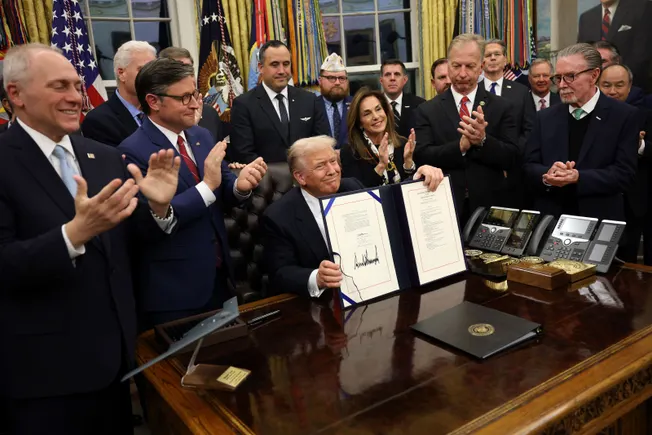
    President Donald Trump on Wednesday signed into law funding legislation that ended the longest-ever government shutdown in U.S. history and funds SNAP and WIC until the end of September 2026.

    The bill extends current funding levels for most federal government operations through January 2026 and funds several agencies, including the U.S. Department of Agriculture, through the remainder of the federal government’s current fiscal year, which ends Sept. 30, 2026.

    The USDA funding includes $107.5 billion for SNAP — about 8% more than the program’s fiscal 2024 level. It also includes $8.2 billion for WIC, almost 8% more than the allotted amount for fiscal 2025. The measure also reimburses the contingency reserves for WIC and SNAP to account for expenditures during the government shutdown.

    The deal buys Congress time to hash out spending and brings more financial security to SNAP following a tumultuous battle during the shutdown over how to cover the food aid program with emergency funds.  

    The National Grocers Association and FMI — The Food Industry Association said in separate statements that the reopening of the government and fully restoring federal funding of SNAP provides stability for consumers receiving food assistance.

    “We are proud of the way our retailer and supplier members stepped up during this difficult time to support their communities through a variety of food and household product donation programs, discounted pricing and enhanced funding for neighborhood organizations,” FMI Chief Public Policy Officer Jennifer Hatcher said in a statement

    The most recent USDA data shows nearly 42 million people participated in SNAP and received an average of $188 in May. About 39% of SNAP recipients are children under the age of 18, according to the National Education Policy Center.

    Source link

  • Federal judge stands by order requiring OCR be restored

    Federal judge stands by order requiring OCR be restored

    This audio is auto-generated. Please let us know if you have feedback.

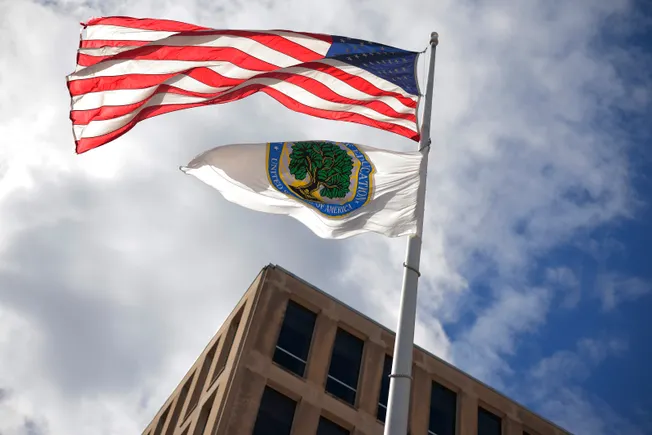
    A federal judge is standing by his June decision requiring the U.S. Department of Education to restore its Office for Civil Rights “to the status-quo” so it can “carry out its statutory functions.” The order, which prevents the department from laying off OCR employees, comes despite a U.S. Supreme Court emergency order in a separate case allowing the agency to move forward with mass layoffs across the department.

    The case challenging the gutting of OCR, which included the shuttering of seven out of 12 regional OCR offices, was brought by two students who “faced severe discrimination and harassment in school and were depending on the OCR to resolve their complaints so that they could attend public school,” said Judge Myong Joun in his Aug. 13 decision. 

    Joun said Victim Rights Law Center v. U.S. Department of Education is separate from New York v. McMahon the Supreme Court case that allowed the department to proceed with mass layoffs — because the students have “unique harms that they have suffered due to the closure of the OCR.”

    The Education Department appealed Joun’s ruling Thursday to the U.S. First Circuit Court of Appeals, asking the court to allow the department to move forward with its OCR closures. 

    The court battle prolongs the administrative leave of OCR employees that began in March, after the department laid off more than 1,300 staff across the entire Education Department. President Donald Trump and U.S. Education Secretary Linda McMahon pushed the layoffs as a way to “end bureaucratic bloat” and downsize the federal government, including its expenses. 

    However, according to American Federation of Government Employees Local 252, the union representing a majority of the laid-off Education Department employees, the federal government has been paying around $7 million a month just for employees to sit idle on administrative leave. 

    The employees’ administrative leave that began in March originally ended with their termination on June 9. However, court cases blocking the department’s gutting have prolonged their employment.

    According to the numbers released by the agency last year, OCR received a record number of complaints against K-12 and higher education institutions in 2023, the most recent year for which numbers are available, surpassing a previous all-time high set in 2022.

    Source link

  • Federal judge stands by order requiring OCR be restored

    Federal judge stands by order requiring OCR be restored

    This audio is auto-generated. Please let us know if you have feedback.

    A federal judge is standing by his June decision requiring the U.S. Department of Education to restore the Office for Civil Rights “to the status-quo” so it can “carry out its statutory functions.” The order, which prevents the department from laying off OCR employees, comes despite a U.S. Supreme Court emergency order in a separate case allowing the agency to move forward with mass layoffs across the department.

    The case challenging the gutting of OCR, which included the shuttering of seven out of 12 regional OCR offices, was brought by two students who “faced severe discrimination and harassment in school and were depending on the OCR to resolve their complaints so that they could attend public school,” said Judge Myong Joun in his Aug. 13 decision. 

    Joun said Victim Rights Law Center v. U.S. Department of Education is separate from New York v. McMahon the Supreme Court case that allowed the department to proceed with mass layoffs — because the students have “unique harms that they have suffered due to the closure of the OCR.”

    The Education Department appealed Joun’s ruling Thursday to the U.S. First Circuit Court of Appeals, asking the court to allow the department to move forward with its OCR closures. 

    The court battle prolongs the administrative leave of OCR employees that began in March, after the department laid off more than 1,300 staff across the entire Education Department. President Donald Trump and U.S. Education Secretary Linda McMahon pushed the layoffs as a way to “end bureaucratic bloat” and downsize the federal government, including its expenses. 

    However, according to American Federation of Government Employees Local 252, the union representing a majority of the laid-off Education Department employees, the federal government has been paying around $7 million a month just for employees to sit idle on administrative leave. 

    The employees’ administrative leave that began in March originally ended with their termination on June 9. However, court cases blocking the department’s gutting have prolonged their employment.

    According to the numbers released by the agency last year, OCR received a record number of complaints against K-12 and higher education institutions in 2023, the most recent year for which numbers are available, surpassing a previous all-time high set in 2022.

    Source link

  • This week in 5 numbers: 133 international students have legal status restored

    This week in 5 numbers: 133 international students have legal status restored

    We’re rounding up recent stories, from a legal victory for some noncitizen students to Harvard University's legal fight against the Trump administration.

    Source link