How do perceptions of artificial intelligence, online education, tertiary harmonisation, regulation and the skills agenda differ between Australia and the United Kingdom?
Please login below to view content or subscribe now.
Membership Login


How do perceptions of artificial intelligence, online education, tertiary harmonisation, regulation and the skills agenda differ between Australia and the United Kingdom?
Please login below to view content or subscribe now.

Finding the right accommodation is one of the most important decisions facing university students, especially in cities like Melbourne, where enrolments are high and housing supply is limited. Currently, the market offers a range of options, each differing in cost, support services, and overall stability.
For many, student housing in Melbourne is about more than proximity to campus. It’s also about access to a secure, well-managed environment that promotes academic progress and social well-being.
To help with this decision, here’s a breakdown of some of the most common housing models and how they align with students’ needs.
For students balancing academic demands with independent living, accommodation designed specifically for study and support can offer greater stability. This is the approach taken by Journal Student Living. It combines private rooms with shared study, kitchen, and recreational facilities, supported by on-site staff and secure building access.
At Campus House, students live just 20 metres from the University of Melbourne, 150 metres from Trinity College, and 850 metres from RMIT, with easy access to nearby institutions. The building also includes dedicated study zones, rooftop gardens, and communal areas designed to support focused study and social connection.
Many universities offer accommodation either directly or through affiliated providers, often located near campus. These options provide convenience and a built-in student community. However, places are limited, applications are competitive, and inclusions vary by provider.
Shared living is common for students, especially those moving in with friends or joining an existing flat. While it can seem cheaper upfront, it often comes with split bills, unclear responsibilities, and limited privacy. There’s also no formal support, which can make daily life harder for students settling into a new city.
As a new Journal Student Living location opening in 2026, Market Way offers a purpose-built alternative to shared living. It provides furnished rooms, dedicated study areas, social spaces, and onsite support, all covered by one weekly fee that includes internet, utilities, and building access.
The building is also centrally located, just 380 metres from RMIT and close to other major institutions. This makes it easier to stay connected to classes and campus life.
Renting through the private market gives students full control over where and how they live, but it also means managing everything independently. Lease terms are often rigid, with tenants responsible for bills, maintenance, and any disputes.
For students balancing assignments and deadlines, this can add unnecessary stress. Availability can also be limited near major campuses, and students without a rental history may struggle to secure a lease.
Journal Student Living provides a simpler option, with move-in-ready rooms available in a range of layouts. Options include studios, suites, and two-, three-, and four-bedroom ensuite apartments. All rooms are fully furnished and located close to major universities, helping students stay focused without the complications of renting privately.

Students have access to a range of accommodation types, but not all offer the same level of support, comfort, or convenience. For those looking for well-located, move-in-ready housing with community and privacy built in, Journal Student Living offers a purpose-built model that addresses the gaps found in other types of housing.
To learn more about availability, room types, and support services, visit the Journal Student Living website.
Do you have an idea for a story?
Email [email protected]

Digital transformation has become essential for educational institutions navigating budget pressures, evolving compliance demands, and rising expectations from students and staff. But for many universities and TAFEs, ERP projects have been slow, costly, and difficult to deliver.
This article explores how the SaaS+ delivery model from TechnologyOne is helping education providers unlock faster and better results with a delivery approach designed for the sector, not just the software.
Why education providers can’t afford risk
Australian universities and TAFEs face growing pressure to modernise outdated systems while maintaining tight budgets and resource control. Finance, HR, and administrative teams are expected to do more with less, managing complex funding models and ensuring seamless student and staff experiences, all while staying compliant with evolving regulations.
Yet, many ERP projects still fall short. Long timelines, shifting scopes, and many other challenges have led to cost blowouts, underwhelming outcomes, and internal fatigue from staff caught in the crossfire.
Uncertainty isn’t just inconvenient in a sector where every dollar and every hour matters. It’s unsustainable.
For transformation to succeed, education providers need more than a product. They need a clear path to results: one that simplifies complexity and removes unnecessary risk from the equation.
What is SaaS+ and why is it different?
SaaS+ is TechnologyOne’s delivery model for enterprise software, and it turns the traditional ERP experience on its head.
Instead of relying on multiple vendors, consultants, and unpredictable timelines, SaaS+ delivers everything under one roof: software, implementation, support, and ongoing success – all covered by a single annual fee.
It’s a complete, end-to-end model that takes the risk out of transformation and puts control back in the hands of the institution.
SaaS+ is also underpinned by preconfigured solutions built specifically for education. That means less time spent reinventing the wheel and more time focusing on the outcomes that matter – better student experiences, smarter financial decisions, and more efficient operations across the board.
Proven success from sector leaders
For many institutions, traditional ERP projects have become more about navigating implementation than achieving real change. SaaS+ shifts the focus back to what matters: delivering better outcomes for students, staff, and the broader education community.
Institutions like Victoria University and TasTAFE, for example, have recently embraced TechnologyOne’s SaaS+ model to modernise systems, streamline administration, and refocus their resources on delivering better student outcomes.
These institutions aren’t just upgrading software. They’re improving how they operate, how they serve their students, and how they plan for what’s next.
With SaaS+, success isn’t measured by go-live dates. It’s measured by the outcomes it enables.
When it comes to ERP, local knowledge isn’t a nice-to-have – it’s essential. From sector-specific compliance to the nuances of funding models, education providers in Australia operate in a unique regulatory and operational environment. Generic, global systems often fall short.
TechnologyOne is Australia’s only homegrown ERP provider, with more than 37 years of experience working alongside the country’s universities, TAFEs, and education departments. Our solutions are built, hosted, and supported locally, with a deep understanding of the sector’s needs embedded from day one.
Today, our software supports more than 6.5 million students across 150+ education institutions in Australia, New Zealand and the UK. That reach is built on local trust, not on a global scale.
Beyond the product itself, this local presence means faster support, tighter alignment with government and education standards, and a genuine partnership model. It also means every dollar invested stays in the region, supporting local jobs, innovation, and long-term capability in the sector.

A smarter path forward for transformation
SaaS+ is designed to accelerate results. With a preconfigured approach and a single point of accountability, it removes the friction and uncertainty that often slow traditional ERP rollouts. Faster implementations mean faster benefits, and more time to focus on the strategic goals that matter.
Whether it’s enabling more responsive finance and HR teams, supporting hybrid workforces, or improving how students interact with institutional services, SaaS+ helps education providers act with confidence and clarity.
Because when your systems work better, your people can too.
Explore how TechnologyOne’s OneEducation SaaS+ model is helping institutions across Australia lead the future of education.
Do you have an idea for a story?
Email [email protected]

Over 150 students and staff from 20 separate universities claim free speech about Palestine has been restricted on campus, according to a report released on Thursday.
Please login below to view content or subscribe now.

Digital platforms are a key part of a positive student experience and will be a major focus for the new Adelaide University (AU), its digital project lead told an audience of academics on Thursday.
Please login below to view content or subscribe now.
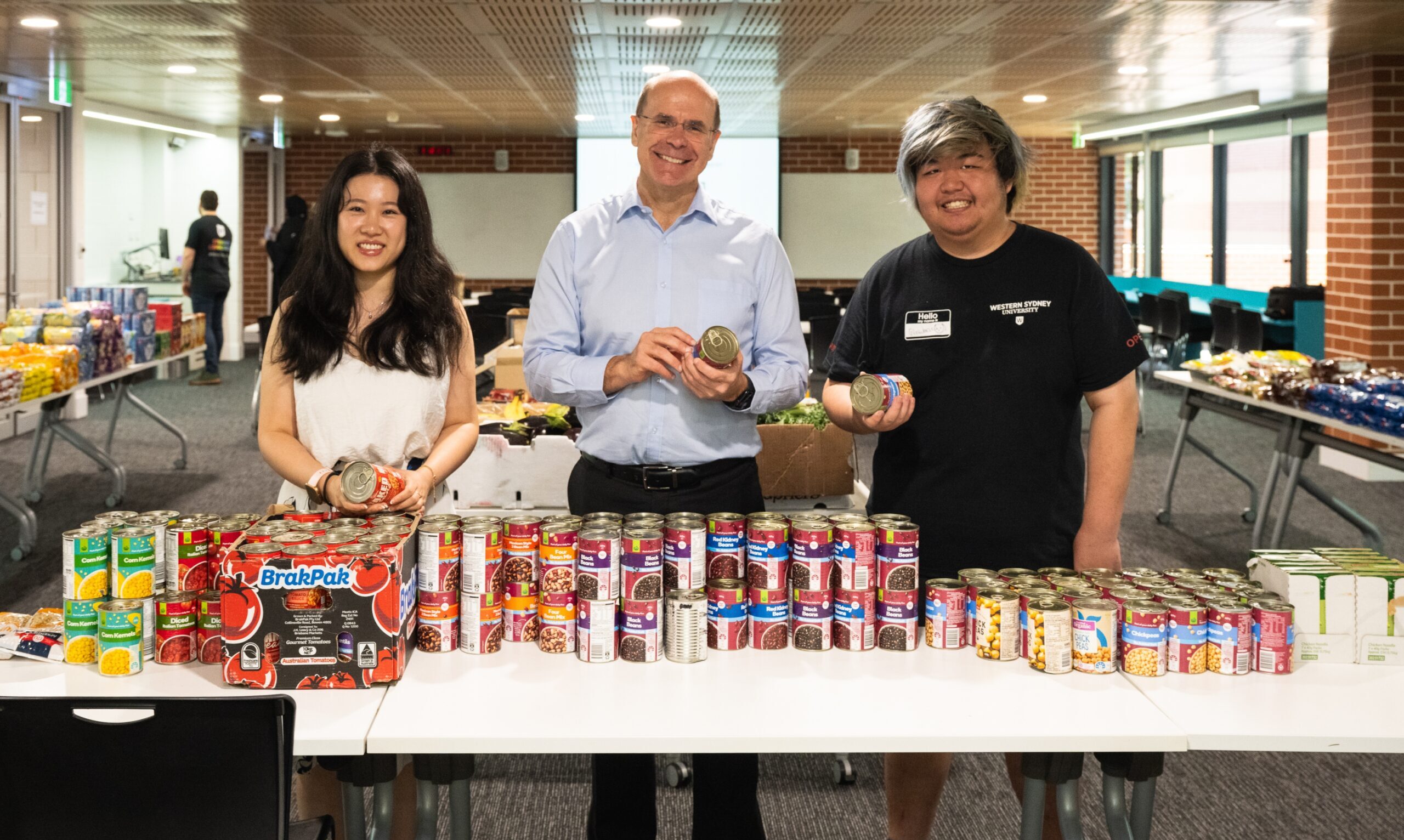
Western Sydney University (WSU) has ranked first in the measure of delivering community impact out of over 2000 universities globally in the Times Higher Education Impact Rankings released Wednesday.
Please login below to view content or subscribe now.

John Burdick, Marni Passer Vassallo and Holly Halmo lead the New York University student success team.
Please login below to view content or subscribe now.

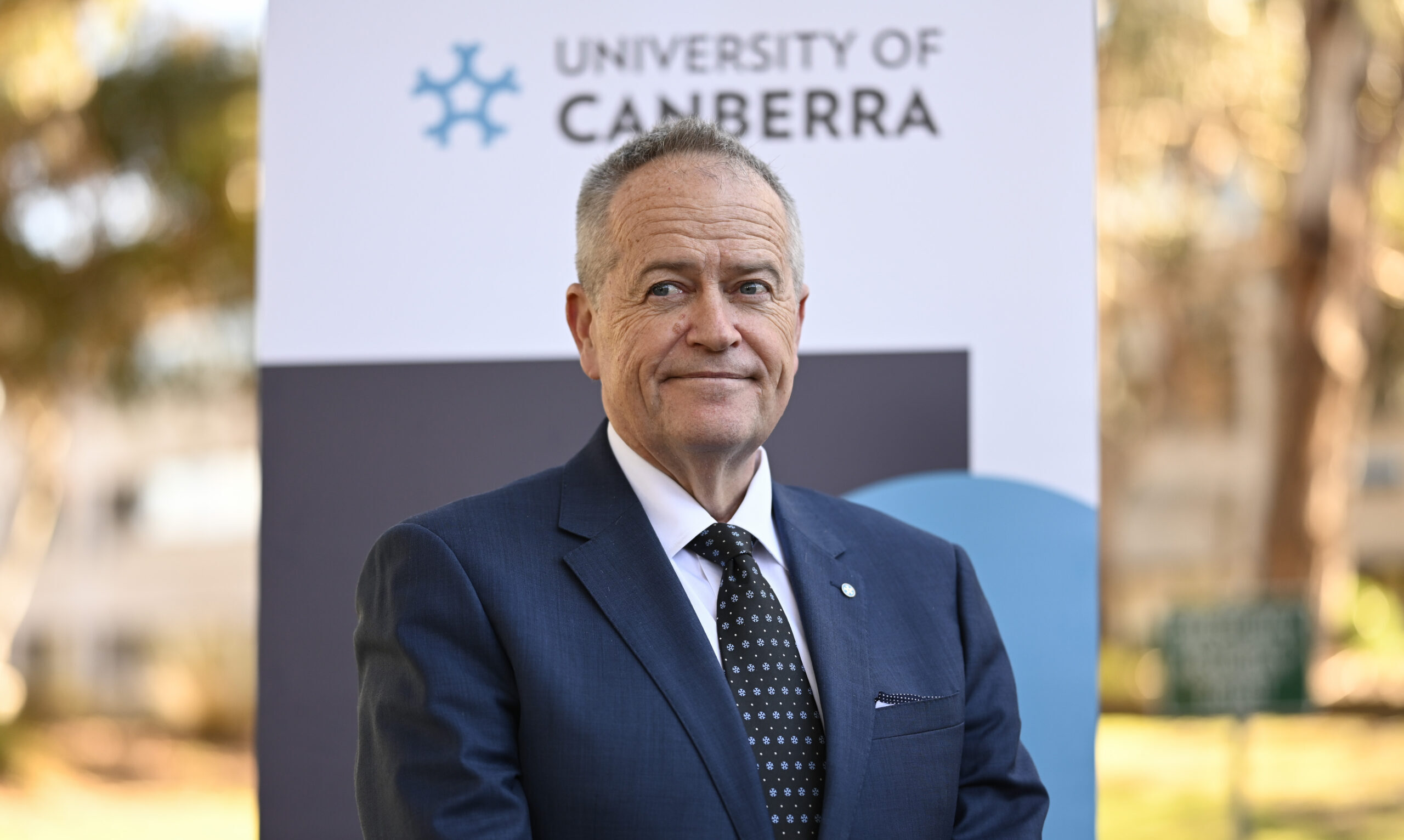
New University of Canberra (UC) vice-chancellor Bill Shorten has scolded the higher education sector for not keeping up with students’ demands in a piece he penned for The Australian on Thursday.
Please login below to view content or subscribe now.

Professor Nicola Phillips has been revealed as the vice-chancellor of the new Adelaide University ahead of its opening next year.
Please login below to view content or subscribe now.
