Tag: Roles

  • The AI Teammate: Three Roles to Build Student AI Fluency – Faculty Focus

    The AI Teammate: Three Roles to Build Student AI Fluency – Faculty Focus

    Source link

  • The AI Teammate: Three Roles to Build Student AI Fluency – Faculty Focus

    The AI Teammate: Three Roles to Build Student AI Fluency – Faculty Focus

    Source link

  • Purpose and Progress: Inside Today’s Healthcare Roles

    Purpose and Progress: Inside Today’s Healthcare Roles

    Our panel of experts shares how healthcare careers offer purpose, growth, and meaningful daily impact.

    Priya Parthasarathy, D.P.M.

    President, Maryland Podiatric Medical Association; Partner, US Foot & Ankle Specialists; National Spokesperson, American Podiatric Medical Association

    What makes a career in healthcare such a meaningful and rewarding path for today’s professionals?

    In podiatry, you get to literally help people move forward. There’s something so powerful about that. We take patients who are in pain or afraid they’ll lose their independence and give them back mobility and confidence. You see the difference right away. I love that our field blends medicine, surgery, and long-term patient relationships. Every day, I get to use my skills to make someone’s life better, and I walk away each day knowing I truly made an impact.

    As healthcare needs evolve and demand grows, why is it so important that we inspire more students and young professionals to pursue careers in this field?

    Foot and ankle health is connected to everything — mobility, diabetes, overall wellness — but it’s often underrepresented. I love showing students how diverse and dynamic this field is. You can perform surgery, focus on sports medicine, wound care, pediatrics, or public health. The possibilities are endless, and the need is growing. There’s so much opportunity to innovate, lead, and really shape the future of healthcare.

    How does working in healthcare allow you to make a tangible impact on people’s lives while continuing to grow and learn professionally?

    What I love about podiatry is that you get to see progress in real time. Someone comes in limping or unable to wear shoes comfortably, and weeks later, they’re walking pain-free or running again. That’s the immediate impact. The field never stops evolving, whether it’s regenerative medicine, new technology, or surgical innovation, so there’s always something new to learn. It keeps me motivated and constantly growing.

    What advice would you give to someone considering a future in healthcare about finding purpose and fulfillment in this work?

    Find your “why,” and hold on to it. The path isn’t always easy. There are long days and tough cases, but when you see a patient light up because they can walk without pain, it reminds you why you started. In podiatry, fulfillment comes from those everyday wins. Stay curious, lead with empathy, and don’t forget that what we do truly changes lives, one step at a time.

    Raymond K. Brown-Riley, B.S.N., RNC-NIC, NPT, NNIC

    NICU Assistant Director of Nursing and NICU Transport Coordinator, MedStar Georgetown University Hospital

    What makes a career in healthcare such a meaningful and rewarding path for today’s professionals?

    A career in healthcare is especially meaningful because every day offers a chance to protect dignity, relieve suffering, and support recovery. During my time at Purdue’s School of Nursing, I learned to utilize evidence-based strategies, empathy, and teamwork. These are all skills I rely on as the assistant director of nursing in the neonatal intensive care unit (NICU) at MedStar Georgetown today. Whether stabilizing a fragile, premature baby or supporting a worried family, the work is deeply human and very impactful. The reward — seeing progress and knowing our actions create safer beginnings and healthier futures — is priceless.

    As healthcare needs evolve and demand grows, why is it so important that we inspire more students and young professionals to pursue careers in this field?

    As the population ages, the need for prepared and compassionate nurses and healthcare providers keeps growing. Inspiring students to choose healthcare is not only about staffing; it is about building systems that are safer, more equitable, and innovative. Purdue taught me that evidence-based science and research, coupled with patient and family-centered care, is the formula for success. When more bright minds join nursing and allied fields, we are able to accelerate breakthroughs, improve access, and strengthen the health of communities. Developing new nurses and professionals today improves outcomes for communities tomorrow. It’s imperative that we continue to produce new graduates who have the tools to handle the challenges before them, the knowledge to avoid the mistakes of the past, and the wisdom to know the difference.

    How does working in healthcare allow you to make a tangible impact on people’s lives while continuing to grow and learn professionally?

    Healthcare offers a unique opportunity to provide an immediate impact while also having an opportunity for lifelong development. In the NICU and through our neonatal transport program, I see how timely decisions, clear communication, and skilled interventions can change the course of a family’s life every day. The field also requires that you’re committed to being a life-long learner, utilizing new guidelines, technologies, and quality improvement methods. My Purdue foundation in evidence-based practice and quality improvement prepared me to continually seek out growth opportunities, mentor others, and turn research into practice changes that make a real difference. Professional development is not just a responsible career practice; it’s a moral obligation to contribute to the advancement of the profession.

    What advice would you give to someone considering a future in healthcare about finding purpose and fulfillment in this work?

    I would tell anyone considering a future in healthcare to reflect on where their passions lie. The healthcare industry is broad and diverse, so it’s important to hone in on what fulfills you personally. Start by shadowing clinicians and asking questions about workload, emotional demands, scheduling, and opportunities for advancement. In a nursing program like Purdue’s, there is a strong emphasis on clinical excellence, interprofessional collaboration, and self-reflection. I was encouraged to expect more of myself and my future employer. It’s important to find a program that teaches not only clinical competence but also strategies to manage stress and grow professionally so your career is sustainable. Find mentors who challenge you and a specialty that matches your strengths and passions. It’s cliché, but true, that when you love what you do, you’ll never work a day in your life.

    Source link

  • Career Pathways and Gender Roles

    Career Pathways and Gender Roles

    Last week I and several colleagues visited a local technical high school to see what kind of dual-enrollment courses we could offer there. The school was leaps and bounds beyond what technical high schools were known for when I was a student: It had an impressive range of programs, new facilities, dedicated staff and some very poised students. I’d be proud to have them here.

    That said, I couldn’t help but notice a pattern that hasn’t changed over the decades: gender segregation by field remains robust.

    The electronics lab and the computer gaming lab were full of young men. The allied health area was almost entirely young women. When I asked the admins there whether that was typical of what they’ve seen, they responded that it was.

    This week I dropped by a continuing-education conference that the college hosts for dental hygienists. I noticed that the attendees were nearly all women. A woman who runs a complementary program and was in attendance told me that over 98 percent of the dental hygienists in our state are women. Strikingly, she noted that the few men in the field have a terrible time getting hired; dentists are afraid that patients will mistake male hygienists for dentists.

    This, in 2025.

    In each case, the organizers were fully aware of the gender split. They certainly didn’t encourage it and, in some cases, tried actively to counter it. That has been true for years. Yet the patterns persist; if anything, they seem to be strengthening in certain occupational areas.

    It’s not news that women have been graduating college at higher rates than men for several decades now. But if you looked only at HVAC and cybersecurity programs, you wouldn’t know it. Conversely, if you looked only at allied health programs, you’d wonder how the percentage of men even hits double digits. The disjuncture between greater integration in certain professional fields and markedly persistent segregation in others is striking.

    Honestly, if you had asked me 30 years ago, I would have expected to see much more integration by now. Maybe not parity, but something far closer to it than what we have now. And the fact that the patterns exist among current high school students suggests that it isn’t just a matter of one generation slowly replacing another.

    My own bias is that, generally speaking, more integration is better. That means more women in welding and more men in nursing. That’s because defaulting to individual choice as an explanation doesn’t take account of the conditions in which those choices are made. Whether your preferred metaphor is critical mass or a tipping point, there’s often a threshold of representation beneath which folks who might otherwise have wanted to be there will feel unwelcome. That threshold is usually well below absolute parity, but above being the “only.”

    Having enough people like you—however defined—in the field can make the option seem more welcoming.

    So, no, I don’t believe in trying to engineer absolute parity in all things. People have free will, and an occupational draft isn’t likely to lead anywhere good. But surely we can make headway toward making more choices more welcoming for more types of people. We know that having too much sameness in a group leads to groupthink and that groups with multiple perspectives tend to make better decisions. The same can be said of professions. I didn’t think we’d still be making those points in 2025, but here we are.

    Source link

  • Advanced Teaching Roles Program Shows Improved Test Scores, but Faces Funding Concerns – The 74

    Advanced Teaching Roles Program Shows Improved Test Scores, but Faces Funding Concerns – The 74


    Get stories like this delivered straight to your inbox. Sign up for The 74 Newsletter

    North Carolina’s Advanced Teaching Roles program, which allows highly effective teachers to receive salary supplements for teaching additional students or supporting other teachers, is having positive effects on math and science test scores, according to an evaluation presented by NC State University’s Friday Institute for Educational Innovation at the State Board of Education meeting last week.

    Since 2016, the ATR initiative has allowed districts to create new career pathways and provide salary supplements for highly effective teachers — or Advanced Teachers — who mentor and support other educators while still teaching part of the day. Their roles include Adult Leadership teachers, who lead small teams and receive at least $10,000 supplements, and Classroom Excellence teachers, who take on larger student loads and receive a minimum of $3,000 supplements. 

    Those in adult leadership roles teach for at least 30% of the day, lead a team of 3-8 classroom teachers, and share responsibility for the performance of all those teachers’ students. Classroom excellence teachers are responsible for at least 20% more students than before they enter the role.

    “Our ATR program was designed to allow highly effective classroom educators to reach more students and to support the professional growth of educators,” said Dr. Callie Edwards, the program’s lead evaluator, at the State Board of Education meeting last Wednesday. “ATR aims to improve the quality of classroom instruction, the recruitment and retention of teachers, as well as ultimately impact student academic achievement.”

    In the 2024-25 school year, 26 districts operated ATR programs across 400 schools — 56% of which were elementary schools — employing 1,494 Advanced Teachers who supported nearly 4,000 classroom teachers statewide, according to the evaluation. Edwards said that 88% of Adult Leadership teachers received at least $10,000, and 85% of Classroom Excellence teachers received $3,000 or more.

    Statistical analysis of the 2023-24 school year’s data found that students in ATR schools outperformed their peers in non-ATR schools in math and science, showing statistically significant learning gains. 

    “Across the various programs I’ve evaluated, these are positive results — especially in math and science — where the impact of ATR is equivalent to about a month of extra learning for students,” said Dr. Lam Pham, the leading quantitative evaluator. “The results in ELA are positive but not statistically significant, which has been consistent for the last three years,” Pham said, referring to English Language Arts.

    These effects on math and science grow over time, according to the evaluation. Math scores improved throughout schools’ first six years of ATR implementation — though they are no longer significant by the seventh year of implementation, according to the presentation. For science scores, statistically significant gains began in the fifth year after schools began implementing ATR.

    Additionally, math teachers in ATR schools reported higher EVAAS growth scores than their peers in comparable schools.

    Teachers in ATR schools also reported feeling like they have more time to do their work compared to teachers in non-ATR schools.

    This year’s report featured data on teachers supported by ATR teachers for the first time. The evaluation found no positive effects on test scores for students taught by supported teachers compared to students taught by teachers who are not in the program. The researchers also found no effect on turnover levels for teachers supported by Advanced Teachers. However, the report says additional years of data will be necessary to verify if those effects appear over time.  

    The evaluation recommended that principals in ATR schools should foster collaboration and communicate strategically about the program with staff, beginning during Advanced Teachers’ hiring and onboarding.

    “It’s important to integrate ATR into those processes,” Edwards told the Board. “That means introducing Advanced Teachers to new staff and making collaboration, especially mentoring and coaching, a structured part of the day.”

    Edwards said these practices have been adopted in some schools, but principals reported needing more time and support to build collaboration opportunities into the school schedule.

    The report also urges district administrators to coordinate with Beginning Teacher (BT) programs, advertise ATR in recruitment materials, and improve their data collection practices. It also calls on state leaders to standardize the program to ensure consistency across participating districts.

    “Districts need standardized messaging, professional learning opportunities, and technical assistance to support implementation,” Edwards said. “The state can also create more opportunities for districts to share what’s working with one another and expand the evaluation beyond test scores to capture things like classroom engagement, social, emotional development, and feedback from teachers and principals.”

    The evaluators also said “there’s more to do” to expand the program in western North Carolina after Board members raised concerns about uneven participation across the state’s regions.

    2026-27 participants

    After the Friday Institute’s presentation, Board members heard a presentation on proposals for the next round of districts to join the ATR program from Dr. Thomas R. Tomberlin, senior director of educator preparation, licensure, and performance.

    Tomberlin said DPI received 15 proposals representing 22 districts. These proposals have been evaluated by seven independent evaluators, Tomberlin said. The Board had to choose the program’s next participants by Oct. 15 to comply with a legislative requirement. 

    The state can only allocate $911,349 for new implementation grants in 2026-27 — less than one-sixth of the funding required to fund all applications. That level of funding is “very low” compared to previous years, Tomberlin said. In the 2023-25 state budget, the General Assembly appropriated $10.9 million in recurring funds for these supplements in each year of the biennium.

    Tomberlin recommended that the Board approve the three highest-scoring proposals for the 2026-27 fiscal year, and fund these districts at 85% of their request. If the Board approves this recommendation, the state would still have $37,981 in planning funds left over for districts approved during the 2026 proposal cycle.

    Tomberlin said districts are already struggling to pay for the program’s salary supplements. The Friday Institute’s report showed that, despite the high median supplements, some districts are offering supplements as little as $1,000.

    “Some districts are not able to pay the full $10,000 because they have more ATR teachers than the funding that we can give them in terms of those allotments,” Tomberlin said. “And we had requested the General Assembly, I think, an additional $14 million to cover those supplements, and we didn’t get any.”

    The Senate’s budget proposal this session included funds to expand the ATR program over the biennium, while the House proposal did not. The General Assembly has not yet passed a comprehensive state budget, and its mini-budget did not include ATR program funding.

    Tomberlin said DPI would be in touch with the three districts to verify if they can proceed with the program despite limited funding.


    This article first appeared on EdNC and is republished here under a Creative Commons Attribution-NoDerivatives 4.0 International License.


    Get stories like these delivered straight to your inbox. Sign up for The 74 Newsletter

    Source link

  • LAVC Media Arts Faculty Stripped of Administrative Roles Amid Fraud Scandal (LACCD Whistleblower)

    LAVC Media Arts Faculty Stripped of Administrative Roles Amid Fraud Scandal (LACCD Whistleblower)

    Faculty members in the Los Angeles Valley College (LAVC) Media Arts Department implicated in decades of fraud and misconduct have been removed from administrative positions, though they remain in teaching roles.

    Over the summer, longtime department head Eric Swelstad, who had led Media Arts since 2008, was replaced as chair by Chad Sustin, a full-time professor of Cinema and Media Arts. The change followed a notification from the LACCD Whistleblower Movement to new Chancellor Alberto J. Roman, alleging that Swelstad falsely claimed membership in the Writers Guild of America – West for more than 20 years and used this misrepresentation in official LACCD promotional materials.

    Sustin, a tenured faculty member since 2016 and a former Technicolor post-producer, now leads the department.

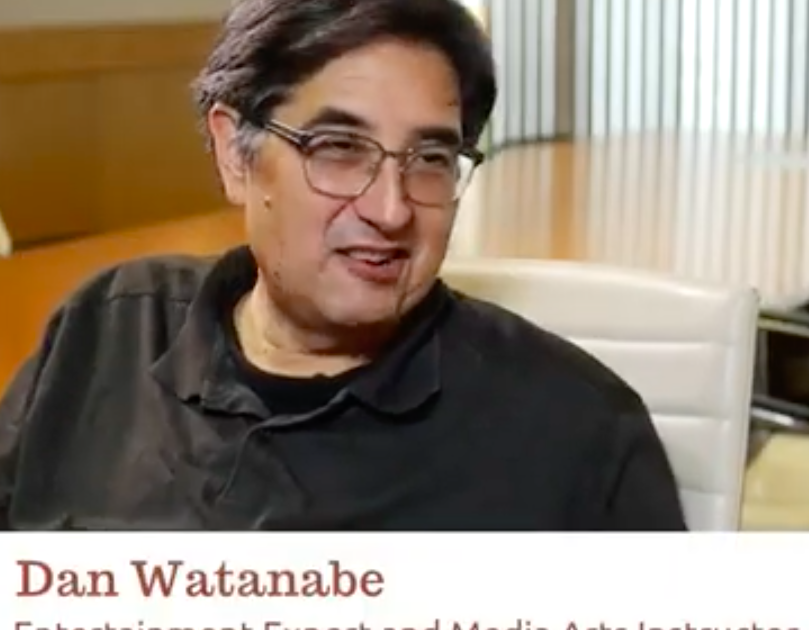
    The reshuffling comes amid years of internal turmoil. In 2022, full-time cinema professor Arantxa Rodriguez resigned and was replaced by Jonathan Burnett as assistant professor. Rodriguez had previously been implicated in department infighting and, alongside Swelstad, was named as a co-defendant in a 2008 case alleging failure to provide advertised technical training and education. Burnett’s hiring bypassed longtime adjunct and former grant director Dan Watanabe.

    Watanabe previously administered several Media Arts training grants, the last of which—ICT & Digital Media, LA RDSN—was reported as fraudulent in 2016. The 2013 grant proposal promised courses such as The Business of EntertainmentAdvanced Digital Editing, Photoshop, and After Effects. Yet once funding was approved, The Business of Entertainment and Advanced Digital Editing were archived by LAVC’s Academic Curriculum Committee and Senate. Photoshop and After Effects were offered only minimally, with After Effects disappearing after 2015 and Photoshop shifting to online-only by 2017.

    Students reported the suspected fraud to the State of California in 2016, prompting a review of the grant. Renewal applications submitted by Watanabe in 2018 and 2021 were both denied.

    Grant Record (Denied Renewal, 2018):

    • Project Title: ICT & Digital Media – LA RDSN (Renewal)

    • Funding Agency: CCCCO EWD

    • Grant Amount: $165,000

    • Funding Period: Oct. 1, 2018 – June 30, 2019

    • Project Director: Dan Watanabe

    • Description: Proposed renewal of the Deputy Sector Navigator grant under the California Community Colleges Chancellor’s Office, focused on curriculum development and alignment with universities and K–12 schools.

    https://services.laccd.edu/districtsite/Accreditation/lavc/Standard%20IVA/IVA1-02_Grants_History.pdf

    Despite this, Watanabe (who was also passed over for a full-time position at Los Angeles Pierce College) remains an adjunct faculty member slated to teach Cinema 111, Developing Movies – a field he reportedly last worked in twenty years ago. Arantxa Rodriguez and Eric Swelstad have both been scheduled to teach Fall 2025. Despite falsifying his credentials as a member of the Writer’s Guild of America – West, and implying he was a Primetime Emmy Winner (he in fact was the director of a movie that received a local Los Angeles Emmy in the 1990s), he is slated to teach Cinema 101 and screenwriting core class Media Arts 129. Rodriguez will a remote History of Film Class. 

    Reportedly the new full-time faculty in the department have started working to reverse the damage. Fall 2025 schedule includes Media Arts 112, Creative Sound Design Workshop. 

    Source link

  • Columbia Ends Some Teaching Roles for Grad Students

    Columbia Ends Some Teaching Roles for Grad Students

    DNY59/iStock/Getty Images

    Less than a month before the start of the semester, Ph.D. students at Columbia University in New York were told with little explanation that they would no longer be teaching this fall.

    The catalyst for this change is unclear. The university said it’s an effort to reduce the teaching load on Columbia graduate students and allow them to finish their degrees in six years rather than seven. The students said it’s a move to weaken the labor power of their union, which is in the middle of tense negotiations with the university to renew its contract, which expired June 30.

    The students, who are members of the graduate student union Student Workers of Columbia, will still be paid. However, instead of receiving a biweekly teaching stipend, they’ll get a lump sum at the start of the semester. To pay both the Ph.D.s and their replacements, “the cost to the university likely runs to millions of dollars,” estimated Michael Thaddeus, a mathematics professor at Columbia and vice president and acting president of the Columbia chapter of the American Association of University Professors. In July, Columbia agreed to a $221 million settlement with the federal government in order to restore hundreds of millions in federal research funding.

    Columbia has traditionally tapped sixth- and seventh-year graduate students to teach foundational courses and some of the undergraduate college’s Core Curriculum classes, which includes courses, like University Writing and Frontiers of Science, that all first-year students are required to take. The work is more time-consuming than a regular TA job; as the so-called instructors of record, the Ph.D. students must teach two two-hour lectures and attend a pedagogy seminar each week, on top of all of the reading and prep time that goes on behind the scenes. The workload sidelines their research and writing, a representative from SWC explained. But it offers valuable teaching experience, and Ph.D. candidates are usually guaranteed a seventh year of funding when they sign on to teach a core class.

    But this teaching expectation is unusually large for graduate students, according to Columbia officials.

    “Columbia doctoral students have typically been required to teach more than Ph.D. students at peer institutions, which often means delays in their time to degree,” a university spokesperson wrote in a statement to Inside Higher Ed. “After discussions with some departments about teaching requirements and instructional staffing, we have released some graduate students from teaching obligations for the fall—while continuing to offer them the same funding and benefits. These students will have more time to complete academic requirements or advance their dissertation research and writing.”

    Neither the students nor some faculty buy this explanation. Students say they didn’t receive any formal communication about changes to the graduate student teaching structure and that the move to dismiss or deny Ph.D.s from the teaching positions is an effort to undermine the labor power of the union, which had been planning a strike for the fall. As TAs and members of SWC, the students would still be able to participate in a work action, but it wouldn’t have as big an impact as lecturers walking out of class.

    More than 100 students are affected by this change, according to the union. Columbia officials said the figure was much lower but declined to share an exact figure and noted that the number of Ph.D. core instructors varies year to year.

    Columbia’s AAUP chapter denounced the university’s action in an Aug. 19 statement.

    “We do not agree with the claim that this step has been taken to help graduate students. Rather, it clearly has to do with the looming contract negotiations. The timing makes this clear,” said Thaddeus. “Students applied for preceptor positions back in November, and then they heard nothing at all for many months. If this were being done to help graduate students, then it would have made sense to notify them promptly.”

    The move will also damage the quality of Columbia’s doctoral and M.F.A. programs, Thaddeus argued.

    “Practical experience with setting assignments and exams, giving final grades, and so on is invaluable to those graduate students who pursue a career in teaching,” he added.

    One sixth-year Ph.D., who wished to remain anonymous to prevent retaliation from the university for speaking out, applied for a core teaching position in December. Over the next eight months, she received no communication about the position and finally received an offer for a TA position July 30. It wasn’t until Aug. 6, the day she was originally supposed to sign and return the teaching assistant appointment letter, that she heard back about the core position. She’d been rejected, the email said, and it included no explanation or information about the widespread changes to graduate teaching duties at Columbia.

    The abrupt change is “really disrupting people in the later stage of the program, like myself, who thought that this was not going to be my last year,” says the Ph.D. student. “Now I’m having to go on the academic job market basically at the last minute.”

    To fill the now-vacant teaching jobs, Columbia is recruiting for one-year lectureships and advertising the roles to adjuncts, postdocs and New York–based graduate students at other universities.

    “I wanted to share with you a posting we’ve just made for full-time lecturer positions teaching all across our Core curriculum—in Art, Music, Literature, and Contemporary Civilization—where we are expecting a larger entering class that we’d originally thought,” Columbia officials wrote in a message that was passed along to faculty at the University of Chicago and obtained by Inside Higher Ed. Columbia has also sent the position to Yale University.

    Source link

  • Supporting early-career academics – in all their roles

    Supporting early-career academics – in all their roles

    The conventional view of a successful career in academia is a linear pathway from academic study to post-doctoral work to, finally, academic employment. However, this traditional perspective fails to acknowledge the complexity and conditional nature of entering academia.

    Higher education has transformed rapidly into a multi-faceted environment, underpinned by teaching, research, industry experience, scholarly activity, and wider responsibilities – and early-career academics (ECAs) are critical to that academic ecosystem.

    The challenges ECAs face can be extensive: foremost among them the planning and delivering of teaching content, added to the pressure of research, publications and preparing funding applications, as well as engaging in broader activities in pursuit of career development. When coupled with the potential uncertainty surrounding contract renewal, these factors can create an environment where stress and anxiety are pervasive.

    Accessing the necessary resources, activities and support is crucial to developing a thriving career. Helping to achieve a balance between focusing on teaching, research outputs, personal wellbeing and building a strong professional network is fundamental.

    Balancing the multiplicity of roles may make this initial transition difficult for ECAs. While research output and funding success of ECAs are often closely scrutinised, there is a critical aspect of their role that tends to be overlooked and under-appreciated – their teaching responsibilities.

    Priority mismatch

    For many ECAs, the challenge lies in being assigned increasing teaching hours, often including subjects or modules that are far removed from their research or industry expertise. This can be frustrating, diverting time from research, which is typically their primary focus.

    The demands of teaching should not be underestimated. Developing module and session content, grading and providing student support all take up significant time. Combined with the need to prepare, it’s easy to see how there can be little room for research or personal development. The problem is compounded by the increased administrative burden associated with teaching, which in many universities has been on the rise in recent years.

    Moreover, teaching quality is often seen as “secondary” to research output when it comes to academic progression. This can lead to a mismatch in priorities, where ECAs are forced to choose between excelling at teaching or focusing on research to meet the expectations of the next stage of their careers.

    ECAs can be provided with research supervisors, but there can be limited opportunity to access support to discuss pedagogical methods of teaching and learning and preparation of sessions. Even when opportunities exist for ECAs to engage in collaborative networks, peer support and mentoring, engagement can be restricted by work environment such as lack of time, high workloads and isolation

    Bridging the gap

    Many ECAs receive research support, yet less focus is placed on teaching fundamentals and long-term professional development. Often, ECAs may achieve their postgraduate teaching certificate after having started teaching – and the operational guidance and pedagogical skills can often get overlooked.

    Although ECA mentorship programmes do now exist within institutions, and more accessible support is available in professional networks, few universities offer formal mentoring schemes, which would pair ECAs with more senior academics to provide guidance in navigating the complexities of academic careers, specifically on teaching and learning.

    Despite the best possible local institutional support, ECAs will often stress the hidden struggles to develop independently, stating that it is difficult to determine what is supposed to be done and how – or what they are “expected to know.” This results in ECAs finding themselves struggling to build necessary skills to assist them with future teaching commitments.

    How we put a resource together

    A formal mentoring scheme at Hartpury University led us to develop a series of infographics as a visual communication tool to assist the development and delivery of pedagogical concepts to assist teaching delivery (in the subject area of anatomy). One example can be seen here on the National Teaching Repository, with links to others below.

    This was underpinned by discussing with ECAs their needs and resources to support their own teaching journey. These resources have grown organically as an operational user-friendly guide.

    This “anatomy series” appears to have resonated with both mentors and ECAs – according to the downloads we’ve seen from the repository at key points in the academic annual cycle.

    Through a small study (n=7), we collated an illustrative selection of narratives from ECAs and mentors on their thoughts. Both ECAs and mentors reported using the majority of the infographics “somewhat” or “to a great extent,” providing positive feedback in the following areas:

    • clear, evidence-based material that is easy to digest and ready to use as a quick reference guide
    • bite-sized content for quick reference during content creation or planning
    • “user-friendly” approach with concise actionable guidance
    • visually appealing resources that enhance clarity and learning retention.

    In addition, mentors highlighted:

    • effective scaffolding and signposting for module and assessment design
    • succinct prompts as a helpful reminder of the fundamental principles to focus on with ECAs
    • accessible, shareable resource featuring clear examples for ECAs.

    Ideas for future topics provided by respondents included technology and innovation, student support and success, and lecturer wellbeing.

    For a thriving academic career

    A rewarding academic career needs the right support and balance to transfer knowledge, inspire a generation, and pursue research.

    ECAs face complex challenges – but universities can help by improving mentorship programmes, building supportive networks, and offering guidance, as well as creating user-friendly resources that assist the practicalities of teaching.

    Early-career academics are central to the academic ecosystem, yet their struggles can be overlooked, particularly within the teaching and learning environment. By establishing a more sustainable and supportive environment, we can ensure that they are able to thrive within the multiplicity of roles they are asked to take on, and contribute to the academic community for years to come.

    Source link

  • More colleges are creating homeless liaison roles. Here’s why.

    More colleges are creating homeless liaison roles. Here’s why.

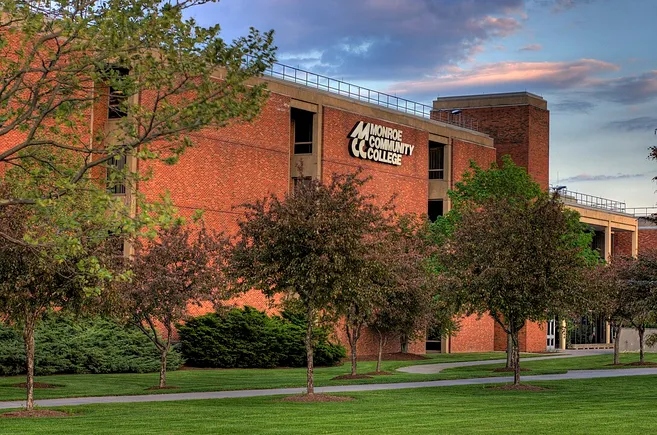
    When students at Monroe Community College experience homelessness, they often meet with Nicole Meyer. Since 2023, Meyer has been the homeless liaison at the two-year public institution in Rochester, New York, which is within the State University of New York system. 

    Nearly two years ago, SUNY required each of its 64 colleges to designate a person to serve as homeless liaison on their campuses — part of a nationwide movement to create such a position at higher education institutions. 

    Higher ed institutions and states throughout the U.S. have passed laws and implemented policies over the past decade or so designating homeless liaisons on campuses. The movement has been fueled by a growing recognition that many students experience homelessness during their college years, experts say.

    Around 8% of undergraduates and nearly 5% of graduate students reported experiencing homelessness in a 2020 survey that was published in 2023 from National Center for Education Statistics.

    “There has long been an assumption that if someone was in college, that they had the financial well-being to cover all their expenses,” said Rashida Crutchfield, executive director of the Center for Equitable Higher Education at California State University, Long Beach. “As higher education has learned that [homelessness] is part of the student experience, you’re seeing a lot more responsiveness to our responsibility to address it.”

    Students experiencing homelessness typically don’t have family or friends who have attended college and therefore lack a network to help them navigate the financial aid system, campus life and important resources, said Barbara Duffield, executive director of the nonprofit SchoolHouse Connection. 

    A homeless liaison thus becomes a point person on campus who can connect these students with resources that will help them remain enrolled through graduation, Duffield said. 

    In fact, a lack of housing can hinder students’ ability to focus on their studies, causing them to drop out, Duffield said. Additionally, such students often grapple with mental health issues, a sense of isolation and family-related issues, she said. On top of all that, they often must balance jobs with their classes, she said. 

    In Meyer’s case, by fall 2024 she had worked with 173 Monroe students experiencing housing insecurity or homelessnessroughly 2% of the college’s student population. A disproportionate share of those students are Black, Brown and women, Meyer said. 

    Meyer helps students find sustainable on- or off-campus housing — a challenging task given surging rental costs in Rochester. She works with the financial aid office and other administrators to help the students access scholarships, grants and the college’s emergency funds. 

    In addition, Meyer said she connects with school districts to help prepare high schoolers experiencing homelessness for the transition to college and partners with local organizations to help Monroe students navigate health insurance, transportation, child care and a host of other needs. Essentially, she’s the designated point person for all those students. 

    “I’m a one-stop-shop for basic needs, and housing and security,” said Meyer


    The origins of homeless liaisons

    The homeless liaison role emerged at the higher ed level following the 2007 passage of the federal College Cost Reduction Access Act a bill that increased funding for Pell Grants, made reforms to the financial aid system such as expanding repayment options for borrowers, and gave unaccompanied homeless youth independent student status when applying for financial aid, Duffield said

    That meant youths living in shelters, outside, in cars, in hotels, or on couches could apply for federal financial aid without their parents’ signatures, she said. 

    “This was really important because for so many young people, they are not in touch with their parents, they’re not being supported by their parents, and it’s just barrier after barrier after barrier to getting financial aid,” Duffield said

    At the time, Duffield said, colleges lacked knowledge about unaccompanied homeless youth, as well as training to identify those students and address the barriers they face. 

    Following the 2007 law, Colorado policymakers tried to rectify that knowledge gap by organizing a task force composed of students and higher ed and K-12 administrators. One of the task force’s recommendations called for establishing a single point of contact at every college and university in Colorado, based on a liaison model already used in K-12 districts. 

    Colorado colleges appointed homeless liaisons in 2009, establishing a first-of-its-kind model in the U.S., according to a fact sheet from the state’s education department. 

    Source link

  • Why many men feel lost in an age of shifting roles and expectations

    Why many men feel lost in an age of shifting roles and expectations

    A friend recently argued compellingly that two major gaps in the Harris campaign strategy affected voter turnout and engagement: a reluctance to acknowledge policy shortcomings and a failure to address the specific needs of men, particularly working-class men and those in communities of color. These gaps represent missed opportunities to connect with voters who feel overlooked and underserved.

    Many noncollege men today are navigating economic hardship and social isolation, grappling with precarious work and shifting social expectations. In a world that often emphasizes adaptability and academic success, the message they hear is clear: They should have worked harder, been more flexible or chosen a different path. 

    Yet this message can feel dismissive—more moralizing and patronizing than empathetic—ignoring the broader economic and structural challenges these men face. The decline of jobs in traditional industries, limited access to meaningful work and a diminished sense of purpose have fostered a profound sense of alienation where mainstream political narratives simply don’t resonate.

    Broader cultural shifts compound these issues. Traditional male roles have eroded, leaving many men feeling marginalized and uncertain, struggling to navigate changing gender expectations. Many also experience personal isolation, strained relationships and limited social support, adding to a sense of being stuck without clear solutions.

    While the Harris campaign frequently highlighted issues affecting women and promoted family-centered policies, it lacked a narrative that could directly address working-class men’s distinct challenges. The focus was often on broad achievements and visions rather than a targeted response to the real, often invisible, struggles these men face.

    As my friend put this, “With her (proper) advocacy for reproductive rights, Harris already had the women’s vote, and the hard-core Democratic base are never-Trumpers whom they wouldn’t lose, no matter what else her campaign said. But instead of talking concrete policies that address where she was about to lose large numbers of (potentially persuadable) voters, Harris and her proxies talked about ‘joy’ and ‘helping the guy sitting next to you’—in short, to remain polite and appeal to upper-middle class tastes.”

    By overlooking a direct appeal to men dealing with economic, social and personal challenges, the campaign missed a critical opportunity to engage with and support a population that increasingly feels unseen and left behind.


    The erosion of traditional male roles—breadwinner, family leader, protector—has left many men grappling with identity, isolation and a profound sense of purpose. As society evolves, these long-standing markers of masculinity have lost relevance, especially for working-class men who once found dignity and respect in roles that aligned with hard work, family provision and community involvement.

    Now, as economic and cultural shifts reshape these roles, many men are struggling to find a path forward, a reality that not only affects them but impacts the broader social fabric.

    This identity crisis reflects a broader issue: As traditional definitions of masculinity are increasingly challenged, men are left with fewer frameworks for meaningful contributions to family, work and community. The fading emphasis on male-led provision and protection has led to a vacuum where isolation and frustration often take root. Without clear societal pathways that respect both historical contributions and evolving social needs, men can feel left behind, unsure of how to participate in a society that often seems to have moved beyond their previous roles.

    To address this crisis, society must reimagine male roles in ways that offer respect, purpose and connection. Only by acknowledging the disintegration of traditional frameworks and creating new, healthier pathways can we guide men toward meaningful identities. This means valuing male contributions not only in economic terms but also in terms of their relational and communal roles. Reintegration into family, work and community as valued members demands that we redefine what it means to be a man in today’s world—placing dignity, contribution and connection at the forefront.

    In an era where masculinity itself is under re-evaluation, it’s essential to shape new definitions that honor both the past and present. Men today need roles that allow them to thrive within evolving social landscapes, where they can build connections and be respected for contributions beyond traditional parameters. Only by doing so can we address the underlying causes of alienation, providing men with a renewed sense of purpose in a society that, with the right approach, can benefit immensely from their reimagined roles.

    Addressing the challenges that many men face is not about overlooking or minimizing the very real struggles women continue to confront. Recognizing one group’s needs does not diminish the other’s; rather, it broadens our capacity to understand and support everyone more fully. Just as society benefits when women’s voices are heard, it also strengthens when we address the unique struggles that many men experience in today’s world. This inclusive approach allows us to tackle challenges holistically, building a society that values and supports each person’s dignity, purpose and place.


    The alienation felt by many men today reflects a profound shift in the economic, demographic and cultural landscape of American life. These changes have created a reality for a large group of men—often isolated, lonely, frustrated and angry. In this demographic, men frequently find themselves without the traditional anchors of family, stable friendships or secure employment. As society has evolved, these men increasingly feel disrespected or dismissed, disconnected from the structures that once provided support, identity and a sense of purpose.

    The economic landscape for men, particularly those without a college degree, has changed dramatically over the last few decades. The decline of traditional industries, such as manufacturing, construction and mining, has resulted in the disappearance of millions of stable, well-paying jobs. These industries were not only sources of economic stability but also providers of identity and community. For many men, especially those who entered the workforce in the 1980s and 1990s, job loss has meant not just an economic setback but a disruption in their sense of self-worth and purpose.

    As these traditional industries shrank, the economy pivoted to sectors like technology, health care and the service industry—fields that often emphasize educational attainment, interpersonal skills and adaptability. Many men who once relied on stable blue-collar jobs have struggled to transition to these new fields, either due to a lack of qualifications or because the roles simply don’t align with the values and identities they were raised with. As a result, these men experience economic precarity, often living paycheck to paycheck, juggling temporary or part-time work without benefits, or relying on the gig economy, which lacks the long-term stability they might have expected earlier in life.

    The rise of “kinless America” has compounded the problem of economic insecurity, leading to a broader crisis of social disconnection. In the United States, rates of marriage have declined significantly and divorce rates remain high. For men, divorce and separation often mean loss of regular contact with children, limited social networks and, sometimes, an emotional isolation that they struggle to overcome.

    Marriage and family life once provided social stability, companionship and a sense of purpose. Without these connections, many men find themselves living alone or in shared, temporary arrangements, removed from the grounding influence of family. For those who are also economically disadvantaged, the struggle to form new partnerships or social networks can be insurmountable, leaving them largely kinless and isolated.

    This demographic shift affects friendships, too. Research shows that men, more than women, often depend on their partners to maintain social ties and that they struggle to form friendships as adults. As such, unpartnered men frequently end up in a kind of social desert, with few meaningful connections to rely on for emotional support or companionship.

    Cultural shifts have further deepened this sense of alienation. Over recent decades, there has been a growing emphasis on individual achievement and self-realization, sometimes at the expense of communal identity and traditional values. While this shift has empowered many, it has also led to the devaluation of certain traditional roles that many men historically occupied. Traits associated with traditional masculinity, such as stoicism, physical labor or even traditional provider roles, are sometimes framed as outdated or even “toxic,” leaving some men feeling that their core values and sense of identity are now stigmatized.

    Furthermore, as cultural narratives around gender have evolved, men who do not or cannot align with these new expectations often feel marginalized or invisible. Messages around the importance of academic achievement and professional success can leave those who have struggled to meet these expectations feeling dismissed or left behind.

    Adding to this sense of disrespect is the rise of social media and a culture of comparison, where it can feel as though one’s successes or failures are on display for public scrutiny. Men who feel they don’t measure up may withdraw even further, reinforcing their isolation and frustration. For those experiencing economic precarity or relationship struggles, these messages compound an existing sense of inadequacy.


    These changes have left many men feeling disconnected from their families, their communities and their traditional roles. For many working-class men, in particular, these economic and social shifts can lead to a crisis of identity, with few alternative sources of meaning or recognition to replace the roles they once filled. Lacking the dignity they once found in hard but honorable work, many now worry they are being dismissed as “losers” or that their labor is undervalued.

    This shift often translates into feelings of anger, shame and frustration. Without clear avenues for expressing or resolving these feelings, some men may withdraw, becoming more isolated and resentful.

    The isolation, loneliness and frustration felt by these men manifest in various ways, including higher rates of mental health issues, substance abuse and even suicide. Data shows that men, particularly middle-aged men, have some of the highest rates of suicide in the United States, and they are also disproportionately affected by the opioid crisis. Lacking strong social support systems, they often fall through the cracks of mental health and social services, either because they lack the resources or because they feel stigmatized in seeking help.

    Politically, this alienation can drive disenchantment with mainstream narratives and established institutions. Many feel overlooked or even disrespected by a society they perceive as indifferent to their struggles. As a result, some turn to populist figures who channel their frustrations, adopting hypermasculine postures that seem to defy what they view as a culture overly critical of traditional masculinity. They are often receptive to leaders who emphasize strength, defiance of convention and a willingness to challenge norms—qualities that appear to stand in opposition to the mainstream culture they feel has rejected or devalued them. Political rhetoric that champions the “forgotten man” resonates deeply with these individuals, promising to restore the dignity and respect they feel has been taken from them.


    Gender antagonism has surged due to a complex mix of economic, social and cultural changes that have disrupted traditional roles, heightened insecurities and polarized public discourse.

    With the decline of traditionally male-dominated industries and growth in service sectors, many men face economic insecurity, disrupting the breadwinner role that historically provided identity and respect. Meanwhile, women’s increased workforce participation challenges traditional male roles, creating frustration and resentment as economic stability and established identities shift.

    As expectations for equal partnerships grow, many men raised with conventional norms feel unprepared for these shifts. New dynamics around independence and equity can fuel misunderstandings, alienation and resentment, especially when traditional gender expectations clash with modern relationship ideals.

    Increased awareness of issues like misogyny and toxic masculinity has led to critiques that some men feel unfairly target their identities. Misunderstandings around terms like “toxic masculinity” can foster defensiveness, as positive models for masculinity are often lacking in these discussions.

    Social media amplifies divisive, adversarial portrayals of gender, reinforcing stereotypes and fostering resentment. Gender issues have also become politicized, making nuanced conversations difficult and polarizing gender dynamics further.

    Traditional gender roles are evolving quickly, leading to identity crises as qualities like stoicism or assertiveness are redefined. Without inclusive pathways to navigate these changes, many feel insecure or alienated, fueling tension.

    Social isolation, especially among men, has intensified, with limited support systems leading to loneliness and resentment. Emphasis on victimhood narratives also fuels a “competition of grievances,” as men’s economic and social struggles seem to compete with women’s issues, leading to mutual resentment.


    What is the path forward?

    To address the rising sense of alienation among American men and reduce gender antagonism, we need practical solutions that validate their experiences, offer purpose and foster constructive engagement. This isn’t solely about economic or demographic shifts; it requires holistic policies and social initiatives that support men’s economic stability, familial roles and community involvement without condescension.

    1. Economic stability and accessible upskilling. Policies that support well-paying, stable jobs, especially in trades and skilled labor, can help restore pride and purpose. Expanding accessible training—through apprenticeships, vocational programs and targeted certifications—can revitalize pathways to economic self-sufficiency and respect. Higher education, particularly community colleges, can play a vital role, but they must adopt practical, flexible models that allow working men and women to balance existing responsibilities with upskilling opportunities. Here are some strategies:
    • Employer partnerships for on-the-job training: Colleges can work with local industries to design programs that meet workforce needs and offer on-site training, allowing employees to earn while they learn.
    • Affordable, results-oriented programs: Expanding low-cost programs that focus on high-demand skills provides a clear incentive for workers to invest their time, with direct connections to jobs, salary increases and career advancement.
    • Mentorship and career support: Programs that connect students with mentors who have successfully upskilled can offer both guidance and motivation, especially for those hesitant about returning to school.
    • Enhanced job placement and counseling services: Colleges can offer support in aligning new skills with market demands, ensuring students can quickly apply their skills to new roles or promotions.
    • Skills-based certifications in growth sectors: Short-term certifications in fields like cybersecurity, skilled trades and advanced manufacturing can appeal to workers by providing clear pathways to better jobs.

    Higher education must provide clear, realistic pathways to secure employment, with affordable, high-quality vocational training and credentialing programs that align tightly with job market needs.

    1. Supporting fathers and family involvement. Fostering men’s roles as fathers, particularly those separated from their children, is essential. Legal reforms that promote equitable custody arrangements, along with targeted support for single fathers, can help men stay actively involved in family life. Programs offering parental counseling and father-centered parenting classes can restore purpose and fulfillment, reducing feelings of alienation from loved ones.
    2. Building community and combating isolation. To address social isolation, we need community spaces where men can forge friendships and feel connected. Initiatives centered on shared activities—such as sports leagues, volunteer groups or veterans’ organizations—offer valuable opportunities for camaraderie, helping men form supportive networks and reinforcing a sense of belonging and social cohesion.
    3. Recognizing and celebrating men’s contributions. Society benefits from recognizing men’s contributions through mentorship, craftsmanship, coaching and community leadership. Programs that emphasize these roles and celebrate male contributions can help men find renewed purpose in positive, community-oriented activities. Acknowledging these contributions adds value to society without diminishing other forms of progress.
    4. Addressing gender antagonism with understanding. Reducing gender antagonism requires an approach that acknowledges the unique challenges men and women face without casting all men as insensitive or prone to toxic traits. Public discourse should address specific actions or attitudes within their contexts rather than implying these are inherent in all men. Media portrayals that reinforce negative stereotypes about masculinity need to be challenged. Inclusive narratives that recognize both men’s and women’s struggles and contributions foster empathy, helping bridge divides rather than deepen them.
    5. Embracing shared human values. Many core values—compassion, respect, integrity, resilience—are universal. Shifting our focus from gendered virtues to shared human qualities can foster unity and mutual respect, emphasizing individual strengths over rigid gender norms.

    The erosion of traditional male roles has left many men feeling adrift, disconnected from the sources of pride and identity that once defined them. Only by acknowledging these challenges and investing in creative solutions that restore economic stability, respect, connection, meaning and purpose can we create a healthier, more balanced and respectful society for all.

    Steven Mintz is professor of history at the University of Texas at Austin and the author, most recently, of The Learning-Centered University: Making College a More Developmental, Transformational and Equitable Experience.


    Source link