Trigger warning: Sexual violence
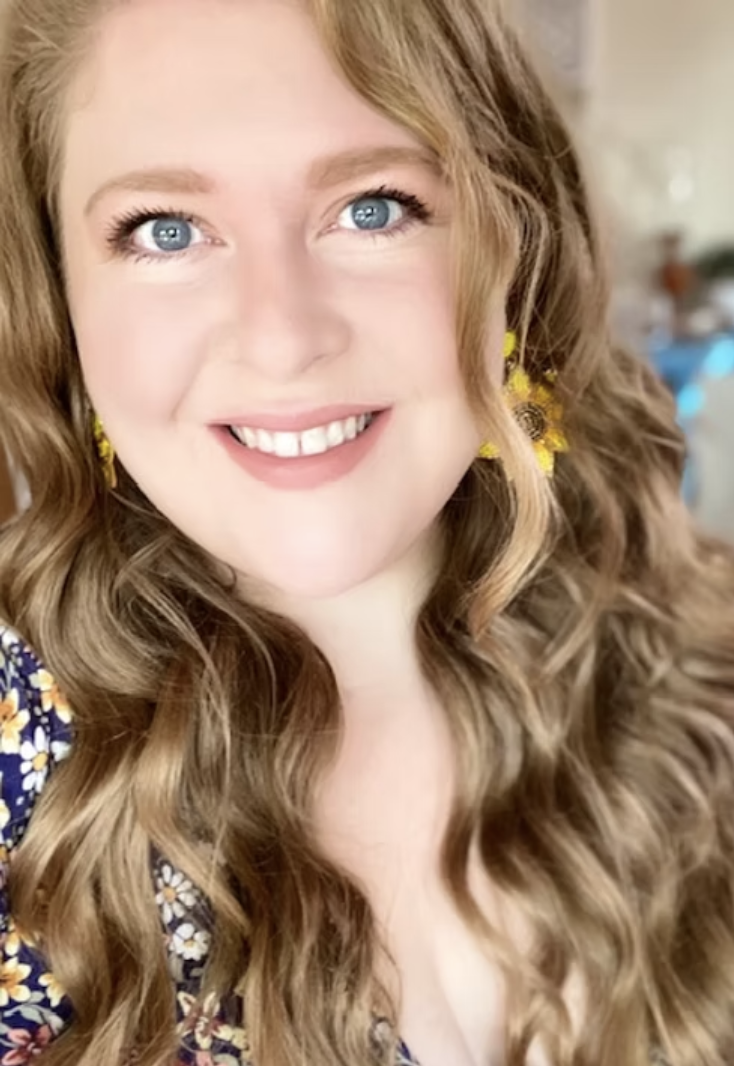
This episode of The Social Academic Podcast features Dr. Lena Ziegler to talk about her new book, A Revisionist History of Loving Men. A thoughtful conversation on what it means to write, revise, (and share) your story.
Book: A Revisionist History of Loving Men (Autofocus Books) by Lena Ziegler, PhD
Quotes
What Each Of Us Deserves
“I was a deserving person of love and support and compassion.”
Overcoming Self-Judgment
“The things I judge myself for, I’m not going to judge myself for that anymore… This person has also gone through this and they’re okay and they’re not a bad person.”
Reclaim Your Agency
“The thing I’m the most proud of is the fact that it is the past… it’s an honor to get to represent what it is to move on.”
Interview
Jennifer van Alstyne: Before we get started today, I have a trigger warning for you. Our conversation about A Revisionist History of Loving Men by Lena Ziegler is going to be about sexual violence. And so because these subjects are going to come up during our discussion today, I just want you to be aware in advance, and [if] choose to experience this in a different way. Know that there will be a full text transcription that is coming in a couple of weeks. Just know that I want you to take care of yourself and your mental health, so whatever feels comfortable for you. I’m very excited for this conversation because telling your story is really meaningful and this conversation is actually about revising your story. Lena, would you please introduce yourself for people?
Lena Ziegler: Absolutely. Well, first of all Jennifer, thank you so much for having me today. I’m really excited to be here with you and talk to you. Hello everyone. My name is Lena Ziegler. I am the author of the book A Revisionist History of Loving Men. I met Jennifer a few years ago, actually. I was in academia up until the last May or June, and so I’ve known her for a little bit now and it’s just a pleasure to come back. But I am essentially someone who has spent the last several years of my life writing about, researching, and ultimately revising my own telling of a story about my own experiences of sexual violence and how those relate to the culture at large in which these incidents for myself, but also for a larger public, it takes place. I know it’s a very general overview, but I guess I’m keeping it relevant.
Jennifer: Is this writing project something that you started when you were in your dissertation phase? How did it originate?
Lena: That’s a great question. This project actually, so a little bit about my background. I started my MFA in creative writing in 2015, and I was going in for fiction and the school that I was at, Western Kentucky University, it was a new MFA program and they were very open to cross-genre workshops and just exploration. And so because of that, I took a couple of memoir courses and in the process of being in a memoir course, two different ones actually, I started to explore some topics about sexual violence that I wanted to talk about just based on some previous experiences that I had. I didn’t realize though, it was through that class, through one of my final classes in my MFA, actually a memoir class where I read another woman’s memoir. It was College Girl by Laura Gray Rosendale, and it’s a memoir about a woman who was raped when she was in college and she’s talking about her experience seeking justice, but also seeking understanding of what her experience was.
And as I was in this class, I was reading this and I was finding I was relating more to, I had experienced a rape that was similar in some ways to what she experienced in this book when I was much younger. But I was thinking about other incidents from my life that were not that. I was finding I was being triggered about relationships I had been in. A relationship I had been in really close to the time I was in this class and it made me think, “Okay, I have to explore this.” In a way, I started exploring that during my MFA program where I was really grappling with the question. This was the primary question for me is what defines consent and how does that inability to understand consent impact your ability to understand if you’ve been assaulted or abused in some way. That was sort of how I ended my MFA.
Now, I’ll be honest, none of the writing from my MFA ends up here. This did come from my dissertation research. So I went from an MFA in creative writing to a PhD in rhetoric and writing studies. And I did that because I wanted to study the rhetoric of sexual violence, specifically in American culture. How we talk about consent, how we talk about the people who we consider perpetrators, how we talk about victims and survivors. There’s all this rhetoric that I was seeing a connection to that is part of what allows you to be able to find the language for yourself. And I noticed that for me, and I assumed this was true for other women, the language around sexual violence was a huge part of whether or not you could identify with sexual violence, having been experiencing it, anything about it. If you had an issue with the language, it was very hard to even move on in your life, and even name and experience, and then identify and heal from it.
I came in wanting to analyze it and research it from that sort of rhetorical lens, but I knew because I was a creative writer, I knew I wanted to create something that was a hybrid of the personal and the researched or academic. I would say this book is broken into three different parts. The first two parts were written as a part of my dissertation, which I completed in 2021. The third part I wrote in 2024, and that was revisiting the entire conversation at that point. The, sorry, the structure of it is that the first and second part are both a braid of academic and personal writing and reflection. It kind of gets increasingly disjointed as the book goes. It’s meant to sort of reflect my experience of understanding. But then the third section, I had this idea that if I could revisit every single place I have experienced some kind of a violence in my life, that I would be able to heal from it. And I loved the idea of this beautiful, victorious full circle narrative that presented me as this healed woman. When you read it, you’ll see I had a very different experience with that. It really spans the course of my first initial forays into understanding that I needed to research sexual violence, which was probably 2017 to the completion of my dissertation in 2021, and to the following completion of this book, which was 2024. It was a long span of time, but it sort of reflects my personal journey as well, in that sense.
Subscribe to The Social Academic blog.
The form above subscribes you to new posts published on The Social Academic blog.
Want emails from Jennifer on building your online presence? Subscribe to her email list.
Looking for the podcast? Subscribe on Spotify.
Prefer to watch videos? Subscribe on YouTube.
Jennifer: I would say that the hybridity of your text really worked for me as a reader and I was surprised by that because I think when I invited you on the show, I knew what your book was about, but experiencing it, I think part of me wondered as a creative writer, if I tell my own story, which is quite dark as well, how will that affect other people? How will that affect readers? Is the reaction or reading experience for them, is it going to be as negative as it felt for me? And what I recognized in the reading of your book was how healing reading your experiences along with the research that you did was for me. I was very surprised that despite what you describe as disjointedness, I couldn’t put the book down. I read it all in one sitting. Oh my God, that’s so awesome.
I literally opened it and I sat on the couch next to my husband who was watching tv, and I read the entire thing and I was crying, and at the end I was like, “Oh, that was so good.” And not only was it so good, but I feel there’s so much more space in the world for this kind of revision of our own history. I think that when we were chatting about what to name this episode, we switched it from writing your story to revising your story. Tell me a little bit about revision, Revisionist History. Tell me about that.
Lena: Oh, well first of all, thank you so much. I am so happy to hear that you, that just makes me, that really touches my heart because in writing this, I mean, like I said, I had read a book from someone else that was really, it sort of triggered me to do this work to begin with. And so it really makes me happy that for somebody who has their own kind of history that may connect in some ways with the themes I talk about here. I want this book to exist for anybody, but I really want it to exist for people who don’t know how their story, if it’s been represented the way that makes sense for them. And so I’m just really happy to hear that it affected you that way. Thank you for sharing that. The revision aspect of this is really important to me.
I guess just to make it as simple as possible, in my experience as someone who is a, spoiler alert, I’ve had many different experiences of sexual violence and sexual abuse in different relationships and dynamics in my life. And I, for a large portion of my life did not qualify them as sexual violence or sexual abuse because I saw myself as being to blame for them. And that result was I didn’t feel comfortable blaming another person or assigning blame to somebody if I had so much that I was responsible for. And so part of returning to this and realizing, “Okay, maybe there was something else going on here, maybe I’m not just this foolish person who allowed myself to get in these bad situations. Maybe I’m a person who there’s a reason for this and maybe the reason will allow me to revise my own personal understanding so that I am no longer blaming myself for something that,” I mean, a theme that I come to at the end of the book is that a lot of this was inevitable.
And by that I do not mean that sexual violence must be inevitable. I mean, for myself, given my upbringing, given who I was, given my experience, given the culture I grew up in, given everything that’s normalized, it was inevitable that I would make decisions that put me in positions in which I would be harmed. And that doesn’t mean it’s my fault. It means that there are a lot more considerations for how we end up in those places than simply, “Oh, you made a wrong turn.” For me, revising my history is the most empowering thing I can do, and it kind of goes along with this whole premise of revisionist history, which is that when you return to, you can return to something we have had a previously established understanding of. This could be a world event, this could be a cultural history, it could be an individual history, but you returned to something you had a view of and you thought you understood, and with new eyes and new information, you revised your understanding of it. Because history isn’t something that just happened and then it’s over. History is narrative. History is the narrative that is put forth. And so if there’s a culture that is putting forth a certain type of idea of what a history is, it’s not because that’s just fully factual, it’s because the people who authored that history had a voice. And so revising it is kind of opening up the authorship to some degree. I hope that makes sense the way I explain that.
Subscribe to The Social Academic blog.
The form above subscribes you to new posts published on The Social Academic blog.
Want emails from Jennifer on building your online presence? Subscribe to her email list.
Looking for the podcast? Subscribe on Spotify.
Prefer to watch videos? Subscribe on YouTube.
Jennifer: It does make sense and I feel it’s a very thoughtful, community approach to creating history and recognizing history and giving voice to history. I think these are things that writers consider often and academics consider for their scholarship, but a lot of people don’t consider for the personal stories that they have that really matter for the world. How did you know that this was something that you needed to share? I know you were prompted by the book that you read, but I’m curious, getting inspired from something doesn’t equal the motivation to sit down and do all the writing. What made you know this is something you had to do?
Lena: That’s such a great distinction, I think because I’m inspired all the time and do nothing with that. That’s a great distinction. I will honestly say what I’ve heard a lot of other people say, but this is true for me. I had to do it. The best way I could describe it is that I was in multi-year, I mean a decade of crisis personally, where I was, my entire life and my sense of self, my identity was being unraveled and honestly destroyed. And I felt I wouldn’t survive if, I mean emotionally, physically, I did not think I could survive some of the things that I was going through. And the self blame of that, I mean I kept, again, I don’t want this to sound like I am actually blaming myself, but I was repeating a lot of behaviors that were a trauma response to things I had experienced. And that repetition of behavior was ruining my life and I was stuck.
And it wasn’t so much that it inspired me, that book, it’s that it jolted me awake and it made me think, “Oh my God!” It’s kind of like in a bathroom mirror, wiping off the fog and seeing yourself clearly. I was seeing something clearly or beginning to that I didn’t even know was there. And so it was almost like I had to uncover it, and I had no way of processing that outside of writing. I knew, I had never written anything like this in my life prior to that. I was a fiction writer, so I had never written memoir. I had never even attempted to blend anything, blend genres or anything. But for me, I thought, I can’t do this without understanding the topic. How do I interpret the research I’m doing? And I was reading articles about things. I’m talking academic journal articles and books and things, and I was just like, I don’t agree with this full study they’ve done.
I don’t agree with it because it offended me or it made me uncomfortable. And so I had to contend with what’s that doing to me? And I had to find a way to, because you can say you don’t agree with something, but facts are facts and studies are studies and I respect that work, but I realized I didn’t agree with things because it made me uncomfortable. And that made me have to, I can’t stand not understanding things and I can’t stand not being understood. The combination of that made me think, “Okay, I have to, I really can’t survive unless I write this.” It became this act of desperation for me, but it was the chief curiosity of my life. I mean, I was obsessed with my sexuality and my sexual relationships and the dynamics in my life. I mean, it was literally ruling my life. Not in a fun way, in a very unhealthy way. It kind of was like an inevitable thing. Again, if I was going to move on and become any kind of a person at all and heal in any way I was going to, would have to confront it.
Subscribe to The Social Academic blog.
The form above subscribes you to new posts published on The Social Academic blog.
Want emails from Jennifer on building your online presence? Subscribe to her email list.
Looking for the podcast? Subscribe on Spotify.
Prefer to watch videos? Subscribe on YouTube.
Jennifer: I think about how much healing happens for people who’ve experienced sexual violence in their thirties, forties, later in life. What was that like to have so much time between your experiences and then writing about it? How did you care for yourself during the writing process?
Lena: Oh my God. I didn’t. No, I mean, I’ll be honest. To give context, I mean the last relationship I was involved in, a dynamic I was involved in that is featured in the book as part of my sexual trauma history is in 2017. I started writing this the fall of 2017, or I started researching. I started writing this summer 2019, or yeah, I think so. Actually that’s not right. But either way, I started writing it toward the end of my PhD program, but I was researching all that time. I was in therapy for a little while when I was in graduate school. I did not continue for all of graduate school, but I’ve been in therapy now for the last five years, solidly. But I will say, I did not take care of myself. And that was one of the biggest things is that I find this very ironic, but it’s also very telling.
Part of this type of trauma history is you don’t value yourself and you don’t take your own trauma seriously because part of telling yourself it’s your fault is that you can’t take it seriously. By not taking it seriously, even though I was spending all this time researching it, I was writing about it and I was doing a dissertation on it, I didn’t take it seriously. And I say that because I thought I’d be fine. I had no idea it would harm me. I genuinely didn’t. And that’s why, to correct my timeline before, I actually started writing this book in July of 2020, and I finished it February 2021, and then I wrote the third part or whatever later. But in terms of the dissertation portion that appears in the book, I wrote it during that time period, which is objectively very fast. But I was so angry at myself the whole time I was writing because I wasn’t writing enough. I was comparing myself to my colleagues who were writing, and my cohort members who were writing amazing things, but not traumatic things, not things that required personal . . .
I was comparing myself because I did not take it seriously enough to even know this is going to be hard for me. And I remember my dissertation advisor was very concerned about me and kept asking me like, “Lena, are you sure you should do this,” or “Are you taking care of yourself?” And I was like, “Sure. What do you mean? Of course I can. This is fine. I’m a writer.” And I had this identity of, “Well, if I’m a writer, then who am I to be affected by what I’m writing?” It was this weird disconnect I had where the art and the craft of what I was doing had to matter more than me. And so I didn’t take care of myself. I struggled tremendously with my mental health that whole time period. I was exhausted. I didn’t write anything for a year after I finished it.
I then had to basically force myself to send it out for publication. I really avoided it. Even then, I had multiple extensions throughout the time I was working with my publisher Autofocus because I continued to not be able to revisit it. And every time I’d reread it, I would have nightmares. And it was crazy. And I’m not saying that to frighten people who want to write about their experience, but to say if part of your trauma is that you don’t take yourself seriously or your pain seriously, that will come up for you in the process. You have to recognize that it’s going to be hard and that you should give yourself the space and recognition that it’s hard. And if you find yourself not taking yourself seriously, maybe take a step back and give yourself time to breathe. I’m so glad that I did what I did. I’m glad that it was my dissertation and it kind of forced me into this timeline to finish it, but it’s not something I necessarily recommend because you can’t heal on a timeline. And that was what I think I had expected.
Jennifer: Right, because it’s almost as a writer, you’re able to set these parameters and these specific, “I’m going to work on this and then I’m going to work on that.” You can create all of these structures to help yourself write, but that doesn’t help yourself heal.
Lena: Absolutely. And I mean, if part of what you’re trying to do, I had this preconceived idea of, “Okay, if I’m going to revise my history, if I’m going to present this as a revisionist history and I am going to, I want to present myself as this person who has healed.” You’ve read the book so you understand now. That’s not the reality. It’s not the reality. And so it kind of also represents how as you go through the process of writing anything, whether that is fiction or memoir, and you think you know what you’re trying to write when you write memoir and you sometimes are shocked by what happens.
Subscribe to The Social Academic blog.
The form above subscribes you to new posts published on The Social Academic blog.
Want emails from Jennifer on building your online presence? Subscribe to her email list.
Looking for the podcast? Subscribe on Spotify.
Prefer to watch videos? Subscribe on YouTube.
Jennifer: I feel like one of the things that I really liked in your book was how open you were about how visiting the past locations of trauma for you didn’t have the result that you were initially hoping for. And so I’m curious, for anyone who’s considering a journey like that, do you have any recommendations for them? Because I took a journey like that myself last summer.
Lena: Really? Oh my gosh.
Jennifer: Yeah. It was the first time that I had been back to Massachusetts to visit my hometown. And I mean, I saw family friends while I was there, but my parents passed before I went to college, and so
I didn’t have a lot of reason or financial resources to go back often. This was my first time going back in many years. My godmother had invited me back so many times, and part of it was that I couldn’t afford it, but also I felt I may not be ready to revisit the trauma of actually being in those locations. I didn’t know if I was ready. I took my whole family. I took my husband, I took his parents, and we all did it as a family trip. We started with family, we ended with family, and I really think that was an unexpectedly healing journey for me. I thought it was going to be way harder than it was. And so I’m really glad that I brought all of the people that I was like, “They love me most and they will be here for me if I do break down.” And I didn’t. But I hope other people who are hearing this may consider that for themselves. And I’m curious, is there any point in your trip that you were like, “Oh, if this support was here or if I had thought of this in advance, maybe it would have been a little bit better?”
Lena: That’s such a good question. I wish I could give you an easy answer, but I can’t. I mean, I initially planned this and it was this thing I was very excited about from a writer perspective. I was like, this is an investigative journalism . . . I actually didn’t mention this, but I recorded myself on my phone walking into places and speaking out loud my thoughts about stuff. And I even recorded when I checked into hotels. Because I imagined, I was like, I’m going to make this incredible audio project that’s representative, and I still think that’s cool. That’s just to give you a perspective of, I was thinking of this pretty much entirely from a creative perspective and how cool this thing would be to create this. And about, a few days before I was going to leave, I was having a breakdown in therapy about it, and I ended up inviting my husband to come with me, and he did come with me throughout.
But I would say that the first few . . . here’s the thing, it depends on who you are and it depends on what your trauma response looks like. I have CPTSD and I have a lot of symptoms connected to that, that will sometimes lay low, but they erupted during this trip. I mean, truly erupted. My very first night when we weren’t even in the state that I was going to, we were halfway there. I had horrible nightmares and I couldn’t sleep, and I have a lot of physical responses to PTSD also, so I’ll have, my knees will swell and my jaw will hurt and I’ll get headaches. There’s all kinds of things that start to happen to my body, and immediately they were happening. I was like, “Oh God, we’re not even there yet. And what am I going to do?” I would say what was amazing about the trip was that several locations were surprisingly good.
I felt free when I visited certain places like, “Okay, these are now places I can return to again. These are places where I’m recovering memories of positive things that I had blocked out along with the painful things.” That was this amazing reclamation for me. But then there were places, there was one place in particular I went that was horrific for me. I mean, I had some of the worst trauma response I’ve had ever, and I was desperate to leave and I vowed I will never return to that place, and I don’t know that I won’t because now I’m talking about going back again. But I guess I would say, with me I brought my husband. There was only so much he could do. He was a wonderful support system. He knows the stories of course, but there was only so much he could do for me.
I brought a pillow that is very meaningful to me. I brought a little stuffed animal with me, very meaningful to me. They helped me when I was in my hotel rooms and under blankets and struggling. But I was still on my own. And I think that what it did for me was, what it affirmed for me is that trauma, you can have so much support, but it’s ultimately your. I say this in the book. It’s not your fault, but it’s your responsibility because it’s not your fault that you’re in a position where you’re this harmed, but you are the only one that could do anything to do, to heal yourself. Literally, you’re the only person. And so I felt that very strongly on that trip. I have an amazing husband with me. I have my pillow and my stuffed animal. I have all these things, I have an amazing therapist, but I am the only person that can do this work. I’m the only person, and so I need to trust my own voice about stuff. I need to trust myself to really believe that I’m affected by things. I wish there was a simple answer. I think that it’s every individual person has to find that. I don’t know that for everybody, it would be healing to return, to be perfectly honest. I’m glad it was for you. I’m so glad to hear you had that experience. That’s so nice. I don’t know that’s necessary for everyone. For me, I think it was because it also really showed me where I’m actually at in my healing process also.
Subscribe to The Social Academic blog.
The form above subscribes you to new posts published on The Social Academic blog.
Want emails from Jennifer on building your online presence? Subscribe to her email list.
Looking for the podcast? Subscribe on Spotify.
Prefer to watch videos? Subscribe on YouTube.
Jennifer: Oh, thank you for sharing that. I love that you brought your stuffed animal. That’s my favorite part of that story.
Lena: I was hiding my stuff as I would walk into these hotel rooms. I was just, I have this big pillow with this stuffed animal, and I’m like . . . it was needed.
Jennifer: It was needed. It was needed, a hundred percent. I am curious because there’s for sure people that are listening to this that are like, “I have a story to share and I would like to talk about it.” One of the things I really admire about you is how open you are talking about what many people consider ‘difficult to voice’ subjects. And so I’m curious if you have advice for people about talking about this kind of thing because it is dark, it is hard. It is something that makes people uncomfortable, but it is also important to share because it’s part of you. How do you balance that?
Lena: Oh, it’s so difficult. I mean, I think that to one point, you have to really know why you’re doing it. I think that’s really important. In my case, like I said, I was writing this because for me, it felt like survival to write it. It genuinely did. And for me, and I think this is the case for a lot of people, but I’m only speaking for myself, almost no one in my life knew about any of this until they read the book. My family members, my parents, a lot of my friends, they knew, “Okay, Lena has studied sexual violence.” She always said that she was using memoir in it. People had some idea, but nobody really knew. Nobody really asked. And so I think that when I look at the actual writing I was doing here, I think along with feeling like I needed to understand what I was writing about, I feel like I needed to be heard.
I felt like I needed a place where I could be all the things that I was, rather than having to hide all the time. Because when you walk around with different types of trauma, I talk about this a little bit in the book, there’s times you feel like you’re this ugly monster because you have all this ugliness inside of you. That’s how it feels I mean. And so when you walk around carrying that weight all the time, I think you want to feel like, “Okay, I’m just going to put it all out there because people need to recognize what I actually am,” and that is coming from a good place and a bad place sometimes. But I would say that was a big genesis for me writing this to begin with, was I needed to put voice to it because no one even knew these things had happened to me and that I had been a part of certain things that I was a part of.
And so that was really important. But I would say it’s really important to, well, I’ve said this a couple times already, but to not value your artistry over your humanity. To recognize that you’re limited, that you have limitations. Also, this is very important. To not publish it until you’re really okay with the story you’re telling. And that’s not about changing the story. It’s about being okay with the way you’re framing your story. Because I will give the example. When I first started writing about sexual violence during my master’s program, so this is not any content that is revealed in the dissertation or in the book ultimately, but when I was writing about it in my MFA program, I was writing things that were very true to my experience. And they were good provocative pieces of writing, but when I reread them, I feel deeply sad because they show how much I blamed myself for things.
And if I had, yeah, it’s painful to see that and to see your own processing in real time. If I had published some of those things and I had to live with those being out there while trying to tell this story this way, it would be very difficult for me. And so I’m glad that I kind of held back a little bit. I think it’s important that you’re able to live with what you put out there because you are going to evolve in how you think about your life, and whether or not you’re ready for that is only something you can determine. And I don’t think that’s based on age or anything. I think it based on your personal growth and wherever you’re at with that. I had a real challenge initially thinking about my family reading my book. And I mean, I’m still challenged with that to be honest.
But I came to this conclusion about a week before it was published, so pretty recently, but I came to this conclusion that it was time to be known. It was time to allow myself to be known and to not worry about judgment or ridicule or any of the negative things that I was imagining could happen. It was time to be known. And I didn’t feel that way a year or two ago. I did not feel it was time to be known. I didn’t want to be known by my parents a year or two ago. I think that, for me, is you have to wait I think until you’re in a place where you are okay within yourself so that when people read it, you can handle whatever that response is. That’s really part of taking care of yourself also, is not, telling the story is one thing. Crafting it is one thing. Putting it out there is a totally separate thing, and I think they get conflated too often. I’m sorry if that’s not, I would love to talk more about the craft level also, but I just feel like-
Jennifer: I needed that.
Lena: Did you?
Jennifer: Yeah, I needed that because, okay, so I’ve said this on the podcast before, but I am sitting on a stockpile of poetry that I have not sent out for publication. This is not a bad thing. This is like, “I’m so delighted that I still have capacity to write and run The Academic Designer full time. I love that. But I have a disconnect I would say between my writing and audience right now. I’m a huge fan of Glenn Gould, who’s a Canadian pianist. And at a point in his life, he just left public, he left public performance and he was like, “I’m going to be in my recording studio. I’m going to do all these creative things, but it’s not going to be what you guys want.” And I think that when I did my thesis on him in college, I really recognized that I didn’t have to do all of the things just because other people would like me to.
Every time someone asks me, “I would love to read more of your poetry. I would love to read new stuff. When are you going to publish?” I say to them like, “Well, I’m not publishing right now, but you’re right. I should do it.” But what you just said is you need to wait until you’re ready. And the truth is, I’m not ready and that’s okay. I will be ready one day and it’ll all be here if something happens to me. My husband has the password, he’ll get it out there. But I think that what makes a difference is having agency in telling our story, and when that story comes out, when we feel comfortable to be public I told my husband, I don’t want to publish a book about this because I don’t want to be invited to speak about it, and I really like that you are open to speaking about these kinds of topics because they need to be voiced. I don’t want to be the one to voice them. And so I’m delighted that there’s people who are so thoughtful not only about what other people might experience in the writing process of their trauma, but also in the sharing of it, in the publicity of having your story be something that other people can experience and consume. And so I guess that leads me to my next question, which is what is it like talking about the book?
Lena: Well, Jennifer, I have to tell you. I mean, everything you just said, I resonate with very deeply because I don’t own, I actually felt very resentful of the idea of being associated with sexual violence. When I was doing research about this, I remember in my PhD program, which was a very academic program, they talked all about you make this academic, you make a profile as a researcher. And I thought, “I don’t want to be known as a sexual violence researcher. I don’t want these experiences. I don’t want these . . .” Can I curse?
Jennifer: Sure.
Lena: I feel like this is the Tonight Show.
No, I don’t want this. I don’t want these fucking men to be my legacy as a writer. That made me furious to think about. And so I actually did not feel comfortable with the idea of it, and I intentionally was like when people would say, “Oh, you’re this kind of researcher.”
I was like, “No, I’m not. I have all these other things I want to do. This is one thing I’m doing.” And it took me a while to get over that, to be honest, because I mean, like I said, I finished writing this in 2021 and then didn’t really pursue publication until 2023. And then when I did, I developed more and I finished writing it, but I was very hesitant. I was very nervous about it and now I feel comfortable separating myself from, this is work I have done, but this isn’t who I am. This is work I have done and this is part of my story. But I will tell you, I will honestly say, and I still am going to answer your question, but I will honestly say since I’ve published this book, which only came out September 30th, I have felt more desire to write other things than ever because it infuriates me, as I said, to think about my only book right now is a book about men who hurt me.
That makes me so angry as a woman and as a person, a fully developed, multifaceted human. I don’t like the idea of anyone defining me by my past experiences, and I’m very proud of this book. This is in no way a knock on the book itself. I’m extremely proud of the work. It’s just that I don’t want to be known as that. I think that, like you said, you don’t really want to be the voice. First of all, people always expect you to be if you have been a victim of any kind of trauma, if you have any kind of past experience or anything, people want you to be brave and to talk out. Cool. And that is helpful, but it’s not fair to put that on people either. Not everybody has to be an activist. Not everybody has to be an advocate. You can be Jennifer who runs The Social Academic and is a poet who publishes when you want to, and that could be enough, and that’s perfect. And somebody will still find your work, and it will still effect them because the work will speak for itself.
You don’t have to go out there and speak to. But with that said, I am really enjoying the opportunity to speak about this because I have no experience talking about this in my personal life. I have limited experience, and I’m so proud of the book. I’m so proud of what it took me to write it. I’m so proud of both in terms of my intellect and my ability, but also in terms of the things that I had to go through on a personal level to get to a place where I can sit here and talk to you about this past. Because the thing I’m the most proud of is the fact that it is the past. And so it’s an honor, honestly, to get to talk about it. And it’s an honor to get to talk to people who are doing great things like you are, but also just generally an honor to get to represent what it is to move on.
Jennifer: Oh, it’s a story about moving on. The revision and the dissemination is also about what comes next.
Lena: Yeah. Yeah.
Jennifer: That’s beautiful.
Subscribe to The Social Academic blog.
The form above subscribes you to new posts published on The Social Academic blog.
Want emails from Jennifer on building your online presence? Subscribe to her email list.
Looking for the podcast? Subscribe on Spotify.
Prefer to watch videos? Subscribe on YouTube.
Lena: Thank you. I wanted to emphasize that at the end of the book actually, that it is a continuation and it’s not this easy black and white closure. It’s a continuation, but that continuation is going to look a lot of different ways, and it may or may not involve me revisiting and writing more about this topic, but it’s not my intention to become known for it either. I really want to be known for somebody who has, as somebody who’s also moved on, so that it doesn’t define me.
Jennifer: I love it. I love it.
Lena: Thank you.
Jennifer: Who do you hope reads your book? Who should go out and get a copy today?
Lena: Oh, I think most importantly, women and young women especially. But any women who have experienced sexual violation that you don’t know how to talk about or define, especially if it was with a person that you love or even actively love or a person that you did love or trust. I think anyone who feels ashamed of themselves inside when it comes to their own sexual history. I have a long and convoluted sexual history that I get into in this book, and there’s things in the book I’m not proud of at all, but it does not define who I am, and it is something that I am working on not being ashamed of because I don’t think I have a reason to be anymore and not that I ever did. I’m just saying I’ve moved on from believing that I have a reason to be ashamed. And I think though, that the thing that I really want is for something to read this and be like, “Oh, I’m not alone with this.” That sounds kind of cliche, I guess. I don’t mean it in a cliche way. I’ll give you an example. I’ve read Lidia Yuknavitch’s, have you read Lidia Yuknavitch?
Jennifer: I haven’t.
Lena: She has this memoir called The Chronology of Water, and mostly, it’s largely about childhood trauma, but it’s also about adult trauma. She was homeless at different times. She lost a child. She has experiences with sexual abuse. She has this very sorted history and sorted life, and she wrote about these things, and she wrote about things that we as women are told to be ashamed of, but she wrote about them with such ownership and sense of, “This is my story. This is just who I am. This was my story. This is the complexity of me,” that was very inspiring to me when I first started writing. I want someone to read my book and be like, “Oh, the things I judge myself for, I’m not going to judge myself for that anymore.” Or, “This person who’s come through this,” or however they perceive me in the book, “This person has also gone through this and they’re okay and they’re not a bad person.”
I want that kind of comradery to form from the people who read this book. That’s really important to me because that’s what I desperately needed. I desperately needed someone to tell me I wasn’t disgusting, that I wasn’t a monster, that I wasn’t broken, that I wasn’t all these things, but that I was a deserving person of love and support and compassion. And so I want to be able to communicate that to people who may be struggling with that. If I had heard someone saying the things I’m saying right now before I wrote this book, I would’ve been like, “Oh, that is me.” I am that person and I should read that book. That’s why I’m saying it this way. If you feel all these things inside, I want you to read this book. Or if you think that somebody else might, I mean, I would love for former students to have read it. It’s a little embarrassing to imagine, but I would like that to happen because I do believe that this story that I’m telling, while the nuances and particularities of it might be different, the shared experience of being a woman in American rape culture is a shared experience, and we all have experiences that overlap and crossover. Any woman that relates to that I think could benefit from reading it I hope.
Jennifer: Budget cuts, changes to the department. You’ve left academia, but I’m curious. The book just came out, but if you were teaching, how might you approach sharing that with your students?
Lena: Well, I don’t think I’d want active students to read it. It would feel a little inappropriate given how-
Jennifer: Okay, yeah.
Lena: For me, it would feel a little inappropriate. But I would recommend it to students who I wasn’t working with anymore. I would recommend them to read it, especially students that, so many students that I’ve worked with have shared their sexual trauma with me. It is so pervasive, and so many of them blame themselves. So many of them, almost all of them, it was with their boyfriends or partners and things. I feel that it would be beneficial for a lot of them to read it. I would approach it though from talking about what you can do on a craft level, where you can use different forms to write. You can use research to inform your memoir. You can write random bits of poetry and hybridize what you’re doing to show the disjointed nature of your experience. So I would want to use it as, I get it first of all, I get what it’s like to write about these hard things. And here are some possible pathways to do that where you may not right now know you have the option to do some of these things that are playing with form. You can, because sometimes that’s the challenge with writing. Kind of going back to the previous question you had had about how would somebody start writing, part of it is finding the genre and form in which it needs to come out. For some people, processing through fiction would be just as impactful as processing through memoir or poetry. It just depends on the person, but realizing that there is literally nothing you can’t do when it comes to writing. There are no rules. There is nothing, in my opinion. There are no rules that you can’t break. There’s no genres you can’t bend. If you want to tell your story, you need to find the pathway to do it that’s going to fit the experience and the way you experienced it. I would want to use it as sort of a model for that, I think.
Jennifer: I think that’s beautiful, and I also believe that everything that you just said applies to all parts of our story, whether it’s your research story, your personal story, your professional leadership career. Whatever it is, if there are parts of you that want to share it and maybe writing the traditional academic paper is not the place for that story, you have options. I have had people recently on the show who talked about public scholarship. Drs. Ben Railton and his wife, Dr. Vaughn Joy, and I’m going to be having Dr. Lisa Munro on the show next week, in a couple of weeks, she’s going to talk about public writing. I just want academics, if you were in your faculty position, you know you don’t have time to write a memoir or to create that long form content, but you feel like part of your story is missing and you want to share it, there are many options for you. And I want you to consider the imagination and creativity that went into Lena’s story, because that was a new form of genre and writing for her. You said you were fiction before, right?
Lena: Yeah, yeah. I was fiction and actually I would say that I was in, like I said, my PhD was academic. Everybody was writing more traditional scholarly writing. I was the only person in my cohort, but mostly in my program history. There’s a couple of people that played with form, but I was the first person to my knowledge that totally exploded the dissertation format. And I got permission, but I also came in saying that’s what I was going to do. I came in and said, “This is my goal.” And I was very lucky to be in a department that was very receptive to that, but I said, “This is not going to be traditional.” I can’t deal with the traditional five sections of a dissertation. I can’t. I have to do something different. And so I ended up having eight sections. I used poetic inquiry. Something I didn’t mention for my dissertation actually, cause it’s not in the book, is I did community-based research where I interviewed women from the local YWCA that worked as victim advocates, and I interviewed them about their personal experiences with sexual violence that kind of led to their advocacy, but specifically through the framework of ‘You know something happened to you, but you don’t really know what to call it.’
And these women who were highly educated as professional advocates still didn’t feel comfortable naming their experiences as rape when they, in some cases, clearly were. And so I used this poetic inquiry form to break down the transcripts of my interviews with them to create mini voice poems, and then I analyzed the voice poems. I did nothing traditional in my dissertation. It was a complete hybrid. I am so proud of it because it’s bizarre and strange, but I am incredibly proud of it. But the point more being is that there’s a million ways to tell your story, and there’s really no rules. If you want to be an academic writer and can stick specifically to scholarly writing, you can. There’s nothing wrong with that. And it can be very effective, but you don’t have to, and you can totally break that mold. And whether or not you get permission to or not, there’s a million outlets for more hybridized or creative ways to tell your story and they certainly exist. I hope people experiment.
Jennifer: Yeah, experimentation is fun. Lena, thank you so much for coming on The Social Academic podcast. Is there anything you’d like to share before we wrap up?
Lena: Oh, gosh. I just want to thank you for inviting me to be on this podcast. It’s so wonderful to return and talk to you about this. I guess just thank you for the space to share it and talk about it. I hope that if anybody does buy the book or read the book, please feel free to contact me if you want to talk about any aspect of it. Whether that’s the book itself, your own writing, your own journey, I would love to hear from anybody. I truly, truly would. Thank you for the opportunity to share.
Jennifer: Yay. And we’ll definitely set up a time to catch up more because I feel we have so much to talk about and we’re already at almost 50 minutes, so I’m going to let everybody who’s listening go. But thank you so much for being here! Lena, ttay on for a second and we’re just going to wrap up.
Lena: Absolutely.
Subscribe to The Social Academic blog.
The form above subscribes you to new posts published on The Social Academic blog.
Want emails from Jennifer on building your online presence? Subscribe to her email list.
Looking for the podcast? Subscribe on Spotify.
Prefer to watch videos? Subscribe on YouTube.
Bio
Lena Ziegler holds an MFA in Creative Writing from Western Kentucky University and a PhD in Rhetoric and Writing Studies from Bowling Green State University where she researched gender, sexuality, and the rhetorics of sexual violence and consent. From 2021-2025 she served as an Assistant Professor of English at Albright College in Pennsylvania where she taught composition and creative writing. She currently serves as an educational and program coordinator for a nonprofit.
From 2017-2023, Lena was the editor/co-founder of the literary and arts journal The Hunger. Her first book, A Revisionist History of Loving Men, was recently published with Autofocus Books. Additionally, she is the author of the fiction chapbook MASH (The A3 Press) and her writing has been published in Indiana Review, Split Lip Magazine, Duende, Dream Pop Press, Miracle Monocle, Literary Orphans, and others.
She is the creator and host of the podcast Reading Michael Jackson – a project aimed at exploring the King of Pop through a deep analysis of his written work. She loves music, being cozy, and is an avid fan of all things dark and humorously angsty. She believes in forgiveness, magic, the transformative power of language, and resilience of the human heart.