The rapid growth of the internet and social media have created a thriving online space for prospective students to explore educational offerings. It has also paved the way for a vibrant market that educational institutions can explore to attract students and boost their enrollment numbers.
Yet, even as these opportunities arise, schools still have to find the best ways to reach prospective students and their families. To make the most of these opportunities and properly engage the students using these platforms, today’s schools must master Multi-Channel Marketing.
At HEM, we know all about Multi-Channel Marketing and the value it brings to schools. We have over 15 years of experience in education marketing to draw from, so we know the strategies that give the best results. In this blog post, we’ll explore the basics and essentials of multi-channel marketing in higher education.
The information contained here will help schools create and implement an effective and comprehensive multi-channel marketing strategy. This strategy will help them boost visibility, increase engagement, and ultimately drive enrollment growth.
Struggling with enrollment?
Our expert digital marketing services can help you attract and enroll more students!
Understanding Multi-Channel Marketing in Higher Education
What is multi-channel marketing? Multi-channel marketing refers to the practice of reaching out to, and marketing educational offers to prospective students, using platforms/channels like social media, email, websites, and paid ads. Each channel serves a unique purpose, allowing institutions to create engaging interactions that resonate with students.
So why is multi-channel marketing important in education marketing? Multi-channel marketing helps schools reach prospective students, on the platforms they use most, with content that helps promote their educational offerings and boosts enrollment.
Today’s students are digital natives exposed to a lot of information from an unlimited supply of sources daily. Educational institutions must, therefore, maintain a presence across these platforms while tailoring content to their interests and needs.
Digital marketing for schools calls for a specific type of approach. This approach helps schools establish connections and strengthen their brand identity, turning initial curiosity into commitment.
The Importance of Consistency Across Channels
The importance of consistency in messaging with multi-channel marketing can not be overemphasized. When an institution provides a unified message across the board, it reinforces its identity and creates a seamless experience for students. When their messaging aligns, it builds their credibility and makes their message clear enough for the target audience who can, in turn, see the institution as genuine and reliable.
Key Channels and Their Specific Strategies for Multi-Channel Marketing for Higher Education
We start by asking – what is a multi-channel marketing strategy? It is an action plan that aims to reach and engage an audience via multiple channels. For education marketing, it is a set of plans to help schools become more visible and accepted by prospective students.
To create an effective multi-channel marketing strategy, schools should leverage the unique benefits that each platform contributes to the marketing effort. While it is important to maintain a consistent core message across these platforms, it is equally important to tailor approaches for each specific channel. Here’s how your school can achieve this across different platforms.
Social Media
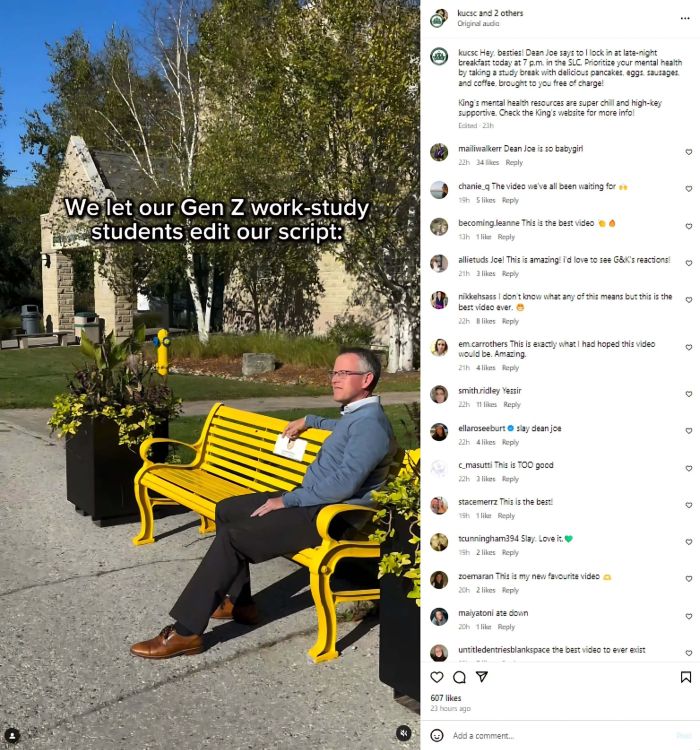
Schools can use social media platforms like Instagram, Facebook, and LinkedIn to build strong connections with prospective students. They can showcase campus life and academic programs through short videos, student testimonials, and campus photos as part of efforts to show glimpses of the day-to-day experience for students. Also, they can share relatable stories and other behind-the-scenes content.
Platforms like TikTok and Instagram which focus on short-form videos can also be used to target younger audiences. Schools can explore this social media space where prospective students thrive. There, they can engage them in authentic, meaningful conversations and sell their offers to this audience.
Example: Randolph Macon College splatters social media images of students partaking in school events across their website. Clicking on any of these pictures will lead you to the social media posts from which the image was culled. These posts show what student life is like at the college.
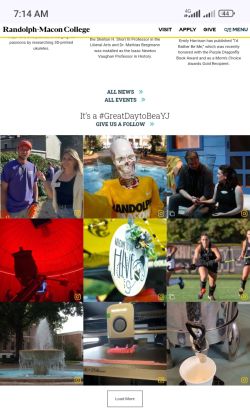
Source: Randolph Macon College
Paid Advertising
Paid advertising, most notably via Pay-Per-Click advertising and social media ads, helps schools reach highly targeted audiences based on location, interests, and online behaviours.
While your social media ads highlight the lifestyle aspects of campus life and depict an ideal college experience, search ads should be geared toward academic programs and rankings. This makes it easier for institutions to reach the right audience at the right time. The focus here should be on creating clear, compelling calls-to-action (CTAs) like “Apply Now” or “Request Info.”
In addition, students who have previously visited the school’s site or engaged with their social media content can be targeted with “retargeting ads.” This is so the schools remain top of mind when they make a decision.
Example: This photo, culled from Instagram shows a sponsored “Week in the Life” post curated by students of Georgetown University/McDonough School of Business’s MSC in Business Analytics program. The post provides information about the university’s Online Master of Science in Business Analytics program and invites them to learn more with a boldly visible CTA.
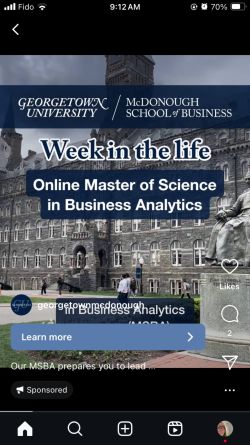
Source: Georgetown University | School Instagram
Content Marketing
Institutions can use blogs, videos, and downloadable guides as a resource for selling their offerings to prospective students. They can post informative blog posts like “How to Choose the Right Major” or “Tips for Applying for Financial Aid” and, in the process, answer the questions that prospective students ask and help them make well-informed decisions.
Video content, shown via virtual tours, student testimonials, and even faculty introductions also provide valuable insights into what the campus environment and overall student experience look like.
Example: Here, John Cabot University allows visitors to its website to explore stories, and events, from its alumni, students, and faculty. You can learn important information from these sources from a place of trust and first-hand experience.
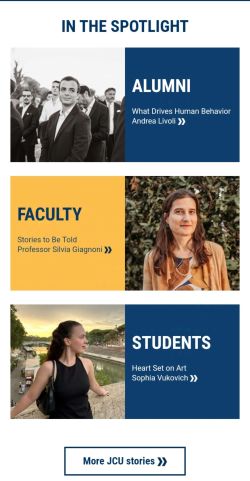
Source: John Cabot University
Website and SEO
A good SEO strategy for education marketing plays a key role in shaping how students find schools’ websites online. An optimized, well-designed website that contains relevant information and is easy to navigate can make a huge difference in a student’s SEO experience. By focusing on optimizing key pages that contain relevant information, these schools can steer prospective students toward the information they need.
This information may range from details on specific programs and campus events to admission requirements and tuition fees. Another important tip is to make the website mobile-friendly to cater to students who now research schools from their phones.
Video Marketing
Many schools today are increasingly switching to platforms like YouTube, Instagram Reels, and TikTok to create and showcase video content about their offerings online. Video Marketing for schools uses contents that go from ‘‘day-in-the-life” snippets of current students to tours of facilities and highlights of extracurricular activities.
This type of content bridges the gap between browsing and visiting in person by offering glimpses into the campus experience.
Email Marketing
Email Marketing offers a means for schools to deliver personalized, targeted messages directly to the inboxes of prospective students. This strategy proves particularly effective for keeping leads warm and sharing detailed information about programs, events, and application tips.
Thankfully, schools can now use automation tools to set up drip campaigns that direct students through the enrollment process. This way, they can furnish students with the right content at the right time during each stage of their decision journey.
Example: Here, The London School of Economics and Political Science delivers a personalized email to a prospective student. The email contains registration information and encourages the student to take immediate action with a clear CTA.
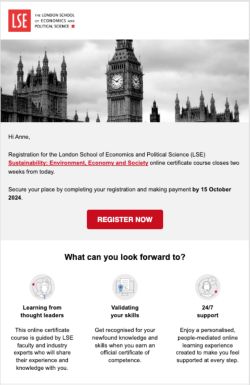
Source: London School of Economics
Review Platforms
Finally, review Platforms like Google Reviews or other sites that rank colleges. Positive reviews and testimonials from current students and alumni offer social proof that others have had positive experiences with the school. The reverse is also true.
As a prospective student, you’ll most likely be encouraged by and trust a school more if you come across these positive reviews on the school’s website. If you find thoughtful responses to negative feedback, you may interpret it as a commitment to growth and student satisfaction.
Mapping The Student Journey
To enjoy the benefits of Multi-Channel Marketing efforts, schools must understand the various stages of the student journey. Each phase calls for a different approach and set of strategies to engage with and make meaningful connections with students.
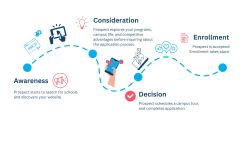
Source: HEM
Awareness Stage
This stage is the beginning of the student’s journey where they are exploring their options and just starting to research potential schools. Schools aim to build visibility and introduce their unique qualities to students at this stage, mostly using social media, blog content, and paid ads.
Consideration Stage
In this stage, students tend to compare their options while also seeking specific information on programs, costs, and campus life. FAQs, financial aid guides, virtual campus tours, and other content that can answer their questions provide value at this stage.
Also, schools can use emails and retargeting ads to provide extra reminders and insights, emphasizing why they may be the best choice.
Decision Stage
The decision stage is the stage where students are set to take action, from filling out applications to scheduling campus visits. At this critical juncture, clear calls to action can help speed up the enrollment process.
Schools can embed these CTAs directly in blog posts and landing pages to capture leads and increase conversions. They should also provide straightforward application instructions, important deadlines, and information on securing financial aid at this stage.
Example: ENSR, shown below, provides links to application forms, contact forms, and tuition information to students who click on the “Apply to ENSR” menu. The next page opens up to a welcome page and caters to students who may have decided to apply to the school.
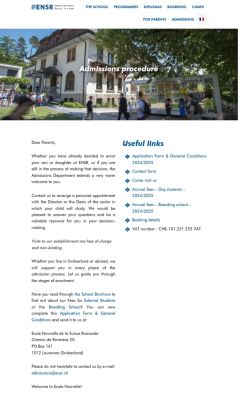
Source: ENSR
Enrollment Stage
At this stage, the students have decided to attend the institution, so it is now the institution’s prerogative to maintain that connection. Schools may use such onboarding processes as welcome emails, orientation materials, and pre-arrival checklists to help students prepare for their first day on campus.
This way, the schools can ease their new students and in the process, receive commendation and long-term loyalty from the students.
Channel-Specific Strategies For Education Marketing
While schools should aim to be consistent with the core message of their marketing, there’s value in using tailored approaches for each channel they seek to engage students with. For instance, if you were promoting a university open house, you could implement a multi-channel campaign with the following strategies:
Social Media Ads: Short, engaging videos on Instagram and Facebook could showcase a vibrant campus environment and invite students to attend the open house.
Email Marketing: Personalized emails sent to prospective students at various stages of the admissions funnel could provide detailed event information and even offer one-on-one consultations.
PPC Ads
Google Ads targeting students actively searching for open houses or virtual tours could ensure the campaign reaches the right audience.
Landing Page
A dedicated landing page featuring event details and a user-friendly registration form could simplify the sign-up process and increase conversions.
With such a strategic approach, educational institutions can boost event attendance and applications, creating a more engaging and impactful marketing campaign.
Tracking and Measuring Success
Here are some of the key tools that schools can use to ensure the effectiveness of their Multi-Channel Marketing efforts.
Google Analytics: This critical tool helps in tracking website traffic, user behaviour, and conversions across various digital touchpoints. It helps schools identify the channels driving the most traffic and leads so they can adjust their strategies accordingly.
Customer Relationship Management (CRM)
Schools can use platforms like Mautic, Hubspot, or Salesforce, to track individual students interacting across multiple channels. This helps to ensure that there’s consistent follow-up on choices made by the students.
Social Media Analytics: With tools like Facebook Insights and Instagram Analytics, schools can track engagement, reach, and follower demographics to understand which content types resonate most with their audience.
For example, Facebook Insights highlights post reach, allowing schools to identify top-performing content, while Instagram Analytics provides data on story interactions and audience behaviour.
Leveraging these insights, schools can refine their social media strategies, focusing on content that maximizes visibility and engagement with prospective students.
Email Marketing Platforms: Platforms like Mailchimp and Constant Contact enable tracking of open rates, click-through rates, and conversions. They then help to offer insights into how well email campaigns are working.
PPC Campaign Trackers: Use tools like Google Ads and Facebook Ads Manager to monitor clicks, impressions, and conversions. This helps you assess the quality of traffic your paid ads are driving to your school’s websites.
How To Synergize Email, Social Media, Blog Posts, and Paid Ads for Maximum Reach and Engagement
As a school keen on reaching and engaging prospective students, you need to build a cohesive approach that unifies your social media, ads, and blog posts. Here’s how to achieve this.
Create a Unified Campaign Calendar
This is most often the first step towards aligning content across your different platforms. It helps create a connection between the channels you use, so prospective students who explore these channels can always get a clear picture at all times.
You can launch a blog post to introduce a topic, push it further with social media snippets, and proceed to send emails that buttress the message and call for action.
Example: The marketing calendar of one of HEM’s client schools, revealing clear and coordinated schedules for content, social media, email marketing, and paid advertising across several platforms.

Source: HEM
Drive Traffic from One Channel to Another
Students should be moved to visit your other platforms when they check out one of them. One trick is to add links (that lead to a blog post) to a CTA you insert somewhere in a social media post. You can also add social sharing buttons to email newsletters so people who read them can help spread your content.
Use Consistent Branding and Messaging Across Platforms
How can schools build their brand reputation? Schools can build their brand reputation by providing consistent messaging and visuals across the various platforms used in engaging students. The same logos, colours, and taglines should be used across emails, social media posts, blogs, and ads. If you’re promoting an event on different platforms, use the same visuals and phrasing across the board so people can recognize them immediately.
Example: Observe how The London School of Economics and Political Science maintains consistent visuals across their email, YouTube, and website platforms.
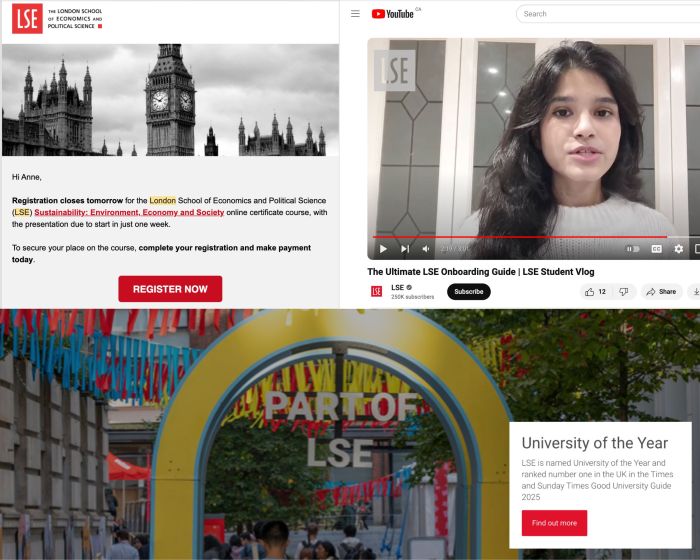
Source: London School of Economics
Leverage Audience Segmentation
Segment your audience to deliver tailored content that students at various stages can relate to. You may send unique emails to seniors and juniors or target social ads based on location. Also, reach parents who make key decisions on issues regarding K-12 education and create content that appeals to them and their kids.
Optimize Content Based on Platform Performance
Keep tabs on your engagement across channels to refine your approach when necessary. So, if your Instagram posts highlighting student success stories perform well, you can use that type of content in emails and add to achieve similar results.
Use Automation to Simplify Cross-Platform Synergy
Schools can simplify their content and create consistent messaging across channels using automation tools. An example is the use of automated email sequences to respond to brochure downloads, which can help engage students without manual follow-ups.
Using Automation to Streamline Multi-Channel Engagement
Automation tools, when used in education marketing, can integrate platforms and personalize messaging. This then makes it easier to reach out to prospective students. Here are a few of such tools for schools to consider using:
Customer Relationship Management (CRM) Systems: Schools can use good CRM systems like HubSpot and Mautic to store student information, automate follow-ups, and score leads. This can help admission teams prioritize their student engagement strategies and avoid missing opportunities.
Email Marketing Platforms: With platforms like MailChimp and Hubspot, you can create automated emails that are set off by specific behaviours or actions online. An example is where students receive a follow-up email with more program details when they download a brochure. This helps you sustain and maximize student engagement with minimal oversight.
Social Media Scheduling Tools: Scheduling tools like Hootsuite and Buffer allow you to post across platforms in advance so you can more consistently and promptly drive engagement.
Automated Workflows: Here are several automated workflows, with examples, that schools can use.
→ Triggered Emails Based on Behaviour: These types of emails are automatically sent when a prospective student clicks a link, downloads content, or visits a specific webpage. For example, a prospective student who downloads a program brochure from your website could automatically get a follow-up email offering more details about the program and campus tours, or webinar invites. Another reminder will be sent to the student a couple of days later if they fail to click the link even after opening it.
→ Remarketing on Social Media: Here, students who have not taken action having already shown interest are re-engaged. You can use this strategy if, for instance, a student doesn’t complete an inquiry form after visiting your school’s admissions page. In this case, you can automatically display ads (for a Facebook or Instagram remarketing campaign) that remind the student of application deadlines or show student success stories.
Nurturing Long-Term Leads with Automated Drip Campaigns: Automated drip campaigns help schools follow up on students who are yet to make a decision, by using (for example) a series of pre-written emails sent at specific intervals. As an example, it can involve a school sending periodic emails with useful content, like “What Makes Our University Stand Out,” and “Tips for Completing Your Application” to students who fill out inquiry forms without immediately applying.
Automated Lead Scoring: This is an automated process that assigns a score to each prospective student based on their interactions with your marketing content. This helps to prioritize high-interest students for personal outreach. You can assign higher scores to, say, a student who downloads your school’s brochure and opens three newsletters. This then alerts the admissions team to reach out to them more intently.
Data-Driven Decision-Making with Analytics: Analytics tools like Google Analytics 4 provide insights into what’s working across your channels and allow you to refine your marketing focus. Track metrics like website traffic and conversion rates to make data-driven marketing decisions. This way, you can make informed adjustments and improve student recruitment.
Final Thoughts
As the prospects in education marketing become even more complicated, schools must master and develop the right strategies for Multi-Channel Marketing to thrive. This involves fully understanding the student journey, coordinating campaigns, leveraging diverse platforms, and making data-driven decisions, among other things discussed here.
Ultimately, the successful implementation of multi-channel marketing relies on consistency, strategic planning, and leveraging the unique strengths of each platform. Begin by understanding your audience and their journey, and use the tools at your disposal to make meaningful connections that lead to increased student enrollment. With these strategies in place, you can position your school to enhance its reach, drive engagement, and reach its enrollment goals.
Struggling with enrollment?
Our expert digital marketing services can help you attract and enroll more students!
Frequently Asked Questions
Question: What is Multi-Channel Marketing?
Answer: Multi-channel marketing refers to the practice of reaching out to, and marketing educational offers to prospective students, using platforms/channels like social media, email, websites, and paid ads.
Question: Why is multi-channel marketing important in education marketing?
Answer: Multi-channel marketing helps schools reach prospective students, on the platforms they use most, with content that helps promote their educational offerings and boosts enrollment.
Question: What is a multi-channel marketing strategy?
Answer: It is an action plan that aims to reach and engage an audience via multiple channels.
Question: How can schools build their brand reputation?
Answer: Schools can build their brand reputation by providing consistent messaging and visuals across the various platforms used in engaging students.