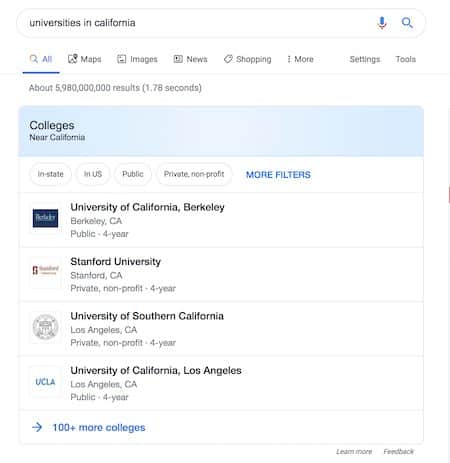
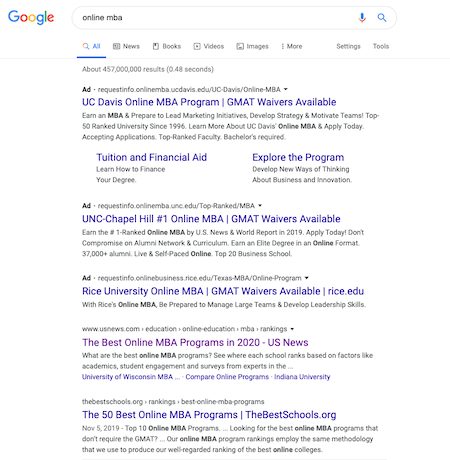
Imagine a prospective student asking an AI, “Which colleges offer the best online MBA for working parents?”
Instead of matching keywords, the AI delivers an answer drawn from credible, connected content that blends facts, context, and intent to guide the decision.
For higher ed leaders, this represents a major shift. Institutions that adapt will earn greater visibility in search, attract more qualified prospective students, and convert curiosity into enrollment growth. The old playbook of targeting single, high-volume keywords just isn’t enough anymore.
AI-driven search rewards comprehensive, connected, and trustworthy content ecosystems, and institutions that embrace this approach will be the ones students find first.
The AI search shift in higher ed
Traditional search engine optimization (SEO) rewarded institutions that could identify the right keywords, create targeted pages, and build backlinks. But generative AI and conversational search have changed the rules of the game.
Here’s what’s different now:
From keywords to context: AI search models don’t just match words — they interpret meaning and intent, returning results that connect related topics and concepts.
Authority signals matter more: AI favors sources that consistently provide accurate, in-depth information across multiple touchpoints.
Content is interconnected: A single page doesn’t win on its own. Its value depends on how it fits within the institution’s broader web presence.
This shift also raises the bar for internal collaboration. Marketing, enrollment, and IT can no longer work in silos. AI search success depends on shared strategy, consistent messaging, and coordinated execution.
The takeaway? Institutions need to stop thinking about SEO as an isolated marketing tactic and start treating it as part of a broader content ecosystem.
Why a content ecosystem beats keyword lists
A content ecosystem is the interconnected network of program pages, admissions information, faculty bios, student stories, news, and resources — all working together to answer your audiences’ questions.
It’s the difference between a brochure and a campus tour. A brochure offers quick facts; a tour immerses prospects in faculty, classrooms, student life, and services—building a fuller, more confident picture.
A keyword list is the brochure. A content ecosystem is the tour — immersive, connected, and designed to guide prospects from curiosity to commitment.
When built intentionally, a content ecosystem gives institutions three clear advantages in today’s AI-driven search environment:
Increased relevance
AI search tools don’t look at a single page in isolation; they interpret the relationships between topics across your domain. Internally linked, topic-rich pages show the depth of your expertise and help algorithms recommend your institution for nuanced, conversational queries.
Example: A prospective student searching “flexible RN-to-BSN options for full-time nurses” is more likely to find you if your nursing program page is connected to articles on nursing career paths, flexible modality, and student success stories.
Compounding authority that builds lasting trust
Authority isn’t built from one or two high-performing pages. It’s earned when every part of your online presence reinforces your credibility. Program descriptions, faculty bios, and testimonials must align in tone, accuracy, and quality. Outdated or inconsistent details can quickly erode the trust signals AI uses to rank content.
Conversion that’s built in
A keyword list may bring someone to your site, but a content ecosystem keeps them there and moves them closer to action. When visitors can move seamlessly from an informational blog to a program page to an application guide or chat with an advisor, conversion becomes a natural next step.
The most effective ecosystems are living assets — constantly updated, monitored, and optimized to reflect evolving programs and audience needs. For institutions looking to compete in an AI-powered search landscape, that adaptability is the real competitive advantage.
Is Your Website Built for AI Search?
Get a personalized AI Readiness Assessment that identifies gaps, surfaces opportunities, and helps build a digital content strategy that meets the moment.
How to build an AI-ready content ecosystem
At Collegis, we help institutions take a holistic approach that bridges marketing, enrollment, and IT. Here’s how we see it coming together:
1. Gather actionable data insights
Don’t just chase the most-searched terms. Look at historical enrollment, inquiry trends, and page performance to identify the queries that actually lead to applications and registrations, not just clicks.
2. Map content to the student journey
From the first touchpoint to enrollment, every content asset should serve a clear purpose:
Top of funnel: Informational articles, career outlooks, program overviews
Middle of funnel: Financial aid resources, student success stories, faculty profiles
Bottom of funnel: Application guides, event sign-ups, chat support
Linking these pieces guides prospective students through the decision process seamlessly.
3. Optimize for AI discoverability
Structured data, schema markup, and well-organized site architecture make it easier for AI tools to interpret and recommend your content. Accuracy and consistency are critical — outdated program descriptions or conflicting statistics can undermine authority signals.
4. Create continuous feedback loops
The work doesn’t stop at publishing. Monitor how content performs in both traditional and AI search, then feed those insights back into planning. AI search algorithms evolve, and so should your content strategy.
Turning visibility into meaningful enrollment growth
AI search is changing how students discover institutions, and how institutions must present themselves online. It’s no longer enough to appear in search results. You need to appear as the most authoritative, most relevant, and most trustworthy source for the questions that matter to prospective students.
By building an AI-ready content ecosystem, colleges and universities can meet this challenge head-on, earning not just visibility but the confidence and interest of future learners.
Collegis partners with colleges and universities to design content strategies that aren’t just visible, they’re built to convert and scale across the entire student lifecycle.
Ready to see how your institution stacks up in the age of AI search?
Request your AI Readiness Assessment to receive a personalized report outlining your institution’s digital strengths, content gaps, and practical next steps to boost visibility and engagement. It’s your roadmap to staying competitive in an AI-first search landscape.
Innovation Starts Here
Higher ed is evolving — don’t get left behind. Explore how Collegis can help your institution thrive.
How SEO for Universities Powers Sustainable Enrollment Growth
There’s a good chance you landed on this article after typing a question or a set of keywords into a search engine. That’s because we optimized this article for said search using search engine optimization (SEO) strategies. As a university marketer, you should be doing the same thing to reach prospective students.
Today’s recruitment landscape is digital, and a search engine query is often the first and most critical step a prospective student takes toward enrolling. SEO for universities is a central driver of discoverability, engagement, and application starts.
By employing higher education SEO tactics and investing in strategic, search-focused marketing, institutions can build sustainable enrollment pipelines. But how do you build an SEO strategy that goes beyond plugging keywords into program pages?
In this article, we’ll cover:
Why search is the cornerstone of student decision-making.
How SEO aligns with every stage of the enrollment funnel.
How universities can improve their rankings, engagement, and lead quality.
Why higher education SEO efforts deserve long-term strategic investment.
Why Universities Use SEO Strategies for Enrollment Growth
In an increasingly competitive enrollment landscape, SEO offers higher education institutions a sustainable, cost-effective foundation for long-term growth. Unlike time-limited paid campaigns, SEO builds momentum and equity over time, positioning your institution in front of prospective students at the exact moment they’re looking for options.
Today’s Students Start With Search
Before a prospective student ever talks to an admissions counselor or clicks on an ad, they almost always begin with a Google search. In fact, a majority of students report using search engines as their first step in looking for college and university options, according to recent research from EAB and Modern Campus.
If your institution doesn’t show up organically on the first page of results, you’re not in the conversation.
What makes organic search results particularly powerful is the trust factor. While ads can drive visibility, organic rankings signal authority, relevance, and credibility, especially in the eyes of Gen Z prospects, who are increasingly ad-skeptical and research-savvy.
Additionally, mobile-first behavior and voice-assisted searches for terms such as “best online MBA program in Texas” or “affordable RN to BSN degree near me” raise the stakes for technical SEO. A university’s site must not only be optimized for keywords but also be fast, intuitive, and responsive to be able to meet students where they are: on their phones, on the go, and expecting answers immediately.
Long-Term ROI of Organic vs. Paid Media
SEO is an investment, not a line item. While a paid search ad can generate quick visibility, it’s fleeting, as your ad disappears the moment the budget runs dry. But SEO creates a compounding return. Each blog post, landing page, and FAQ that’s optimized for student search behavior becomes an evergreen asset that continues working long after it’s published.
Over time, this strategy leads to a lower cost per inquiry compared to paid media. And, more importantly, SEO brings in better-qualified leads from students who find your programs through specific, intent-driven queries. They are more likely to be engaged, aligned with your offerings, and prepared to convert.
Mapping SEO to the Student Enrollment Journey
To maximize the impact of SEO for your university, you need to guide prospective students through a decision-making journey that’s often long, nonlinear, and filled with questions. The most effective SEO strategies map content to each stage of the enrollment funnel, from first touch to final application.
Awareness Stage Content
At the top of the funnel, students are exploring their options. They’re not searching for your university by name. They’re asking broad, future-focused questions such as “What degree do I need to become a UX designer?” or “What are the best jobs in environmental science?” This is where search-driven blog content plays a critical role.
By creating optimized articles with titles such as “Top Degrees for a Career in UX Design” or “10 Top Environmental Science Jobs in the Next Decade,” an institution can capture early interest from prospective students who haven’t yet narrowed their choices. These types of pieces not only build organic traffic to your site but also establish your institution as a thought leader in career-aligned education.
SEO-optimized pages that provide detailed degree overviews and career outcome lists can further reinforce your institution’s relevance while helping students begin to connect their goals to your academic offerings. Remember: This stage is about visibility and value, not a hard sell.
Consideration Stage Content
Once students have a clearer sense of their path, they shift into the consideration phase, digging deeper into specific programs and comparing schools. They want evidence of factors such as faculty expertise, curriculum relevance, and positive student experiences.
This is where midfunnel content shines.
Detailed faculty bios, curriculum guides, and sample course descriptions — each optimized for key search phrases — can improve your search rankings while offering meaningful substance to prospective students. For example, a student researching “online master’s in public health with epidemiology focus” should land on a program page that mirrors those terms and provides them with real answers.
Video content, especially when paired with keyword-rich titles and descriptions, helps tell the story of your institution in a more human, engaging way. Students’ testimonials, day-in-the-life videos, and faculty spotlights can also help move students from interest to intent, especially if that content is discoverable via search.
Conversion Stage Content
As prospective students near a decision, they seek clarity and confidence. They’re looking for reassurance that they can take the next step, and that it’s the right one. Conversion-stage SEO content should answer students’ practical, high-intent queries about your institution, such as “how to apply to [University Name],” “[University Name] financial aid for graduate students,” or “[University Name] application deadlines for fall 2026.”
For institutions with campus-based programs, locally oriented SEO becomes critical at this stage. Optimizing for geographic search terms, such as “colleges in Chicago with data science programs,” ensures you show up in local map packs (the local business listings that appear with a map in location-based Google searches), directory listings, and mobile searches.
It’s about being visible and accessible right when students are ready to act.
Optimized admissions FAQs, application checklists, and explainers on cost, scholarships, and financial aid reduce friction and address students’ common concerns. These pages nudge students across the finish line.
Proven SEO Strategies for Universities
To truly move the needle on enrollments resulting from organic search results, universities need to go beyond the basics of content creation. SEO success in higher education relies on a layered approach that blends technical excellence, strategic content development, and an optimized student experience.
Technical SEO as a Foundation
No matter how compelling your content is, it won’t perform if search engines can’t access and interpret it. That’s why technical SEO is the critical first step in building your search visibility.
To help your site show up in search results, you need to fix problems such as broken links, too many redirects, slow-loading code, or pages that are hard for search engines to reach. Tools like Google Search Console and Screaming Frog can help you identify these hidden roadblocks.
One particularly valuable tactic for universities is adding schema markup — structured data tags — to your content, especially on pages with information designed to respond to high-intent queries, such as those containing academic program descriptions, faculty bios, and FAQs. With schema, search engines can better understand the structure and purpose of your content, making it eligible for rich results, such as showing up in featured snippets and accordions. That visibility boost often translates into higher click-through rates from searches.
Content That Matches Searchers’ Intent
Great university SEO content is as student-centric as it is keyword rich. The most effective universities use keyword research to inform their content strategy, ensuring that it aligns with the questions, concerns, and goals of prospective students.
This includes building program clusters, or content hubs, around key degree areas. For example, a hub for your Master of Science in Data Science program might include pages on career paths, curriculum breakdowns, faculty Q&As, students’ success stories, and downloadable guides — all linked together to establish topical authority.
Modern search results also reward content that demonstrates experience, expertise, authoritativeness, and trustworthiness (EEAT). Universities are naturally well positioned to feature real instructors, cite data, and include named authors with academic credentials to increase their credibility with both students and algorithms.
Student Experience + SEO
The student experience is not separate from SEO. Google’s algorithm increasingly favors sites that provide clear, intuitive pathways to information, particularly on mobile devices.
For universities, that means streamlined site navigation and a logical content hierarchy that surfaces pages with key data such as program offerings, admissions steps, and tuition details within two or three clicks from the homepage. Critical content shouldn’t be buried beneath layers of institutional jargon or outdated menus.
Internal linking is another underrated but powerful tactic. By connecting related content — such as linking from a faculty bio to a program page, or from a blog post to an application checklist — you improve the crawlability of your site, increase the depth of information you provide on a topic, and keep students engaged longer.
The result? Higher page authority, better rankings, and more informed prospective students.
Treating SEO as a Strategic Enrollment Asset
In many universities, SEO is still siloed within the marketing team and treated as a narrow tactic for improving search engine rankings. But SEO should be reframed as a long-term, strategic asset that drives enrollment growth and informs data-driven decision-making.
Holistic Attribution Models
One of the biggest missed opportunities in SEO for universities is how it’s measured. Traditional models often rely on last-click attribution, a model that gives 100% of the credit for a conversion to the final touchpoint a student interacted with before taking action. This underrepresents SEO’s influence, particularly in a student journey that spans weeks or months and touches multiple channels.
Universities should adopt holistic attribution models that track assisted conversions, or interactions a student has with your marketing channels that contribute to their conversion, not just their final clicks. A search may not be the student’s last touchpoint, but it often plays a vital role in their early awareness or during their midfunnel research. Ignoring that role means underinvesting in a channel that silently drives consideration.
To see the full picture, it’s essential to align tools like Google Search Console and Google Analytics with your customer relationship management (CRM) system. Mapping behaviors based on organic search results, like blog visits, program page views, or FAQ engagement, to downstream enrollment actions helps quantify SEO’s true impact and justify investment at the leadership level.
Collaboration Across Teams
Your SEO team shouldn’t live in a vacuum. They intersect with admissions, content strategy, web development, student experience, and even academic department teams. When these teams operate separately, SEO efforts stall. But when collaboration is intentional, the entire enrollment ecosystem benefits.
For example, admissions teams can surface real students’ questions to inform keyword targeting. Student experience teams can help optimize navigation for both search bots and prospective students. Academic departments can contribute subject-matter expertise to improve your pages’ EEAT and topical depth.
SEO-informed content planning — whether for a blog calendar, landing page update, or digital ad campaign — ensures every piece of your content is geared toward a discoverability goal. This strengthens your SEO’s performance and boosts the efficiency of your other marketing channels, from paid search ads to email nurture campaigns.
Preparing for What’s Next
The SEO landscape is evolving rapidly, and universities need to anticipate what’s coming, including search tactics driven by artificial intelligence (AI). With Google’s AI Overviews (also known as Search Generative Experience, or SGE), zero-click searches, and the growing prominence of featured snippets, institutions must rethink how visibility is defined.
Ranking No. 1 doesn’t guarantee clicks if the answer is shown directly in the search result. That’s why future-ready SEO strategies focus on content depth and authority. Winning in AI-driven search engine results pages requires comprehensive, well-structured content that answers layered queries, not just surface-level questions.
Institutions should also monitor how AI tools interpret their content and brand. Structured data, semantic markup, and content clarity all influence how your pages are represented in machine-generated summaries and voice search results.
Ready to Make SEO a Strategic Pillar for Your School?
SEO for universities isn’t a mere marketing tactic. It’s a foundational strategy for long-term enrollment growth, helping to future-proof your institution’s enrollment efforts in a volatile higher education market.
While SEO is critical, it’s also complicated, which is why Archer Education provides colleges and universities with the expert insights required to create a truly strategic SEO plan that integrates with other elements of your marketing strategy.
Contact us to learn more about how SEO can ignite your institution’s growth over the long haul.
In today’s competitive digital landscape, higher education institutions must continually evolve to reach and engage prospective students. YouTube has evolved from a video-sharing platform into a dynamic search engine where students explore campus life, academic programs, and authentic student experiences. That’s why developing and optimizing a higher education YouTube channel is more important than ever.
Smart video SEO strategies can significantly improve visibility, build brand authority, and support enrollment goals for institutions. A well-crafted YouTube strategy plays a crucial role in this effort, ensuring that content reaches and resonates with prospective students.
Why YouTube SEO matters for higher ed video marketing
YouTube SEO goes beyond views. It positions your institution within one of the most influential search engines in the world. YouTube has become the second-largest search engine after Google, and for today’s prospective students — many of whom are digital natives — video is a primary method of discovery and research.
Whether exploring campus life, comparing academic programs, or seeking authentic student voices, prospective learners turn to YouTube to gather insights that influence their decisions. A well-optimized higher education YouTube channel offers a range of benefits, including:
Builds credibility and trust by providing authentic, engaging content.
Expands visibility on a platform used heavily by prospective students.
Drives enrollment by surfacing at key moments in the decision-making journey.
Strengthens your digital footprint through content that aligns with search behavior.
Supports multi-channel strategies by integrating with websites, email, and social media.
Improves AI-driven search visibility as AI-powered search results increasingly prioritize video content. (Tools like YouTube’s auto-transcription and AI tagging can further enhance discoverability.)
Optimizing your channel ensures your content appears when it matters most and positions your institution as a leader in digital engagement.
“Video content is the future of marketing—it’s authentic, engaging, and capable of building trust with your audience faster than any other medium.”
— Neil Patel, digital marketing expert
Build a strong SEO foundation for your higher education YouTube channel
Every video your institution shares is more than just content — it’s an opportunity to shape perceptions, highlight your strengths, and connect with your audience. Before diving into more advanced strategies, it’s essential to ensure that each video is built on a solid SEO foundation.
When executed consistently, these foundational elements can make the difference between content that gets buried and content that drives meaningful engagement. Foundational elements include:
Accurate video transcripts: Ensure transcripts are complete and error-free. This enhances accessibility and helps search engines understand your content. Also, include captions and alt text to enhance accessibility and meet ADA standards.
Optimized video settings: Configure each video correctly (e.g., mark as “not for children”, assign relevant categories, add strategic tags) to improve discoverability.
Robust video descriptions: Use keyword-rich, detailed descriptions aligned with your academic offerings. Think like a prospective student searching for programs or campus life.
SEO-friendly video titles: Titles should be compelling, clear, and keyword-focused. Avoid jargon — focus on what the viewer will gain.
Apply advanced channel strategies to stand out
Once the foundational elements are in place, it’s time to move beyond the basics. Elevating your higher education YouTube channel requires thoughtful planning and strategic segmentation. This is especially important for institutions with diverse academic offerings and multiple audiences, such as prospective undergraduate and graduate students.
Taking a more advanced approach can help differentiate your content, make navigation easier for users, and deliver tailored experiences that align with varied student needs. To elevate your channel’s performance and support segmented marketing goals:
Create dedicated channels: Maintaining separate channels for different audiences (like graduate versus undergrad) allows for more targeted messaging and cleaner audience segmentation.
Use playlists strategically: Group videos by topic or series and apply consistent naming conventions. This improves navigation, boosts engagement, and supports channel SEO.
Optimize thumbnails and preview content: High-quality thumbnails and concise preview text boost click-through rates, especially on mobile devices.
Ready for a Smarter Way Forward?
Higher ed is hard — but you don’t have to figure it out alone. We can help you transform challenges into opportunities.
Enhance viewer engagement
Even if your department isn’t directly producing every video, there’s still an opportunity to influence engagement and performance. By implementing a few proven tactics, institutions can increase viewer interaction and strengthen their presence on YouTube.
These strategies work in tandem with foundational SEO practices to extend the reach and impact of your video content:
Include clear calls-to-action (CTAs): Ask viewers to like, comment, subscribe, or visit your website. These actions signal relevance to YouTube’s algorithm.
Leverage end screens and cards: Use these to direct viewers to related content, encouraging longer sessions and deeper engagement.
Maintain consistent branding: Ensure videos reflect your institution’s visual identity and messaging tone to reinforce brand equity.
Integrate video into your broader strategy
YouTube content shouldn’t exist in a silo. When part of a cohesive higher ed video marketing approach, your higher education YouTube channel becomes a versatile asset that supports communication and engagement across platforms.
To truly maximize its value, it must be woven into your institution’s broader marketing and communication ecosystem. When aligned with your website, email campaigns, and social media channels, your YouTube strategy reinforces key messages and creates a cohesive experience for prospective students.
YouTube videos can be a powerful asset across multiple marketing channels:
Website integration: Embed program overviews, testimonials, and campus tours to enrich landing pages and drive engagement.
Email campaigns: Incorporate personalized video content into outreach and drip campaigns to boost open and click-through rates.
Social media amplification: Repurpose YouTube content into short clips for Instagram, TikTok, Facebook, and LinkedIn to reach broader audiences.
Virtual events and webinars: Leverage recorded content as follow-up resources or promotional teasers.
Advertising and paid media: Use high-performing videos in YouTube ads or across PPC campaigns to increase reach and ROI.
Stay agile and stay ahead
YouTube SEO isn’t a one-time effort — it’s a continuous process. Use YouTube Studio to track key performance metrics such as watch time, engagement, and search impressions. These insights help guide your strategy and identify opportunities to improve content.
Monitor analytics regularly, refresh metadata, and adapt to changing viewer behaviors. Institutions that stay agile will be better positioned to engage digital-native audiences.
Take your higher ed video marketing to the next level
YouTube remains a powerful tool to build institutional visibility and connect with prospective students. At Collegis Education, our expansive marketing services are backed by deep expertise in higher ed SEO, digital strategy, and content performance. Whether you’re refining your current efforts or starting fresh, a smart, scalable strategy can turn your YouTube channel into a powerful tool for student engagement.
Let’s connect and start building a smarter strategy today.
Innovation Starts Here
Higher ed is evolving — don’t get left behind. Explore how Collegis can help your institution thrive.
Preparing for an AI-Powered Evolution in How Students Search
If you’ve ever been involved in your institution’s digital marketing efforts, you’ve undoubtedly heard of search engine optimization — otherwise known as SEO.
But after more than a decade of optimizing keywords and backlinks in content for search engines like Google and Bing, we’re now at the dawn of a new age spurred on by artificial intelligence (AI) and a new approach is required: generative engine optimization (GEO).
As prospective students turn to AI tools and large language models (LLMs) to guide their college search, traditional SEO tactics are no longer enough. Digital marketing teams must also incorporate new GEO-focused tactics into their strategies.
In an increasingly competitive and LLM-driven world, institutions must now rethink their visibility, branding, and recruitment strategies for a digital landscape that continues to evolve.
Understanding Generative Engines and Their Impact on Students’ Search Behavior
Generative engine optimization is emerging as a critical response to the way AI is reshaping how prospective students find and evaluate colleges. Unlike traditional search engines, generative engines powered by large language models deliver conversational, synthesized responses — often without requiring users to click through to a website.
This shift is impacting how institutions need to approach their digital visibility and student engagement efforts.
The Rise of LLMs
As students move away from traditional search engines toward AI search tools, LLMs and LLM-powered tools like ChatGPT, Claude, Perplexity, and Google’s Gemini and Search Generative Experience (SGE) are leading the way.
These platforms generate real-time, AI-powered answers that summarize information from across the web — often citing sources, but not always linking to them directly. Their growing popularity signals a move away from standard search engine results toward fluid, question-driven discovery.
The Impact of LLMs on Students’ Search Experiences
Prospective students are already turning to generative engines to ask nuanced questions such as, “What are the top 20 online MSW programs?” or “Which colleges have the best student support services for veterans?”
Instead of having to navigate a list of blue links, they’re receiving direct, synthesized answers to their questions. This introduces key shifts that digital marketers must consider, including:
Fewer clicks to their institution’s website
A higher priority for being cited in credible content
Reduced visibility in traditional search engine results pages (SERPs)
For colleges and universities, adapting to this new behavior is essential to staying prominent in students’ minds during their decision-making process.
SEO vs. GEO in Higher Education
Search engine optimization and generative engine optimization share a common goal: to ensure content is discoverable, relevant, and credible. Both approaches rely on strategic keyword usage, high-quality content, and data-driven refinement to increase visibility.
SEO was built for traditional search engines that return ranked lists of links. GEO is designed for AI-powered engines that synthesize information and deliver complete answers.
For universities, this change requires a new, blended approach — one that takes both SEO and GEO into account when creating admissions materials, program pages, and search rankings-focused content such as blog posts.
SEO vs. GEO: A Side-by-Side Comparison
Category
SEO (Search Engine Optimization)
GEO (Generative Engine Optimization)
Primary Goal
Ranks web pages in search engine results pages
Surfaces content in AI-generated, conversational responses
Keyword Strategy
Optimizes for exact-match and high-volume keywords
Focuses on semantic relevance and contextual cues
User Experience
Prioritizes site structure, navigation, and readability
Prioritizes clear, structured content that AI can easily parse
Tracks AI referrals, citation frequency, inclusion in LLM answers
Content Strategy
Page-level optimization for ranking
Multisource optimization for synthesis in AI-generated content
Adaptability Requirement
Evolves with search algorithm updates
Evolves with AI behavior, model updates, and platform preferences
User Search Experience
List of blue links with snippets
Zero-click answers, direct responses, and conversational recommendations
How Generative Engines Pull and Rank University Content
Generative engines like ChatGPT and Google’s SGE don’t rank web pages the same way traditional search engines do. Instead, they synthesize information from multiple sources to deliver a single, cohesive answer.
To be included in these AI-generated responses, university content needs to strike a balance between academic credibility and an accessible, student-friendly structure. AI prioritizes information that is well-organized, clearly written, and backed by authoritative sources, such as:
Research publications
Program pages
Institutional blogs
Institutions that prioritize clarity and credibility in their content are more likely to be cited and surfaced in generative search results.
Key GEO Strategies for Colleges and Universities
To stay visible in AI-driven searches, institutions need to adopt innovative content strategies tailored to how generative engines interpret and deliver information. Here are some core GEO tactics:
Showcase Faculty Within Content
Highlight faculty expertise in program pages, blog posts, and FAQs.
Link to faculty bios and published research to boost credibility.
Feature quotes, profiles, or insights to personalize academic offerings.
Ensure AI- and LLM-Friendly Structure and Markup
Use schema (structured data) markup to help AI understand the content’s context.
Organize pages with clear subheadings that mirror common student questions.
Example: “Is an Online EdD Respected?”
Boldface key points and use callout boxes to surface important information.
Design site architecture for easy crawling and content parsing.
Create Concise and Clear Content
Use conversational, student-centered language.
Write in short, scannable paragraphs with clear takeaways.
Address common and next-level questions.
Examples: “How long does it take to complete this degree?” and “What can I do with my degree after graduation?”
Use Content Formats That Perform Well in GEO
Incorporate career outcome and salary tables.
Include degree comparisons.
Example: “MBA vs. MPA”
Use visuals and guides that explain steps for processes such as admissions, licensure, and the student journey.
Build Brand Authority and Trust
Invest in public relations campaigns to generate credible mentions and citations.
Maintain consistent messaging across the web, social media, and paid media.
Grow visibility through strategic content distribution and strong social media channels.
Measuring GEO Performance in Enrollment Marketing
As with every digital marketing initiative, it’s not enough to just roll out a GEO strategy — institutions need to measure its success. Here’s how it’s done in the GEO world:
Create LLM-Focused Dashboards via GA4 and Looker Studio
Institutions can build LLM-focused dashboards using Google Analytics 4 (GA4) and Looker Studio by creating filters for platforms like ChatGPT, Perplexity, Microsoft Copilot, Google Gemini, and Claude.
Google currently doesn’t provide direct data for AI Overview referrals, and they have been neutral in response to questions on if they will ever release AI Overview data.
While LLMs are still evolving, isolating referral traffic from these tools can provide institutions with early insight into how students are discovering their content through AI.
Use Attribution Models for AI-Influenced Student Journeys
To fully understand how GEO affects students’ enrollment behavior, marketers need to evolve their attribution models, or how enrollment conversions are attributed to different channels. AI-generated responses often play a role at the top of the enrollment funnel, influencing students before they ever land on a university’s website.
Measuring that influence through multitouch attribution and long-view funnel analysis will become increasingly important as AI tools reshape how students explore, compare, and commit to higher education programs.
Challenges and Ethical Considerations
As generative engines continue to shape how students discover universities, inherent challenges will likely arise.
AI tools can misrepresent data or present outdated information, raising concerns about their accuracy and whether they can be trusted. There’s also the risk that well-resourced, elite institutions may disproportionately dominate generative search results, reinforcing existing inequities. Lack of transparency in how algorithms surface and prioritize content makes it difficult for institutions to ensure they are receiving fair and accountable representation.
Future Trends in Higher Education GEO
When it comes to emerging digital marketing techniques like GEO, early investments can help institutions stay ahead of the curve.
Multimodal Optimization for Virtual Campus Tours and Visual Content
As generative engines evolve, optimizing for multimodal content — such as images, video, and virtual tours — will become increasingly important.
This goes beyond traditional desktop experiences. In Meta’s first quarter 2025 earnings call, Mark Zuckerberg predicted that smart glasses will eventually replace smartphones, describing them as ideal for AI and the metaverse.
With Meta already partnering with Ray-Ban on AI-integrated eyewear, higher ed marketers need to start preparing content that’s not just LLM-friendly but also immersive, interactive, and wearable-ready.
AI-Driven Personalization for Students
Rather than relying on static rankings or one-size-fits-all search experiences, AI is ushering in a wave of hyperpersonalization. Prospective students may soon interact with personalized advisors, see school rankings tailored to their goals, and receive customized digital content that aligns with their academic and career interests.
This shift will push institutions to deliver flexible, student-centered content that adapts to each individual’s intent and pathway.
Search by Outcome, Not Degree
Generative tools are beginning to trace backward from desired career outcomes by identifying what roles successful professionals hold, then linking those roles to specific programs, professors, and institutions.
For colleges and universities, this means alumni outcomes, employer partnership information, and job title visibility are essential signals. Institutions that surface these elements clearly will be better positioned to show up in outcome-based searches and AI-generated guidance.
Ready to Get Ahead of the Curve?
The use of AI and large language models in search is only going to increase, fundamentally reshaping how students discover, evaluate, and engage with higher education institutions.
Developing a strong generative engine optimization strategy is essential. GEO needs to be seamlessly integrated into your existing SEO and digital marketing efforts to ensure your institution stays visible and relevant in a rapidly shifting landscape.
With generative engines evolving at an unprecedented pace, now is the time to prepare for how you’ll reach the next generation of students.
Want to talk through how GEO fits into your broader enrollment strategy? Contact Archer Education to start the conversation.
To stand out amidst competition, private schools must ensure their online presence is strong enough to attract prospective students and parents. While traditional marketing methods such as word-of-mouth and print advertising still hold value, digital visibility has become crucial to school enrollment. Are you wondering how to market a private school to maximize visibility? Leveraging SEO effectively is the key to being discovered by your target audience online.
Search engine optimization (SEO) is pivotal in increasing online visibility, helping private schools rank higher on search engine results pages (SERPs) and ensuring they remain top-of-mind for potential applicants. However, using SEO for private school marketing has unique challenges, requiring a strategic and well-rounded approach. Keep reading to understand your unique SEO needs as a private educational institution and how to maximize your school’s SEO performance.
Struggling with enrollment?
Our expert digital marketing services can help you attract and enroll more students!
The Unique Challenges of Private School SEO
Private schools face a distinct set of Search engine optimization challenges that require tailored solutions – can you relate to any of these?
Competition: Private institutions must differentiate themselves from public schools, charter schools, and other private institutions in their region.
Broad Search Results: prospective students and parents may not be searching for a specific school name but rather for general terms such as “best private schools near me” or “top elementary schools in [city].” If a school’s website is not optimized for these search queries, it may struggle to appear in search results.
Balancing local and national SEO efforts: While private schools typically serve a local audience, some institutions attract students from other regions or even internationally. This means that their SEO strategy must account for both location-based searches and broader queries related to curriculum, extracurricular offerings, and student outcomes.
Keeping up with seasonal search trends: as interest in enrollment spikes at certain times of the year, requiring a dynamic and proactive approach to content updates and digital marketing efforts.
How can you create a strategy that offsets these unique challenges? Let’s explore the importance of SEO and how you can implement it effectively.
The Importance of SEO for Private School Marketing
SEO is crucial for private education marketing because it directly impacts discoverability. Parents and students rely on search engines to research potential educational opportunities, and a well-optimized website ensures that a school is easily found.
A strong SEO strategy also helps build credibility and trust, as higher search rankings are often associated with authority and reliability. Moreover, SEO provides a cost-effective marketing strategy compared to traditional advertising, offering long-term benefits without the recurring costs of paid campaigns.
Beyond visibility, SEO enhances the user experience. A well-structured website that loads quickly, is easy to navigate, and contains high-quality content will rank better and engage visitors more effectively. This engagement translates to longer time spent on the site, higher conversion rates, and ultimately, more inquiries from prospective students and parents.
Best Practices for Optimizing SEO for Private Schools
The first step to reinventing your private school marketing plan is to assess your digital presence and set realistic goals. Understanding where your school stands in search rankings, what competitors are doing, and which areas need improvement will guide your SEO strategy effectively.
Start by analyzing website traffic using tools like Google Analytics, identifying which pages attract the most visitors, and pinpointing gaps where SEO enhancements can improve visibility. Additionally, schools should develop a content strategy that aligns with parent concerns, frequently asked questions and key search trends. By taking these preparatory steps, private schools can ensure their SEO efforts are targeted, strategic, and effective. Now, let’s explore some specific strategies!
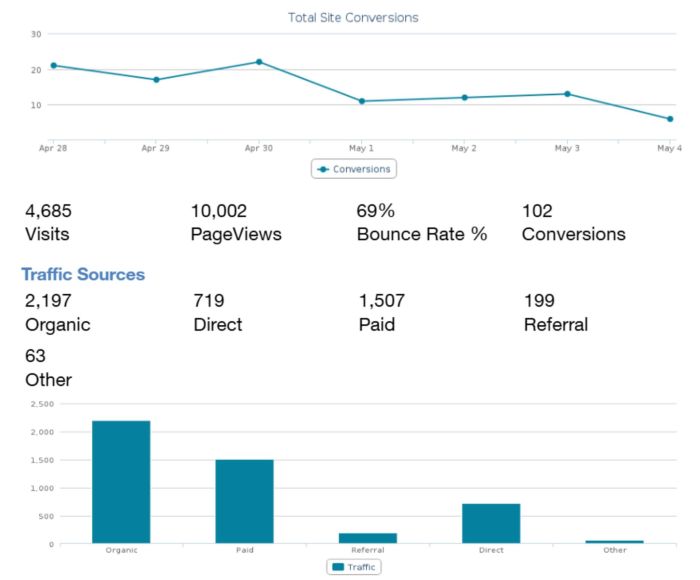
Example: What metrics should you evaluate before reinventing your private school SEO strategy? Take a look at the image below for some ideas. Using a tool like Google Analytics, determine how many total visits your site gets to understand your reach. Your page views will provide insight into site user engagement and what content is most popular.
Source: HEM
The bounce rate refers to the proportion of visitors who leave after viewing just one page. A high bounce rate (over 40%) can indicate a need for more relevant or compelling content. Finally, discovering which source of traffic gets you the most visits is valuable information when it comes to allocating funds. An SEO audit from a professional team is a great starting point if you’re looking for a preliminary view of your private school’s existing site performance.
1. Conduct Thorough Keyword Research
The foundation of any successful SEO strategy is understanding what prospective families are searching for. Private schools should conduct in-depth keyword research to identify high-value search terms related to education, admissions, and academic programs. Tools such as Google Keyword Planner, Ahrefs, and SEMrush can provide insights into relevant keywords and search volume.
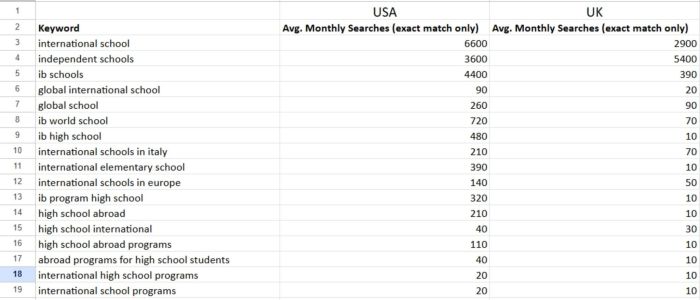
Schools should target both short-tail and long-tail keywords. For example, while “private school in Toronto” is a valuable keyword, more specific terms like “Montessori private school in Toronto with small class sizes” can help attract highly relevant traffic. Additionally, considering intent-based keywords such as “affordable private schools near me” or “best private schools with financial aid options” can attract parents who are actively researching enrollment options.
Example: This is what keyword research could look like. In the list below, you’ll see examples of both short and long-tail keywords. You’ll want to use a combination of keywords with a high search volume to reach a broader audience (like “international school” with 6600 searches) and longer, more detailed keywords to reach a specific audience (like abroad programs for international students with 40 searches).
Source: HEM
2. Optimize On-Page SEO Elements
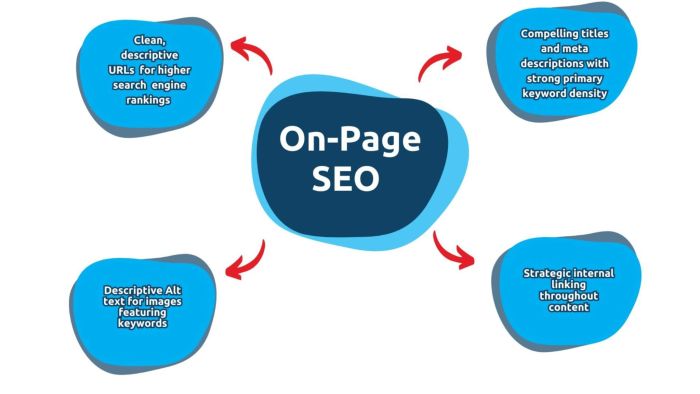
Once the right keywords have been identified, they should be strategically incorporated into website elements such as:
Title Tags and Meta Descriptions: These should include primary keywords while also being compelling enough to encourage clicks.
Header Tags (H1, H2, H3): Properly structured headers enhance readability and improve SEO rankings.
URL Structure: Clean and descriptive URLs (e.g., “yourschool.edu/admissions-process”) make it easier for search engines to understand page content.
Alt Text for Images: Adding descriptive alt text to images improves accessibility and helps search engines index visual content. Try to include keywords
Internal Linking: Strategically linking to other pages within the website helps distribute page authority and improves navigation, making it easier for users and search engines to explore content.
Source: HEM
3. Create High-Quality, Engaging Content
Content marketing is an essential component of SEO. Private schools should focus on producing valuable, informative, and engaging content that answers common questions and concerns of prospective families. This includes:
Blog posts on topics like “How to Choose the Right Private School for Your Child.”
Parent testimonials and student success stories.
Virtual campus tours and video interviews with faculty.
FAQs addressing tuition, admissions, and extracurricular activities.
In-depth guides on topics such as “How to Apply for Financial Aid at a Private School” or “What to Expect in Your Child’s First Year of Private School.”
Publishing fresh, relevant content regularly helps keep the website dynamic and signals to search engines that the site is actively maintained.
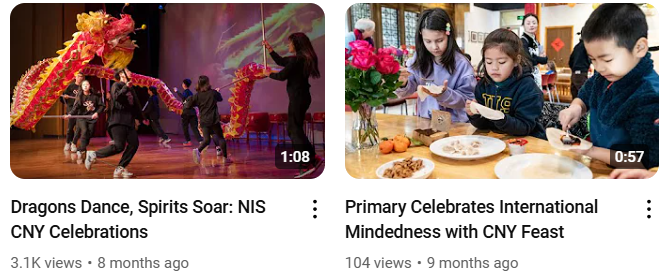
Example: This SEO- friendly video content covers a topic that many private school prospects are searching for. Don’t underestimate the value of optimizing your video content! With YouTube being the preferred video content platform as of 2024, Google is no longer the only online space where SEO matters.
Source: CTS College of Business & Computer Science
4. Implement a Local SEO Strategy
Since most private schools serve specific geographic areas, local SEO is critical. Schools should ensure their name, address, and phone number (NAP) are consistent across all online directories, including Google Business Profile, Yelp, and local education listings. Encouraging satisfied parents to leave positive reviews on Google can boost local search rankings.
Optimizing for location-based keywords, such as “best private middle school in Los Angeles,” helps schools appear in “near me” searches. Embedding a Google Map on the website’s contact page further improves local SEO. Schools should also engage in community outreach efforts that can generate local press mentions and backlinks, further strengthening their local search presence.
5. Enhance Website Performance and User Experience
Search engines prioritize websites that offer a seamless user experience. Private schools should ensure their websites are:
Fast-loading: Page speed impacts rankings, so schools should optimize images, leverage browser caching, and minimize code.
Mobile-friendly: With many parents researching schools via mobile devices, responsive design is essential.
Secure: HTTPS encryption builds trust and improves rankings.
Structured with Clear Calls-to-Action (CTAs): Encouraging prospective students and parents to schedule a visit, request information, or apply online enhances conversions.
A well-structured site with intuitive navigation reduces bounce rates and encourages visitors to explore more pages.
6. Build a Strong Backlink Profile
Backlinks, links from other reputable websites to a school’s site, signal authority to search engines. Schools can earn high-quality backlinks by:
Partnering with local businesses and educational organizations.
Contributing guest posts to education-related blogs.
Issuing press releases about notable achievements or events.
Getting listed in school directories, alumni association pages, and educational forums.
Additionally, ensuring the school is listed on authoritative education directories and accreditation bodies’ websites can further boost credibility.
7. Leverage Social Media for SEO
While social media does not directly impact search rankings, it enhances brand visibility and drives traffic to a school’s website. Are you wondering how to market your private school with social media? Maintain active profiles on platforms like Facebook, Instagram, and LinkedIn, regularly sharing engaging content and linking back to key web pages. Encouraging faculty, alumni, and students to share content can increase organic reach and generate social signals that indirectly benefit SEO.
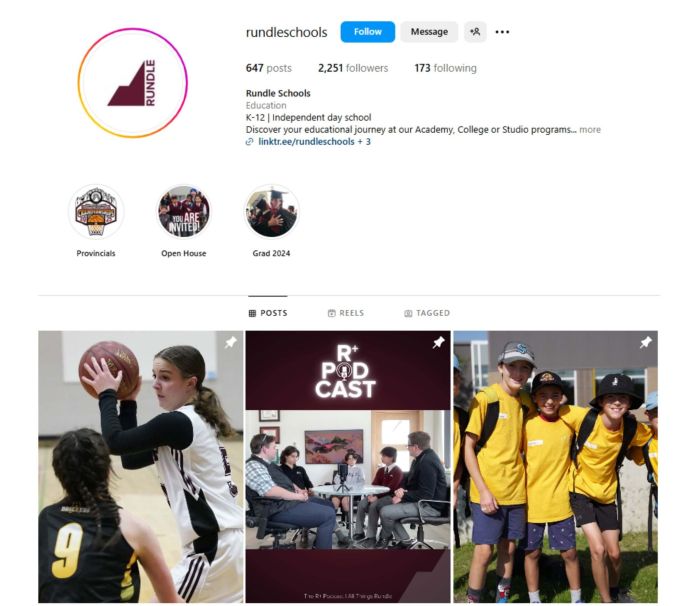
Example: Rundle Schools does a great job of optimizing its Instagram page to drive organic traffic to its site. Consider using a tool like Linktree to make it easy for prospects to find your site and other important profiles. Rundle Schools is committed to a multi-channel SEO content strategy as you can see in the centre post where they promote their podcast.
Source: Rundle Schools | Instagram
Get Support to Elevate Your Private Schools SEO Strategy
At Higher Education Marketing (HEM), we understand the unique challenges private schools face in improving their online visibility. From keyword research and content marketing to local SEO optimization and paid advertising, our team of education marketing experts tailors strategies to the specific needs of private schools.
At HEM, we’ve helped countless private schools boost their online visibility, attract more prospective families, and exceed their enrollment goals through proven results-driven SEO strategies. Ready to elevate your school’s digital presence? Let’s craft an SEO strategy that sets you apart, connect with HEM today!
Struggling with enrollment?
Our expert digital marketing services can help you attract and enroll more students!
Frequently Asked Questions
Question: How to market a private school?
Answer:Leveraging SEO effectively is the key to being discovered by your target audience online. Search engine optimization (SEO) is pivotal in increasing online visibility, helping private schools rank higher on search engine results pages (SERPs), and ensuring they remain top-of-mind for potential applicants.
Question: How to market your private school with social media?
Answer: Maintain active profiles on platforms like Facebook, Instagram, and LinkedIn, regularly sharing engaging content and linking back to key web pages. Encouraging faculty, alumni, and students to share content can increase organic reach and generate social signals that indirectly benefit SEO.
The modern digital era has brought with it a world of remarkable changes and developments in the information space that today’s students are well-placed to enjoy. The search engine as you know it is changing and adapting to these changes, with old methods and processes giving way to newer, more effective ones.
While traditional Search Engine Optimization (SEO) remains essential, Generative Engine Optimization (GEO) is emerging as a complementary strategy for AI-driven search experiences. With AI-powered search engines like Google’s Gemini and ChatGPT transforming how prospective students find information online, today’s schools must adapt or risk being swept under the radar.
Keen on increasing organic traffic and leads?
Optimize your site, attract students, and elevate your visibility with our specialized SEO strategies.
The Evolution of Search in Education Marketing
Now, a few well-placed keywords are not enough. Although about 91% of today’s organizations still make significant marketing-related gains from SEO, the rules are fundamentally different now. Today’s prospective students use the search engine in ways that are quite unprecedented.
While traditional search engines serve up lists of links, AI-powered search engines deliver direct answers. Even better, they deliver such complete conversational responses that you do not need to visit a website. There’s a dual approach to this process: maintaining strong SEO foundations while embracing the emerging power of GEO.
Educational institutions stand to gain from this development. Prospective students can conduct exhaustive research without contacting an admissions office. By tapping the search button, they can get answers to vital questions about program details, application requirements, and career outcomes.
SEO: Still the Foundation of Digital Visibility
While AI is visibly gaining momentum, SEO remains an important tool. When executed properly, it can produce these benefits:
Enhanced Visibility: Optimised content drives organic traffic, increasing inquiries and applications to your school. Recent industry sources report that schools that invest in comprehensive SEO measures enjoy a significant improvement in conversion rates.
Better User Experience: With clear metadata, logical headings, and mobile-friendly designs, students can find information better on websites. The results include longer site visits, lower bounce rates, and higher engagement, which can help boost search rankings further.
Established Authority: By creating comprehensive content, you’re signalling to search engines and users that your school is knowledgeable and can be trusted. It gives a sense of authority that can ultimately boost your school’s profile.
What is the difference between SEO and GEO marketing? The key difference between SEO and Generative Engine Optimization marketing lies in their focus and approach. SEO is used for traditional search engines, and GEO is used for AI-Driven searches:
SEO optimizes content for traditional search engines (Google, Bing) to improve rankings in organic search results using keywords, backlinks, and technical SEO strategies.
GEO marketing optimizes content for AI-driven search experiences (Google SGE, ChatGPT), ensuring content is AI-friendly, conversational, and structured for retrieval by generative AI models.
While SEO targets search engine algorithms, GEO marketing tailors content for AI-driven responses and voice search interactions.
Effective SEO Strategies for Education
The optimization approaches discussed below have been proven to be used by the most successful institutions.
Strategic On-Page Optimization:
Using long-tail keywords like “best MBA programs in Canada for working professionals” can help capture niche audiences.
Content Authority:
Create in-depth guides and case studies addressing the nuanced questions that prospective students typically ask. So, instead of just listing program requirements, develop extensive resources that cover career paths, industry connections, and student outcomes.
Mobile Optimization:
A responsive design is a must-have, thanks to most searches now happening on mobile devices. This holds true for young people who use smartphones to explore their educational options.
Schema Implementation:
Structured data markup can help search engines interpret your content much better. An education-specific schema like EducationalOccupationalCredential or EducationalOrganization can boost your program’s visibility in search results.
Local SEO:
Institutions with physical campuses need to optimize for local searches. This includes claiming and maintaining Google Business Profile listings, building local citations, and creating location-specific content highlighting campus facilities and community connections.
The AI Search Revolution: Understanding GEO
What is Generative Engine Optimization (GEO)?
More pertinently, what is GEO in SEO? Generative Engine Optimization in SEO refers to optimizing content for AI-driven search engines and generative AI models like Google’s Search Generative Experience (SGE) and ChatGPT. It focuses on structuring content for AI retrieval by using natural language, clear formatting, authoritative sources, and relevant keywords to improve visibility in AI-generated responses.
The way we interact with information today has changed drastically, courtesy of AI-powered search engines. You can now get direct, synthesized answers culled from several sources, so you don’t have to click through multiple links. The way this happens is in these three steps:
AI models scour the web for relevant information, searching from institutional websites to educational forums and third-party resources.
They blend this information into coherent, structured responses that address the specific query and can often include details from multiple sources.
Users will now get conversation-like answers without having to visit individual websites. These answers often come complete with citations or even visual elements.
Mastering GEO for Education Marketing
Imagine asking an AI assistant for the best digital marketing courses or top universities for business programs—and your institution doesn’t appear. That’s where Generative Engine Optimization (GEO) comes in.
What is GEO in digital marketing? GEO in digital marketing optimizes content for AI-driven search tools like Google’s Search Generative Experience (SGE) and ChatGPT. Unlike traditional SEO, which focuses on ranking in search engine results, GEO ensures your content is structured, conversational, and AI-friendly, making it more likely to surface in AI-generated responses.
As AI search adoption grows, Generative Engine Optimization is becoming critical. Prospective students are no longer just typing keywords into Google; they’re asking AI assistants for tailored recommendations. If your institution isn’t optimizing for AI-driven search, you risk being invisible in the conversations shaping students’ decisions.
That’s why mastering GEO for education marketing is no longer optional—it’s essential. Schools, colleges, and universities must adapt their digital strategies to ensure AI models recognize their programs, faculty, and unique offerings. Ignoring this trend means missing out on valuable opportunities to engage with future students where they’re already searching.
Focus on these strategies if you’re looking to succeed with GEO:
Answer-focused Content: Use a Q&A format to create clear and concise responses to common questions. Instead of burying tuition-related information in program pages, provide direct answers to questions like “How much does it cost to attend [School Name]?”
Authoritative Information: Provide precise, updated information and only cite credible sources. You can reference accreditation bodies, link to relevant research and put out consistent information across all digital channels.
Comprehensive FAQs: Use detailed FAQ sections to cover key topics like admissions and campus life. Using proper schema markup, structure these sections so that AI tools can pull information straight from your authoritative source.
AI-Friendly Schema: To make your content more machine-readable, use FAQ, Course, Event, and Speakable schemas. This way, AI systems can connect the different pieces of information contained on your site.
Multichannel Distribution: Let your content be shown across platforms like YouTube, LinkedIn, and Quora to gain more visibility. Because AI search engines pull material from varying sources, a consistent message across your channels will help your school be represented the right way.
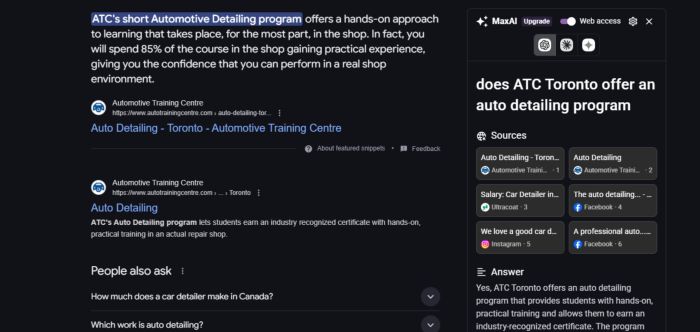
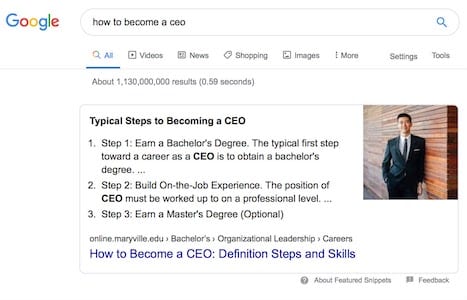
Example: This screenshot captures Google search results for “Does ATC Toronto offer an auto detailing program?” It includes a prominently featured snippet directly answering the question on the left side of the page, and AI search results also answer the question on the right.
Here are our best tips for creating suitable content for traditional and AI-driven searches:
Create Optimal Content:
Optimize Your Content Structure because human readers and AI algorithms will benefit immensely from clear organization.
Create a logical hierarchy using descriptive headings and subheadings. For example, move your program pages from a general overview to curriculum, faculty, career outcomes, and other specific details.
Incorporate bullet points and numbered lists for easy scanning. This is particularly important for details about admission requirements, application deadlines, and program benefits.
Implement appropriate schema markup to help search engines understand your content.
Let your content have a clear content hierarchy that guides users from general information to specific details.
Focus On Quality and Engagement
It is important to create high-quality content that addresses user intent. Follow these strategies:
Reach out to prospective students with answers to their most asked questions. Correctly predict and sort out their needs across all decision-making stages.
Balance authoritative information with a conversational tone. Do this while avoiding academic jargon and maintaining the appropriate level of sophistication for your target audience.
Use short paragraphs and clear language to make your content readable. Also, blend concise, direct answers with in-depth guides.
Let your student testimonials, faculty perspectives, and alumni success stories feature authentic voices as they can help humanize your institution.
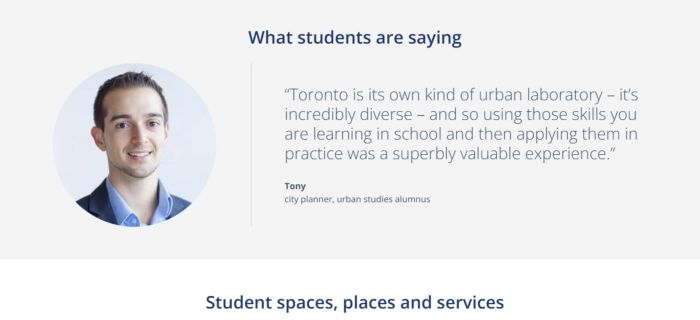
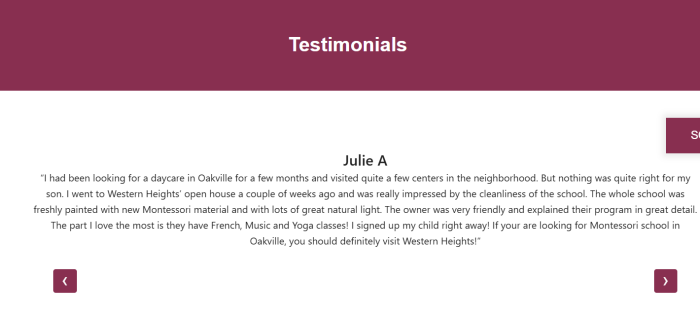
Example:The University of Toronto has a section on its website that features testimonials from current students, alumni, and staff, helping to boost the school’s image with genuine feedback.
Modern search optimization has gone past keywords, and here’s how:
Develop comprehensive pillar pages that cover broad topics like “Graduate Programs” or “Student Life” with links to more specific content. Use natural language mirroring how people speak and search. Incorporate variations and related as opposed to repeating the same keywords.
Create content clusters that address related topics and questions. Also, you can link between them to establish topical authority and help users navigate your site.
Consider the semantic field around educational topics, including synonyms, related concepts, and commonly associated terms.
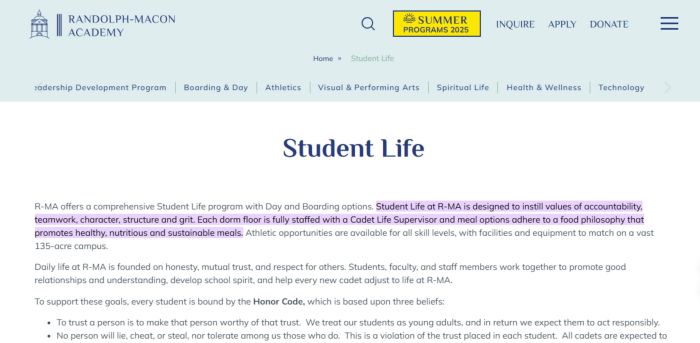
Example: Here, R-MA demonstrates its mastery of semantic SEO with this Student Life page. Apart from providing a general overview of the school’s Student Life Program, the page also contains links to specific aspects of the program.
One of the biggest threats to education marketers is the rise of zero-click searches, where users get answers without visiting your website. Nearly 65% of Google searches now end without clicks to any websites. This trend is particularly problematic for institutions relying on website traffic for lead generation.
Here’s a quick look at how Zero-Click searches show up in search engines:
Featured Snippets: This displays key information directly in results, answering questions about application deadlines, tuition costs, and program requirements without requiring clicks.
Voice Search: Conversational queries often receive single, direct answers, particularly for straightforward questions like “When are applications due for [School Name]?”
AI Summaries: New tools seek to compile information from multiple sources into one response. Synthesizing details about educational programs without directing users to specific institutional websites.
Strategies to Combat Zero-Click Searches
Optimize the content for featured snippets: Structure content to rank better by directly answering questions.
Implement FAQ Schema: Mark up Q&A content with the right schema so your answers appear more in search results.
Create must-click content: Create resources that resonate with the users, including calculators and virtual campus tours.
Leverage Rich Results: Using structured data, enhance how your content appears in search results so it’s more appealing and clicked.
Focus on Complex Questions: Target those queries that you can’t answer in a snippet, those that need you to go further into your school’s offerings.
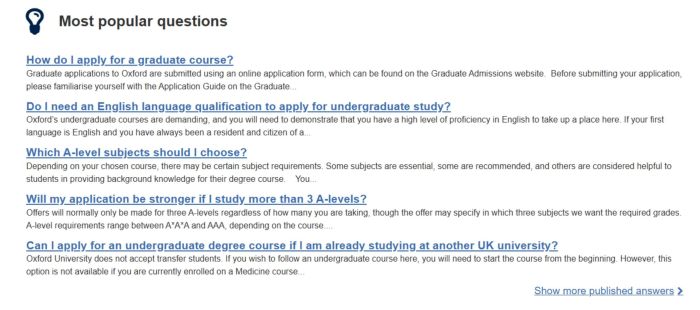
Example: Oxford University enhances its FAQ sections using structured data. By doing so, their answers are featured directly in search results—ensuring that key information about admissions and tuition is visible in a zero-click environment.
With voice assistants becoming more popular, optimizing for spoken queries is becoming increasingly important. Over 27% of searches are run through a voice interface, mostly among the younger generations. Here are some voice search best practices to use to this effect.
Use natural, question-based keywords that match how people speak, such as “How do I apply to [School Name]?” rather than “application process.”
Voice search is predominantly mobile-driven, so make sure your site is mobile-friendly and fast-loading.
Creating Conversation-Ready Content
To create conversation-ready content, you’ll need to follow certain rules. Our best tips include writing in short, digestible paragraphs that voice assistants can easily read aloud.
You must provide direct answers to common questions to start each relevant section. Another key tip is to create how-to guides and FAQ sections that fit with voice queries.
Let your content follow a conversation-like style, just like prospective students engage. There should be relevant context to match every user request, and the information provided should be clear and concise for the best results.
Essential Tools and Emerging Trends
To stay competitive in educational marketing, you need the right tools and awareness of emerging trends. Here are some must-have SEO and GEO tools.
Google Search Console: Monitor performance and identify opportunities by tracking how your pages appear in search results and which queries trigger their appearance.
SEMrush: Research keywords and analyze competitor strategies while paying particular attention to education-specific terms and competing institutions.
Ahrefs: Track backlinks and content performance, building a strong link profile that enhances your institution’s perceived authority.
Schema Markup Generators: Create and validate structured data to improve how search engines interpret your content.
Mobile Testing Tools: Ensure optimal performance across all devices, recognizing that many prospective students research educational options on smartphones.
Trends Reshaping Education Marketing
AI-Generated Search Summaries: By focusing on direct answers instead of posting traditional link listings, your search results appear faster and function better.
Voice Search Growth: This accounts for over 27% of all searches, mostly among younger demographic groups.
Engagement as a Ranking Signal: User interaction affects visibility, with metrics like time on site and interaction rates affecting search performance.
Video Content Prominence: Educational videos are gaining importance in search results, particularly for how-to and explanatory content about programs and campus life.
Social Proof Integration: With reviews, testimonials, and user-generated content, you can create more impact in traditional and AI-driven search results.
The Human Element: Storytelling in a Digital World
Although technical optimization remains crucial, education marketing relies heavily on human connection. The schools that balance data-driven strategies with authentic storytelling that resonates with prospective students succeed.
If you’re looking for a means to build student trust in your offerings through authenticity, here’s how to go about it.
Share real student success stories and testimonials that show how transformative your educational programs are.
Highlight those unique program features and opportunities that differentiate your institution from competitors.
Maintain transparency and avoid excessive jargon. Focus on pointing out what makes your institution special.
Create content that addresses the emotional aspects of the educational decision.
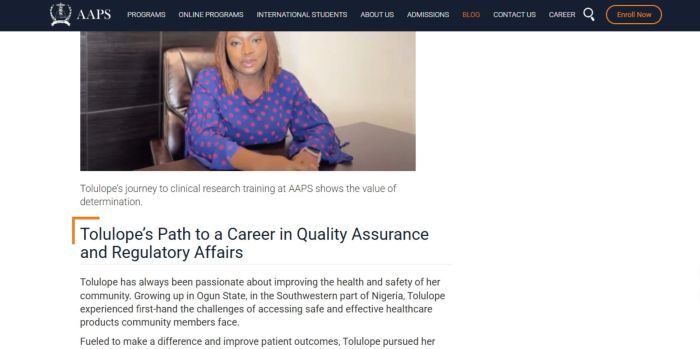
Example: Here, AAPS masterfully emphasizes the transformative power of its program by highlighting the experiences and successes of a student, recounted by the student herself.
Use analytics to inform content strategy, identifying topics and formats that resonate with your target audience.
Enhance text with visual and interactive elements that engage users and encourage deeper exploration of your offerings.
Personalize messaging for different audience segments, with their varying priorities and concerns.
Test and refine approaches based on performance data, continuously improving your digital marketing effectiveness.
Embracing the Future of Education Marketing
As the digital outlook for today’s educational market continues to evolve, schools must continually adapt to remain competitive. The future of search engines belongs to those who can master both SEO and GEO to produce results that drive and direct conversations.
The tide favours schools whose content resonates with traditional search engines and AI-powered platforms. The target is to position your institution for this kind of leverage, and that’s the essence of this piece.
Ready to transform your digital presence? Start optimizing today and watch your institution’s story unfold—one search at a time.
Keen on increasing organic traffic and leads?
Optimize your site, attract students, and elevate your visibility with our specialized SEO strategies.
Frequently Asked Questions
Question: What is the difference between SEO and GEO marketing?
Answer: The key difference between SEO and Generative Engine Optimization marketing lies in their focus and approach. SEO is used for traditional search engines and GEO is used for AI- Driven searches.
Question: What is GEO in SEO?
Answer: Generative Engine Optimization in SEO refers to optimizing content for AI-driven search engines and generative AI models like Google’s Search Generative Experience (SGE) and ChatGPT.
Question: What is GEO in digital marketing?
Answer: GEO in digital marketing optimizes content for AI-driven search tools like Google’s Search Generative Experience (SGE) and ChatGPT.
Search engine optimization (SEO) is essential for improving your school’s online visibility, ensuring that when local families search for educational options, your school is among the first they see. SEO helps your website rank higher in search engine results, making prospective parents more likely to find you before other schools in your area. SEO gives your school a competitive edge in reaching families who are actively seeking information on local educational options.
Knowing the value of SEO, most people ask how to do SEO for a school? To begin implementing SEO, schools can focus on three primary areas: On-page SEO, technical SEO, and Local SEO. In this blog, we’re focussing on local SEO.
An optimized online presence is crucial for K-12 schools to attract and engage prospective families within their local communities. By focusing on Local SEO, schools can increase their visibility in search engine results, connect with families nearby, and build trust as a leading choice for local education. With our 15 years of experience driving results for schools like yours, we know the unique challenges K-12 schools face in reaching prospective parents and students. This guide will walk you through the essential strategies to enhance your school’s local SEO, even if you’re new to search engine optimization.
Struggling with enrollment?
Our expert digital marketing services can help you attract and enroll more students!
Understanding Local SEO for K-12 School Websites and Why It Matters
Local SEO optimizes your school’s website and online presence to rank higher in local search results. This optimization specifically targets potential families searching for schools in your area, making it an essential component for K-12 schools looking to expand their visibility.
When someone searches “best private school near me” or “elementary school in [City],” the results that appear are influenced by local SEO practices. Google and other search engines analyze local relevance factors such as your school’s address, the presence of local keywords, online reviews, and overall domain authority to decide which websites to show at the top. Mastering local SEO for K-12 schoolwebsites can make a difference in being found online by families in your community.
Are you trying to implement effective digital advertising for parents of students? Reach out to learn more about our digital marketing services.
Claiming and Optimizing Your Google My Business Profile
What is the most effective strategy for local SEO? One of the most powerful steps you can take when marketing to K-12 students’ families in your area is to claim and optimize your Google My Business (GMB) profile. This profile is essential for local SEO because it provides search engines and families with critical information about your school, such as its location, contact information, and operating hours.
Begin by verifying your school’s GMB profile. When editing the profile, ensure all details are accurate, including the school’s name, address, phone number, website URL, and a brief description of the school’s values and offerings. Google also allows you to add photos, which can be a fantastic way to showcase your school’s facilities, activities, and unique educational experiences. Families browsing through profiles will be drawn to authentic visuals, which can help them feel connected to your school before they even step foot on campus.
Adding relevant categories (e.g., “Elementary School” or “Private School”) and attributes to your GMB profile increases your chances of appearing in local searches specific to your school type. Regularly update your GMB profile with fresh photos, events, and posts, as Google favors active profiles, enhancing your school’s local SEO ranking.
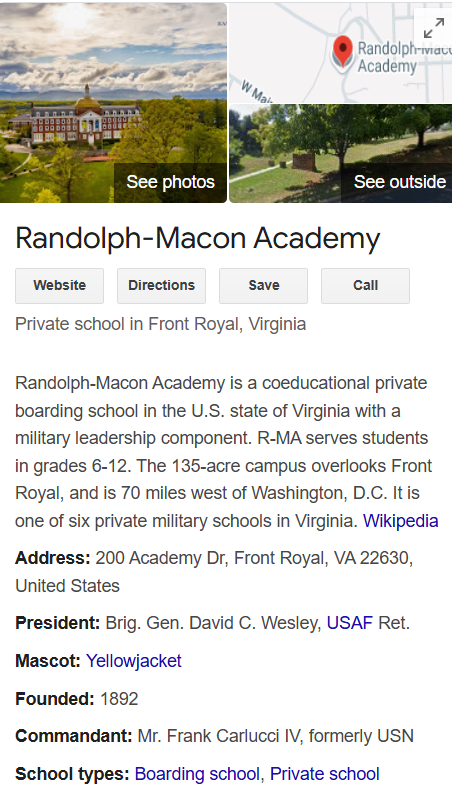
Example: This is how Google presents your institution to searchers when you create and optimize your Google My Business account. Your GMB profile provides critical information about your institution in an easy-to-consume layout.
Source: Randolph-Macon Academy | Google
Optimizing Your Website for Location-Based Keywords
Your website’s content should reflect keywords families might use when searching for schools in your area. Instead of generic phrases like “top K-12 school,” incorporate keywords that feature your location, such as “top K-12 school in [City]” or “private high school in [Suburb].” These location-based keywords help search engines understand that your school serves families in a specific area, increasing your chances of appearing in relevant searches.
Consider adding a dedicated “Location” or “About Our Community” page that details your school’s surrounding area, landmarks, or neighborhoods. This page could highlight the community values and amenities available, reinforcing that your school is embedded within the local community. Mentioning nearby cities, neighborhoods, or districts can also strengthen your local SEO, especially for families who want their children to be educated within specific geographic boundaries.
Each page of your website should also include the school’s full name, address, and phone number (often referred to as NAP – Name, Address, Phone Number) in a consistent format. Placing your NAP details in the footer ensures they appear across the entire site, building user trust and Google’s confidence in your school’s legitimacy and location.
Example: WillowWood School’s metadata uses the title WillowWood School | K-12 Private School | Toronto. In your metadata, include your school’s city to rank for location-based searches.
Source: WillowWood School
Creating High-Quality, Locally Relevant Content
Content marketing is an excellent way to boost your school’s visibility in search results. Develop blog posts, articles, and resource pages that speak to local concerns, events, and topics families in your area care about. Writing blog posts on subjects like “Why Choose a Private School in [City]” or “The Benefits of Small Class Sizes in [Neighborhood] Schools” can help attract local searches and establish your school as a knowledgeable voice within the community.
Another powerful content idea is to publish posts about school events, open houses, and seasonal programs like summer camps. These posts can generate interest from families looking for activities within your area, leading to higher engagement on social media platforms.
Local content can also come as testimonials and success stories from parents and students within the community. Encourage current families to share their experiences and post their stories on your blog or testimonials page. Positive testimonials boost your school’s reputation, and add keywords and phrases that resonate with other families in your area.
Example: Here, Nanjing International School shares culturally and geographically relevant content on its YouTube channel, helping it to attract prospects. When creating content, particularly visual, highlight your school’s location and discuss any advantages it offers students.
Source: Nanjing International School | YouTube
Encouraging Positive Online Reviews
Online reviews play an important role in local SEO, particularly for schools. Families considering your school will likely check online reviews to gauge what other parents and students think of your programs, culture, and overall quality. Reviews posted on Google, Yelp, Facebook, and niche educational sites help build trust and credibility while boosting your local SEO ranking.
One way to encourage reviews is by setting up an easy process for parents to leave feedback. After key events like open houses, school performances, or parent-teacher meetings, follow up with an email inviting parents to share their experience on Google or other review sites. Always respond to reviews in a timely, professional manner, whether positive or negative. This responsiveness shows that your school values feedback and is engaged with its community, which search engines recognize positively.
Example: Western Heights Montessori School’s website displays several positive reviews. These personal and specific reviews highlight the school’s unique selling points. When encouraging parents to write reviews, try to prompt them toward a similar result.
Source: Western Heights Montessori
Building Citations and Directory Listings
Citations, or mentions of your school’s name, address, and phone number on other websites, are a key component of local SEO. Citations help search engines confirm your school’s existence and location, ultimately building your website’s authority. Common places for citations include online school directories, community websites, and local educational resources.
Research reputable, relevant directories specific to education or your geographic area, and ensure your school’s information is listed accurately. Local chambers of commerce, community pages, and educational sites often provide directory listings or profiles where your school can be featured. Each additional citation strengthens your local SEO, contributing to a greater chance of appearing in local search results.
Example: This is GLCT’s listing on the International School Database. By appearing on directories like this, you’re expanding your online presence, making it easier for prospects to find your school.
Source: Great Lakes College of Toronto | International School Database
Building Local Backlinks
Backlinks, or links from other websites to your school’s website, are essential for establishing credibility in SEO. Local backlinks are even more valuable, as they signal to Google that your school is an authority in the community. Consider contacting local organizations, libraries, businesses, or news outlets that could mention or link to your school.
For example, if your school partners with local businesses for community events, ask them to link to your website in their event descriptions. Participating in community service projects or sponsoring local events can provide backlink opportunities. Press releases about notable achievements or events at your school, published on local news sites, can generate valuable backlinks.
Implementing Schema Markup
Schema markup is a form of structured data that helps search engines understand specific information on your website. For K-12 schools, schema can highlight important details such as your school’s name, location, contact information, and even specific features like tuition or grade levels offered.
Adding schema markup helps Google better understand the context of your website, often leading to enhanced search result displays with additional information like ratings, contact details, or event dates. Schools that use schema have a competitive advantage in local search results, as this markup can make your listing stand out.
For example, implementing schema to highlight upcoming events, open house dates, or application deadlines allows families searching for local school options to identify important details quickly. Schema markup may require technical assistance, but it’s worth considering to boost your local SEO efforts further.
Tracking and Adjusting Your Local SEO Strategy
After implementing these local SEO practices, tracking your progress is essential. Use Google Analytics and Google Search Console to monitor key metrics such as organic search traffic, click-through rates, and the keywords driving traffic to your site. These insights can help you understand which strategies are working and where adjustments are needed.
Regularly updating and refreshing your website’s content, profile listings, and SEO practices is vital to staying competitive. Local SEO is an ongoing process, and search engine algorithms frequently change, so periodically revisiting and refining your strategy can ensure your school continues to attract and engage the local community effectively.
Implementing local SEO for your K-12 school’s website may initially seem complex, but by focusing on the essential practices we’ve discussed today, you’ll soon see its value. By investing in local SEO, you’re building a more robust digital foundation and positioning your school as a valuable resource in your community.
Struggling with enrollment?
Our expert digital marketing services can help you attract and enroll more students!
FAQs
How to do SEO for a school?
To begin implementing SEO, schools can focus on three primary areas: On-page SEO, technical SEO, and Local SEO. In this blog, we’re focussing on local SEO.
What is the most effective strategy for local SEO?
One of the most powerful steps you can take when marketing to K-12 students’ families in your area is to claim and optimize your Google My Business (GMB) profile.
Boost Your Enrollment Cycle With These Higher Ed SEO Strategies
Billions of queries occur daily through global search engines on desktop, mobile, and voice devices. These organic searches are the largest drivers of website traffic, particularly for higher education institutions, making SEO an essential ingredient in the recipe for generating student leads. A student’s journey toward enrollment is a roller coaster of considerations. From looking at financial costs and career opportunities to assessing workloads and faculty projects, students turn to search engines to answer their questions.
Optimizing your university’s website involves looking at a variety of SEO factors: webpage speed, page titles and headings, URL structure, link building, content, and more. Here at Archer, our higher education SEO team members have expert insight at every step on the path toward optimizing a university’s website, including technical on-page improvements, off-page link building, and, most importantly, content creation and promotion.
Let’s explore how your institution can stay relevant and bring new prospective students in with a sophisticated higher education SEO strategy.
SEO for Higher Education: What You Need to Know
Online content saturation is at an all-time high, and competition in higher ed is intensifying. Meanwhile, the audiences that institutions are marketing to have become less traditional.
Capturing the attention of prospective students at a critical point in their college enrollment journey takes a deep understanding of all the nuances of search engine optimization, including search intent, click-through rates, and mobile experience. To create content that will engage online audiences, universities must have strong SEO strategies to ensure brand discovery.
7 SEO Strategies to Boost Your College Enrollment Cycle
Our higher ed SEO experts have pulled together a list of seven strategies to help capture students along their path to college enrollment. Their expertise will help guide you in discerning what’s important in an SEO strategy and where to set focus for the rest of the year.
1. Determine Your Student Journey
Student journey maps are going to be key in helping you guide the focus and intent of your content. How are you making students aware of your programs? At what point are they considering your programs? Where in the journey do they make a decision, and what do they need to get there?
Students looking to advance their academic and professional careers are at some point in the sales funnel, but they’re also at some stage in their search engine journey. If you’re doing it right, you’ve constructed this journey carefully and provided several different routes for the different kinds of prospective students you interact with.
For example, a student might be only tangentially familiar with the construction industry, so you can gain their interest by crafting a piece about construction careers that graduates can enter after receiving a construction management degree. On the other hand, a student might be further along in their journey and might be at the point of more serious consideration of an engineering degree. For this student, you can craft a post about stress management for engineering students.
If you want to get students to your website, finding blog topics is only half the game. Using keywords to optimize your content is how you push those posts to the finish line. Google’s latest algorithms emphasize value, so figure out what value you can provide your reader at every stage of inquiry.
By walking through the student’s college enrollment experience and differentiating content based on the needs of each stage, you can curate specific content to respond to their search intent, keep them engaged with your brand, and guide them down your content map to a post that encourages them to convert.
2. Satisfy Student Search Intent
Since search intent is Google’s ultimate goal, when it comes to SEO for higher education, keyword research and content creation that match the student’s search intent should be a primary focus.
The “How to Become a CEO” article above is a great example of a university-created piece of content that matches search intent and provides steps that show how the university program can help the searcher accomplish their goal. Content should discuss a range of topics that align with the university’s mission and program’s course curriculum while still keeping the searcher top of mind. With each piece of content, you’ll be able to attract a variety of students who are in different places in the student discovery process.
Each of these posts should have a strong call to action (CTA) that intrigues prospective students to learn more about the university’s program and how they can become more involved and apply. This CTA can include an aesthetically pleasing “learn more” button that directs readers to a “request more information” form.
In 2023, Google introduced a new helpful content algorithm intended to help searchers find relevant results. This update is intended to weed out nonhelpful search results, defined as content that lacks experience, expertise, authoritativeness, or trustworthiness (E-E-A-T).
What does this mean for universities? Crafting high-quality content that meets student search intent is even more important. Instead of focusing solely on SEO keywords, university website pages and blogs need to meet Google’s quality standards in one or more E-E-A-T fields.
Experience: The content is created by someone with firsthand involvement in the subject matter.
Expertise: The content creator has formal knowledge of the subject matter.
Authoritativeness: The content contains credible information, and the website has a good reputation for providing quality content.
Trustworthiness: The content includes clear and transparent sourcing to verify the accuracy and reliability of the information.
Universities can meet these expectations by providing high-quality information that highlights faculty and student experiences and expertise.
4. Elevate Your Content Strategy
Searchers are no longer satisfied with traditional text-based content or boring images. This is especially true for millennials and Gen Zers, who account for 42% of the U.S. population, according to Statista, and the majority of a university’s target market.
To capture the attention of these easily distracted searchers, higher education SEO strategies should branch out beyond traditional articles and infographics to include visually captivating and psychologically intriguing content, such as interactive graphics or videos. This refreshed content strategy should aim to not only catch a searcher’s immediate attention but also leave a lasting brand imprint to intrigue searchers to come back for more.
Check out the following example of an engaging piece of content from Zippia.com that outlines the different career paths for cost accountants. The piece is interactive, allowing the user to move their mouse along the different career paths to reveal more detailed and relevant information.
This interactive map is fun and easy to use while still providing the quality and quantity of content the user is looking for. It illustrates the kind of memorable yet useful experience required to capture a student’s attention.
5. Occupy Google Search Results
Occupying more real estate on ever-evolving search engine results pages (SERPs) is more crucial than ever. A large number of Google searches do not result in a click. With the advent of more featured snippets, the importance of a technically sound website, structured data, and high-quality content grows.
While on-page SEO is still crucial for ranking on the SERP, off-page efforts and creating a user experience (UX) that expands past your website are the next wave of occupying internet real estate. Off-page citations, or references to your institution on websites such as U.S. News and Wikipedia, will push hints and signals to Google that validate your brand. Quality higher education SEO strategies should also include a UX that helps your site stand out in today’s saturated marketplace.
6. Optimize Your Website for Mobile
To enhance the college enrollment funnel experience, you need to maintain the health of your website for both desktop and mobile.
Since a majority of search engine visits come from mobile devices, there’s no question that higher education SEO teams should be focusing on the mobile user experience of their websites. Now that Google has mobile-first indexing best practices, your team has new factors to consider. If your website’s content differs between desktop and mobile, for example, then your site is at risk of having pages not indexed or crawled, which could result in a significant loss of traffic.
For starters, ensure that desktop and mobile versions of your website have identical content, as well as identical technical elements, such as structured data and meta tags. Whether you’re developing content or updating your website design, always be sure to consider both platforms in any updates you make.
7. Understand Your Competition
With Google ads for search terms like “online mba” generating a high cost per click (CPC), higher education is one of the most competitive segments of search engine rankings. Why? Simply put, graduate degree programs are expensive and have large marketing budgets. In addition, affiliate marketing is rampant in the higher education space. What’s affiliate marketing? Affiliate marketers in higher education essentially sell student leads to universities.
These affiliate sites often have large SEO budgets and benefit from degree ranking and badging tactics. Take a look at the density of non-edu sites in the search results by Googling “online mba.”
In addition to competing with a number of affiliate websites, traditional schools have to compete with for-profit institutions and institutions with powerful national and regional brands.
Despite the competitive market, a long-term higher education SEO strategy, with a nuanced understanding of the market, can yield tremendous results around student enrollments and thought leadership.
SEO for Higher Education: Boost Your Results with Archer
Here at Archer Education, we partner with accredited universities to help higher-ed leaders and marketers accelerate online learning growth and enrollment. We offer a variety of tech-enabled marketing, enrollment, and retention services, and our team of SEO experts is always up to date on strategies to help your program gain visibility in prospective students’ search results.
Our SEO tactics can help your university:
Increase its visibility in student-generating keywords
Grow the amount of organic traffic to the site
Ensure its site is optimized for organic search
Contact us or visit our SEO tactics page to learn more about how Archer can help you reach your enrollment goals.