Tag: Sessions

  • InsightsEDU 2026: The Sessions Higher Ed Can’t Afford to Ignore  

    InsightsEDU 2026: The Sessions Higher Ed Can’t Afford to Ignore  

    Higher ed is no longer inching towards change; it’s being forced to confront it. Demographic shifts, economic pressures and the rise of AI have exposed the cracks in legacy systems. The old playbook isn’t just outdated—it’s a liability. Institutions that cling to it risk irrelevance. 

    InsightsEDU 2026, happening February 17-19, 2026 at the Westin Fort Lauderdale, arrives with clear purpose: help higher ed leaders move faster, think bigger and build adaptive strategies that meet the moment

    This year’s theme, The Future Unbound, is a call to action. It invites leaders to challenge assumptions, dismantle silos and make bold decisions that drive real transformation. 

    In service of that mission, we’ve curated a speaker lineup and session program built around reinvention, student-centered innovation and the levers of growth that will define the next era. 

    Here’s your first look at the voices and ideas shaping InsightsEDU 2026. 

    Explore the Sessions Reinventing Higher Ed’s Playbook 

    The Great Reinvention 

    A candid fireside conversation with university presidents who are leading from the front. Expect bold perspectives on what higher ed must dismantle, redesign and accelerate to stay relevant in a rapidly shifting landscape. 

    Opening Session: The Modern Learner Intel 

    Get exclusive first-look access to EducationDynamics’ 2026 research on today’s Modern Learners—what they value, how they make decisions and why flexibility, career outcomes and undeniable ROI now drive every enrollment decision. 

    The AI-Powered Marketer: Evolving Your Approach for the ChatGPT Era 

    EducationDynamics’ Vice President of Marketing reveals how AI is rewriting the rules of search, content and digital engagement—and what marketers must do now to stay ahead. Learn how to unify search, social and storytelling into a single, high-performing strategy that meets today’s learners on their terms and moves them from first click to enrollment.  

    Aligning for Impact: Credentialing That Connects Campuses, Students & Employers  

    See how one institution built stackable, employer-aligned credentials that meet workforce demand and create clear career pathways, plus practical strategies any campus can use to deepen employer partnerships and market high-value programs. 

    AI for All Learners: Integrating AI Across Career Pathways 

    Learn how institutions are integrating AI across disciplines through accessible, scalable curriculum design. Attendees will leave with a sample syllabus, implementation roadmap and lessons learned from bringing AI education to diverse learners, including high-barrier communities. 

    Leading After Rapid Transformation: Culture, Clarity, and “What’s Next” in Higher Ed Marketing 

    Leaders from University of Cincinnati Online reflect on how to move forward after organizational transformation, discussing how they rebuilt culture, aligned teams and kept momentum amid ongoing change. Expect honest insights on sustaining creativity, clarity and trust in a world where transformation never stops. 

    Unifying Your Enrollment: Building a Cohesive Strategy for the Modern Learner 

    This session brings together university leaders and EducationDynamics enrollment experts to unpack how to break down silos and build a unified enrollment strategy that strengthens your brand, improves outcomes and meets the diverse needs of today’s Modern Learner. 

    InsightsEDU 2026 brings together changemakers from across the sector—each session designed to spark new thinking, foster connection and fuel collective reinvention. Explore the full, evolving agenda here.  

    Meet the Speakers Disrupting the Status Quo  

    From enrollment innovators to digital trailblazers, this year’s speakers are united by one goal: help institutions evolve faster than the market around them. Here’s a preview of who’s taking the stage. 

    Gregory Clayton

    President of Enrollment Management Services at EducationDynamics
    With over 30 years of experience in the higher education space, Greg brings valuable expertise in enrollment management and performance marketing. As President of Enrollment Management Services at EducationDynamics, he leads a comprehensive team offering agency marketing, enrollment services, strategic consulting, and research, all tailored to the higher ed sector. His leadership and career position him as a visionary strategist, equipped to offer insightful commentary on the higher education landscape and enrollment solutions. Join his session to learn more about how to better serve the Modern Learner and implement strategies that drive institutional success.

    Session: Opening Session,The Modern Learner Intel

    Amanda Serafin

    Associate Vice President of Enrollment at Indiana Wesleyan University 
    With more than twenty years in higher education enrollment, Amanda serves as the Associate Vice President of Enrollment at Indiana Wesleyan University, where she leads strategic initiatives and a high-performing team supporting IWU’s National & Global programs.

    At InsightsEDU, Amanda joins EducationDynamics’ Vice President of Enrollment Management Consulting to unpack three years of competitive research—revealing what secret shopping uncovered about competitor strategies, the depth and quality of student nurturing across the market and how IWU leveraged those insights to strengthen enrollment outcomes.

    Session: Mystery Shopping 2.0

    Alex Minot

    Client Partner Lead at Snapchat
    As Client Partner Lead at Snapchat, Alex helps higher ed institutions and nonprofits modernize their marketing through full-funnel strategies built for Gen Z and Millennial audiences. With experience spanning Snapchat, Reddit, Facebook and Google, he brings a deep understanding of how today’s learners discover, evaluate, and choose their next step.

    At InsightsEDU 2026, Alex will break down why traditional enrollment marketing no longer works—and what it takes to earn trust in a world where Gen Z is curating their own narratives. Joined by EducationDynamics’ Senior Social Media Strategist, Jennifer Ravey, he’ll explore how to design a content ecosystem that creates belonging, builds confidence and inspires advocacy from first touch to final decision..

    Session: From Awareness to Advocacy: Designing a Full-Funnel Strategy for Gen Z Engagement

    Chris Marpo

    Head of Education Partnerships at Reddit
    As Head of Education Partnerships at Reddit, Chris leads the charge in building high-impact collaborations with higher ed institutions and agencies. At InsightsEDU 2026, he’ll share how Reddit’s unique communities—and the behaviors driving them—are reshaping the way universities reach and influence the Modern Learner.

    Drawing on his experience helping scale advertising businesses at LinkedIn, Pinterest and Quora, Chris brings a sharp understanding of the digital landscape and what truly resonates with today’s audiences. Attendees can expect actionable insights on how institutions can meet prospective students where they are and stay relevant in an era of rapid change.

    Session: From Keywords to Conversations: Winning Student Mindshare in the Age of AI Search
    Kevin Halle


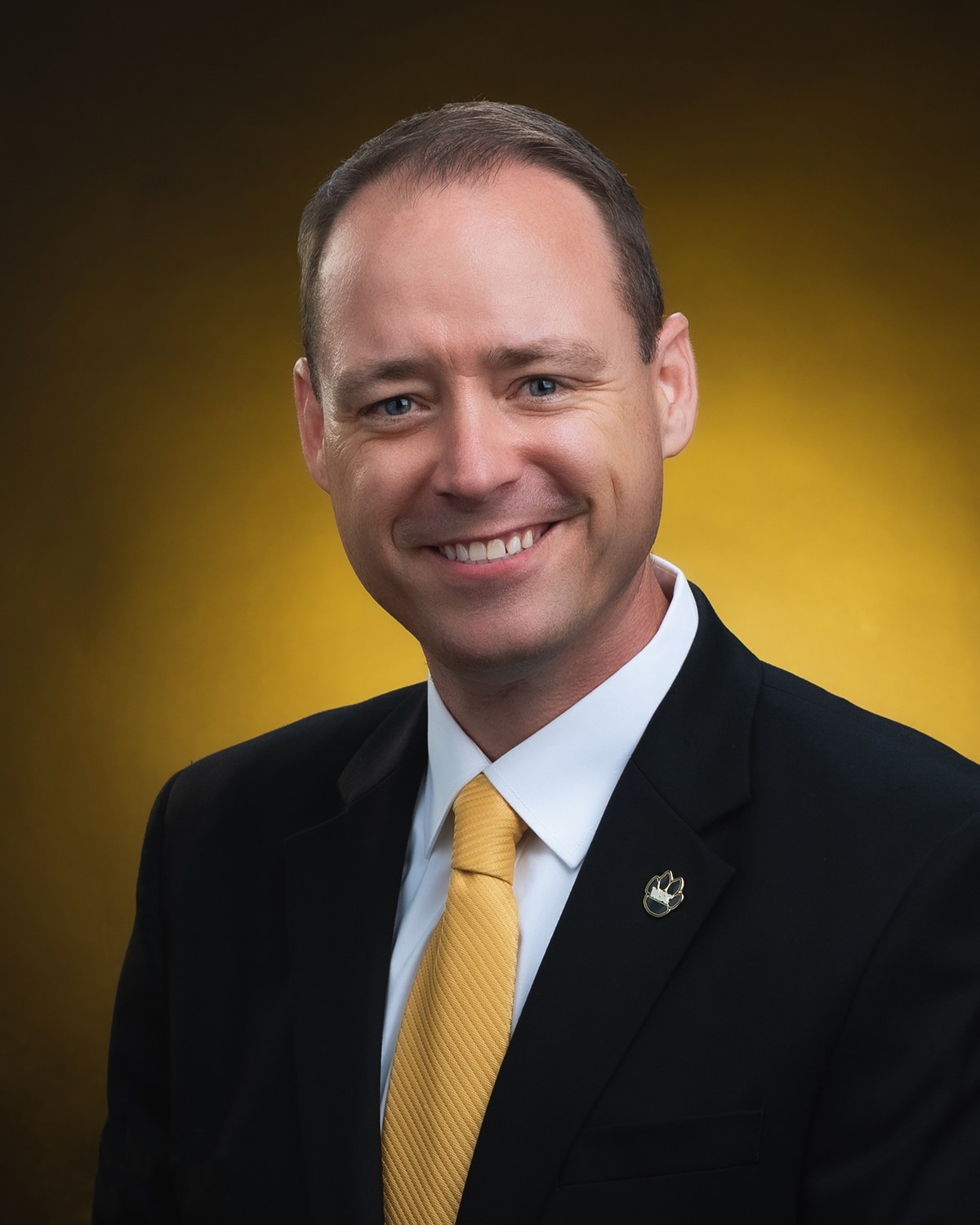
    VP of Enrollment at Wayne State College
    With more than a decade of experience leading undergraduate, transfer, graduate, and financial aid teams, Kevin brings a deep understanding of how to build enrollment pipelines that serve diverse learner groups.

    At InsightsEDU, he’ll unpack what it takes to break down the silos separating traditional, graduate and adult learner strategies and how institutions can create one unified approach that works for all students.

    Session: Unifying Your Enrollment: Building a Cohesive Strategy for the Modern Learner

    Katie Tomlinson

    Katie Tomlinson

    Senior Director of Analytics and Business Intelligence at EducationDynamics
    Prepare to unlock insights with Katie Tomlinson. As the Senior Director of Analytics and Business Intelligence, Katie expertly manages data and reporting, uncovering key trends to support EducationDynamics in delivering data-driven solutions for the higher ed community. Learn from her as she discusses findings from EducationDynamics’ latest report, where attendees will gain a deeper understanding of the evolving learning environment and the significant factors that influence Modern Learners’ educational choices.

    Session:  Opening Session, The Modern Learner Intel

    The voices shaping InsightsEDU continue to grow. Check out the full speaker lineup and new additions on our Speakers page

    This Isn’t Just a Conference. It’s a Catalyst. 

    Higher ed doesn’t need just another conference. It needs transformation. 

    InsightsEDU 2026 is where bold leaders confront what’s broken, challenge what’s outdated and build what’s next. If you’re ready to lead the future of higher education, this is your moment. 

    Join us in Fort Lauderdale and help rewrite the playbook for what comes next. 
    Source link

  • 25 (Mostly AI) Sessions to Enjoy in 2025 – The 74

    25 (Mostly AI) Sessions to Enjoy in 2025 – The 74


    Get stories like this delivered straight to your inbox. Sign up for The 74 Newsletter

    South by Southwest Edu returns to Austin, Texas, running March 3-6. As always, it’ll offer a huge number of panels, discussions, film screenings, musical performances and workshops exploring education, innovation and the future of schooling.

    Keynote speakers this year include neuroscientist Anne-Laure Le Cunff, founder of Ness Labs, an online educational platform for knowledge workers; astronaut, author and TV host Emily Calandrelli, and Shamil Idriss, CEO of Search for Common Ground, an international non-profit. Idriss will speak about what it means to be strong in the face of opposition — and how to turn conflict into cooperation. Also featured: indy musical artist Jill Sobule, singing selections from her musical F*ck 7th Grade.

    As in 2024, artificial intelligence remains a major focus, with dozens of sessions exploring AI’s potential and pitfalls. But other topics are on tap as well, including sessions on playful learning, book bans and the benefits of prison journalism. 

    To help guide the way, we’ve scoured the schedule to highlight 25 of the most significant presenters, topics and panels: 

    Monday, March 3:

    11 a.m. — Ultimate Citizens Film Screening: A new independent film features a Seattle school counselor who builds a world-class Ultimate Frisbee team with a group of immigrant children at Hazel Wolf K-8 School. 

    11:30 a.m. — AI & the Skills-First Economy: Navigating Hype & Reality: Generative AI is accelerating the adoption of a skills-based economy, but many are skeptical about its value, impact and the pace of growth. Will AI spark meaningful change and a new economic order, or is it just another overhyped trend? Meena Naik of Jobs for the Future leads a discussion with Colorado Community College System Associate Vice Chancellor Michael Macklin, Nick Moore, an education advisor to Alabama Gov. Kay Ivey, and Best Buy’s Ryan Hanson.

    11:30 a.m. — Navigation & Guidance in the Age of AI: The Clayton Christensen Institute’s Julia Freeland Fisher headlines a panel that looks at how generative AI can help students access 24/7 help in navigating pathways to college. As new models take root, the panel will explore what entrepreneurs are learning about what students want from these systems. Will AI level the playing field or perpetuate inequality? 

    12:30 p.m. — Boosting Student Engagement Means Getting Serious About Play: New research shows students who are engaged in schoolwork not only do better in school but are happier and more confident in life. And educators say they’d be happier at work and less likely to leave the profession if students engaged more deeply. In this session, LEGO Education’s Bo Stjerne Thomsen will explore the science behind playful learning and how it can get students and teachers excited again.

    1:30 p.m. — The AI Sandbox: Building Your Own Future of Learning: Mike Yates of The Reinvention Lab at Teach for America leads an interactive session offering participants the chance to build their own AI tools to solve real problems they face at work, school or home. The session is for AI novices as well as those simply curious about how the technology works. Participants will get free access to Playlab.AI.

    2:30 p.m. — Journalism Training in Prison Teaches More Than Headlines: Join Charlotte West of Open Campus, Lawrence Bartley of The Marshall Project and Yukari Kane of the Prison Journalism Project to explore real-life stories from behind bars. Journalism training is transforming the lives of a few of the more than 1.9 million people incarcerated in the U.S., teaching skills from time management to communication and allowing inmates to feel connected to society while building job skills. 

    Tuesday, March 4:

    11:30 a.m. — Enough Talk! Let’s Play with AI: Amid the hand-wringing about what AI means for the future of education, there’s been little conversation about how a few smart educators are already employing it to shift possibilities for student engagement and classroom instruction. In this workshop, attendees will learn how to leverage promising practices emerging from research with real educators using AI in writing, creating their own chatbots and differentiating support plans. 

    12:30 p.m. — How Much is Too Much? Navigating AI Usage in the Classroom: AI-enabled tools can be helpful for students conducting research, outlining written work, or proofing and editing submissions. But there’s a fine line between using AI appropriately and taking advantage of it, leaving many students wondering, “How much AI is too much?” This session, led by Turnitin’s Annie Chechitelli, will discuss the rise of GenAI, its intersection with academia and academic integrity, and how to determine appropriate usage.  

    1 p.m. — AI & Edu: Sharing Real Classroom Successes & Challenges: Explore the real-world impact of AI in education during this interactive session hosted by Zhuo Chen, a text analysis instructor at the nonprofit education startup Constellate, and Dylan Ruediger of the research and consulting group Ithaka S+R. Chen and Ruediger will share successes and challenges in using AI to advance student learning, engagement and skills. 

    1 p.m. — Defending the Right to Read: Working Together: In 2025, authors face unprecedented challenges. This session, which features Scholastic editor and young adult novelist David Levithan, as well as Emily Kirkpatrick, executive director of the National Council of Teachers of English, will explore the battle for freedom of expression and the importance of defending reading in the face of censorship attempts and book bans.

    1 p.m. — Million Dollar Advice: Navigating the Workplace with Amy Poehler’s Top Execs: Kate Arend and Kim Lessing, the co-presidents of Amy Poehler’s production company Paper Kite Productions, will be live to record their workplace and career advice podcast “Million Dollar Advice.” The pair will tackle topics such as setting and maintaining boundaries, learning from Gen Z, dealing with complicated work dynamics, and more. They will also take live audience questions.

    4 p.m. — Community-Driven Approaches to Inclusive AI Education: With rising recognition of neurodivergent students, advocates say AI can revolutionize how schools support them by streamlining tasks, optimizing resources and enhancing personalized learning. In the process, schools can overcome challenges in mainstreaming students with learning differences. This panel features educators and advocates as well as Alex Kotran, co-founder and CEO of The AI Education Project.

    4 p.m. — How AI Makes Assessment More Actionable in Instruction: Assessments are often disruptive, cumbersome or disconnected from classroom learning. But a few advocates and developers say AI-powered assessment tools offer an easier, more streamlined way for students to demonstrate learning — and for educators to adapt instruction to meet their needs. This session, moderated by The 74’s Greg Toppo, features Khan Academy’s Kristen DiCerbo, Curriculum Associates’ Kristen Huff and Akisha Osei Sarfo, director of research at the Council of the Great City Schools.

    Wednesday, March 5:

    11 a.m. — Run, Hide, Fight: Growing Up Under the Gun Screening & Q&A: Gun violence is now the leading cause of death for American children and teens, according to the federal Centers for Disease Control and Prevention, yet coverage of gun violence’s impact on youth is usually reported by adults. Run, Hide, Fight: Growing Up Under the Gun is a 30-minute documentary by student journalists about how gun violence affects young Americans. Produced by PBS News Student Reporting Labs in collaboration with 14 student journalists in five cities, it centers the perspectives of young people who live their lives in the shadow of this threat. 

    11:30 a.m. — AI, Education & Real Classrooms: Educators are at the forefront of testing, using artificial intelligence and teaching their communities about it. In this interactive session, participants will hear from educators and ed tech specialists on the ground working to support the use of AI to improve learning. The session includes Stacie Johnson, director of professional learning at Khan Academy, and Dina Neyman, Khan Academy’s director of district success. 

    11:30 a.m. — The Future of Teaching in an Age of AI: As AI becomes increasingly present in the classroom, educators are understandably concerned about how it might disrupt their teaching. An expert panel featuring Jake Baskin, executive director of the Computer Science Teachers Association andKarim Meghji of Code.org, will look at how teaching will change in an age of AI, exploring frameworks for teaching AI skills and sharing best practices for integrating AI literacy across disciplines.

    2:30 p.m. — AI in Education: Preparing Gen A as the Creators of Tomorrow: Generation Alpha is the first to experience generative artificial intelligence from the start of their educational journeys. To thrive in a world featuring AI requires educators helping them tap into their natural creativity, navigating unique opportunities and challenges. In this session, a cross-industry panel of experts discuss strategies to integrate AI into learning, allowing critical thinking and curiosity to flourish while enabling early learners to become architects of AI, not just users.

    2:30 p.m. — The Ethical Use of AI in the Education of Black Children: Join a panel of educators, tech leaders and nonprofit officials as they discuss AI’s ethical complexities and its impact on the education of Black children. This panel will address historical disparities, biases in technology, and the critical need for ethical AI in education. It will also offer unique perspectives into the benefits and challenges of AI in Black children’s education, sharing best practices to promote the safe, ethical and legal use of AI in classrooms.

    2:30 p.m. — Exploring Teacher Morale State by State: Is teacher morale shaped by where teachers work? Find out as Education Week releases its annual State of Teaching survey. States and school districts drive how teachers are prepared, paid and promoted, and the findings will raise new questions about what leaders and policymakers should consider as they work to support an essential profession. The session features Holly Kurtz, director of EdWeek Research Center, Stephen Sawchuk, EdWeek assistant managing editor, and assistant editor Sarah D. Sparks.

    2:30 p.m. — From White Folks Who Teach in the Hood: Is This Conversation Against the Law Now? While most students in U.S. public schools are now young people of color, more than 80% of their teachers are white. How do white educators understand and address these dynamics? Join a live recording of a podcast that brings together white educators with Christopher Emdin and sam seidel, co-editors of From White Folks Who Teach in the Hood: Reflections on Race, Culture, and Identity (Beacon, 2024).

    3:30 p.m. — How Youth Use GenAI: Time to Rethink Plagiarism: Schools are locked in a battle with students over fears they’re using generative artificial intelligence to plagiarize existing work. In this session, join Elliott Hedman, a “customer obsession engineer” with mPath, who with colleagues and students co-designed a GenAI writing tool to reframe AI use. Hedman will share three strategies that not only prevent plagiarism but also teach students how to use GenAI more productively.  

    Thursday, March 6:

    10 a.m. — AI & the Future of Education: Join futurists Sinead Bovell and Natalie Monbiot for a fireside discussion about how we prepare kids for a future we cannot yet see but know will be radically transformed by technology. Bovell and Monbiot will discuss the impact of artificial intelligence on our world and the workforce, as well as its implications for education. 

    10 a.m. — Reimagining Everyday Places as Early Learning Hubs: Young children spend 80% of their time outside of school, but too many lack access to experiences that encourage learning through hands-on activities and play. While these opportunities exist in middle-class and upper-income neighborhoods, they’re often inaccessible to families in low-income communities. In this session, a panel of designers and educators featuring Sarah Lytle, who leads the Playful Learning Landscapes Action Network, will look at how communities are transforming overlooked spaces such as sidewalks, shelters and even jails into nurturing learning environments accessible to all kids.

    11 a.m. — Build-a-Bot Workshop: Make Your Own AI to Make Sense of AI: In this session, participants will build an AI chatbot alongside designers and engineers from Stanford University and Stanford’s d.school, getting to the core of how AI works. Participants will conceptualize, outline and create conversation flows for their own AI assistant and explore methods that technical teams use to infuse warmth and adaptability into interactions and develop reliable chatbots.  

    11:30 a.m. — Responsible AI: Balancing Innovation, Impact, & Ethics: In this session, participants will learn how educators, technologists and policymakers work to develop AI responsibly. Panelists include Isabelle Hau of the Stanford Accelerator for Learning, Amelia Kelly, chief technology officer of the Irish AI startup SoapBox Labs, and Latha Ramanan of the AI developer Merlyn Mind. They’ll talk about how policymakers and educators can work with developers to ensure transparency and accuracy of AI tools. 


    Get stories like these delivered straight to your inbox. Sign up for The 74 Newsletter

    Source link

  • Let’s Learn About Telehealth (Sessions from the National Telehealth Conference)

    Let’s Learn About Telehealth (Sessions from the National Telehealth Conference)

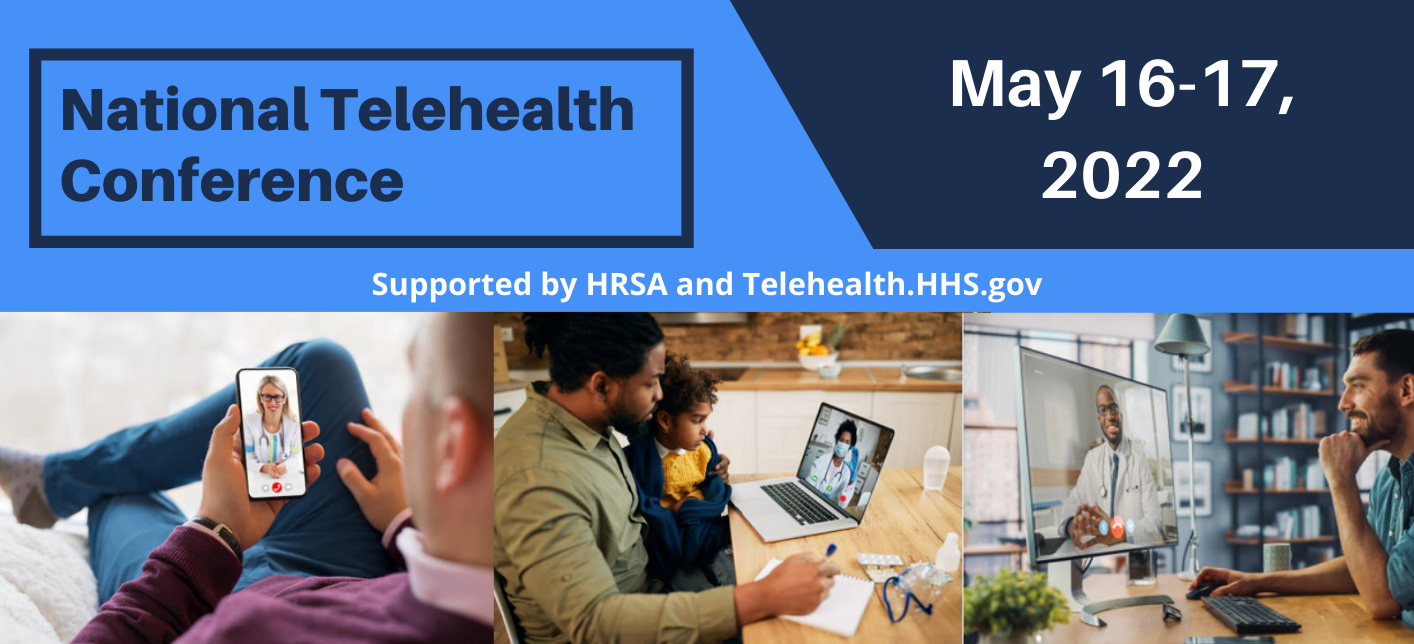
    In May, I was pleased to see the Health Resources and Services Administration (HRSA) offer a virtual Telehealth Conference. I am always on the lookout for good professional development opportunities, so I signed up. 

    My schedule had a conflict on that day and I was unable to attend, BUT they posted videos of the sessions online. I was so excited and I could not wait to block time on my schedule, grab some lunch, and listen to the sessions.

    You can listen to the sessions as well!

    Here is a list of the sessions and the video links:

    Leaders from the U.S. Department of Health and Human Services will discuss priorities and highlight key efforts across the Department to expand access to telehealth services.

    Providers and experts will discuss telehealth’s key role in access to behavioral health services as well as the integration of behavioral and physical health services, especially for those in underserved communities.

    This session will discuss ongoing efforts to facilitate access to inter-state telehealth services through HRSA’s Licensure Portability Grant Program.  Through this program, HRSA provides support to the Federation of State Medical Boards and the Association of State and Provincial Psychology Boards.  Participants will learn about current options to address licensure portability reform and have an opportunity to provide feedback.

    This session will discuss key policy and infrastructure issues at the state and federal level needed to ensure continued access to telehealth beyond the COVID-19 public health emergency.

    This session will discuss key considerations for integrating telehealth in various medical settings.  Participants will learn of current models and provide input on ways to address challenges and barriers.

    This session will provide an overview of Federal efforts and resources to improve access to broadband, which is a key component to the delivery of telehealth services as well as other social determinants of health.

    This session will discuss current efforts to assist providers in using telehealth and considerations for training the workforce for tomorrow. Issues to be discussed will include provider-to-provider mentoring, developing telehealth curriculum for providers and addressing burnout.

    This session will provide participants with an opportunity to learn more about the HRSA supported Telehealth Resource Centers including their work and expertise in assisting providers with implementing telehealth services.

    This session will discuss leveraging telehealth technology in addressing and treating COVID-19.

    Experts will discuss the key telehealth issues and priorities identified by their stakeholders and how those telehealth issues may evolve beyond the pandemic.

    Check out the sessions. Which session was your favorite?

    ***

    Check out my book – Retaining College Students Using Technology: A Guidebook for Student Affairs and Academic Affairs Professionals.

    Remember to order copies for your team as well!


    Thanks for visiting! 


    Sincerely,


    Dr. Jennifer T. Edwards
    Professor of Communication

    Executive Director of the Texas Social Media Research Institute & Rural Communication Institute

    Source link

  • CUPA-HR Participates in DOL Overtime Regional Listening Sessions – CUPA-HR

    CUPA-HR Participates in DOL Overtime Regional Listening Sessions – CUPA-HR

    by CUPA-HR | June 14, 2022

    In May and June, CUPA-HR participated in five regional listening sessions hosted by the Department of Labor (DOL) on the anticipated Notice of Proposed Rulemaking (NPRM) to update the criteria for the “executive, administrative and professional” exemptions for overtime pay under the Fair Labor Standards Act (FLSA). The listening sessions provided regional employers the opportunity to discuss their support or concerns with changes to the minimum salary level required to be exempt from overtime payments under the FLSA.

    CUPA-HR joined each of the five sessions to express concerns with the timing of the proposed increase to the minimum salary threshold to qualify for exempt status under the FLSA. Specifically, we raised concerns with the timing of such changes, as they would come while institutions, employees and students are still grappling with the challenges of the COVID-19 pandemic, a tight labor market and historically high inflation. Additionally, several CUPA-HR members joined the calls to raise similar concerns and discuss issues more specific to their individual institutions.

    Though many in higher ed and other industries are expressing similar concerns about raising the overtime minimum salary threshold level at this time, labor unions and worker advocates have led efforts to both raise the minimum salary threshold and expand coverage of overtime regulations to workers currently not covered under the FLSA. Notably, the National Education Association sent a letter to DOL urging the agency to remove the teacher exemption that currently exempts teachers from the FLSA requirements to receive overtime payments regardless of how much they are paid.

    The overtime NPRM that was targeted for release in April 2022 is now expected to come anytime within the next couple of months, though more information on when it will be released may be included in the anticipated Spring 2022 Regulatory Agenda. CUPA-HR will continue to monitor for the NPRM and will keep members apprised of any updates to the overtime regulations.


    Source link

  • DOL to Host Regional Listening Sessions for Proposed Overtime Rule Regulations – CUPA-HR

    DOL to Host Regional Listening Sessions for Proposed Overtime Rule Regulations – CUPA-HR

    by CUPA-HR | April 7, 2022

    In the Biden administration’s fall 2021 regulatory agenda, the Department of Labor (DOL)’s Wage and Hour Division (WHD) announced that it planned to release in April 2022 a Notice of Proposed Rulemaking (NPRM) changing criteria for the “executive, administrative and professional” exemptions from the overtime pay requirements under the Fair Labor Standards Act (FLSA). In May and June, the DOL will host five regional listening sessions allowing stakeholders to discuss the anticipated proposed rule aimed at changing the exemptions to the federal overtime pay requirements.

    With listening sessions extending into May, the WHD will not be able to meet the April target date, but we do expect the agency will release a proposed rule in 2022 with compliance likely required in 2023. While the DOL has not shared how it may change the exemptions, it is holding listening sessions to elicit stakeholder input as to whether changes are appropriate and what changes would be appropriate at this time.

    Background

    According to the regulatory agenda, one of the goals of the NPRM would be “to update the salary level requirement of the section 13(a)(1) exemption [under the FLSA].” Changes to the overtime exemption minimum salary threshold have been proposed recently under both the Obama and Trump administrations. In 2016, President Obama’s DOL issued a final rule to increase the salary threshold from $23,660 to $47,476 per year and impose automatic updates to the threshold every three years, but the rule was subsequently struck down by federal court before taking effect in 2017. In 2019, the Trump administration issued a new final rule that raised the minimum salary threshold from $23,660 to $35,568 annually, which went into effect on January 1, 2020. The $35,568 threshold remains in effect today.

    On March 29, in anticipation of the upcoming Biden administration rule, the DOL held a virtual higher education-specific listening session for D.C.-based higher education associations, including CUPA-HR. The listening session was scheduled after CUPA-HR and 14 other higher education associations submitted a request that the DOL hold such meetings prior to releasing the anticipated NPRM. CUPA-HR and several other higher education associations joined the session to discuss potential concerns institutions may have with an increase to the minimum salary threshold at this time.

    Regional Sessions

    In addition to the D.C. meeting held in March, the DOL is planning to host five additional regional listening sessions for employers. The sessions include the following:

    • Northeast Employers: May 13 at 3:30 p.m. EDT
    • Southeast Employers: May 17 at 2:00 p.m. EDT
    • Midwest Employers: May 20 at 3:30 p.m. EDT
    • Southwest Employers: May 27 at 3:00 p.m. EDT
    • West Employers: June 3 at 3:30 p.m. EDT

    If your institution is interested in participating in any of the regional meetings, please reach out to CUPA-HR’s Chief Government Relation Officer Josh Ulman at [email protected]. Additional information about the D.C. listening session and CUPA-HR’s talking points will be provided upon inquiry.


    Source link