Tag: sexual

  • Small District to Pay $7.5 Million to Settle Lawsuit Over Sexual Abuse Decades Ago – The 74

    Small District to Pay $7.5 Million to Settle Lawsuit Over Sexual Abuse Decades Ago – The 74


    Get stories like this delivered straight to your inbox. Sign up for The 74 Newsletter

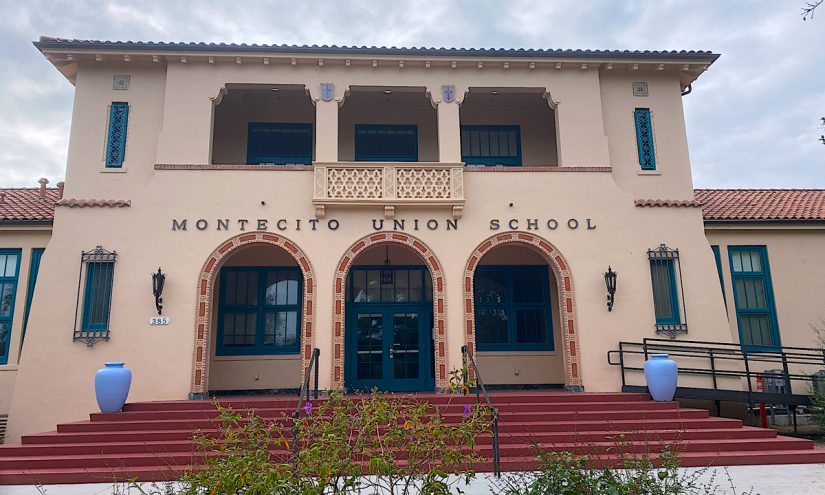
    On the eve of what was expected to be a long and gut-wrenching trial, a small school district in Santa Barbara County has settled a sexual abuse lawsuit for $7.5 million with two brothers, now 65 and 68 years old, who claimed a long-dead principal molested them in the 1970s.  

    The brothers had sought $35 million for the harm they said they suffered, an attorney for the youngest brother said.

    The settlement equals about 40% of the 350-student district’s 2025-26 budget, although the district did not disclose the terms and timetable for the payment. The district’s superintendent acknowledged in a statement that there would be an impact on the budget. 

    Board members of the Montecito Union School District announced the settlement over the weekend. The trial was scheduled to start Monday.

    The case was brought under a 2019 state law, Assembly Bill 218, that removed a statute of limitations for filing claims that employees of public agencies, including school districts and city and county governments, sexually abused children placed in their care.

    Estimates suggest settlements and jury awards could cost California school districts as much as $3 billion by one projection, and possibly a lot more. Los Angeles County alone has agreed to pay $4 billion to settle abuse claims with more pending, mostly involving plaintiffs who were once in foster care.

    With many larger lawsuits with multiple victims yet to be settled or go to trial, the financial impacts are hard to predict. Small districts are worried that multimillion-dollar verdicts could devastate budgets, if not lead to insolvency. Insurance costs, meanwhile, have soared by more than 200% in five years, according to a survey of districts.

    In the Montecito case, the brothers were seeking $35 million in damages combined, John Richards, a lawyer representing one of them, said outside of court Monday.

    Montecito is not alone in facing decades-old accusations. The San Francisco Unified School District is embroiled in an ongoing suit involving a teacher who allegedly molested a student in the mid-1960s, records show.

    School boards association helps with legal fees

    The Montecito case drew the attention of the California School Boards Association, which gave the district a $50,000 grant to help with legal costs, said spokesman Troy Flint.

    Flint said Montecito Union Superintendent Anthony Ranii has “been a staunch advocate for AB 218 reform because he understands how this well-intentioned law carries such significant unintended consequences that compromise the educational experience of current and future students.”

    Montecito Union “is just one example of what potentially awaits school districts and county offices of education statewide,” Flint added.

    The settlement came just weeks after state Assembly members let a measure that would have restored a statute of limitations to such cases, Senate Bill 577, go without a vote in the final days of the legislative session. Its sponsor, Sen. John Laird, D-Santa Cruz, said he would bring it back next year.

    At a brief hearing Monday, Santa Barbara County Superior Court Judge Thomas P. Anderle called the Montecito matter “a case of real consequence.” He had scheduled 17 days for trial, court records show. The district’s lawyers did not attend the hearing.

    The brothers’ lawsuit was filed in 2022 and alleged that Montecito Union’s former superintendent and principal, Stanford Kerr, molested them in the early 1970s, including raping one of them. Kerr died in 2013 at 89. He never faced criminal charges.

    A third plaintiff who also claimed Kerr abused him settled earlier with the district for $1 million. He had described a full range of abuse covering many types of conduct, which included rape, court filings state.

    Just recompense for years of suffering

    The brothers, identified in court documents as John Doe 1 and John Doe 2, pushed forward, Richards said, hoping to be compensated for years of agony. The younger of the two, Richards said, has suffered a lifetime of substance abuse, which is blamed on Kerr’s assaults. 

    “The money is nice,” Richards said, but the younger brother also seeks “social acknowledgment that what happened to (him) was terrible. He has a long way to go,” in recovering.

    The district admitted no liability in making the settlement.

    Montecito Union has no insurance coverage going back to the period the brothers said the abuse occurred — 1972 to 1978, Ranii said in a statement.

    “We were prepared to mount a vigorous defense,” he said. But the possibility of a jury awarding far more than the district could afford pushed the idea of a settlement after years of pretrial maneuvering.

    The superintendent’s statement did not directly address the brothers’ claims. It also did not mention Kerr.

    “We are deeply mindful of the enduring pain caused by sexual abuse and feel for any person who has experienced such abuse,” Ranii said in the statement.

    A large award in the event of a trial would have “diminished our ability to serve students now and well into the future,” Ranii said. “Continued litigation created exceptional financial vulnerability. Settling now allows us to stabilize operations and remain focused on today’s students.”

    Montecito is an unincorporated oceanfront community just south of Santa Barbara in the shadows of the Santa Ynez Mountains. Its residents include Oprah Winfrey and Prince Harry and Meghan Markle. The district is one of the state’s richest, with more than $40,000 per student in funding due to tax receipts from high-value properties. 

    The district will manage the costs through a hiring freeze, staff reductions “when natural attrition occurs,” and redirecting “funds previously designated for capital repair,” Ranii said. The settlement allows the district to avoid layoffs, he said.

    The brothers’ case was built around the testimony they would have given about Kerr’s abuses, Richards said. There was no physical evidence. At one point, a district employee went to the brothers’ home and forced their parents to sign a document requiring them to make sure the boys came right home after school and avoided Kerr, according to court filings.

    Richards said the district did not produce such a document in discovery. It had no records that the boys ever attended the school, he said, although their photos appear in yearbooks. The district also had no records that Kerr ever faced accusations of abuse or sexual misconduct.

    Two school board members from Kerr’s time as superintendent said in depositions taken for the brothers’ suit that they would have taken action had they known he was abusing students, Richards said. But with the case settled, the elderly former members won’t be called to testify.

    All that remains is a final hearing that the judge scheduled for Nov. 19 to make sure the payment has been received “and that the check’s been cashed,” he said.

    Editor-at-Large John Festerwald contributed to this story.

    This story was originally published by EdSource. Sign up for their daily newsletter.


    Get stories like these delivered straight to your inbox. Sign up for The 74 Newsletter

    Source link

  • Podcast: Sexual misconduct, international levy, closures

    Podcast: Sexual misconduct, international levy, closures

    This week on the podcast we examine the results of the Office for Students’ first sector-wide survey on sexual misconduct.

    With over 50,000 responses from final-year undergraduates, the data provides a stark picture of prevalence, reporting, and staff-student relationships in higher education. But with only sector-level results released, questions remain about transparency, accountability, and the regulator’s approach to such a sensitive issue.

    Plus we discuss the politics and potential consequences of a proposed levy on international student fees – a policy idea that could reshape funding, recruitment, and the UK’s global competitiveness. And we take stock of warnings from the Institute of Physics about possible closures of departments and courses, asking what this says about funding for high-cost subjects and the sector’s capacity to manage contraction and change.

    With Charlotte Corrish, Head of Public Policy at the Office of the Independent Adjudicator for Higher Education, Mark Bennett, Vice President Research and Insight at Keystone Education Group, and David Kernohan, Deputy Editor at Wonkhe, and presented by Mark Leach, Editor-in-Chief at Wonkhe.

    The “regulatory burden” on sexual misconduct needs to lift the weight from students

    What OfS’ data on harassment and sexual misconduct doesn’t tell us

    IOP: Quarter of UK university physics departments risk closure as funding crisis bites

    Public First: Counting the cost – Modelling the economic impact of a potential levy on international student fees

    You can subscribe to the podcast on Acast, Amazon Music, Apple Podcasts, Spotify, Deezer, RadioPublic, Podchaser, Castbox, Player FM, Stitcher, TuneIn, Luminary or via your favourite app with the RSS feed.

    Source link

  • The “regulatory burden” on sexual misconduct needs to lift the weight from students

    The “regulatory burden” on sexual misconduct needs to lift the weight from students

    The problem with findings like “1.5 per cent of students said they were in intimate relationships with staff” is the danger of extrapolation.

    It’s in the results of the Office for Students (OfS) first sector-wide sexual misconduct survey – covering final year undergraduates in England who chose to take part in a clearly labelled bolt-on to the National Student Survey (NSS) earlier this year, with a response rate of just 12.1 per cent.

    But 1.5 per cent of final-year undergraduates at English providers reporting “intimate” staff-student relationships in the past 12 months still feels like a lot – especially when half involved staff members who were engaged in the student’s education and/or assessment.

    One in four respondents (24.5 per cent) said they’ve experienced sexual harassment since starting university, and 14.1 per cent declare experiencing sexual assault or violence.

    Most incidents involved fellow students – with 58.4 per cent of harassment cases and 44.1 per cent of assault cases (taking place off-campus) involving someone connected to the victim’s institution.

    OfS has published a dashboard of the results, an analysis report, a guide for students and a press release where the bullets slightly are less careful about extrapolation than I’ve been above. Another report to come later will provide more detailed analysis, including results for different combinations of characteristics and findings by academic subject.

    The exercise represents OfS’ first real attempt to gather national prevalence data on sexual misconduct affecting students, having initially promised to do so back in 2022 in the context of its new Condition E6. That requires providers to take “multiple steps which could make a significant and credible difference in protecting students”.

    The survey covered three main areas – sexual harassment experiences, sexual assault and violence, and intimate staff-student relationships. Questions also included detailed behavioural descriptions to ensure accurate prevalence measurement.

    As such, the approach built on a 2023 pilot study involving volunteer providers. Since then, OfS has shortened the questionnaire whilst maintaining its core elements, leveraging NSS infrastructure to achieve national scale coverage – although for now, none of the devolved nations have taken part.

    It’s worth noting that response patterns showed quite a bit of variation between demographic groups. Students with disabilities, female students, and LGB+ students were both more likely to respond and more likely to report misconduct – creating some quite complex interpretation challenges for understanding true prevalence rates.

    Prevalence patterns and vulnerable groups

    That set aside, the results show consistent vulnerability patterns across both harassment and assault. Female student respondents reported harassment rates of 33 per cent compared to significantly lower rates among males. Student respondents with disabilities experienced harassment at 34.7 per cent and assault at 22.1 per cent – higher than those without disabilities.

    Sexual orientation showed significant differences. Lesbian, gay and bisexual respondents reported harassment rates of 46.6 per cent and assault rates of 29.8 per cent, nearly double the overall population rates. Those identifying as having “other sexual orientation” also showed elevated rates – at 40.1 per cent for harassment and 23.3 per cent for assault.

    Age was also a key factor, with those under 21 at course start showing higher vulnerability rates – 31.2 per cent experienced harassment and 18.2 per cent experienced assault.

    In terms of behaviours, the survey found “making sexually suggestive looks or staring at your body” affected 16.7 per cent of all respondents – the most common individual harassment behaviour. This was followed by “making unwelcome sexual comments or asking sexualised questions about your private life, body, or physical appearance.”

    The patterns have direct relevance for E6’s training requirements, which mandate that induction sessions ensure students “understand behaviour that may constitute harassment and/or sexual misconduct.” The prevalence of apparently “lower-level” behaviours like staring suggests providers need to address misconceptions about what constitutes harassment – particularly given the survey’s use of legal definitions from the Equality Act 2010 and Protection from Harassment Act 1997.

    There were also interesting patterns across socioeconomic and ethnic lines that deserve interrogation. Those from the least deprived areas (IMD quintile 5) reported higher harassment rates at 32.6 per cent, but so did those not eligible for free school meals, who showed elevated rates at 32.9 per cent. And mixed ethnicity respondents reported harassment at 31.5 per cent compared to 27.9 per cent among white students.

    Where groups showed higher misconduct rates, part of the problem is that we can’t be sure whether that reflects reporting confidence, different social environments, or varying exposure patterns – all things providers will need to understand to make progress on the “credible difference” thing.

    The ethnic dimension also intersects with religious identity, with Jewish respendents (29.8 per cent), those with no religion (30.5 per cent), and those from “any other religion” (35.5 per cent) showing elevated harassment rates. Again, differential intersectional patterns should align with E6’s requirements for providers to understand their specific student populations and tailor interventions accordingly.

    The reporting crisis

    One of the survey’s most concerning findings relates to formal reporting rates. Only 13.2 per cent of respondents experiencing harassment in the past year made formal reports to their institutions. For sexual assault (in a university setting or involving someone connected to the university) reporting varied dramatically by age – just 12.7 per cent of under-21s reported incidents compared to 86.4 per cent of those aged 31 and above.

    This reporting gap in turn creates a fundamental information deficit for universities attempting to understand campus culture and develop appropriate interventions. The data suggests institutions may be operating with incomplete intel – hampering attempts to comply with E6 requirements to understand student populations and implement effective protective measures.

    E6 explicitly requires providers to offer “a range of different mechanisms” for making reports, including online and in-person options, and to “remove any unnecessary actual or perceived barriers” that might make students less likely to report. The survey’s findings suggest the mechanisms may not be reaching their intended audiences, particularly younger students.

    Among those who did report, experiences were mixed. For harassment cases, 46.7 per cent rated their reporting experience as good whilst 39.3 per cent rated it as poor. Sexual assault reporting showed slightly better outcomes, with 57.3 per cent rating experiences as good and 32.4 per cent as poor. These are findings that directly relate to E6’s requirements – and suggest the sector has some way to go to build confidence in the processes it does have.

    The condition mandates that providers ensure “investigatory and disciplinary processes are free from any reasonable perception of bias” and that affected parties receive “sufficient information to understand the provider’s decisions and the reasons for them.” The proportion rating experiences as poor does suggest that some providers are struggling to meet E6’s procedural fairness requirements.

    University connections and scope of misconduct

    Jurisdiction has always been a contested issue in some policies – here, misconduct frequently involved university-connected individuals even when incidents occurred off-campus. Among harassment cases not occurring in university settings, 58.4 per cent involved someone connected to the victim’s university. For assault cases, that figure was 44.1 per cent.

    Student perpetrators dominated both categories. Staff perpetrators appeared less frequently overall, though older students were more likely than younger groups to report staff involvement in assault cases.

    In E6 terms, the condition explicitly covers “the conduct of staff towards students, and/or the conduct of students towards students” and applies to misconduct “provided in any manner or form by, or on behalf of, a provider.” The data suggests universities’ efforts will need to explicitly extend beyond physical premises to encompass behaviour involving community members regardless of location.

    In fact, most recent harassment incidents occurred either entirely outside university settings (39.7 per cent) or across mixed locations (45.1 per cent), with only 15.2 per cent occurring exclusively in university settings. For sexual assault, 61.9 per cent occurred outside university settings entirely.

    The patterns all point to providers needing sophisticated approaches to addressing misconduct that span campus boundaries. Traditional safety measures, or at least student perceptions of jurisdiction, might well miss the majority of incidents affecting students – broader community engagement and partnership approaches will need to be deployed.

    Support confidence

    The survey also examined’ confidence in seeking institutional support – finding 67.5 per cent felt confident about where to seek help, whilst 29.3 per cent lacked confidence. But confidence levels varied significantly across demographic groups, with particular variations by sexual orientation, sex, disability status, and age.

    The differential confidence patterns also justify the E6 requirement for providers to ensure “appropriate support” is available and targeted at different student needs. It specifically requires support for students “with different needs, including those with needs affected by a student’s protected characteristics.”

    The age-related reporting gap suggests younger students may face particular barriers to accessing institutional processes. This could relate to unfamiliarity with university systems, power dynamics, or different attitudes toward formal complaint mechanisms. For sexual assault cases, the contrast between 12.7 per cent reporting among under-21s versus 86.4 per cent among over-31s represents one of the survey’s most striking findings.

    The age-related patterns have specific relevance given E6’s training and awareness requirements. The condition requires providers to ensure students are “appropriately informed to ensure understanding” of policies and behaviour constituting misconduct. The survey suggests the requirement may need particular attention for younger students – they’re showing both higher vulnerability and lower reporting rates.

    Staff-student relationships

    The survey’s staff-student relationship findings are a small proportion of the student population – but they do raise real questions about power dynamics and institutional governance.

    Among the 1.5 per cent reporting those relationships, the high proportion involving educational or professional responsibilities suggest significant potential conflicts of interest.

    Respondent students without disabilities were more likely to report relationships involving educational responsibility (72.6 per cent versus 45.5 per cent for disabled students), and similar patterns emerged for professional responsibilities. The differences deserve investigation, particularly given disabled students’ higher overall misconduct rates.

    E6’s requirements on intimate personal relationships require that providers implement measures making “a significant and credible difference in protecting students from any actual or potential conflict of interest and/or abuse of power.”

    The survey’s power dynamic findings suggest the requirement is needed – although whether the most common approach that has emerged (a ban where there’s a supervisory relationship, and a register where there isn’t) creates the right “culture” is a remaining question, given students’ views in general on professional boundaries.

    Regulatory implications

    The survey’s findings raise real questions about how OfS will use prevalence data in its regulatory approach. Back in 2022, Susan Lapworth told the House of Commons Women and Equalities Committee hearing that the data would enable the targeting of interventions:

    “So a university with high prevalence and low reporting would perhaps raise concerns for us – and we would want to then understand in detail what was going on there and that would allow us to focus our effort.

    Of course, as with Access and Participation, having national data on “which kinds of students in which contexts are affected by this” could well mean that what shows up in provider data as a very small problem could add up to a lot across the country. OfS’ levers in these contexts are always limited.

    The lack of survey coverage of postgraduate students in general turns up here as a major problem. We might theorise that most exhibit multiple theoretical vulnerabilities given the dominance of international students and students who have supervisors – patience with OfS’ focus on undergraduates really is wearing thin each time it manifests.

    The report also doesn’t look at home vs international student status, and nor does it disaggregate results by provider mission group, size, type, or characteristics. It only states that all eligible English providers in NSS 2025 were included, and that data are weighted to be representative of final-year undergraduates across the sector. Providers are also (confidentially) receiving their data – although response rates down at provider level may make drawing conclusions in the way originally envisaged difficult.

    The dramatic under-reporting rates create monitoring challenges for both institutions and OfS. If only 13.2 per cent of harassment victims make formal reports, institutional complaint statistics provide limited insight into actual campus culture. The information gap complicates E6 compliance assessment – and suggests OfS may need alternative monitoring approaches beyond traditional complaint metrics.

    E6 does explicitly contemplate requiring providers to “conduct a prevalence survey of its whole student population to the OfS’s specification” where there are compliance concerns. The 2025 survey’s methodology and findings provide a template, but it also seems to me that more contextual research – like that found in Anna Bull’s research from a couple of years back – is desperately needed to understand what’s going on beneath many of the numbers.

    Overall though, I’m often struck by the extent to which providers argue that things like E6 are an over-reach or an example of “burden”. On this evidence, even with all the caveats, it’s nothing like the burden being carried by victims of sexual misconduct.

    Source link

  • What OfS’ data on harassment and sexual misconduct doesn’t tell us

    What OfS’ data on harassment and sexual misconduct doesn’t tell us

    New England-wide data from the Office for Students (OfS) confirms what we have known for a long time.

    A concerningly high number of students – particularly LGBTQ+ and disabled people, as well as women – are subjected to sexual violence and harassment while studying in higher education. Wonkhe’s Jim Dickinson reviews the findings elsewhere on the site.

    The data is limited to final year undergraduates who filled out the National Student Survey, who were then given the option to fill out this further module. OfS’ report on the data details the proportion of final year students who experienced sexual harassment or violence “since being a student” as well as their experiences within the last 12 months.

    It also includes data on experiences of reporting, as well as prevalence of staff-student intimate relationships – but its omission of all postgraduate students, as well as all undergraduates other than final year students means that its findings should be seen as one piece of a wider puzzle.

    Here, I try to lay out a few of the other pieces of the puzzle to help put the new data in context.

    The timing is important

    On 1st August 2025 the new condition of registration for higher education providers in England came into force, which involves regulatory requirements for all institutions in England to address harassment and sexual misconduct, including training for all staff and students, taking steps to “prevent abuses of power” between staff and students, and requiring institutions to publish a “single, comprehensive source of information” about their approach to this work, including support services and handling of reports.

    When announcing this regulatory approach last year, OfS also published two studies published in 2024 – a pilot prevalence survey of a small selection of English HEIs, as well as a ‘poll’ of a representative sample of 3000 students. I have discussed that data as well as the regulation more generally elsewhere.

    In this year’s data release, 51,920 students responded to the survey with an overall response rate of 12.1 per cent. This is significantly larger sample size than both of the 2024 studies, which comprised responses from 3000 and 5000 students respectively.

    This year’s survey finds somewhat lower prevalence figures for sexual harassment and “unwanted sexual contact” than last year’s studies. In the new survey, sexual harassment was experienced by 13.3 per cent of respondents within the last 12 months (and by 24.5 per cent since becoming a student), while 5.4 per cent of respondents had been subjected to unwanted sexual contact or sexual violence within the last 12 months (since becoming a student, this figure rises to 14.1 per cent).

    By any measure, these figures represent a very concerning level of gender-based violence in higher education populations. But if anything, they are at the lower end of what we would expect.

    By comparison, in OfS’ 2024 representative poll of 3000 students, over a third (36 per cent) of respondents had experienced some form of unwanted sexual contact since becoming a student with a fifth (21 per cent) stating the incident(s) happened within the past year. 61 per cent had experienced sexual harassment since being a student, and 43 per cent of the total sample had experienced this in the past year.

    The lower prevalence in the latest dataset could be (in part) because it draws on a population of final year undergraduate students – studies from the US have repeatedly found that first year undergraduate students are at the greatest risk, especially when they start their studies.

    Final year students may simply have forgotten – or blocked out – some of their experiences from first year, leading to lower prevalence. They may also have dropped out. The timing of the new survey is also important – the NSS is completed in late spring, while we would expect more sexual harassment and violence to occur when students arrive at university in the autumn.

    A study carried out in autumn or winter might find higher prevalence. Indeed, the previous two studies carried out by OfS involved data collected at different times to year – in August 2023 (for the 3000-strong poll) and ‘autumn 2023’ (for the pilot prevalence study).

    A wide range of prevalence

    Systematic reviews published in 2023 from Steele et al and Lagdon et al from across the UK, Ireland and the US have found prevalence rates of sexual violence between 7 per cent to 86 per cent.

    Steele et al.’s recent study of Oxford University found that 20.5 per cent of respondents had experienced at least one act of attempted or forced sexual touching or rape, and 52.7 per cent of respondents experienced at least one act of sexual harassment within the past year.

    Lagdon et al.’s study of “unwanted sexual experiences” in Northern Ireland found that a staggering 63 per cent had been targeted. And my own study of a UK HEI found that 30 per cent of respondents had been subjected to sexual violence since enrolling in their university, and 55 per cent had been subjected to sexual harassment.

    For now, I don’t think it’s helpful to get hung up on comparing datasets between last year and this year that draw on somewhat different populations. It’s also not necessarily important that respondents were self-selecting within those who filled out the NSS – a US study compared prevalence rates for sexual contact without consent among students between a self-selecting sample and a non-self-selecting sample, finding no difference.

    The key take-home message is that students are being subject to a significant level of sexual harassment and violence, and particularly women, LGBTQ+ and disabled students are unable to access higher education in safety.

    Reporting experiences

    The findings on reporting reveals some important challenges for the higher education sector. According to the OfS new survey findings, rates of reporting to higher education institutions remain relatively low at 13.2 per cent of those experiencing sexual harassment, and 12.7 per cent of those subjected to sexual violence.

    Of students who reported to their HEI, only around half of rated their experience as “good”. But for women as well as for disabled and LGBTQ+ students there were much lower rates of satisfaction with reporting than men, heterosexuals and non-disabled students who reported incidents to their university.

    This survey doesn’t reveal why students were rating their reporting experiences as poor, but my study Higher Education After #MeToo sheds light on some of the reasons why reporting is not working out for many students (and staff).

    At the time of data collection in 2020-21, a key reason was that – according to staff handling complaints – policies in this area were not yet fit for purpose. It’s therefore not surprising that reporting was seen as ineffective and sometimes harmful for many interviewees who had reported. Four years on, hopefully HEIs have made progress in devising and implementing policies in this area, so other reasons may be relevant.

    A further issue focused on by my study is that reporting processes for sexual misconduct in HE focus on sanctions against the reported party rather than prioritising safety or other needs of those who report. Many HEIs do now have processes for putting in place safety (“precautionary” or “interim”) measures to keep students safe after reporting.

    Risk assessment practices are developing. But these practices appear to be patchy and students (and staff) who report sexual harassment or violence are still not necessarily getting the support they need to ensure their safety from further harm. Not only this, but at the end of a process they are not usually told the actions that their university has taken as a result of the report.

    More generally, there’s a mismatch between why people report, and what is on offer from universities. Forthcoming analysis of the Power in the Academy data on staff-student sexual misconduct reveals that by the time a student gets to the point of reporting or disclosing sexual misconduct from faculty/staff to their HEI, the impacts are already being felt more severely than those who do not report.

    In laywoman’s terms, if people report staff sexual misconduct, it’s likely to be having a really bad impact on their lives and/or studies. Reasons for reporting are usually to protect oneself and others and to be able to continue in work/study. So it’s crucial that when HEIs receive reports, they are able to take immediate steps to support students’ safety. If HEIs are listening to students – including the voices of those who have reported or disclosed to their institution – then this is what they’ll be hearing.

    Staff-student relationships

    The survey also provides new data on staff-student intimate relationships. The survey details that:

    By intimate relationship we mean any relationship that includes: physical intimacy, including one-off or repeated sexual activity; romantic or emotional intimacy; and/or financial dependency. This includes both in person and online, or via digital devices.

    From this sample, 1.5 per cent of respondents stated that they had been in such a relationship with a staff member. Of those who had been involved in a relationship, a staggering 68.8 per cent of respondents said that the university or college staff member(s) had been involved with their education or assessment.

    Even as someone who researches within this area, I’m surprised by how high both these figures are. While not all students who enter into such relationships or connections will be harmed, for some, deep harms can be caused. While a much higher proportion of students who reported “intimate relationships” with staff members were 21 or over, age of the student is no barrier to such harms.

    It’s worth revisiting some of the findings from 2024 to give some context to these points. In the 3000-strong representative survey from the OfS, a third of those in relationships with staff said they felt pressure to begin, continue or take the relationship further than they wanted because they were worried that refusing would negatively impact them, their studies or career in some way.

    Even consensual relationships led to problems when the relationship broke up. My research has described the ways in which students can be targeted for “grooming” and “boundary-blurring” behaviours from staff. These questions on coercion from the 2024 survey were omitted from the shorter 2025 version – but assuming such patterns of coercion are present in the current dataset, these findings are extremely concerning.

    They give strong support to OfS’ approach towards staff-student relationships in the new condition of registration. OfS has required HEIs to take “one or more steps which could make a significant and credible difference in protecting students from any actual or potential conflict of interest and/or abuse of power.”

    Such a step could include a ban on intimate personal relationships between relevant staff and students but HEIs may instead chose to propose other ways to protect students from abuses of power from staff. While most HEIs appear to be implementing partial bans on such relationships, some have chosen not to.

    Nevertheless, all HEIs should take steps to clarify appropriate professional boundaries between staff and students – which, as my research shows, students themselves overwhelmingly want.

    Gaps in the data

    The publication of this data is very welcome in contributing towards better understanding patterns of victimisation among students in HE. It’s crucial to position this dataset within the context of an emerging body of research in this area – both the OfS’ previous publications, but also academic studies as outlined above – in order to build up a more nuanced understanding of students’ experiences.

    Some of the gaps in the data can be filled from other studies, but others cannot. For example, while the new OfS regulatory condition E6 covers harassment on the basis of all protected characteristics, these survey findings focus only on sexual harassment and violence.

    National data on the prevalence of racial harassment or on harassment on the basis of gender reassignment would be particularly valuable in the current climate. This decision seems to be a political choice – sexual harassment and violence is a focus that both right- and left-wing voices can agree should be addressed as a matter of urgency, while it is more politically challenging (and therefore, important) to talk about racial harassment.

    The data also omits stalking and domestic abuse, which young people – including students – are more likely than other age groups to be subjected to, according to the Crime Survey of England and Wales. My own research found that 26 per cent of respondents in a study of gender-based violence at a university in England in 2020 had been subjected to psychological or physical violence from a partner.

    It does appear that despite the narrow focus on sexual harassment and violence from the OfS, many HEIs are taking a broader approach in their work, addressing domestic abuse and stalking, as well as technology-facilitated sexual abuse.

    Another gap in the data analysis report from the OfS is around international students. Last year’s pilot study of this survey included some important findings on their experiences. International students were less likely to have experienced sexual misconduct in general than UK-domiciled students, but more likely to have been involved in an intimate relationship with a member of staff at their university (2 per cent of international students in contrast with 1 per cent of UK students).

    They were also slightly more likely to state that a staff member had attempted to pressured them into a relationship. Their experiences of accessing support from their university were also poorer. These findings are important in relation to any new policies HEIs may be introducing on staff-student relationships: as international students appear to be more likely to be targeted, then communications around such policies need to be tailored to this group.

    We also know that the same groups who are more likely to be subjected to sexual violence/harassment are also more likely to experience more harassment/violence, i.e. a higher number of incidents. The new data from OfS do not report on how many incidents were experienced. Sexual harassment can be harmful as a one-off experience, but if someone is experiencing repeated harassment or unwanted sexual contact from one or more others in their university environment (and both staff and student perpetrators are likely to be carry out repeated behaviours), then this can have a very heavy impact on those targeted.

    The global context

    Too often, policy and debate in England on gender-based violence in higher education fails to learn from the global context. Government-led initiatives in Ireland and Australia show good practice that England could learn from.

    Ireland ran a national researcher-led survey of staff as well as students in 2021, due to be repeated in 2026, producing detailed data that is being used to inform national and cross-institutional interventions. Australia has carried out two national surveys – in 2017 and 2021 – and informed by the results has just passed legislation for a mandatory National Higher Education Code to Prevent and Respond to Gender-based Violence.

    The data published by OfS is much more limited than these studies from other contexts in its focus on third year undergraduate students only. It will be imperative to make sure that HEIs, OfS, government or other actors do not rely solely on this data – and future iterations of the survey – as a tool to direct policy, interventions or practice.

    Nevertheless, in the absence of more comprehensive studies, it adds another piece to the puzzle in understanding sexual harassment and violence in English HE.

    Source link

  • Sexual assault watchdog has ‘sharp’ powers – Campus Review

    Sexual assault watchdog has ‘sharp’ powers – Campus Review

    The National Student Ombudsman (NSO) said students will welcome new gender-based violence rules that obligate universities to act on sexual assault complaints that occur off campus, as well as on.

    Please login below to view content or subscribe now.

    Membership Login

    Source link

  • The Critical Role of University Leaders in Shaping Safer Cultures and Meeting OfS Condition E6 on Harassment and Sexual Misconduct

    The Critical Role of University Leaders in Shaping Safer Cultures and Meeting OfS Condition E6 on Harassment and Sexual Misconduct

    Harassment and sexual misconduct have no place on our university campuses, nor in wider society. Yet, both continue to be pervasive. The Office for National Statistics reports that 1 in 10 people aged 16 years and over experienced at least one form of harassment in the previous 12 months, while the Crime Survey for England and Wales reveals that “an estimated 7.9 million (16.6%) adults aged 16 years and over had experienced sexual assault since the age of 16 years”. The adverse sequelae for victims/survivors are well documented. 

    The Office for Students (OfS), noting the absence of national-level data at higher education institutions (HEIs),  piloted the design and delivery of a national sexual misconduct prevalence survey in 2023 (full survey due to be reported in September 2025). The study, involving 12 volunteering institutions, found 20% of participating students experienced sexual harassment and 9% experienced sexual assault/violence. The 4% response rate requires cautious interpretation of the findings; however, they are in line with other studies.

    Over the last decade, universities have taken these matters more seriously, appreciating both the impact on victims/survivors and on their institution’s culture and reputation. In 2016, Universities UK and Pinsent Mason published guidance (updated in 2022) for HEIs on managing student misconduct, including sexual misconduct and that which may constitute a crime.  As of 1 August 2025, the OfS has sought to strengthen universities’ actions through introducing condition E6 to ensure institutions enact robust, responsive policies to address harassment and sexual misconduct, as well as promote a proactive, preventative culture.  Our experience, however, suggests that universities’ preparedness is varied, and the deadline is not far away.

    Culture Starts at the Top

    Organisational culture is shaped significantly by those at the top. At its heart is ‘the way things are done around here’: the established, normative patterns of behaviour and interaction that have come to be. Senior leaders have the power to challenge and change entrenched patterns of behaviour or to reinforce them. Thus, compliance with Condition E6 is just a starting point; herein lies an opportunity for university leaders to lean deeper into transforming institutional culture to the benefit of all.

    Understandably, times of significant financial challenge may cause executive teams to quail at more demand on limited resource. This can precipitate a light-touch, bare minimum and additive approach; that is, devolving almost exclusive responsibility to a university directorate to work out how to do even more with less.  Yet, the manifold benefits of inclusive cultures are well established, including improved performance and productivity and lower rates of harassment and sexual violence. Leadership attention to and engagement in building a positive culture will see wider improvements follow. Moreover, hard though it is to write this, we know from our own work in the sector that some leaders or teams are not modelling the ‘right’ behaviour.

    Ultimately, the imperative to transform culture is in the best interests of the institution although it should also manifest a desire for social justice. Consequently, university governors need to understand and have oversight of the imperative; though narrowly defined as regulatory, it should be strategically defined as the route to creating a happier, healthier and more productive community likely to generate the outputs and outcomes the governing authority seek for a successful and sustainable institution.

    Creating Safer Cultures

    We use the term ‘safer culture’ to refer to a holistic organisational environment that is intolerant of harassment, discrimination, and mistreatment in any form. Underpinning the sustainable development of a safer culture are eight key pillars:

    1. Leadership Commitment, Governance and Accountability
      Senior leaders and university governors need to visibly and actively promote an inclusive and respectful culture, holding themselves – and others – accountable.  Strategic allocation of resources and institutional infrastructure needs to support cultural change, and governance mechanisms must enable assurance against objectives.  A whole-institution approach is required to avoid commitments becoming initiative-based, siloed, inconsistent, or symbolic: the responsibility should be shared and collective.
    2. Clear Policies, Procedures and Systems
      Institutions need to develop accessible policies that define inappropriate behaviour, including harassment and sexual misconduct, and outline clear consequences for non-adherence. Associated procedures and systems should support effective prevention and response measures.
    3. Training and Development
      A tiered training approach should be adopted to embed shared understanding, develop capability and confidence, raise awareness, and foster appropriate levels of accountability across the organisation: among students and staff, including the executive team and governing body. Specialist skills training for those in frontline and support roles is essential.
    4. Reporting Processes
      Simple, reliable, confidential, and trusted reporting mechanisms are required. These must protect against retaliation, the need to repeat disclosure information unnecessarily, and provide swift access to appropriate support through a minimum of touchpoints.
    5. Provision of Support
      A trauma-informed, empathetic environment is crucial to ensure individuals feel safe and supported, whether they are disclosing misconduct or have been accused of such. User-focused support systems and wellbeing services need to be in place for all members of the university’s community.
    6. Investigation and Resolution
      Fair, timely, and impartial processes are required which uphold the rights of all parties and enforce meaningful consequences when misconduct is confirmed. Those involved must be appropriately trained and supported to ensure just outcomes for all.
    7. Risk Management
      Risk should be proactively identified and appropriately managed. Individuals throughout the organisation need to understand their responsibility in relation to risk, both individual and institutional.
    8. Investigation and Resolution
      Creating a safer culture requires regular evaluation through policy review, data analysis and reporting, including staff and student feedback. This is essential to address emerging issues, enhance interventions in line with changing policy and practice, and achieve cultural maturity.

    A Leadership Imperative

    The imminent introduction of condition E6 offers university leaders an opportunity to bring renewed and purposeful focus to developing an institutional culture that is safe, respectful and high achieving – the very foundation of academic excellence, creativity and innovation. At a time when equity, diversity and inclusion are under threat worldwide, including in the UK, the imperative has never been greater.

    Source link

  • Epstein, Donald Trump and Sexual Blackmail Networks w/ Nick Bryant (The Chris Hedges Report)

    Epstein, Donald Trump and Sexual Blackmail Networks w/ Nick Bryant (The Chris Hedges Report)

    Despite a strong desire from the public to get to the bottom of the Jeffrey Epstein case, which saw the trafficking and sexual exploitation of thousands of young girls, the cabal associated with Epstein continues its conspiracy to suppress the ugly truth of the ruling class.

    Source link

  • How to address harassment and sexual misconduct experienced by PGRs

    How to address harassment and sexual misconduct experienced by PGRs

    The experiences of postgraduate researchers (PGRs) have not received the same level of attention as undergraduate students in relation to tackling harassment and sexual misconduct.

    PGRs have very different conditions of study than undergraduate or taught postgraduate students, and they may be at a different stage in life with significant professional experience.

    It would be a mistake, however, to assume that PGRs’ maturity and longer tenure within higher education institutions means that they are less likely to experience these issues.

    PGRs face significant risks – particularly in relation to abuses of power from staff both within and outside their institution – that can have deleterious impacts on their lives, careers, and health, requiring a different approach to provisions for students at other levels.

    As a result, implementation of the Office for Students’ (OfS) regulatory requirements, coming into force on 1 August 2025, needs to ensure that it takes into account the specific situations and needs of PGRs.

    At The 1752 Group, to support HEIs to do this, in partnership with the UK Council for Graduate Education we have published a toolkit to guide work in this area. It draws on our own, as well as international research in this area, to give a snapshot of current good practice.

    It also addresses the obligations outlined in the Worker Protection Act – in force since October 2024 – which requires employers to take reasonable steps to prevent the sexual harassment of employees.

    While the OfS regulations apply to England only, the toolkit can also be used outside England to guide institutional work on addressing harassment and sexual misconduct experienced by PGRs.

    Prevalence

    Perhaps the most problematic misconception in the sector about harassment and sexual misconduct is that it is rare. A 2023 survey conducted on behalf of OfS (n=5090) found that 6 per cent of PGRs had experienced unwanted behaviours of a sexual nature in the previous year.

    The findings also show there is work to be done on confidence in reporting – 32 per cent of PGRs were not confident in knowing where to seek university support, while 35 per cent were not confident in knowing how to report sexual misconduct.

    However, the OfS survey only had a small number of PGR respondents. Larger-scale studies from Australia (n=31,000) and the US (n=181,752) indicate that as many as 15 per cent of postgraduate students experience sexual harassment in a university setting each year, with 58 per cent being targeted by another student and 10 per cent being targeted by a tutor or lecturer from their university (the data is not disaggregated for PGRs specifically).

    Of course, sexual harassment intersects with harassment on the basis of other protected characteristics – non-binary and trans people are subjected to higher rates of sexual harassment at university than women (45 per cent and 32 per cent respectively), and lesbian, bisexual, gay and queer students, as well as women, also experience significantly higher rates of sexual harassment than heterosexual, cis-gendered men.

    On top of sexual harassment, LBGTQ+ doctoral students may also be experiencing homophobic and/or transphobic behaviour or feel that they have to conceal their sexual orientation/expression and/or gender identity/expression. There is also a risk that, following the Supreme Court’s recent judgement on the legal definition of sex, trans and non-binary students and staff (as well as those perceived to be trans, non-binary or gender nonconforming) face an even higher risk of harassment.

    OfS regulatory requirements around E6 cover all forms of harassment on the basis of protected characteristics. Data on experiences among PGRs is often unavailable. However, in a 2020 survey of 828 students across all levels of study in the UK, 24 per cent of respondents from an ethnic minority background had experienced racial harassment since becoming a student.

    That figure rose to 45 per cent of Black respondents, with the most common form of harassment being racist name calling, insults or “jokes”. Research specifically focusing on the experiences of racially minoritised PGRs in the UK shows that they face “multiple challenges, which are often triggered and amplified by circumstances specific to their ethnicity and result in their disempowerment within HEIs”, with women and international racially minoritised PGRs being especially marginalised.

    Similarly, Muslim doctoral students, who may also be racially minoritised, face Islamophobia, overt and covert racism, and marginalisation.

    What, then, do higher education institutions need to do to address this issue? A first step is to make sure that appropriate institutional governance and oversight is in place. Beyond that, institutional provision can be divided into three stages (based in public health models of primary, secondary and tertiary prevention):

    • Preventing harassment before it occurs
    • Short-term responses that should be in place when gender-based violence or harassment occurs, including to prevent it from recurring
    • Longer-term actions to deal with the lasting consequences of gender-based violence

    Preventing harassment

    The first stage, preventing harassment before it occurs, should be where the most substantial amount of work occurs. One area is in preventing abuses of power. OfS requires institutions to take one or more steps which could (individually or in combination) make a significant and credible difference in protecting students from any actual or potential conflict of interest and/or abuse of power.

    This is a significant challenge in relation to PGRs, given deeply hierarchical nature of academia. Ways in which HEIs can prevent abuses of power include clarifying professional boundaries, introducing a staff-student relationships policy, minimising power imbalances in admissions processes and supervision arrangements, and safer staff recruitment.

    For example, discussions of professional boundaries with supervisors and PGRs within departments and schools can feed into an institution-wide policy in this area. Institutional requirements in terms of professional boundaries could then be added to existing staff training and PGR professional development programmes, as well as induction procedures.

    More generally, training is required not only for PGRs themselves, but most urgently for staff, not least because any staff member could potentially receive a disclosure of harassment or sexual misconduct. Staff involved in making decisions or providing ongoing support will need further training on the required knowledge and skills.

    The OfS guidance does not discuss addressing inequalities as part of prevention work. Nevertheless, this is an essential part of preventing harassment and sexual misconduct. For example, racialised inequalities can support a culture where harassment on the basis of race is normalised and accepted, or a predominance of male students or staff can enable a culture where sexualised humour or derogatory comments about women or gender minorities are seen as normal.

    These inequalities can shape the culture in different disciplines or departments; some disciplines – medicine, engineering, and law – have been found in the US to have higher rates of sexual harassment by staff and/or postgraduate students, which may relate to gender inequality in some of these disciplines.

    As such, it is important to link up work to gather data and address inequalities in higher education with initiatives to prevent harassment and sexual misconduct. These could include programmes on increasing diversity in recruitment and admissions to PGR programmes, “People, Culture and Environment” statements for the Research Excellence Framework, and where relevant to PGRs, Athena Swan, Race Equality Charter, and Access and Participation Plans.

    Data collected for these programmes of work can reveal areas of the institution where gender and other inequalities exist, and therefore where there is a heightened risk of harassment and sexual misconduct occurring.

    One area where many if not most institutions have a long way to go is in gathering and using data to assess risk, as required by the Worker Protection Act. Data to assess risk relating to harassment and sexual misconduct can be obtained from online reporting systems, formal reporting, informal disclosures, or institutional surveys. In the toolkit, we highlight a good practice example from the University of Bath. They use quantitative data from their online reporting system as well as qualitative data from independent advisers to understand PGRs’ experiences and to report to the university’s Governing Body. This data then feeds into the content of mandatory in-person training for doctoral supervisors.

    Short-term responses when harassment occurs

    Often PGRs do not wish to make a formal, named report about their experiences. Wherever possible, choice and control as to next steps should be left with the person who has been targeted. As well as supporting the person/people targeted, an HEI should consider informal/precautionary actions and a risk assessment, and/or a proactive investigation instigated by the institution.

    For formal reports, E6 requires HEIs to have an effective reporting mechanism and an investigatory approach that is fair, credible, and in line with natural justice, and to include in their central information hub details on how students, staff and others can report harassment and/or sexual misconduct and how the information received in connection to harassment and/or sexual misconduct will be “handled sensitively and used fairly.”

    This is of course a complex area that we have previously written about for Wonkhe, and in the toolkit we highlight some areas of good practice, for example, completing an investigation even where the responding staff member leaves the institution in the middle of it.

    Longer-term response after harassment has occurred

    Finally, while not addressed in the OfS guidance, to minimise the impacts harassment and sexual misconduct have on gender and other inequalities, longer-term responses are required.

    These could include remedies at the end of a reporting process, addressing wider cultural issues that may have been revealed by reports or investigations, or taking steps to enhance transparency and openness in institutional responses to harassment and sexual misconduct.

    For example, UCL’s relevant policy states that the reporting party will be informed if someone is dismissed or expelled from the institution as a result of their complaint. This might seem like a very minor step, but many HEIs do not even share this much information with complainants, even though the Equality and Human Rights Commission guidance clearly states that it is possible to do so.

    HEIs should also consider how PGRs with relevant lived experience (whether they disclose this or not) can be consulted on policy and practice in accessible, trauma-informed and non-exploitative ways.

    Working across the sector

    Addressing harassment and sexual misconduct require a cross-sector approach and cannot be addressed solely on the level of individual institutions. This is especially applicable to PGRs, who on top of their doctoral studies may also be employed in (often precarious) roles within other institutions or may have supervision arrangements or affiliations outside their primary institution.

    The risk of harassment from third parties outside the institution extends to conferences, online, on field trips, or in relationships with external mentors. These issues draw our attention to the importance of sector-wide work in this area – for example through initiatives such as the Misconduct Disclosure Scheme, which supports safer staff recruitment practices – as well as the role of disciplinary communities in addressing harassment and sexual misconduct.

    PGRs may be equally or more aligned to their disciplinary community than their institution, and as such, HEIs need to work in partnership with professional societies on addressing harassment and sexual misconduct. Another example of cross-institutional work comes from research funding organisations (RFOs).

    In recognition of their role in setting out and upholding expectations in relation to unacceptable behaviours in research, many RFOs require notification of upheld findings (and sometimes open investigations) relating to any personnel working on research they have funded. RFOs often require funded organisations to have relevant policies and reporting mechanisms.

    Moving forward

    Throughout the toolkit we have featured PGRs’ own voices about their experiences of harassment and sexual misconduct in higher education. One PGR, Polly, described how:

    “The harassment I received is one of the reasons why I don’t want to go into academia. And I did. I passionately did. And I was a good student. I had an exemplary record, I still have an exemplary academic record. And I just thought, I can’t bear the secrecy and the hypocrisy.

    Polly’s words remind us what is at stake if this work is not done, and why we continue to press for change. The amount of work that is required may seem daunting, but the toolkit offers an opportunity for institutional leaders to co-create with colleagues and PGRs a bespoke package of work which addresses the local context. As the examples highlighted in the toolkit demonstrate, some HEIs are already making good progress, and continue to review and develop their prevention efforts.

    Overall, our hope is that in five years’ time this toolkit will be outdated as good practice will have moved on significantly. As such, work in this area can be seen as part of an ongoing – and, we hope, rapidly changing – movement for preventing and responding to harassment and sexual misconduct in higher education.

    Download the toolkit

    We would like to thank the Enhancing Research Culture fund from Research England via the University of York for supporting the development of this toolkit and the UK Council for Graduate Education (UKCGE) for partnering with us to consult on the development of the toolkit and to disseminate it.

    Source link

  • Sexual misconduct data is coming – here’s what universities should do to prepare

    Sexual misconduct data is coming – here’s what universities should do to prepare

    In 2024, the Office for Students (OfS) launched a pilot survey asking UK students about sexual misconduct during their time in higher education.

    For the first time, there is now a national attempt to capture data on how widespread such incidents are, and how effectively students are supported when they come forward.

    The release of the survey’s results will be a moment that reflects a growing reckoning within the sector: one in which the old tools and quiet handling of disclosures are no longer fit for purpose, and the need for culture change is undeniable.

    This new initiative – known as the Sexual Misconduct Survey (SMS) – ran as a supplement to the National Student Survey (NSS), which since 2005 has become a familiar, if evolving, feature of the higher education calendar.

    While the NSS focuses on broad measures of the student experience, the SMS attempts to delve into one of its most difficult and often under-reported aspects – sexual harassment, violence, and misconduct.

    Its arrival comes against the backdrop of high-profile criticisms of university handling of disclosures, including the misuse of non-disclosure agreements (NDAs), and a new OfS regulatory condition (E6) requiring institutions to take meaningful steps to tackle harassment.

    Understanding the SMS

    The Sexual Misconduct Survey collects both qualitative and quantitative data on students’ experiences. It examines the prevalence of misconduct, the extent to which students are aware of reporting mechanisms, and whether they feel able to use them. Its core aim is clear – to ensure students’ experiences are not just heard, but systematically understood.

    Previous, disparate studies — many led by the National Union of Students and grassroots campaigners — have long indicated that sexual misconduct in higher education is significantly under-reported. This is especially true for marginalised groups, including LGBTQ+ students, Black and disabled students, and students engaged in sex work. The SMS marks an attempt to reach further, with standardised questions asked at scale, across providers.

    Despite its intention, the SMS is not without issues. A key concern raised by student support professionals is the opt-out design. Students were automatically enrolled in the survey unless they actively declined – a move which risks retraumatising victim-survivors who may not have realised the nature of the questions until too late.

    Timing has also drawn criticism. Coming immediately after the exhaustive NSS — with its 26 questions and optional free-text fields — the SMS may suffer from survey fatigue, especially during an already intense period in the academic calendar. Low response rates could undermine the richness or representativeness of the data gathered.

    There are also complex ethical questions about the language used in the survey. In striving for clarity and precision, the SMS employs explicitly descriptive terminology. This can potentially open up difficult experiences unrelated to higher education itself, including childhood abuse or incidents beyond university campuses. Anonymous surveys, by nature, can surface trauma but cannot respond to it — and without parallel safeguarding or signposting mechanisms, the risk of harm increases.

    Lastly, the handling of disclosures matters. While survey responses are anonymous, students need to trust that institutions — and regulators — will treat the findings with sensitivity and respect. Transparency about how data will be used, how institutions will be supported to act on it, and how students will see change as a result is essential to building that trust.

    What to do next?

    The data from the pilot survey will be shared with institutions where response rates and anonymity thresholds allow. But even before the results arrive, universities have an opportunity — and arguably a duty — to prepare.

    Universities should start by preparing leadership and staff to anticipate that the results may reveal patterns or prevalence of sexual misconduct that are difficult to read or acknowledge. Institutional leaders must ensure they are ready to respond with compassion and commitment, not defensiveness or denial.

    Universities should be prepared to review support systems and communication now. Are reporting tools easy to find, accessible, and trauma-informed? Is the student community confident that disclosures will be taken seriously? These questions are important and there is potential for the survey to act as a prompt to review what is already in place as well as what might need urgent attention.

    Universities should also engage students meaningfully. Institutions must commit to involving students — especially survivor advocates and representative bodies — in analysing findings and shaping the response. The worst outcome would be seeing the SMS as a tick-box exercise. The best would be for it to spark co-produced action plans.

    When data is released, institutions avoid the urge to benchmark or downplay. Instead, they should be ready to own the story the data tells and act on the issues it raises. A lower prevalence rate does not necessarily mean a safer campus; it may reflect barriers to disclosure or fear of speaking out. Each result will be different, and a patchwork of responses is no bad thing.

    Finally, it is important to look beyond the numbers and see the person. Qualitative insights from the SMS will be just as important as the statistics. Stories of why students did not report, or how they were treated when they did, offer vital direction for reform and should be something which university leaders and policy makers take time to think about.

    This is only the first year of the SMS, and it is not yet clear whether it will become a permanent feature alongside the NSS. That said, whether the pilot continues or evolves into something new, the challenge it presents is real and overdue.

    The sector cannot afford to wait passively for data. If the SMS is to be more than a compliance exercise, it must be the beginning of a broader culture shift – one that faces up to what students have long known, listens without defensiveness, and builds environments where safety, dignity, and justice are non-negotiable.

    Lasting change will not come from surveys alone. Asking the right questions — and acting with purpose on the answers — is a critical start.

    Source link

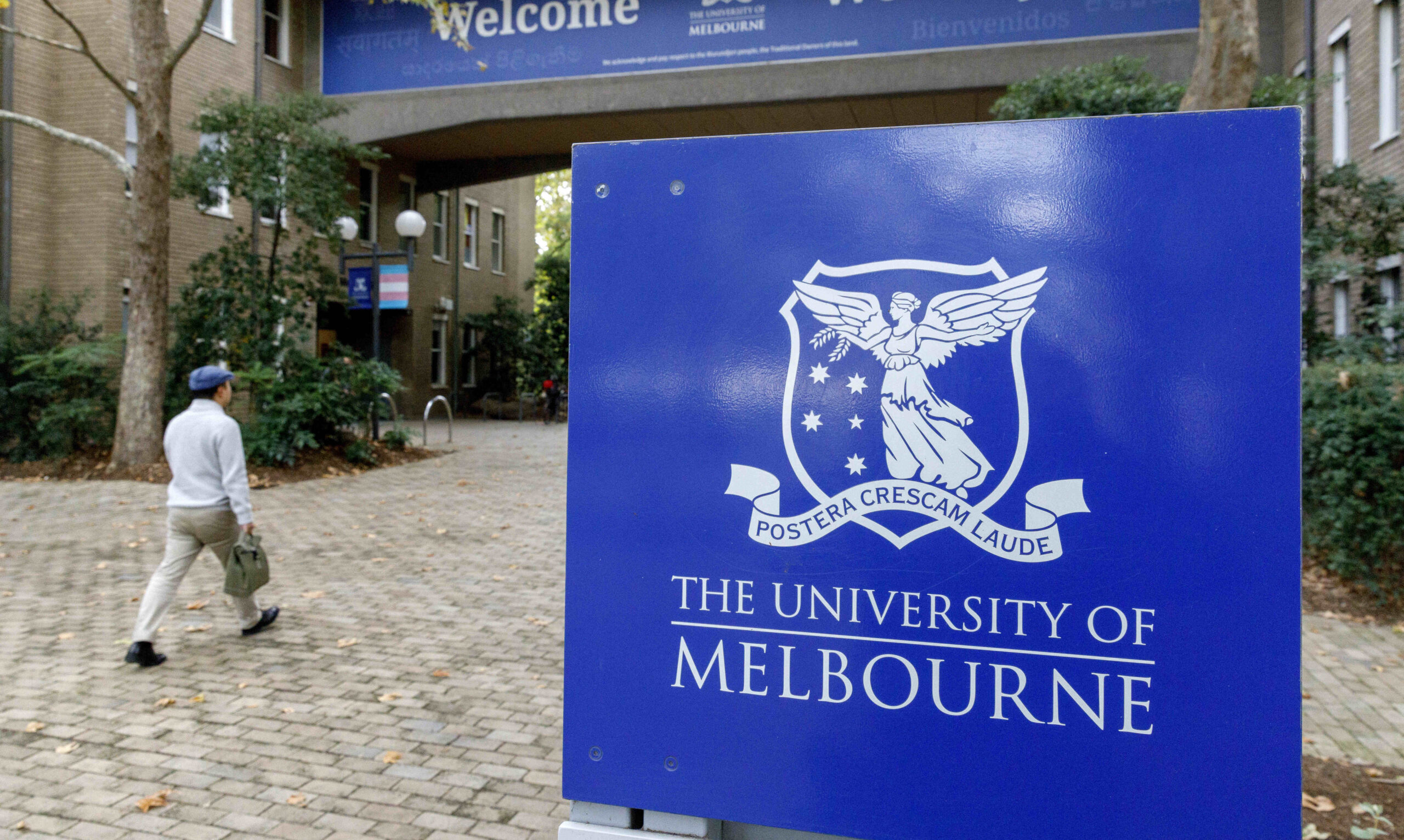
  • Melbourne uni received 44 sexual misconduct complaints last year – Campus Review

    Melbourne uni received 44 sexual misconduct complaints last year – Campus Review

    A dozen staff members, employed by Australia’s leading tertiary institution, were investigated last year following allegations of sexual misconduct and harassment, a new report has revealed.

    Please login below to view content or subscribe now.

    Membership Login

    Source link