

Bringing more men into nursing goes beyond addressing shortages; it represents a critical step toward a more balanced and equitable healthcare system.
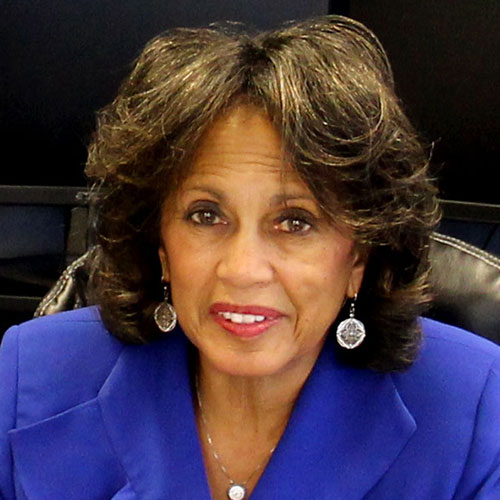
Beverly Malone, Ph.D., RN, FAAN
President and CEO, National League for Nursing (NLN)
While nobody alive today can recall this, throughout its early history, men dominated the field of nursing. All that changed when men went off to fight the Civil War, and women trained as nurses stepped in to take their places in hospitals on the battlefield and on the home front.
After that, the scarcity of men in nursing has persisted for 165 years and counting. In 1970, when men in nursing hit an all-time low, only 2.7% of the nursing workforce was male, according to the American Nurses Association.
With increased attention to this imbalance, the number of men choosing to enter nursing has been inching upward, with the greatest jumps posted since the dawn of the 21st century. The Bureau of Labor Statistics (BLS) reported that in 2002, men accounted for 7% of RNs, LPNs, and NPs. Now, over 20 years later, BLS statistics show about 12% of nurses are male.
The National League of Nursing’s Annual Survey of Schools of Nursing, which represents nursing programs across the spectrum of higher education, confirms this promising trend, with increasing male enrollment in basic RN programs. In 2022-23, the latest survey data available, just over 14% of nursing students identified as men, an uptick from the prior year.
Most recently, men have even broken barriers in nursing leadership. The American Nurses Association elected its first male president, Dr. Ernest Grant, in 2018. Just recently, the National League for Nursing (NLN) membership elected Dr. Paul Smith, dean of the Linfield-Good Samaritan School of Nursing at Linfield University, as the League’s first male NLN Chair-Elect, breaking new ground in nursing education history.
Building a more balanced workforce
All that said, it may be asked, “Why is it even important to attract more men to nursing?” In the current nursing shortage, our nation cannot afford to ignore a potentially enormous job applicant pool. Nearly half of the U.S. adult population — 49% according to the 2020 Census — is male.
Beyond sheer numbers, men of all racial and ethnic backgrounds bring to the profession different life experiences and perspectives. Research indicates that patients tend to be more open and responsive to health professionals who share physical, psycho-social, and cultural characteristics with them. So, with the need for greater diversity in nursing, how can we move the needle even more quickly?
Public service campaigns targeted specifically to men that promote the career pathways, benefits, and rewards of nursing can be effective and should be amplified across both traditional and social media. This will require sustained, coordinated efforts and financial investment by all stakeholders, including health and hospital systems, schools of nursing, professional associations, federal and state agencies, public health foundations, and industry partners.
Another key to making the nursing workforce more diverse and inclusive is to diversify nursing faculty and leadership in nursing education. As matters stand, men are vastly underrepresented among nurse educators, comprising only 8% of full-time faculty. But opportunities abound, with more than 800 vacant positions budgeted and 86% of programs that participated in the NLN survey pursuing new hires.
Male nursing graduates of the future need mentors and support to inspire, affirm, and nurture them, and to guide them to achieve their full potential to make a real difference in the health of the nation and the global community.