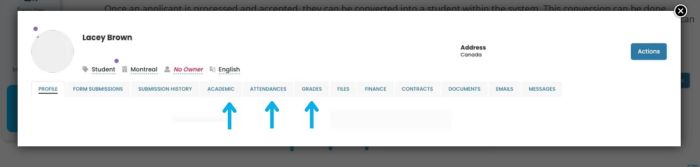
Tag: student portal

  • Modern Student Portal: Transforming the Student Journey

    Modern Student Portal: Transforming the Student Journey

    Reading Time: 11 minutes

    Higher education enrollment no longer begins with a handshake on campus; it starts the moment a student finds your website. That first digital interaction sets the tone for everything that follows. If the process feels outdated, impersonal, or clunky, students move on.

    Modern applicants are tech-native. They expect fast responses, personalized support, and mobile-first tools that feel like the apps they use every day. Schools that deliver that level of experience build trust and convert more students. Those that don’t? They lose out, often silently.

    A well-built student portal is your opportunity to meet those expectations head-on. It centralizes the entire admissions process, from initial inquiry to application to enrollment, into one streamlined, student-friendly platform. It also reduces stress, automates admin work, and gives admissions teams the tools they need to focus on students instead of paperwork.

    This blog post breaks down how a modern portal transforms the student experience and what your institution needs to build one that works.

    Looking for an all-in-one student information and CRM solution tailored to the education sector?

    Try the HEM Student Portal!
    What Is a Student Portal?

    A student portal is more than an application tool. It’s a fully integrated digital experience that connects prospective students with your institution at every stage of their journey. The best portals:

    • Guide students through applying, uploading documents, paying fees, and accepting offers
    • Offer real-time updates and personalized communication
    • Integrate with back-end systems to eliminate double entry and bottlenecks

    In short, it simplifies life for students while maximizing your admissions team’s productivity.

    What is the purpose of a student portal application tool? A student portal provides a centralized, secure platform for applicants and students to access essential services, like submitting documents, tracking applications, receiving updates, and completing enrollment tasks, streamlining communication between the institution and the student.

    Why Student Portals Matter More Than Ever

    The rise of Gen Z and Gen Alpha has transformed expectations. These are digital natives. They don’t tolerate friction, and they certainly don’t want to print forms or play email tag with admissions.

    To put this into context, nearly 70% of students believe their university’s digital experience should match the quality of commercial platforms like Amazon or Facebook.

    And it’s not just about convenience. A poor online experience can actively damage your brand and lead to lost enrollments. Whether you’re a large research university or a small career college, students expect you to meet them where they already are: online, on-demand, and on mobile.

    A New Standard: Digital-First From First Click

    The student journey doesn’t begin with an application form. It starts at the moment of first contact; usually a website visit, ad click, or social media link. A well-designed student portal captures this moment and turns it into momentum.

    Replicating the admissions process online is all about providing prospective students with a valuable experience from the moment they land on your website until the day they start their courses.

    That starts with smart lead capture tools:

    • “Download a brochure.”
    • “Schedule a virtual tour.”
    • “Chat with our admissions team.”
    • “Apply now.”

    Each of these CTAs feeds into a connected CRM. That’s where the magic happens: the CRM begins tracking the prospect’s interests and behaviors and triggers follow-ups that feel personal, not automated.

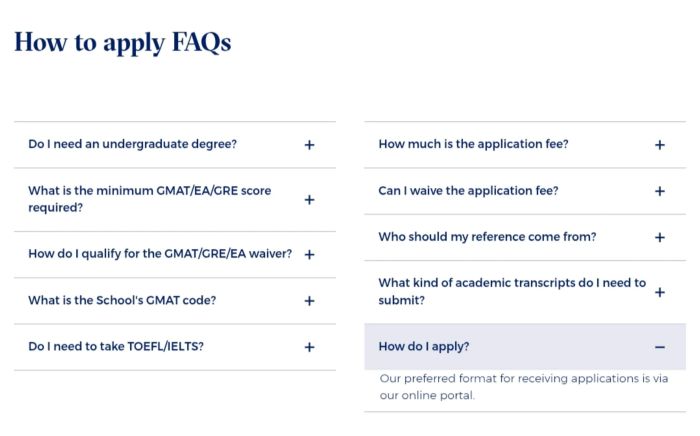
    Example: London Business School attracts applicants worldwide to its MBA program, so it streamlines the process by funneling everything through its online system. In fact, the school states that its preferred format for receiving applications is via our online portal.” London Business School sends accepted candidates a series of email workflows that highlight unique aspects of the LBS experience, including video messages from faculty. These aren’t generic updates; they’re trust-building touchpoints.
    Jun 25 - HEM BP Image 2Jun 25 - HEM BP Image 2

    Source: London Business School

    From Interest to Application: Streamlining the Process

    How does a student portal improve the admissions process? A student portal automates manual tasks, improves application visibility, accelerates document collection, and enhances communication. This reduces staff workload and provides a seamless experience for students, resulting in higher conversion rates and faster admissions cycles.

    Once a student decides to apply, the expectations only grow. They want simplicity. They want speed. And they want control.

    A modern student portal delivers all three by centralizing the application process into a single, intuitive interface. Students can:

    • Create an account
    • Save progress and return later
    • Upload documents (transcripts, ID, essays)
    • Track their application status in real-time
    • Pay application fees securely

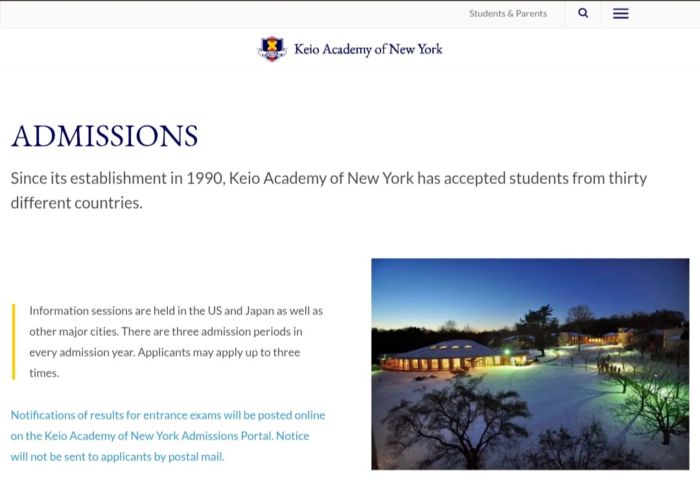
    Example: Keio Academy of New York (a boarding school with students from over 30 countries) manages its intake via a dedicated Admissions Portal. Applicants create an account and complete all steps through the portal, downloading required forms and submitting their documents online. Importantly, exam results and admission decisions are posted on Keio’s portal as well; they do not send results by postal mail.
    Jun 25 - HEM BP Image 3Jun 25 - HEM BP Image 3

    Source: Keio Academy of New York

    What students expect in a digital application portal:

    • A secure login system
    • A mobile-friendly design
    • Dynamic forms with autosave
    • Document upload support
    • Progress tracking
    • In-portal or multi-channel messaging
    • Transparent decision notifications

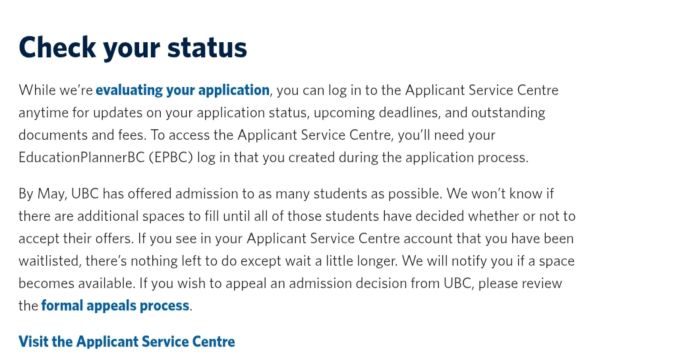
    Example: University of British Columbia’s Applicant Service Centre provides a 24/7 window into one’s application. Applicants can log in to see real-time status updates, upcoming deadlines, and any outstanding items or fees needed to complete their file. Once admitted, UBC uses the same portal to guide students through the next steps: from accepting the offer online to planning finances and registering for courses, each step is laid out in order.
    Jun 25 - HEM BP Image 4Jun 25 - HEM BP Image 4

    Source: University of British Columbia

    Portals also cut down administrative chaos on the backend. Admissions teams benefit from CRM and SIS integration, automated workflows, and centralized communication tools. Instead of wasting time on data entry or chasing down missing documents, staff can focus on what matters: building relationships.

    With centralized, automated workflows, institutions can save time and resources and improve tracking and reporting for better decision-making.

    Beyond the Application: Supporting Students After Acceptance

    Here’s a critical truth: admissions doesn’t end with an acceptance letter.

    There’s a critical period between “You’re in!” and “I’m enrolled.” This is where many institutions experience summer melt: when admitted students silently drift away before showing up on campus.

    A modern portal helps close that gap. Once accepted, students often get access to a new-student dashboard with a personalized checklist:

    • Confirm acceptance
    • Pay deposit
    • Submit housing preferences
    • Sign up for orientation
    • Upload immunization records
    • Apply for financial aid

    The portal handles checklists, deadlines, and reminders, so students stay on track and don’t ghost between acceptance and enrollment.

    Schools that automate this process don’t just reduce summer melt. They create a sense of structure, confidence, and connection before students even arrive.

    Each task is tracked. Each deadline is visible. And the portal nudges students forward with timely reminders via email, text, or even WhatsApp.

    And it’s not just about logistics. Portals can foster community through:

    • Access to student forums
    • Links to private social groups
    • Welcome videos from faculty or alumni

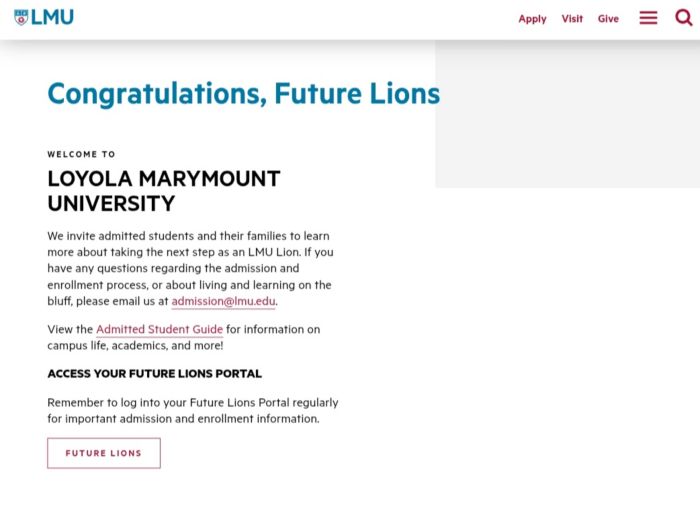
    Example: Loyola Marymount University takes engagement a step further with its “Future Lions” portal for admitted students. LMU’s portal serves as a one-stop welcome platform: new Lions are reminded to log in regularly for important enrollment information, access orientation resources, and even find roommates through a dedicated matching system. By consolidating these tools, LMU’s portal is actively building a community, connecting future classmates and helping them feel at home before they even set foot on campus.
    Jun 25 - HEM BP Image 5Jun 25 - HEM BP Image 5

    Source: Loyola Marymount University

    Choosing the Right Portal: What to Look For

    What features should I look for in a student portal? Look for CRM and SIS integration, mobile optimization, multilingual support, payment processing, real-time messaging, automated reminders, customizable dashboards, and secure document uploads.

    These are the features you can’t compromise on:

    1. Mobile-Optimized Application Forms

    Students are on their phones, and your application process better be, too. Forms should adapt to any screen size, load quickly, and allow uploads and progress saving without hassle.

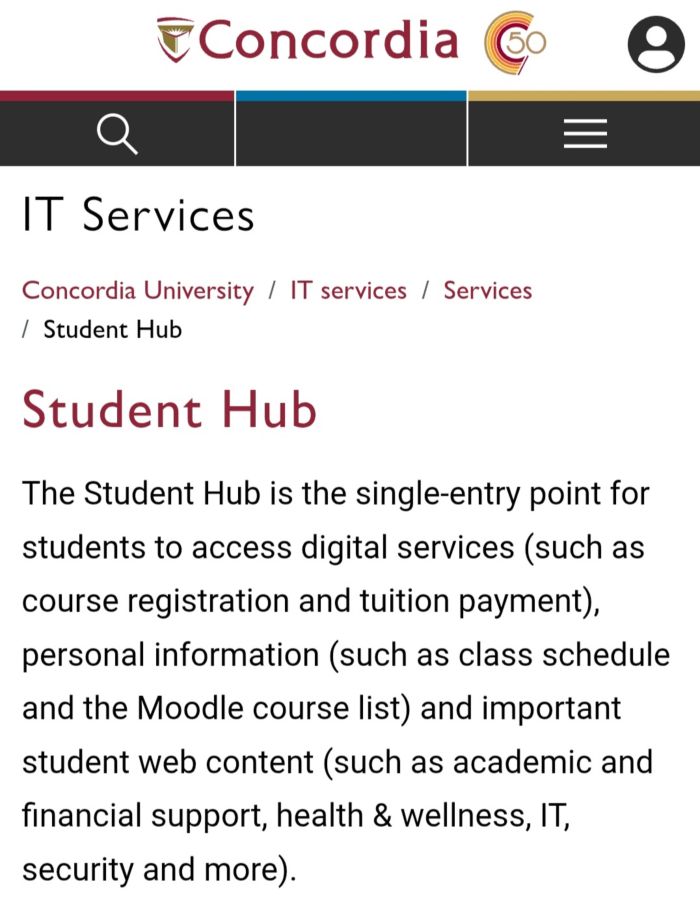
    Example: Concordia University (Canada) recently replaced its old applicant site with a unified Student Hub that offers single sign-on access to all student services – from applications to course registration – in one convenient interface. This new portal features a more modern user interface and is fully mobile-responsive.
    Jun 25 - HEM BP Image 6Jun 25 - HEM BP Image 6

    Source: Concordia University

    2. CRM Integration for Lead Management

    Your portal should talk to your CRM in real time. Every form submission, download, or contact should create or update a record automatically, so no prospect slips through the cracks.

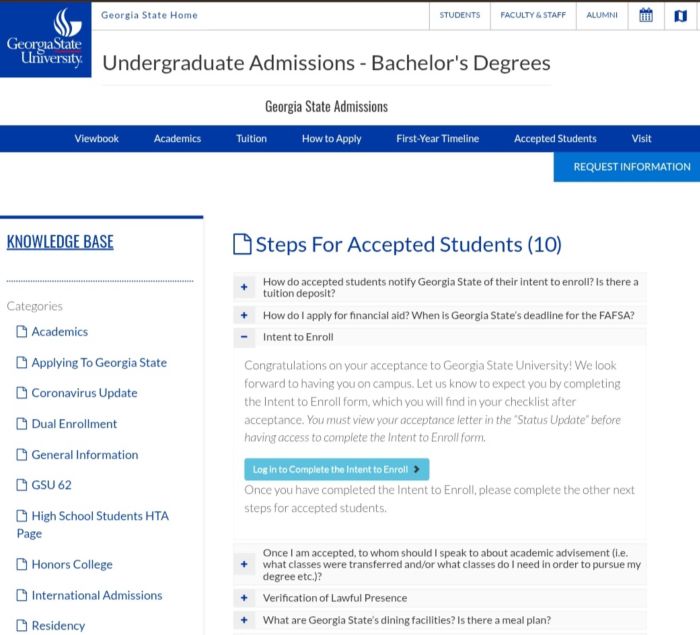
    Example: Georgia State University’s admissions portal doesn’t stop at the acceptance letter; it presents each admitted student with a personalized “Next Steps” checklist to smoothly transition them toward enrollment. Upon acceptance, students unlock an Intent to Enroll form in their status checklist, allowing them to confirm their enrollment online without delay. All subsequent requirements – from submitting final transcripts to signing up for orientation – are tracked through the same portal, so nothing falls through the cracks.
    Jun 25 - HEM BP Image 7Jun 25 - HEM BP Image 7

    Source: Georgia State University

    3. Student Information System (SIS) Sync

    From applicant to enrolled student, data should flow seamlessly. Integration with your SIS means no double entry and a smoother transition into class registration, billing, and campus life.

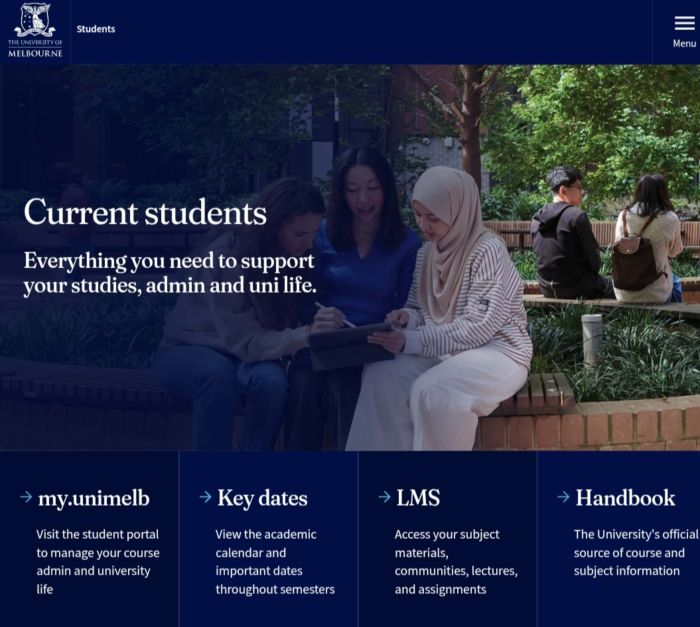
    Example: The University of Melbourne provides a one-stop solution through its portal. This student portal provides a single place for students to manage course administration and university life. In practice, that means a student logs into one dashboard for everything: enrolling in classes, viewing schedules, checking financials, and accessing support resources.
    Jun 25 - HEM BP Image 8Jun 25 - HEM BP Image 8

    Source: University of Melbourne

    4. Automation for Reminders and Follow-Ups

    Set up triggers for missing documents, incomplete applications, or upcoming deadlines. Automated nudges keep students moving forward and reduce the load on your staff.

    5. Multichannel Communication Tools

    Meet students where they are: email, SMS, chat, ideally all three. Your portal should support direct messaging, automatic confirmations, and personalized updates through multiple channels.

    6. Live Application Tracking

    Students hate waiting in the dark. Let them see whether their application is submitted, under review, or accepted, along with their checklist status and next steps.

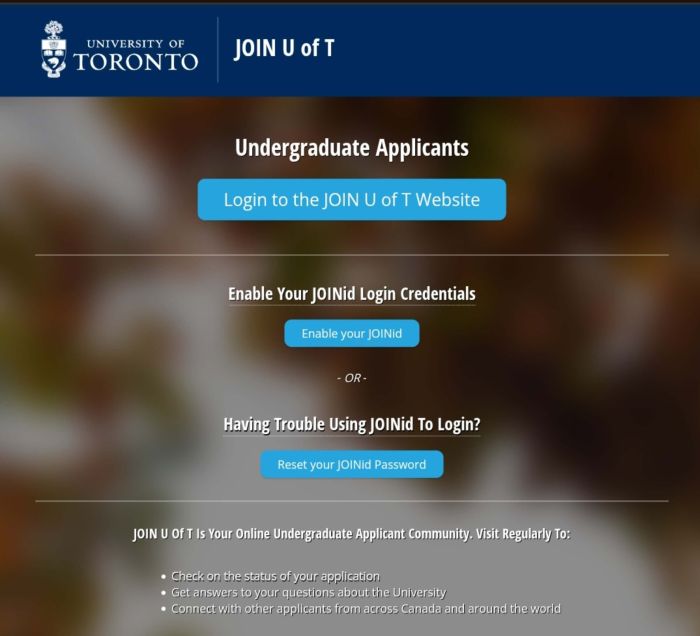
    Example: The University of Toronto directs every applicant to its “Join U of T” portal, where they can track application status, upload documents, and receive admission decisions all in one place. About a week after applying, students get instructions to access the portal and are told to check it regularly for status updates, required documents, and eventual offers. In fact, U of T applicants even accept their offers of admission through the portal instead of mailing forms.
    Jun 25 - HEM BP Image 9Jun 25 - HEM BP Image 9

    Source: University of Toronto

    7. Secure File Uploads and e-Signatures

    From transcripts to ID cards and essays: make it simple and safe for students to submit everything online. Support all common file formats and include e-signing where needed.

    8. Role-Based Access for Staff

    Admissions, faculty reviewers, and financial aid each group needs the right level of access. Role-based permissions let your team collaborate efficiently without compromising security.

    9. Internationalization Support

    If you’re enrolling global students, your portal should handle different time zones, document types, phone number formats, and (ideally) multiple languages.

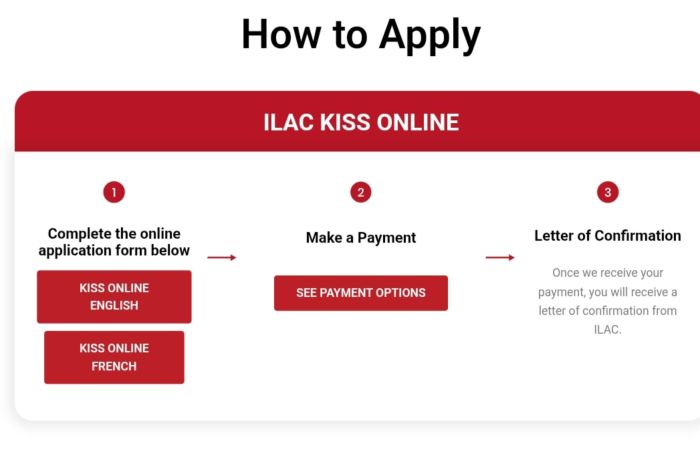
    Example: The International Language Academy of Canada (ILAC), which enrolls students from dozens of countries in its English programs, emphasizes a fully digital application. Prospects are invited to “start your journey” by completing ILAC’s online form and making a payment, after which they receive an electronic letter of acceptance needed for visa processing; no paper forms or international mail delays.
    Jun 25 - HEM BP Image 10Jun 25 - HEM BP Image 10

    Source: ILAC

    10. Post-acceptance Workflow Tools

    The portal shouldn’t stop working after admission. Use it for onboarding: orientation sign-ups, housing applications, deposit payments, and beyond. A one-stop platform improves both experience and yield.

    A quick rule of thumb is, the more customizable and connected your system, the more you can reduce friction and boost results.

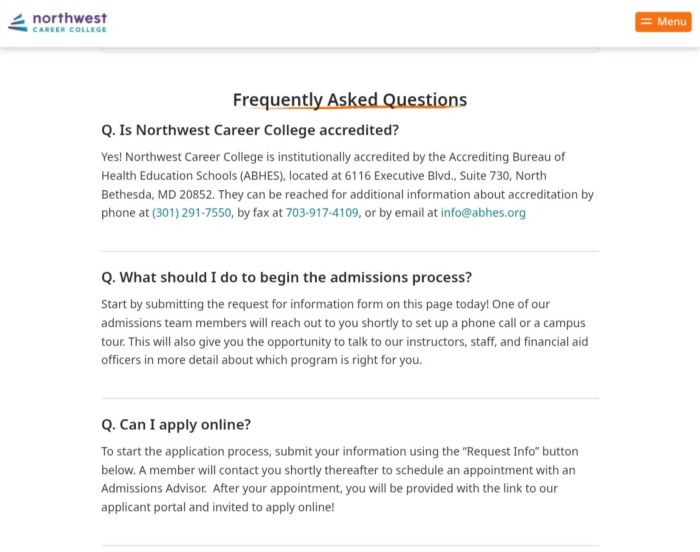
    Example: Northwest Career College in Las Vegas is a more intimate vocational school that prides itself on personal guidance. Their admissions process blends human interaction with digital convenience: a prospective student first speaks with an admissions advisor (often by phone or in person) and only then receives an invite to the online student portal to formally apply. In doing so, Northwest ensures that every applicant gets one-on-one support in navigating requirements, while the portal handles the data capture, document uploads, and progress tracking in the background.
    Jun 25 - HEM BP Image 11Jun 25 - HEM BP Image 11

    Source: Northwest Career College

    Transforming the Student Journey With HEM-SP

    At Higher Education Marketing, we’ve built HEM-SP. A purpose-built student portal that integrates CRM for higher education, student enrollment systems, and behavioral analytics. It enables institutions to centralize data, improve the student experience, and meet digital expectations.

    HEM-SP Offers:

    • End-to-end application processing
    • Real-time behavior tracking
    • Personalized email/SMS/WhatsApp comms
    • Custom dashboards for staff and students
    • Cohort, class, and instructor management
    • Seamless SIS integration

    Request a free demo here!

    What’s Next: Why This Matters Now

    Implementing a student portal isn’t just a digital transformation; it’s a mindset shift.

    You’re not just moving forms online. You’re creating a student-centric experience that matches the speed and personalization of the rest of their digital life. That makes your school more attractive, more trustworthy, and ultimately more successful.

    In the era of digital admissions, a student portal is no longer a luxury; it’s rapidly becoming a standard. Institutions that modernize are already seeing:

    • Higher completion rates
    • Lower melt
    • Better data
    • More efficient staff workflows
    • Stronger enrollment outcomes

    Those that don’t? Risk losing applicants to schools that are simply easier to work with.

    Partner With Hem for Success

    From the first click to the first day, every moment matters. A student portal connects those moments into one seamless experience.

    It’s the digital front door. The application guide. The welcome mat. The checklist. The counselor. The map.

    When built right, it becomes more than software; it becomes part of your institutional promise: we’re here to make your education journey clear, personal, and achievable. Do you want help evaluating or implementing a student enrollment system that works for your institution? Get a free demo and see what HEM’s Student Portal can do for you today!

    Looking for an all-in-one student information and CRM solution tailored to the education sector?

    Try the HEM Student Portal!

    Frequently Asked Questions

    Question: What is the purpose of a student portal?
    Answer: A student portal provides a centralized, secure platform for applicants and students to access essential services, like submitting documents, tracking applications, receiving updates, and completing enrollment tasks, streamlining communication between the institution and the student.

    Question: How does a student portal improve the admissions process?
    Answer: A student portal automates manual tasks, improves application visibility, accelerates document collection, and enhances communication. This reduces staff workload and provides a seamless experience for students, resulting in higher conversion rates and faster admissions cycles.

    Question: What features should I look for in a student portal?
    Answer: Look for CRM and SIS integration, mobile optimization, multilingual support, payment processing, real-time messaging, automated reminders, customizable dashboards, and secure document uploads.

    Source link

  • The Power of Student Portals

    The Power of Student Portals

    Reading Time: 10 minutes

    Think about the last time you ordered something online or streamed your favourite show. Remember how pretty seamless it was? That’s exactly what today’s students expect from their college application experience. Gen Z and Gen Alpha students have grown up in a digital world, with all its associated benefits. You have to acknowledge that they’re looking for the same smooth, user-friendly experience when they apply to schools, and this is no easy task.

    For colleges and universities, meeting these expectations isn’t just about staying current–it’s about staying relevant. This is why having a well-designed student portal is more important than ever. It is the key to a seamless admissions process–the map that charts a direct, straightforward course from the students’ first click to their first day on campus.

    Looking for an all-in-one student information and CRM solution tailored to the education sector?

    Try the HEM Student Portal!

    Why a Student Portal is Essential

    Remember the days of printing out application forms, filling them in by hand, and mailing them back? Those days are long gone, replaced by a more efficient and convenient solution. Today’s students want everything at their fingertips, and they want it to work as smoothly as their favourite apps. A recent study found that 70% of students expect their university’s online experience to match platforms like Amazon, Netflix, and Facebook. 

    That’s a high bar to meet, but it is the type of bar that a well-designed portal can scale. So what is the purpose of a student portal? A student portal is an online resource that guides students and helps them access helpful resources throughout the journey from exploring to application, enrollment, and beyond.

    As education becomes increasingly global, schools are seeing applications from all corners of the world. International students need a system that works across time zones and cultures, making the application process clear and accessible no matter where they’re from. A good student portal can meet these students at the point of their needs and help them achieve all their short and long-term goals. 

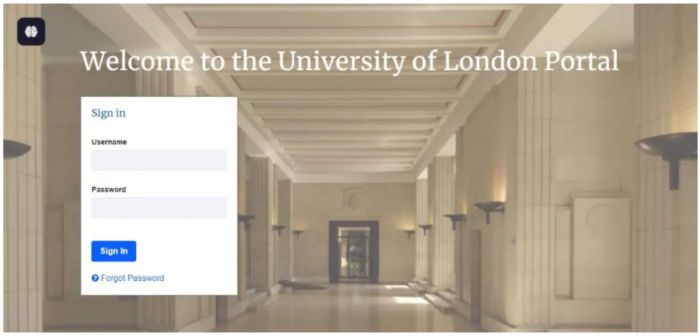
    Example: The University of London’s student portal offers a comprehensive and user-friendly interface, providing students with easy access to academic resources, course materials, and administrative services.

    HEM Image 2HEM Image 2

    Source: University of London

    Let’s talk about some challenges schools face without a proper portal:

    Picture an admissions office drowning in paperwork, trying to match documents to applications, and manually entering data into multiple systems. Now imagine students waiting anxiously for updates, wondering if their materials were received, or trying to figure out what steps come next. The challenges are well outlined below to put things in perspective:

    • Complex Workflows: Traditional admissions often involve multiple steps that frustrate students and staff.
    • Manual Processes: Outdated methods are time-consuming and error-prone.
    • Global Competition: Institutions must attract students from diverse locations and meet high digital expectations.

    These are the kinds of headaches a good student portal eliminates. A well-designed portal tackles these issues head-on by:

    • Streamlining Workflows: Students can complete applications online, upload documents, and track their progress in real-time.
    • Enabling Mobile Optimization: A mobile-friendly design ensures accessibility anytime, anywhere.
    • Offering Personalization: Tailored communications and automated updates keep students informed and engaged.
    • Improving Efficiency: Administrators can centralize data, track applications, and reduce manual tasks.

    These solutions will help make student applications as easy as online shopping. Students can track their progress in real time and receive automatic updates and reminders. You’re giving admissions staff the tools they need to work efficiently and students, more control over how things pan out. All you need is an efficient student login system and you’ll have everything within a click.

    This brings us to the question–what is the student login system? A student login system allows students to access everything from application progress to status, academic records, courses, schedules, and campus services through their institution’s online portal, using a username and password.

    Example: The Higher Education Marketing (HEM) Student Portal is a comprehensive digital platform designed to streamline student engagement, lead nurturing, and admissions processes for educational institutions. It offers a user-friendly interface where prospective and enrolled students can access personalized information, track application statuses, and access financial aid.

    HEM Image 3HEM Image 3

    Source: HEM

    Features That Transform the Admissions Process

    1. Simplified Application Workflow

    Gone are the days of juggling multiple systems and endless email chains. Modern student portals make applying to academic institutions as straightforward as creating a social media profile. Students can choose their program, pick their campus, and select their start date all in one place. Need to upload transcripts or recommendation letters? Just drag and drop them into the system.

    For admissions staff, this means no more shuffling between databases or wondering where a particular document ended up. Everything lives in one place, making it easy to review applications and make decisions quickly. The system even connects with other school software, thanks to the portal integrating with a CRM or SIS, so information flows smoothly and in real-time from one department to another.

    2. Automation for Efficiency

    Here’s where things get interesting. Imagine having a virtual assistant that never sleeps, sending out reminders, updating application statuses, and answering common questions automatically. That’s what automation brings to the table.

    For example, when a student submits their application, the system can automatically:

    • Send a confirmation email
    • Check for missing documents
    • Schedule follow-up reminders
    • Update the student’s status in real-time
    • Notify relevant staff members

    This is not just about saving time—though it certainly does. It is about ensuring a consistent and reliable experience for every applicant while allowing staff the resources to focus on more meaningful interactions with students.

    3. Personalized Student Journeys

    Modern portals offer innovative tools that make the application process feel more like a personal journey than a bureaucratic maze.

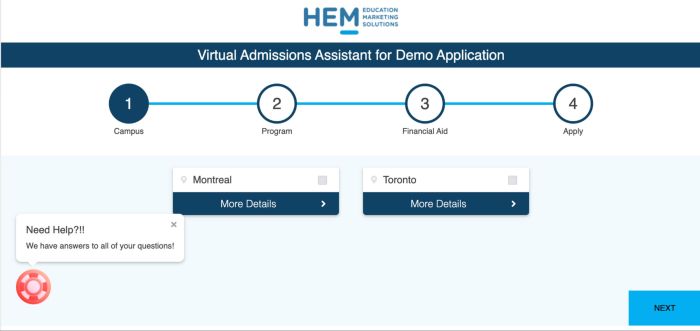
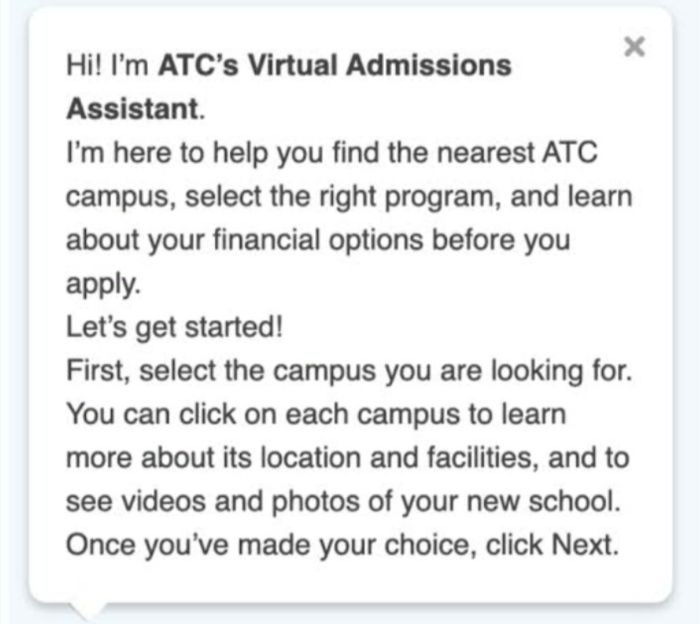
    The Virtual Admissions Assistant (VAA), for example, can serve as a knowledgeable and accessible resource for prospective students. It enables them to independently explore campus options, browse programs, and receive immediate responses to their inquiries at any time. The VAA functions as a personal guide throughout the admissions process.

    Then there’s the Quote Builder – a game-changer for students trying to plan their education budget. Instead of struggling with complicated fee structures, students can simply input their choices (program, campus, housing preferences) and get a clear picture of their costs. For international students especially, this transparency is invaluable. No more surprises or hidden fees – just clear, upfront information they can use to plan their future.

    Example: The Automotive Training Center, Surrey, offers prospects the opportunity to request information about their admission from a virtual admission assistant, or an admission representative.

    HEM Image 4HEM Image 4

    Source: ATC Surrey

    4. Centralized Data Management

    One thing that students and staff love is finding everything in one place. Remember that feeling of searching through endless email threads looking for that one important document? A good portal eliminates that headache.

    For students, it means:

    • One login to access everything
    • A clear overview of their application status
    • Easy access to all their submitted documents
    • A record of all communications with the school

    For staff, it’s like having a super-organized digital filing cabinet where everything is just a click away. Whatever you need to do, from sending students a reminder to checking their application status or when they last logged in, you only need to Click.

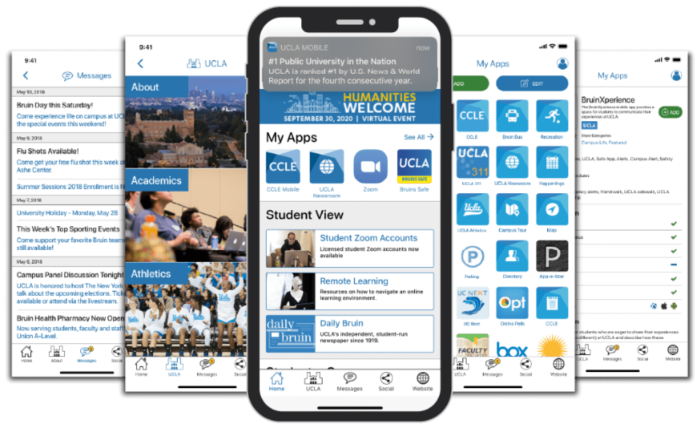
    Example: The MyUCLA App by the University of California, Los Angeles, is a one-stop-shop student-run portal that offers everything from academic to administrative, student engagement, and financial support.

    HEM Image 5HEM Image 5

    Source: MyUCLA

    5. Proactive Engagement and Lead Nurturing

    Online application management is an area where modern portals shine. A well-designed portal system will keep students engaged throughout the process instead of waiting for them to reach out with questions or concerns. 

    For example, The system can pick up that a student began an application but hasn’t completed it. Rather than letting that potential student slip away, it automatically sends a friendly reminder, offering help with any questions they might have. This kind of thoughtful follow-up can make the difference between a completed application and one that gets abandoned.

    Enhancing the Student Journey: A Real-World Example

    Now, let’s talk about something you’ve probably heard before. What is the student journey? The student journey begins with exploration and moves to application, admission, and enrollment. Beyond that, it involves academic learning, campus involvement, career preparation, and other experiences that shape their overall education and personal growth.

    Now that we’ve gotten that out of the way, let’s follow Sarah, a prospective student, through her application journey:

    Day 1: Sarah discovers your school’s portal and completes a quick inquiry form. Within minutes, she receives a personalized email with virtual tour links and program information tailored to her interests.

    Week 1: Using the Virtual Admission Assistant (AAA), she explores different programs and campuses. The system notices she’s particularly interested in paralegal training and automatically sends her information.

    Week 2: Sarah uses the Quote Builder to calculate her costs, including housing and tuition plans. The transparency helps her and her parents make informed decisions about financing her education.

    Week 3: Ready to apply, Sarah finds much of her application pre-filled with the information she’s already provided. She uploads her documents and can track every step of the process until acceptance and admission.

    Throughout: The system sends friendly reminders about deadlines and missing documents, keeping her on track without feeling pressured. By the time she arrives on campus, she will have experienced a streamlined, personalized admissions process that sets a positive tone for her educational journey. 

    This is what a good student portal aims to achieve. With tools like a Student Information System (SIS), a Virtual Admission Assistant (VAA), and a Quote Builder integrated into your school’s student portal, you can expect excellent results that’ll leave everyone satisfied. It will make a difference in the student’s journey, helping them make a seamless transition from inquiry to enrollment. 

    For the school involved, it’ll help reduce your workload and create enhanced tracking reporting results for better decision-making. This will ultimately increase student enrollment. 

    Example: A good SIS incorporates elements and records all aspects of a student’s journey, from recruitment to graduation. It is usually integrated into your student portal, as this example shows.

    HEM Image 6HEM Image 6

    Source: HEM

    Tracking Success and Making Improvements

    A good portal doesn’t just make life easier for the schools that use it–it facilitates streamlined workflows for these schools, which is useful for helping them finetune and improve their admissions process. As a school looking to increase its prospects, it’ll help you know what’s working and what’s not so you can adjust as appropriate. With the right analytics tool, schools can easily track:

    • Which programs are getting the most interest
    • Where students might be getting stuck in the application process
    • How quickly staff are responding to applications
    • Which recruitment efforts are most effective
    • How international student applications compare to domestic ones

    This data provides valuable insights that schools can process to produce better outcomes. It’s a wealth of actionable information that helps schools make better decisions about where to allocate resources and refine their processes. The ultimate goal is to serve prospective students better and help them achieve their enrollment goals first.

    The Long-Term Impact of a Student Application Portal

    The benefits of a well-designed student portal extend far beyond the admissions process. Some of these benefits include:

    • Increased student satisfaction and connection with the institution upon arrival on campus
    • Increased staff efficiency, allowing them to spend less time on paperwork and more time assisting students
    • Improved institutional reputation
    • Significant cost savings due to reduced paperwork and manual processing
    • Higher enrollment rates

    Key Takeaways

    A modern student portal can make a big difference in the student journey from inquiry to enrollment. It helps schools to: 

    • Streamline Workflows: Simplify the application process for students and administrators.
    • Automate for Efficiency: Save time and reduce errors with automated tasks that produce consistent and more efficient results. 
    • Personalize the Journey: Engage students with tailored tools like VAA and Quote Builder to consistently engage and help them make well-informed decisions. 
    • Centralize Data Management: Keep all application-related information in one system to aid easy access and retrieval.
    • Proactively Engage Prospects: Use timely communication to meet students at their points of need and to increase application completion rates.
    • Optimize for Success: Leverage data insights to improve processes and track ROI for better planning now and in the future. 

    Conclusion 

    As technology continues to evolve, student portals will only become more important. A robust student portal is no longer a luxury—it’s a necessity for institutions aiming to meet the demands of today’s tech-savvy learners. The schools that succeed will be those that embrace these changes while keeping the student experience at the heart of everything they do. 

    By adopting a student portal, these schools can enhance the student experience, improve administrative efficiency, and ultimately boost enrollment rates. From the first click to the first day on campus, the journey becomes seamless, personalized, and rewarding for both students and staff.

    Looking for an all-in-one student information and CRM solution tailored to the education sector?

    Try the HEM Student Portal!

    Frequently Asked Questions

    Question: What is the purpose of a student portal? 

    Answer: A student portal is an online resource that guides students and helps them access helpful resources throughout the journey from exploring to application, enrollment and beyond.

    Question: What is the student login system? 

    Answer: A student login system allows students to access everything from application progress to status, academic records, courses, schedules, and campus services through their institution’s online portal, using a username and password.

    Question: What is the student journey? 

    Answer: The student journey begins with exploration and moves to application, admission, and enrollment. Beyond that, it involves academic learning, campus involvement, career preparation, and other experiences that shape their overall education and personal growth.

    Source link