Over the last ten years – and particularly since the pandemic – the complexity of student wellbeing issues in higher education has increased significantly. It became clear to us at the University of Exeter that the traditional model of academic tutoring alone was no longer sufficient to meet the needs of our students.
Like many other higher education institutions, we had long utilised an academic support model where most academic staff were allocated groups of tutees to provide both academic and pastoral support alongside a range of professional services in areas such as welfare, wellbeing, accessibility and financial support. Our review and research into higher education institutions best practice – both in the UK and internationally, and drawing on approaches from schools and further education providers, identified a clear need for dedicated expertise to provide pastoral support at Exeter.
This led to the development of our Pastoral Mentor model, which we began piloting in autumn 2023. By 1 August 2025, we will have rolled out Pastoral Mentors to every department. Our model was described briefly in Wonkhe last year but you can also read more about it in the Journal of Learning Development in Higher Education. In summary, Pastoral Mentors are dedicated, non-teaching student support staff embedded in departments, serving as a friendly first point of contact for students facing challenges affecting their studies. They proactively reach out to students based on engagement and attainment data, offer a non-judgmental space for conversations, and connect students with specialist support services as needed. Our pastoral mentors work closely with discipline based staff and wider support services to identify the best way to assist students and ensure that the help they need is connected and timely.
Lessons from transformation
While institutions will adopt different approaches to student support, in this piece we reflect on what we’ve learned from implementing institutional change at Exeter, and share the key principles which underpin our model – offering insights we hope will be useful for others working in this space.
Early identification is key. The earlier students identify they are struggling the easier it is to provide support and put remedies in place. Often, the causes of student failure and drop out begin as relatively low-level challenges, but these can escalate over time – non-attendance leads to missed submissions, which in turn result in failed modules, referrals and potentially withdrawal. If we can identify students whose attendance pattern drops early and support them to get back into the classroom, we can mitigate against many of these larger issues.
Data is key to this. All institutions now hold large amounts of data on our students; attendance, engagement with the VLE, submissions, grades. We need to use this to support students and at Exeter we developed a bespoke engagement dashboard to enable us to identify students who might be struggling.
Clear lines of responsibility are vital. It’s no good having access to data if it’s not clear who is going to act on it. Our Pastoral Mentors are responsible for using the engagement dashboard to identify students of concern and do the initial reach out. They then are responsible for linking students who require more specialist support with the correct service, not just telling the student who to contact but in some cases making that contact for them or following up with the student later to ensure they have accessed the support they need. It’s vital that students don’t slip through the net – whether because no one acts on the data or because they fall unnoticed between services.
Clear escalation processes need to be established. It’s critical to have a clear understanding of where one person’s responsibility ends and when a student should be confidently referred to a specialist. We’ve developed well-defined escalation processes so that our Pastoral Mentors don’t feel pressured to take on issues beyond their expertise and remit, and to ensure we make full use of the specialist staff elsewhere in the institution – helping to maintain the integrity of the overall support ecosystem.
Presence is a must. Early feedback from our students’ union and students’ guild highlighted the importance of face-to-face, named support, with students finding it easier to seek help from someone they already know. Our Pastoral Mentors are present in departments, they attend welcome and transition events, informal department gatherings and department social events for students. Students should know who the Pastoral Mentor is before they need help to facilitate that first conversation. As a core part of the education team, Pastoral Mentors also become specialists in the rhythm and challenges of the discipline and can thus provide contextualised support and advice relevant to the students’ programme.
Clarity of message for students is essential. Students are often put off seeking support because they fear disciplinary or fitness to study processes, in particular international students sometimes do not seek support from traditional academic tutors because they do not want to disclose problems to those teaching them or marking their work. Our Pastoral Mentors aim to decouple support from formalised processes around unsatisfactory progress or visa compliance and rather focus on reaching out compassionately, emphasising the importance of a students’ wellbeing and success. Students have reported that this enhanced their sense of belonging and mattering, making it easier to seek support early.
Supporting colleagues through change
Institutional change is never easy and while many staff recognise the need to enhance our student support offer to students, it remains an emotive issue. Some departments embraced the new model from the outset, while others found the transition more difficult. There’s never “enough” evidence, particularly when the change you are implementing is both transformative and innovative.
As academics we often spend a lot of time seeking and compiling evidence to support a theory, but sometimes we have to be brave enough to enact change because it’s the right thing to do and have confidence that we can bring people along over time. If everyone waits for the evidence from others, innovation will never happen. We have found that co-creation is powerful; in order to address the “evidence” challenge, we had to deploy compassion and communication rather than additional data.
We have to meet colleagues where their concerns lie, not t diminish those concerns but to listen to and recognise both the opportunities and risks associated with change. At Exeter, we adopted a phased co-creation model for our Pastoral Mentor approach, being open with departments that we didn’t have all the answers upfront and that we needed to work together to meet students’ needs. Through this iterative approach we were able to take all our departments with us at a pace that suited them and subsequent feedback on the roll out has been overwhelmingly positive.
Student support is an emotive area, and it’s important to recognise existing best practice alongside the benefits of change. While we should acknowledge the great work many have done and continue to do, it is also important to recognise the pressure providing pastoral support can put on colleagues. We were keen to ensure that specialising support wasn’t seen as a criticism but a way to relieve pressure on colleagues and ensure more sustainable support for our whole community.
Student retention remains one of the biggest challenges in higher education, with dropout rates continuing to concern institutions worldwide. For colleges and universities today, student retention in higher education has evolved into something far more holistic than it once was.
Recent data underscore the scope of the problem: roughly one in four undergraduates will leave college without completing a degree. For example, data from the Australian Department of Education shows that nearly 25% of higher education students who began in 2017 had not completed their programs by 2022. The United States reports a comparable figure, with NCES data showing first-year retention rates for full-time undergraduates averaging around 75% to 78%, indicating an attrition rate of approximately 22–25%.
Our targeted email marketing services can help you attract and enroll more students.
Discover how we can enhance your recruitment strategy today!
Behind these statistics are myriad reasons. Financial pressures, mental health struggles, and a lingering sense of disconnection (exacerbated by post-pandemic-era remote learning) are among the top factors driving students to leave.
This early departure is not just a personal setback for students (many of whom incur debt without obtaining a credential) but also a serious concern for universities. Every student lost represents a missed opportunity to fulfill someone’s potential and a significant cost to the institution in lost tuition and wasted recruitment efforts. It’s no surprise, then, that in 2024/25 the conversation around student success has zeroed in on retention, keeping those first-year students engaged to graduation.
Amid these challenges, colleges and universities are exploring new ways to support students beyond the classroom. Interestingly, one of the most powerful tools is quite ordinary: email. While often associated with marketing departments or alumni fundraising, email communication has proven to be an unsung hero in student retention strategies. Done right, regular digital touchpoints – from welcome emails and deadline reminders to check-ins and newsletters – can nurture a sense of belonging and keep students from “falling through the cracks.” This blog post explains how.
What Is the Meaning of Student Retention?
Student retention refers to an institution’s ability to keep students enrolled continuously, usually from one academic term to the next, until they complete their program. Retention in higher education means the same as student retention, but in the context of colleges and universities. It typically refers to the percentage of students who return each year and progress toward graduation. It’s often measured as the inverse of dropout or attrition rates and serves as a key indicator of institutional effectiveness and student satisfaction.
But while the metric is important, it doesn’t tell the whole story. Retention intersects with numerous aspects of the student experience, including:
Academic preparedness and performance
Emotional and mental well-being
Financial stability and support
Social integration and sense of belonging
Clarity around future goals and career pathways
In short, high retention signals that a school is providing the tools and environment students need to thrive. Low retention often suggests systemic gaps that need attention, whether in support services, communication, or curricular alignment.
When schools understand the deeper “why” behind retention patterns, they can begin building strategies to support students in more intentional and effective ways.
Why Do Some Students Stay and Others Leave?
Understanding college student retention means examining both barriers and motivators that influence whether a student chooses to continue or withdraw. Here are some of the most common reasons students make that decision:
1. Academic Challenges
A student who feels unprepared for their coursework or overwhelmed by expectations may quickly disengage. This can be especially true for first-generation students or those entering a competitive academic environment without sufficient support.
What helps: Proactive emails that demystify academic expectations, offer success tips, and highlight tutoring resources early in the term can make a real difference.
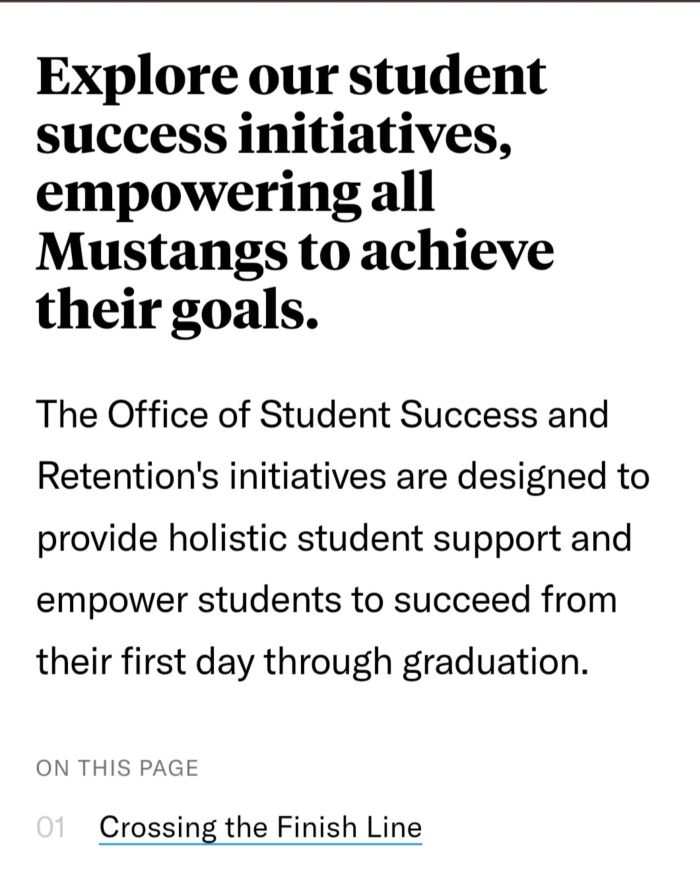
Example:At the vocational education level, Oconee Fall Line Technical College (OFTC) in Georgia provides a good example of communication-driven retention support. OFTC employs dedicated Retention Specialists who monitor student progress and intervene when issues arise.
Using an internal early-alert system, the college flags at-risk students (such as those with irregular attendance or missing assignments) and initiates proactive outreach. Retention staff then reach out to students, often via college email or phone, to check in and connect them with help. This includes emailing a student about available tutoring when they struggle academically, or discussing solutions if a student is considering withdrawal.
2. Lack of Community or Belonging
The feeling of being “invisible” on campus can be just as impactful as academic performance. Students who don’t feel they belong are significantly more likely to leave, particularly during their first year.
What helps: Targeted emails that invite students to join clubs, attend welcome events, or connect with peers can foster a stronger sense of connection.
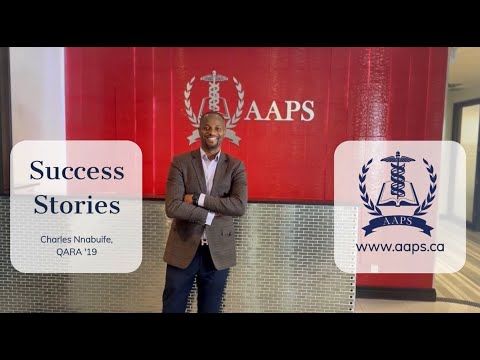
Example:AAPS circulates an official newsletter to share recent happenings in the pharmaceutical field and celebrate student achievements. Students consent to having their names and photos featured in these newsletters. This practice personalizes communications and recognizes student accomplishments. This targeted content helps build a sense of community and keeps current students motivated to persist in their programs.
Source: AAPS
3. Financial Stress
Tuition fees, housing costs, and daily expenses can make the college experience financially unsustainable for many students. Some may not even know what aid or resources are available.
What helps: Email reminders about scholarships, payment plans, emergency aid, or financial counseling empower students to seek help before small issues become major obstacles.
Example: In London, City, University of London runs City Cares, a dedicated support programme for vulnerable student groups – including those estranged from family, or young adult caregivers. A key element of City Cares is consistent personal communication: staff send regular check-in emails and updates to these students to see how they are doing and offer help.
Students in the program have a designated staff contact whom they can reach by email or phone for one-to-one support. City Cares also provides practical resources like bursaries, housing assistance, and priority access to opportunities, all communicated through targeted outreach.
4. Unclear Career Direction
Students who lose sight of how their studies connect to real-world opportunities often lose motivation. Without a sense of purpose, continuing can feel pointless.
What helps: Emails that highlight internship opportunities, alumni career paths, and academic-to-career connections help students stay focused and inspired.
5. Personal and Mental Health Struggles
From stress and anxiety to family emergencies or health issues, life challenges can derail even the most motivated students.
What helps: Compassionate, well-timed emails from student services that highlight wellness resources, counseling services, and peer support groups remind students they are not alone.
Example: DCC uses digital content to address student well-being, which is crucial for retention. A blog post on the college’s site, shared via email and social media, discussed how emotional well-being impacts learning, noting that a student’s mental health influences “focus, engagement, social interactions, and overall academic success.” By openly guiding mental health, DCC shows students and parents that the college cares about more than academics.
In each of these cases, the common thread is communication. When institutions deliver the right messages at the right moments, they can provide reassurance, guidance, and pathways forward, all of which contribute to stronger retention outcomes.
How Email Marketing Supports the Entire Student Journey
Email marketing is not just about promotion. In the context of higher education, it is a structured communication framework that allows institutions to be consistently present for their students, especially when automated and segmented based on academic year, behavior, or demographic indicators.
The first year is foundational. It’s where impressions are formed, habits are developed, and questions abound.
Effective first-year campaigns include:
A welcome series that introduces campus leaders, outlines what to expect, and provides a friendly tone of engagement
Resource emails such as “How to Book Time With an Academic Advisor” or “Top Study Spots on Campus”
Surveys and wellness check-ins asking students how they’re doing and connecting them to specific supports based on their responses
Invitations to student orientation events, campus fairs, and mentorship programs
This early outreach reduces anxiety and builds a relationship of trust. When students know they can expect relevant, useful information in their inbox, they are more likely to engage with their institution in meaningful ways.
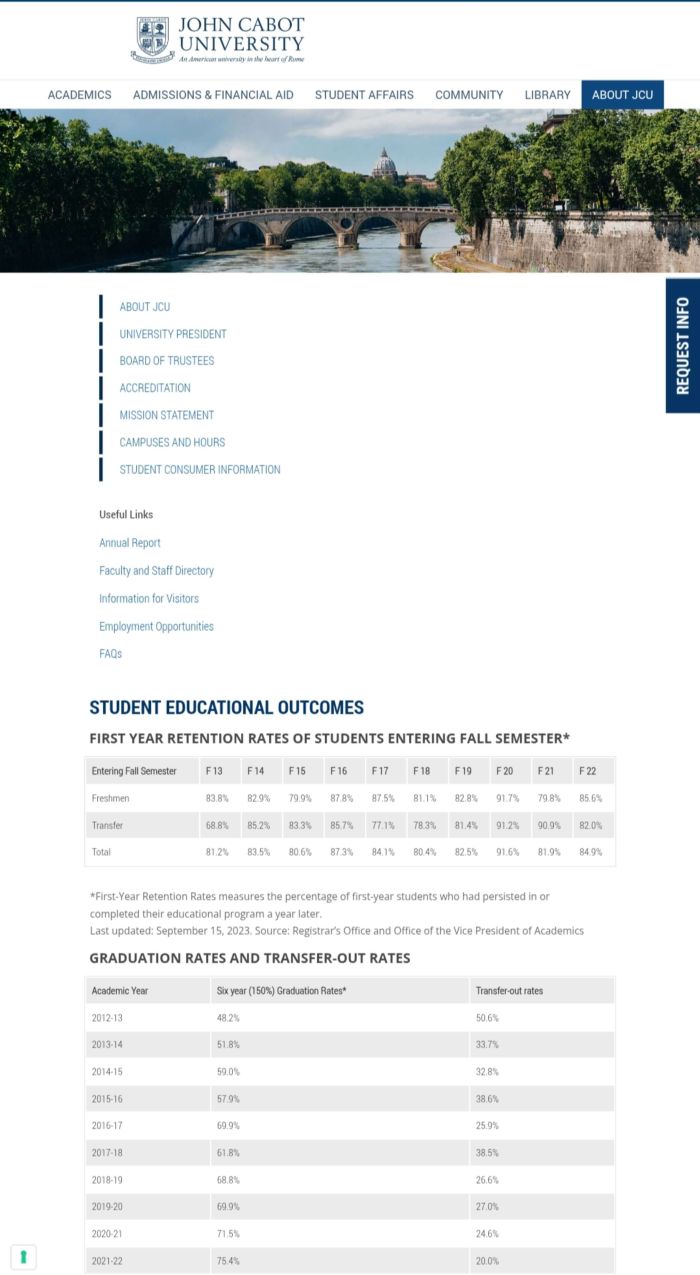
Example: John Cabot University (JCU) has made student retention a priority through robust student services and outreach. The university’s communications team uses segmented email lists to target different student groups – first-year degree seekers, study-abroad students, etc.
Upon arrival, all first-year students receive a series of orientation emails with tips on navigating campus life in Rome, introductions to support offices (counseling, academic advising), and invitations to community-building events. This email nurturing continues throughout the year. JCU’s focus on student engagement reflects its ongoing commitment to retention, with email outreach playing a key role in fostering community and support.
Sophomore and Junior Years: Momentum and Direction
The second and third years of college can be challenging. Students may experience mid-degree fatigue, uncertainty about their major, or a lack of motivation.
Email campaigns that support these years often focus on:
Important academic milestones, such as major declarations, registration deadlines, or capstone requirements
Career development, including internship announcements, networking events, or resume-building resources
Personal development opportunities, like study abroad, research assistantships, or leadership training
Wellness and retention-focused campaigns that flag disengaged students and prompt follow-up from advisors.
By continuing to communicate thoughtfully during this middle phase, institutions can ensure students maintain their momentum and receive targeted interventions before problems escalate.
Example:Southern Methodist University’s (SMU) Office of Student Success & Retention created the “Don’t Ghost SMU” initiative to re-engage students who stop attending without formally taking a leave. Each term, the university identifies “ghosters” – undergraduates who are neither enrolled for the coming term nor on an official leave of absence. The retention team then reaches out to these students three times via email and text message to ask about their plans and encourage them to re-enroll. Students who respond and decide to return are provided with one-on-one support to facilitate their re-entry.
Students approaching graduation often face a new set of stressors—final projects, job applications, and the pressure of “what comes next.” At this point, communication becomes about both support and celebration.
Senior-focused email strategies may include:
Step-by-step graduation guides that include deadlines for forms, fees, and ceremonies
Invitations to career prep workshops, mock interviews, or job search bootcamps
Highlight reels of student accomplishments or alumni stories to boost morale and confidence
Communications from deans or student leaders congratulating seniors and offering final words of encouragement
Example: NeuAge’s digital content provides career advice and skill-building tips as part of the institution’s ongoing commitment to graduates’ success. NeuAge also promotes free online workshops and webinars (often via LinkedIn and email) led by industry experts, giving current students and recent grads extra opportunities to network and upskill.
Best Practices for Retention-Focused Email Campaigns
If your institution wants to maximize the impact of email on student retention, consider the following best practices:
1. Segment Thoughtfully
A one-size-fits-all email won’t resonate across a diverse student body. Tailor content based on class year, academic discipline, or unique identifiers like international status or first-generation background. The more relevant the message, the more likely it will be read and acted on.
2. Use Automation With Intention
Automated emails shouldn’t feel robotic. Use your CRM to trigger messages based on behavior (like missed assignments or low engagement), but personalize them with the student’s name and relevant links or contacts. Automation should make the student feel seen, not surveilled.
3. Focus on Value
Each email should offer something of clear value: a helpful tip, a timely reminder, a story that inspires. Avoid sending messages just to fill space in a calendar. If the email doesn’t help the student succeed, it probably shouldn’t be sent.
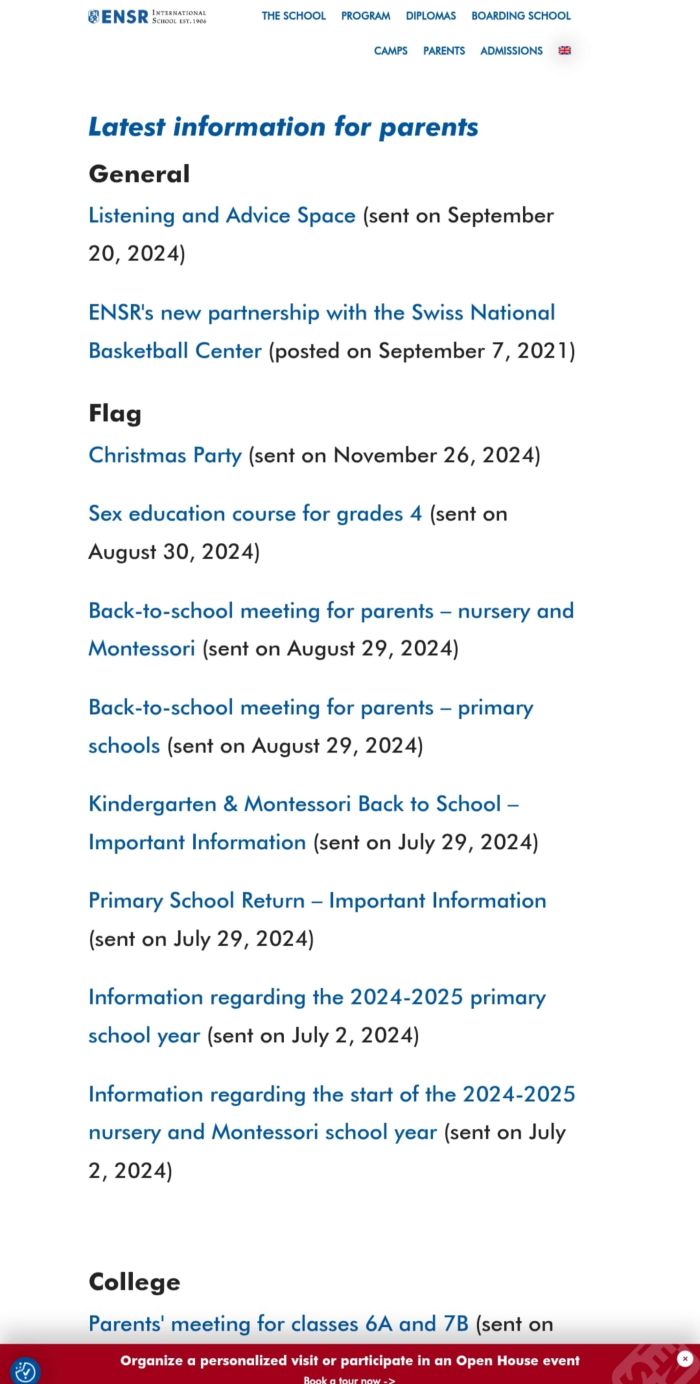
Example: ENSR (a Swiss international school) maintains high transparency with parents through regular digital bulletins. The school posts and emails information on upcoming events. For instance, parents receive notices about scheduled parent-teacher meetings, ski trips, and even windsurfing camp well in advance. ENSR’s online parent info page archives these communications, noting what was sent when.
Track engagement data: open rates, click-throughs, and unsubscribes, and use this to inform future messaging. If a subject line isn’t working or a campaign doesn’t drive traffic, revise your approach. Feedback and responsiveness are key to any long-term strategy.
5. Collaborate Across Departments
Retention is not the sole responsibility of academic advising or marketing. Develop integrated campaigns that align messaging across departments, including career services, financial aid, and student wellness, so students receive cohesive, coordinated communication.
Why Email Marketing Belongs in Your Retention Strategy
Email marketing offers something uniquely powerful: it meets students where they already are, with messages that can be scheduled, targeted, and personalized at scale. When done well, it brings a human touch to institutional processes, building relationships that motivate students to stay engaged.
More than a tool for reminders or promotions, email can:
Prevent students from slipping through the cracks
Foster emotional connection and institutional pride
Reinforce the idea that success is not only expected, but supported
Ultimately, when students feel informed, included, and inspired, they are more likely to persist through challenges and complete their degrees. And that’s the heart of any successful retention strategy. Would you like to work on effective strategies for greater Higher Ed Student Retention?
Our targeted email marketing services can help you attract and enroll more students.
Discover how we can enhance your recruitment strategy today!
Frequently Asked Questions
Question: What is the meaning of student retention?
Answer: Student retention refers to an institution’s ability to keep students enrolled continuously, usually from one academic term to the next, until they complete their program. Retention in higher education means the same as student retention, but in the context of colleges and universities.
Question: What is retention in higher education?
Answer: Retention in higher education means the same as student retention, but in the context of colleges and universities. It typically refers to the percentage of students who return each year and progress toward graduation. High retention in higher ed indicates that students are staying enrolled and on track to finish their degrees.
Question: What are the reasons for student retention?
Answer: Students are more likely to be retained (stay in school) when key needs are met. Common reasons for strong student retention include effective academic support (so students don’t fall behind), a sense of belonging on campus (feeling connected to peers and the school), financial stability or aid (relieving tuition stress), and clear personal motivation or goals (seeing the value of their degree). Essentially, when students feel supported academically, socially, and financially – and they believe their education will benefit them – they are far more likely to stay through graduation.
This post was co-authored with Julie Bryant, Vice President for Student Success at RNL. Julie oversees the RNL Satisfaction-Priorities Surveys used by colleges and universities nationwide. She provides service to educators by assisting them in determining relationships between perceptions of importance and satisfaction of students, special populations, campus personnel, and the parents of currently enrolled students. Julie identifies ways these data can inform retention planning and be shared with the campus community. She also oversees the annual national reporting and trend analysis of these data.
Collaborating with 21 institutions as part of our second annual National Alumni Survey was a privilege. Nearly 51,000 alumni participated, and from their direct feedback, we learned more about what inspires their volunteer activity, what is likely to motivate future engagement, generational trends, and how student debt impacts charitable giving.
We also invited alumni to share more about their satisfaction with and current connection to their respective alma maters. Survey responses confirm what feels intuitive: Alumni with a favorable student experience are more likely to feel connected to and give back to their alma maters.
Student satisfaction makes a major difference in the likelihood to give
Alumni who report feeling “very satisfied” with their student experience and the education they received are up to 40x more likely to have donated to their alma mater in the past year than their “neutral” counterparts, and up to 80x more likely than those who report feeling “not very” or “not at all” satisfied with their student experience and the education they received.
Of the eight insights highlighted in this year’s report, this strong correlation between student satisfaction and alumni giving feels important for advancement teams to share with colleagues across departments, campus stakeholders, and executive leadership.
Alumni satisfaction and connection are shaped long before graduation. The interaction students have with faculty, staff, advisors, coaches, and the administration sets the groundwork for satisfaction, affinity, and a philanthropic relationship post-graduation. Therefore, the responsibility of improved alumni engagement, participation, and giving can’t rest solely on the shoulders of the advancement division. It’s a team sport (or should be).
Increasing student satisfaction can lay the foundation for long-term alumni engagement
This research study underscores the importance of influencing student satisfaction while students are enrolled in order to build strong, long-term alumni engagement. Through RNL’s Student Satisfaction Inventory (SSI), we measure student satisfaction and priorities, showing how satisfied students are as well as what issues are important to them. This is actionable data that colleges and universities can use today to inform and shape improved student programming and outreach.
The results from the SSI clearly identify institutional strengths (areas of high importance and high satisfaction) that can be celebrated with current students, alumni, and as part of the recruitment process. Institutional challenges are also clearly noted. Challenges are areas that are still very important to current students, but where they may be more dissatisfied. Identifying these areas provides direction to campus leadership, as they prioritize areas for improvement to show students their feedback matters and that the institution is working on their behalf. By gathering and acting on student satisfaction data, colleges and universities can show that they value students and help set the stage for ongoing engagement.
Through our RNL research, we have found that items related to campus climate and how students feel about being on campus are among the strongest indicators of overall student satisfaction and ultimately student retention. When institutional leadership works to change the experience or the perception students have around areas such as “it’s an enjoyable experience to be a student on this campus,” “the institution cares about me as an individual,” “I feel a sense of belonging here,” and “tuition paid is a worthwhile investment,” they can begin to see an impact on the long-term relationships ideally established between the student (future alum) and their alma mater.
Four things you can do to increase alumni connection
Good friend and strategic advisor on this project Howard Heevner is a fan of disrupting—leaning into new ways of genuinely connecting with students and alumni alike. He challenges fellow practitioners and leaders to:
Gather direct feedback and actively listen to learn what alumni need to feel our institution is a viable home for their philanthropic support.
Instead of touting institutional loyalty to inspire financial support, let’s build relationships that provide mutual value to both the individual and the institution.
Find new ways to support donor passions, choice, and self-determination in giving at all levels to attract a larger, more diverse set of donors.
Redefine philanthropy so that it is broader and more inclusive, recognizing gifts of service as well as financial gifts.
If you haven’t done so recently, engaging students and alumni through a survey project is an important first step. Do you have budget dollars left to spend this spring? Looking for fresh feedback and useful qualitative data from the audiences you serve to help inform planning for the new fiscal and academic year ahead? If you’d like to learn more about RNL’s survey instruments, please reach to Julie Bryant (Student Satisfaction Inventory) and Sarah Kleeberger (Alumni Survey).
FIRE’s Student Press Freedom Initiative is thrilled to announce that freelance investigative journalist Sammy Sussman will keynote our third annual Free Press Workshop on June 14! The workshop brings college journalists together to learn about the First Amendment, media law, and using the law as a tool in reporting.
Sussman is based in New York and has written for a variety of publications. He serves as the lead reporter on “Behind the Badge,” an investigative collaboration with MuckRock dedicated to publishing police misconduct files from departments throughout New York State. He has previously written for New York magazine, VAN Magazine, and New York Focus. Sussman covers policing and prison abuses as well as sexual misconduct. He has experience doing extensive public records reporting both domestically and abroad.
This free workshop will bring together student journalists from across the country to learn how to assert their right to press freedom.
Sussman began as a student journalist at the University of Michigan, where he founded and directed The Michigan Daily’s investigative section, Focal Point. While at the Daily, Sussman used public records to break stories numerous stories about sexual harassment allegations and the university’s use of non-disclosure agreements to silence former employees.
Sussman’s experience leveraging the law to build an impressive portfolio, first as a student and now as a professional reporter, makes him well-suited to speak to student journalists getting ready to embark on their own careers.
We still have a handful of spots available for student journalists who want to hear from Sussman, meet fellow journalists from other schools, and learn about using the law in their newsrooms. Make sure you register here. This conference is free for accepted students and includes meals and a $350 travel stipend. Additional travel scholarships are available by application.
Our team is excited to hear what Sussman has to say to the next generation of journalists, and we look forward to welcoming students from across the country to Philadelphia this summer!
A recent report from the Campaign for College Opportunity notes strategies and programs that support graduation outcomes for students from historically underrepresented backgrounds.
Tashi-Delek/E+/Getty Images
Higher education can be an agent for positive change in students’ lives, providing personal, intellectual and socioeconomic growth opportunities. But not all of these outcomes are realized by every student.
An April report by the Campaign for College Opportunity outlines some of the challenges Black students face in pursuit of higher education, as well as measures that colleges can take to address disparities in completion and persistence rates.
What’s the need: Since fall 2019, Black enrollment in higher education has declined more rapidly than that of other races. Black students currently make up about 10 percent of all undergraduates enrolled in the U.S., but roughly 14 percent of the total U.S. population.
Among U.S. adults, about 32 percent of Black Americans have completed some college but have yet to earn a bachelor’s degree—four percentage points higher than the average American (28 percent) but roughly the same as people belonging to two or more races (32 percent), Native Hawaiians and Pacific Islanders (32 percent), and American Indian and Alaska Native populations (34 percent).
Despite the challenges students of color face while pursuing a degree, most learners say college is worth it in the long run for their careers. Still, balancing academics and other obligations, strains on mental health and feelings of isolation can be unexpected costs associated with college, according to a 2024 report from the Pell Institute.
DEI Under Attack
Since Trump retook office in January, his administration has sought to eliminate diversity, equity and inclusion practices. A Feb. 14 Dear Colleague letter from the Department of Education to colleges and universities sought to issue guidance on which race-based practices besides those used in admissions—which the Supreme Court struck down in 2023—would no longer be permitted. The letter cited scholarships and programs that were exclusively available to students based on their race. An FAQ page from the department notes that race or cultural heritage education or celebrations are not prohibited, so long as they are open to everyone on campus.
Recommendations: Based on existing research, the report authors outlined six strategies to improve Black student outcomes.
Demystify the college experience. High school partnerships and pathway programs, including summer programs and dual-enrollment opportunities, can positively impact Black students’ college trajectories.
Improve transfer. Invest in two-year colleges as access points and transfer launchpads for Black students who may want to earn a bachelor’s degree at four-year institutions. Additionally, strong partnerships between two- and four-year colleges can address culture gaps and ensure the four-year institution is equipped to help Black and other transfer students thrive.
Address college affordability. Institutions should invest in avenues and resources to ensure Black students, and others, can pay for tuition, fees, technology, supplies, living experiences and other costs associated with college. “Having a robust portfolio of grants, scholarships and other financial support for Black and low-income students is essential,” according to the report. Students of color are also more likely to report basic needs insecurity, so creating holistic financial resources that ensure students have suitable food, housing and transportation is critical.
Invest in representation. Establishing “Black-affirming” spaces, including resource centers, honors colleges, studies programs and media and art collections can improve students’ sense of belonging on campus, as well as counter negative stereotypes regarding Black students. Similarly, ensuring Black students have a seat at the table for decision-making processes allows them opportunities to advocate for their needs.
Prioritize faculty development. Centers for teaching and learning can provide educators with resources and guidance on how to best serve underrepresented minority groups, including Black students.
Create co-curricular learning opportunities. Faculty-led research, pre-apprenticeship programs and workforce development programs can engage Black students on campus and give them the necessary skills to launch their careers.
Examples of success: In addition to highlighting initiatives that can promote student success, the report also names five institutions that have developed effective programs to improve Black student outcomes.
Compton College provides no-cost food to students through a variety of ways, including an on-campus food pantry, a partnership with the Los Angeles Regional Food Bank and free meals at the Everytable Cafeteria on campus. The college also broke ground on its first student housing facility earlier this year, creating more opportunities to minimize the risk of housing insecurity or homelessness for vulnerable students.
Last year Sacramento State University established the Black Honors College, which provides wraparound support for students interested in learning about Black history and culture. The program, which is open to all students, celebrates Black excellence through mentorship by hand-selected faculty and staff, designated housing and personalized support for participants.
The City University of New York created the Black Male Initiative in 2005, an inclusive 15-project initiative focused on improving enrollment and graduation rates of students from underrepresented populations. Most recently, the program has evolved to include wellness and career development.
Spelman College invested millions of dollars in promoting holistic student wellness, in part by creating a new fitness center and introducing fitness classes, cooking demonstrations and mental health workshops. The initiative is designed to address health concerns that disproportionately impact Black women, including high blood pressure, Type 2 diabetes, heart disease, breast cancer and strokes.
The University of California, San Diego, is home to the Black Academic Excellence Initiative, which strives to improve the experiences of Black students, faculty and staff members on campus. The initiative provides scholarship funds for students and has established a hub for historically Black fraternities and sororities, called the Divine Nine.
When students become literacy influencers, reading transforms from a classroom task into a global conversation.
When teens take the mic
Recent studies show that reading for pleasure among teens is at an all-time low. According to the National Assessment of Educational Progress (NAEP), only 14 percent of U.S. students read for fun almost every day–down from 31 percent in 1984. In the UK, the National Literacy Trust reports that just 28 percent of children aged 8 to 18 said they enjoyed reading in their free time in 2023.
With reading engagement in crisis, one group of teens decided to flip the narrative–by turning on their cameras. What began as a simple classroom project to encourage reading evolved into a movement that amplified student voices, built confidence, and connected learners across cultures.
Rather than writing traditional essays or book reports, my students were invited to create short video book reviews of their favorite titles–books they genuinely loved, connected with, and wanted others to discover. The goal? To promote reading in the classroom and beyond. The result? A library of student-led recommendations that brought books–and readers–to life.
Project overview: Reading, recording, and reaching the world
As an ESL teacher, I’ve always looked for ways to make literacy feel meaningful and empowering, especially for students navigating a new language and culture. This video review project began with a simple idea: Let students choose a book they love, and instead of writing about it, speak about it. The assignment? Create a short, personal, and authentic video to recommend the book to classmates–and potentially, to viewers around the world.
Students were given creative freedom to shape their presentations. Some used editing apps like Filmora9 or Canva, while others recorded in one take on a smartphone. I offered a basic outline–include the book’s title and author, explain why you loved it, and share who you’d recommend it to–but left room for personal flair.
What surprised me most was how seriously students took the project. They weren’t just completing an assignment–they were crafting their voices, practicing communication skills, and taking pride in their ability to share something they loved in a second language.
Student spotlights: Book reviews with heart, voice, and vision
Each student’s video became more than a book recommendation–it was an expression of identity, creativity, and confidence. With a camera as their platform, they explored their favorite books and communicated their insights in authentic, impactful ways.
Mariam led the way with a polished and emotionally resonant video review of John Green’s The Fault in Our Stars. Using Filmora9, she edited her video to flow smoothly while keeping the focus on her heartfelt reflections. Mariam spoke with sincerity about the novel’s themes: love, illness, and the fragility of life. She communicated them in a way that was both thoughtful and relatable. Her work demonstrated not only strong literacy skills but also digital fluency and a growing sense of self-expression.
In one of the most touching video reviews, Dana, a student who openly admits she’s not an avid reader, chose to spotlight “Dear Tia,” written by Maria Zaki, her best friend’s sister. The personal connection to the author didn’t just make her feel seen; it made the book feel more real, more urgent, and worth talking about. Dana’s honest reflection and warm delivery highlight how personal ties to literature can spark unexpected enthusiasm.
Farah’s confident presentation introduced her classmates to Utopia, a dystopian novel by Egyptian author Ahmed Khaled Towfik. Through her review, she brought attention to Arabic literature, offering a perspective that is often underrepresented in classrooms. Farah’s choice reflected pride in her cultural identity, and her delivery was clear, persuasive, and engaging. Her video became more than a review–it was a form of cultural storytelling that invited her peers to expand their literary horizons.
Rita’s review of Frostblood, a fantasy novel by Elly Blake, stood out for its passionate tone and concise storytelling. She broke down the plot with clarity, highlighting the emotional journey of the protagonist while reflecting on themes like power, resilience, and identity. Rita’s straightforward approach and evident enthusiasm created a strong peer-to-peer connection, showing how even a simple, sincere review can spark curiosity and excitement about reading.
Literacy skills in action
Behind each of these videos lies a powerful range of literacy development. Students weren’t just reviewing books–they were analyzing themes, synthesizing ideas, making connections, and articulating their thoughts for an audience. By preparing for their recordings, students learned how to organize their ideas, revise their messages for clarity, and reflect on what made a story impactful to them personally.
Speaking to a camera also encouraged students to practice intonation, pacing, and expression–key skills in both oral language development and public speaking. In multilingual classrooms, these skills are often overlooked in favor of silent writing tasks. But in this project, English Learners were front and center, using their voices–literally and figuratively–to take ownership of language in a way that felt authentic and empowering.
Moreover, the integration of video tools meant students had to think critically about how they presented information visually. From editing with apps like Filmora9 to choosing appropriate backgrounds, they were not just absorbing content, they were producing and publishing it, embracing their role as creators in a digital world.
Tips for teachers: Bringing book reviews to life
This project was simple to implement and required little more than student creativity and access to a recording device. Here are a few tips for educators who want to try something similar:
Let students choose their own books: Engagement skyrockets when they care about what they’re reading.
Keep the structure flexible: A short outline helps, but students thrive when given room to speak naturally.
Offer tech tools as optional, not mandatory: Some students enjoyed using Filmora9 or Canva, while others used the camera app on their phone.
Focus on voice and message, not perfection: Encourage students to focus on authenticity over polish.
Create a classroom premiere day: Let students watch each other’s videos and celebrate their peers’ voices.
Literacy is personal, public, and powerful
This project proved what every educator already knows: When students are given the opportunity to express themselves in meaningful ways, they rise to the occasion. Through book reviews, my students weren’t just practicing reading comprehension, they were becoming speakers, storytellers, editors, and advocates for literacy.
They reminded me and will continue to remind others that when young people talk about books in their own voices, with their personal stories woven into the narrative, something beautiful happens: Reading becomes contagious.
Nesren El-Baz, ESL Educator
Nesren El-Baz is an ESL educator with over 20 years of experience, and is a certified bilingual teacher with a Master’s in Curriculum and Instruction. El-Baz is currently based in the UK, holds a Masters degree in Curriculum and Instruction from Houston Christian University, and specializes in developing in innovative strategies for English Learners and Bilingual education.
Latest posts by eSchool Media Contributors (see all)
About three in five college students experienced some level of basic needs insecurity during the 2024 calendar year, according to survey data from Trellis Strategies. Over half (58 percent) of respondents said they experienced one or more forms of basic needs insecurity in the past 12 months.
Student financial challenges can negatively impact academic achievement and students’ ability to remain enrolled. About 57 percent of students said they’ve had to choose between college expenses and basic needs, according to a 2024 report from Ellucian.
While a growing number of colleges and universities are expanding support for basic needs resource centers—driven in part by state legislation that requires more accommodations for students in peril—not every campus dedicates funds to the centers. A 2024 survey by Swipe Out Hunger found that of 300-plus campus pantries, two in five were funded primarily through donations. Only 5 percent of food pantries had a dedicated budget from their institution as a primary source of funding.
Inside Higher Ed compiled four examples of institutions that are considering new or innovative ways to address students’ financial wellbeing and basic needs on campus.
Penn State University—School Supplies for Student Success
Previous research shows that when students have their relevant course materials provided on day one, they are more likely to pass their classes and succeed. Penn State’s Chaiken Center for Student Success launched a School Supplies for Student Success program that offers learners access to free supplies, including notebooks, writing utensils and headphones, to help them stay on track academically.
Students are able to visit the student success center on the University Park campus every two weeks to acquire items, which are also available at two other locations on campus. Learners attending Penn State Altoona and Penn State Hazleton can visit their respective student success center for supplies, as well.
The program is funded by a Barnes & Noble College Grant program and is sustained through physical and monetary donations from the university community.
Massachusetts College of Liberal Arts—Essential Needs Center
The Essential Needs Center was developed from a Service Leadership Capstone course, which required students to complete a community-based service project. One group of students explored rates of basic needs insecurity and established a food pantry to remedy hunger on campus.
“The program started as a drawer at my desk,” said Spencer Moser, assistant dean for Student Growth and Wellbeing, who taught the course. “Then it grew to fill a shelving unit, a closet and eventually its own space on campus.”
The center, now a one-stop shop for basic needs support on campus, provides students with small appliances, storage containers, personal care items and seasonal clothing, as well as resources to address housing and transportation needs, including emergency funding grants. Students can also apply for a “basic needs bundle” to select specific items they may require.
Paid student employees maintain the center but it’s also left “unstaffed” at some hours to address the stigma of seeking help for basic supplies. Between November 2023 and January 2025, over 1,300 students engaged with the center.
University of New Hampshire—Financial Wellness
A lack of financial stability can also have a negative impact on student thriving and success. To support students’ learning and financial wellbeing, the University of New Hampshire created an online digital hub that provides links to a budget worksheet, financial wellness self-evaluation, college cost calculator and loan simulator.
Students can also schedule an appointment to talk with an educator to discuss financial wellness or engage in a financial wellness workshop.
Roxbury Community College—the Rox Box
Most colleges operate on an academic calendar, with available hours and resources falling when class is in session. Roxbury Community College in Massachusetts launched a new initiative in winter 2023 to ensure students who were off campus for winter break didn’t experience food insecurity.
Before the break, staff at the college’s food pantry, the Rox Box, handed out Stop & Shop gift cards and grab-and-go meals, as well as a list of local places students could visit for meals over break.
Do you have a wellness intervention that might help others promote student success? Tell us about it.
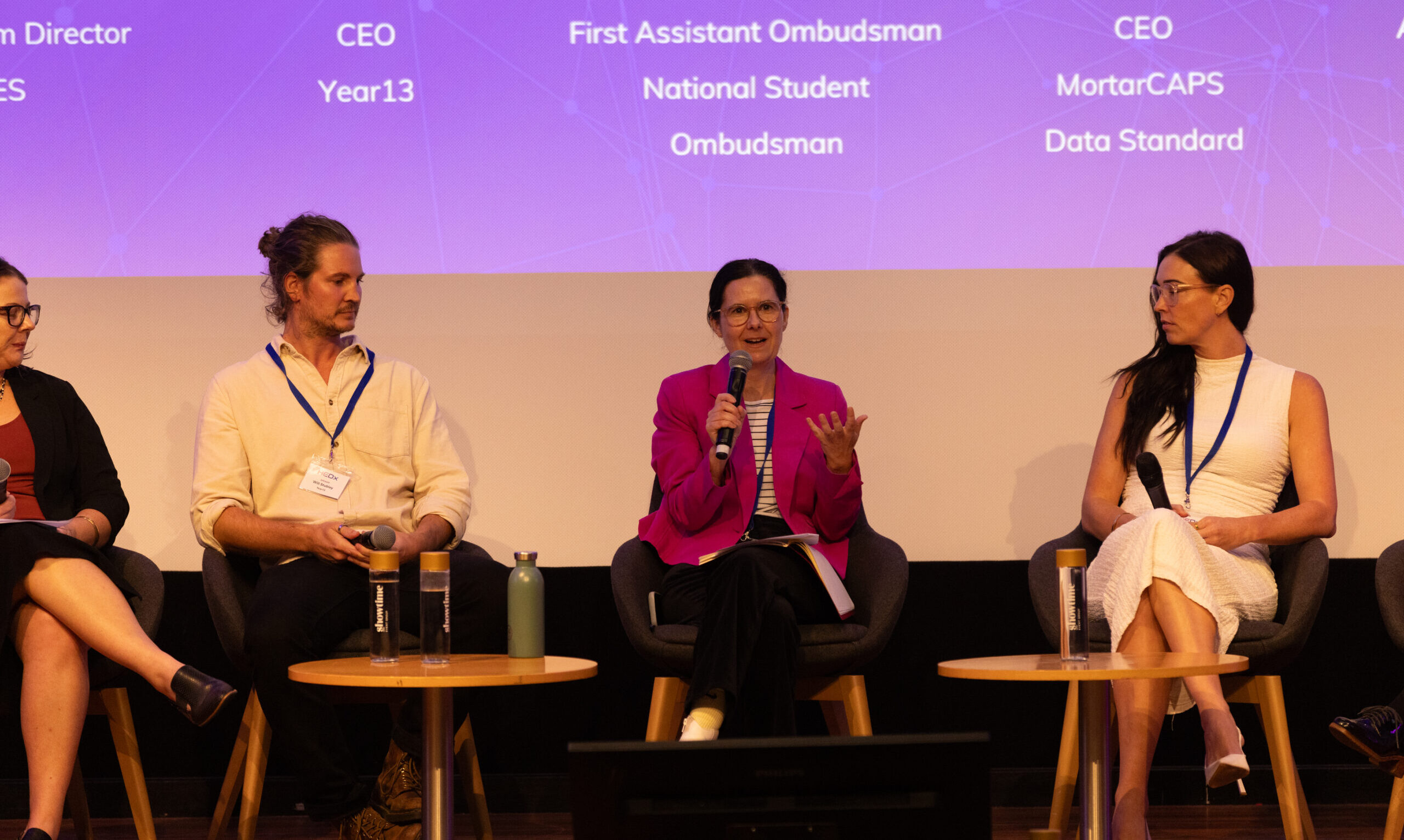
Sarah Bendall speaks at a HEDx event. Picture: HEDx
In this episode, vice-chancellor of La Trobe University Theo Farrell explains how artificial intelligence (AI) agents can serve the entire lifecycle of a university student.
Please login below to view content or subscribe now.
Signage at he University of Sydney campus in Sydney. Picture: Bianca De Marchi
The university arguably leading the sector in its use of artificial intelligence (AI) in assessment tasks has received criticism from some students who have complained they lost marks for not using AI in a test.
Please login below to view content or subscribe now.
Rümeysa Öztürk with her attorneyAfter six weeks in federal detention, Tufts University doctoral student Rümeysa Öztürk was released last Friday following a federal judge’s ruling that her continued detention potentially violated her constitutional rights and could have a chilling effect on free speech across college campuses.
U.S. District Judge William K. Sessions III ordered Öztürk’s immediate release, stating she had raised “substantial claims” of both due process and First Amendment violations. The 30-year-old Turkish national, who was arrested on March 25 outside her Somerville, Massachusetts home by masked federal agents, had been detained at the South Louisiana ICE Processing Center in Basile, Louisiana—more than 1,500 miles from her university.
“Continued detention potentially chills the speech of the millions and millions of individuals in this country who are not citizens. Any one of them may now avoid exercising their First Amendment rights for fear of being whisked away to a detention center,” Judge Sessions stated during Friday’s hearing.
Öztürk’s legal team argued that her detention was directly connected to her co-authoring a campus newspaper op-ed critical of Tufts University’s response to the war in Gaza. During the hearing, Judge Sessions noted that “for multiple weeks, except for the op-ed, the government failed to produce any evidence to support Öztürk’s continued detention.”
The Trump administration had accused Öztürk of participating in activities supporting Hamas but presented no evidence of these alleged activities in court. Öztürk, who has a valid F-1 student visa, has not been charged with any crime.
Öztürk’s case is part of what appears to be a growing pattern of detentions targeting international students involved in pro-Palestinian activism. Her arrest by plainclothes officers, captured on video showing her being surrounded as she screamed in fear, sparked national outrage and campus protests.
“It’s a feeling of relief, and knowing that the case is not over, but at least she can fight the case while with her community and continuing the academic work that she loves at Tufts,” said Esha Bhandari, an attorney representing Öztürk.
The same day as Öztürk’s release, the U.S. Second Circuit Court of Appeals in New York denied an administration appeal to re-arrest Columbia University student and lawful permanent resident Mohsen Mahdawi, another case involving a student detained after pro-Palestinian advocacy.
During her six weeks in detention, Öztürk, who suffers from asthma, experienced multiple attacks without adequate medical care, according to testimony. At Friday’s hearing, she briefly had to step away due to an asthma attack while a medical expert was testifying about her condition.
Judge Sessions cited these health concerns as part of his rationale for immediate release, noting Öztürk was “suffering as a result of her incarceration” and “may very well suffer additional damage to her health.”
In his ruling, Judge Sessions ordered Öztürk’s release without travel restrictions or ICE monitoring, finding she posed “no risk of flight and no danger to the community.” Despite this clear order, her attorneys reported that ICE initially attempted to delay her release by trying to force her to wear an ankle monitor.
“Despite the 11th hour attempt to delay her freedom by trying to force her to wear an ankle monitor, Rümeysa is now free and is excited to return home, free of monitoring or restriction,” said attorney Mahsa Khanbabai.