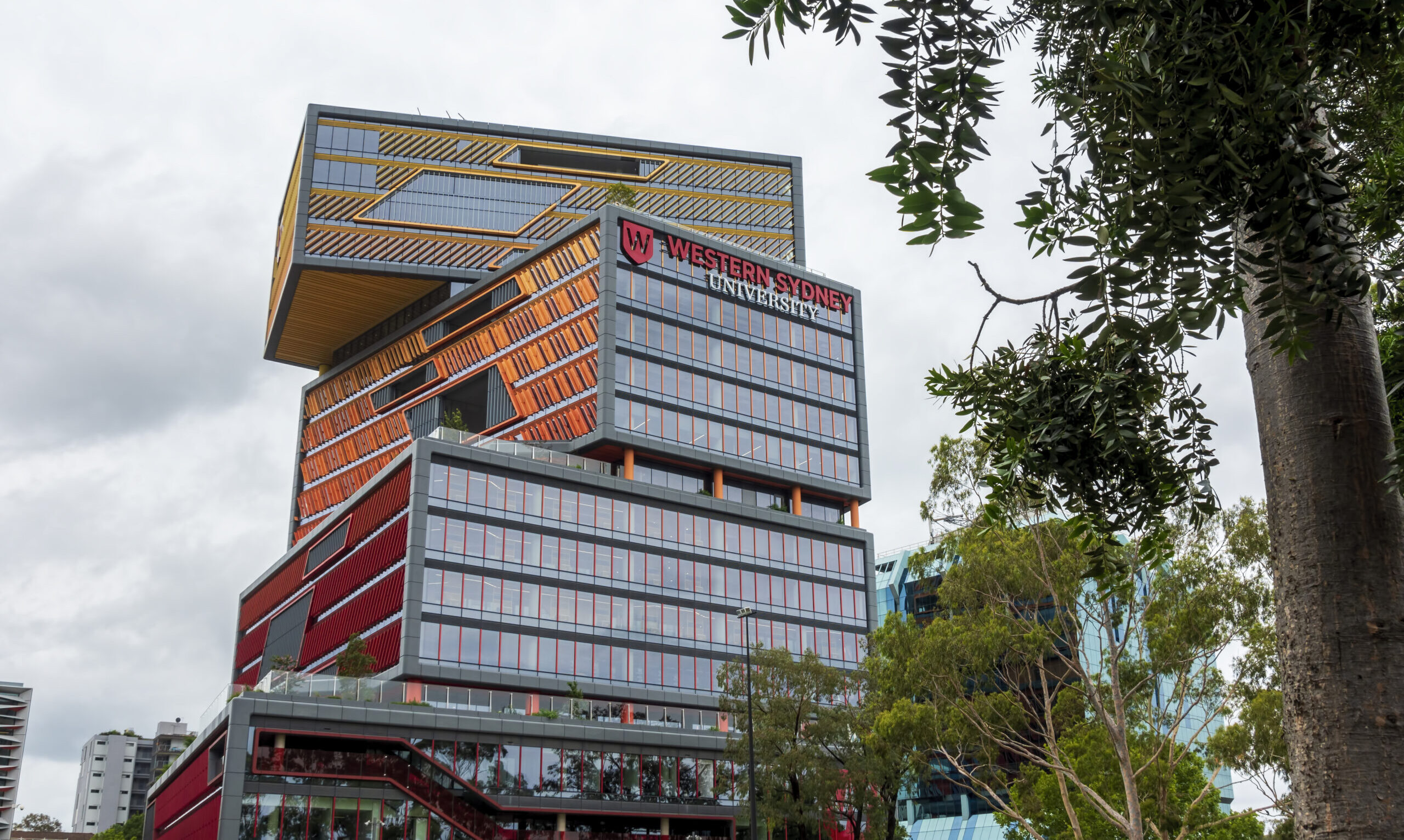
Western Sydney University (WSU) has been warned it may be in breach of its data safety obligations by the university watchdog after thousands of students and graduates received scam emails claiming their qualifications had been stripped.
Please login below to view content or subscribe now.
Students link trust in higher education to affordability and financial stress to their academic performance. A new round of results from Inside Higher Ed’s Student Voice survey series, out today, delves deeper into the connection between students’ finances and their success. One key finding: Most students report some level of surprise with the full cost of attending college, including but not limited to tuition and other directly billable expenses. At least a quarter of students have trouble budgeting as a result.
In another set of findings, 36 percent of students say that an unexpected expense of $1,000, or even less (see breakdown below), could threaten their ability to stay enrolled. Another 22 percent say the same of an expense between $1,001 and $2,500. This is the kind of need that many emergency aid programs are designed for, but 64 percent of respondents don’t even know if their institution offers such assistance.
About the Survey
Student Voice is an ongoing survey and reporting series that seeks to elevate the student perspective in institutional student success efforts and in broader conversations about college.
Look out for future reporting on the main annual survey of our 2025–26 cycle, Student Voice: Amplified. Future reports will cover health and wellness, college involvement, career readiness, and more. Check out what students have already said about trust, artificial intelligence and academics.
Some 5,065 students from 260 two- and four-year institutions, public and private nonprofit, responded to this main annual survey about student success, conducted in August. Explore the data captured by our survey partner Generation Lab here and here. The margin of error is plus or minus one percentage point.
Mordecai Ian Brownlee, president of Community College of Aurora in Colorado, is walking 71 miles over three days next month to raise awareness of his own college’s emergency fund—specifically, to get community members to match a $71,000 donation. The fund started at just $8,000 during the pandemic, Brownlee said, but the college’s students frequently face unanticipated medical, utility, transportation and other costs. Without a way to bridge those gaps, their persistence is at risk. Even the standard grant of $250 can make a big difference, he said, though many of the college’s students are more chronically food- and housing-insecure.
Because need is a spectrum and many needs overlap, the college offers multiple forms of assistance and tries to build awareness of each where possible: Staff at the college food bank advertise the emergency grant fund, academic advisers act as case managers and so on. There’s also a community component: The college partners with a local nonprofit to offer students in need free groceries, and it recently got a city bus stop reinstated outside its primary campus so students wouldn’t have to spend money on rideshares, especially in the winter months.
“Previously, higher education was really seen as this transactional interaction of sorts, where you’re just focusing on delivering the learning outcomes—the wholeness and care of a person wasn’t necessarily a part of these institutional issues,” Brownlee said. “Yet if that person is in that classroom and hungry, there will be no retention, there will be no persistence, there will be no completion.”
Helping students realize social and economic mobility means addressing financial crises, food and housing insecurity, mental health and mentorship needs, and more, he added: “These are people who have a dream but may not have a network.”
Bahar Akman Imboden, managing director of the Hildreth Institute, which is focused on state-level practices and policies that enhance affordability, access and student success, said the new Student Voice findings reinforce how “lack of clarity around the true cost of attendance can derail students.” They also resonate with policy discussions in Massachusetts, where Hildreth is based, she said, as the state recently cut stipends for low-income students after the semester had started, reducing eligibility by up to $400 in some cases.
“We’ve struggled to communicate that even what may seem like a small amount can completely upend a student’s education,” Imboden said, and the new data “will be incredibly helpful in making that case to decision-makers.”
Students on Cost of Attendance, Emergency Aid and More
Here are more details about this newest round of survey results from our main annual Student Voice survey of more than 5,000 two- and four-year students.
1. Just 27 percent of students have a clear understanding of the full cost of attendance.
Asked about their grasp of the full cost of attending college, including tuition and fees but also housing, course materials, transportation, food and more, just over a quarter of students say they have a solid understanding that allows them to budget appropriately. This increases to 29 percent among students who have never seriously considered stopping out of college and decreases to 21 percent among students who have seriously considered stopping out—aligning with prior research identifying college costs as a top reason students do not persist.
The plurality of all Student Voice respondents, 47 percent, understand most costs, but not all. The remainder have less to no understanding and face various degrees of surprise about associated costs, challenging their ability to budget or pay for things they need.
2. A majority of students report that surprise costs, in some cases as little as $100, could put their enrollment at risk.
A slight plurality of students, 24 percent, say that an unforeseen cost exceeding $2,500 would challenge their ability to stay enrolled, while 19 percent say no surprise cost could threaten their persistence. But the remainder indicate that various expenses below $2,500 could push them out of college: Roughly one in five each say this of a $500 to $1,000 expense and of a $1,001 to $2,500 one. Particular differences emerge between continuing- and first-generation students, with 29 percent of the former and 46 percent of the latter indicating that amounts of $1,000 or less could challenge their ability to stay enrolled. The pattern is similar for four-year versus two-year students and for private nonprofit versus public institution students, with community college and public institution students significantly more likely than their respective counterparts to report that an unforeseen expense of $1,000 or less could threaten their persistence.
According to Trellis Strategies’ most recent Student Financial Wellness Survey, 56 percent of students would have trouble obtaining even $500 in cash or credit to meet an unexpected expense, and 68 percent have run out of money at least once since the beginning of the year. Many emergency grant programs are capped at $500 or less, but all these numbers can help local aid efforts.
3. Awareness of available aid is lacking.
Nearly two in three Student Voice respondents don’t know if their institution offers emergency aid, and just 5 percent have accessed emergency aid at their college. Just about one in 10 students each say that they know the criteria for eligibility for such aid, or that they know how to apply for it. Black (9 percent) and Hispanic students (7 percent) are somewhat more likely to have accessed such aid than white (4 percent) and Asian American and Pacific Islander students (3 percent).
A 2016 survey by NASPA: Student Affairs Administrators in Higher Education found that three in four institutions offered emergency aid of some kind, including one-time grants, loans and completion scholarships of less than $1,500 for students facing unexpected financial crises, as well as food pantries and housing and transportation assistance. The pandemic put a spotlight on student financial insecurity and brought new, if temporary, funding opportunities. Taken together, these data points suggest a large gap between available assistance and students’ awareness of it.
4. Some students are more stressed about finances than they are about academics.
Balancing academics with personal, family or financial responsibilities, including work, remains a top source of stress for students, at 50 percent, compared to 48 percent in last year’s main Student Voice survey. Some 38 percent of students also cite paying for college as a top stressor in 2025, up from last year’s 34 percent. Fewer, but still a significant share—22 percent—flag paying for personal expenses. Private nonprofit students are actually less likely than their public institution peers to say paying for college is a top stressor, at 22 percent versus 42 percent, respectively. The four-year–versus–two-year split here is narrower, at 37 percent versus 43 percent.
Some 37 percent of all students say short-term academic pressure is a top issue, while 38 percent cite job and internship searches. These are both more traditional stressors associated with college, but the latter has a clear financial dimension.
Addressing Higher Ed’s Cost Transparency Problem
Anika Van Eaton, vice president of policy at uAspire, a nonprofit dedicated to advancing economic mobility for underrepresented students, said that even financial aid offers don’t always include the full cost of attendance, citing a 2022 federal Government Accountability Office report finding that 91 percent of colleges do not provide accurate information in these letters. According to the report, colleges should include a net price that includes all key costs, subtracting only grants and scholarships—though many don’t include information on books, off-campus housing and meals, and other living expenses. Some colleges also “make their net price seem cheaper by factoring in loans that students will eventually have to repay,” the office found, while about a quarter don’t even include information on tuition and fees. Forthcoming research from uAspire suggests that colleges are improving in this area, Van Eaton said, but, ultimately, “we need standardized financial aid offers using the same terminology that show a complete cost picture so students are guaranteed to receive this crucial information up front.”
Students also need to understand college costs “beyond just seeing the numbers,” she added. One implication: High schools have an important role to play in educating and supporting soon-to-be graduates as they “navigate deciding their postsecondary plans and making what is likely one of the largest financial decisions of their lives.”
Sarah Austin, a policy analyst at the National Association of Student Financial Aid Administrators, said students tend to focus more on direct costs, or what “they actually see on their bill,” versus all the indirect costs that go along with attending college. NASFAA, which has a voluntary College Cost Transparency Initiative, seeks to promote accuracy and clarity in financial aid offers by encouraging even small shifts, such as colleges using standard terminology, “or making it clear what is loan aid versus gift aid—things like that. Because students are, in fact, not clear on what their total cost is in many situations,” Austin added.
Realistic indirect costs estimates are also crucial—and these are “are tricky for many schools to construct,” she said. Forthcoming research from NASFAA examines how institutions are calculating indirect costs and cost of attendance in general, in part to identity best practices. “Some schools have super robust cost of attendance construction processes where they’re surveying students, looking at, maybe, local data that they have access to, and putting that together every year,” Austin said. “Other schools maybe just have a set amount—they don’t review it annually, or they just blanket increase it because they know costs are going up.”
A provision in the FAFSA Simplification Act passed in 2020 allowed the Education Department to begin regulating cost of attendance, but it hasn’t exercised that power, and experts are divided on whether that is the best approach.
Congress continues to take interest in cost transparency. The Senate Health, Education, Labor and Pensions Committee last month published a request for information on ways to improve transparency to lower costs. “Americans want the most value for their hard-earned money,” wrote Senator Bill Cassidy, the committee’s Republican chair. “They are used to shopping for products where prices are clearly labeled and information on quality is readily available. But when they shop for a college—one of the biggest financial decisions of their lives—it’s much harder to compare price and value across the available options.”
Alyssa Manthi
Student Voice respondent Alyssa Manthi, a first-generation, fourth-year undergraduate studying history and religious studies at the University of Chicago, said she used to think attending a private nonprofit institution like hers was financially out of reach. That’s until a high school counselor—and her mother—pushed her to apply to a scholarship program through which she received a full ride to Chicago, including a cost-of-living stipend that Manthi said generally reflects the indirect costs of attendance.
Finances did become less predictable when Manthi was studying in Paris during her sophomore year, however. She’d had to front the payment for her plane ticket and spent much of her savings to replace a damaged computer during finals week before she left. Once abroad without a meal plan for the first time, and without a campus job, she ran out of cash with a few weeks left in the term.
Luckily, she was able to access emergency aid through the university, she recalled.
“They have it through the bursar’s office, where you can fill out an emergency aid application,” she said. “I was like, ‘Hey, I just need to be able to get food for the next two weeks before I go home,’ and I provided the proof that my laptop broke, since a lot of that was the money I was going to spend.”
Manthi said she does sometimes worry about what might happen if she needs significant additional emergency aid before she graduates, since it’s such a limited resource. Complications around costs and housing also effectively stymied her tentative plan to study abroad for another term. Still, she said she credits the university’s Odyssey Scholars cohort model and Center for College Student Success with connecting her to resources and peers who have made navigating college’s hidden financial curriculum easier. This includes information about various emergency aid resources and job listings.
“Just making sure that students have access to that information from the get-go was very helpful to me,” she said. Of her funding package generally, which includes a federal Pell Grant dollars and other institutional aid, Manthi added, “Knowing that I have that backing has relieved a lot of stress that I think I would have felt the past three years.”
Knowing that I have that backing has relieved a lot of stress that I think I would have felt the past three years.”
—Student Voice respondent Alyssa Manthi
In terms of college cost transparency, Manthi said her biggest outstanding concern is that many prospective students may not understand that private nonprofit institutions, even highly selective ones, could be financially within reach. She said she’d be paying significantly more to attend the Illinois public institution to which she was also accepted, for example.
High sticker prices that are often deeply discounted are another part of the cost transparency conversation, with some experts warning that this practice is sowing further distrust in higher education. Institutions are expensive to run, and college pricing is complex, but leaders may not recognize the extent of the public dissatisfaction of this practice, at least concerning their campus: According to Inside Higher Ed’s 2025 Survey of College and University Chief Business Officers with Hanover Research, 88 percent agreed that their own institution is transparent about the full, net cost of attendance, but just 42 percent said the same of colleges and universities as a whole.
Most CBOs also agreed their institution is sufficiently affordable. Yet more than half were at least moderately concerned about the sustainability of their institution’s tuition discount rate, with private nonprofit college and university CBOs especially concerned. About the same share were concerned about sticker price increases. And some 65 percent of all CBOs said their institution had increased institutional financial aid/grants in the last year to address affordability concerns.
One notable exception to the high-price, high-discount trend is Whitworth College, which is in the middle of a tuition reset.
“What I do wish students knew is, don’t write off the private institutions just because of the high sticker cost, because that’s what I did to start,” Manthi said. “It was just so ingrained that those places weren’t for us, or it didn’t feel like it was accessible.”
This independent editorial project is produced with the Generation Lab and supported by the Gates Foundation.
For students at Gettysburg College in Pennsylvania, alumni mentors are becoming embedded in their experience. A recently launched mentorship program pairs each rising junior with a graduate from the college to provide advice and encouragement as they finish their last two years of college.
The initiative, part of Gettysburg’s reimagining of career development, helps students build a professional network before they leave college and hopefully eases the transition into life after graduation, said Billy Ferrell, director of external relations in Gettysburg’s Center for Career Engagement.
What’s the need: Professional mentors can be an asset for early-career professionals, offering insights into navigating the workforce and their specific industry, as well as personal support and encouragement. But a majority of Americans say they don’t have a mentor, according to a 2023 survey by the University of Phoenix, and one-third of respondents said a lack of mentorship has held them back in their careers.
Within higher education, many students are asking their institutions for assistance in identifying role models.
A spring 2024 Student Voice survey by Inside Higher Ed found that 29 percent of students believe their college or university should focus more on connecting students to alumni and other potential mentors. And a 2023 student survey found that 45 percent of students think their career center should help them find a professional mentor.
However, only a fraction of students have participated in a formal mentoring program, either through their college or outside the institution, according to a 2021 survey by Inside Higher Ed.
How it works: Gettysburg’s Alumni Mentoring Program launched this fall with the Class of 2027, who coincidentally were the first class to participate in the college’s guided co-curricular pathways, Ferrell said.
Students could opt to add an alumni mentor to their advising team, which already includes a faculty adviser, career adviser and co-curricular adviser, who coaches students on their pathway. Alumni advising is focused on the student’s career but could include job exploration, the postcollege transition, networking and industry-specific trends, Ferrell said.
The goal is for students to learn “real world” skills to navigate life after college, according to the college’s website.
Students will meet with their mentor at least once a month starting in October and conclude in March, Ferrell said.
Gettysburg recruited mentors through email campaigns, social media posts and the alumni magazine, Ferrell said. Interested alumni signed up through connectGettysburg, the college’s career networking platform, and completed a short intake survey. Students completed a similar questionnaire and a computer algorithm made the mentor match, Ferrell said.
Mentors participated in an online training module to prepare them to take on an advising role. Additionally, the college established a handbook for mentor pairs to outline expectations for the relationship and offer topical sessions for students to choose from to guide conversations with mentors.
These resources can address a common barrier to mentorship for students: a lack of awareness of what the relationship entails. A 2021 survey by Inside Higher Ed found that among students who lacked a mentor, 45 percent didn’t know what they would ask a mentor and 27 percent didn’t know what they would do with one.
What’s next: Eighty-one juniors and alumni are participating in the initial program, and Gettysburg will survey students and alumni throughout the term to gauge the effectiveness of the initiative and ensure students are getting the kind of support they’re looking for, Ferrell said.
Next year, Gettysburg will expand the program to junior and senior-level students.
For the first time in more than a decade, confidence in the nation’s colleges and universities is rising. Forty-two percent of Americans now say they have “a great deal” or “quite a lot” of confidence in higher education, up from 36 percent last year.
It’s a welcome shift, but it’s certainly not time for institutions to take a victory lap.
For years, persistent concerns about rising tuition, student debt and an uncertain job market have led many to question whether college was still worth the cost. Headlines have routinely spotlighted graduates who are underemployed, overwhelmed or unsure how to translate their degrees into careers.
With the rapid rise of AI reshaping entry-level hiring, those doubts are only going to intensify. Politicians, pundits and anxious parents are already asking: Why aren’t students better prepared for the real world?
But the conversation is broken, and the framing is far too simplistic. The real question isn’t whether college prepares students for careers. It’s how. And the “how” is more complex, personal and misunderstood than most people realize.
Related: Interested in innovations in higher education? Subscribe to our free biweekly higher education newsletter.
What’s missing from this conversation is a clearer understanding of where career preparation actually happens. It’s not confined to the classroom or the career center. It unfolds in the everyday often overlooked experiences that shape how students learn, lead and build confidence.
While earning a degree is important, it’s not enough. Students need a better map for navigating college. They need to know from day one that half the value of their experience will come from what they do outside the classroom.
To rebuild America’s trust, colleges must point beyond course catalogs and job placement rates. They need to understand how students actually spend their time in college. And they need to understand what those experiences teach them.
Ask someone thriving in their career which part of college most shaped their success, and their answer might surprise you. (I had this experience recently at a dinner with a dozen impressive philanthropic, tech and advocacy leaders.) You might expect them to name a major, a key class or an internship. But they’re more likely to mention running the student newspaper, leading a sorority, conducting undergraduate research, serving in student government or joining the debate team.
Such activities aren’t extracurriculars. They are career-curriculars. They’re the proving grounds where students build real-world skills, grow professional networks and gain confidence to navigate complexity. But most people don’t discuss these experiences until they’re asked about them.
Over time, institutions have created a false divide. The classroom is seen as the domain of learning, and career services is seen as the domain of workforce preparation. But this overlooks an important part of the undergraduate experience: everything in between.
The vast middle of campus life — clubs, competitions, mentorship, leadership roles, part-time jobs and collaborative projects — is where learning becomes doing. It’s where students take risks, test ideas and develop the communication, teamwork and problem-solving skills that employers need.
This oversight has made career services a stand-in for something much bigger. Career services should serve as an essential safety net for students who didn’t or couldn’t fully engage in campus life, but not as the launchpad we often imagine it to be.
We also need to confront a harder truth: Many students enter college assuming success after college is a given. Students are often told that going to college leads to success. They are rarely told, however, what that journey actually requires. They believe knowledge will be poured into them and that jobs will magically appear once the diploma is in hand. And for good reason, we’ve told them as much.
But college isn’t a vending machine. You can’t insert tuition and expect a job to roll out. Instead, it’s a platform, a laboratory and a proving ground. It requires students to extract value through effort, initiative and exploration, especially outside the classroom.
The credential matters, but it’s not the whole story. A degree can open doors, but it won’t define a career. It’s the skills students build, the relationships they form and the challenges they take on along the way to graduation that shape their future.
As more college leaders rightfully focus on the college-to-career transition, colleges must broadcast that while career services plays a helpful role, students themselves are the primary drivers of their future. But to be clear, colleges bear a grave responsibility here. It’s on us to reinforce the idea that learning occurs everywhere on campus, that the most powerful career preparation comes from doing, not just studying. It’s also on us to address college affordability, so that students have the time to participate in campus life, and to ensure that on-campus jobs are meaningful learning experiences.
Higher education can’t afford public confidence to dip again. The value of college isn’t missing. We’re just not looking in the right place.
Bridget Burns is the founding CEO of the University Innovation Alliance (UIA), a nationally recognized consortium of 19 public research universities driving student success innovation for nearly 600,000 students.
The Hechinger Report provides in-depth, fact-based, unbiased reporting on education that is free to all readers. But that doesn’t mean it’s free to produce. Our work keeps educators and the public informed about pressing issues at schools and on campuses throughout the country. We tell the whole story, even when the details are inconvenient. Help us keep doing that.
As reading scores remain a top concern for schools nationwide, many districts are experimenting with ability-based grouping in the early grades. The idea is to group students in multiple grade levels by their current reading level — not their grade level. A classroom could have seven kindergartners, 10 first graders, and three second graders grouped together for reading because they all read at the same level.
While this may work for some schools, in our district, Rockwood School District in Missouri, we’ve chosen a different path. We keep students together in their class during whole-class instruction — regardless of ability level — and provide support or enrichment by creating flexible groups based on instructional needs within their grade level.
We’re building skilled, confident readers not by separating them, but by growing them together.
Children, like adults, learn and grow in diverse groups. In a Rockwood classroom, every student contributes to the shared learning environment — and every student benefits from being part of it.
Our approach starts with whole-class instruction. All students, including English multilingual learners and those working toward grade-level benchmarks, participate in daily, grade-level phonics and comprehension lessons. We believe these shared experiences are foundational — not just for building literacy, but for fostering community and academic confidence.
After our explicit, whole-group lessons, students move into flexible, needs-based small groups informed by real-time data and observations. Some students receive reteaching, while others take on enrichment activities. During these blocks, differentiation is fluid: A student may need decoding help one day and vocabulary enrichment the next. No one is locked into a static tier. Every day is a new opportunity.
Students also engage in daily independent and partner reading. In addition, reading specialists provide targeted, research-based interventions for striving readers who need additional instruction.
We build movement into our instruction, as well — not as a brain break, but as a learning tool. We use gestures for phonemes, tapping for spelling and jumping to count syllables. These are “brain boosts,” helping young learners stay focused and engaged.
We challenge all students, regardless of skill level. During phonics and word work, advanced readers work with more complex texts and tasks. Emerging readers receive the time and scaffolded support they need — such as visual cues and pre-teaching or exposing students to a concept or skill before it’s formally taught during a whole-class lesson. That can help them fully participate in every class. A student might not yet be able to decode or encode every word, but they are exposed to the grade-level standards and are challenged to meet the high expectations we have for all students.
During shared and interactive reading lessons, all students are able to practice fluency and build their comprehension skills and vocabulary knowledge. Through these shared experiences, every child experiences success.
There’s a common misconception that mixed-ability classrooms hold back high achievers or overwhelm striving readers. But in practice, engagement depends more on how we teach rather than who is in the room. With well-paced, multimodal lessons grounded in grade-level content, every learner finds an entry point.
You’ll see joy, movement, and mutual respect in our classrooms — because when we treat students as capable, they rise. And when we give them the right tools, not labels, they use them.
While ability grouping may seem like a practical solution, research suggests it can have a lasting downside. A Northwestern University study of nearly 12,000 students found that those placed in the lowest kindergarten reading groups rarely caught up to their peers. For example, when you group a third grader with first graders, when does the older child get caught up? Even if he learns and progresses with his ability group, he’s still two grade levels behind his third-grade peers.
This study echoes what researchers refer to as the Matthew Effect in reading: The rich get richer, and the poor get poorer. Lower-track students are exposed to less complex vocabulary and fewer comprehension strategies. Once placed on that path, it’s hard to catch up. Once a student is assigned a label, it’s difficult to change it — for both the student and educators.
In Rockwood, we’re confident in what we’re doing. We have effective, evidence-based curricula for Tier I phonics and comprehension, and every student receives the same whole-class instruction as every other student in their grade. Then, students receive intervention or enrichment as needed.
At the end of the 2024–25 school year, our data affirmed what we see every day. Our kindergarteners outperformed national proficiency averages in every skill group — in some cases by more than 17 percentage points, according to our Reading Horizons data. Our first and second graders outpaced national averages across nearly every domain. We don’t claim to have solved the literacy crisis — or know that our model will work for every district, school, classroom or student — but we’re building readers before gaps emerge.
We’ve learned that when every student receives strong Tier I instruction, no one gets left behind. The key isn’t separating kids by ability. It’s designing instruction that’s universally strong and strategically supported.
We recognize that every community faces distinct challenges. If you’re a district leader weighing the trade-offs of ability grouping, consider this: When you pull students out of the room during critical learning moments, the rich vocabulary, the shared texts and the academic conversation, you are not closing the learning gap, but creating a bigger one. Those critical moments build more than skills; they build readers.
In Rockwood, our data confirms what we see every day: students growing not only in skills, but also in confidence, stamina and joy. We’re proving that inclusive, grade-level-first instruction can work — and work well — for all learners.
Every year, Hispanic Heritage Month offers the United States a chance to honor the profound and varied contributions of Latino communities. We celebrate scientists like Ellen Ochoa, the first Latina woman in space, and activists like Dolores Huerta, who fought tirelessly for workers’ rights. We use this month to recognize the cultural richness that Spanish-speaking families bring to our communities, including everything from vibrant festivals to innovative businesses that strengthen our local economies.
But there’s a paradox at play.
While we spotlight Hispanic heritage in public spaces, many classrooms across the country require Spanish-speaking students to set aside the very heart of their cultural identity: their language.
This contradiction is especially personal for me. I moved from Puerto Rico to the mainland United States as an adult in hopes of building a better future for myself and my family. The transition was far from easy. My accent often became a challenge in ways I never expected, because people judged my intelligence or questioned my education based solely on how I spoke. I could communicate effectively, yet my words were filtered through stereotypes.
Over time, I found deep fulfillment working in a state that recognizes the value of bilingual education. Texas, where I now live, continues to expand biliteracy pathways for students. This commitment honors both home languages and English, opening global opportunities for children while preserving ties to their history, family, and identity.
That commitment to expanding pathways for English Learners (EL) is urgently needed. Texas is home to more than 1.3 million ELs, which is nearly a quarter of all students in the state, the highest share in the nation. Nationwide, there are more than 5 million ELs comprising nearly 11 percent of the U.S. public school students; about 76 percent of ELs are Spanish speakers. Those figures represent millions of children who walk into classrooms every day carrying the gift of another language. If we are serious about celebrating Hispanic Heritage Month, we must be serious about honoring and cultivating that gift.
A true celebration of Hispanic heritage requires more than flags and food. It requires acknowledging that students’ home languages are essential to their academic success, not obstacles to overcome. Research consistently shows that bilingualism is a cognitive asset. Those who are exposed to two languages at an early age outperform their monolingual peers on tests of cognitive function in adolescence and adulthood. Students who maintain and develop their native language while learning English perform better academically, not worse. Yet too often, our educational systems operate as if English is the only language that matters.
One powerful way to shift this mindset is rethinking the materials students encounter every day. High-quality instructional materials should act as both mirrors and windows–mirrors in which students see themselves reflected, and windows through which they explore new perspectives and possibilities. Meeting state academic standards is only part of the equation: Materials must also align with language development standards and reflect the cultural and linguistic diversity of our communities.
So, what should instructional materials look like if we truly want to honor language as culture?
Instructional materials should meet students at varying levels of language proficiency while never lowering expectations for academic rigor.
Effective materials include strategies for vocabulary development, visuals that scaffold comprehension, bilingual glossaries, and structured opportunities for academic discourse.
Literature and history selections should incorporate and reflect Latino voices and perspectives, not as “add-ons” during heritage month, but as integral elements of the curriculum throughout the year.
But materials alone are not enough. The process by which schools and districts choose them matters just as much. Curriculum teams and administrators must center EL experiences in every adoption decision. That means intentionally including the voices of bilingual educators, EL specialists, and, especially, parents and families. Their life experiences offer insights into the most effective ways to support students.
Everyone has a role to play. Teachers should feel empowered to advocate for materials that support bilingual learners; policymakers must ensure funding and policies that prioritize high-quality, linguistically supportive instructional resources; and communities should demand that investments in education align with the linguistic realities of our students.
Because here is the truth: When we honor students’ languages, we are not only affirming their culture; we are investing in their future. A child who is able to read, write, and think in two languages has an advantage that will serve them for life. They will be better prepared to navigate an interconnected world, and they carry with them the ability to bridge communities.
This year, let’s move beyond celebrating what Latino communities have already contributed to America and start investing in what they can become when we truly support and honor them year-round. That begins with valuing language as culture–and making sure our classrooms do the same.
Altagracia “Grace” Delgado, Texas Association for Bilingual Education & Assessment for Good
Altagracia “Grace” Delgado has devoted 30 years to education, serving as a bilingual teacher, literacy coach, and both a school and central office administrator. A passionate advocate for students in special populations, she collaborates with various organizations to ensure they receive the support and resources they need. Grace serves as a Board Member of the Texas Association for Bilingual Education and an Advisory Board Member for Assessment for Good, a project of the Advanced Education Research & Development Fund, as well as the Houston Christian University’s Women in Leadership Program.
Latest posts by eSchool Media Contributors (see all)
The new $100,000 fee for H-1B visas could prove to be the final straw for Indian students’ plans to study in the U.S., with other destinations set to benefit as a result.
The move by the Trump administration—the latest in a long list of restrictions affecting international students—is set to impact Indians the most, given they account for more than 70 percent of H-1B recipients.
Many students enroll in courses with a view to progressing on to the visa, working in industries such as Silicon Valley.
“The sentiment among prospective … students is pretty dismal after this announcement,” said Sonya Singh, founder of SIEC, an education consultancy.
“The queries and applications for U.S. universities have seen a significant drop, and students are considering alternatives. Destinations such as the U.K., Germany and Australia are being explored, and Canada is proposing a dedicated work permit for current and potential U.S. H-1B holders. All these initiatives and policy changes are sure to bring about a massive shift in demand for the U.S. as a destination.”
Sagar Bahadur, executive director for Asia at international education consultancy Acumen, said the debate has created “a lot of talk, anxiety and perception-building” among prospective students.
He noted that students are increasingly deferring study plans, exploring alternative destinations or considering “transnational pathways” that allow them to start degrees elsewhere before moving to the U.S. if conditions improve.
With uncertain job prospects and shifting policies, she argued, parents may no longer be willing to pay high tuition fees.
“Countries like Germany, Canada, Australia, U.K., Singapore and Malaysia may gain traction due to stable policies, work opportunities and affordability,” Mittal said, highlighting Germany’s free or low-cost tuition and work allowances as a growing draw for Indian students.
She also warned of wider repercussions for international collaboration. “This decision may impact partnerships with U.S. institutions as Indian universities explore alternatives and strengthen ties with European, Canadian or Australian institutions. STEM and health-care sectors may be particularly affected due to high H-1B dependency.”
Early signs of a shift are already emerging. Narender Thakur of the University of Delhi noted declining interest in short U.S. master’s courses in computing and engineering, fields closely tied to H-1B pathways.
He suggested that students may increasingly consider other global destinations or branch campuses in India, while research partnerships with U.S. institutions could slow. Opportunities in entrepreneurship and remote work may also appeal to students deterred from U.S. employment.
Andrew Morran, head of politics and international relations at London Metropolitan University, said the policy would “particularly hit Indian students, who last year made up 71 percent of international student applications, according to U.S. government statistics.”
He described the move as part of a broader trend restricting access to U.S. universities and warned it could make study in the U.S. “even more the preserve of the elite and the wealthy” while undermining classroom diversity.
“It will also impact the student experience, as diversity is undermined and the shared experience of a global classroom is weakened further,” Morran said. Universities might seek students elsewhere, he added, but the hostile political climate and attacks on immigration could blunt recruitment.
“Talent gaps cannot be filled overnight. Meanwhile, the rest of the world will take every opportunity it has to steal these students,” he said.
As we learn more about how to improve classrooms in higher education, the concept of the “shy student” is a recurring one that serves as a convenient shorthand for describing students who don’t speak up. As a result, some faculty members may be frustrated with students who are less vocal in group activities and conclude that it’s part of a student’s personality.
But what if the problem is not with the student but the classroom itself? Insights in educational sciences suggest that engagement in the classroom isn’t just about a student’s innate disposition. In fact, it’s more likely to be a result of poor instructional practices or a failure to understand differences in context or culture. We can create more equitable spaces that value a broader range of student voices by rethinking how we define engagement and redesigning our learning environments.
The Research on Participation and Personality
Popular writing on the topic of education styles sometimes reinforces the idea of a “shy student”. It’s common when referring to students who are more forthcoming with answers or discussion that we use the words “extroverted” or “introverted”. However, although these traits can sometimes be visible in the actions of students, research suggests that this isn’t in fact an obstacle for all students to participate in meaningful and mutually beneficial interactions. Traditional classroom settings have often rewarded more rapid and spontaneous verbal responses, but this can unintentionally privilege extroverted communication styles.
Susan Cain’s well-known work on introversion explains how, although some students seem reserved, their presence in the classroom can complement more outgoing students. This is particularly true when conversations between the two veer between the lighthearted and the serious. “Extroverts need to know that introverts…may be only too happy to be tugged along to a more lighthearted place,” Cain writes about the variety in classroom conversations, adding that quieter students “should know that they make it safe for others to get serious.”
Analyses in educational psychology suggest that classroom participation is less about innate personality and more about whether students feel psychologically safe and intellectually respected to speak out.
Research by scholars such as Mary-Ann Winkelmes on transparency in learning and teaching (known as the TILT framework) boosts students’ motivation by showing them the purpose behind their work. Students that understand the reason and method of a given task and connect it to their learning are more inclined to invest in it fully and participate more actively.
Similarly, the concept of “academic behavioral confidence” (or ABC), explored by researchers like Paul Sander suggests that confidence in higher education is malleable and responsive to classroom environments. Rather than assuming students are shy, we must ask whether we’ve fostered a learning environment in which students feel secure in sharing their thoughts.
The Role of the Classroom Environment
The design of a classroom plays a crucial role in shaping student participation. Lecture halls at traditional universities, with imposing tiered seating, can sometimes reinforce passivity. We all remember the time when lecturers would insist on the Socratic method and ask us questions point-blank as a means to illustrate knowledge! On the other hand, an active learning environment encourages dynamic learning spaces, smaller group discussions, and alternative forms of communication (through text or anonymous participation, for example).
The use of calling on students in the lecture room can inadvertently silence students who need more time to process. Inclusive teaching practices, such as think-pair-share, anonymous polling, or discussion boards, provide multiple modalities for students to contribute.
To this end, Cognitive Psychologist Stanislas Dehaene’s four pillars of learning—attention, active engagement, error feedback, and consolidation—can help articulate the design of a better higher education classroom. By fostering environments that capture students’ attention, be it through interactive or varied teaching methods, educators can cater to diverse learning styles.
Getting students to actively engage can be encouraged through collaborative activities or real-time responses. This ensures that all students participate and learn at their own pace. Providing immediate and constructive feedback on errors will additionally bolster students in their understanding of a topic.
Lastly, creating opportunities for consolidation, such as through spaced repetition or reflection sessions, allows all learners to reinforce and retain knowledge. This makes learning accessible and effective for everyone. Educators can scaffold this participation by providing low-risk entry points into discussion, validating diverse contributions, and offering constructive feedback that encourages further exploration.
Strategies for More Engaging Classrooms
Fostering participation among students who choose not to speak up requires careful planning and collaboration within higher education departments. As Head of Learning Innovation at Wooclap, here are several strategies that I’ve seen in action to help promote more engagement in the classroom:
Redefine Participation: Expand the definition of participation to include active listening, written reflections, online discussion posts, as well as creative endeavors. Make these forms of engagement visible and valued when grading a student.
Use Diverse Modalities: Offer students different ways to contribute. This can be done verbally, in writing, through technology, or in small groups. Digital Tools that allow for non-verbal or anonymous engagement can be leveraged to make quieter voices more audible.
Set Clear Expectations: Use transparent teaching methods to clarify what participation looks like and why it matters. Share examples and model respectful discourse to encourage more engaging discussions.
Create Psychological Safety: Cultivate an environment where students feel comfortable taking risks. This can include normalizing uncertainty, encouraging questions, and quickly intervening against microaggressions or dominance in discussions.
Solicit Feedback and Adapt: Regularly check in on students to see how classroom structures are working for them. Use anonymous surveys to gauge comfort levels and adjust practices accordingly.
Designing for All Voices
Higher education instructors shouldn’t be quick to judge students who are less vocal during class. In many cases, choosing not to speak up might be a rational response to a classroom design that is overbearing or limiting in its structure for more thoughtful and reflective judgment.
Designing great learning environments that adhere to the four pillars of education, as articulated by Stanislas Dehaene, can help educators support all students and not just those who are the quickest to speak. By doing so, we can shift the narrative away from having “shy students” to fixing the systems that fail to engage them. We can improve on these systems by reimagining participation, embracing diverse communication styles, and prioritizing inclusion in our pedagogy.
Arlène Botokro has a decade of experience at the crossroads of pedagogy and digital transformation, working internationally. She has played a pivotal role in shaping Wooclap’s impact in higher education since joining the company in 2020. As Senior Manager of Education Partnerships and Innovation Projects Lead, she built strategic collaborations with leading universities, ensuring Wooclap’s solutions align with research-driven best practices. Her international experience spans the U.S., France, and Ghana with projects across multiple countries, including previous roles at Sciences Po and consulting in innovation for the publishing sector. This diverse background has given her a deep understanding of how digital learning practices can be adapted across different educational and corporate environments. Arlène continues to expand her knowledge in neuroeducation through coursework at Harvard University, reinforcing her commitment to integrating cutting-edge research into EdTech solutions.
References
Susan Cain, Quiet: The Power of Introverts in a World That Can’t Stop Talking, (Penguin Books, 2012).
Katelyn M. Cooper, Jeffrey N. Schinske and Kimberly D. Tanner, “Reconsidering the Share of a Think–Pair–Share: Emerging Limitations, Alternatives, and Opportunities for Research,” CBE—Life Sciences Education 20, no. 1 (2021): https://doi.org/10.1187/cbe.20-08-0200
First-generation students are twice as likely to leave college without completing a bachelor’s degree than their peers, even if they come from higher-income backgrounds and come to college academically prepared, according to a new report from the Common App. The findings suggest these factors do make a difference for student success outcomes but don’t erase other barriers first-generation students might face.
The report, released Thursday and the fourth in a series on first-generation students, used data from the National Student Clearinghouse Research Center to track enrollment, persistence and completion rates for 785,300 Common App applicants in the 2016–17 application cycle. (Students whose parents didn’t complete bachelor’s degrees made up 32 percent of the sample.) The report also took into account how a range of factors could affect student outcomes, including students’ incomes, their levels of academic preparation and how well-resourced their colleges are.
Previous studies have shown that “first-generation students are certainly not a monolith,” said Sarah Nolan, lead author of the report and a research scientist at Common App. “We were hoping to give readers a sense for … which first-generation students might in particular need more support.”
The good news is the report found first-generation applicants enroll in college at rates on par with their peers. Over 90 percent of Common App applicants, first-generation and otherwise, enrolled in college within six years of applying.
But first-generation students were slightly more likely to not enroll immediately (17 percent) or to enroll at a two-year college (12 percent) compared to other applicants (14 percent and 4 percent, respectively). That gap mostly closed when comparing students with strong academic records, defined as having SAT or ACT scores or GPAs in the top quartile. According to the report, that finding may be because a higher share of first-generation students may need extra coursework before enrolling in a four-year institution.
Students might also work to save up for college first or opt for community colleges’ more affordable tuition rates, the report suggested. Lower-income first-generation students, who qualified for application fee waivers, were also less likely to immediately enroll at four-year institutions and more likely to first enroll at a community college compared to similar students not from first-generation backgrounds.
Over all, “we are really heartened to see that there’s really not very strong differences in college enrollment,” Nolan said.
Completion rates, however, are another story. While about 70 percent of first-generation students do complete a bachelor’s degree within six years of enrolling, the report found stark disparities between them and their peers.
About half of first-generation students completed a bachelor’s degree within four years, compared to 68 percent of continuing-generation students, a gap of 18 percentage points. And that disparity persisted when looking at six-year graduation rates. About 69 percent of first-generation students graduated within six years, compared to 86 percent of continuing-generation students, a 17-percentage-point difference.
These gaps shrank but didn’t disappear for first-generation students with strong academic records and higher incomes. Academically prepared first-generation students were twice as likely to disenroll with no degree than their continuing-generation counterparts, 14 percent and 6 percent, respectively. In a similar vein, 24 percent of higher-income first-generation students left college without a degree within six years compared to 12 percent of their continuing-generation counterparts. Even for first-generation students who were both academically prepared and relatively well-off, these gaps remained.
Differences in the institutions first-generation and continuing-generation students attend—and the levels of supports they offer—didn’t account for completion-rate gaps, either.
Even when attending the exact same institutions, first-generation students were 10 percentage points less likely to earn a bachelor’s degree within six years than continuing-generation students.
However, higher per-student expenditures did seem to contribute to better student success outcomes. At institutions that spent at least $20,000 per student, 84 percent of first-generation graduated within six years, compared to 94 percent of continuing-generation students. The gap between first-generation and continuing-generation students’ completion rates widened to 15 percentage points at colleges that spent more moderately, $10,000 to $15,000 per student, and 17 percentage points at colleges with low per-student expenditures, less than $7,500.
These findings suggest that, while first-generation students disproportionately face financial constraints and barriers to college prep, it doesn’t explain away their graduation rate gaps. And students attending less resourced institutions isn’t a full explanation, either. Other obstacles must be at play.
What those barriers are may be “best answered by speaking with first-generation students themselves and unpacking what’s happening at the individual level,” Nolan said. But first-generation students likely struggle with limited access to information about higher ed and its “hidden curriculum” of expectations, regardless of income, high school performance or which college they attend.
“Having the right resources at the right time on the pathway—that’s really critical for student success,” Nolan added.
The stakes of success are high—the report found many first-generation students spent considerable time and money on college with no degree to show for it. Almost a third of first-generation students who didn’t earn a degree were enrolled for at least four years.
But a hopeful finding is that “additional investment can be quite positive for helping these students really actualize their potential,” Nolan said.
In recent weeks, the plight of Gazan students and scholars accepted to UK universities has gained attention in British and international media. These individuals are recipients of highly competitive scholarships such as Chevening, as well as other academic awards. They have earned their place at some of the most prestigious institutions in the United Kingdom. Their achievements are remarkable by any standard, but especially so given that they were reached under the harshest conditions imaginable: the collapse of Gaza’s educational infrastructure under bombardment, the absence of functioning universities, and the daily struggle for survival amidst man-made famine and starvation, displacement, and violent death.
Yet despite this extraordinary resilience, these students faced the risk of losing their places before they could even set foot in the UK. The obstacle was not academic performance or funding but rather a bureaucratic and logistical impasse deriving from the Home Office requirement to provide biometric data. Following the brutal assault by Hamas and other armed organisations on Israeli civilians and military bases on October 7th, 2023 and the horrific devastation Israel has unleashed on the Palestinians in Gaza since, the Visa Application Centre (VAC) in Gaza has been closed, thus preventing biometric processing.
Support for Gazan Students
As Israeli academics organised under the banner of the Black Flag Action Group, opposed to the ongoing war in Gaza, we mobilised in support of these students. Over 140 signatories, including Israeli students and scholars at British universities as well as Israeli graduates from British universities, urged the UK government to act decisively and inclusively. In our open letter, we stressed that no administrative hurdle should prevent prospective students from taking up the places they have already earned. When laboratories, libraries, lecture halls and archives lie in ruins, the opportunity to study abroad is not just a personal achievement; it constitutes a lifeline for the ongoing intellectual and professional life of Gazan Palestinians. To have denied these students their places would have been to contradict the UK’s own commitments under schemes like Chevening, which are premised on the idea that education can foster leadership, dialogue, and international understanding.
Window of Hope and Future Implications
On 3 September 2025, the UK government announced that it would expedite visas for Chevening scholars and others to travel to a third country for biometric processing. We were also very relieved to hear that a group of 34 Palestinian students with places at UK universities have safely arrived in the UK to begin their studies after being evacuated from Gaza last week. These are surely welcome steps, but urgent policy questions for higher education in the UK still remain, including what seem to be the remaining rules preventing students from Gaza from bringing family members with them. In fact, as recently reported by the BBC at least four mothers and one father have so far declined places because they would not leave their children behind. As the recent public discussion shows, these go beyond the immediate emergency and touch on structural issues that universities and government alike must confront:
Visa and Mobility Frameworks: Current biometric requirements are ill-suited to situations of war and humanitarian crisis. Universities and advocacy groups must press the Home Office to establish flexible, transparent, and accountable procedures for students from conflict zones.
Equity of Access: Scholarship schemes such as Chevening are designed to promote global leadership. Yet their credibility is undermined if access is contingent not only on merit but also on whether students can survive a war zone and navigate opaque visa procedures.
Moral Responsibility of universities to students and their dependents: UK institutions that have offered places to Gazan students cannot treat their admission as symbolic. They must actively lobby the government, provide legal and financial assistance, and ensure that students’ right to education is not hollow.
The plight of Gazan students is not an abstract problem. It is about gifted men and women who have already demonstrated courage, brilliance, and commitment. Universities, civil society, and policymakers have an ethical obligation to work together to ensure that the promise of higher education for Gazan students in the British system of higher education will not be abandoned at the very moment it is most needed.