Tag: students

  • What educators need to know

    What educators need to know

    Key points:

    Literacy has always been the foundation of learning, but for middle school students, the stakes are especially high. These years mark the critical shift from learning to read to reading to learn.

    When students enter sixth, seventh, or eighth grade still struggling with foundational skills, every subject becomes harder–science labs, social studies texts, even math word problems require reading proficiency. For educators, the challenge is not just addressing gaps but also building the confidence that helps adolescents believe they can succeed.

    The confidence gap

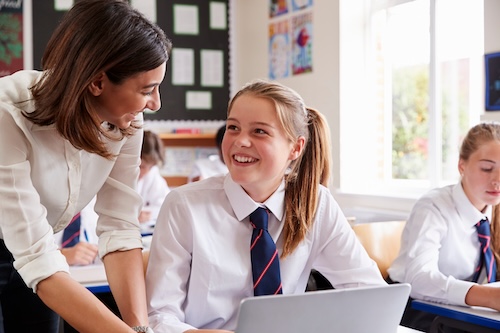
    By middle school, many students are keenly aware when they’re behind their peers in reading. Interventions that feel too elementary can undermine motivation. As Dr. Michelle D. Barrett, Senior Vice President of Research, Policy, and Impact at Edmentum, explained:

    “If you have a student who’s in the middle grades and still has gaps in foundational reading skills, they need to be provided with age-appropriate curriculum and instruction. You can’t give them something that feels babyish–that only discourages them.”

    Designing for engagement

    Research shows that engagement is just as important as instruction, particularly for adolescents. “If students aren’t engaged, if they’re not showing up to school, then you have a real problem,” Barrett said. “It’s about making sure that even if students have gaps, they’re still being supported with curriculum that feels relevant and engaging.”

    To meet that need, digital programs like Edmentum’s Exact Path tailor both design and content to the learner’s age. “A middle schooler doesn’t want the cartoony things our first graders get,” Barrett noted. “That kind of thing really does matter–not just for engagement, but also for their confidence and willingness to keep going.”

    Measuring what works

    Educators also need strong data to target interventions. “It’s all about how you’re differentiating for those students,” Barrett said. “You’ve got to have great assessments, engaging content that’s evidence-based, and a way for students to feel and understand success.”

    Exact Path begins with universal screening, then builds personalized learning paths grounded in research-based reading progressions. More than 60 studies in the past two years have shown consistent results. “When students complete eight skills per semester, we see significant growth across grade levels–whether measured by NWEA MAP, STAR, or state assessments,” Barrett added.

    That growth extends across diverse groups. “In one large urban district, we found the effect sizes for students receiving special education services were twice that of their peers,” Barrett said. “That tells us the program can be a really effective literacy intervention for students most at risk.”

    Layering supports for greater impact

    Barrett emphasized that literacy progress is strongest when multiple supports are combined. “With digital curriculum, students do better. But with a teacher on top of that digital curriculum, they do even better. Add intensive tutoring, and outcomes improve again,” she said.

    Progress monitoring and recognition also help build confidence. “Students are going to persist when they can experience success,” Barrett added. “Celebrating growth, even in small increments, matters for motivation.”

    A shared mission

    While tools like Exact Path provide research-backed support, Barrett stressed that literacy improvement is ultimately a shared responsibility. “District leaders should be asking: How is this program serving students across different backgrounds? Is it working for multilingual learners, students with IEPs, students who are at risk?” she said.

    The broader goal, she emphasized, is preparing students for lifelong learning. “Middle school is such an important time. If we can help students build literacy and confidence there, we’re not just improving test scores–we’re giving them the skills to succeed in every subject, and in life.”

    Laura Ascione
    Latest posts by Laura Ascione (see all)

    Source link

  • A Student’s Guide to Success: Six Strategies to Reduce Team Conflict – Faculty Focus

    A Student’s Guide to Success: Six Strategies to Reduce Team Conflict – Faculty Focus

    Source link

  • A quarter of students still drop out – Campus Review

    A quarter of students still drop out – Campus Review

    Some equity student retention rates are trending upwards even though one in four students still drop out of university, new Department of Education data has revealed.

    Please login below to view content or subscribe now.

    Membership Login

    Source link

  • I asked students why they go to school–this answer changed how I design campuses

    I asked students why they go to school–this answer changed how I design campuses

    This story was originally published by Chalkbeat. Sign up for their newsletters at ckbe.at/newsletters.

    At first, the question seemed simple: “Why do we go to school?”

    I had asked it many times before, in many different districts. I’m a planner and designer specializing in K-12 school projects, and as part of a community-driven design process, we invite students to dream with us and help shape the spaces where they’ll learn, grow, and make sense of the world.

    In February of 2023, I was leading a visioning workshop with a group of middle schoolers in Southern California. Their energy was vibrant, their curiosity sharp. We began with a simple activity: Students answered a series of prompts, each one building on the last.

    “We go to school because …”

    “We need to learn because …”

    “We want to be successful because …”

    As the conversation deepened, so did their responses. One student wrote, “We want to get further in life.” Another added, “We need to help our families.” And then came the line that stopped me in my tracks: “We go to school because we want future generations to look up to us.”

    I’ve worked with a lot of middle schoolers. They’re funny, unfiltered, and often far more insightful than adults give them credit for. But this answer felt different. It wasn’t about homework, or college, or even a dream job. It was about legacy. At that moment, I realized I wasn’t just asking kids to talk about school. I was asking them to articulate their hopes for the world and their role in shaping it.

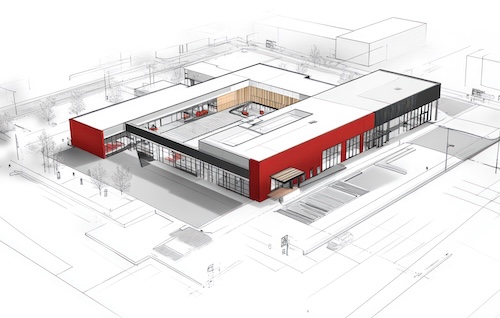
    As a designer, I came prepared to talk about flexible furniture, natural light, and outdoor learning spaces. The students approached the conversation through the lens of purpose, identity, and intergenerational impact. They reminded me that school isn’t just a place to pass through — it’s a place to imagine who you might become and how you might leave the world better than you found it.

    I’ve now led dozens of school visioning sessions, no two being alike. In most cases, adults are the ones at the table: district leaders, architects, engineers, and community members. Their perspectives are important, of course. But when we exclude students from shaping the environments they spend most days in, we send an implicit message that this place is not really theirs to shape.

    However, when we do invite them in, the difference is immediate. Students are not only willing participants, they’re often the most honest and imaginative contributors in the room. They see past the buzzwords like 21st-century learning, flexible furniture, student-centered design, and collaborative zones, and talk about what actually matters: where they feel safe, where they feel seen, where they can be themselves.

    During that workshop when the student spoke about legacy, other young participants asked for more flexible learning spaces, places to move around and collaborate, better food, outdoor classrooms, and quiet areas for mental health breaks. One asked for sign language classes to better communicate with her hard-of-hearing best friend. Another asked for furniture that can move from inside to outside. These aren’t requests that tend to show up on state-issued planning checklists, which are more likely to focus on square footage, capacity, and code compliance, but they reflect an extraordinary level of thought about access, well-being, and inclusion.

    The lesson: When we take students seriously, we get more than better design. We get better schools.

    There’s a popular saying in architecture: Form follows function. But in school design, I’d argue that form should follow voice. If we want to build learning environments that support joy, connection, and growth, we need to start by asking students what those things look and feel like to them — and then believe them.

    Listening isn’t a checkbox. It’s a practice. And it has to start early, not once construction drawings are finalized, but when goals and priorities are still being devised. That’s when student input can shift the direction of a plan, not just decorate it.

    It’s also not just about asking the right questions, but being open to answers we didn’t expect. When a student says, “Why do the adults always get the rooms with windows?” — as one did in another workshop I led — that’s not a complaint. That’s a lesson in power dynamics, spatial equity, and the unspoken messages our buildings send.

    Since that day, about a year and a half ago, when I heard, “We want future generations to look up to us,” I’ve carried that line with me into every planning session. It’s a reminder that students aren’t just users of school space. They’re stewards of something bigger than themselves.

    So if you’re a school leader, a planner, a teacher, or a policymaker, invite students in early. Make space for their voices, not just as a formality but as a source of wisdom. Ask questions that go beyond what color the walls should be. And don’t be surprised when the answers you get are deeper than you imagined. Be willing to let their vision shift yours.

    Because when we design with students, not just for them, we create schools that don’t just house learning. We create schools that help define what learning is for. And if we do it right, maybe one day, future generations will look up to today’s students not just because of what they learned, but because of the spaces they helped shape.

    Chalkbeat is a nonprofit news site covering educational change in public schools.

    For more news on district and school management, visit eSN’s Educational Leadership hub.

    Latest posts by eSchool Media Contributors (see all)

    Source link

  • Students Who Lack Academic Confidence More Likely to Use AI

    Students Who Lack Academic Confidence More Likely to Use AI

    Colleges and universities have sought to equip students with the skills to use generative artificial intelligence tools thoughtfully and ethically, but a recent study finds students often outsource thinking to chatbots.

    Research from the University of Southern California Center for Generative AI and Society found that the average student who uses generative AI services does so to get a direct answer, not to learn. Students who feel less confident in a course or who do not engage with their peers are also more likely to turn to technology for help.

    The findings point to a need for greater learning support for students, including teaching them improved internet search skills, providing more faculty assistance on how to use generative AI and instilling a sense of belonging in the classroom.

    State of play: As generative AI tools become more common, a large share of students say they engage with AI regularly. Two-thirds of students say they use generative AI chatbots weekly, according to a 2025 study from Tyton Partners.

    Faculty have expressed concern that students are circumventing thinking and learning by using artificial intelligence tools, but students claim they’re using AI to advance their educations. A recent survey by Inside Higher Ed and Generation Lab found that 85 percent of students said they’d used generative AI for coursework in the past year; 55 percent said they used it for brainstorming, half asked it questions as if it were a tutor and 46 percent used it to study for quizzes or exams.

    Nearly all students Inside Higher Ed surveyed said colleges and universities should respond to threats against academic integrity, with over half of students requesting clear, standardized policies about when and how to use AI or for colleges to provide additional flexibility around AI for transparent student use.

    The study: USC researchers surveyed 1,000 U.S. college students to understand when and how they’re using generative AI, compared to other help sources. Researchers distinguished between instrumental help-seeking behaviors—such as getting clarification on a topic covered in class—versus executive help-seeking as a means to an end, like getting quick answers to complete an assignment.

    Students said they were most likely to turn to the internet or an instructor for learning assistance, ranking tutors and peers below generative AI. For executive help, students similarly turned to the internet most often, but then looked to generative AI or a peer before instructors or tutors.

    To researchers, the trend indicates that students feel more comfortable turning to technology than human sources for help.

    National data on how and when students engage with technology versus human supports is mixed; one analysis from the Center for Studies in Higher Education at the University of California, Berkeley, found that post-pandemic, fewer students reported helping their classmates. However, Tyton Partners found that 84 percent of students said they first turn to people, including a peer or instructor, when they need help in a course, and only 17 percent primarily use AI tools.

    USC’s research also found that certain students were less likely to depend on AI; those who had better internet search skills or perceived themselves as competent in their courses were less likely to turn to generative AI tools for help.

    Conversely, students who were averse to asking peers for support or perceived themselves as less competent were much more likely to engage with generative AI. Students who trusted generative AI, similarly, were more likely to use the tools to find answers.

    A recent survey from WGU Labs found that students from marginalized backgrounds, including first-generation students and students of color, were more likely to say they’re open to AI tools for academic support. WGU Labs’ report theorized this trend could be tied to what they see as a lack of support in other traditional forms offered by institutions.

    However, pedagogy can have an impact on how students interact with AI; if the professor encourages thoughtful generative AI use, students are more likely to engage in learning-oriented behaviors, rather than just ask for answers from chatbots. Researchers believe this speaks to the social impact professors can have on how students use AI.

    Source link

  • Learning to debate is an important facet of education, but too often public school students are left out 

    Learning to debate is an important facet of education, but too often public school students are left out 

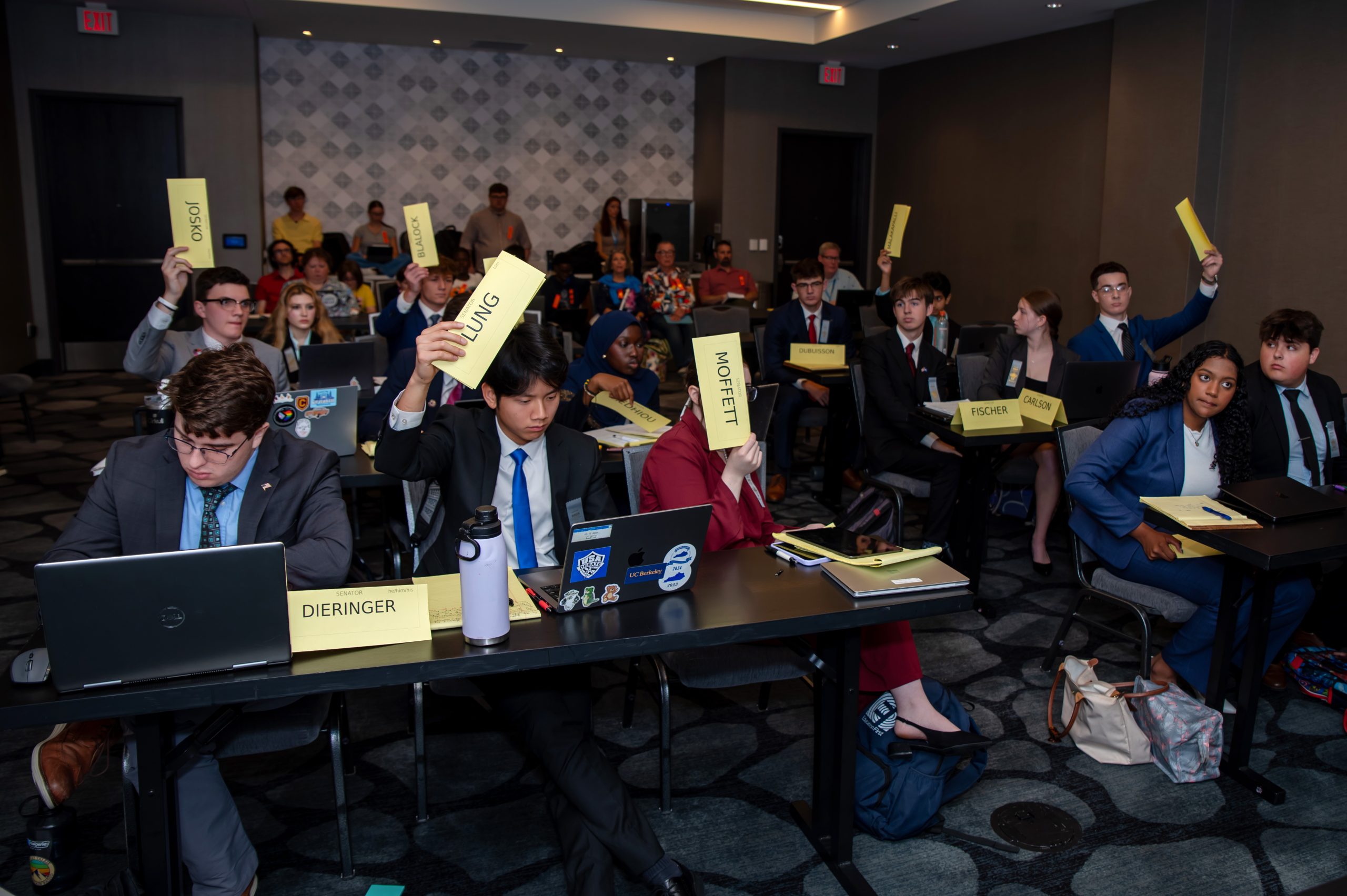
    Ever since I first stepped onto the debate stage, I have been passionate about speech and debate. For the last three of my high school years, I have competed and placed nationally at major tournaments in Dallas, Los Angeles, Chicago, Atlanta and Las Vegas, among many others. Debate demands an incredible amount of research, preparation and practice, but those aren’t the biggest challenges for me.  

    I attend a public high school in California that lacks a formal debate program or coach, which has forced me to choose between quitting an activity I love and competing independently without any school support.  

    I chose the latter. And that means I prepare alone in the dark, navigate complex registration processes and, most importantly, pay hefty fees. 

    As many of us know, debate is an effective way to strengthen students’ comprehension, critical thinking and presentation skills. Debate allows students to explore ideas in a myriad of topics, from biotechnology to nuclear proliferation​​​​, and find their unique passions and interests. 

    Yet for many students, a lack of school support is a major entry barrier. It has turned debate into another private-school-dominated space, where private-school students receive access to higher quality research and on-the-spot coaching on argument structure and prose, like a football coach adjusting strategy on the sidelines. Additionally, most prestigious tournaments in the U.S. prohibit non-school-affiliated debaters like me from competing altogether.  

    Related: A lot goes on in classrooms from kindergarten to high school. Keep up with our free weekly newsletter on K-12 education.  

    These circumstances de facto prevent lower-income debaters from becoming successful in the activity. And that is why I believe that all schools should incorporate speech and debate classes into their core curriculums. Existing history and English teachers could act as debate coaches, as they do in many private schools. School districts could even combine programs across high schools to save resources while expanding access (Mountain View High School and Los Altos High School in California have pursued this strategy).  

    Over the past two decades, the debate community has engaged in efforts to democratize access to speech and debate through the creation of new formats (for example, public forum), local debate associations and urban debate leagues, among others.  

    However, many of these initiatives haven’t been successful. These newer formats, initially intended to lessen the research burden on debaters, have shifted toward emphasizing strict evidence standards and complex debate jargon. This shift has made debate less, not more, accessible, and led to more students from private schools — who were quickly able to ​​​​out-prepare those from public​​ schools — entering and dominating the competition.  

    Local debate associations and​​​​ competitive leagues for neighboring schools have provided more students with opportunities to participate. Still, debate via these organizations is limited, as they don’t provide direct coaching to member schools or rigorous opportunities for students, and prohibit certain students and programs from competing.  

    Similarly, urban debate leagues (for example, the Los Angeles Metropolitan ​​​​Debate League) have been incredibly successful in expanding debate access to lower-income and minority students; however, these programs are concentrated in major metropolitan cities, face opposition from some school districts and rely on donor funding, which can be uncertain.  

    In my debate rounds, I have analyzed pressing social problems such as global warming and economic inequality through a policymaking lens; in some rounds I defended increased wealth taxes, and in others I argued against bans on fossil fuels. Without debate, I wouldn’t be so conscious of the issues in my community. Now, as I enter college, I’m looking forward to continuing debate and leveraging my skills to fight for change.  

    Related: High school students find common ground on the debate stage 

    Speaking of college, in the competition for admission to the most selective colleges, extracurricular involvement can be a deciding factor, and debate is an excellent way to stand out, at least for those students with proper support.  

    However, when students from rural and low-income communities lack access to the same opportunities as students from more metropolitan and higher-income communities, we risk exacerbating the educational achievement gap to our collective detriment.  

    In the meantime, debate tournaments should reduce entry barriers for nontraditional debaters and for students from public schools without coaches and extra support.  

    Without these initiatives, too many rural and low-income students will be excluded from an amazing activity, one that is especially important in today’s polarizing and divisive climate.  

    Aayush Gandhi is a student at Dublin High School. He is an avid writer and nationally ranked Lincoln-Douglas debater.  

    Contact the opinion editor at [email protected].  

    This story about debate programs was produced by The Hechinger Report, a nonprofit, independent news organization focused on inequality and innovation in education. Sign up for Hechinger’s weekly newsletter.  

    The Hechinger Report provides in-depth, fact-based, unbiased reporting on education that is free to all readers. But that doesn’t mean it’s free to produce. Our work keeps educators and the public informed about pressing issues at schools and on campuses throughout the country. We tell the whole story, even when the details are inconvenient. Help us keep doing that.

    Join us today.

    Source link

  • Majority of California Community College Students Lack Basic Needs

    Majority of California Community College Students Lack Basic Needs

    Two in three community college students in California lack reliable access to food or housing, according to a new study.

    The 2025 Real College CA Student Survey, led by the Community College League of California, found that 46 percent of students are food insecure and 58 percent are housing insecure, which is higher than national estimates: The most recent study from the Hope Center at Temple University found that 41 percent of all college students are food insecure and 48 percent indicated housing insecurity.

    Community college students in California reported slightly lower rates of basic needs insecurity in this survey than in 2023, but the number of students needing help remains high.

    “It is important to highlight when trends are moving in the right direction, but also that there’s still a lot of work to do,” Katie Brohawn, director of research, evaluation and development at the Research and Planning Group for California Community Colleges, said in a Sept. 24 webinar.

    Methodology

    Over 76,000 community college students responded to the survey, 3,300 of whom completed it in Spanish. The respondents represented 102 of the 116 institutions in the California Community College system.

    The background: For many community college students, financial and mental health concerns can be among the top barriers to completion.

    “Before students can thrive academically, their basic needs must be met,” said Tammeil Gilkerson, chancellor of the Peralta Community College District in Oakland, during the webinar.

    A fall 2023 study from EdSights found that students at public two-year institutions report the highest levels of financial distress, even though those are among the most affordable institutions across sectors.

    One recent study from the Annenberg Institute at Brown University found that nearly 41 percent of community college students experienced food insecurity and 60 percent reported housing insecurity.

    Compared to their four-year peers, community college students are also more likely to be from low-income families, racially minoritized, first-generation, immigrant and adult learners. Each of these groups faces unique challenges in their persistence and retention in higher education.

    The previous Real College CA survey, administered in 2023, helped college leaders and others in the state identify the role basic needs insecurity plays in students’ academic progress and overall success, particularly as the state was recovering from the COVID-19 pandemic, Gilkerson said.

    “While we are no longer in the height of the pandemic, its ripple effects remain and they collide with record housing costs, persistent inflation in food and basic goods, and continued debates about the role of higher education, equity and access in our society,” Gilkerson said.

    The data: The latest survey found that only 38 percent of students had high food security, while 46 percent had low or very low food security. The most common concerns students identified were worrying about food running out before they can afford to purchase more (52 percent) or being unable to afford balanced meals (49 percent).

    Nearly three in five students said they experienced some level of housing insecurity, and one in five reported being homeless in the past 12 months. While only 8 percent of respondents self-identified as homeless, more said they were couch-surfing (16 percent) or staying at a hotel or motel without a permanent home to return to (6 percent).

    Basic needs insecurity also varied by region and institution across the state, with the highest reported rates of food and housing insecurity at 70 percent and 78 percent, respectively. The report did not identify which colleges had the highest and lowest rates of basic need insecurity.

    Basic needs insecurities disproportionately impact African American and Black students as well as American Indian or Alaska Native students, compared to their peers. Older students (ages 26 to 30), LGBTQ+ students, independent students, Pell Grant recipients, single parents, former foster youth and those with a history of incarceration were also more likely to indicate food or housing insecurity.

    The data also points to a correlation between students’ grades and their rates of basic needs insecurity. While students at all levels had some degree of food or housing insecurity, those earning grades lower than B’s were much more likely to indicate they lacked essential resources.

    “If we really are dedicated to improving the academic success of students in our colleges, it’s the basic means that we need to meet. Because if we don’t do that, it doesn’t matter how wonderful a student you are, you’re not going to be able to succeed at the rate that you would otherwise,” Brohawn said.

    Not every student is aware of or utilizing campus resources that could address these challenges; over one-third of respondents said they were unaware of basic needs supports at their college, and only 25 percent had accessed the Basic Needs Center. Among students who used resources, most did so to obtain food.

    Identifying solutions: Over the past five years, California has made strides to better support learners with basic needs insecurity, recognizing housing challenges as a significant barrier to student success.

    The state launched a rapid rehousing program to support learners at public institutions including the CCC, California State University and University of California systems. A 2022 bill began requiring colleges to stock discounted health supplies, such as toiletries and birth control, addressing students’ basic needs in a new way.

    A pilot program also provides cash to financially vulnerable students at California colleges, including those who were formerly incarcerated, former foster youth and parents.

    The report’s authors recommended providing targeted interventions for vulnerable populations and enhancing accessibility and awareness of supports, as well as advocating for systemic changes, such as increased funding for basic needs initiatives or policies that provide living wages and affordable housing for students.

    Source link

  • Students, Alumni Rally to Keep Cut Affinity Programs Alive

    Students, Alumni Rally to Keep Cut Affinity Programs Alive

    For years, Black students gathered at the University of Cincinnati’s African American Cultural and Resource Center for its traditions, including the Tyehimba Black Graduation Celebration and Akwaaba, a welcome event for new students, among other programs. This year, the AACRC, at least as it once existed, is gone. It’s been rebranded “the Cultural Center” after an Ohio law banned diversity, equity and inclusion activities at public colleges and universities in March.

    But Black students and alumni wouldn’t let the center’s traditions and resources die. Black seniors celebrated their graduations at an event held off campus. Freshmen gathered for Akwaaba, organized by students and funded by alumni, who created a foundation to sustain the AACRC’s programming. The United Black Student Association and other student groups have committed to putting on programs throughout the year that were previously handled by AACRC staff.

    “Regardless of these changes, there is no policy that can be written that can outlaw OUR spirit, OUR ability to mobilize, OUR right to congregate,” the United Black Student Association wrote on Instagram. “They cannot outlaw our ability to gather, to build, to resist, and to love. Our legacy is not theirs to give or take.”

    Amid an escalating anti-DEI movement, students, alumni and off-campus advocates are hustling to fill the gaps left by shuttered and rebranded identity centers, DEI offices and programs across the country. Students and outside organizations, like the Native Forward Scholars Fund, hosted their own affinity group graduations this year as campuses started to cancel such events. Three student clubs broke off from the University of Utah to avoid the state’s limits on public university programs, forgoing university funding. Some students and alumni involved in these efforts say they feel a renewed pressure and responsibility to provide the services colleges are shedding as institutions are caught in the crosshairs of state DEI bans and the Trump administration’s sweeping anti-DEI campaign.

    How do we make lemonade out of a lemon?”

    —Harlan Jackson, president of the Cincy Cultural Resource Center Foundation

    The Cincy Cultural Resource Center Foundation, the nonprofit founded to continue Black student programming at University of Cincinnati, was born out of that sense of duty among alumni. Some graduates involved in the effort spent years pushing for the creation of the African American Cultural and Resource Center and took pride in watching its programs expand and flourish.

    “We can’t just stand idly by and just allow something this negative and something this backward to happen at the university,” said Harlan Jackson, president of the foundation and former president of the United Black Association in the late 1980s. “I’m really proud of the diverse community that’s showing up and acknowledging that we’re going to take this on.”

    The foundation now has weekly meetings with Black student leaders to determine how best to support their needs, and alumni leaders plan to put three students on the foundation’s board. Students emphasized to alumni that continuing the center’s events and traditions is their top priority, so the foundation is funding these programs, with hopes to also fund student scholarships in the future.

    So far, alumni have raised “well over” the roughly $5,000 needed to run Akwaaba and parents’ weekend, with plans to raise half a million dollars within the academic year, said Byron Stallworth, the foundation’s secretary.

    Stallworth, who was president of the United Black Association in 1991 when the AACRC opened, said the idea of alumni and students taking the reins is catching on beyond University of Cincinnati as well—three University of Cincinnati alumni, parents of students at other colleges and universities, have asked him questions about how they could start similar efforts to sustain Black student life on their children’s campuses.

    “This is a universal problem,” he said, and alumni elsewhere “are aware of what we’re doing.”

    Jackson noted that while the rebranding of the AACRC hits close to home, programs and centers dedicated to supports for women and LGBTQ+ students have also suffered cuts because of the Ohio anti-DEI legislation.

    He hopes other Ohioans “can look to this model, and we can determine … How do we connect? How do we share? How do we learn? How do we build bridges and partnerships to continue to support the young people developing themselves in the state of Ohio?” he said. “That’s what it’s all about.”

    Pressures New and Old

    Even with such support, students fighting to keep programs alive without university backing hasn’t necessarily been easy.

    Isaac Makanda, co-head of the juvenile justice and political action committee for University of Cincinnati’s NAACP chapter, said students and alumni can’t completely make up for the loss of the African American Cultural and Resource Center. He described running into a Black first-year on campus who didn’t know about Akwaaba or other events happening for Black students on campus. He believes that’s because the new students are without a hub.

    When Makanda was a freshman, the AACRC sent out emails telling incoming Black students about events and programs, he said. This student “had no idea about any of these things that were going on because those resources were taken away from him.”

    Some student groups have also had to hustle for funding to keep their events running. The Pacific Islander Student Association, which cut ties with the University of Utah alongside the Black Student Union, lost its student group funding in the separation. PISA used to receive at least $5,000 annually from the university, so that loss was a “major hit,” said Mayette Pahulu, vice president of the group.

    But she and other student leaders felt it was worth it to have full control over their programming after Utah’s anti-DEI bill became law last year. They didn’t want to be limited by the new strictures on public universities, “whether that be talking about certain subjects, encouraging our members to have their own rights … to host socials that are specific to our heritage, cultures and ethnicities,” Pahulu said. “We would rather lose the funding than our members lose a safe space.”

    Now the group raises its own money. PISA student leaders have an ongoing GoFundMe campaign and seek out sponsors for event costs, including the nominal fees required for outside groups to host programs on campuses.

    We would rather lose the funding than our members lose a safe space.”

    —Mayette Pahulu, vice president of the Pacific Islander Student Association at the University of Utah

    Pahulu said the students’ new responsibilities have pros and cons. On one hand, she and other student leaders find themselves pushing hard, with less support, to engage students who are feeling unwelcome on campus amid changes wrought by Utah’s anti-DEI legislation. On the other hand, she believes the new connections they’ve had to make with other student groups, community organizations and businesses to sustain their work could bode well for PISA’s future.

    “Even though we’ve taken kind of the short end of the stick, having to scramble around to find these organizations, we’ve honestly started to build a bigger community and network,” she said. “I think in the long run, it will benefit us … We’re working with representatives to get these supports put in place so that the longevity and the sustainability of our organizations can outlast—no matter how drastic the changes may be politically.”

    Jackson, the University of Cincinnati alum, said in a similar vein that he’s proud to see students and alumni making the best of the raw deal they’ve been given.

    As universities strip away programs at the behest of state lawmakers, “all they’ve done is put more burden on the students,” Harlan said. At the same time, “it gives them opportunity to network with the community, more opportunity to do planning and budgeting, more opportunity to lead in terms of putting together programs and executing programs.” The question is “How do we make lemonade out of a lemon?”

    Keisha Bross, director of race and justice at the NAACP, said student organizations—like Black student unions, NAACP chapters and the group of Black sororities and fraternities known as the Divine Nine—have always provided supports and programming for Black students in areas where universities have failed to do so. These groups “stepping in” to fill unmet needs is their “legacy,” she said. But she doesn’t believe the work students are doing, and have historically done, should allow universities to “get off easy” for cutting back programs dedicated to their success.

    “We cannot allow colleges to make these really traumatic decisions that are hurting student populations and their leadership, and then just say, ‘Oh well,’” Bross said. “We need to continue to hold universities accountable, because they have a responsibility to the students that they serve. Universities have and should be providing these resources to their students, 100 percent.”



    Source link

  • Southern University Student’s Parents File Wrongful Death Lawsuit Following Alleged Fraternity Hazing

    Southern University Student’s Parents File Wrongful Death Lawsuit Following Alleged Fraternity Hazing

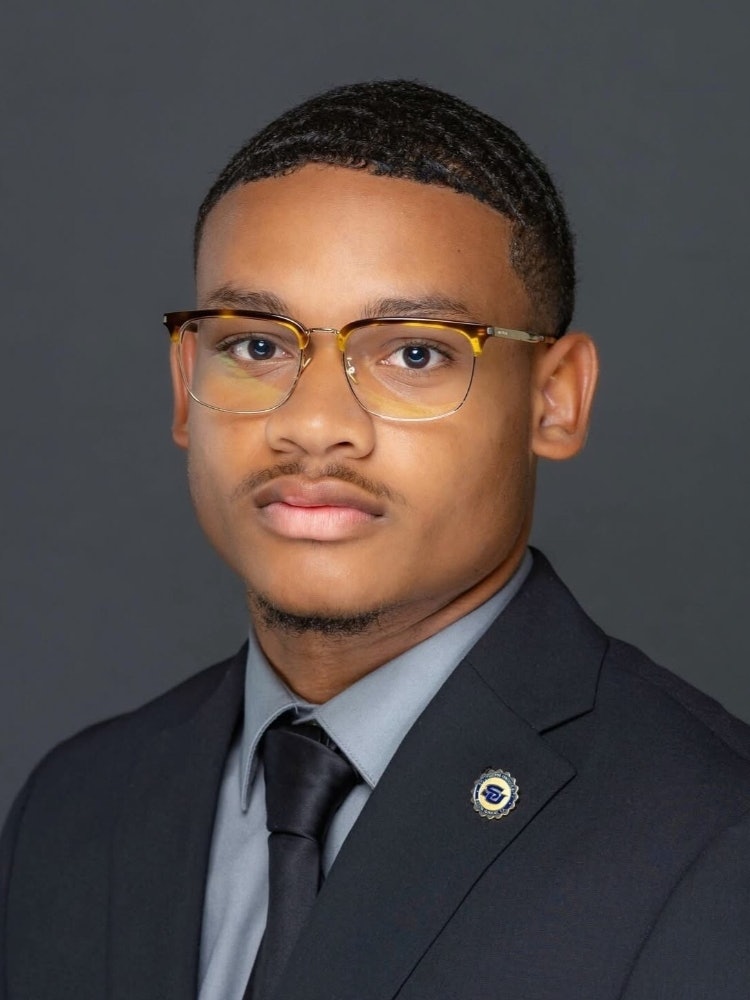
    T Caleb Jayden Wilson he parents of Caleb Jayden Wilson have filed a comprehensive civil lawsuit seeking accountability from multiple parties they allege are responsible for their son’s death following a fraternity hazing incident at Southern University.

    Urania Brown Wilson and Corey Wilson, Sr., filed the wrongful death and survival damages petition Friday in the 19th Judicial District Court in East Baton Rouge Parish, seven months after losing their 20-year-old son. The junior mechanical engineering student and member of Southern’s renowned “Human Jukebox” marching band died in February following what authorities describe as a brutal hazing ritual.

    The lawsuit casts a wide net of accountability, naming as defendants Omega Psi Phi Fraternity Inc., its local Beta Sigma and Lambda Alpha chapters, the State of Louisiana through the Board of Supervisors of Southern University and A&M College, and 12 individual fraternity members.

    Among the individual defendants are Caleb M. McCray, Kyle M. Thurman, and Isaiah E. Smith—all previously arrested by Baton Rouge police in connection with Wilson’s death. McCray faces the most serious charges, including manslaughter and felony criminal hazing.

    The petition alleges multiple levels of negligence, from gross misconduct by individuals to institutional failures by the university and fraternity organizations. According to the filing, Wilson died as a direct result of being repeatedly punched in the chest during an unsanctioned, off-campus ritual at a local warehouse on February 27.

    The lawsuit particularly criticizes the response following Wilson’s collapse, alleging that fraternity members delayed calling emergency services and instead transported him to a local hospital where they provided false information about his injuries before abandoning him.

    Following an internal investigation that found the Beta Sigma chapter violated the student code of conduct, Southern University expelled the chapter and implemented a temporary moratorium on new member intake activities for all Greek organizations.

    The civil action seeks to leverage Louisiana’s strengthened anti-hazing laws, including the Max Gruver Act, which criminalized certain forms of hazing following another high-profile fraternity death. The legislation was named after Louisiana State University student Maxwell Gruver, who died in a 2017 fraternity hazing incident.

    The case highlights ongoing concerns about hazing culture in higher education and the challenges institutions face in monitoring and preventing dangerous initiation practices, particularly those occurring off-campus and outside official oversight.


    Source link

  • Kentucky Reaches Tentative Settlement Over In-State Tuition Policy for Undocumented Students

    Kentucky Reaches Tentative Settlement Over In-State Tuition Policy for Undocumented Students

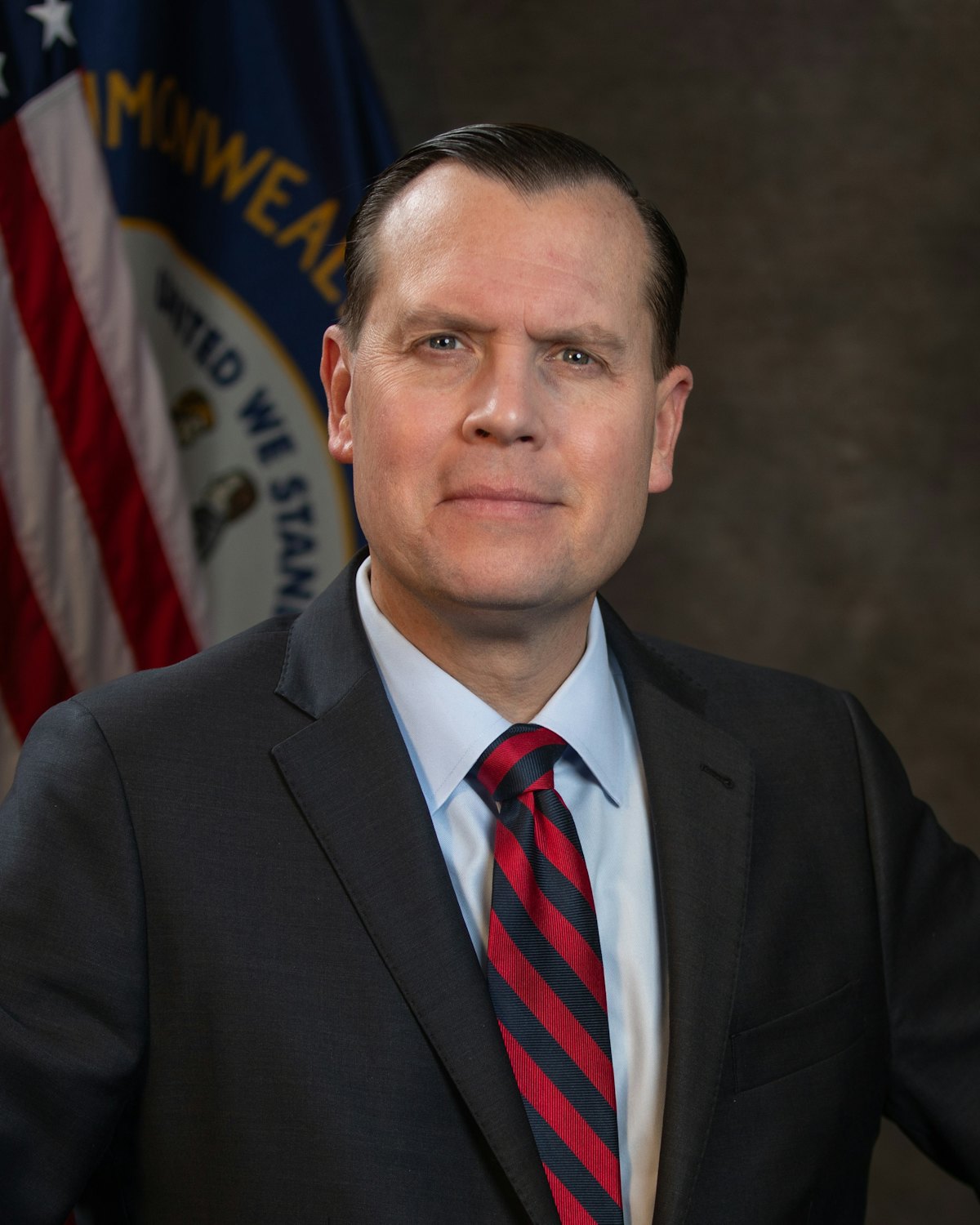
    Kentucky Attorney General Russell ColemanThe U.S. Department of Justice and the Kentucky Council on Postsecondary Education have reached a preliminary settlement agreement that would end the state’s policy of offering in-state tuition rates to undocumented students who graduate from Kentucky high schools.

    The agreement comes after the DOJ filed a federal lawsuit in June challenging Kentucky’s practice of extending in-state residency status—and the accompanying lower tuition rates—to any student who completes high school in the state, regardless of immigration status. The Justice Department argued this policy creates unequal treatment by providing financial benefits to undocumented immigrants while denying the same rates to U.S. citizens living in other states.

    “No state can be allowed to treat Americans like second-class citizens in their own country by offering financial benefits to illegal aliens,” Attorney General Pamela Bondi said in announcing the federal lawsuit.

    The legal challenge reflects broader federal immigration enforcement priorities under the Trump administration, which has issued executive orders aimed at preventing undocumented immigrants from accessing taxpayer-funded benefits or preferential treatment in government programs.

    Kentucky’s Republican Attorney General Russell Coleman has supported the federal position, arguing that state policy conflicts with federal law prohibiting undocumented immigrants from receiving college benefits unless identical benefits are available to all U.S. citizens. In July, Coleman urged the Council on Postsecondary Education to voluntarily withdraw the regulation rather than pursue costly litigation.

    “The federal government has set its immigration policy, and the Council must regulate in accordance with it,” Coleman wrote to the CPE. “To that end, I urge the Council to withdraw its regulation rather than litigate what I believe will be, and should be, a losing fight.”

    Under the tentative settlement terms, the Kentucky Council on Postsecondary Education has acknowledged that its tuition policy violates federal law and agreed to terminate it immediately. However, the agreement remains pending approval from U.S. District Court Judge Gregory Van Tatenhove in the Eastern District of Kentucky.

    The Kentucky case mirrors a similar federal challenge resolved earlier this year, when Texas reached a settlement with the DOJ over comparable in-state tuition policies for undocumented students.

    The Mexican American Legal Defense and Educational Fund (MALDEF), a prominent Latino civil rights organization, has filed a motion seeking to intervene in the Kentucky lawsuit on behalf of affected students. The motion remains under judicial review. MALDEF was previously denied intervention rights in the parallel Texas case.

    The policy change could significantly impact college affordability for undocumented students who have spent their formative years in Kentucky’s educational system. In-state tuition rates are typically substantially lower than out-of-state rates, making higher education more accessible for students from families with limited financial resources.


    Source link