As per a statement released by Kristi Noem, US homeland security secretary, Harvard’s Student and Exchange Visitor Program (SEVP) certification has been revoked because of their “failure to adhere to the law.”
“As a result of your refusal to comply with multiple requests to provide the Department of Homeland Security pertinent information while perpetuating an unsafe campus environment that is hostile to Jewish students, promotes pro-Hamas sympathies, and employs racist “diversity, equity, and inclusion” policies, you have lost this privilege,” read the letter by Noem to Harvard University, shared on X, formerly Twitter.
“The revocation of your Student and Exchange Visitor Program certification means that Harvard is prohibited from having any aliens on F- or J- nonimmigrant status for the 2025-2026 academic school year.”
Students set to join Harvard this year are now relying on the institution to take urgent action to keep their dreams of studying at the Ivy League institution alive.
“I already had to defer my intake from last year to this year due to lack of funds. Deferring again just isn’t an option for me,” stated Pravin Deshmukh, an incoming student at Harvard’s Graduate School of Education.
“We’re hoping the university can find some form of solution and keep us updated on what’s happening. Harvard has been very proactive over the past few weeks. They’ve reassured incoming students like me of their commitment through emails, provided details on continuing classes online, and shared ways to stay in touch with the International Office.”
Currently, over 6,800 international students are enrolled at the university, making up 27% of this year’s student body, with a significant portion hailing from countries such as China, India, Canada, South Korea, and the UK.
WhatsApp groups are on fire – everyone’s panicking, wondering what’s going to happen next. Some parents were planning to attend graduation ceremonies, but now students are telling them, ‘Don’t say you’re coming to visit us.’
Harvard GSE student
The vast international student cohort at the campus will also have to transfer to another US university or risk losing their legal immigration status, according to Noem, which puts the current students in jeopardy.
“For graduating students, it feels like our degrees could be rendered useless and we might even be labeled as illegal immigrants,” a student at Harvard’s GSE, who requested anonymity, told The PIE.
“Some students are considering staying in the U.S. by transferring their SEVIS to community colleges if Harvard can’t find a solution.”
“WhatsApp groups are on fire – everyone’s panicking, wondering what’s going to happen next. Some parents were planning to attend graduation ceremonies, but now students are telling them, ‘Don’t say you’re coming to visit us,’” the student added.
While Noem has issued a 72-hour ultimatum to Harvard, demanding the university hand over all disciplinary records from the past five years related to international students involved in illegal activities and protests on and off campus, students across Harvard’s schools told The PIE that professors and deans have arranged meetings with them to address any questions or concerns.
“We received an email from the Harvard University president regarding available support, information about Zoom sessions hosted by Harvard’s international offices, and a text-message service for ICE-related threats. Today, a session is being held in person at our school with professors and the Dean,” the Harvard student stated.
“This is Harvard — they will take a stand, unlike Columbia University or MIT. They have our backs.”
Some students have voiced concerns about their parents traveling to the US for their graduation ceremonies, but feel reassured by Harvard’s stand that commencement will proceed as planned on May 29th.
“The Harvard website is being updated regularly, and we have been asked to keep an eye on it, but there’s still a lot of uncertainty. Since yesterday, many of us have been wondering whether we will graduate and the next steps. The morning email confirmed that commencement will continue as planned,” stated another Harvard student, who didn’t wish to be named.
“There’s a shift in the atmosphere, making it very difficult to plan the next steps. We couldn’t have imagined something like this happening six months ago, but you have to be prepared for anything.”
In the meantime Harvard has a released a statement, doubling down on its commitment towards international students.
“We are fully committed to maintaining Harvard’s ability to host our international students and scholars, who hail from more than 140 countries and enrich the University – and this nation – immeasurably,” stated the University.
“We are working quickly to provide guidance and support to members of our community. This retaliatory action threatens serious harm to the Harvard community and our country, and undermines Harvard’s academic and research mission.”
Furthermore, the institution’s swift lawsuit against the Trump administration over the international student ban resulted in a major victory, as US District Judge Allison Burroughs issued a temporary restraining order against the government’s plan to strip Harvard of its ability to recruit international students.
According to Sameer Kamat, founder, MBA Crystal Ball, a leading MBA admissions consultancy in India, the Trump administration could choose to extend the deadline for Harvard to comply with its requirements, similar to its approach on trade tariffs in recent weeks.
“For all we know, Trump may ease off the pressure and give Harvard more time to comply, like he did with the tariff deadlines on his trade partners. But for now, it puts all international students in a limbo. They’ve become collateral damage in a fight that they never wanted to be part of,” stated Kamat.
“He had played a similar move on Canada and Mexico by giving them a very tight deadline to bring down their tariffs for American goods. This was to push them into action. And then on the final day, he pushed the deadline by a month. Which is why I am thinking, we can’t rule out the possibility of that happening this time. Considering he put a 72-hour deadline, which runs into the weekend.”
According to Namita Mehta, president, The Red Pen, consultancies like hers are actively supporting affected students by providing guidance, clarifying policy updates, and connecting them with legal or immigration experts as needed.
“While the announcement has understandably caused concern, it’s essential to recognise that such decisions are often part of broader political narratives and may be temporary,” stated Mehta.
“While students and families should stay engaged, informed, and proactive, it is equally important to remain hopeful. The strength of institutions like Harvard lies in their academic excellence and capacity to navigate complex challenges with integrity and vision.”
On a recent Thursday morning, Michael Taubman asked his class of seniors at North Star Academy’s Washington Park High School: “What do you think AI’s role should be in your future career?”
“In school, like how we use AI as a tool and we don’t use it to cheat on our work … that’s how it should be, like an assistant,” said Amirah Falana, a 17-year-old interested in a career in real estate law.
Fernando Infante, an aspiring software developer, agreed that AI should be a tool to “provide suggestions” and inform the work.
“It’s like having AI as a partner rather than it doing the work,” said Infante during class.
Falana and Infante are students in Taubman’s class called The Summit, a yearlong program offered to 93 seniors this year and expanding to juniors next year that also includes a 10-week AI course developed by Taubman and Stanford University.
As part of the course, students use artificial intelligence tools – often viewed in a negative light due to privacy and other technical concerns – to explore their career interests and better understand how technology could shape the workforce. The class is also timely, as 92% of companies plan to invest in more AI over the next three years, according to a report by global consulting firm McKinsey and Company.
The lessons provide students with hands-on exercises to better understand how AI works and how they can use it in their daily lives. They are also designed so teachers across subject areas can include them as part of their courses and help high school students earn a Google Career Certificate for AI Essentials, which introduces AI and teaches the basics of using AI tools.
Students like Infante have used the AI and coding skills they learned in class to create their own apps while others have used them to create school surveys and spark new thoughts about their future careers. Taubman says the goal is to also give students agency over AI so they can embrace technological changes and remain competitive in the workfield.
“One of the key things for young people right now is to make sure they understand that this technology is not inevitable,” Taubman told Chalkbeat last month. “People made this, people are making decisions about it, and there are pros and cons like with everything people make and we should be talking about this.”
Students need to know the basics of AI, experts say
As Generation Z, those born between 1997 and 2012, graduate high school and enter a workforce where AI is new, many are wondering how the technology will be used and to what extent.
Nearly half of Gen Z students polled by The Walton Family Foundation and Gallup said they use AI weekly, according to the newly released survey exploring how youth view AI. (The Walton Family Foundation is a supporter of Chalkbeat. See our funders list here.) The same poll found that over 4 in 10 Gen Z students believe they will need to know AI in their future careers, and over half believe schools should be required to teach them how to use it.
This school year, Newark Public Schools students began using Khan Academy’s AI chatbot tutor called Khanmigo, which the district launched as a pilot program last year. Some Newark teachers reported that the tutoring tool was helpful in the classroom, but the district has not released data on whether it helped raise student performance and test scores. The district in 2024 also launched its multimillion project to install AI cameras across school buildings in an attempt to keep students safe.
But more than just using AI in school, students want to feel prepared to use it after graduating high school. Nearly 3 in 4 college students said their colleges or universities should be preparing them for AI in the workplace, according to a survey from Inside Higher Ed and College Pulse’s Student Voice series.
Many of the challenges of using AI in education center on the type of learning approach used, accuracy, and building trust with the technology, said Nhon Ma, CEO of Numerade – an online learning assistant that uses AI and educators to help students learn STEM concepts. But that’s why it’s important to immerse students in AI to help them understand the ways it could be used and when to spot issues, Ma added.
“We want to prepare our youth for this competitive world stage, especially on the technological front so they can build their own competence and confidence in their future paths. That could potentially lead towards higher earnings for them too,” Ma said.
For Infante, the senior in Taubman’s class, AI has helped spark a love for computer science and deepened his understanding of coding. He used it to create an app that tracks personal milestones and goals and awards users with badges once they reach them. As an aspiring software developer, he feels he has an advantage over other students because he’s learning about AI in high school.
Taubman also says it’s especially important for students to understand how quickly the technology is advancing, especially for students like Infante looking towards a career in technology.
“I think it’s really important to help young people grapple with how this is new, but unlike other big new things, the pace is very fast, and the implications for career are almost immediate in a lot of cases,” Taubman added.
Students learn that human emotions are important as AI grows
It’s also important to remember the limitations of AI, Taubman said, noting that students need the basic understanding of how AI works in order to question it, identify any mistakes, and use it accordingly in their careers.
“I don’t want students to lose out on an internship or job because someone else knows how to use AI better than they do, but what I really want is for students to get the internship or the job because they’re skillful with AI,” Taubman said.
Through Taubman’s class, students are also identifying how AI increases the demand for skills that require human emotion, such as empathy and ethics.
Daniel Akinyele, a 17-year-old senior, said he was interested in a career in industrial and organizational psychology, which focuses on human behavior in the workplace.
During Taubman’s class, he used a custom AI tool on his laptop to explore different scenarios where he could use AI in his career. Many involved talking to someone about their feelings or listening to vocal cues that might indicate a person is sad or angry. Ultimately, psychology is a career about human connection and “that’s where I come into play,” Akinyele said.
“I’m human, so I would understand how people are feeling, like the emotion that AI doesn’t see in people’s faces, I would see it and understand it,” Akinyele added.
Falana, the aspiring real estate attorney, also used the custom AI tool to consider how much she should rely on AI when writing legal documents. Similar to writing essays in schools, Falana said professionals should use their original writing in their work but AI could serve as a launching pad.
“I feel like the legal field should definitely put regulations on AI use, like we shouldn’t be able to, draw up our entire case using AI,” Falana said.
During Taubman’s class, students also discussed fake images and videos created by AI. Infante, who wants to be a software developer, added that he plans to use AI regularly on the job but believes it should also be regulated to limit disinformation online.
Taubman says it’s important for students to have a healthy level of skepticism when it comes to new technologies. He encourages students to think about how AI generates images, the larger questions around copyright infringement, and their training processes.
“We really want them to feel like they have agency in this world, both their capacity to use these systems,” Taubman said, “but also to ask these broader questions about how they were designed.”
Chalkbeat is a nonprofit news site covering educational change in public schools.
The College Board this month changed the criteria for its National Recognition Program awards in a move that could shift tens of thousands of scholarship dollars from Black and Latino students to white students.
Colleges used the awards to recruit and offer scholarships to high-performing students from groups underrepresented in higher education. The award previously recognized academic achievement by students in five categories — Black, Hispanic, Native American, first-generation and those living in rural areas or small towns.
The racial categories have been eliminated.
Now, students living in small towns and rural areas can still earn the award if they score in the top 10 percent among all small-town and rural students in their state on the PSAT — a precursor to the SAT that is administered in high schools around the country. The same is true for first-generation students but not for students in underrepresented racial categories.
Related: Interested in more news about colleges and universities? Subscribe to our free biweeklyhigher education newsletter.
Critics said they were disappointed by the College Board’s decision.
“They believed racial inequality was something important to address yesterday, and by changing that, they’re implying that it’s not something important to fight for now,” said Rachel Perera, a fellow in government studies at the liberal Brookings Institution. “That’s the heart of the question that’s being debated — although it’s not being debated in explicit terms — does racial discrimination exist?”
In a statement on its website, the College Board noted the 2023 Supreme Court ruling that prohibited the use of race in admissions, although the National Recognition Program awards were used for scholarships and recruitment, not admissions.
“Recent legal and regulatory actions have further limited the utility of these awards for students and colleges,” the statement says. Also, President Donald Trump has repeatedly made clear his disapproval of race-conscious policies in higher education, and some states have banned consideration of race in scholarship decisions.
In 2023-24, the College Board issued 115,000 recognition awards, and a little less than half were in the racial categories. The previous year there were more than 80,000 awards and the majority were for Black, Hispanic and Native American students. While the College Board doesn’t hand out money itself, universities use it to select students for scholarships. The Board has not maintained a list of which institutions used the racial categories, according to Holly Stepp, College Board’s director of communications.
The College Board started the program in 1983 to recognize high-performing Hispanic students. In 2020, the other two racial categories and the small town and rural designations were added. First-generation students could win the award starting last year. Small towns could include those with modest incomes or wealthy enclaves like Aspen, Colorado. All students must also have at least a B+ average.
While students of all races can now earn the awards, the removal of the racial categories will likely disproportionately affect Black and Hispanic students.
On average, Asian and white students score higher on PSATs. White students’ average score on the PSAT last year was 994 last year compared with 821 for Black students — a gap of 173 points. Asian students’ average was even higher at 1108 while Hispanic and Native American students averaged 852 and 828 respectively.
“It’s a move towards race-blind categories when we know that education and access to education isn’t race-blind,” said Wil Del Pilar, senior vice president at the left-leaning policy and advocacy group EdTrust.
Some conservatives praised the move, however, arguing that race-conscious scholarship and recruitment programs were ways to get around the Supreme Court’s rulings on affirmative action and that they were a form of reverse discrimination.
Jonathan Butcher, senior research fellow in education policy at the conservative Heritage Foundation, said he believes that racial discrimination does exist and should be addressed, but that race-conscious education policies were both illegal and ineffective.
“If you are using racial preferences, you are setting students up for a loss of confidence when they struggle in a situation they’re not prepared for,” Butcher said.
In place of the racial categories, a new designation has been added this year that recognizes students who score in the top 10 percent of their high school on the PSAT.
Experts say colleges are unlikely to offer scholarships to all students who score in the top 10 percent of every high school in the country, given the cost that would entail. Officials at the University of New Mexico, for example, said they would stop using the College Board designations beginning in the 2026-27 school year.
“We’re currently analyzing our scholarship strategy, but changes will be made across the board,” said Steve Carr, the university’s director of communications, in an email.
In 2023-24, the University of New Mexico awarded scholarships based on the College Board designations worth $15,000 each to 149 Black, Hispanic and Native American students.
The University of Arizona also offered scholarships to students who earned National Recognition Program awards in the racial designations last year.
“The university was already evaluating its scholarship strategy and will consider the College Board’s announcement as we determine how best to move forward and support our students,” said Mitch Zak, spokesman for the University of Arizona, in an email.
In addition to the PSAT scores, students are eligible for the College Board award if they score a 3 or higher out of 5 on two Advanced Placement exams taken during their ninth and/or 10th grade year, although many high schools don’t uniformly offer AP courses to freshmen and sophomores.
“We can’t really have a conversation around merit if we’re not all at the same starting point in terms of what we receive from our K-12 education,” said Del Pilar, “and how we’re able to navigate the test prep environment, or the lack of test prep that certain communities receive.”
Contact senior investigative reporter Meredith Kolodner at 212-870-1063 or [email protected] or on Signal at merkolodner.04
The Hechinger Report provides in-depth, fact-based, unbiased reporting on education that is free to all readers. But that doesn’t mean it’s free to produce. Our work keeps educators and the public informed about pressing issues at schools and on campuses throughout the country. We tell the whole story, even when the details are inconvenient. Help us keep doing that.
This audio is auto-generated. Please let us know if you have feedback.
Dive Brief:
The U.S. Department of Homeland Securityon Thursdaypulled Harvard University’s authorization to enroll international students, dramatically escalating the already-tense battle between the Trump administration and the Ivy League institution.
The agency accused Harvard of creating a “toxic campus climate” by accommodating “anti-American, pro-terrorist agitators.”Kristi Noem, head of the department, also accused the university of “coordinating with the Chinese Communist Party on its campus.”
The move, which the university on Thursday called unlawful, endangers the visas of Harvard’s international students, as they must transfer to another college or they will lose their legal status. Almost 6,800 international students attended Harvard in the 2024-25 academic year, making up 27.2% of the university’s student body, according to institutional data.
Dive Insight:
In April, DHS threatened to revoke Harvard’s Student and Exchange Visitor Program certificationif the university did not comply with an extensive records request about its “foreign student visa holders’ illegal and violent activities” by the end of the month. International students studying in the U.S. can only attend colleges that are SEVP-approved.
But DHS’ threat against Harvard, while substantial, was largely sidelined from public attention amid the Trump administration’s vast interruptions and cuts to the university’s federal funding.
That includes the Trump administration’s decision to freeze $2.2 billion of Harvard’s funding the same day the university publicly rebuked the government’s demands for academic, hiring and enrollment changes.
Since then, Harvard has sued the federal government over the withheld funding,arguing it is being used “as leverage to gain control of academic decisionmaking” and has “nothing at all to do with antisemitism” and compliance with civil rights laws as the Trump administration claims.
The university now faces another attack on its financial well-being: the loss of tuition revenue from international students.
“It is a privilege, not a right, for universities to enroll foreign students and benefit from their higher tuition payments to help pad their multibillion-dollar endowments,” Noem said in a statement Thursday.
In an email Thursday, a Harvard spokesperson called DHS’ actions unlawful and said the university’s international students and scholars enrich it immeasurably.
“We are working quickly to provide guidance and support to members of our community. This retaliatory action threatens serious harm to the Harvard community and our country, and undermines Harvard’s academic and research mission,” the spokesperson said.
Last month, Harvard’s undergraduate admissions office notified prospective international students that they may want to have a “backup plan” in place amid DHS’ threats, The Harvard Crimson reported. To that end, the university began allowing them to accept admission to both Harvard and another non-American institution.
However, Harvard still bans international students from accepting spots at other U.S. colleges. In addition to legal reasons, the university said “the situation at Harvard might be replicated at other American universities,” according to the Crimson.
Noam signaled her willingness to do just that.
“Let this serve as a warning to all universities and academic institutions across the country,” she said Thursday, arguing that Harvard had “had plenty of opportunity to do the right thing” and refused.
“The administration seems hellbent on employing every means at its disposal — no matter how unlawful or unconstitutional — to retaliate against Harvard and other colleges and universities for speech it doesn’t like,”the Foundation for Individual Rights and Expression said in a statement Thursday.
FIRE also called DHS’ wide-ranging records request from Harvard “gravely alarming.”
“This sweeping fishing expedition reaches protected expression and must be flatly rejected,” the organization said.
SEVP, a bureaucratic program not typically in the national limelight,gained attention as DHS under President Donald Trump abruptly canceled scores of visas held by international students studying in the U.S.
These revocations, often enacted by the agency without warningor explanation, have prompted numerous lawsuits against DHS.
On April 25, the Trump administration doublebacked and reinstated the canceled visas, the exact number of which is unknown. The move came after judges in more than 50 lawsuits issued temporary injunctions against the visa cancellations, according to Politico.
However, just days later,the Trump administration shared a policy expanding the authority of U.S. Immigration and Customs Enforcement to terminate educational visas throughStudent and Exchange Visitor Information System,the records management system run by SEVP.
Under the policy, evidence of an international student’s failure to comply with the terms of their legal status — not proof or “clear and convincing evidence” — would be enough for ICE to revoke it, according to guidance issued Thursday by the law firm Hunton.
The guidance also noted that the new policy did not address the federal government’s practice of terminating students’ visas without notifying them — meaning they may still have their legal status pulled without either them or their colleges being informed.
Today, the Trump administration revoked Harvard University’s ability to enroll international students.
Homeland Security Secretary Kristi Noem ordered her department to end Harvard’s Student and Exchange Visitor Program certification, citing the university’s failure to hand over the behavioral records of student visa holders.
The Department of Homeland Security’s decision to escalate its assault against Harvard University by revoking its ability to enroll international students is retaliatory and unlawful.
Secretary Noem’s letter warns that the Trump administration seeks to “root out the evils of anti-Americanism and antisemitism in society and campuses.” But little is more un-American than a federal bureaucrat demanding that a private university demonstrate its ideological fealty to the government under pain of punishment.
The Department’s demand that Harvard produce audio and video footage of all protest activity involving international students over the last five years is gravely alarming. This sweeping fishing expedition reaches protected expression and must be flatly rejected.
The Department is already arresting and seeking to deport students for engaging in protected political activity it disfavors. Were Harvard to capitulate to Secretary Noem’s unlawful demands, more students could face such consequences. The administration’s demand for a surveillance state at Harvard is anathema to American freedom.
The administration seems hellbent on employing every means at its disposal — no matter how unlawful or unconstitutional — to retaliate against Harvard and other colleges and universities for speech it doesn’t like. This has to stop.
Since 1999, FIRE has fought for free speech and academic freedom at Harvard and campuses nationwide, and we will continue to do so. We know there is work to do. Whatever Harvard’s past failings, core campus rights cannot and will not be secured by surveillance, retaliation, and censorship.
No American should accept the federal government punishing its political opponents by demanding ideological conformity, surveilling and retaliating against protected speech, and violating the First Amendment.
By Tamsin Thomas, Senior Strategic Engagement Manager, Duolingo English Test.
The English language proficiency of international students is once again under the microscope. Heightened scrutiny is being driven by media coverage of international admissions, including The Times and BBC Radio 4’s File on 4, as well as the new immigration white paper. The Home Office is currently tendering for an English test for immigration purposes and has also undertaken a review of university English testing arrangements.
There are growing questions about how UK universities assess English proficiency, which tests are accepted, and what governance arrangements are in place to ensure that students have the level of English they need to succeed. These are valid and necessary discussions.
But it’s also true that much of the debate is happening without lived experience. Most contributors to this conversation — from media commentators to admissions professionals and policymakers — have never sat a high-stakes English language test themselves, certainly not as an entry requirement for studying in another country. That gap matters.
How Do International Students Currently Meet English Language Requirements?
UK universities have built robust and nuanced systems for assessing English proficiency, shaped by decades of global engagement. These typically fall into three broad categories:
Secondary school qualifications: Many countries offer high school-level English that meets UK university entry standards. For example, iGCSEs, the IB, Hong Kong’s HKDSE, or Germany’s Abitur are often accepted without additional testing.
Standardised English proficiency tests: Many international students – especially those from countries where English is not the primary language of instruction – take tests like IELTS, TOEFL, or the Duolingo English Test (DET) in addition to their school diplomas.
Evidence of prior study in English: If a student has completed at least three years of education in English at the tertiary level, this can meet requirements under a “Medium of Instruction” policy.
In countries like India and Nigeria, the situation is more complex. Both operate parallel education systems – some in English, others in regional languages. Students with strong English scores in the Indian Standard XII (CBSE, ISC) or the West African WAEC are often accepted without further testing. Graduates of other boards may need to take a test.
These frameworks are diverse by design – reflecting the deep, often country-specific, relationships and expertise UK universities have developed over time.
While the media sometimes focuses on the small minority of international students whose English may fall short, it’s worth remembering that perfection is not the benchmark. Most international students meet entry requirements – and universities have systems in place to support language development throughout the degree. After all, only a small percentage of UK students get a Grade 9 in GCSE English, and developing academic English skills is part of what universities train students to do. Language proficiency exists on a spectrum – the question isn’t whether students are fluent on entry, but whether they have the foundation to succeed.
What Happens When a New Test Enters the Market?
As a relatively new entrant to this space, the Duolingo English Test – now accepted by over 40 UK universities – has seen firsthand how institutions evaluate and onboard new tests.
Typically, the process reflects a practical need to expand the range of tests, paired with a careful scrutiny process – usually via committee:
Recruitment teams identify a test that meets student demand or addresses market access barriers.
Admissions teams assess delivery method, validity, and the external evidence base.
English-language colleagues evaluate whether the test provides evidence that students can succeed academically on campus.
Compliance teams consider immigration implications and policy compatibility – is the test secure?
Tests are often accepted provisionally, with performance tracked for one to two years, however long it takes to build up enough data to make an informed decision. Institutions benchmark outcomes against long-accepted credentials: Do the score thresholds align, and are there heightened compliance risks?
The process is rarely quick, but it is thorough.
What Does Good Governance Look Like?
While most UK universities use similar criteria for test evaluation, governance structures vary. In some institutions, decisions sit with dedicated English policy working groups; in others, with international admissions committees. Sometimes responsibility is split between professional services and academics. In others, it’s entirely devolved to professional services.
This variation isn’t necessarily a problem but it does mean there’s no single ‘sector-wide’ process for evaluating or monitoring English tests.
As an online test provider, one gap that has always seemed under-discussed is the practical reality of actually taking a test. If you’re a student in Afghanistan, where crossing borders is difficult and test centres don’t operate, how are you supposed to prove your English proficiency? If you’re a mobility-impaired test taker in a country without inclusive building regulations, how do you sit a test at all? The global distribution of test centres is far from comprehensive.
Join the Conversation — Enter the DET University Challenge
Here’s the challenge: put yourself in an international student’s shoes. Could you meet your own university’s English language entry requirements?
The DET University Challenge 2025 invites UK university staff – whether English is their first language or not – to sit an English proficiency test similar to those taken by millions of international students each year.
The Challenge offers a practical, engaging way for staff to experience a process usually reserved for students. It’s a prompt for reflection – and yes, maybe a little fun along the way.
At a time when English requirements are under increasing public, political, and policy scrutiny, there’s real value in taking a closer look at the systems we rely on – and at how they feel from the other side.
So: do you have what it takes to meet your university’s English language entry requirements?
The DET University Challenge is open until 31 May 2025 with participants able to win up to £5,000 in prize money for their university or a designated Higher Education access charity. Terms and conditions apply.
By knowing about and engaging with these key figures on campus, you can make the most of your college experience and set yourself up for success.
Kate Lehman, Ph.D.
Director, National Resource Center for the First-Year Experience and Students in Transition, University of South Carolina
Katie Hopkins
Associate Director for Faculty Development and Resources, University 101 Programs, University of South Carolina
Congratulations! You’ve made it to your first day of classes! You are excited by the opportunities before you…and overwhelmed. Colleges and universities employ a host of staff and faculty whose primary role is to support your success. Part of your tuition and fees go to support these folks — you should use them! Meet the 10 people you need to maximize your college experience.
Faculty, instructors, and teaching assistants (TAs)
You’re surely familiar with the folks teaching your courses. Use office hours to get to know your instructors. Ask them how they got into their fields and why they love their work. You might be interested in a similar topic, land yourself a research opportunity, or find yourself a new mentor!
Academic advisers
Course registration should not be the last time you speak with your academic advisor! Academic advisers help anytime you are thinking about your course of study, whether you want to drop a class, change your major, add a minor, take a summer class, or figure out how to work a study abroad program into your plan.
Librarians
Librarians have magical skills to make your classwork so much easier. Okay, it’s not really magic, but they can help you find awesome sources for class papers and teach you about technical resources like citation management software to make your work a lot easier!
Student success and academic support staff
Is chemistry or calculus stressing you out? Your institution has a student success center or a tutoring center to help. Our advice: Get help as soon as you start feeling overwhelmed. Don’t wait until you’re really behind!
Financial aid team
You have probably already received your financial aid package, but life happens. If your financial situation changes, the financial aid office is your first call. They might adjust your aid package and/or connect you to additional financial resources.
Health center and counseling center staff
You probably know to go to the health center if you sprain an ankle or have a sinus infection, but the medical and counseling team can help with a lot more. If you are feeling overwhelmed or are struggling, schedule an appointment to gain access to counseling sessions, support groups, and workshops to help you feel your best (all things which are included in your tuition and fees).
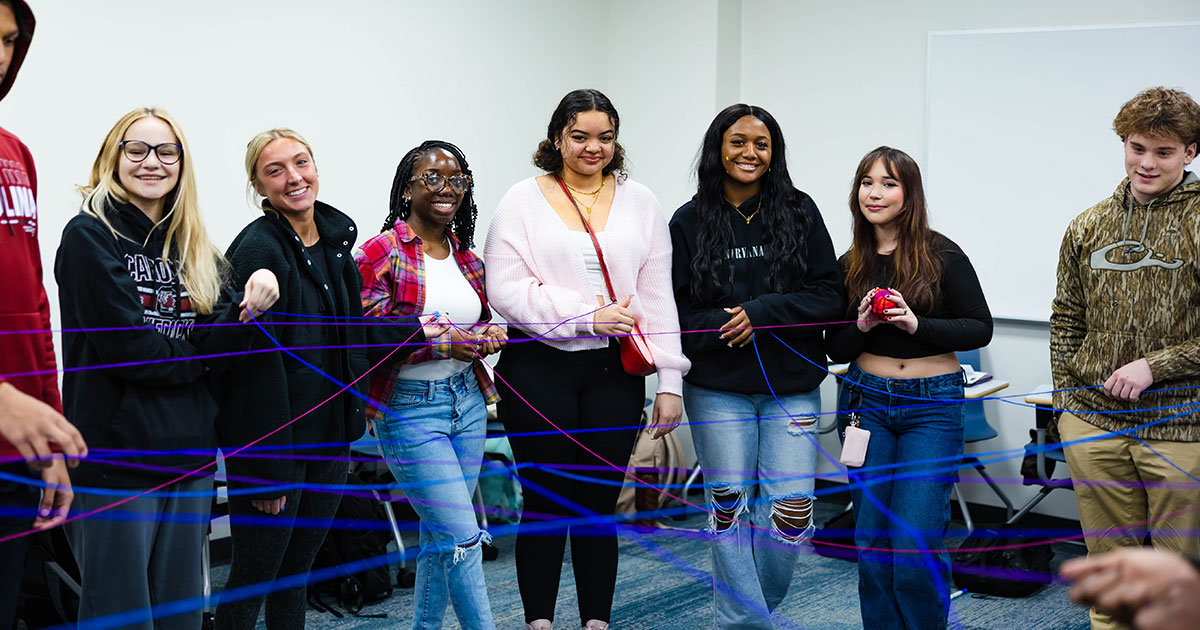
First-year students at the University of South Carolina participate in a team-building activity in their first-year seminar course. | Photo by Logan White
Career center staff
Whether you have mapped out a career plan or have no clue what you want to do, your career center staff can help! It’s not just for seniors — career centers help with career exploration, internships, resume development, and interview skills. They might even be able to help you find an on-campus job so you can build career skills and start earning money while you’re a student.
Disability services staff
If you received accommodations in high school, be sure to register with disability services on your campus, as those do not automatically roll over. These may be related to dietary restrictions, learning disabilities, or mental health conditions. They can work with you to ensure you have what you need to be successful!
Student activities and recreation services staff
You didn’t just come to college to study and work, right? Join a student organization, attend fun events, play on an intramural sports team, or take a group exercise class! Besides having a good time, you’ll grow your leadership, teamwork, and communication skills and make friends.
Friends and peer mentors
Decades of research on college student success tell us that your fellow students, or your peers, are key to your success. Many of the campus offices employ student staff members, often called peer mentors. By getting involved on campus, you will make friends who support and encourage you.
The folks outlined here can help you get the most out of your college experience. Don’t ever hesitate to ask someone a question, introduce yourself, or try a new resource; it can only help! These amazing people will help find the opportunities that will shape your future. As you build connections with them, you will find friends and mentors to last a lifetime.
Food is more than just a necessity in college — it fuels academic success, well-being, and connection, making informed dining choices essential for thriving on campus.
Robert Nelson
President and CEO, The National Association of College & University Food Services
Preparing for college means choosing classes, housing, and campus activities — but what about food? While dining may not always be top of mind, what students eat has a profound impact on their academic performance, health, and overall well-being. Here’s what families should consider when planning for a successful — and well-fed — college experience.
Food and academic success
Skipping meals may seem like a small sacrifice when juggling a packed schedule, but the effects on academic performance are significant. Studies show that students who eat regular, balanced meals — especially breakfast — perform better on tests, have stronger focus, and experience lower stress and anxiety.
Meal plans exist for a reason: They provide consistency, affordability, and easy access to nourishing meals that support learning, brain function, and students’ mental and physical health. Students should aim to create a meal schedule that aligns with their class and study habits, ensuring they have time to eat before long lectures or exams.
Know your options
Many students arrive on campus with food allergies, religious or cultural dietary preferences, or health-related nutrition needs, yet they may not realize that college dining services can accommodate them. Parents and students should take the time to explore:
Allergen-friendly options: Many dining halls have designated stations or innovative programs for accommodating top allergens like nuts, dairy, gluten, and more.
Registered dietitians: Some schools offer access to nutrition experts who can help students make informed choices.
Cultural and religious meals: If students keep kosher, halal, or vegetarian diets, understanding what’s available ahead of time can make the transition smoother.
Before move-in, students should visit the campus dining website, contact the dining team, and ask about meal options that fit their needs.
Making the most of your plan
A meal plan isn’t just about convenience — it’s also one of the most cost-effective ways to eat in college. Because of economies of scale, campus dining can offer a wide variety of meals at a lower cost than students would typically spend cooking for themselves or eating off-campus.
Students should consider:
Understanding their chosen meal plan: Are there unlimited swipes? A set number per week? Can unused meals roll over? What is the deadline to adjust plans if needed?
Knowing about alternative dining locations: In addition to dining halls, many campuses offer grab-and-go options, food trucks, or mobile ordering for busy days, included as part of the meal plan.
Making the most of cooking and nutrition programs: Some schools offer cooking classes, workshops, or healthy eating initiatives to help students develop lifelong food skills.
Food as connection
Beyond nutrition, food plays a vital role in helping students build relationships and feel a sense of belonging. Sitting down for a meal is one of the easiest ways for new students to make friends, unwind, and stay connected to campus life.
While technology has changed how students engage with their world, dining halls remain one of the most valued spaces for face-to-face interaction — not just with peers, but also with staff who become familiar, welcoming faces in a student’s daily routine.
A strong foundation
Students and families invest a great deal in higher education, and making informed choices about nutrition is part of that investment. Food is more than fuel; it’s a foundation for academic success, personal well-being, and lifelong habits. As students embark on this next chapter, taking the time to understand and prioritize their dining options can make all the difference.
Reaching today’s college and university students, most of whom belong to Generation Z, requires more than a digital presence. It requires cultural fluency, authenticity, and a deep understanding of how this generation engages with the world.
Gen Zs, typically identified as those born between 1997 and 2012, are the first true digital natives. They’ve grown up with smartphones, social media, and streaming content, not as novelties, but as fixtures of daily life. According to Pew Research, nearly 95% of teens have access to a smartphone, and more than half report being online almost constantly. These habits carry into their post-secondary years, where connectivity is an expectation, not a luxury.
But modern college and university-age students aren’t always just online. They’re also highly discerning. They value transparency, social impact, and personalization. They’re quick to recognize inauthentic messaging and even quicker to disengage from it. For colleges and universities, this creates both a challenge and an opportunity: traditional, one-dimensional advertising methods, such as flyers or general announcements, may not cut it anymore, but the right strategy can foster a lasting connection and institutional trust.
This blog post offers a comprehensive guide to understanding and effectively advertising to college students against this backdrop. From leveraging digital platforms to embracing values-driven storytelling, we’ll explore the strategies that resonate with Gen Z and how institutions can adapt to meet them with relevance and respect.
Let’s begin by exploring why this age group deserves special attention.
Why Marketing to College Students (18–24) Matters
Let’s start with a simple truth: the 18–24-year-old demographic is one of the most important audiences for higher education marketers today.
Why? Because this isn’t just the age when students choose a school. It’s when they start forming lasting opinions about the institutions they trust. The connections you build now can influence enrollment, but they also shape alumni engagement, word-of-mouth referrals, and long-term brand loyalty.
Here’s the part that matters: Gen Z is different.
They’re not just digitally connected, they’re digitally fluent. According to a study, young adults between 18 and 24 now spend an average of four hours per day online, much of it on platforms like TikTok, YouTube, and Instagram.
That means your message is competing with algorithmically curated, visually captivating, and instantly engaging content. If your campaign doesn’t speak their language, it likely won’t even register.
And here’s where it gets even more interesting: Gen Z is highly influenced by their peers. One study found that 44% of Gen Zers make purchasing or participation decisions based on influencer recommendations, not traditional ads.
What does that mean for your institution? If students don’t see your message reflected in the voices and platforms they already trust, you’re missing out. Not just on visibility, but on credibility.
We’ve already seen this in action. Consider how Lancaster University in the UK leveraged TikTok to promote its online open days. By collaborating with student ambassadors to create a series of in-feed ads, the campaign achieved over 10 million impressions and more than 90,000 clicks, significantly boosting engagement and interest in their programs.
Advertising to college students is not just about being seen. It’s about being relevant, responsive, and real. When you create campaigns that feel native to their world, not imposed on it, you don’t just attract attention. You build trust.
Where and How to Reach Students in 2025
Reaching college students today is as much about being present as it is about being present in the right places. To effectively connect with this digitally native audience, a multi-channel approach that blends online platforms with on-campus touchpoints is essential.
Where can I advertise to college students? Effective channels include social media platforms (Instagram, TikTok, YouTube, Snapchat), on-campus signage, email and SMS campaigns, and peer networks such as student clubs and organizations. Let’s explore the most impactful channels:
1. Social Media Platforms
Social media is the heartbeat of student communication. Platforms like TikTok, Instagram, Snapchat, and YouTube are where students spend a significant portion of their time. TikTok has become a vital recruiting tool, with two-thirds of teenagers using the platform, making it essential for colleges to have a presence there. Paid advertising and organic content (stories, reels, challenges) on these platforms can yield high engagement.
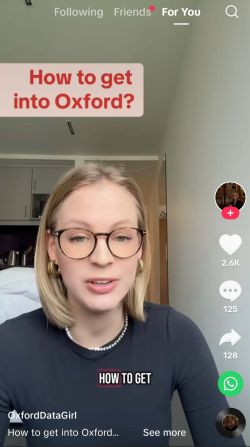
Example: Oxford University (UK) shared a series of TikTok videos featuring current students offering advice to incoming first-year “freshers,” creating authentic, peer-to-peer content that resonated strongly with its student audience.
When students are researching colleges or looking up information, they often turn to search engines and video platforms. Running targeted search ads ensures your college’s offerings appear when students are actively seeking information. On YouTube, short, engaging pre-roll ads can capture attention. Just remember to keep them concise and relevant.
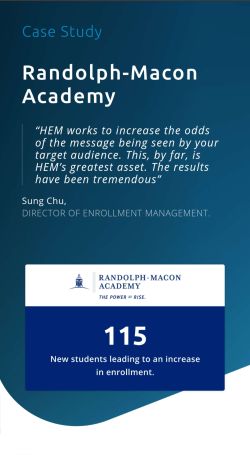
Example: Randolph-Macon Academy (R-MA) launched an aggressive Google Search ad campaign targeting families seeking strong academics during the COVID-19 pandemic. The effort paid off, R-MA saw tremendous results, enrolling 115 new students from May to August 2020 (boosting overall enrollment) and even doubling their summer school enrollment despite the disruption.
Don’t underestimate the power of physical presence when advertising at colleges. Traditional channels like campus bulletin boards, posters in dorms or the student union, campus newspaper ads, and flyers still have value, especially for promoting campus events.
Modern twists on these include digital signage (screens around campus displaying announcements) and QR codes on posters that students can scan for more info or to RSVP. Being visible where students live and study helps keep your message top-of-mind.
4. Email and Text Alerts: Direct and Personal Communication
Email remains a staple for official communication, and when crafted well, it can be an effective tool for reaching students. Concise, visually appealing newsletters about upcoming opportunities can capture attention.
Additionally, SMS/text message alerts are highly effective for timely announcements, as most students will see a text immediately. Always ensure you have permission to text students and use this channel sparingly to avoid overcommunication.
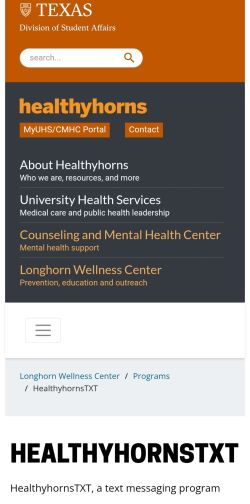
Example: The University of Texas at Austin runs a program called HealthyhornsTXT through its wellness center, sending students 2–3 text messages per week with health tips, stress-management advice, notices of campus wellness events, and motivational reminders. The messages are written in a friendly, encouraging tone by health educators (e.g., nudging students to take a stretch break or stay hydrated in the Texas heat) and often include interactive elements like a monthly giveaway to sustain engagement.
5. Student Organizations and Influencers: Leveraging Peer Networks
Peer influence is powerful. Partnering with student organizations, clubs, or Greek life groups can amplify your message. Engaging student ambassadors or micro-influencers, students with a following in specific niches, can promote your message authentically among their peers.
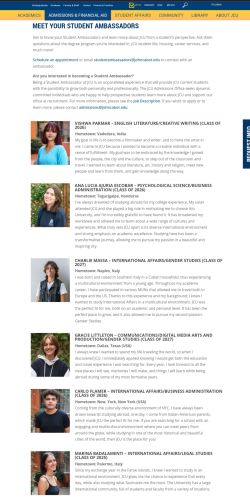
Example: John Cabot University (JCU) in Rome, Italy has a robust student ambassador program: current students are heavily involved in orientation, campus tours, event planning, and peer mentoring, serving as friendly points of contact for prospects. JCU’s website even features profiles and contact info for each ambassador, portraying an approachable, relatable face to prospective students.
By integrating these channels, your advertising efforts can effectively surround students in multiple contexts: online, in class, around campus, and on their phones. The key is to maintain cohesive messaging across platforms, ensuring that whether a student sees a flyer in the cafeteria or a story on Instagram, the campaign feels unified and relevant.
Current Trends in Digital and Social Media Marketing
To reach today’s college students effectively, your digital marketing must evolve as quickly as their online habits. Trends shift fast; what worked last semester might be outdated today. Here are the top strategies driving real engagement right now:
1. Short-Form Video & Challenges
TikTok and Instagram Reels continue to dominate student attention. Quick, relatable videos, like day-in-the-life clips or student-led challenges, are easy to share and resonate with Gen Z’s short attention span. Schools that lean into this format are seeing higher reach and better engagement.
2. Authentic Influencer Content
Students trust peers over polished promotions. That’s why institutions are turning to student ambassadors for social takeovers, Q&As, or vlog-style content. These collaborations feel more like honest advice than advertising, and they build credibility.
3. Interactive & User-Generated Campaigns
Interactive content invites students to participate rather than just consume. Polls, quizzes, and contests on social media are very effective. For example, using Instagram Stories to let students vote on a homecoming theme engages them in decision-making.
User-generated content campaigns are also trending. A classic approach is to encourage students to post with a specific hashtag (perhaps showcasing school spirit or their favourite study spot) and then reshare those posts. These social media campaign examples for students turn your audience into content creators, which increases engagement and provides authentic material to repost on official channels.
4. Personalized, Geotargeted Ads
Digital tools now allow you to tailor messages by interest, location, or academic background. For example, promoting a coding event to computer science majors or a concert to students living on campus ensures your outreach hits the right audience at the right time.
5. Ephemeral & Live Content
Instagram Stories, Snapchat updates, and livestreams offer real-time, behind-the-scenes access to campus life. Their temporary nature creates urgency, while the live format allows two-way interaction that deepens student connection.
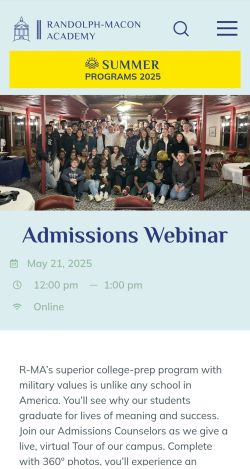
Example: Randolph-Macon Academy (RMA) hosts live virtual campus tour webinars to reach prospective families who cannot visit in person. RMA’s admissions team leads a live-streamed 360° campus tour followed by an in-depth Q&A presentation. This event is promoted through the school’s website and communications, allowing attendees worldwide to experience the campus in real time and ask questions, effectively extending the open-house experience beyond geographic limits.
Gen Z students care about social impact. Campaigns that highlight sustainability efforts, diversity, or local community involvement often outperform generic promotions, so long as the message is genuine. Authenticity matters.
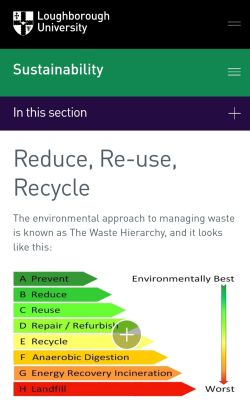
Example: Loughborough University (UK) provides a strong example with its “War on Waste” campaign – a bespoke sustainability initiative aimed at reducing waste and increasing recycling across campus buildings. Branded messaging around “Reduce, Re-use, Recycle” and visual prompts appeared throughout Loughborough’s facilities, encouraging students to adopt greener habits as part of campus life.
Staying on top of these trends ensures your message feels relevant, not recycled. Institutions that tap into these behaviours, without straying from their core identity, tend to gain more trust, attention, and traction from the student audience.
On-Campus Advertising Strategies That Still Work
While digital platforms dominate student attention, on-campus advertising still holds power, especially when promoting local events or building community awareness. The key is in making it modern, visible, and relevant. Here are five effective ways to do it:
1. Posters & Digital Billboards
Traditional posters still work, but now they come with upgrades. Many campuses feature rotating digital billboards in high-traffic spots like cafeterias or libraries. These can display videos, animations, and even repurposed TikToks. For printed posters, bold visuals and a QR code make it easy for students to scan and act instantly.
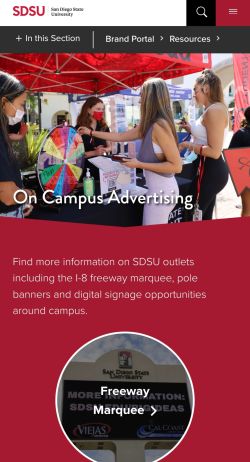
Example: San Diego State University (SDSU) employs a range of on-campus media to reach students: from digital signage screens in student centers to pole banners along walkways, and even a large marquee visible from a nearby freeway, all broadcasting campus events and messages
By strategically placing dynamic content in high-traffic areas, SDSU ensures students are constantly aware of upcoming activities and campus news.
Setting up a table in the student center or quad is a direct way to interact with students. Staff it with friendly student volunteers or staff, and have a clear call-to-action: whether it’s to promote a new program, a survey, or an event. Freebies (swag like T-shirts, stickers, snacks) are a timeless tactic; students love free stuff, and a branded item keeps your college or event in mind later. This face-to-face engagement can complement your online ads for colleges by giving a personal touch.
3. Campus Media Channels
Student-run newspapers, newsletters, and radio stations offer trusted, student-authored spaces to advertise. Sponsoring a segment or placing a well-designed ad in a campus magazine ensures your message lands where students are already tuned in.
4. Residence & Academic Buildings
Bring advertising into the spaces students frequent daily. Many residence halls allow posting on community boards or digital displays in lobbies. Similarly, academic buildings often have screens or boards for department-related notices; work with different departments to promote relevant opportunities (like a speaker event hosted by the business school should be advertised in the business building). Tailoring your message to the location can increase its relevance
5. Guerrilla Campaigns
Some of the most memorable campaign examples for students have been unconventional. Think flash mobs, chalk art on sidewalks, or pop-up experiences. A college could organize a quick flash mob dance in the dining hall to draw attention to an upcoming cultural festival, for example. Or use sidewalk chalk to create a path of clues leading to a secret prize location as part of a scavenger hunt campaign.
These fun stunts naturally get students talking (and posting on social media) because they break the monotony of campus life. Just be sure to get any necessary permissions from campus authorities beforehand.
When done right, on-campus efforts amplify your digital campaigns. If, for instance, a student sees a poster in the dorm, gets a text reminder, and then spots a student-led story on Instagram, it all clicks. That kind of message reinforcement is what turns curiosity into action.
How to Advertise Events to College Students
Promoting student events, whether it’s a club meeting or a major campus concert, requires clear, timely outreach across multiple channels. The goal isn’t just awareness; it’s attendance.
A pertinent question for education administrators then is: How can I market to 18 – 24-year-olds effectively? Utilize mobile-first, interactive, and values-aligned content. Focus on authenticity, relevance, and peer-driven engagement. Short-form video and tailored messaging yield the highest response.
Here’s how to get students to show up and spread the word.
1. Use a Multi-Channel Strategy
Start with a Facebook or event page, then promote it on Instagram, TikTok, Twitter, and email. Post countdown teasers, behind-the-scenes clips, and physical flyers across campus at least 1–2 weeks in advance. Repetition across platforms helps the message stick.
2. Lead with a Strong Hook
What makes the event worth attending? Free food? A headline performer? Networking opportunities? Whatever it is, make that the focal point on posters, email subject lines, and social captions. Students need a clear reason to care.
3. Tap Into Peer Networks
Encourage club members and student leaders to promote the event on their socials. Authentic, peer-shared content builds trust. Add a campaign hashtag and invite early adopters to post excitement-building previews like setup photos or teaser videos.
4. Leverage Campus Infrastructure
Ask professors to announce the event in relevant classes. Use the school’s app, email newsletter, events calendar, and even push notifications if available. A well-placed promo video from a student government leader can go a long way.
5. Simplify Signups
Use one-click links, QR codes on posters, and RSVP buttons that send reminders. Don’t make students dig for info; friction lowers turnout. Keep access to details and registration as effortless as possible.
On the day of the event, keep the buzz going. Add a selfie booth or branded hashtag display to encourage attendees to share their experience. When others see the fun they missed, they’ll be more inclined to show up next time. The right event marketing doesn’t just boost attendance, it builds momentum.
Creative Campaign Ideas to Spark Student Engagement in 2025
The best campaigns tap into real student life, encourage participation, and reflect your campus culture. Here are five proven and adaptable campaign ideas to consider:
1. ‘Day in the Life’ Video Series
Feature different students taking over your social channels, athletes, international students, first-years, to show authentic campus life. Promote each one in advance, save them to highlights, and repurpose the content for YouTube or digital signage. It’s both engaging and a valuable tool for prospective students.
2. Hashtag Challenge
Launch a branded hashtag (e.g., #MyCampusStory or #[Mascot]Pride) and invite students to post around a fun theme like favourite study spots or campus traditions. Offer prizes, reshare standout entries, and build a content library that feels both organic and community-driven.
3. Scavenger Hunt Campaign
Blend physical and digital by hiding QR codes or clues across campus during orientation or homecoming. Ask students to share their progress on social media using your hashtag. Offer swag for completion and a grand prize for added excitement, great for both visibility and participation.
4. Student Spotlight Series
Celebrate students with weekly features, short videos, or graphics showcasing their achievements, hobbies, or contributions to campus life. Share these across platforms to boost morale internally and show prospective students the real impact of your community.
In a nutshell, what’s the best way to promote events to college students? Use a multi-channel approach, emphasize the event’s value, and simplify registration. Build excitement through social proof, timely reminders, and on-site digital engagement strategies.
Example: The Academy of Applied Pharmaceutical Sciences (AAPS) in Toronto leverages student voices on social media by regularly sharing student and alumni success stories. This allows prospective students to envision themselves achieving similar goals, essentially seeing “people like me” thriving at the school.
Host timely, student-friendly events like a “Puppy Zone” during finals or a “Throwback Thursday” music party in the quad. Pair each with a livestream and pre-event polls or trivia to boost anticipation and extend reach to virtual audiences.
Keep it student-led, authentic, and relevant. Bring students into the planning process, they know what’s trending and what will spark interest. These ideas promote as well as create memorable experiences that students want to share.
Best Practices for Student Advertising
To ensure your marketing is both effective and respectful, consider these key principles:
Prioritize authenticity: Use real student voices and visuals. Avoid overpromising or overly polished messaging.
Optimize for mobile: Assume your content will be viewed on smartphones. Use vertical video, fast-loading pages, and concise layouts.
Maintain consistency: Align visual identity and messaging across platforms to reinforce recognition.
Respect timing: Be mindful of academic calendars and daily student rhythms. Avoid campaign launches during exam periods.
Gather feedback: Use polls or post-event surveys to measure effectiveness and refine future campaigns.
Adhere to campus policies: Ensure you comply with posting rules, privacy regulations, and student consent protocols.
Do you want to master the nuances of marketing to college students?
Contact Higher Education Marketing for more information.
Twitter: Reaching college students today requires more than visibility; it demands relevance. Learn how modern higher ed marketing leverages short-form video, student influencers, and personalized campaigns to make a lasting impact.
Facebook: Higher education advertising is evolving. Discover how to engage Gen Z through integrated campaigns that reflect their values, prioritize authenticity, and foster connection, both online and on campus.
LinkedIn: From social media to digital signage, today’s institutions are reimagining how to connect with students. Explore the most effective strategies for student-centred marketing in 2025.
Frequently Asked Questions
Question: Where can I advertise to college students?
Answer: Effective channels include social media platforms (Instagram, TikTok, YouTube, Snapchat), on-campus signage, email and SMS campaigns, and peer networks such as student clubs and organizations.
Question: How can I market to 18 – 24-year-olds effectively?
Answer: Utilize mobile-first, interactive, and values-aligned content. Focus on authenticity, relevance, and peer-driven engagement. Short-form video and tailored messaging yield the highest response.
Question: What’s the best way to promote events to college students?
Answer: Use a multi-channel approach, emphasize the event’s value, and simplify registration. Build excitement through social proof, timely reminders, and on-site digital engagement strategies.
A week does not pass without my hearing about the apparently sorry state of the current crop of students. They are lazy, disengaged, clueless and so on. It is the dusty trope that the old do not appreciate the young.
In a trip through the literature and news of the past, you will find Generation X described as underachieving, angry, psychologically damaged slackers who were indifferent to learning, brazenly rude, entitled, unprofessionalwhiners. Millennials were called “Generation Whine” and described as self-centered, unmotivated, disrespectful, depressed, anxious, disloyal, entitled cynics who were so overindulged and protected by their parents that they were incapable of working without constant hand holding.
If this all sounds familiar, it should. Professors now bemoan the current crop of Gen Z students who will not read, cannot handle stress, procrastinate, lack basic academic skills, refuse to engage in class, are psychologically needy and are more interested in preparation for a career than appreciating knowledge.
Meanwhile, every generation is described as being both skilled in and ruined by new technology. Boomers complained that Generation X could not write a proper formal letter and that Millennials expected email communication. Generation X now complains about Generation Z not attending to their email communication and lacking proper email etiquette. It is an ongoing cycle.
Much of the educational discourse seems to assume that each new generation of students differs from the last to such a degree that many accommodations will need to be made. Every generation is indeed affected by the events of their time. The educational disruption of the COVID-19 pandemic likely widened the already existing achievement gaps among different groups of Generation Z learners. However, learning is learning. Decades of research across multiple fields of psychology have shaped our understanding of the human mind and how we best learn. Teaching is hard work, and we make teaching harder when we remain fixated on stereotypes, tech temptations and societal trends.
Let’s refocus on what our trade is—learning. From my experience as a professor of more than 20 years specializing in educational psychology, and as a researcher and department chair, I offer these principles:
Engage in your discipline. Maintain your expertise over time and share the developments of your field. If you are bored with your discipline, it will show. And if your knowledge is out of date and students find out, you lose all credibility. As a professor, few things are as awkward as when a student shares incorrect information they learned in another course and you must contradict it with up-to-date, accurate information.
Figure out what type of teaching suits you and then master that type. If you are a lecturer, then study what makes someone the best lecturer. If you use PowerPoints, study best practices in their design. If you embrace group work, explore what types of assignments and student groupings are most effective. What pedagogy you use is less important than doing that pedagogy well. By all means, learn new techniques. But new does not always mean better, and not all techniques are going to fit with your content and style. I will be the first to admit that I am not the most dynamic speaker. I am, however, good at reading the room, pacing the delivery of knowledge and explaining ideas in many different ways. Lean into your strengths.
Create opportunities for multiple types of learning. Humans learn best by engaging different areas of their brain: their auditory and visual systems, their logic and expressive capabilities, and their abilities to apply and build personal connections to new knowledge. Research shows that students do not have unitary learning styles: However, everyone learns better when they engage multiple processing modes. You do not need to do everything all at once. But across your design of homework, class time and assessment, remember: Variety is key. My own action research in my measurement and statistics course bears this out. Concerted effort to allow students to use analytic, practical and creative means to express their knowledge resulted in a productive experience in a class that many students dreaded.
Do not let new technology pass you by. What is new in instructional technology now may become the norm tomorrow. Try new things and stay knowledgeable, but also consider how and why you would use the technology to improve teaching or other aspects of your course. For example, clickers did not work well for me, but many professors make great use of them. A useful strategy is to turn to your students and ask them how they would improve one of your assignments by integrating new technology. Guides such as the one here are available to help you make these decisions.
Express a genuine interest in your students. You are not their friend, but you can be courteous and friendly. It is good manners, after all. Be a human being. As students gather before class begins, you might consider asking how the semester is going. Perhaps reference an event that has taken place on campus. Do not be afraid to mention your own experiences if they are directly relevant to the course. There is continuing lore related to my courses that if you find a way to include cats while also demonstrating the content and skills of the course you will receive extra credit (true). Do not be afraid to be real.
Fulfilling these principles in your teaching career is not easy. It takes time, energy and a lifelong commitment to self-improvement—the same traits we wish for in our students. If you find that you are unwilling to strive to meet these principles, and then find the students are not living up to expectations, know that it is not them: It’s you.
Erin Morris Miller is an associate professor of psychology at Bridgewater College.