Researchers from the University of South Australia have conducted new analysis, that found no relationship between international student numbers and rising rental costs for local residents.
Please login below to view content or subscribe now.


Researchers from the University of South Australia have conducted new analysis, that found no relationship between international student numbers and rising rental costs for local residents.
Please login below to view content or subscribe now.

Findings from my study — released as an issue brief by Manhattan Institute — provide the first available empirical evidence that DEI statements in faculty hiring and promotion could be used as political firewalls to enforce ideological conformity and screen out candidates who hold dissenting views.
In the study, applicants who discussed having engaged in specific DEI-related efforts — such as building outreach programs targeting students and faculty of color or chairing a committee on race relations — received higher scores from faculty evaluators.
All told, data from seven experimental studies involving 4,953 tenured/tenure-track university faculty together show that faculty exhibit a clear preference for DEI statements that discuss race/ethnicity and gender, while down-rating those that do not.
Even if applicants began their statements by explicitly saying, “I have long been committed to equity, diversity, and inclusion,” and then detailed work on mentoring and outreach to students in rural communities — but not race-based or feminist efforts — they were far less likely to be recommended for further review.
In fact, one of the studies found that only 45% of faculty who evaluated a viewpoint diversity DEI statement recommended advancing the candidate for further review, compared to 88% of faculty who recommended advancing the candidate who discussed race or gender-based efforts.
FIRE has long argued that requiring DEI statements can too easily function as a political litmus test in hiring and promotion, forcing faculty to express prevailing ideological positions on DEI — or face the consequences.
Moreover, even among college and university faculty, opinions on DEI statements are mixed. In two different large national surveys, FIRE found that faculty were split on whether colleges should require DEI statements in job applications.
There are still many unexplored questions about DEI statements, and their future remains uncertain. That said, it remains to be seen whether DEI statements are being eliminated entirely by some institutions, or whether they are simply being rebranded.
But insofar as DEI statements function as a form of viewpoint discrimination disguised as an anti-discrimination initiative, colleges and universities should reconsider their continued use.
FIRE has model legislation to prohibit the use of political litmus tests in faculty hiring, promotion, and tenure awards, and in student admissions at public institutions of higher education.
For more information about this work, please see the now available issue brief or the underlying academic pre-print.

Bunker Hill Community College is canceling its summer study abroad programs in response to Trump administration immigration policies, WBUR reported.
“Our first priority in any Study Abroad experience is the safety of our students and staff,” read a statement from the community college to WBUR. “With the changes in national immigration policy and enforcement that have emerged over the last several weeks, including the prospect of renewed travel restrictions, the College will redirect this year’s exploration and learning to U.S.-based sites.”
The community college planned to send about 60 students to Costa Rica, Ghana, Japan, Kenya and Panama for two-week educational programs between May and July. The decision to cancel the trips came after news reports that the Trump administration is considering a travel ban on dozens of countries.
Biology professor Scott Benjamin, who’s led the Costa Rica trip since 2002, told WBUR that college leaders were concerned for international students who planned to go on these trips. International students make up 7 percent of the college’s student body.
“The school was just very worried about the probably remote, but still potential possibility that we could go away and come back, and a student couldn’t come back into the country,” Benjamin told the news outlet.
Students at historically Black colleges and universities and predominantly Black institutions are happier and feel a greater sense of belonging, on average, than both Black students at small, predominantly white institutions and college students over all, according to a new report commissioned by the United Negro College Fund.
The report, “Community, Culture and Care: A Cross-Institutional Analysis of Mental Health Among HBCU and PBI Students,” utilized findings from two years’ worth of data from the Healthy Minds Study, a large annual survey of college students nationwide, to create what the researchers believe is the most comprehensive analysis to date of HBCU and PBI students’ mental health.
“HBCUs have a long tradition of being centers of excellence and academic achievement,” said Akilah Patterson, the lead researcher on the study and a Ph.D. candidate in the University of Michigan’s Department of Health Behavior and Health Equity. “But this work also highlights that HBCUs are much more than that. They’re cultivating an environment of affirmation and belonging and support.”
Among the study’s sample of HBCU and PBI students, 45 percent demonstrated positive mental health according to the Flourishing Scale, a series of eight statements—such as “I am a good person and live a good life”—that are used to determine whether a respondent is “flourishing” mentally. The three statements most commonly selected by students in the sample were “I am a good person and live a good life,” “I actively contribute to the happiness and well-being of others,” and “I am confident and capable in the activities that are important to me.”
Meanwhile, only 36 percent of college students in general and 38 percent of Black students at PWIs indicated positive mental health. HBCU and PBI students also reported lower rates of anxiety, depression and eating disorders than college students broadly.
HBCU and PBI students also demonstrated a greater sense of belonging on campus, with 83 percent agreeing with the statement “I see myself as part of the campus community,” while 73 percent of all Healthy Minds respondents said the same. High numbers of HBCU and PBI students reported having close connections with others on campus; 54 percent said they have a social group or community where they feel they belong, and 60 percent said they have friends “with whom I can share my thoughts and feelings.”
Serena Butler-Johnson, the director of the counseling center at the University of the District of Columbia, a public HBCU, said that those findings seem especially noteworthy as mental health professionals increasingly warn of the dangers of loneliness and isolation, which have been associated with physical harms, like increased risk of stroke. Vivek Murthy, the U.S. surgeon general under former president Joe Biden, declared loneliness a public health emergency in 2023, calling community and connection its “antidotes.”
Butler-Johnson also noted that the findings tie in with the field of Black psychology, which focuses on Black people’s lives, history and experiences.
“Black psychology emphasizes community, connection, rituals, traditions, which are all very much part of an HBCU experience, whether it’s homecoming or stepping or band,” she said. “Just in general, the concept of Black psychology is mirrored in the findings.”
Though the findings did not necessarily show causation between the high rates of belonging and the other positive mental health outcomes of HBCU and PBI students, previous research has linked a sense of belonging with high academic achievement and mental well-being.
Despite the mostly positive findings, the sample did report higher rates of suicidal ideation among HBCU and PBI students (17 percent) than the general student population (14 percent). It also highlighted two areas of stress for many HBCU and PBI students: financial instability and, despite feeling high rates of belonging on their campuses, loneliness. The respondents experienced similar levels of stress (56 percent) to the national sample (55 percent) but higher rates of financial stress; 52 percent said they are always or often stressed about finances, compared to 43 percent of the national sample.
Butler-Johnson said that HBCUs should take extra steps “outside of the four walls of the therapy room” to address these issues; at UDC, that has included opening a new Office of Advocacy and Student Support, which partners with the counseling center to connect students with financial assistance and case management. UDC’s counseling center also offers informal, nonclinical group meetings where students can drop in and talk with others, no paperwork required, as a way to address loneliness.
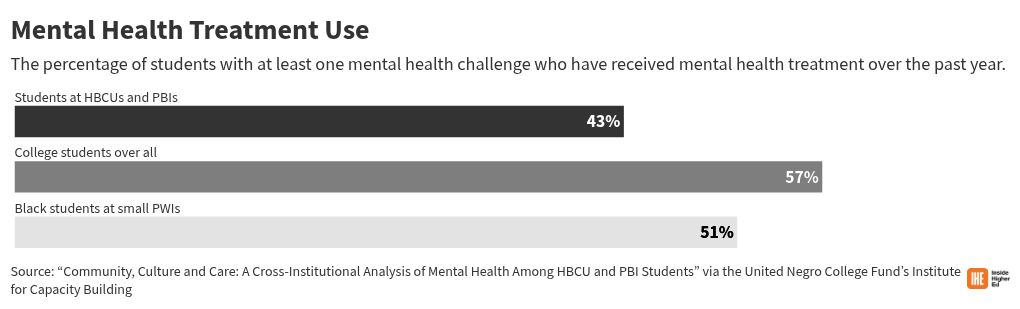
Another concerning finding: HBCU and PBI students with mental health challenges are significantly less likely to receive mental health support than Black students at PWIs and students over all. The report notes that this could be due to those institutions having fewer resources, leading to less availability of clinicians on campus. The perceived stigma of going to therapy could be a factor as well; while only 8 percent of respondents said they would judge someone else for getting treatment—slightly above the national rate of 6 percent—52 percent said they feared they would be judged if they sought out treatment. That’s 11 percentage points higher than the national sample.
Patterson said these findings indicate that HBCUs and PBIs are doing an incredibly successful job supporting students’ mental well-being despite barriers like lack of resources and concerns about stigma. And while she said many HBCU students can benefit from traditional counseling, the results indicate that it’s also important to recognize that therapy is “not the be-all, end-all” of mental health support on HBCU campuses.
“Knowing and providing multiple options for all students is really important,” she said.
About a decade ago now, there was a problem at the University of Wisconsin-Madison.
Across a collection of STEM courses, there was a significant “achievement” (attainment/awarding) gap between marginalised groups (all religious minorities and non-White students) and privileged students (caucasian, non-Hispanic participants who were either Christian or had no religion).
Psychology prof Markus Brauer had an idea. He’d previously undertaken research on social norms messaging – communicating to people that most of their peers hold certain pro-social attitudes or tend to engage in certain pro-social behaviours.
He knew that communications shape people’s perceptions of what is common and socially acceptable, which in turn influences their own attitudes and behaviours.
So he thought he’d try some on new students.
He started by trying out posters in waiting rooms and teaching spaces, and then tried showing two groups of students a video – one saw an off-the-shelf explanation of bias and micro-aggressions, and another where lots of voxpopped students described the day to day benefits of diversity.
Long story short? The latter “social norms” video had a strong, significant, positive effect on inclusive climate scores for students from marginalised backgrounds.
They reported that their peers behaved more inclusively and treated them with more respect, and the effect was stronger for marginalised students than for privileged students.
Then he tried it again. One group got to see the social norms video in their first scheduled class, and those students also got an email from the university’s Deputy Vice Chancellor for Diversity and Inclusion in week 7 of the semester, which reported positive findings from the university’s most recent climate survey and encouraged students to continue working toward an inclusive social climate.
The other group had a short “pro-diversity” statement added to the syllabus that was distributed in paper format during the first class. That pro-diversity statement briefly mentioned the university’s commitment to diversity and inclusive excellence. Students in this group did not receive an email.
As well as a whole bunch of perception effects, by the end of the semester the marginalised students in the latter group had significantly lower grades than privileged students. But in the norms video group, the achievement gap was completely eliminated – through better social cohesion.
I was thinking about that little tale on both days of our brief study tour to Stockholm last month, where 20 or so UK student leaders (and the staff that support them) criss-crossed the city to meet with multiple student groups and associations to discuss their work.
Just below the surface, on the trips there’s an endless search for the secret sauce. What makes this work? Why is this successful?
Across our encounters in Stockholm, one of the big themes was “culture”. Gerry Johnson and Kevan Scholes’ Cultural Web isn’t a bad place to start.
In conversation, culture came up in multiple ways. One of the things that lots of the groups and their offshoots mentioned was that they played a role in introducing students to Swedish student culture – for international students, home students who were first in family, or just new students in general who needed to know how things worked.
It came up in both an academic context and a social context. In the former, the focus was on independent study and the relative lack of contact hours in the Swedish system – in the latter, through traditions like “spex” (comedic part-improv theatrical performances created and performed by students), students wearing boiler suits with patches, or “Gasques”, where where students dress up, sing traditional songs, and enjoy multiple courses of food alongside speeches and entertainment.
But it also came up as a kind of excuse. As well as cracking out the XE app to work out how much better off students in Sweden tend to be, when we got vague answers to our questions interrogating the high, almost jaw-dropping levels of engagement in extracurricular responsibilities, both them and us were often putting it down to “the culture”.
“It’s fun”, “it’s what we do here”, “we want to help people” were much more likely to be the answers on offer than the things our end expected – CV boosting, academic credit or remuneration.
“Excuse” is a bit unfair – partly because one of the things that’s happened off the back of previous study tours is that delegates have brought home project ideas or new structures and plonked them into their university, the resultant failures often put down to a difference in culture.
Maybe that’s reasonable, maybe not. But we can change culture, surely?
Whatever’s going on, the depth and breadth of student engagement in activity outside of the formal scope of their course in Sweden is breathtaking.
At Stockholm’s School of Economics, the student association’s VP for Education told us that of the circa 1800 students enrolled, about 96 per cent are SU members – and 700 of them are “active”. I think I thought he meant “pitching up to stuff semi-regularly”, but on the next slide he meant ”have a position of responsibility”.
At the KTH Royal Institute of Technology, the volunteers we met from Datasektion – the “chapter” for students studying data science courses – had similar stats, nestled in a much bigger university. We met them in their “chapter room” – something that felt like it was theirs rather than a page from a furniture catalogue. As they presented their slides, I started surfing around their website to count the roles. I soon gave up. There’s even a whole committee for keeping the chapter room clean – it’s their home, after all.
Chatting to the tiny crew of staff at Stockholm University’s SU was a humbling experience. Every time we thought we’d got a grip on their structures, another set unfurled – councils, forums, sports groups, societies, project groups and hundreds of university-level reps shouldn’t be sustainable in a university of 30,000 students – but it is.
Even at Södertörn University just south of the city – a former Högskola (university college) that’s as close as Sweden gets to a post-92, the numbers are wild. There’s reps for departments, reps for subjects, reps for university boards and working groups, reps that run the careers fair, and reps for the SU’s work environment, archives, finance and administration, graphic design, sustainability, communication, project management and student influence and impact.
There’s even 30 odd students that run the pub – without a “grown up” in sight.
It was probably the Doctoral chapter back at KTH that really did it for me. I don’t think it’s unfair to suggest that extracurricular activity and student representation for PhD students in the UK is fairly thin on the ground – in Sweden, not only is there a vision for PGR student life beyond the research and the survival, there are formal time compensation arrangements that support it.
Maybe that’s why there’s branches, projects, EDI initiatives, careers support, international student events, ombudspeople, awards nights, trips, handbooks, student support and highly sophisticated research and lobbying. Actually, maybe that’s why Swedish PhD students are salaried at a level approaching those that supervise them – while our “New Deal” says nothing on student life or representation, and frames stipends equivalent to the minimum wage as an achievement.
There’s many a student leader that’s returned to the UK and decided that they need an elected officer for every faculty, or to create a PGR “officer” or whatever, only to find that the culture in said university or faculty gives that student nothing to work with and little to organise.
One of our new Swedish friends described that as “painting a branch a different colour – the tree will still be brown when the tree grows and the branch falls off”, as she impressively explained the way that students were recruited first to help, then later to take charge, building their confidence and skills along the way.
Back in the UK, the sector often talks of how students have changed – as if their desires, preferences, activities or attitudes are outside of the gift of educational institutions – something to be marketed to rather than inculcated with.
But every student I’ve ever met wants to fit in – to know the rules of the games, to know how things work around here, to know how to fit in. Maybe how they’re inducted and supported – and who does that induction and support – matters.
Maybe it’s about age – students enrol into higher education later in Sweden. Maybe it’s about pace – in the standard three years, only about 40 per cent of bachelor’s students complete – add on three years, and “drop out” is as low as in the UK.
Maybe it’s about a wider culture of associative activity – the UK always has been useless at sustaining mutuals, and our participation rates in them are near the bottom of the European tables.
Maybe it’s the legislation – law that has given students the formal right to influence their own education and a panoply of associated rights without the tiresome discourse of consumerism or “what do they know” since the 1970s.
Maybe it’s about trust. You soon spot when you visit a country how much its people are trusted when you jump on a train – “it must be because it’s so cheap” is what we tend to think, but maybe that lack of barriers and inspectors is about something else.
Less than 4 in 10 staff in Swedish Universities are non-academic, far less than in the UK. Maybe we do so much for students in the UK because they need the help. Maybe we’ve convinced ourselves – both in universities and SUs – that they can’t or won’t do it on their own – or that if they did, they’d mess it up, or at least mess the metrics or the marketing up.
In that endless search for the secret sauce, the research doesn’t help. In theses like this, the most common reasons for student volunteering in Sweden are improving things/helping people, meeting new people/making friends, developing skills, and gaining work experience/developing their CV. Like they are everywhere.
International students, particularly those studying away from their home country, are more likely to volunteer as a way to make new social connections. Younger students tend to volunteer more frequently than older ones. And universities could encourage volunteering by increasing awareness, linking it to academic subjects, and offering rewards or networking opportunities. We knew that already.
But actually, maybe there’s something we didn’t know:
Swedish students tend to volunteer because it is seen as normal rather than something extraordinary.
And that takes us back to Wisconsin.
In this terrific podcast, Markus Brauer urges anyone in a university trying to “change the culture” to focus on the evidence. He says that traditional student culture change initiatives lack rigorous evaluation, rely on flawed assumptions, provoke resistance, and raise awareness without changing behaviour.
He critiques approaches that focus on individual attitudes rather than systemic barriers, stressing that context and social norms – not just personal beliefs – shape behaviour. Negative, deficit-based framing alienates. And it’s positive, evidence-based, and systematic strategies – structural reforms, visible institutional commitments and peer modelling that really drive the change.
Maybe that’s why each and every student leader we met had an engagement origin story that was about belonging.
When I asked the International Officer at the Stockholm Student Law Association what would happen if a new student didn’t know how to approach an assignment, he was unequivocal – one of the “Fadder” students running the group social mentoring scheme would do the hard yards on the hidden curriculum.
When I asked the Doctoral President at KTH how she first got involved, it was because someone had asked her to help out. The Education VP at the School of Economics? He went to an event, and figured it would be fun to help run it next time because he’d get to hang out with those that had run it for him. Now he runs a student-led study skills programme and gets alumni involved in helping students to succeed. Maybe it’s that. School plays sell out.
Belonging has become quite important in HE in recent years. The human need to feel connected, valued, and part of something greater than ourselves has correlations with all sorts of things that are good. Belonging shapes students’ identities, impacts their well-being, enables them to take risks and overcome challenges with resilience.
But since we’ve been putting out our research, something bad has been happening. Back in the UK, I keep coming across posters and social media graphics that say to students “you belong here”
And that’s a problem, because something else we know is that when a student doesn’t feel like that and when there’s no scaffolding or investment to stimulate it, it can make students feel worse. Because the other thing we’ve noticed about how others in Europe do it is that it’s about doing things.
The first aspect of that is that when students work together on something it allows us to value and hope for the success of others beyond their individual concerns. They want the project to succeed. We want the event to go well. They smile for the photos in a group.
The second is that when they work in a group and they connect and contribute they’re suddenly not in competition, and so less likely to lose. When they’re proofing someone’s essay or planning a route for a treasure hunt, they’re not performing for their success – they’re performing for others.
But the third is that they start to see themselves differently. Suddenly they’re not characterised by their characteristics, judged by their accent or ranked by their background. They start to transcend the labels and become the artist, the coach, the consultant or the cook.
The folklore benefits of HE participation are well understood and hugely valuable to society. They’re about health, wellbeing, confidence, community mindedness and a respect for equality and diversity.
In every country in the process of massifying, the debate about whether they’re imbued via the signalling of those that go (rather than those that don’t), or whether they’re imbued via the graduate attributes framework variously crowbarred into modules, or imbued simply via friendship or via the social mixing that seems so scarce in modern HE rages on.
My guess is that it’s partly about having the time to do things – we make student life more and more efficient at our peril. It’s partly about giving things back to students that we’ve pretty much professionalised the belonging out of. It’s partly about scaffolding – finding structures that counterintuitively run against the centralisation rampant in the management of institutions and causing students to organise their communities in groups of the right size.
Maybe it’s all of that, or some of it. Maybe some good social norming videos would help.
But my best guess is not that higher education should show new students a manipulative video tricking them into the social proof that helping others is fun. It’s that seeing other students do things for them – and then asking them to get involved themselves – is both the only way to build belonging and community, and the only way to ensure that the benefits of participation extend beyond the transactional.
When students witness peers actively shaping their environment, supporting each other, and making tangible contributions to their communities, they don’t just internalise the value of participation – they embody it. Creating the conditions where reciprocity feels natural, expected and rewarding is about making it natural, expected, and rewarding.
The more HE massifies, the more the questions will come over the individual benefits to salary, the more the pressure will come on outcomes, and the more that some will see skills as something that’s cheaper to do outside of the sector than in it.
If mass HE is to survive, its signature contribution in an ever-more divided world ought to be belonging, community and social cohesion. However hard it looks, that will mean weaning off engineering individual engagement from the top down – and starting to enable community engagement from the ground up.

Educators in Ontario are setting the record straight about the cause of the province’s college funding crisis – the blame for which, they say, falls squarely on the Ontario provincial government.
“We currently see a wave of Ontario college program closures/suspensions sweeping across all of Ontario’s 24 colleges… This is just the tip of the iceberg and there will be many more to follow,” school educator and former college administrator David Deveau wrote in a letter to government officials.
“This letter aims to correct the media’s false assertion that these program suspensions are a direct result of the federal government’s restrictions on international student visa approvals and identify the actual reason for this alarming trend across the Ontario college system,” he continued.
The letter, which has been widely shared by sector stakeholders, lays the blame for Ontario’s college crisis on decades of underfunding from the provincial government, exacerbated by a 10% tuition fee reduction and freeze in 2019.
“Ontario’s higher education sector is in crisis due to chronic underfunding, tuition freezes, and a reliance on international student tuition as a financial lifeline,” said Chris Busch, senior international officer at the University of Windsor.
In 2001/02, Ontario’s colleges received 52.5% of their revenue from public funding, the second lowest of any province, according to Canada’s statistics agency.
By 2019/20, this figure had dropped to 32%, by far the lowest proportion across Canada’s provinces and territories, which, on average, provided 69% of college funding that year.
“Colleges and universities have had to attract talent from abroad, increasingly enrolling international student to help fill the funding gap,” said Vinitha Gengatharan, assistant VP of global engagement at York University.
This is particularly evident at the college level, where institutions have seen international student enrolment of 30-60%, compared to universities where it ranges from 10-20%, added Gengatharan.
Educators across Ontario’s college and university sector have spoken out in support of Deveau’s letter, calling for a long-term commitment to stable and adequate funding from the provincial government.
In recent weeks, Ontario’s 24 public colleges have made the headlines for sweeping budget cuts, course closures and staff layoffs.
Stakeholders have raised additional concerns about increased class sizes and deferred maintenance and tech upgrades eroding the quality of education and the student experience for all learners, including Ontarians, Busch maintained.
This week, Algonquin College announced the closure of its campus in Perth, Ontario, alongside the cancellation of 10 programs and the suspension of 31, citing “unprecedented financial challenges”.
It follows Sheridan and St. Lawrence colleges announcing course suspensions with associated layoffs, and Mohawk College cutting 20% of admin jobs.
The ability of Ontario’s universities to fulfil their mission – providing high-quality education, driving research, and fuelling the economy with talent – is at significant risk under current conditions
Chris Busch, University of Windsor
“What is currently happening within our colleges is a downward spiral that will hurt Ontarians, the labour market, and our economies in the end,” wrote Deveau, adding that it was especially important to be strong in the face of externally imposed tariffs from the Trump administration.
In the letter, Deveau said the tuition freeze – which continues to this day – is akin to a “chokehold suffocating the life out of the college system” that is eliminating vital programs, restricting career choices of Ontarians and “jeopardising the province’s economic future”.
He raised attention to the “domino effect” of program closures impacting students’ career prospects, faculty layoffs and damaging local economies.
“The ability of Ontario’s universities to fulfil their mission – providing high-quality education, driving research, and fuelling the economy with talent – is at significant risk under current conditions,” said Busch.
In March 2023, the Ontario government itself published a Blue-Ribbon Report recognising the need to increase direct provincial support for colleges and universities, “providing for both more money per student and more students” and raising tuition fees.
Last year, the Ontario government injected $1.3 billion into colleges and universities over three years to stabilise the sector’s finances, though critics are demanding systemic funding changes rather than “stop-gap” and “gimmicky” proposals, said Deveau.
Nationwide, Canada’s colleges were dealt another blow when the IRCC announced its new PGWP eligibility criteria, which stakeholders warned risked “decimating” Canada’s college sector.
It is feared that more Ontario colleges will face cuts before the province’s 2025 budget, expected in April.
The PIE News reached out to the Ontario government but is yet to hear back.
SALT LAKE CITY — Nineteen-year-old Nevaeh Parker spent the fall semester at the University of Utah trying to figure out how to lead a student group that had been undercut overnight by matters far beyond student control.
Parker, the president of the Black Student Union, feared that a new Utah law banning diversity, equity and inclusion efforts at public colleges had sent a message to students from historically marginalized groups that they aren’t valued on campus. So this spring, while juggling 18 credit hours, an internship, a role in student government and waiting tables at a local cafe, she is doing everything in her power to change that message.
Because the university cut off support for the BSU — as well as groups for Asian American and for Pacific Islander students — Parker is organizing the BSU’s monthly meetings on a bare-bones budget that comes from student government funding for hundreds of clubs. She often drives to pick up the meeting’s pizza to avoid wasting those precious dollars on delivery fees. And she’s helping organize large community events that can help Black, Asian and Latino students build relationships with each other and connect with people working in Salt Lake City for mentorship and professional networking opportunities.
“Sometimes that means I’m sacrificing my grades, my personal time, my family,” Parker, a sophomore, said. “It makes it harder to succeed and achieve the things I want to achieve.”
But she’s dedicated to keeping the BSU going because it means so much to her fellow Black students. She said several of her peers have told her they don’t feel they have a place on campus and are considering transferring or dropping out.
Utah’s law arose from a conservative view that DEI initiatives promote different treatment of students based on race, ethnicity, gender or sexuality. House Bill 261, known as “Equal Opportunity Initiatives,” which took effect last July, broadly banished DEI efforts and prohibited institutions or their representatives speaking about related topics at public colleges and government agencies. Violators risk losing state funding.
Now President Donald Trump has set out to squelch DEI work across the federal government and in schools, colleges and businesses everywhere, through DEI-related executive orders and a recent “Dear Colleague” letter. As more states decide to banish DEI, Utah’s campus may represent what’s to come nationwide.
Related: Interested in more news about colleges and universities? Subscribe to our free biweekly higher education newsletter.
Because of the new state law, the university last year closed the Black Cultural Center, the Center for Equity and Student Belonging, the LGBT Resource Center and the Women’s Resource Center – in addition to making funding cuts to the student affinity groups.
In place of these centers, the university opened a new Center for Community and Cultural Engagement, to offer programming for education, celebration and awareness of different identity and cultural groups, and a new Center for Student Access and Resources, to offer practical support services like counseling to all students, regardless of identity.
For many students, the changes may have gone unnoticed. Utah’s undergraduate population is about 63 percent white. Black students are about 1 percent, Asian students about 8 percent and Hispanic students about 14 percent of the student body. Gender identity and sexuality among students is not tracked.
For others, however, the university’s racial composition makes the support of the centers that were eliminated that much more significant.
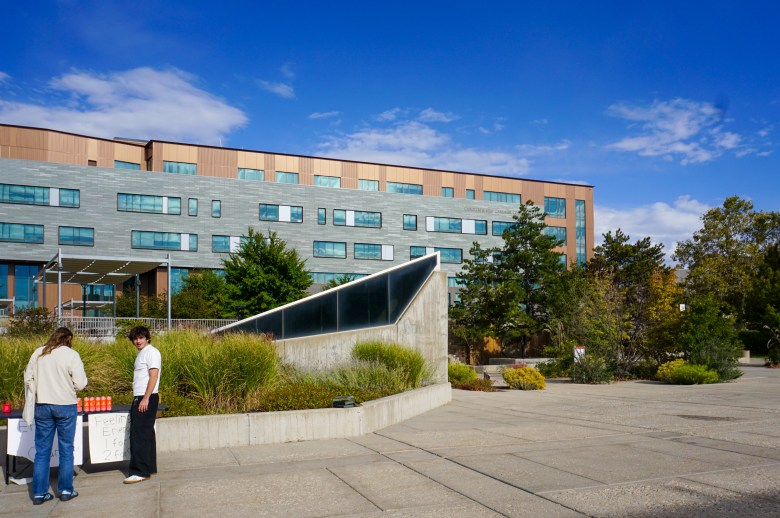
Some — like Parker — have worked to replace what was lost. For example, a group of queer and transgender students formed a student-run Pride Center, with support from the local Utah Pride Center. A few days a week, they set up camp in a study room in the library. They bring in pride flags, informational fliers and rainbow stickers to distribute around the room, and sit at a big table in case other students come looking for a space to study or spend time with friends.
Lori McDonald, the university’s vice president of student affairs, said so far, her staff has not seen as many students spending time in the two new centers as they did when that space was the Women’s Resource Center and the LGBT Resource Center, for example.
“I still hear from students who are grieving the loss of the centers that they felt such ownership of and comfort with,” McDonald said. “I expected that there would still be frustration with the situation, but yet still carrying on and finding new things.”
One of the Utah bill’s co-sponsors was Katy Hall, a Republican state representative. In an email, she said she wanted to ensure that support services were available to all students and that barriers to academic success were removed.
“My aim was to take the politics out of it and move forward with helping students and Utahns to focus on equal treatment under the law for all,” Hall said. “Long term, I hope that students who benefitted from these centers in the past know that the expectation is that they will still be able to receive services and support that they need.”
The law allows Utah colleges to operate cultural centers, so long as they offer only “cultural education, celebration, engagement, and awareness to provide opportunities for all students to learn with and from one another,” according to guidance from the Utah System of Higher Education.
Given the anti-DEI orders coming from the White House and the mandate from the Department of Education earlier this month calling for the elimination of any racial preferences, McDonald said, “This does seem to be a time that higher education will receive more direction on what can and cannot be done.”
But because the University of Utah has already had to make so many changes, she thinks that the university will be able to carry on with the centers and programs it now offers for all students.
Related: Facing legal threats, colleges back off race-based programs
Research has shown that a sense of belonging at college contributes to improved engagement in class and campus activities and to retaining students until they graduate.
“When we take away critical supports that we know have been so instrumental in student engagement and retention, we are not delivering on our promise to ensure student success,” said Royel M. Johnson, director of the national assessment of collegiate campus climates at the University of Southern California Race and Equity Center.
Creating an equitable and inclusive environment requires recognizing that there is no one-size-fits-all approach to supporting students, said Paulette Granberry Russell, president of the National Association of Diversity Officers in Higher Education. A student who grew up poor may not have had the same opportunities in preparing for college as a student from a wealthy or middle-class family. Students from some minority groups or those who are the first in their family to go to college may not understand how to get the support they need.
“This should not be a situation where our students arrive on campus and are expected to sink or swim,” she said.
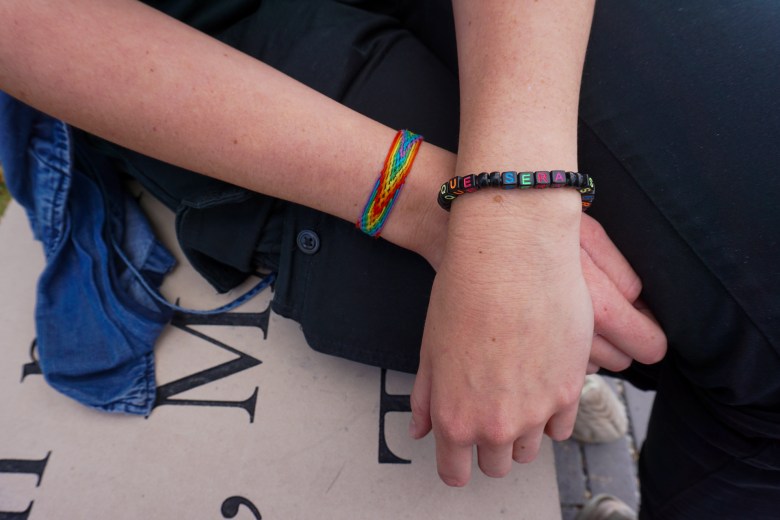
Kirstin Maanum is the director of the new Center for Student Access and Resources; it administers scholarships and guidance previously offered by the now-closed centers. She formerly served as the director of the Women’s Resource Center.
“Students have worked really hard to figure out where their place is and try to get connected,” Maanum said. “It’s on us to be telling students what we offer and even in some cases, what we don’t, and connecting them to places that do offer what they’re looking for.”
That has been difficult, she said, because the changeover happened so quickly, even though some staffers from the closed centers were reassigned to the new centers. (Others were reassigned elsewhere.)
“It was a heavy lift,” Maanum said. “We didn’t really get a chance to pause until this fall. We did a retreat at the end of October and it was the first time I felt like we were able to really reflect on how things were going and essentially do some grief work and team building.”
Before the new state law, the cultural, social and political activities of various student affinity groups used to be financed by the university — up to $11,000 per group per year — but that money was eliminated because it came from the Center for Equity and Student Belonging, which closed. The groups could have retained some financial support from the university if they agreed to avoid speaking about certain topics considered political and to explicitly welcome all students, not just those who shared their race, ethnicity or other personal identity characteristics, according to McDonald. Otherwise, the student groups are left to fundraise and petition the student government for funding alongside hundreds of other clubs.
Related: Tracking Trump — a week-by-week look at his actions on education
Parker said the restrictions on speech felt impossible for the BSU, which often discusses racism and the way bias and discrimination affect students. She said, “Those things are not political, those things are real, and they impact the way students are able to perform on campus.”
She added: “I feel as though me living in this black body automatically makes myself and my existence here political, I feel like it makes my existence here debatable and questioned. I feel like every single day I’m having to prove myself extra.”
In October, she and other leaders of the Black Student Union decided to forgo being sponsored by the university, which had enabled traditional activities such as roller skating nights, a Jollof rice cook-off (which was a chance to engage with different cultures, students said) and speaker forums.
Alex Tokita, a senior who is the president of the Asian American Student Association, said his group did the same. To maintain their relationship with the university by complying with the law, Tokita said, was “bonkers.”
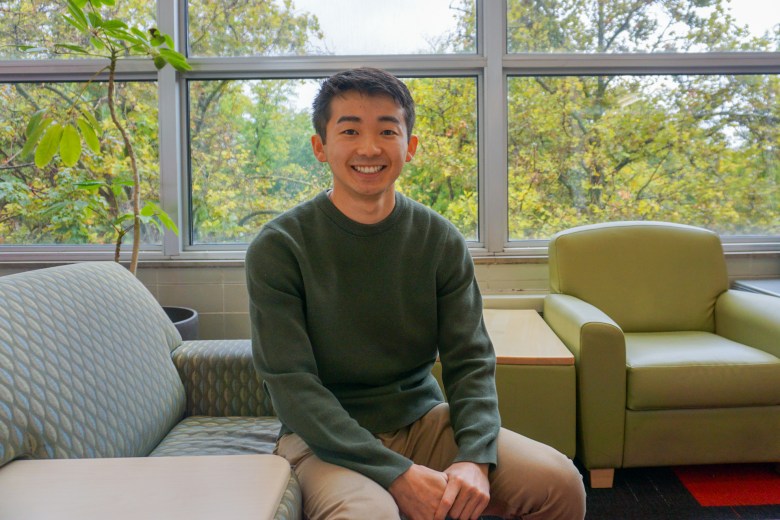
Tokita said it doesn’t make sense for the university to host events in observation of historical figures and moments that represent the struggle of marginalized people without being able to discuss things like racial privilege or implicit bias.
“It’s frustrating to me that we can have an MLK Jr. Day, but we can’t talk about implicit bias,” Tokita said. “We can’t talk about critical race theory, bias, implicit bias.”
As a student, Tokita can use these words and discuss these concepts. But he couldn’t if he were speaking on behalf of a university-sponsored organization.
LeiLoni Allan-McLaughlin, of the new Center for Community and Cultural Engagement, said that some students believe they must comply with the law even if they are not representing the university or participating in sponsored groups.
“We’ve been having to continually inform them, ‘Yes, you can use those words. We cannot,’” Allan-McLaughlin said. “That’s been a roadblock for our office and for the students, because these are things that they’re studying so they need to use those words in their research, but also to advocate for each other and themselves.”
Related: Cutting race-based scholarships blocks path to college, students say
Last fall, Allan-McLaughlin’s center hosted an event around the time of National Coming Out Day, in October, with a screening of “Paris Is Burning,” a film about trans women and drag queens in New York City in the 1980s. Afterward, two staff members led a discussion with the students who attended. They prefaced the discussion with a disclaimer, saying that they were not speaking on behalf of the university.
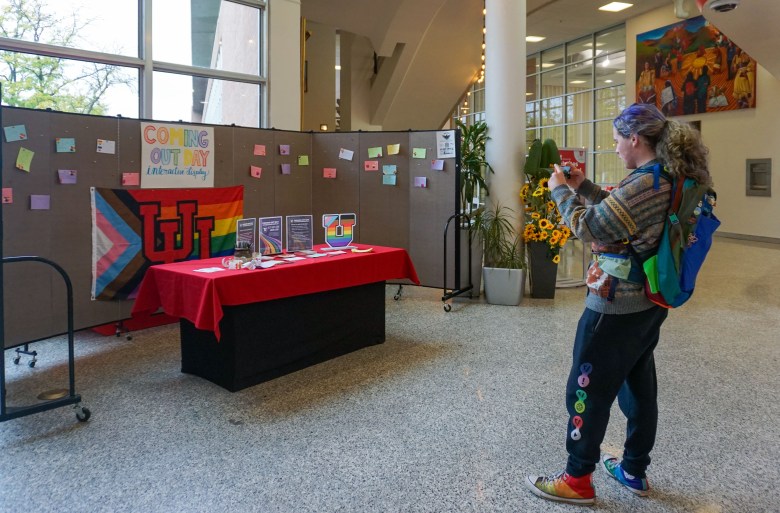
Center staffers also set up an interactive exhibit in honor of National Coming Out Day, where students could write their experiences on colorful notecards and pin them on a bulletin board; created an altar for students to observe Día de los Muertos, in early November, and held an event to celebrate indigenous art. So far this semester, the center has hosted several events in observance of Martin Luther King Jr. Day and Black History Month, including an educational panel, a march and a pop-up library event.
Such events may add value to the campus experience overall, but students from groups that aren’t well represented on campus argue that those events do not make up for the loss of dedicated spaces to spend time with other students of similar backgrounds.
For Taylor White, a recent graduate with a degree in psychology, connecting with fellow Black students through BSU events was, “honestly, the biggest relief of my life.” At the Black Cultural Center, she said, students could talk about what it was like to be the only Black person in their classes or to be Black in other predominantly white spaces. She said without the support of other Black students, she’s not sure she would have been able to finish her degree.
Nnenna Eke-Ukoh, a 2024 graduate who is now pursuing a master’s in higher educational leadership at nearby Weber State University, said it feels like the new Center for Community and Cultural Engagement at her alma mater is “lumping all the people of color together.”
“We’re not all the same,” Eke-Ukoh said, “and we have all different struggles, and so it’s not going to be helpful.”
Contact staff writer Olivia Sanchez at 212-678-8402 or [email protected].
This story about campus DEI initiatives was produced by The Hechinger Report, a nonprofit, independent news organization focused on inequality and innovation in education. Sign up for the Hechinger newsletter.
What can voodoo dolls tell us about the public’s distrust of, and aggression toward, scientists? A new paper has attempted to find out.
Despite a growing fear that global attitudes have hardened toward scientific research, including instances of violence, “virtually nothing is known” about those likely to attack scientists, according to the study, published in Scientific Reports.
The paper, which examined about 750 responses across two different studies, claims to be the first to identify factors associated with an increased likelihood of harassing scientists.
Researchers tested their theories by offering participants a bonus payment of 1 pound ($1.27), which they could gift to themselves or donate to the Union of Concerned Scientists, and by asking them to sign a petition against the harassment of scientists.
Out of the total of £359 ($455) offered, participants opted to donate £69.79 ($88). The study found that political ideology was the best predictor for who would donate, with right-wing individuals contributing less.
The paper also asked those taking part to express their aggression by sticking pins in a digital voodoo doll of a stereotypical scientist—an “old-age male with a lab coat and equipment.”
Participants were asked to “release negative energy” by clicking their mouse, with a higher number of “pins” indicative of more aggressive behavior. It found significant positive correlations with five variables—conspiracy mentality, science cynicism, relative deprivation, threat and attitudes toward harassment.
Lead author Vukašin Gligorić, a Ph.D. researcher in the Department of Psychology at the University of Amsterdam, said across the two studies, distrusting worldviews, political ideology and perception of threat were associated with more approving attitudes toward harassment of scientists.
Notably, the paper found that science cynicism—the belief that scientists are incompetent and corrupt—also drives approval of scientists’ harassment.
In addition, perceiving scientists as threatening, as well as dark personality traits, such as psychopathy and narcissism, contributed to approving harm.
The paper concluded that highlighting reasons why people should trust scientists and not be threatened by them is the most promising way to counter such behavior.
The antiscience movement is a growing trend in some countries, Gligorić told Times Higher Education.
And he said that changing these attitudes will be challenging, because scientists are viewed as part of the “establishment,” which many people around the world are dissatisfied with.
“To address this, I believe scientists should engage more directly with the public … rather than for private or corporate interests, which erode trust.
“Ultimately, people are cynical about the political and economic systems we live in, and they sometimes blame scientists as part of that system. Therefore, scientists should also be critical of and work to improve the system itself.”


As a higher education leader, it’s no secret that you’re facing a fiercely competitive graduate enrollment landscape. You know as well as I do that understanding what prospective students want and how they behave isn’t just helpful – it’s crucial to your institution’s success. That’s why we teamed up with UPCEA to conduct a deep dive into today’s post-baccalaureate students, uncovering their unique needs, expectations, and wants.
We’ve published those insights in our latest report to help colleges and universities fine-tune their graduate enrollment strategies and deliver real results. You can download the complete report here: “Building a Better Pipeline: Enrollment Funnel Needs and Perspectives from Potential Post-Baccalaureate Students“
Our research focused on individuals who expressed at least some interest in pursuing advanced education, and this study sheds light on what matters most to potential graduate students—everything from program types and communication preferences to application expectations.
As we dug into the data, some obvious themes emerged. Here are five key findings that can prepare your institution to stand out in this tight market and guide you in shaping strategies that resonate, engage, and deliver results.
This is no surprise to those working in higher ed in recent years. Graduate enrollment is slowing, with just a 1.1% projected increase over the next five years. Adding to the challenge, 20% of institutions dominate 77% of the market. For everyone else, it’s a fierce battle for a shrinking pool of candidates. To win, you’ll need a sharp, focused approach.
Did you know that 71% of prospective students are “extremely” or “very” interested in fully online programs? Hybrid formats come in a close second, while traditional in-person options are struggling to keep pace. The data confirms that flexibility isn’t a trend—it’s a necessity.
Here’s something we see far too often: quality programs losing prospective students simply because critical details—like tuition costs and course requirements—are buried or missing entirely from the school’s website. In fact, 62% of students indicated they would drop off early in their search for this exact reason.
The fix? It’s simpler than you might think. By optimizing your program pages and doubling down on SEO, you can turn passive visitors into engaged prospects.
Sticker shock is real. High application fees, vague cost information, and limited financial aid details are among the top reasons students abandon the application process late in the game. By addressing these concerns clearly and directly, you’re not just solving a problem, you’re building trust.
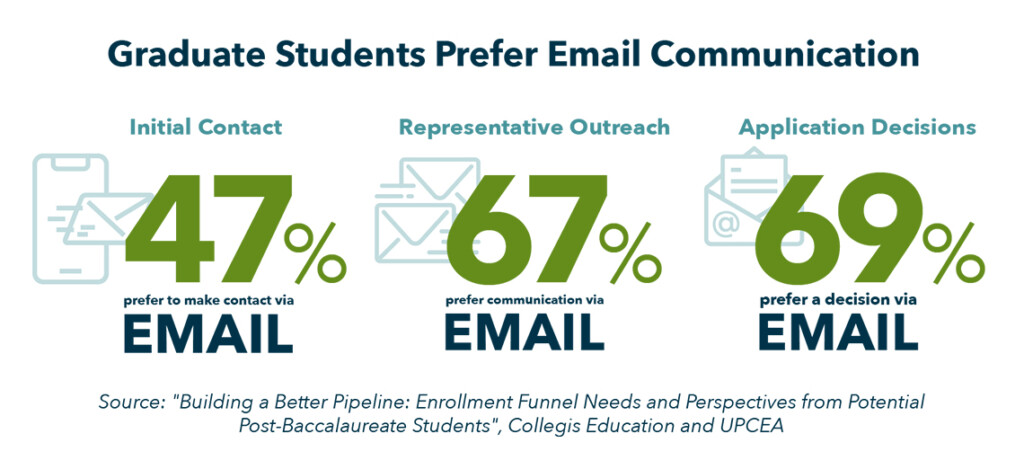
When it comes to connecting with prospective graduate students, email reigns supreme. Whether it’s inquiring about programs (47%), application follow-ups (67%), or receiving application decisions (69%), email is the channel students trust the most.
But here’s the catch: your emails have to be timely, personalized, and relevant in order to make an impact.
The insights highlighted above are just the tip of the iceberg. Imagine what’s possible when you apply them to your graduate enrollment strategy.
If you’re ready to refine your approach and stay ahead of the curve, we’ve got you covered. Our report dives deeper into the data and uncovers actionable insights, including:
Grab your complimentary copy of the report today, and let’s start building a better pipeline together!
Your roadmap to winning in the competitive graduate market.
Get the latest data on graduate student enrollment trends. Download the full report now.
Title: The Role of State Policy in Supporting Students Experiencing Homelessness and Former Foster Youth in Higher Education
Authors: Carrie E. Henderson and Katie Grissom
Source: The Urban Institute
Paying for a college degree is already a difficult, complex process for many students involving a variety of sources of financial aid and payment. For students with a history of foster care or housing instability, this task becomes even more challenging given the lack of financial and social support they experience growing up.
To properly support these students, policymakers and higher education administrators need to create educational environments that go beyond teaching and learning to prioritize access to essential resources and socioeconomic conditions that can provide stability in students’ lives. State policy can provide critical opportunities to open pathways for students and address the personal, emotional, and logistical challenges that students face. A new report from the Urban Institute explores how the Florida state legislature took steps to enhance access to postsecondary education for homeless students and former foster youth and how it affected higher education attainment.
Key findings include:
New state policies expanded tuition and fee exemptions: In 2022, the Florida legislature created policies that expanded the eligibility for tuition and fee exemptions to match the federal definition of homeless children and youth and include students who had been involved in shelter, dependency, or termination of parental rights proceedings.
Increase in tuition and fee exemptions rose since implementation: The data Florida collected showed an upward trend in the use of the homelessness fee exemption in both the Florida College System (FCS) and the State University System (SUS) between 2021-22 and 2023-24. In the FCS in 2023-24, the number of exemptions increased by 103 percent since 2021-22, from 689 to 1,396. SUS institutions experienced more incremental growth, as homelessness exemptions increased from 344 in 2021-22 to 432 in 2023–24, a 26 percent increase.
Tuition and fee exemptions can reduce the financial burden of postsecondary education, making it more affordable and attainable for students from disadvantaged backgrounds. However, policymakers considering exemptions and subsidies should include dedicated funding to help institutions of higher education implement these services effectively. Without additional funding, colleges and universities lack the supplemental resources to implement policies feasibly. Furthermore, policymakers should listen to and work with administrators to fund holistic wraparound services that impact students’ ability to enroll, persist, and succeed in higher education.
To read the full report from the Urban Institute, click here.
—Austin Freeman
If you have any questions or comments about this blog post, please contact us.