
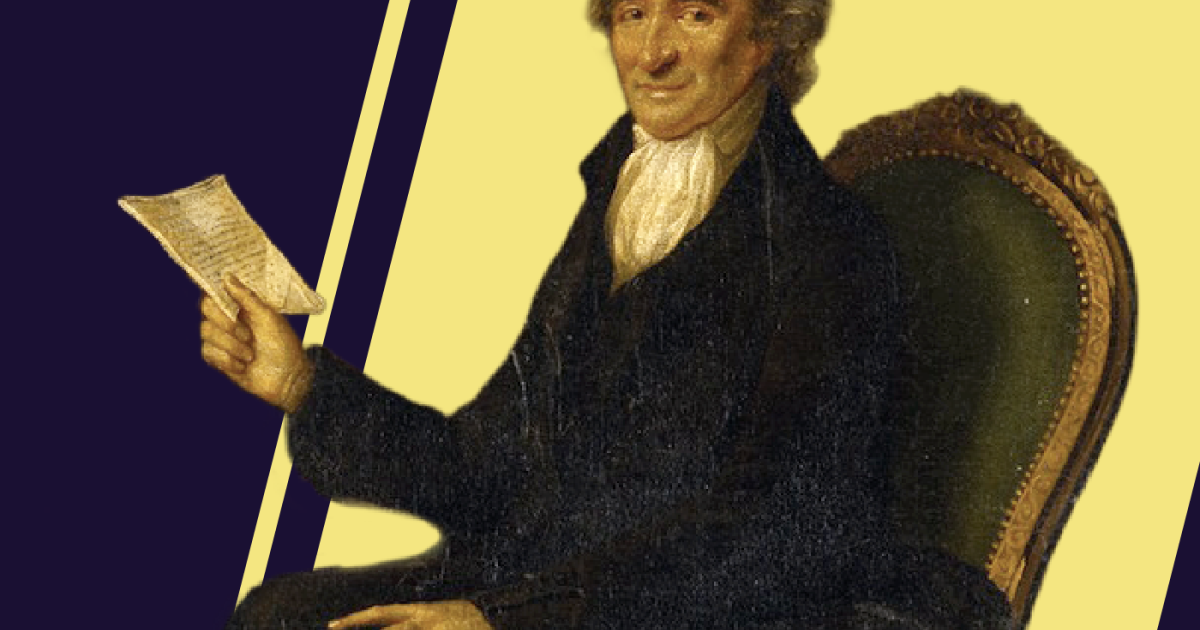
Thomas Paine arrived in America in 1774 with little to
his name and a long record of personal failure behind him. Within a
year, he wrote Common Sense, one of the most influential political
pamphlets in history, helping to ignite the American Revolution and
catapulting Paine into the American history hall of fame.
But by the end of his life, he was widely reviled,
politically isolated, and personally abandoned. Once celebrated as
the voice of liberty, he died an outcast, mourned by only six
people at his funeral.
How does one man become the voice of the American
Revolution and end up forgotten? To explore Paine’s complicated
legacy, we are joined by Richard Bell, professor of history at the
University of Maryland and author of
The American Revolution and the Fate of the World.
Timestamps:
00:00 Intro
02:41 Thomas Paine’s early life
10:32 Paine’s arrival in America
20:02 What did Paine argue in Common Sense?
25:11 Why Common Sense was so revolutionary
36:31 The American Crisis and the Revolutionary
War
41:35 Why Paine returned to London and wrote The
Rights of Man
49:19 Exile from Britain, imprisonment in France, and
writing The Age of Reason
01:01:27 Why America turned its back on Paine
01:12:09 Paine’s final days
01:18:50 How should we understand Paine’s legacy
today?
01:26:58 Outro
Enjoy listening to the podcast? Donate to FIRE today
and get exclusive content like member webinars, special episodes,
and more.
If you became a FIRE Member
through a donation to FIRE at thefire.org and would like access to
Substack’s
paid subscriber podcast feed, please email [email protected].