
Tag: treat

  • Loneliness Is Causing Physical Harm in Students – Why Universities Need to Treat Loneliness Differently 

    Loneliness Is Causing Physical Harm in Students – Why Universities Need to Treat Loneliness Differently 

    This HEPI blog was kindly authored by Rupert Houghton, a Student at Magdalen College School. 

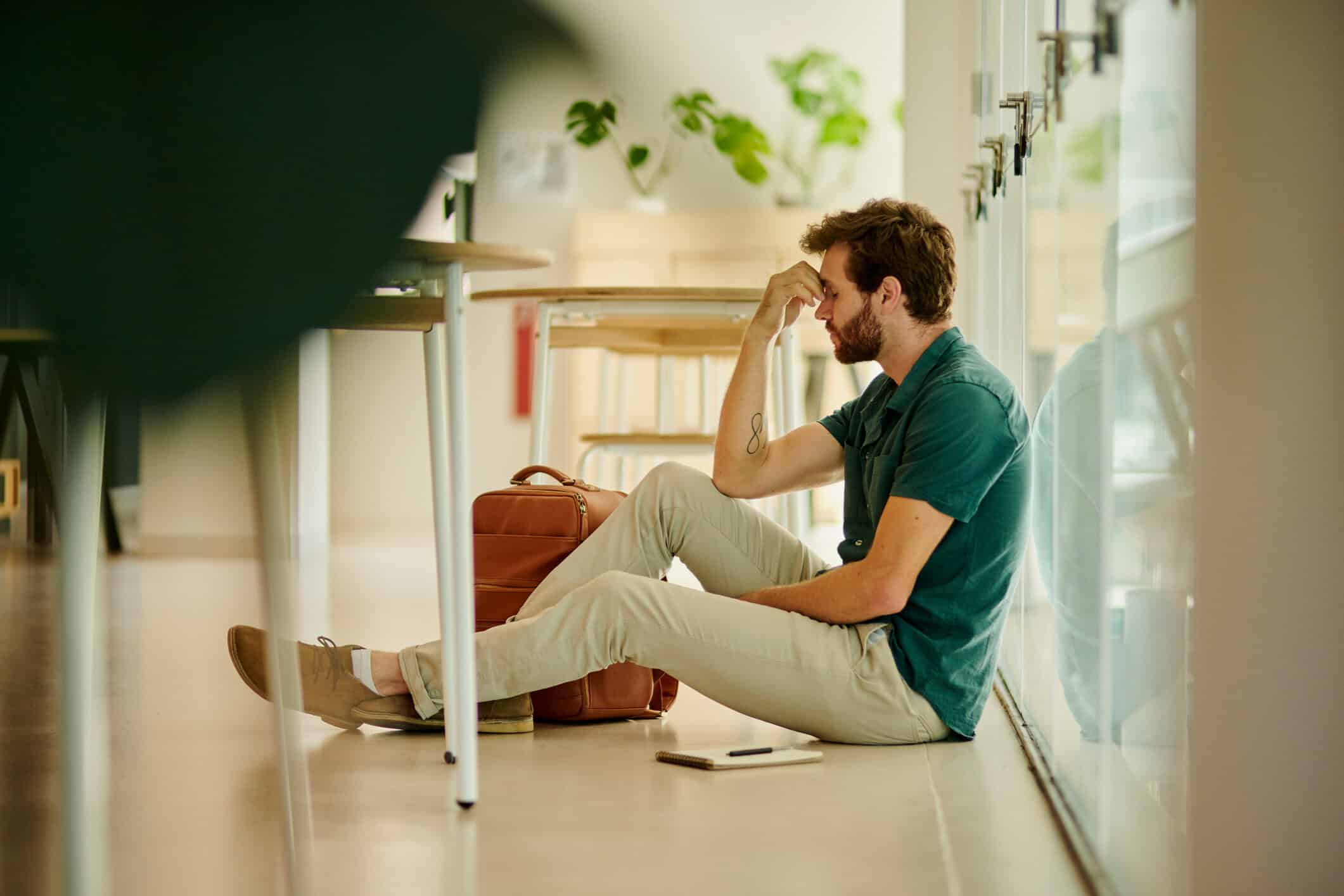
    Loneliness is a fundamental part of being human, and it occurs as a part of everyone’s life at some point. But today’s world, and the changes in the way we all interact mean that loneliness has found new, easier ways to enter the lives of many people, and particularly, younger people. The statistics on this are clear: 

    • 10.3% of British secondary school students feel ‘often or always’ lonely (ONS
    • 43% of 16 to 24-year-olds in the UK would feel uncomfortable about admissions that they feel lonely (YouGov)  

    Loneliness is clearly a big issue for those in higher education and for those about to enter it. There are some schemes and policies to attempt to counteract this, but what is often not considered when it comes to policymaking is that loneliness is a physical condition, not just one based on feelings. How, then, should loneliness be thought of differently? 

    An important fact to remember when dealing with loneliness is that humans are not merely social out of choice, but out of evolutionary necessity. Pre-agrarian humans (before the Agricultural Revolution 7000 years ago) operated in groups, and they depended on each other to fulfil different roles for the group’s overall survival. As a result, humans evolved to seek out positive social relationships as working with others was crucial to our survival.  

    Loneliness is used to signal to the brain that a person’s social inclusion, and therefore survival, is at risk, and the brain therefore starts fighting for survival. Social rejection uses the same neural networks as physical pain, and causes a minor stress response in the brain. Loneliness is merely the prolonged and sustained activation of this stress response and so puts physical stress on the mechanisms within the brain that cause it.  

    When this response is elicited, the brain starts to transition itself into a socially hyper-alert state, as it attempts to preserve existing positive relationships, and minimise the number of negative interactions experienced. Studies have shown that the brain changes its own structure to accommodate this and changes the way facial expressions are read. Lonely individuals show a heightened sensitivity to negative social stimuli, including negative facial expressions, words, phrases, or pictures. They were shown to more quickly and accurately spot negative social cues but were also seen to mislabel neutral and even positive social cues as negative more often than their non-lonely counterparts.  

    In a pre-agrarian human social structure, this problem would have been resolved relatively quickly. It was necessary to work together in groups to survive, which would force a degree of socialisation. To avoid social rejection, an individual would perhaps change some aspects of their own behaviour and be able to pick up on the reaction of their peers, and so change to be better accepted into the group, which would enforce more positive social relationships.  

    Nowadays, however, it is harder for this process to take place. Instead, it is far easier for people to spend more time alone or reduce the time they spend socialising. The changes in neural pathways therefore start to have a different effect on a lonely person’s behaviour. As they become more sensitive to negative social stimuli, their brain can view them as ‘threatening’, and attempts to prevent exposure to them, causing them to self-isolate. This, rather than fixing the problem only exacerbates the perception of low social standing, increasing the feeling of loneliness.  

    The main physical impacts of loneliness come from its effects on the hormones secreted by glands within the brain. One of these hormones is cortisol, often called the ‘stress hormone’. Loneliness has been shown to make the brain overwork and produce more cortisol than it would ordinarily. This leads to a number of detrimental health effects: high levels of cortisol have been linked to chronic inflammation, disrupted sleep cycles in young adults, and raised blood pressure.  

    Loneliness is clearly becoming an endemic problem, particularly in secondary and higher education and is having a very real effect on students’ health. Loneliness is a self-perpetuating condition and something that easily becomes chronic, so it is therefore best to prevent it before it begins. The policy focus must be placed on making students aware of loneliness before it can start to impact on people’s education and wellbeing. Whether that be through making universities give more open information on loneliness, how to keep social, or ensuring that students are informed about how the choices made could affect their risk of loneliness, starting a conversation about it before it becomes a problem should be a priority. 
    Source link

  • If we are serious about improving student outcomes, we can’t treat teacher retention as an afterthought

    If we are serious about improving student outcomes, we can’t treat teacher retention as an afterthought

    In the race to help students recover from pandemic-related learning loss, education leaders have overlooked one of the most powerful tools already at their disposal: experienced teachers.

    For decades, a myth has persisted in education policy circles that after their first few years on the job, teachers stop improving. This belief has undercut efforts to retain seasoned educators, with many policymakers and administrators treating veteran teachers as replaceable cogs rather than irreplaceable assets.

    But that myth doesn’t hold up. The evidence tells a different story: Teachers don’t hit a plateau after year five. While their growth may slow, it doesn’t stop. In the right environments — with collaborative colleagues, supportive administrators and stable classroom assignments — teachers can keep getting better well into their second decade in the classroom.

    This insight couldn’t come at a more critical time. As schools work to accelerate post-pandemic learning recovery, especially for the most vulnerable students, they need all the instructional expertise they can muster.

    That means not just recruiting new teachers but keeping their best educators in the classroom and giving them the support they need to thrive.

    Related: A lot goes on in classrooms from kindergarten to high school. Keep up with our free weekly newsletter on K-12 education.

    In a new review of 23 longitudinal studies conducted by the Learning Policy Institute and published by the Thomas B. Fordham Institute, all but one of the studies showed that teachers generally improve significantly during their first five years. The research review also found continued, albeit slower, improvement well into years 6 through 15; several of the studies found improvement into later years of teaching, though at a diminished pace.

    These gains translate into measurable benefits for students: higher test scores, fewer disciplinary issues, reduced absenteeism and increased postsecondary attainment. In North Carolina, for example, students with highly experienced English teachers learned more and were substantially less likely to skip school and more likely to enjoy reading. These effects were strongest for students who were most at risk of falling behind.

    While experience helps all teachers improve, we’re currently failing to build that experience where it’s needed most. Schools serving large populations of low-income Black and Hispanic students are far more likely to be staffed primarily by early career teachers.

    And unfortunately, they’re also more likely to see those teachers leave after just a few years. This churn makes it nearly impossible to build a stable, experienced workforce in high-need schools.

    It also robs novice teachers of the veteran mentors who could help them get better faster and robs students of the opportunity to learn from seasoned educators who have refined their craft over time.

    To fix this, we need to address both sides of the equation: helping teachers improve and keeping them in the classrooms that need them most.

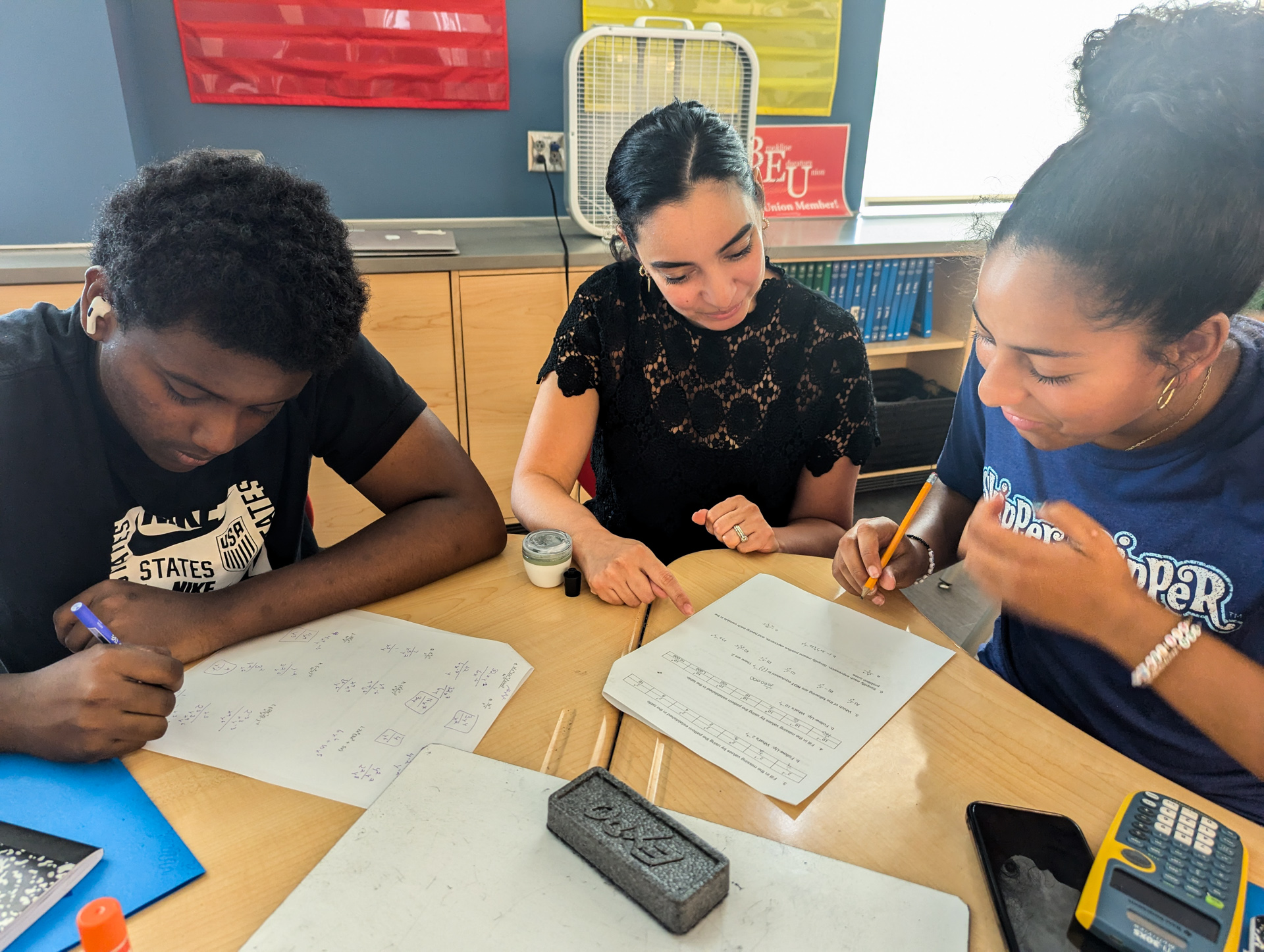
    Research points to several conditions that support continued teacher growth. Beginning teachers are more likely to stay and improve if they have had high-quality preparation and mentoring. Teaching is not a solo sport. Educators who work alongside more experienced peers improve faster, especially in the early years.

    Teachers also improve more when they’re able to teach the same grade level or subject year after year. Unfortunately, those in under-resourced schools are more likely to be shuffled around, undermining their ability to build expertise.

    Perhaps most importantly, schools that have strong leadership and which foster time for collaboration and a culture of professional trust see greater gains in teacher retention over time.

    Teachers who feel supported by their administrators, who collaborate with a team that shares their mission and who aren’t constantly switching subjects or grade levels are far more likely to stay in the profession.

    Pay matters too, especially in high-need schools where working conditions are toughest. But incentives alone aren’t enough. Short-term bonuses can attract teachers, but they won’t keep them if the work environment drives them away.

    Related: One state radically boosted new teacher pay – and upset a lot of teachers

    If we’re serious about improving student outcomes, especially in the wake of the pandemic, we have to stop treating teacher retention as an afterthought. That means retooling our policies to reflect what the research now clearly shows: experience matters, and it can be cultivated.

    Policymakers should invest in high-quality teacher preparation and mentoring programs, particularly in high-need schools. They should create conditions that promote teacher stability and collaboration, such as protected planning time and consistent teaching assignments.

    Principals must be trained not just as managers, but as instructional leaders capable of building strong school cultures. And state and district leaders must consider meaningful financial incentives and other supports to retain experienced teachers in the classrooms that need them most.

    With the right support, teachers can keep getting better. In this moment of learning recovery, a key to success is keeping teachers in schools and consciously supporting their growing effectiveness.

    Linda Darling-Hammond is founding president and chief knowledge officer at the Learning Policy Institute. Michael J. Petrilli is president of the Thomas B. Fordham Institute, a visiting fellow at the Hoover Institution and an executive editor of Education Next.

    Contact the opinion editor at [email protected].

    This story about teacher retention was produced by The Hechinger Report, a nonprofit, independent news organization focused on inequality and innovation in education. Sign up for Hechinger’s weekly newsletter.

    The Hechinger Report provides in-depth, fact-based, unbiased reporting on education that is free to all readers. But that doesn’t mean it’s free to produce. Our work keeps educators and the public informed about pressing issues at schools and on campuses throughout the country. We tell the whole story, even when the details are inconvenient. Help us keep doing that.

    Join us today.

    Source link