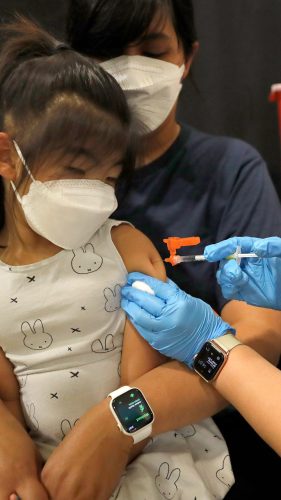
Tag: Vaccines

  • All Eyes on Florida As State Gets One Step Closer to Nixing Vaccine Mandates – The 74

    All Eyes on Florida As State Gets One Step Closer to Nixing Vaccine Mandates – The 74


    Get stories like this delivered straight to your inbox. Sign up for The 74 Newsletter

    A week after Florida health officials brought the state one step closer to abolishing childhood vaccine mandates, pediatricians, parents and advocates are expressing alarm over the ramifications. 

    If such a change goes into effect, “pediatric hospitals will be overwhelmed with [childhood] infections that have virtually been non-existent for the last 40 years,” said Florida-based infectious disease specialist Frederick Southwick. Southwick attended a Dec. 12 public comment workshop on the issue hosted by the Florida Department of Health. 

    “We’re in trouble right now,” he added, pointing to falling vaccine rates and the likelihood that some diseases could become endemic. “We’re getting there, and this [ending the mandate] would just do-in little kids.”

    The session delved into the proposed language the department has drafted for a rule change that would do away with vaccine mandates for four key immunizations: varicella, more commonly known as chickenpox; hepatitis B, pneumococcal bacteria and Haemophilus influenzae type B, or HiB. Currently, children cannot attend school in Florida without proof of these four immunizations, among others, including the measles, mumps and rubella vaccine. 

    Although Florida is not considering removing the mandate for the MMR vaccine, health experts see the move it is contemplating as eroding childhood immunization generally. It comes when more than 300 people are being quarantined in South Carolina because of a burgeoning measles outbreak.

    Rana Alissa is the president of the Florida Chapter of the American Academy of Pediatrics. (American Academy of Pediatrics)

    Rana Alissa, president of the Florida Chapter of the American Academy of Pediatrics, was also in attendance to express her concerns. She told The 74 this week that thanks to the success of vaccines, she’s never had to treat some of these “horrible diseases,” including HiB, which can lead to meningitis.

    “Don’t make our kids — Florida’s kids — guinea pigs to teach me and my classmates and other pediatricians how to manage these diseases,” she implored.

    Tallahassee parent Cathy Mayfield lost her 18-year-old daughter, Lawson, to meningitis in 2009, a few months before she was supposed to leave for college and just before she was due for a booster shot. (At the time, the booster was not recommended until college, according to Mayfield.)

    “You just don’t realize until it happens to you,” she said.

    She hopes others will learn the importance of vaccinating their own kids from her family’s story. 
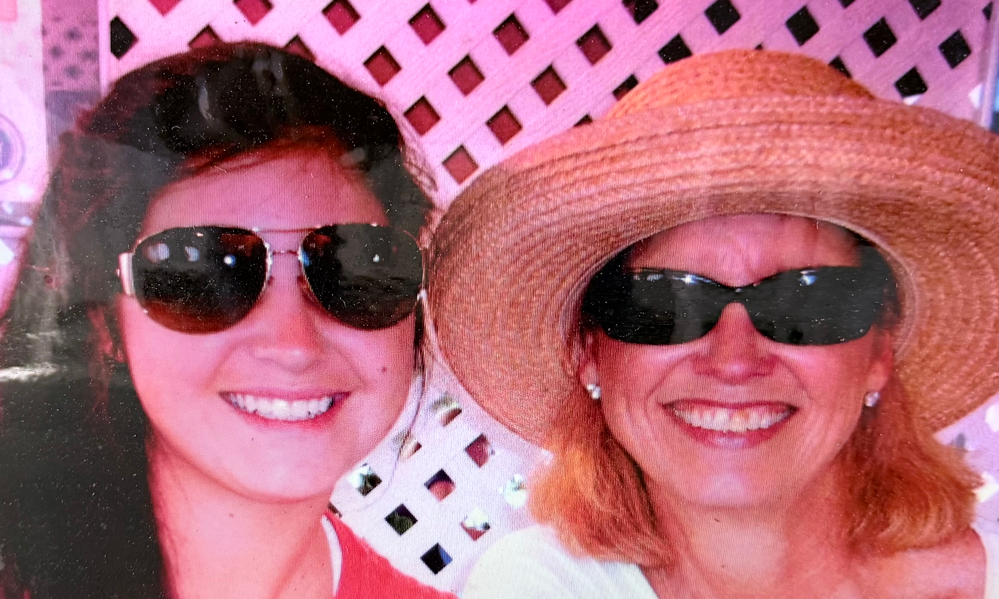
    Cathy Mayfield, and her daughter, Lawson, who died in 2009 from meningitis. (Cathy Mayfield)

    “All the information I learned through our tragedy about vaccinations made me very supportive of the safeguards [they] offer,” she said.

    “You’ve also got to realize,” Mayfield added, “that your decisions affect your community, and that’s something I think has gotten lost in … all this conversation and hesitancy about vaccinations.”

    Equating vaccine mandates to slavery

    The workshop, which was announced the day before Thanksgiving, was held in Panama City Beach, in the Florida Panhandle, far from the state’s main population centers. About 100 people showed up to the session, which was characterized by attendees as heated but civil. Northe Saunders, president of the pro-vaccine advocacy organization American Families for Vaccines and who was there, estimated that about 30 people spoke in favor of keeping the current vaccine mandates, while approximately 20 spoke in opposition.

    Some speakers opposed to vaccine mandates included conspiracy theories in their arguments, according to news reports and numerous people present at the workshop, echoing language heard from the federal government since Secretary Robert F. Kennedy Jr., a long-time vaccine skeptic, took over the Department of Health and Human Services.

    One attendee argued that giving children multiple jabs in a 30-day period “accounts to attempted murder,” according to NBC News. A number of others questioned if this year’s reported measles outbreaks, which resulted in the deaths of two school-age, unvaccinated children in Texas, had actually occurred.

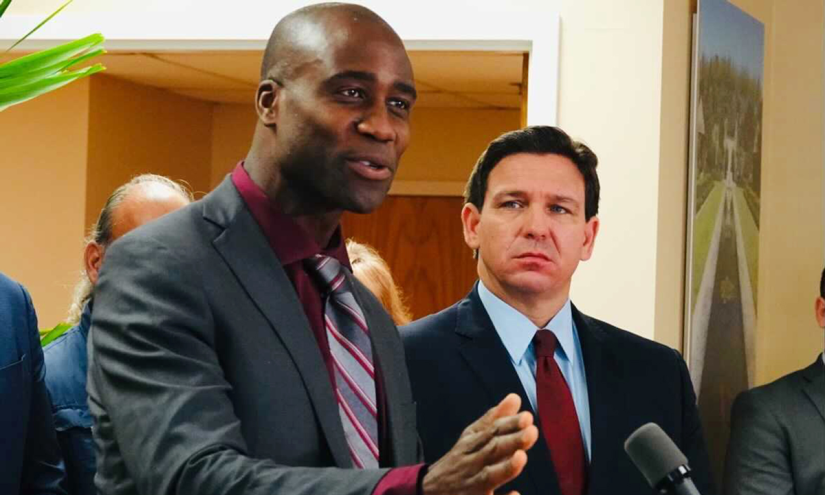
    Florida leaders’ desire to become the first state to end all vaccine mandates was announced in September by its surgeon general, Joseph A. Ladapo, standing beside Gov. Ron DeSantis in the gym of a private Christian high school. In sharing their plan, Ladapo claimed that “every last [mandate] is wrong and drips with disdain and slavery.” 

    Only four vaccines are mandated through a Department of Health rule and are therefore under Lapado’s purview. The remaining nine, which in addition to the MMR shot include polio, are part of state law and can only be changed through legislative action. 

    Experts told The 74 this is a much more difficult feat, one that state legislators — even conservative ones — don’t seem to have an appetite for. Richard Hughes, a George Washington University law professor and leading vaccine law expert, said such a legislative attempt would “warrant legal action.”

    ‘We really need to turn this around’ 

    The debate in Florida and other states over mandatory childhood immunization comes as the country teeters on the edge of losing its measles elimination status. This year alone has seen nearly 2,000 confirmed cases, the most since 2000, when measles was declared eliminated in the U.S. by the World Health Organization. Just over 10% of cases have led to hospitalization. The current South Carolina outbreak has infected at least 138 people, and among those forced to quarantine are students from nine schools. 

    Significant educational implications from the outbreaks emerged in a new study by the Annenberg Institute at Brown University, which found that absences increased 41% in a school district at the center of the West Texas outbreak, with larger effects among younger students.
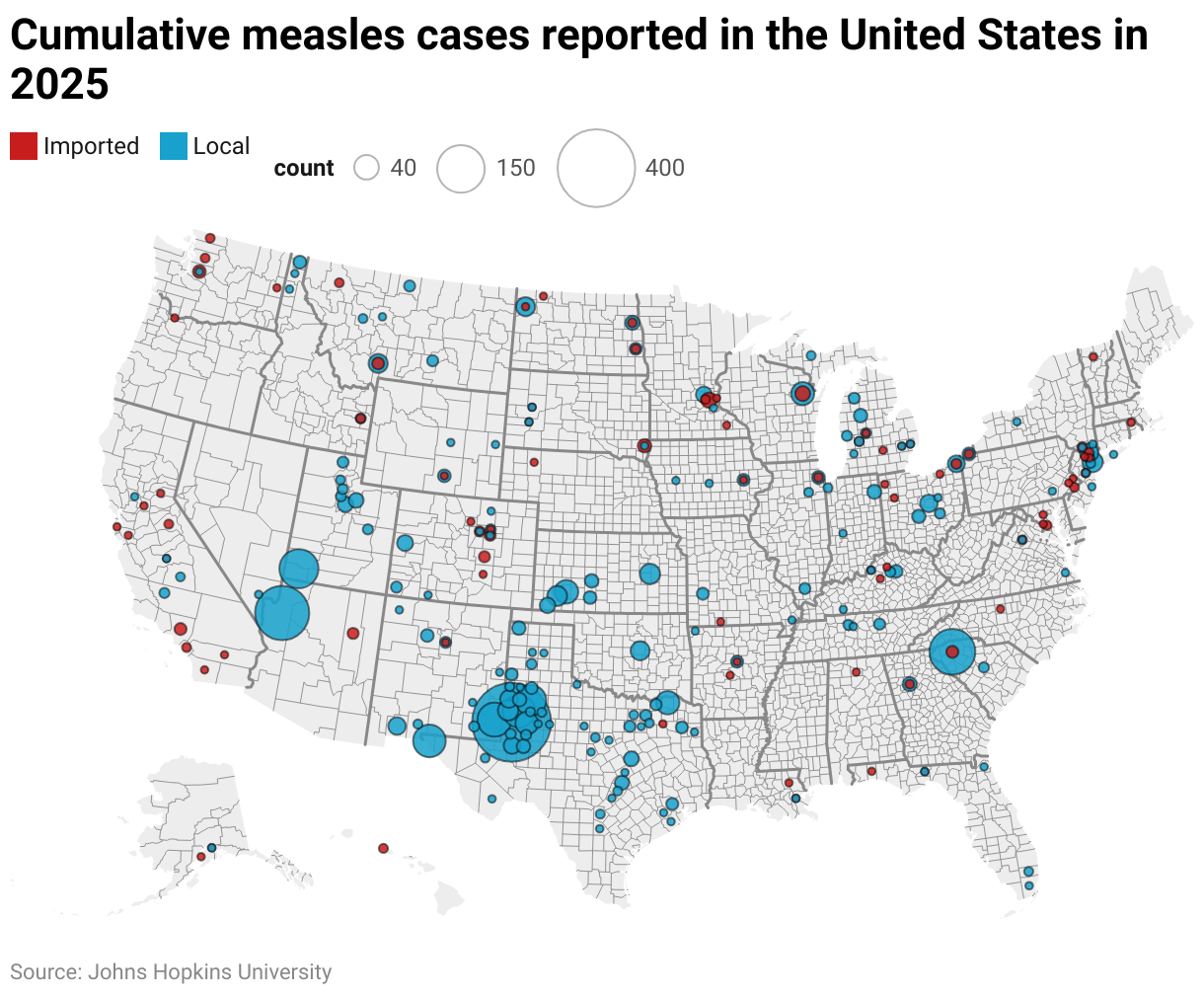
    The spread of measles is also a warning of the ramifications of dropping vaccine rates, according to William Moss, executive director at Johns Hopkins’ International Vaccine Access Center.

    “Measles often serves as what we [call] the canary in the coal mine,” he said. “It really identifies weaknesses in the immunization system and programs, because of its high contagiousness.”

    “Unfortunately, I see a perfect storm brewing for the resurgence of vaccine preventable diseases,” he added, “… We really need to turn this around.”

    Earlier this week, the Centers for Disease Control and Prevention got rid of a recommendation that all newborns receive the hepatitis B vaccine, and in the preceding months changed policies surrounding the measles, mumps, rubella and varicella (chickenpox) combination vaccine and this year’s COVID 19 booster — all based on recommendations from an advisory committee hand-picked by Kennedy. The universal birth dose of the hepatitis B vaccine, in place for decades, was credited with nearly eliminating the highly contagious and dangerous virus in infants.

    Lynn Nelson, the president of the National Association of School Nurses, fears that other, more conservative states will now look to Florida as an example.

    “We already have seen outbreaks all over, and they’re only going to escalate if you have an area of the country whose herd immunity levels slip down further than they already are, which I think will happen if those [anti-mandate rules] come into effect,” she said. “That, in combination with some of the other misinformation that’s coming out, people will feel validated in decisions not to immunize their children.”

    Florida’s Department of Health appears to be moving ahead to end requirements for the four vaccines it controls, despite a recent poll indicating nearly two-thirds of Floridians oppose the action. Proposed draft language presented at the Dec. 12 workshop would also allow parents to opt their kids out of the state’s immunization registry, Florida SHOTS, and expand exemptions. 

    Currently, all 50 states have vaccine requirements for children entering child care and schools. Parents across the country are able to apply for exemptions if their child is unable to get vaccinated for medical reasons and most states — including Florida — also have religious exemptions. Part of the proposed changes presented at the Dec. 12 meeting would add Florida to the 20 states that additionally have some form of personal belief exemptions, further widening parents’ ability to opt their kids out of routine vaccines. 

    The public comment period remains open through Dec. 22, after which the department will decide whether or not to move forward with the rule change. In the interim, advocates are pushing state health officials to conduct epidemiological research around the impact of removing the vaccine mandates and studies on the potential economic costs. Florida is heavily reliant on tourism and out-of-state visitors. 

    Without that information, pro-vaccine advocate Saunders said these critical public health care decisions will be made “at the whim of an appointed official.” 

    “The nation,” he added, “is looking at Florida.”


    Did you use this article in your work?

    We’d love to hear how The 74’s reporting is helping educators, researchers, and policymakers. Tell us how
    Source link

  • Most Americans Believe in the Effectiveness of Childhood Vaccines — But There’s a Catch – The 74

    Most Americans Believe in the Effectiveness of Childhood Vaccines — But There’s a Catch – The 74


    Get stories like this delivered straight to your inbox. Sign up for The 74 Newsletter

    This story was originally reported by Barbara Rodriguez of The 19th. Meet Barbara and read more of their reporting on gender, politics and policy.

    Although a majority of Americans are confident that childhood vaccines are highly effective against serious illness, Republicans’ trust in vaccine safety and support of school requirements is dropping, according to new polling from Pew Research Center.

    Sixty-three percent of Americans are extremely or very confident in the effectiveness of childhood vaccines, according to a survey published Tuesday. But Democrats and those who lean Democrat are much more likely than Republicans and Republican-leaners to hold that view — 80 percent versus 48 percent.

    And while the majority of Americans believe in the safety of vaccines — 53 percent believe childhood vaccines have been tested enough for safety and 51 percent agree that the childhood vaccine schedule is safe — there is significantly more uncertainty among Republicans. For Democrats, 74 percent show high confidence in the safety testing of vaccines and 71 percent believe the childhood vaccine schedule is safe. For Republicans, those numbers are 35 percent and 32 percent, respectively.

    “Both things can be true, that people believe in vaccines’ effectiveness overall and the confidence is a little softer on safety,” said Eileen Yam, director of science and society research at Pew who was part of the primary research team. “But writ large, that’s been pretty stable to see confidence in vaccines. But at the same time, when it comes to things like school requirements, or ‘telling me what to do,’ or requiring me to do something — that’s where you see the bristling on the Republican side.”

    Americans have become more skeptical of requiring that children get the measles-mumps-rubella (MMR) vaccine to attend public school. Sixty-nine percent support it, a decline from 82 percent in 2016. Most of the drop can be attributed to Republicans — with just 52 percent believing in the requirement, compared to 79 percent in 2016. For Democrats, that support was 83 percent in 2016 and actually climbed to 86 percent this year.

    This all comes amid a major measles outbreak in the United States that started in Texas and has spread to multiple other states. And while students are required in each state to get the MMR vaccine to attend public school, officials in Florida have indicated a willingness to drop that requirement.

    Pew found broad and consistent support for the MMR vaccine: 84 percent believe its benefits outweigh its risks (of which there are minor side effects). When Pew first started asking about this in 2016, support was at 88 percent. Yam said the findings show some agreement on the benefits of the MMR vaccine. While 92 percent of Democrats believe the benefits of the vaccine outweigh the risks, 78 percent of Republicans do, too.

    Health and Human Services Secretary Robert F. Kennedy, an anti-vaccine activist who has revamped a key panel that helps decide vaccine policy, has questioned the safety of the MMR vaccine without evidence. He has the backing of President Donald Trump, who has perpetuated misinformation this year about childhood vaccines.

    Pew surveyed parents and found a majority with minor children (57 percent) say they are extremely or very confident in childhood vaccines’ effectiveness. Republican parents are far less likely than Democratic parents to have that confidence (45 percent versus 71 percent), belief in safety testing (29 percent versus 63 percent) and the childhood vaccine schedule (27 percent versus 58 percent).

    Democrats are more likely than Republicans to say medical scientists should have a major role in decisions about childhood vaccines (85 percent vs. 62 percent). There are more partisan fissures on the role of parents: 71 percent of Republicans say that parents of young children should have a major role in policy decisions about childhood vaccines. For Democrats, it’s 46 percent.

    “That speaks to just a divergence in trust in science that we’ve been tracking since before the pandemic,” Yam said. “Just Republicans since the pandemic, their confidence in scientists, the way they look at the CDC has just dropped off much more than on the Democrat side. Democrats have had fairly stable views on scientists and on the CDC, in contrast to Republicans.”

    Pew also examined how recent Centers for Disease Control and Prevention recommendations have influenced Americans’ decisions around getting a COVID-19 shot. The agency recently agreed with Kennedy’s new vaccine panel to stop recommending the shot to everyone and to instead leave the choice up to people. Forty-four percent say they have heard nothing at all about the CDC’s changes to recommendations. Among those who have heard at least a little, 63 percent say it has had no influence on whether they got an updated vaccine.

    “The one big takeaway there is that policies really can’t influence behaviors if people haven’t heard about the policies or the recommendations,” Yam said. “And in this case, a lot of people haven’t heard about it, and some when they have, their minds were made up. They’ve already kind of decided, and it really didn’t influence their behavior one way or the other.”

    This story was originally published on The 19th.


    Did you use this article in your work?

    We’d love to hear how The 74’s reporting is helping educators, researchers, and policymakers. Tell us how

    Source link

  • The New COVID Vaccine Rules Leave Parents with More Questions than Answers – The 74

    The New COVID Vaccine Rules Leave Parents with More Questions than Answers – The 74


    Get stories like this delivered straight to your inbox. Sign up for The 74 Newsletter

    The federal government’s latest guidelines for COVID-19 vaccines make it difficult to know who, exactly, will be able to access shots this fall. While Health and Human Services Secretary Robert F. Kennedy Jr. and some of his staff claim anyone will be able to access a shot in consultation with their doctor, medical groups are warning that the new guidance will impact a broad swath of people, including postpartum people and healthy children.

    “For children and young adults that I see, there are constraints, and they are significant,” said Dr. Molly O’Shea, a pediatrician in Michigan and a spokesperson for the American Academy of Pediatrics (AAP).

    It might also take several more weeks to know who will be able to receive no-cost COVID-19 vaccines covered by health insurance. That decision partly depends on formal recommendations from a vaccine panel that isn’t scheduled to meet until mid-September. 

    Actions by the Food and Drug Administration last week mean that none of the COVID-19 vaccines that are slated to be on the U.S. market this fall will have an emergency use authorization that had allowed their quick (yet still rigorously tested) approval at the height of the pandemic. The removal of this designation means the drug company Pfizer will no longer offer COVID-19 vaccines to very young children, limiting parents’ brand options and potentially impacting supply.

    Moderna, Pfizer and Novavax, the three main COVID-19 vaccine manufacturers, have all shared news releases about what they’ve been approved to offer:

    • Moderna, Pfizer or Novavax will offer shots to anyone who is 65 and older, irrespective of medical history.
    • Pfizer will offer shots to anyone between the ages of five and 64 if they have at least one underlying condition that puts them at high risk for severe outcomes from COVID-19.
    • Moderna will offer shots to anyone between six months and 64 if they have at least one underlying condition that puts them at high risk for severe outcomes from COVID-19.
    • Novavax, the only company providing a non-mRNA COVID-19 vaccine, will offer shots to anyone between 12 and 64 if they have at least one underlying condition that puts them at high risk for severe outcomes from COVID-19.

    The vaccine panel known as the Advisory Committee for Immunization Practices (ACIP) is expected to make formal recommendations on these FDA-approved vaccines, and those recommendations have historically determined whether insurance providers will cover a vaccine at no cost under insurance.

    An HHS spokesperson did not immediately respond to a request for information and comment from The 19th, but in a post on X, Kennedy said: “These vaccines are available for all patients who choose them after consulting with their doctors.” Separately, USA Today reported on a document from HHS stating the FDA’s actions do “not affect access to these vaccines for healthy individuals. These vaccines remain available to those who choose them in consultation with their healthcare provider.”

    Dr. Marty Makary, FDA commissioner, added in a separate X post: “100% of adults in this country can still get the vaccine if they choose. We are not limiting availability to anyone.”

    But what that means practically for everyday people who want to access a COVID-19 shot — everything from whether their doctor will prescribe it, or if a pharmacy will be able to administer it, and whether there will be an out-of-pocket cost — is unclear for now. 

    How will it impact postpartum people?

    Pregnant people are expected to still have access to the vaccine because the CDC continues to list pregnancy as an underlying condition that puts an individual at high risk for severe outcomes from COVID-19. (The list of at least two dozen conditions also includes chronic health conditions and immunocompromised conditions.)

    But Kennedy, who has repeatedly questioned the safety of COVID-19 vaccines despite research that shows their effectiveness, announced in May that the CDC would no longer formally recommend such vaccines to pregnant people and healthy children, a move that seemed to contradict his own department

    Lactating and postpartum individuals must have an underlying medical condition to be eligible for one of the FDA’s approved vaccines, according to the American College of Obstetricians and Gynecologists (ACOG)’s understanding of the announcement. ACOG continues to recommend COVID-19 vaccination to people who are contemplating pregnancy, are pregnant, were recently pregnant or are now lactating.

    “We recognize that now, disappointingly, only lactating and postpartum individuals with an underlying condition will be eligible for vaccination. Still, it remains critical that pregnant patients receive the vaccines so that they are able to provide passive immunity from COVID-19 to their infants in those first few months of life before they can be vaccinated,” said ACOG President Steven J. Fleischman in an email.

    How will it impact healthy children?

    Healthy children will likely still be able to access the COVID vaccine, but the cost for a parent or guardian, as well as availability, will be impacted by these decisions.

    Charlotte A. Moser, co-director of the Vaccine Education Center at Children’s Hospital of Philadelphia, said parents who want to get their kids the COVID-19 vaccine should still be able to do so through what is called shared clinical decision-making in consultation with their child’s health care provider, according to the CDC’s current vaccine schedule. But it’s unclear whether this will change when ACIP meets again.

    But physicians who prescribe a COVID-19 vaccine outside of the parameters of how the FDA approved them would be OKing use of the shot “off-label” — a designation that means a medical product is being used outside of how the FDA approved it. That raises questions about access and cost. Physicians might not be willing to prescribe off-label because of concerns about liability.

    “I think that there will be a substantially smaller number of pediatricians, pharmacies, etc., who will be comfortable taking that risk,” O’Shea said.

    Dr. Dial Hewlett, medical director of tuberculosis services at Westchester County Department of Health in New York and a spokesperson for the Infectious Diseases Society of America, said an off-label prescription might also not be covered by insurance.

    “A mother or father can go in with their child and say, ‘I’d like for them to have the vaccine,’ but they may be told, ‘Well we’ll give it, but you’re going to have to pay $200,’” he said.

    The science on COVID vaccines has consistently indicated they are safe for children to receive.
    (Joseph Prezioso / AFP / Getty Images)

    Depending on the circumstances, pharmacists may also not be able to provide off-label vaccines. Some states tie pharmacist immunization authority to FDA approval,which has the potential to create a hodgepodge of access. The New York Times reported that CVS and Walgreens, the country’s largest pharmacy chains, have begun restricting COVID-19 shots in some states to people with a prescription. 

    “There may be some variability from state to state, but it’s a big barrier if FDA approval is not there, and the FDA approvals have been pulled back from where they were previously,” Hewlett said.

    The FDA announcement is “concerning,” added Moser, who noted that limiting Pfizer’s vaccine will make it more difficult for all children to get a COVID-19 vaccine this year because of anticipated supply limitations.

    O’Shea, the pediatrician in Michigan, said her office is currently deciding how many COVID-19 shots to stock, and it’s proving tricky as they weigh the cost vs. demand — the percentage of children under 18 getting the shot is under 15 percent.

    “Figuring out how much we want to have at any one time, and how we are going to give it to people — this really makes it a lot more complicated,” she said.

    What happens next?

    Moser said the announcement adds confusion for providers and families, and noted that the unilateral approach by Kennedy so far when it comes to vaccine policy “removes hundreds of voices of clinicians and scientists that were part of the process.” Moser recently served on ACIP and is among the members that Kennedy removed. He has replaced the panel with people who do not have relevant experience.

    “That army of voices ensured a process informed by clinical experience and scientific expertise to which the small group making these decisions now cannot possibly compare,” she said in an email.

    The revamped ACIP panel is scheduled to meet over two days beginning on September 18. Republican Sen. Bill Cassidy, a doctor who is chair of the Senate Health, Education, Labor, and Pensions (HELP) Committee, is now questioning whether that panel has enough legitimacy to meet, especially amid a leadership shakeup at the Centers for Disease Control and Prevention

    “Serious allegations have been made about the meeting agenda, membership, and lack of scientific process being followed for the now announced September ACIP meeting,” he said in a statement. “These decisions directly impact children’s health and the meeting should not occur until significant oversight has been conducted. If the meeting proceeds, any recommendations made should be rejected as lacking legitimacy given the seriousness of the allegations and the current turmoil in CDC leadership.”

    AAP called Kennedy’s latest COVID guidelines “deeply troubling” and urged COVID vaccine decision-making to remain between medical experts and families. 

    Dr. Susan J. Kressly, president of AAP, said in a statement that any barrier to COVID-19 vaccination as the nation enters the respiratory virus season creates “a dangerous vulnerability for children and their families.”

    “Any parent who wants their child vaccinated should have access to this vaccine,” she said, adding that HHS’ action “not only prevents this option for many families, but adds further confusion and stress for parents trying to make the best choices for their children.”

    This story was originally reported by Barbara Rodriguez of The 19th. Meet Barbara and read more of their reporting on gender, politics and policy.


    Get stories like these delivered straight to your inbox. Sign up for The 74 Newsletter

    Source link

  • Pediatricians Back COVID Vaccines, in Split From RFK Jr. – The 74

    Pediatricians Back COVID Vaccines, in Split From RFK Jr. – The 74


    The American Academy of Pediatrics recommends that children ages 6 to 23 months should receive a COVID-19 vaccine.


    Source link