Tag: vows

  • Integrity Bill passes as government vows crackdown on “quick-buck” operators

    Integrity Bill passes as government vows crackdown on “quick-buck” operators

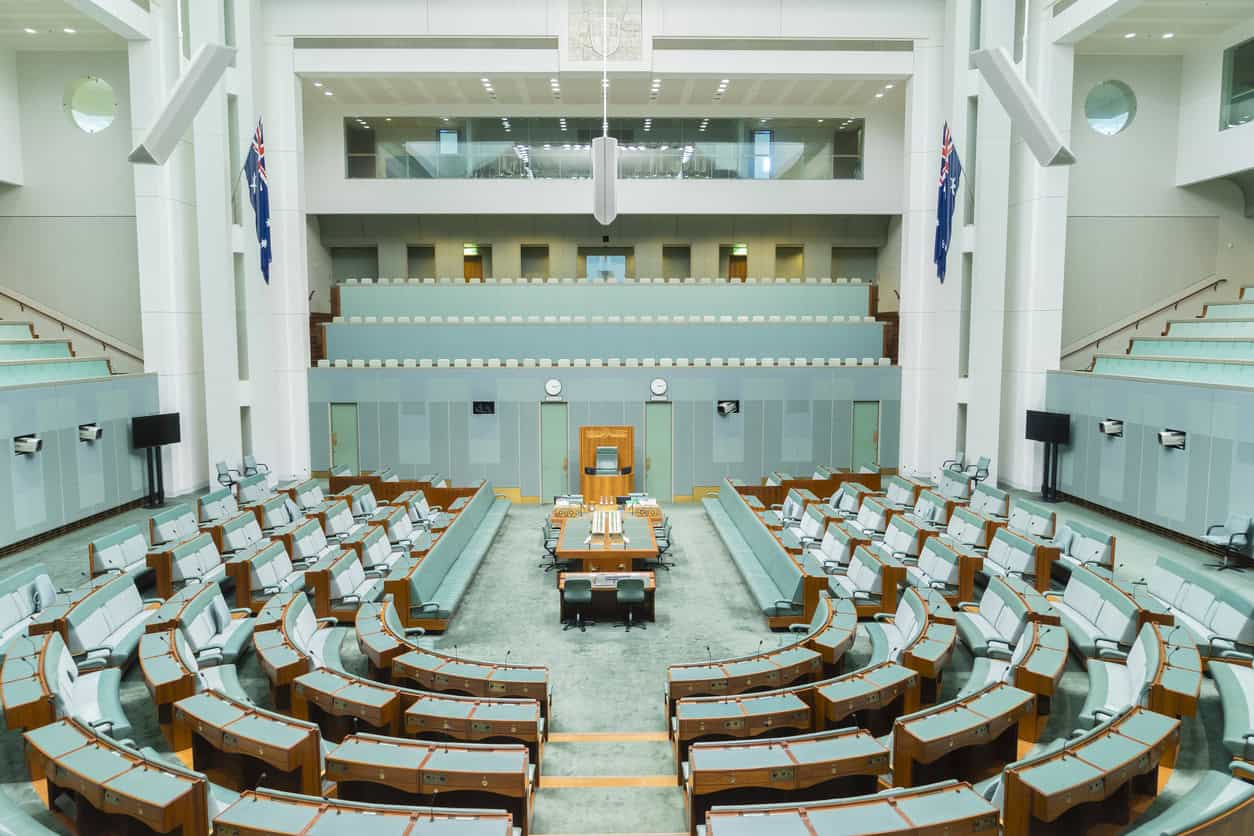
    The Albanese government has passed legislation that it says will strengthen the integrity of the international education sector, despite sector concerns about some elements of the reforms set to impact higher and international education.

    The Education Legislation Amendment (Integrity and Other Measures) Bill 2025 proposes amendments across several key acts within education, including the Education Services for Overseas Students Act (ESOS)

    “With the passing of this legislation, we now have more tools to stop unscrupulous individuals in the international education system trying to make a quick buck,” said education minister Jason Clare.

    In a statement on the Bill’s passing, the federal government chose to highlight some of the changes it is set to bring about, including:

    • Enabling the banning of commissions to education agents for onshore student transfers
    • Requiring most prospective VET providers excluding TAFEs to first deliver courses to domestic students for two years before they can apply to teach overseas students as evidence of their commitment to quality education
    • Cancelling the registration of providers that fail to deliver a course to overseas students for 12 consecutive months to help deal with ‘phoenixing’
    • Giving ministers the power to limit or cancel a providers’ ability to deliver courses where it is in the public interest or there are systemic quality issues

    Education providers will also now require authorisation from TEQSA to deliver Australian degrees offshore. The government described these changes as “light-touch, set transitional arrangements and utilise information that providers already hold”.

    “Australia’s future success requires a focus on quality, integrity and a great student experience. That’s why we’re cracking down on exploitation, increasing transparency, and safeguarding the reputation of our sector,” said Julian Hill, assistant minister for international education.

    We’re cracking down on exploitation, increasing transparency, and safeguarding the reputation of our sector
    Julian Hill, assistant minister for international education

    According to Hill, the changes will “protect genuine students and support high-quality providers”.

    Ministers say the reforms are about “safeguarding” Australia’s reputation as a world leader in education but certain parts of the Bill garnered fierce criticism from the sector. A public call for submissions gathered concerns about changes to the definition of an education agent and whether ministerial intervention powers were appropriately balanced, among other changes.

    The Bill is set to tighten oversight of education agents by broadening the legal definition of who qualifies as an agent and introducing new transparency requirements around commissions and payments.

    Elsewhere, one of the most significant points of concern related to new ministerial powers over provider and course registrations. The Bill would allow the minister to make legislative instruments suspending the processing of applications for provider registration – or registration of new courses – for periods of up to 12 months.

    The new Bill closely mirrors last year’s version but drops the proposed hard cap on international student enrolments that contributed to the earlier Bill’s failure in parliament. Instead, the government is managing new enrolments through its National Planning Level and visa processing directive MD115, rather than legislated limits.
    Source link

  • Newsom vows to pull state funding from California colleges that sign Trump’s compact

    Newsom vows to pull state funding from California colleges that sign Trump’s compact

    This audio is auto-generated. Please let us know if you have feedback.

    Dive Brief:

    • California Gov. Gavin Newsom on Thursday threatened to pull state funding from colleges that signed a proposed compact from the Trump administration seeking to impose sweeping policy changes in return for priority in research funding. 
    • If any California university signs this radical agreement, they’ll lose billions in state funding,” Newsom said in a statement. “California will not bankroll schools that sell out their students, professors, researchers, and surrender academic freedom.”
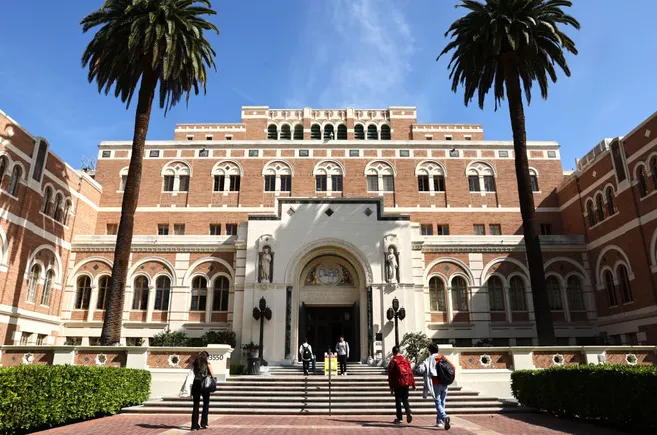
    • First reported by the Wall Street Journal, federal officials offered the compact to the University of Southern California and eight other high-profile research universities this week.

    Dive Insight:

     Since taking office, President Donald Trump and his administration have waged a legal and financial campaign against colleges in an effort to transform them ideologically. It comes after Trump on the campaign trail described colleges as “dominated by Marxist maniacs and lunatics” and full of academics “obsessed with indoctrinating America’s youth.” 

    With the compact, the administration has gone from using mainly sticks — typically in the form of civil rights investigations and canceled research grants — to using carrots as a means of pushing institutions to make reforms.

    The Trump administration offered to prioritize colleges for research grants and other funding if they agree to give the government unprecedented control over internal institutional decisions and governance. 

    That includes:

    • Taking a position of institutional neutrality on events that don’t directly impact the college.
    • Committing not to consider race, gender, religion and other characteristics “explicitly or implicitly” in admissions. (The compact would grant exceptions for religious and single-sex institutions to limit admissions based on religious belief and gender, respectively.)
    • Conducting broad, public assessments of the viewpoints of employees and students.
    • Changing governance structures and potentially dissolving or taking over departments that “purposefully punish, belittle, and even spark violence against conservative ideas.”
    • Adopting policies that recognize “academic freedom is not absolute” and prevent “discriminatory, threatening, harassing, or other behaviors that abridge the rights of other members of the university community.”
    • Capping international undergraduate enrollment at 15% of the broader student body while screening out “students who demonstrate hostility to the United States, its allies, or its values.”
    • Freezing tuition for five years.
    • Requiring applicants to take standardized tests such as the SAT.
    • Committing to using “lawful force” and “swift, serious, and consistent sanctions” to handle protests that “delay or disrupt class instruction or disrupt libraries or other traditional study locations.”

    The compact would also require colleges with endowments worth $2 million or more per student to waive tuition for students studying hard sciences, though the memo didn’t define the field. 

    Along with USC, eight other colleges received the administration’s memo detailing the compact: the University of Arizona, Brown University, Dartmouth College, Massachusetts Institute of Technology, the University of Pennsylvania, the University of Texas, Vanderbilt University and the University of Virginia.

    The compact has drawn alarm and stern rebukes throughout the higher education world. 

    “College and university presidents cannot bargain with the essential freedom of colleges and universities to determine, on academic grounds, whom to admit and what is taught, how, and by whom,” the American Association of Colleges and Universities said in a statement Friday.

    Denise Forte, president and CEO of the policy analysis and advocacy organization EdTrust, described the compact in a statement as an “existential threat to all institutions of higher learning and the latest example of the federal government overexerting its power to intimidate colleges and universities viewed as ideological enemies.”

    In a joint statement Thursday, top leaders of the American Association of University Professors and the American Federation of Teachers described the compact as offering preferential treatment “in exchange for allegiance to a partisan ideological agenda” and said that it “stinks of favoritism, patronage, and bribery.” They urged all governing boards and administrators to reject the agreement.

    American Council on Education President Ted Mitchell in an interview with The New York Times described the compact as a power play “designed to divide the higher education community.” 

    And then there is Newsom, who has been among the most vocal Democrats opposing Trump, especially since the president sent the National Guard into Los Angeles this summer, a move that a judge later ruled illegal.

    In a press release, Newsom’s office described the compact as tying access to federal research funding to “radical conservative ideological restrictions on colleges and universities.” The governor also specifically threatened to “instantly” pull colleges’ eligibility for Cal Grants, a form of state aid for students from low- and middle-income families.

    USC on Friday confirmed it had received and was reviewing the administration’s letter, but the university did not offer further comment.

    Most of those institutions have remained quiet about their plans, if any, to sign or reject the agreement. A leader from one, however, voiced enthusiastic openness to the compact. 

    In a widely shared statement, Kevin Eltife, chair of the University of Texas Board of Regents, said that the system was “honored” that its flagship in Austin was selected among the nine to receive the compact. 

    We enthusiastically look forward to engaging with university officials and reviewing the compact immediately,” said Eltife, a former Republican state senator.  

    Source link

  • Columbia University vows to remove any future encampments

    Columbia University vows to remove any future encampments

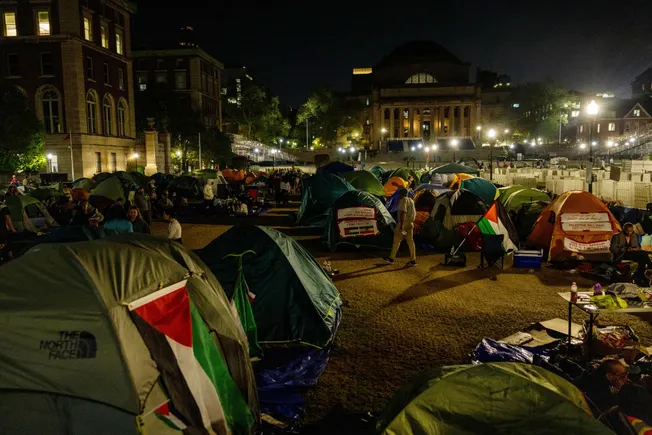
    Columbia University officials said Wednesday they would immediately remove any future encampments on campus and threatened demonstrators with arrest amid reports that students were planning another wave of pro-Palestinian protests. 

    We have been made aware of possible plans to establish encampments on Columbia’s campuses,” the New York institution said in a public safety notice. “We want to clearly communicate that camping and encampments on Columbia’s campuses are prohibited by University Policy.”

    More than 100 people wearing masks to hide their identities met Tuesday to discuss establishing multiple encampments at Columbia this week, according to an NBC News report based on anonymous sources and a recording of the meeting. 

    At the time, the protesters intended to begin demonstrating at Columbia’s main campus in the Morningside Heights neighborhood on Thursday, followed by the Ivy League institution’s Manhattanville location on Friday, NBC reported Wednesday. 

    The planned demonstrations would come about a year after Columbia students first erected an encampment to protest the Israel-Hamas war and call on the university to divest from companies with links to Israel. The encampment at Columbia kicked off similar demonstrations across the nation’s colleges, stoking anger from conservative lawmakers and leading to hundreds of student arrests. 

    Since then, the university said it has hired more public safety officers, increased campus patrols and restricted access to its main campus.

    Still, President Donald Trump threatened to pull federal funding from colleges that don’t crack down on “illegal protests” in a March social media post that drew backlash from free speech and civil rights advocates.

    The Trump administration made good on this threat when it pulled $400 million in federal contracts and grants from Columbia in March, claiming it was yanking the funding over concerns the university hasn’t done enough to protect Jewish students from harassment. The administration has since pulled large swaths of fundingor threatened to — from other well-known colleges over similar allegations.

    A growing number of lawmakers, free speech experts and academics are accusing Trump of weaponizing antisemitism to target colleges. On Thursday, five Jewish Democratic senators lambasted the president for using “what is a real crisis as a pretext to attack people and institutions who do not agree with you.”

    “By doing so, he not only fails to address the threat of antisemitism but also exploits it to delegitimize higher education, while often ignoring or downplaying the rise of antisemitism within his own party,” they said in a statement.

    Last month, Columbia ceded to several demands from the Trump administration — including revamping its protest policies — with the hopes of retaining access to its federal funding

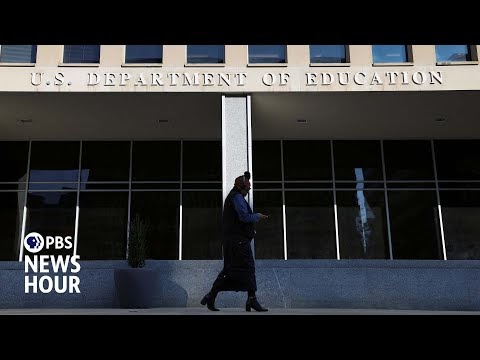
    U.S. Education Secretary Linda McMahon, along with other federal officials, has praised the university’s compliance. But the Trump administration has yet to publicly reinstate its funding and is reportedly pursuing a consent decree against Columbia, which would give a federal judge oversight of the institution’s compliance with the administration’s demands. 

    The administration is facing at least one lawsuit over allegations that it is overstepping its authority at Columbia.

    If protesters establish a new encampment at Columbia, the university vowed to immediately remove tents and other structures, restrict access to the campus and instruct demonstrators to leave, according to Wednesday’s announcement. If they don’t leave, they could face “removal from campus and possible arrest,” Columbia’s notice said. 

    Source link

  • Trump vows to revoke student visas of pro-Palestine protesters

    Trump vows to revoke student visas of pro-Palestine protesters

    A fact sheet on the order pledged to take “forceful and unprecedented steps” to “combat the explosion of antisemitism on our campuses and in our streets” since Hamas’s attack on Israel on October 7, 2023.  

    “To all the resident aliens who joined in the pro-jihadist protests, we put you on notice: come 2025, we will find you, and we will deport you,” the fact sheet said.  

    Its direct order to “quickly cancel the student visas of all Hamas sympathisers on college campuses” has sparked fear among international students who participated in the pro-Palestine protests that swept US college campuses last year.  

    The Council on American-Islamic Relations (CAIR) called the order a “dishonest, overbroad and unenforceable attack on both free speech and the humanity of Palestinians”.  

    “Free speech is a cornerstone of our Constitution that no president can wipe away with an executive order,” it said, adding that the protests had been “overwhelmingly peaceful”. 

    To all the resident aliens who joined in the pro-jihadist protests, we put you on notice: come 2025, we will find you, and we will deport you

    Trump Administration

    The order pledges immediate action, “using all available and appropriate legal tools, to prosecute, remove, or otherwise hold to account the perpetrators of unlawful antisemitic harassment and violence”. 

    Its third section sets out specific measures to “combat campus antisemitism”, requiring agency leaders to recommend to the White House within 60 days all civil and criminal powers that can be used to combat antisemitism.  

    It requires attorney generals to submit a full analysis of court cases involving K-12 schools, colleges and universities and alleged civil rights violations associated with pro-Palestinian protests. If warranted, such reports could lead to the removal of “alien students and staff”.  

    While US institutions are required to report to immigration services any information deemed relevant to student visa determinations, federal efforts to impose an obligation to investigate and report on students are unprecedented and would raise serious legal questions, according to O’Melveny law practice.  

    The measures have alarmed many students and faculty on colleges campuses, but experts have said that the directive would likely draw legal challenges for violating free speech rights protected by the Constitution.  

    The American Jewish Committee (AJC) issued a statement welcoming the Trump Administration’s commitment to “combatting antisemitism vigorously”. 

    Student visa holders “who have been found to provide material support or resources to designated terror organisations – as defined by the Supreme Court and distinguished from the exercise of free speech – are clearly in violation of the law and are therefore unworthy of the privilege of being in this country,” said AJC.

    However, many pro-Palestinian protesters denied supporting Hamas, saying that they were demonstrating against Israel’s assault on Gaza, which has killed more than 47,000, according to health authorities.

    In a letter representing students from the University of California’s 10 campuses, students argued that the order inaccurately conflated “pro-Palestine advocacy with antisemitism” and set a “scary precedent of censorship for the student community”. 

    The threat of visas being revoked and students being removed was heightened after legislation was passed earlier this month allowing immigration officers to carry out raids in “sensitive locations” including churches, schools and college campuses that were formerly protected.

    Source link