
Climate change has begun to have immediate effects, with increasing natural disasters disrupting communities and infrastructure. Reduced environmental regulations have intensified these risks, disproportionately affecting vulnerable populations and increasing economic costs.
The rollback of regulatory protections in finance, environment, and education has allowed risky practices to grow while reducing oversight. This shift has raised the chances of economic shocks and deepened social inequalities.
Trade disputes and reduced international cooperation have weakened key economic and diplomatic relationships. At the same time, BRICS countries are expanding their influence, altering the global economic landscape in ways that require careful attention.
The expansion of surveillance programs and strict immigration enforcement have raised concerns about civil liberties and community trust. These pressures threaten the social cohesion needed to address larger systemic issues.
Recent reporting by the Higher Education Inquirer shows that the student debt crisis and speculative financial pressures in higher education mirror and magnify these broader challenges. The sector’s increasing reliance on debt financing not only affects students but also contributes to wider economic fragility (HEI 2025).
Earlier analysis emphasized that these trends were predictable outcomes of longstanding policy decisions and economic structures (HEI 2020).

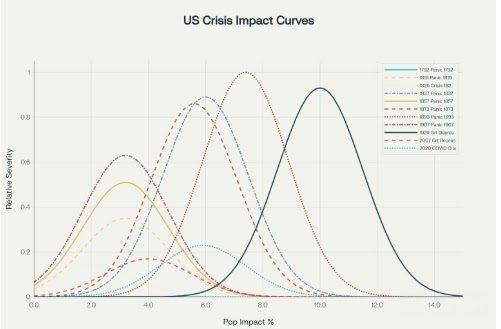
[Analysis of US Economic Downturns for duration and population impact]
Preventing a serious downturn requires coordinated action on multiple fronts. Strengthening regulations is necessary to reduce financial risks and protect consumers. Effective climate policies are essential, particularly those focused on vulnerable communities. Reforming higher education financing to reduce unsustainable debt burdens can ease economic pressures. Restoring international cooperation and fair trade practices will help rebuild economic and diplomatic relationships. Protecting civil rights and fostering social trust are crucial to maintaining social cohesion.
These issues are deeply interconnected and require comprehensive approaches.
Sources
Higher Education Inquirer, Let’s Pretend We Didn’t See It Coming…Again (June 2025): https://www.highereducationinquirer.org/2025/06/lets-pretend-we-didnt-see-it-comingagain.html
Higher Education Inquirer, The US Working‑Class Depression: Let’s All Pretend We Couldn’t See It Coming (May 2020): https://www.highereducationinquirer.org/2020/05/lets-all-pretend-we-couldnt-see-it.html
Federal Reserve, Consumer Credit Report, 2025
U.S. Department of Education, Student Loan Debt Statistics, 2025
Intergovernmental Panel on Climate Change (IPCC), Sixth Assessment Report, 2023
Council on Foreign Relations, The BRICS and Global Power, 2024