Tag: Career

  • Westchester CC Sees 12-Point Growth in Graduation Rate

    Westchester CC Sees 12-Point Growth in Graduation Rate

    Providing students with wraparound support is one evidence-based practice that has demonstrated impact on student credit accumulation, persistence and graduation rates. In the mid-2000s, the City University of New York created a model of student support that has been duplicated at dozens of colleges to improve outcomes; now the State University of New York system hopes to build on this success on its own campuses.

    In 2018, Westchester Community College became the first SUNY campus to adopt CUNY’s initiative, which WCC calls Viking Resources for Obtaining Associate Degrees and Success (Viking ROADS). A March 2025 report from the nonprofit education-research group MDRC highlights the success of Viking ROADS during its initial three years: a 12-percentage-point increase in graduation rates among participants, despite headwinds from remote instruction during the COVID-19 pandemic.

    The background: CUNY created Accelerated Study in Associate Programs (ASAP) in 2007 as a comprehensive initiative to address barriers to student retention and completion.

    The core components of ASAP are personalized academic advising, specialized enrollment options and financial aid for course material and transportation costs for three years.

    Over the past decade, ASAP-inspired programs have been implemented at over a dozen institutions in seven states. WCC president Belinda Miles was a part of the ASAP replication initiative in Ohio in 2014, so when she began her role at WCC in 2015, “it wasn’t too long before I ran into ASAP,” she said.

    Arnold Ventures and MDRC, along with an anonymous donor to the WCC Foundation, provided financial support for the launch of Viking ROADS.

    In 2023, SUNY chancellor John B. King Jr. announced the system would implement ASAP at 25 of its 64 campuses starting in 2024. Now, results from a three-year MDRC evaluation of Westchester Community College’s program offer guiding principles to peer institutions scaling their own efforts.

    “We’re delighted to be that pivot campus and a leader amongst our peers,” Miles said.

    The study: MDRC’s study followed WCC staff and students from 2018 to 2021.

    Viking ROADS requires WCC students to be enrolled full-time in an eligible major, meet with a dedicated counselor and use college support services monthly, as well as be a New York resident, a first-time college student and only enrolled in one developmental education course.

    A majority of students involved in the Viking ROADS study were traditional college students, with about one in five identifying as a nontraditional student (defined as someone who is older than 24, works full-time, has children or does not have a high school diploma). One adaptation of ASAP that Viking ROADS staff implemented was to offer a transportation stipend, rather than a prepaid MetroCard; WCC is a commuter campus and students utilize both their own cars and public transport to reach campus, so having flexibility in how they addressed transportation barriers was key, Miles said.

    Over all, program participants were more likely to have higher enrollment rates over time and complete more credits, compared to their peers. By their fourth semester, 20 percent of program participants had earned degrees, compared with 13.3 percent of control group students. And by their sixth semester, 35 percent of program participants had completed an associate degree, compared to 23 percent of the control group.

    Researchers theorized this gap could be tied to the specialized course enrollment options and academic advising Viking ROADS participants receive, which could help students meet their course requirements and reduce their risk of earning excess credits that don’t support degree completion.

    “It’s critical that students begin with a person and a plan, or a plan and a person, [so] we can say, ‘Here’s the road map, here’s your guided pathway, here are the steps you take.’ But having a person that’s reliable is something that is critical for students, particularly first-generation students,” Miles said, because some learners may not have supporters at home who understand the bureaucracy of higher education.

    Program staff also reduce barriers to applying for graduation and making degrees official; among nonparticipants who earned 60 or more credits, only 69 percent earned a degree, compared to 83 percent of Viking ROADS students.

    “Despite the challenges that were posed by the COVID-19 pandemic, Viking ROADS still had large effects on three-year graduation rates, confirming the strength and adaptability of the ASAP model,” according to the report. “Viking ROADS not only helped students navigate the immediate disruptions that were caused by the pandemic but also supported their continued academic progress and degree attainment.”

    What’s next: In the same way Miles brought her work with ASAP to WCC, she and her staff plan to contribute to a community of practice for the other SUNY campuses joining these efforts.

    “I’m happy to share with colleagues what our story is and how we keep it going and how we keep expanding, albeit incrementally,” Miles said.

    Funding and providing resources for wraparound services can be a barrier to scaling initiatives, but reallocating and redesigning existing services to better address student needs is one way Miles said she is looking to expand student success efforts at WCC.

    Get more content like this directly to your inbox. Subscribe here.

    This article has been updated to reflect the correct name of Arnold Ventures.

    Source link

  • Cultivating a Postdoc Community (opinion)

    Cultivating a Postdoc Community (opinion)

    What happens when postdoctoral researchers feel like they truly belong? It is not just a feel-good moment—it is the foundation for success. A strong sense of community in the postdoctoral workplace can transform isolation into inclusion, stress into resilience and short-term survival into long-term thriving. It can help postdocs form the right mindset to face challenges such as career uncertainty, heavy workloads and relocation away from familiar support systems.

    For postdocs, community combats a unique kind of professional isolation. Whether someone is fresh out of graduate school or pivoting from one career path to another, postdoctoral training is a time of both intense focus and high ambiguity. Demanding workloads, career uncertainty, immigration concerns and financial insecurity can weigh heavily on postdocs and increase their levels of stress and feelings of outsiderness, especially for those from historically underrepresented backgrounds. Because of this, for career practitioners, faculty and mentors, focusing solely on the professional development of postdocs no longer seems to be enough.

    Why Community Matters

    Looking to expand our support for postdocs beyond their professional development, we at the Office of Postdoctoral Affairs at Washington University in St. Louis embraced the need to prioritize postdoc well-being and the creation of an inclusive, engaged community. We believe postdocs who feel a sense of belonging to a supportive environment are more likely to:

    • Maintain a healthier work-life integration, leading to better research outcomes, productivity and professional growth.
    • Reflect on their career paths, plan their future goals and make informed decisions about their careers.
    • Develop transferable skills such as communication, teamwork and leadership, which are crucial for career success.
    • Stay at their institutions, avoiding disruptions in research projects or the research group’s morale.

    With these objectives in mind, the skill-development side of the postdoctoral experience needs to be complemented with considerations about postdoc well-being, sense of belonging and identification with the institution.

    Initiatives to Cultivate Community

    Building a strong postdoc community and a strong sense of belonging has to be intentional. At WashU, partnerships and a little imagination helped us develop creative, low-cost initiatives to cultivate community, initiatives that any institution could tailor to fit the needs of their postdocs.

    Our community-building work centers on three main strategies: programming, fun giveaways and improved communication methods.

    Programming: Moments that Matter

    From our fall holiday pop-up to year-round celebrations of cultural heritage and history months, we have hosted events that offer postdocs essential touch points for connection outside their academic research and scholarship. We have reached out to internal and local partners (such as libraries and cultural organizations) and found they are often enthusiastic about collaborating with programs that align with their educational and service missions.

    For example, we connected with campus health and wellness programs to offer existing services (like CPR certification, health screenings or nutrition workshops) branded as postdoc-only events. Likewise, during LGBT History Month, we hosted Walk with Pride, a walking tour highlighting a local neighborhood’s LGBT history, in collaboration with the local history museum, which donated items for a raffle. With low investment, these events provide postdocs with opportunities to engage with diverse communities and cultures, enriching their personal and professional lives.

    Fun Giveaways: Small Tokens, Big Meaning

    We regularly ask our on-campus partners for fliers and branded stationery, which we include in a welcome kit we give away during orientation. A welcome kit is a small bag containing a collection of practical campus resources and promotional merchandise from the Office of Postdoctoral Affairs and our partners. We found that elements like stickers and branded lanyards not only boosted morale but also became a way for postdocs to visibly identify other postdocs across campus, sparking lighthearted and spontaneous conversation. We have learned to not underestimate the power of a sticker that says, “I’m a WashU Postdoc. I got this.” These small tokens help postdocs feel valued and connected.

    Communication: Making Sure No One Misses Out

    To ensure postdocs actually know about our programming and services, we leveled up our communications strategy with calendar invites, personalized welcome emails and festive event announcements tied to specific holidays or cultural celebrations. A successful strategy for us has been to share our announcements with the administrative staff in the academic units—they replicate our event invites in their internal departmental communications and thus create another avenue for the information to reach postdocs. Partnerships for proactive, clear communication go a long way in making sure everyone feels included.

    Call for Action

    There is still so much more we are excited to build at WashU. We are developing a postdoc parent network, a postdoc alumni network and a mentor network. We are planning more cultural events that connect postdocs with their identities and local history. We are finding ways to better support postdocs’ financial well-being.

    Community building is essential. We believe every postdoc deserves to feel like they belong, not just as researchers, but as people. And through practical initiatives like the ones we’ve shared, postdocs can develop a wide range of career skills that will serve them well in their future endeavors.

    There is no need for huge budgets or massive teams if we rely on curiosity, willingness to listen and partnerships across the campus and community. Talk to your postdocs. Then try something small, fun and heartfelt. It could be a sticker or a bake-off. Maybe it could be just a well-timed welcome email that says, “We are glad you are here.”

    The difference between isolation and engagement can start with a single gesture. That is a difference worth making. A supportive, connected postdoc community is not just a nice-to-have—it is a must-have for professional growth.

    Elizabeth Eikmann is currently the assistant director of curricular innovation in the College of Arts and Sciences at Washington University in St. Louis and previously served as program coordinator in WashU’s Office of Postdoctoral Affairs. Paola Cépeda is the assistant vice chancellor for postdoctoral affairs at WashU. They are both members of the Graduate Career Consortium—an organization providing an international voice for graduate-level career and professional development leaders. This article represents their views alone.

    Source link

  • Pasco-Hernando President Resigns Amid State DOGE Scrutiny

    Pasco-Hernando President Resigns Amid State DOGE Scrutiny

    Pasco-Hernando State College president Jesse Pisors has resigned after less than 18 months on the job, amid scrutiny from Florida’s version of the Department of Government Efficiency, The Tampa Bay Times reported.

    Pisors stepped down Thursday, the day before a special meeting called by board chair Marilyn Pearson-Adams to discuss concerns about student growth and retention, according to meeting documents. In a letter to other trustees, which included analysis from Florida’s DOGE on student growth and retention, Pearson-Adams noted the college was among the worst on those metrics.

    Specifically, she noted PHSC was second-to-last in retention numbers, which she called “alarming.” She added that trustees “had not been made aware of these numbers” despite “our continued requests over the past 12 months regarding this type of information and data.”

    The agenda shows only one action item for Friday’s special meeting of the Pasco-Hernando Board of Trustees: “Determination of Sustainability of College’s Future.” 

    Florida is one of several states that has sought to implement cost-cutting measures modeled on DOGE, the federal initiative led by billionaire bureaucrat Elon Musk to reduce government waste through layoffs and the elimination of various programs—an effort that has run into multiple legal challenges. DOGE-driven cuts have also fallen far short of their intended vision, with Musk often exaggerating savings for taxpayers in his work for the Trump administration. 

    Florida’s DOGE has also sought records of all faculty research at public institutions published in the last six years, leading to concerns about how the effort may be weaponized against faculty.

    Source link

  • Trump Proposes Deep Cuts to Education and Research

    Trump Proposes Deep Cuts to Education and Research

    President Donald Trump wants to end funding for TRIO, Federal Work-Study and other grant programs that support students on campus as part of a broader plan to cut $163 billion in nondefense programs.

    The funding cuts were outlined in a budget proposal released Friday. The document, considered a “skinny budget,” is essentially a wish list for the fiscal year 2026 budget for Congress to consider. The proposal kicks off what will likely be a yearlong effort to adopt a budget for the next fiscal year, which starts Oct. 1. Trump is unlikely to get all of his plan through Congress, though Republicans have seemed especially willing this year to support his agenda.

    If enacted, the plan would codify Trump’s efforts over the last three months to cut spending and reduce the size of the federal government—moves that some have argued were illegal. (Congress technically has final say over the budget, but Trump and his officials have raised questions about the legality of laws that require the president to spend federal funds as directed by the legislative branch.)

    The proposed budget plan slashes nearly $18 billion from the National Institutes of Health, $12 billion from the Education Department, and nearly $5 billion from the National Science Foundation. The skinny budget also eliminates funding for the Institute of Museum and Library Sciences, AmeriCorps, National Endowment for the Arts, and National Endowment for the Humanities. Trump has already made deep cuts at those agencies and put most—if not all—of their employees on leave.

    A fuller budget with more specifics is expected later this month.

    Democrats were quick to blast Trump’s plan, saying it would set the country “back decades by decimating investments to help families afford the basics.” But Republicans countered that the proposal would rein in “Washington’s runaway spending” and right-size “the bloated federal bureaucracy.”

    For higher ed groups and advocates, the proposed cuts could further jeopardize the country’s standing as a leader in global innovation and put college out of reach for some students.

    “Rather than ushering in a new Golden Age, the administration is proposing cuts to higher education and scientific research of an astonishing magnitude that would decimate U.S. innovation, productivity, and national security,” said Mark Becker, president of the Association of Public and Land-grant Universities, in a statement. “We call on Congress to reject these deeply misguided proposed cuts and instead invest in the nation’s future through education and pathbreaking research.”

    Zeroing Out ED Programs

    At the Education Department, the Trump administration is proposing to end a number of programs and reduce funding to others.

    The president wants to eliminate the department altogether; Education Secretary Linda McMahon said in a statement that the proposal reflects “an agency that is responsibly winding down, shifting some responsibilities to the states, and thoughtfully preparing a plan to delegate other critical functions to more appropriate entities.”

    McMahon laid off nearly half of the agency’s staff in March, so the budget also addresses those cuts.

    To compensate for the cuts to programs that directly support students or institutions, the administration argued colleges, states and local communities should on take that responsibility. Other justifications for the cuts reflect the administration’s crackdown on diversity, equity and inclusion programs and higher ed.

    For instance, officials from the Office of Management and Budget wrote that the SEOG program “contributes to rising college costs that [institutes of higher education] have used to fund radical leftist ideology instead of investing in students and their success.” (The SEOG program provides $100 to $4,000 to students “with exceptional financial need,” according to the department.)

    On TRIO and GEAR UP, which help low-income students get to college, the administration said those programs were a “relic of the past when financial incentives were needed to motivate Institutions of Higher Education to engage with low-income students and increase access … Today, the pendulum has swung and access to college is not the obstacle it was for students of limited means.”

    Additionally, the administration wants to cut the Office for Civil Rights’ budget by $49 million, or 35 percent. The budget document says this cut will refocus OCR “away from DEI and Title IX transgender cases.” In recent years, the Biden administration pleaded with Congress to boost OCR’s funding in order to address an increasing number of complaints. The office received 22,687 complaints in fiscal year 2024, and the Biden administration projected that number to grow to nearly 24,000 in 2025.

    But the OMB document claims that OCR will clear its “massive backlog” this year. “This rightsizing is consistent with the reduction across the Department and an overall smaller Federal role in K-12 and postsecondary education,” officials wrote.

    The administration also proposed cutting the Education Department’s overall budget for program administration by 30 percent. The $127 million cut reflects the staffing cuts and other efforts to wind down the department’s operations.

    “President Trump’s proposed budget puts students and parents above the bureaucracy,” McMahon said. “The federal government has invested trillions of taxpayer dollars into an education system that is not driving improved student outcomes—we must change course and reorient taxpayer dollars toward proven programs that generate results for American students.”

    Science and Research Cuts

    Agencies that fund research at colleges and universities are also facing deep cuts. The $4.9 billion proposed cut at the National Science Foundation is about half of what the agency received in fiscal year 2024—the last year Congress adopted a full budget.

    The cuts will end NSF programs aimed at broadening participation in the STEM fields, which totaled just over $1 billion, as well as $3.45 billion in general research and education.

    “The budget cuts funding for: climate; clean energy; woke social, behavioral, and economic sciences; and programs in low priority areas of science,” the officials wrote in budget documents. “NSF has fueled research with dubious public value, like speculative impacts from extreme climate scenarios and niche social studies.”

    As examples of “research with dubious public value,” officials specifically highlighted a $13.8 million NSF grant at Columbia University to “advance livable, safe, and inclusive communities” and a $15.2 million grant to the University of Delaware focused on achieving “sustainable equity, economic prosperity, and coastal resilience in the context of climate change.” The administration is maintaining the funding for research into artificial intelligence and quantum information sciences.

    The budget plan also aims to make significant reforms at the National Institutes of Health while slashing the agency’s budget by $17.9 billion. NIH received $47 billion in fiscal 2024.

    The plan would consolidate NIH programs into five areas: the National Institute on Body Systems Research; National Institute on Neuroscience and Brain Research; National Institute of General Medical Sciences; National Institute of Disability Related Research; and National Institute on Behavioral Health.

    The National Institute on Minority and Health Disparities, the Fogarty International Center, the National Center for Complementary and Integrative Health and the National Institute of Nursing Research would all be cut. The administration is planning to maintain $27 billion for NIH research.

    “The administration is committed to restoring accountability, public trust, and transparency at the NIH,” officials wrote. “NIH has broken the trust of the American people with wasteful spending, misleading information, risky research, and the promotion of dangerous ideologies that undermine public health.”

    Source link

  • Career-connected learning builds a more employable, future-ready generation

    Career-connected learning builds a more employable, future-ready generation

    Key points:

    Abraham Maslow’s Hierarchy of Needs is a fundamental psychological theory that explains human motivation. At its base are physiological and safety needs, followed by love and belonging, esteem, and self-actualization at the peak. While this theory is universally recognized for understanding personal growth in human development, it can also be applied to an individual’s educational journey.

    Had Maslow been an educator, he might have reconsidered the foundation of our education system to one that would align student aptitudes and interests to sustain the rapidly changing workforce. Consider the phrase, “If you give a man a fish, he will be hungry tomorrow. If you teach a man to fish, he will be richer forever.” It could be applied here, too. If we pair students’ strengths and aptitudes with in-demand careers through personalized learning, we are ensuring the success of our students and tomorrow’s workforce, thus realigning motivation and fulfilling the individuals Hierarchy of Needs.

    States have begun investing in career-connected learning (CCL) to connect learning to career pathways as a means to boost employability and inevitably support businesses and the local economy.

    Students are rarely guided toward career paths that match their aptitudes (or natural talents). But if our districts began doing so, we would likely see higher levels of employment and job satisfaction, and lower economic instability and gaps in the job market. This could ultimately impact our communities and the national economy at large.

    While work is being done, there is still plenty to do as the career exposure gap grows, particularly in IT, manufacturing, finance, and more. It’s time for educational stakeholders–policy, K-12 decision makers, guidance counselors and parents alike–to rethink how we prepare young people for their futures.

    The foundation: Addressing basic needs first

    It has become ever so clear that every student, starting as early as junior high, should have the opportunity to take an aptitude assessment. Researchers have identified that students’ natural aptitudes solidify by age 14, forming the foundation for understanding what they’re inherently good at. If Maslow were designing today’s educational experience, this would be the starting point–helping students discover their strengths and setting the stage for growth.

    Students’ ability to learn, and therefore their level of education, has always shown to have direct correlations to their physical well-being and sense of security. Often, students feel discouraged and unengaged in their coursework because it doesn’t connect to their innate strengths, making it harder to feel confident in their abilities and motivated to tap into potential future pathways for employment. 

    When these foundational supports are provided, students are likely to feel ready to explore career opportunities and develop the workplace-ready skills needed in today’s economy.

    Building confidence: Belonging and self-esteem in education

    Students thrive when they feel a sense of belonging–both in the classroom and in the broader community. They also need to build self-esteem by experiencing achievement, recognition, and purpose. Connecting education with natural aptitudes and real-world career experiences can foster this sense of belonging and achievement.

    Encouraging students to participate in internships, apprenticeships, or mentorship programs can bridge the connection between their talents and real-world job opportunities. This fosters a sense of community and a personal identity tied to their future careers and success. CCL helps students understand that they have valuable contributions to make, both in school and beyond, which often leads to students taking ownership of their educational journeys.

    Path to self-actualization: Unlocking career potential

    At the pinnacle of Maslow’s hierarchy is self-actualization. Students are no longer just attending school to pass tests–they are actively seeking knowledge and skills to help them achieve their dreams. Students are often more motivated when they see the relevance of their learning, especially when they understand how it connects to their future aspirations.

    Tech solutions have helped districts provide personalized career assessments and work-based learning experiences for students, which empowers them to explore their career interests in-depth. When we offer students opportunities for hands-on exploration and real-world application, they find greater fulfillment in their educational experiences and a stronger desire to achieve higher learning goals.

    The crisis: How the current system is failing to meet Maslow’s vision

    Most high school graduates (75 percent) do not feel prepared to make college or career decisions after graduation.

    Simultaneously, 40 percent of employers stated that educational institutions do not sufficiently prepare students for their future careers, and 90 percent emphasized the need for stronger partnerships between K-12 schools and postsecondary institutions.

    Despite the clear benefits of linking education to career pathways, more often schools solely focus on academic success, neglecting the broader skills students need to thrive in the workforce. And CCL is frequently seen as a nice-to-have, rather than an essential piece of education. The growing career exposure gap is evidence of this disconnect.

    Closing this disconnect begins with helping people understand where to invest in their skills. 

    A new model: Career-connected learning as the solution

    By ensuring basic needs are met, fostering belonging and esteem, and unlocking students’ potential, we equip students with the real-world skills they need to succeed. CCL benefits every student and should be seen as an essential part of education, not just a nice-to-have.

    Personalized learning platforms, aptitude assessments, career identification, and skill-based learning tools provide the foundation for this transformation. But it’s the convergence among educators, employers, policymakers, and technology providers that will ultimately ensure that every student has the opportunity to realize their full potential. 

    My final thoughts: Maslow would remind us that education isn’t just about filling students’ heads with knowledge–it’s about inspiring them to dream, grow, and discover their limitless opportunities. This vision offers not just hope for individual students, but economic benefits for society as a whole.

    Latest posts by eSchool Media Contributors (see all)

    Source link

  • Reimagining readiness in Indiana education

    Reimagining readiness in Indiana education

    Key points:

    Across the country, education is on the brink of significant change. As schools, districts, and policymakers grapple with the realities of a rapidly evolving workforce that requires discipline-specific knowledge, high-tech know-how, and hands-on skills, there is a growing recognition that the traditional approaches to preparing students for the real world no longer suffice. 

    This shift brings uncertainty and anxiety for district leaders here in Indiana. Change can be intimidating, especially when the stakes are as high as the future success of our students. Yet, this moment also holds immense potential to redefine what it means to truly ready them for a workplace that is continually reinventing itself.

    To confront the challenges future-focused schools face, we’re sharing our approach from two distinct, but complementary, perspectives. One, from the superintendent of Eastern Hancock Schools, a small, rural district in Indiana that is deeply rooted in its community and focused on creating opportunities for students through strong local partnerships. The other, from the president and CEO of Project Lead The Way (PLTW), a national nonprofit organization that provides schools with innovative, hands-on, project-based STEM curriculum designed to develop critical skills and knowledge, while preparing students for careers beyond the classroom. 

    While we work in different contexts, our shared mission of preparing students and educators for an ever-changing world unites us. Together, we aim to highlight the excitement and possibility that change can bring when approached with readiness and purpose.

    Redefining what it means to be ready

    The jobs of tomorrow will demand far more than technical knowledge. As industries transform at warp speed, accelerated by AI, automation, and other technological advancements, many of today’s students will enter careers that don’t yet exist. 

    Preparing them for this reality requires educators to focus on more than just meeting academic benchmarks or prepping for the next standardized test. It demands fostering critical thinking, collaboration, communication skills, and, perhaps most importantly, confidence–characteristics many employers say are lacking among today’s graduates.

    At Eastern Hancock, this preparation begins by creating opportunities for students to connect their learning to real-world applications. The district’s robust work-based learning program allows juniors and seniors to spend part of their day in professional placements across industries, such as construction, healthcare, engineering, and education, where they receive hands-on training. These experiences not only provide exposure to potential careers but also help students develop soft skills, including teamwork and problem-solving, that are critical for success in any field.

    We also know that when students have earlier access to STEM learning and concepts, they are more inclined to pursue a STEM-driven career, such as computer science and engineering. Students in PLTW programs tackle meaningful problems as capable contributors, such as designing prototypes to address environmental issues, exploring biomedical innovations, and solving arising problems like cybersecurity and information safety.

    Preparation, however, is about more than providing opportunities. Many students dismiss career paths because they lack the self-assurance to see themselves thriving in those roles. Both Eastern Hancock and PLTW work to break down these barriers–helping students build self-esteem, explore new possibilities, and develop confidence in chosen fields they may have once considered out of reach.

    Empowering educators to lead with confidence

    While students are at the heart of these changes, educators are the driving force behind them. For many teachers, however, change can feel overwhelming, even threatening. Resistance to new approaches often stems from a fear of irrelevance or a lack of preparation. To truly transform education, it is essential to support teachers with the resources, tools, and confidence they need to thrive in evolving classrooms.

    PLTW’s professional development programs equip educators with training that builds their capacity to lead transformative learning experiences. Teachers leave PLTW sessions with practical strategies, a renewed sense of purpose, and the self-assurance to inspire their students through immersive classroom experiences.

    At Eastern Hancock, the promise of growth drives efforts to support educators through professional development that aligns with their goals and the district’s vision. Teachers collaborate to set meaningful objectives, fostering a culture of innovation and shared purpose. This approach ensures that educators feel prepared not only to guide students but also to grow alongside them.

    Blending a local approach and national reach illustrates how schools and organizations at every level can work together to address the shared challenge of preparing and supporting educators for the future. By empowering teachers with the tools and confidence they need, both Eastern Hancock and PLTW demonstrate how readiness can ripple outward to transform entire communities.

    Delivering on the promises of education

    Indiana’s reimagined graduation requirements offer schools the chance to redefine what it means to be truly prepared for the future. At Eastern Hancock, we’ve seen how aligned values–like those we share with PLTW–can inspire new ways of thinking about career readiness. We’re both deeply committed to ensuring students are equipped with the skills, experiences, and confidence they need to thrive in an unpredictable world.

    Change may cause anxiety, but it also creates opportunities for innovation, growth, and excitement. When educators, students, and communities embrace readiness, the future of education becomes a source of hope and possibility-for Indiana and for the nation.

    Latest posts by eSchool Media Contributors (see all)

    Source link

  • Why Academics Need to Slow Down (opinion)

    Why Academics Need to Slow Down (opinion)

    A 2023 global survey of more than 900 faculty members found that 33 percent are “often or always” physically exhausted, 38 percent are emotionally exhausted and 40 percent are just worn-out. The constant pressure to conduct research, secure grants and fellowships, attend conferences, and publish or perish is only part of the story. There is, additionally, the immense responsibility to teach and mentor students who are facing their own mental health crises.

    In the inescapable race to beat the tenure clock and, once tenured, move to the next rung of the ladder while staying relevant and recognizable in our fields, faculty members need to take a pause. We must slow down to strengthen our mental health, ensure student success and produce meaningful scholarship.

    Some might ask how slowing down will help us keep up. How will we survive in academia if we are slow to publish in high-impact journals, or present our research in international forums, or participate in faculty development opportunities, or mentor multiple students, or be on several significant boards and committees? We will, if we do not equate slowness with being lazy or unproductive and, instead, understand it as the pace and the process that allows us to function and create deliberately, contemplatively, while resisting exhaustion and burnout.

    In my international conflict management classroom at Kennesaw State University, I encourage my students—future peacemakers—to think about slow peace. In my research on feminist agency in violent peripheral geographies, I deliberate on how, in zones of ongoing conflict, active resistance must (and does) surface in response to direct and immediate violence. But this only addresses the symptoms; in the urgency of the moment, what is not—and cannot—be addressed is the structural violence that results from a lack of cultivating peace as a way of life. Only by slowing down to reflect on, and gradually dismantle, the tools that perpetuate cultures and structures of violence can we enable enduring peace, ensure the well-being of the communities in conflict and reduce the recurrence of everyday violence.

    As I move deeper into decolonial feminist peace in my scholarship, teaching and practice, I recognize the university depends on some of the same tools of violence and patriarchal control that are used to perpetuate the colonial and postcolonial conflicts that we study in my classroom. For example, the “fast-paced, metric-oriented neoliberal university” makes constant demands on faculty members’ time and effort, ensuring we are exhausted and preoccupied with “keeping up.” To meet its numerical expectations, we often sacrifice our “intellectual growth and personal freedom”; we rarely pause to reflect on the quality and real-world impact of our output or the toll it takes on us. Exhausted people rarely have the time or energy for community and rest, which are essential not only for individual well-being but also for collective resistance to slow violence.

    Similarly, colonial capitalists initiated my ancestors in Assam, in the peripheral northeast region of India, into the plantation (tea) and extraction (coal, oil) economies by weaponizing productivity and exhaustion. They denigrated our traditional lahe lahe way of life that was based on living gently, slowly and in organic harmony with the planet and its people. The nontribal people of Assam embraced capitalism and the culture of “hard work” and exhaustion. They also aligned with the colonizers to designate the tribal peasants who stayed connected with their ancestral lands and refused to work in the plantations as “lazy natives.”

    This process of ethnic fragmentation started by the colonizers was subsequently exploited by the post-/neocolonial Indian state to diffuse and dissipate resistance against itself as it continued to extract the communal resources of the ethnic people of Assam and its neighboring northeastern states while ignoring their customary laws and political rights and governing this peripheralized region through securitization and militarization. The historical, horizontal conflicts between the many communities of the Northeast undermined their necessary, vertical resistance against the Indian state. Meanwhile, on the Indian mainland, Assam is still derogatorily referred to as “the lahe lahe land” and people from the entire Northeast region are subjected to discrimination and racist violence.

    Building solidarities across marginalized entities alone can successfully challenge larger structures of oppression—whether racism, colonial violence or academic capitalism—that continue to thrive while we remain divided. In the conflict zone I call home, I advocate for addressing the slow and sustained violence that historically eroded indigenous ways of peaceful coexistence between communities. I propose ways of building peace by reintroducing customary nonviolent structures and cultures into everyday practices of communities, allowing community members to reconnect with each other and with nature and the environment.

    For example, traditional slow crafts like weaving organic cotton and silk fabrics involved the entire community while benefiting individual members and protecting the planet. Reviving these practices would slowly, but radically, disrupt the cycle and progression of violence and societal fragmentation.

    Within the academy, too, we can practice slow peace. My individual resistance began when I started questioning my sense of guilt and self-doubt about being unproductive or “slow.” Just as my precolonial ancestors did, I too realized that my self-worth is not tied to my productivity; I slowed down. This deepened my scholarship and made it more deliberate as I connected it to my embodied, intergenerational history. My approach to scholarship also grew more intentional as I re-examined its real-world impact.

    At the same time, I recalled that my lahe lahe culture valued rest and resting in community through finding connections with people, engaging in communal joy and being in nature. I moved away from commodified self-care products and apps and took more mindful breaths during my morning yoga. Now I am more energized in the classroom, where I practice laughter and joy with my students while encouraging them to build an empathetic and mutually caring classroom culture. They bring genuine engagement and produce strong work that they take ownership of. I have also added nature walks with emotional support coworkers, aka new friends, to my routine. Our conversations have led to research collaborations and several creative engagements with the local community.

    If, as Audre Lorde says, self-care is “warfare,” it is no less a war to attempt to build a community of care involving colleagues and students in institutions and settings that are engineered to facilitate isolation by emphasizing increasingly demanding personal achievements tied to hierarchies of power and privilege. As I continue to deliberately and strategically work on decolonizing my academic praxis, I am convinced that within the academy and outside—where our knowledge-making has consequences—the quicker we begin slowing down, the sooner we will reap the benefits of the lahe lahe life.

    Uddipana Goswami is author of Conflict and Reconciliation: The Politics of Ethnicity in Assam (Routledge 2014) and Gendering Peace in Violent Peripheries: Marginality, Masculinity and Feminist Agency (Routledge 2023). Gendering Peace earned an honorable mention in the International Studies Association’s Peace Section’s 2025 Best Global South Scholar Book Award. She teaches at the School of Conflict Management, Peacebuilding and Development at Kennesaw State University.

    Source link

  • How Housing Support Programs Can Measure Student Development

    How Housing Support Programs Can Measure Student Development

    A large number of college students experience housing insecurity or homelessness, and finding suitable accommodations can be a challenge, particularly for those who attend colleges and universities that do not provide on-campus housing.

    The fall 2024 Student Financial Wellness Survey by Trellis Strategies found that 43 percent of all respondents experienced housing insecurity and 14 percent were homeless during the prior 12 months. Among two-year college respondents, 46 percent were housing insecure and 16 percent experienced homelessness in the previous year.

    Community colleges often lack the resources to directly address housing insecurity, so they rely on outside partnerships or housing assistance programs to accommodate students. For example, LaGuardia Community College partners with Airbnb to offer vouchers for short-term housing support for students. Tacoma Community College and the Tacoma Housing Authority co-created the College Housing Assistance Program, which subsidized housing costs for students experiencing homelessness until 2022.

    These programs often come with red tape that can make it difficult for a student to enroll in the program; for example, GPA or credit requirements can push vulnerable students out if the institution doesn’t think they’re making adequate progress.

    Alena A. Hairston, a professor at Fresno City College and doctoral student at Alliant International University, conducted a qualitative research project that evaluated student experience and engagement with housing assistance programs. Hairston found that while many students did not meet benchmarks for student success in the classroom, the experience contributed to their improved self-actualization, which can be a meaningful metric in student development.

    The background: To ensure students are persisting and making progress toward a degree, college-led assistance programs often require learners to meet baseline educational checkpoints, including being enrolled, achieving a certain GPA or meeting regularly with a staff member. Community partners may institute their own requirements, including drug- and alcohol-free living or payment of a deposit.

    If students don’t meet these requirements, they’re dropped, often without another option to continue their housing, which can be detrimental to their health and well-being. While failing to meet requirements can be a sign of student disinterest or lack of appreciation for the offerings, Hairston views stable housing as a foundational piece in student achievement and tied to the mission of community colleges.

    “If a student shows up to attend [and] to be a part of the collegiate process, that says desire, right?” Hairston said. “And the only requirement for admission [at community colleges] is a desire to learn, so we need to go with that as our mandate [to serve students].”

    Hairston wanted to understand how students accessed resources and the impact it had on their psychosocial development.

    The study: Hairston interviewed nine students who participated in housing assistance programs, led either by the college or an off-campus entity, in 2021. Students were between the ages of 18 and 47 and represented a variety of racial, ethnic and gender categories. All learners were enrolled at least part-time at a community college.

    Most respondents said they learned about housing programs through specific contacts, such as academic counselors for special programs including Extended Opportunity Programs, TRIO and the Puente Project, while others used the internet or other partners.

    While students appreciated the services, they faced logistical challenges that made the experience frustrating, such as a lack of notification or timely communication from staff members. One was in an unsafe area and roomed with an individual who used methamphetamine.

    Students said program requirements to maintain academic standing or health conditions (such as sobriety) were perceived as helpful, but in practice sometimes harmful and led to loss of housing. “As soon as you drop [below] a 2.0 or you drop nine units, they literally evict you,” one student shared. “Then you have an eviction on your record as well.”

    A few students said they gained personal life skills or were motivated to continue working toward academic and career goals. Others felt their citizenship status or racial and ethnic backgrounds impeded their housing placements or ability to access resources.

    In addition to finding secure housing, most participants utilized other campus, public and private services to pay for additional resources, including furniture, phone bills, laptops, bikes and mental health support.

    The COVID-19 pandemic created additional challenges for participants, such as job losses, the decline of support networks, moves, educational disruption and relapses into substance use.

    In conversations, students commented on how housing assistance motivated them to stay enrolled and allowed them to prioritize other elements of their lives, including mental health care and caregiving responsibilities.

    “The program [helped me with] a lot of psychological things like digging into yourself and figuring out the root problems that keep causing me to drink,” a study participant shared. “So I got to unburden a lot of my little demons.”

    Lessons learned: Based on her conversations with students, Hairston recommends policymakers tie self-actualization and personal growth to efficacy metrics to understand the value of these programs and improve students’ self-reflection on their progress and achievement.

    One possibility would be to measure student success on a yearlong basis, rather than term by term. Some learners returning to higher education may need counseling or struggle with the rigor of their coursework, resulting in poor academic performance in their first term back.

    Instead of weighing GPA or credits completed as the most important factors for student eligibility, Hairston advocates for a greater emphasis on self-efficacy and personal growth, perhaps delivered through a self-diagnostic at the start and end of the term or a regular self-study to track learning and the challenging circumstances they encountered. This also creates opportunities for checking in on students during the term to ensure that they’re not falling behind without support, Hairston said.

    Program participants should also be paired with counselors who are trained in trauma-informed care and academic counseling, Hairston said. Ensuring a welcoming atmosphere for services, program information and resources can reduce barriers to access and promote thriving.

    If your student success program has a unique feature or twist, we’d like to know about it. Click here to submit.

    Source link

  • Modest Thoughts From a Minor Donor to Harvard (opinion)

    Modest Thoughts From a Minor Donor to Harvard (opinion)

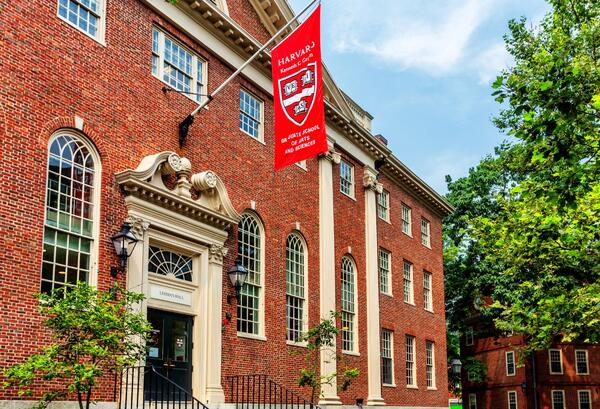
    Responding to Harvard University’s defiance of the coercive and illegal demands from the Trump administration, some major donors have recently urged the university to make accommodations rather than fight. A few have withheld large gifts over the last year and a half.

    Holding degrees from two of Harvard’s least wealthy schools (Divinity and Education), I have made small annual donations to my relatively impecunious alma maters for 45 years, and I offer these considerations to weigh against those of the big donors who have generally graduated from Harvard’s wealthiest, so-called major schools.

    Harvard’s resistance to authoritarian overreach bolsters the entire system of U.S. higher education, which came to be regarded as the best in the world only in the 1970s, after a century of slow development. Harvard’s defiance of unlawful authoritarianism inspires universities throughout the world.

    This controversy is therefore not just about Harvard, but all of higher education everywhere. If Harvard caves, then no university will dare to defy governmental overreach. If Harvard resists, then others will be inspired to do so and shamed if they do not.

    The urging by major donors to strike a deal with the Trump administration may result from feeling that Harvard’s small and secretive governing board, the Corporation, has, in recent months, not listened to them and ignored “the rightward shift of the country” that prompted Trump’s demands. (Although Harvard’s “major” and wealthiest professional schools—business, law and medicine—still graduate leading financiers on Wall Street and conservative justices of the Supreme Court, notwithstanding claims about the university’s “sins” of left-wing radicalism.)

    In any case, the implied threat of major donors to withhold donations is transactional, just like the demands of the Trump administration. Thus, Harvard is caught between two transactional parties. Is the defiance of coercive and illegal overreach worth the possible loss in large gifts?

    And the loss could be considerable. Over the last century, the rule in higher education fundraising is that 90 percent of gifts come from the top 10 percent of donors. Big donors count. Little ones scarcely, it seems.

    But there are financial counterpoints.

    By adjusting the spending rule for its endowment income and by floating bonds and loans, Harvard does have the resources to supplant lost federal income until its legal challenges are litigated, notwithstanding the prospect of further demands by the Trump administration.

    Indeed, the annual investment income of large endowments vastly exceeds annual fundraising. As a result, wealthy universities were already shifting their focus from “gifts to growth” of investment yield by the beginning of the 21st century. Fundraising became less important than investing endowment.

    Furthermore, major alumni donors, who might fear alienating the Trump administration by donating to Harvard, could easily make donations anonymously, which has long been a tradition in higher education.

    Finally, and most importantly, Harvard’s defiance has already inspired support from many alumni who may now do more, counterbalancing the support of transactional big donors who withdraw.

    I know that some little donors, like me, have not included Harvard in their estate plans precisely because Harvard has seemed so rich and invulnerable. As former president Drew Gilpin Faust once observed, Harvard’s commitment to its endowment could make the university “as close to immortal as any earthly institution might be.”

    Now we see that Harvard needs the support of all of its alumni in these perilous times, not only for the sake of alma mater, but all of higher education.

    Bruce A. Kimball, emeritus professor at the Ohio State University, is a former Guggenheim Fellow and co-author with Sarah M. Iler of Wealth, Price and Cost in American Higher Education: A Brief History (Johns Hopkins, 2023) and co-author with Daniel R. Coquillette of the two-volume history of Harvard Law School (Harvard 2015, 2020).

    Source link

  • NIH Speeds Up Implementation of New Public Access Policy

    NIH Speeds Up Implementation of New Public Access Policy

    The National Institutes of Health is accelerating a Biden-era plan to make its research findings freely and quickly available to the public, the agency announced Wednesday.

    The 2024 Public Access Policy was set to take effect Dec. 31, 2025, but will now take effect July 1 of this year. It updates the 2008 Public Access Policy, which allowed for a 12-month delay before research articles were required to be made publicly available. The 2024 policy removed the embargo period so that researchers, students and members of the public have rapid access to these findings, according to the announcement. 

    NIH director Jay Bhattacharya, who took over last month, said the move is aimed at continuing “to promote maximum transparency” and rebuilding public confidence in scientists, which has waned in recent years

    “Earlier implementation of the Public Access Policy will help increase public confidence in the research we fund while also ensuring that the investments made by taxpayers produce replicable, reproducible, and generalizable results that benefit all Americans,” Bhattacharya said in the memo. “Providing speedy public access to NIH-funded results is just one of the ways we are working to earn back the trust of the American people.”

    Although the scientific research community is supportive of the policy itself, some are calling on the NIH to reinstate the original implementation date to give researchers time to effectively comply with this and other new agency regulations. 

    “This new effective date will impose extra burdens on researchers and their institutions to meet the deadline,” Matt Owens, president of COGR, which represents research institutions, said in a statement Wednesday. “Ironically, at the same time NIH is accelerating implementation of this policy, the agency is adding new burdensome certification and financial reporting requirements for grant recipients. This runs counter to the administration’s efforts to reduce regulations.”

    Source link