Tag: Career

  • Building a More Inclusive, Personalized Learning Environment

    Building a More Inclusive, Personalized Learning Environment

    In today’s higher education landscape, the idea that future students will need more academic support is far from a catchphrase—it reflects a profound shift in both student needs and faculty responsibilities.

    Over the past few decades, the demands on faculty have surged due to an increasing number of accommodation requests and the diverse challenges that students bring from their varied high school experiences and personal lives. Consequently, educators are now expected to deliver a more personalized and differentiated education than ever before.

    As the student population becomes increasingly diverse and faces new external pressures, traditional support models are proving inadequate. We must move beyond reactive accommodations and embrace a comprehensive, tailored and proactive system of academic support. This transformation is essential for empowering both students and educators to thrive in an increasingly complex academic environment.

    Expanding Accommodation Needs

    One of the most noticeable changes in today’s academy is the sharp increase in the number of students requiring accommodations. As many as a quarter of my students have a registered disability, and the accommodations that I am required to provide have changed in significant ways post-pandemic.

    Previously, universal design principles were seen as adequate to ensure accessibility for all. Courses were retrofitted with extended deadlines, recorded lectures and online resources, providing a common platform without isolating individual needs.

    However, today’s reality demands a more nuanced and tailored approach. Accommodations now often involve significant modifications—such as flexible attendance policies, alternative assessment formats and even exemptions from standard class participation—that alter the very nature of the educational experience.

    These changes necessitate careful planning and ongoing communication between faculty, students and disability services to create a learning environment where every student can succeed. It also requires more training, resources and support for faculty and students—which hasn’t taken place.

    The Legacy of Uneven Educational Backgrounds

    Another key challenge arises from the uneven educational experiences that many students received in high school. Over the past several decades, the disparity in academic preparation has widened significantly. As a result, students now enter college with a much broader range of skills, background knowledge and even vocabulary than in previous generations.

    For some, high school provided a strong foundation, equipping them with the critical thinking skills and subject mastery necessary for the rigors of higher education. These students are well prepared to dive into complex course material and participate actively in academic discussions.

    In contrast, others come from educational environments where resources were limited or where the curriculum was less challenging. These students frequently struggle to meet the high standards expected at the collegiate level, finding themselves overwhelmed by the pace and depth of instruction.

    This variation in preparation places an additional burden on faculty, who must continuously adapt their teaching strategies to meet the needs of an unevenly prepared student body. In many classes, instructors face the daunting task of simultaneously engaging students who excel academically while also providing targeted support for those who are less prepared.

    This often means developing multiple instructional approaches, creating supplementary materials and offering additional feedback and tutoring sessions. Faculty must work diligently to ensure that every student has the opportunity to succeed, balancing the needs of advanced learners with those who require more foundational support.

    The challenge of uneven educational backgrounds underscores the critical need for a more flexible and individualized approach to teaching. Institutions must recognize this disparity and invest in innovative teaching methods, robust academic support services and ongoing faculty development. Only through such concerted efforts can educators ensure that all students, regardless of their starting point, are given the tools they need to thrive in college and beyond.

    Increasing Demands on Students’ Time

    Today’s students confront unprecedented pressures on their time. The demands of balancing work, extracurricular activities and family responsibilities have become an everyday reality, leaving many with significantly less time to devote to their studies. This predicament is not merely an inconvenience—it directly affects students’ academic performance and well-being.

    One of the most critical challenges is that these competing demands can hinder students’ ability to engage fully with challenging course material. I expect my students to tackle lengthy, demanding texts that demand deep concentration and sustained effort. When students are pressed for time, they often resort to skimming or incomplete reading, which can lead to gaps in understanding and ultimately a shortfall in academic achievement.

    This phenomenon not only compromises the quality of their learning but also contributes to a broader pattern of stress and burnout. The cumulative effects of these pressures can have long-lasting impacts on both academic performance and overall mental health.

    Given these realities, it is incumbent upon faculty to recognize the multiple challenges faced by today’s students. Traditional teaching methods and rigid assessment schedules may no longer be effective or equitable. Instead, educators must explore flexible teaching methods and alternative assessment strategies that allow students to manage their time more effectively.

    For example, integrating online discussion or tutoring sessions, offering modular coursework and incorporating a mix of formative assessments can provide students with the flexibility they need to engage with the material at their own pace. Such approaches not only accommodate the varied schedules of modern students but also help maintain academic integrity by ensuring that learning outcomes are met without forcing students to sacrifice quality for convenience.

    Adapting teaching strategies to reflect the realities of modern student life is not just a matter of convenience—it is a necessity for fostering academic success and reducing stress. By creating more flexible, responsive learning environments, faculty can help students overcome the challenges of time management and ensure that they have the resources needed to thrive both academically and personally.

    This rethinking of academic support is essential in an environment where the well-being of students must remain at the heart of the educational experience.

    Cultural and Socioeconomic Diversity

    Higher education’s student body is more diverse than ever, encompassing a wide range of cultural, linguistic and socioeconomic backgrounds. This diversity enriches the academic environment, infusing classrooms with a wealth of perspectives and experiences. However, it also brings significant challenges, particularly when it comes to addressing varied perspectives on identity, language and values.

    In today’s classrooms, educators are tasked not only with delivering academic content but also with navigating a complex array of social sensitivities and assertive demands for cultural responsiveness.

    One emerging trend is that many students have become increasingly sensitive about their peers’ feelings. They are cautious about expressing opinions that might inadvertently harm or offend, reflecting a heightened awareness of diversity and the impact of language on identity. They worry about appearing stupid or out of touch. This sensitivity, while rooted in a genuine desire for inclusivity, can lead to self-censorship in discussions and a reluctance to engage in the robust debates that have long been a hallmark of academic inquiry.

    In contrast, another segment of the student population is more assertive and less deferential than in the past. These students actively demand that the curriculum reflects their interests and addresses the realities of their lives. They expect academic content to be culturally responsive—incorporating diverse voices and challenging traditional perspectives. This shift in attitude is not merely about political correctness; it is about ensuring that the educational experience is relevant and reflective of the complex, diverse, globalized world in which they live.

    To meet these evolving needs, courses must be designed with a keen awareness of these differences. Faculty must create learning environments that are both safe and intellectually challenging, where discussions are inclusive yet rigorous and where students feel empowered to express themselves without fear of causing unintended harm.

    This requires a deliberate shift in curriculum design and pedagogical approaches. Educators must become facilitators of cultural dialogue, employing strategies such as structured debates, reflective exercises and collaborative projects that allow students to explore multiple perspectives. In doing so, instructors not only address academic objectives but also help students develop the critical communication skills needed to advocate for themselves and engage in meaningful discourse.

    Moreover, institutions must invest in professional development for faculty, ensuring that they are well equipped to navigate these complexities. Workshops on culturally responsive teaching and conflict resolution can provide valuable tools for managing sensitive discussions and balancing diverse viewpoints. By integrating these practices into everyday teaching, universities can foster a dynamic academic community that respects individual differences while promoting shared learning.

    The challenges posed by a more sensitive yet assertive student body underscore the need for a broader rethinking of the educational experience. True academic support must be proactive and individualized—transcending one-size-fits-all accommodations to embrace a model that is responsive to the unique needs and cultural contexts of each student. This holistic approach not only enhances academic performance but also enriches the overall learning environment, creating a space where every student can thrive.

    Rethinking Course Design

    In the past, courses were often structured around a standardized curriculum intended to serve a homogeneous student body. Universal design for learning provided a foundation for making courses accessible, yet it was designed as a one-size-fits-all solution. Today, however, students enter higher education with vastly different backgrounds, learning styles and personal challenges. These differences demand a more nuanced approach. Faculty must now consider how to build courses that not only accommodate diverse needs but actively build on each student’s unique strengths.

    This involves reimagining traditional assignments and assessments to allow for multiple avenues of expression—whether through essays, presentations, projects or creative multimedia formats—ensuring that mastery of the subject matter is measured in ways that align with individual capabilities.

    Faculty as Facilitators of Inclusive Learning

    To implement these changes effectively, educators must transition from being mere transmitters of information to becoming facilitators of a dynamic, inclusive learning environment. This shift requires faculty to develop new skills and adopt innovative teaching strategies that go beyond conventional lectures.

    For instance, incorporating collaborative learning methods, peer mentoring and structured feedback sessions can help create a classroom culture where students feel empowered to engage with the material and with one another. Such methods not only support individual learning journeys but also foster a sense of community and shared responsibility for academic success.

    Beyond Reactive Disability Accommodations

    One of the most glaring weaknesses in current disability policies at many colleges, including mine, is their failure to equip students with the practical skills and resources necessary for long-term academic success.

    While accommodations—such as extended deadlines, modified attendance requirements or alternative assessment methods—are undoubtedly important, they often function as a one-way street. Disability centers, overwhelmed by demand and constrained by limited resources, focus primarily on implementing reactive measures rather than providing proactive, skill-building support.

    This approach leaves many students without the essential tools they need to navigate the rigors of higher education independently. For instance, while accommodations may allow a student to attend class remotely or receive extra time on exams, they rarely come with training in self-advocacy. Students who struggle to articulate their needs or negotiate further modifications remain at a disadvantage, potentially compromising their academic performance.

    Similarly, critical skills such as effective study techniques, note taking and time management are often overlooked. Without guidance in these areas, students may continue to face obstacles that hinder their ability to fully engage with course material and meet academic expectations.

    The result is a support system that, while well intentioned, treats accommodations as the end point rather than the beginning of a broader educational strategy. True academic support should empower students to develop self-reliance and resilience, ensuring that they are not merely recipients of modified policies but active participants in their own learning journeys.

    This requires a fundamental shift from a model that simply reacts to student needs toward one that proactively builds the skills necessary for lifelong success.

    In order to address this critical shortfall, institutions must invest in comprehensive support programs that extend beyond traditional accommodations. Workshops on self-advocacy, time management and effective study habits should be integrated into the academic framework.

    Moreover, disability centers need to establish stronger partnerships with academic departments to create a seamless support network that bridges the gap between accommodations and skill development. Only by adopting a holistic approach can colleges ensure that students with disabilities are not just surviving within the academic system, but truly thriving.

    The Need for Ongoing Professional Development

    One of the biggest challenges is that most faculty members were neither expected to learn nor trained in these inclusive teaching practices. The rapidly evolving educational landscape demands continuous professional development. Institutions must invest in workshops, seminars and training programs that equip faculty with the latest strategies in inclusive pedagogy and collaborative teaching.

    By learning to use new digital tools and adapting to flexible teaching methods, educators can better address the wide range of learner needs. Ongoing training is crucial for fostering an environment where faculty feel supported and empowered to experiment with innovative teaching practices without compromising academic rigor.

    Faculty members face mounting pressure to adapt to new teaching methodologies, technological advancements and evolving accommodation practices. While universities routinely mandate training on issues like conflicts of interest, Title VI and IX compliance and technology risks, support in the core areas of pedagogy and assessment remains minimal. To address this gap, institutions must invest in comprehensive, ongoing in-service training for faculty. This training should cover inclusive teaching practices, innovative assessment strategies and the effective integration of digital tools into the classroom.

    Moreover, faculty should have continuous access to expert guidance and peer support. Dedicated centers for teaching excellence or mentoring programs need to offer real-time assistance, enabling instructors to navigate challenges as they arise. By fostering a culture of professional development and collaboration, universities can empower educators to experiment with new approaches and refine their methods over time—ensuring that teaching remains both rigorous and responsive to the diverse needs of modern students.

    A Call for a Comprehensive Reimagining

    The current model of academic support—with its patchwork of reactive accommodations and sporadic training sessions—is no longer sufficient to address the evolving challenges facing both faculty and students. The demands of modern higher education have shifted dramatically, requiring more than temporary fixes; they demand a radical reimagining of the educational experience that is individualized, personalized and differentiated to meet the unique needs of every member of the academic community.

    At the heart of this transformation lies a fundamental shift in institutional priorities. Universities must reallocate resources toward continuous professional development for educators and establish robust support systems for students. This means creating structured, ongoing training programs that equip faculty with the latest inclusive teaching strategies and digital tools, enabling them to adapt their methods to the diverse learning styles and backgrounds of today’s students.

    Such an investment not only enhances academic performance but also cultivates the critical skills and self-advocacy that are essential for lifelong success.

    Moreover, we must move beyond the reactive, one-size-fits-all accommodations that have characterized the past. Instead, academic support should be integrated into every aspect of teaching and learning, forming the backbone of a dynamic and responsive educational ecosystem.

    For example, early intervention strategies, such as formative assessments and iterative feedback, ensure that learning gaps are addressed before they widen and personalized learning plans can be developed to build on each student’s unique strengths.

    The benefits of such a comprehensive approach are twofold. First, it supports academic success by creating an inclusive learning environment that is adaptable to the individual needs of each student. Second, it alleviates the burden on faculty, who currently face the daunting task of juggling research, administrative duties and the increasing diversity of student needs.

    By establishing a framework of proactive support, institutions can empower both educators and learners to thrive in a challenging, rapidly shifting academic landscape.

    As higher education continues to evolve, so too must our strategies for academic support. The traditional model of reactive accommodations and ad hoc training is no longer adequate in the face of growing student diversity, uneven preparation and heightened external pressures on students’ time.

    Only by embracing a comprehensive, proactive and flexible approach can we ensure that every student—and every educator—is equipped to navigate the complexities of modern academic life.

    This reimagined support system will not only boost academic performance but also enrich the overall educational experience, fostering a vibrant, inclusive and resilient community that is prepared to meet the challenges of the future.

    In an era of tightening institutional finances and overburdened faculty, the shift toward a more individualized approach to education may seem like an overwhelming challenge. However, this shift is not optional—it is both a legal requirement and an essential strategy for improving student retention, graduation rates and postgraduation outcomes.

    As student populations become increasingly diverse and face complex external pressures, campuses must prioritize academic and faculty support to create a learning environment where every student can thrive.

    The Legal Mandate for Individualized Support

    Legislation such as the Americans with Disabilities Act and Section 504 of the Rehabilitation Act mandate that institutions provide equal access to education for all students. These legal frameworks require not only reactive accommodations but also proactive, individualized support that anticipates and addresses the diverse needs of the student body.

    In practice, this means that colleges and universities must design courses, develop teaching methods and implement support systems that are flexible and tailored to individual learning styles. Ignoring this mandate not only risks legal repercussions but also undermines the institution’s commitment to inclusivity and equal opportunity.

    Enhancing Academic Success and Student Outcomes

    In addition, the current challenges faced by students—ranging from increased accommodation needs and uneven educational backgrounds to intense time pressures and cultural diversity—demand more than a one-size-fits-all solution.

    When students receive personalized academic support, retention and graduation rates improve significantly. Tailored support enables students to engage deeply with course material, develop critical skills and ultimately achieve better postgraduation outcomes. By creating a comprehensive support system, institutions can help bridge the gap between diverse student needs and the rigorous demands of higher education, ensuring that every student has the opportunity to succeed.

    The Burden on Faculty and the Need to Rethink Institutional Priorities

    For faculty, the shift to an individualized educational model requires a significant rethinking of traditional teaching methods.

    Instructors must balance the needs of advanced learners with those requiring additional support, all while managing other academic responsibilities such as research and grant writing. This challenge is compounded by the lack of sufficient training and resources currently available to help educators implement inclusive teaching practices. Institutions must respond by reallocating resources and prioritizing continuous professional development.

    Only by providing faculty with the necessary tools and support can universities foster a dynamic, responsive learning environment that benefits both teachers and students.

    The move toward a more individualized, personalized and differentiated approach to education is no longer a luxury—it is a legal and institutional imperative. As student needs evolve in a rapidly changing world, institutions must reframe academic support as a core element of the educational experience.

    By prioritizing continuous faculty training, investing in robust support systems and rethinking course design, colleges and universities can enhance academic performance, improve student retention and graduation rates and ensure better outcomes after graduation.

    There is no way around this transformation: If we are to equip every student and educator to thrive in an increasingly complex academic environment, the shift to a comprehensive, proactive and flexible support model must become the cornerstone of higher education.


    Steven Mintz is professor of history at the University of Texas at Austin and recipient of the AAC&U’s 2025 President’s Award for Outstanding Contributions to Liberal Education.

    Source link

  • First-Year Registration Barriers Impact Student Success

    First-Year Registration Barriers Impact Student Success

    An estimated 57 percent of college students cannot complete their degree on time because their institution does not offer required courses during days and times—or in a format, such as online—that meet their needs, according to data from Ad Astra.

    A recently published study from the National Bureau of Economic Research found that female students are more likely than their male peers to be shut out of a college course, which can have long-term implications for their success and outcomes.

    The findings point to the role course shutouts can play in students’ major and career choices, with those unable to enroll in science, engineering, math or technology courses in their first term less likely to attempt a STEM course at any point during college.

    The background: A common way for colleges to navigate budget cuts is to reduce course offerings or academic majors. But that can increase the number of students who are unable to enroll in, or find themselves shut out of, courses they want to take. Students at community colleges in particular are less likely to remain enrolled if they face a shutout, choosing instead to take zero credits that term or to transfer.

    Federal funding cuts by the Trump administration have ramped up some institutions’ existing budget woes, requiring them to reduce program offerings. Some groups have advocated for minimizing costs via course sharing, which allows students to meet requirements and earn credits for their home institution while enrolling in a shared online course.

    Methodology: The research, authored by faculty from Purdue and Brigham Young Universities, analyzed registration processes at Purdue in fall 2018, when first-year students were enrolled using a batch algorithm. Researchers considered a student shut out of a course in their first year if their primary request was not met or the student enrolled in a different, secondary course instead.

    The data: Among the 7,646 first-year students studied, only 49 percent received their preferred schedule, meaning 51 percent were shut out from at least one of their top six requested courses. Eight percent of shutouts made it into their course eventually, according to the report.

    Of the 241 courses that were oversubscribed, required English and communications courses were most likely to shut students out; the other overbooked courses represented a variety of subject areas.

    The effects of a student not taking a preferred course in the first term were seen throughout their academic career. First-year students who were initially shut out from a course were 35 percentage points less likely to complete the course while enrolled and 25 percentage points less likely to ever enroll in a course in the same subject.

    While a student’s first-term GPA was not impacted by the shutout, by senior year, students had a GPA two hundredths of a point lower compared to their peers who enrolled in their preferred classes. The study also found that each course shutout led to a 3 percent decrease in the probability of a student graduating within four years, which is economically meaningful but statistically insignificant.

    Registration barriers also made it less likely that students would choose STEM majors, which researchers theorize could be due to a lack of substitution options to meet major prerequisites. Each shutout a student faced in a STEM course decreased the probability that a student majored in STEM by 20 percent.

    The impact was especially striking for female students. For each course a female student was unable to enroll in during her first year, her first-semester credits dropped by 0.4, cumulative GPA by 0.05 and the probability of her majoring in a STEM field by 2.9 percentage points. The long-term effects extended into life after college: A shutout female student’s probability of graduating within four years dropped 7.5 percent and had an expected cost of approximately $1,500 in forgone wages and $800 in tuition and housing costs.

    “In contrast, for male students, shutouts do not have a significant effect on credits earned, cumulative GPA, choosing a STEM major or on-time graduation,” researchers wrote.

    Male students who didn’t get into their top-choice courses first semester were more likely to switch to a major in the business school and have a higher starting salary as well. “At this university, men are 19 percent more likely than women to major in business and this entire gender gap can be explained by course shutouts,” researchers wrote.

    Researchers therefore believe finding ways to reduce course shutouts, particularly in STEM courses, can improve outcomes for women and others to widen the path to high-return majors.

    Do you have an academic intervention that might help others improve student success? Tell us about it.

    Source link

  • Ed Department Announces FAFSA Changes, Oct. 1 Launch Date

    Ed Department Announces FAFSA Changes, Oct. 1 Launch Date

    Richard Stephen/iStock/Getty Images Plus 

    The Department of Education plans to launch this year’s Free Application for Federal Student Aid on Oct. 1, the agency announced Monday.

    It would be the first time since 2022 that the form is released by the traditional deadline date, after a major overhaul and technical issues pushed back the 2023–24 launch to January and the 2024–25 launch to late November.

    The department will also repeat a new beta-testing period that was piloted last fall. Officials plan to gradually roll out the FAFSA to a limited number of school districts and college-access organizations starting in August and will begin sending test Institutional Student Information Records to colleges at the same time.

    They’re also introducing a simplified process for inviting contributors to the form, a step that frustrated many families over the past two years and stymied completion of the new FAFSA. Instead of requiring a unique Contributor ID code, this year students can invite a parent or guardian to contribute to the form by entering their email, and contributors don’t have to be registered on StudentAid.gov beforehand.

    Source link

  • Associate Director at Yale’s Poorvu Center

    Associate Director at Yale’s Poorvu Center

    Yale’s Poorvu Center for Teaching and Learning is a pioneering organization in the development of the integrated CTL. Founded in 2014, Poorvu integrates faculty development, educational technology, digital learning and many other instruction-related services within a high-performing organization. When I learned about Poorvu’s search for a new associate director within the Teaching Development and Initiatives team, I knew I wanted to learn more. Julie McGurk, Yale’s director of teaching development and initiatives, who is leading the search at Poorvu, generously agreed to answer my questions about the role.

    If you are recruiting for a role at the intersection of learning, technology and organizational change, please reach out.

    Q: What is the university’s mandate behind this role? How does it help align with and advance the university’s strategic priorities?

    A: There isn’t a mandate per se, but given the advancement of data science, machine learning and quantitative methods across disciplinary fields, the Poorvu Center is looking for someone from a quantitative field. We understand the unique challenges of teaching students quantitative literacy skills, including the social and emotional histories with quantitative fields that students bring to the classroom.

    Yale’s emphasis on rigorous teaching, which requires students to quickly dive into disciplinary skills, has motivated us to structure our team across disciplinary domains. This structure allows us to have conversations grounded in the language and culture of the fields, as well as how students experience the discipline. This also allows us to form deeper relationships with faculty, graduate students and postdocs in those related fields at Yale, since someone from the humanities or social sciences will most often work with our team members focused on those disciplines.

    While this search will require expertise in quantitative fields, our ideal candidate will also have a good understanding of teaching in other fields to introduce practices that might not be as common but are potentially useful in quantitative fields. We facilitate a lot of interdisciplinary discussions of pedagogy in our day-to-day work.

    Q: Where does the role sit within the university structure? How will the person in this role engage with other units and leaders across campus?

    A: The Poorvu Center for Teaching and Learning is under the provost’s office, under the leadership of the associate provost for academic initiatives and executive director of the Poorvu Center, Jenny Frederick. Our team works with instructors and future instructors across the entire university, including the 13 professional schools, focusing on supporting effective teaching practices at Yale and the development of graduate students, postdocs and others who are often preparing to teach elsewhere. We work closely with the other teams at the Poorvu Center, who support undergraduate learning and writing, graduate writing, educational technology, program assessment, and online teaching. We also work closely with departments, schools and other offices across campus, such as Student Accessibility Services, Yale wellness resources, the Center for Language Study, Yale libraries and collections, among many others.

    Q: What would success look like in one year? Three years? Beyond?

    A: Success in the first year is mainly about getting to know Yale, the Poorvu Center and our team and forming foundational connections around these various groups. Success in three years looks like having deeper connections across the university, particularly within quantitative fields and a strong portfolio of work on programs, services and initiatives. Beyond three years, I would expect the person in this role to contribute to the strategic vision and leadership of the Poorvu Center and the team in a way that aligns with their own career goals.

    Q: What kinds of future roles would someone who took this position be prepared for?

    Someone in this position would be well prepared to take on leadership roles in teaching centers and other university groups that facilitate professional development or cultural change.

    Source link

  • Four Principles for Hosting More Impactful Gatherings (opinion)

    Four Principles for Hosting More Impactful Gatherings (opinion)

    Have you attended a research seminar that managed to deepen faculty members’ understanding of the topic, while also encouraging trainees new to the field to engage with the speaker? When you hosted your last career panel, were you able to intentionally moderate conversations with professionals from different fields while also allowing serendipitous tangents inspired by audience questions?

    Higher education is filled with gatherings intended to engage various audiences and deepen understanding of diverse topics. Hosting and facilitating these gatherings (be they large-scale conferences, interactive workshop discussions or weekly team meetings with office staff) is no easy feat and rarely comes with a guidebook.

    Priya Parker’s The Art of Gathering (Riverhead, 2018) is that guidebook. Reading it has influenced how I think about organizing and facilitating seminars, events and group meetings for graduate students and postdocs.

    Reflecting ahead of time on defining the event’s purpose, inviting with intention, understanding your role as a host and ending well can elevate professional gatherings and make even a simple seminar more meaningful.

    Establish the Purpose

    An alum is coming to visit your department: The first idea you have is, “They should give a department seminar!” I’ve done this, too, but it’s not the starting point. When picking the type of event to have, don’t conflate its classification with its intention.

    Applying the purpose filter to your event planning will help dictate the format to best serve your specific goal. If an occasion requires many goals to be met, consider creating multiple avenues to address these different purposes and audiences. If your intent is too broad, no one will feel like the event is for them.

    Maybe an alum visiting is a great chance for graduate students to learn about alternative career paths. With this purpose in mind, a roundtable discussion could be a more effective format. Maybe the alum is a star in the field and the faculty will want to learn about their research. In this case, a seminar would be best. Maybe the alum has made it big in the business world and the department is looking for a new donor. Perhaps a lab or building tour and one-on-one meetings can serve this goal.

    Make the Invite Clear

    No event can please everyone, and that shouldn’t be the goal. We should not be discriminatory in our invitations, but instead think of protecting those who are attending. In the above example, if the purpose of an alum visiting the department is for career development programming and to expose trainees to unique career paths, the invites and advertising should be consistent with that purpose.

    Intentional invitations can start even earlier when contacting guest speakers or panelists. If you’ve decided a department symposium should be focused on allowing trainees to share their research, inviting an alumnus of the department to talk about their current research could enhance this intention. Carefully considering and reaching out to potential guests requires an understanding of the purpose first.

    Another element of the invite is physical logistics: the number of people attending, where it is, the setup of the venue. Again, these should be influenced by the goals of the gathering. A roundtable discussion limited to 20 people could be more conducive to trainees learning about the career journey of an alum. In contrast, if the speaker is giving a groundbreaking research talk, a large lecture hall with a high capacity would suit better.

    As Parker writes, “Gatherings that please everyone occur, but they rarely thrill. Gatherings that are willing to be alienating—which is different from being alienating—have a better chance to dazzle.” Anyone can see a seminar poster hanging in the hall and decide to come. The content, however, should be clear, and the invite specific enough, so the guests understand whom the seminar is intended for.

    Be an Intentional Host

    I have been organizing events, outside and inside higher ed, for many years. But only recently have I understood the power and influence that the host can have. For years, I strove to have oversight of all logistics and ensure an airtight planning timeline—but once the event started, I took a hands-off approach so as to not interfere with the guest’s experience. I have come to realize that abdicating host power in an attempt to be easygoing is actually counterproductive.

    The host sets the stage, from the first announcement email to when people enter the room. Rules and limitations are necessary and appreciated. Having a generous authority lets people know what to expect early on. This can be achieved by finding the right balance of warmth and order—by developing a method to confidently run a gathering and steer the ship, while selflessly protecting the guest’s connection and experience. The host isn’t controlling the situation but is responsible for creating a container for the experience to expand into.

    With seminars and panel discussions, the host is crucial for orchestrating the flow of conversation. If multiple people are on a panel, being clear whom your question is addressed to and directing the order eases the speakers and creates less tension. It may feel uncomfortable having this power, but this is not the time to relinquish it.

    When moderating a Q&A or panel discussion, listen carefully to the speakers and be perceptive of the audience and energy flow. Summarizing and synthesizing what was said, transitioning to new topics, and keeping the momentum is tricky when all eyes are on you.

    It is vulnerable to be a host, and it’s a responsibility from start to finish.

    Finish Strong

    People often remember the beginning and end of something (a movie, a speech, an event) the most. Finishing strong means making the event memorable. As a host, you’ve constructed this container for others to learn and connect. You’ve thought of all the logistical details and brought the speakers and audience through a journey. Now it’s time to be mindful about how you end by facilitating looking inward and turning outward.

    Looking inward is about asking the guests to reflect on what they’ve learned or experienced. If you’ve been moderating a panel discussion, pose a final question that requires reflection. Ask the speakers to reiterate the one thing they hope everyone takes away from the session. Technology has made it easier to request interaction from the audience. Ask everyone to share one lesson learned, or how they’re feeling now. This can be typed in the chat box for an online event or submitted using programs such as Slido. The goal is to make space for synthesis.

    Turning outward involves encouraging everyone to take the experience back out into the world. Ask the audience, “What is one action you plan to do following this?” Or ask the speakers to suggest the next small step someone can take. Help the audience bring what they learned to others outside of the event. Remind everyone what the purpose of the gathering was, what was achieved and where they can go from here.

    After an event ends, there are ways to continue the inward and outward response. Follow up thank-you notes and feedback forms can be methods to encourage participants to look inward and offer ideas for the future. Providing any resources or content from the event can help the audience turn outward and use their learnings in the real world.

    When you build in time to define a gathering’s purpose, incorporate intentional invitations and pay attention to your influence as a host, you can shape the event from beginning to end and revolutionize how we connect. These are the first steps to take a program or event from routine to meaningful.

    What’s one upcoming gathering that you can apply even one of these four principles to?

    Anne Meyer-Miner is the manager of graduate and postdoctoral affairs in the Faculty of Pharmacy at the University of British Columbia. She holds a Ph.D. in molecular genetics from the University of Toronto and is an active member of the Graduate Career Consortium—an organization providing an international voice for graduate-level career and professional development leaders. The views expressed here are Anne’s alone.

    Source link

  • Financial Pressures Could Have Cascading Effects (opinion)

    Financial Pressures Could Have Cascading Effects (opinion)

    In April, Harvard University, despite its $53.2 billion endowment, announced plans for a $750 million bond issuance to bolster liquidity amid uncertainties over federal funding. Similarly, Brown University concluded its decade-long BrownTogether fundraising campaign, raising more than $4.4 billion, yet soon after secured a $300 million loan in the face of a structural budget deficit and the cancellation of federal grants. And in May, Columbia University announced layoffs of approximately 180 staff members after the federal government revoked $400 million in federal grants and contracts, citing the university’s handling of antisemitic harassment on campus.

    Together, these actions underscore that even the nation’s most selective and well-resourced universities are vulnerable to financial strain and are recalibrating rapidly in response to shifting economic and political forces. By contrast, less well-resourced, tuition-dependent institutions often confront the same headwinds, or their downstream effects, with fewer financial options and diminished capacity to respond.

    Liquidity and the Endowment Misconception

    A common misconception is that universities can freely tap into their endowments to address financial shortfalls. In reality, a significant portion of endowment assets are legally restricted by external donor agreements, regulatory frameworks and board policies. According to the NACUBO-Commonfund Study of Endowments, an average 71.1 percent of endowment funds are restricted by donor agreements alone. These funds are typically earmarked for specific purposes such as scholarships, endowed faculty positions or capital projects.

    Endowments are vital to institutional operations but are not unbounded. In fiscal year 2024, colleges and universities withdrew a total of $30 billion from their endowments, representing a 6.4 percent increase over the prior year, with nearly half of that spending (48.1 percent) dedicated to student financial aid. On average, endowments funded 15.3 percent of institutional operating budgets, underscoring their importance in day-to-day fiscal planning.

    At the same time, most institutions cap annual withdrawals at approximately 4.5 to 5 percent of a rolling three-year average to preserve long-term value. Exceeding these thresholds can jeopardize an endowment’s sustainability and may violate both donor restrictions and regulatory requirements. Consequently, when immediate cash needs surpass allowable draws, universities often turn to bond markets or bank loans, trading short-term liquidity for future debt obligations. According to a Forbes report, U.S. universities issued a record $11.6 billion in municipal bond debt in the first quarter of 2025 to safeguard operations amid federal funding cuts.

    Fiscal and Legal Acumen: A New Leadership Imperative

    In the current climate, effective university leadership requires not only academic vision but also robust financial and legal expertise. Leaders must navigate complex debt covenants, bond rating pressures and donor restrictions while transparently communicating difficult decisions to trustees, faculty, students and the public. These challenges, at least financially, arguably surpass those faced during the COVID-19 pandemic, when federal relief funds temporarily masked underlying vulnerabilities.

    Rising Insolvency Risk Beyond Public Campuses

    Recent announcements by private Research-1 universities suggest several well-known institutions—among them Duke and Northwestern Universities—could encounter significant fiscal strain if current federal research funding trends persist. While nonselective public research universities are often viewed as the most vulnerable to federal funding cuts, some prominent private institutions also face rising risk. High fixed costs, tuition and/or research dependency, and limited unrestricted endowment income create financial fragility as grants plateau.

    Enrollment Shocks: A Cascade in Waiting

    An often-overlooked but potentially destabilizing factor is the cascading effect on enrollment should elite institutions expand freshman classes and nonresearch focused graduate programs by aggressively tapping wait lists to compensate for financial shortfalls. While larger cohorts can spread overhead costs and generate additional tuition revenue, rapid expansion without strategic planning can strain housing, advising and support services, potentially degrading the student experience and affecting retention.

    For example, if the top 50 universities each increase enrollment by even 5 percent, thousands of well-qualified students may shift upward, siphoning tuition dollars from regional publics, tuition-dependent privates and community colleges. For institutions already operating on thin margins, this loss of yield could prove existential.

    This scenario recalls the 2008 financial crisis: a shock at the top reverberated across sectors. Here, if highly selective colleges “catch a cold,” more vulnerable campuses may suffer a deeper freeze.

    Equity and Access Under Pressure

    The most severe consequences are likely to impact lower-income students. Potential elimination of federal support programs like federal TRIO programs and Gaining Early Awareness and Readiness for Undergraduate Programs, coupled with the potential cascading effects outlined above, risk widening the affordability gap. To shore up budgets, financially stressed institutions may tighten aid packages and prioritize full-pay applicants. Simultaneously, regional institutions that disproportionately serve these populations face their own budget constraints, compounding threats to access and social mobility. Conversely, other financially stressed colleges may opt to elevate unfunded tuition discount rates to unsustainable levels in order to meet enrollment targets, an action we have witnessed during less stressful periods.

    Summer Melt: An Immediate Barometer

    The impending summer melt period—when students who have submitted deposits ultimately decide not to enroll—may serve as a real-time stress indicator. Historically, national melt rates hover around 10 to 20 percent, but even a two- to three-percentage-point uptick for small, tuition-driven colleges can force emergency cuts. If selective universities reach deeper into their wait lists this summer, downstream institutions could experience sudden enrollment gaps as fall semesters are about to begin.

    Toward Long-Term Resilience: Strategic Levers

    As the financial headwinds intensify, universities must couple urgency with discipline. Ensuring alignment among institutional leaders, preserving trust and activating institutional flexibility will be key. The following strategic levers offer a practical framework for leaders aiming to build resilience without losing sight of mission.

    1. Ensure board and leadership alignment: Any misalignment between governing boards and executive teams can slow decision-making and erode credibility. Clear alignment around scenario planning, liquidity thresholds and contingency triggers is paramount.
    2. Embrace shared governance: Genuine engagement with faculty, staff and students in fiscal deliberations can enhance adaptability and morale. Institutions that bypass shared governance risk midcareer talent attrition, as well as diminishing instructional quality and grant productivity.
    3. Rethink spending policies: Regular reassessment of endowment draw methodologies, debt covenants and liquidity lines is essential. Short-term borrowing can bridge operational gaps but should be paired with disciplined multiyear plans that include potential program realignment and other austerity measures.
    4. Diversify revenue streams: Institutions must increase nontraditional tuition income, such as from online certificates, executive education and micro-credentials. Commercializing research can generate revenue, however, safeguards are necessary to prevent a slide into “University Inc.” cynicism—the sense that institutions are prioritizing profit over scholarship.
    5. Strengthen financial transparency: Open dashboards tracking liquidity ratios, debt service coverage ratios and aid spending cultivate trust and temper rumor-driven resistance. Responsible transparency should extend to explaining why certain programs may face review in the name of institutional sustainability.

    The Faculty and Staff Dimension

    Financial pressures inevitably affect human capital. Institutions that announce austerity plans without clear road maps invite uncertainty and, ultimately, attrition among faculty and staff. Retention of human capital is crucial not only for educational quality but also for grant productivity and student success. Engaging employees in strategic trade-offs—such as phased retirement options, the cross-training of staff to handle multiple roles as part of new revenue initiatives or shared services efficiencies—can transform potential resistance into collaborative resilience. But these strategic trade-offs also impact human capital.

    What About Academic Mission?

    Some argue that larger entering classes could enhance diversity or increase institutional reach. Others worry that an aggressive growth mindset dilutes faculty engagement and student mentorship. Both perspectives merit consideration. Growth for growth’s sake, particularly when propelled by crisis rather than strategy, risks eroding the very qualities that make a campus distinctive.

    A Crucible Moment

    Higher education has weathered wars, recessions and a global pandemic, but today’s convergence of shrinking research support, demographic shifts and rising debt costs presents a challenge not witnessed in recent history. Liquidity stress is reaching even elite campuses.

    The lessons from recent bond issuances, emergency loans and layoffs are clear: Action must come before distress spreads further. Institutions that act now by aligning leadership, engaging stakeholders, adjusting spending, diversifying revenue and communicating clearly will emerge stronger and more mission‑focused.

    Those that delay risk letting early warning signs become full‑blown alarms.

    As summer melt data arrives and fiscal year budgets close, we will soon learn whether these echoes from the Ivies were just noise—or the first tremors of something more.

    Joseph E. Nyre served as president of Seton Hall University from 2019 to 2023 and of Iona University from 2011 to 2019. He is the founder and managing director of Veritas Solutions Advisors, a higher education and nonprofit consulting company.

    Source link

  • Assignments for Politically Disaffected Students (opinion)

    Assignments for Politically Disaffected Students (opinion)

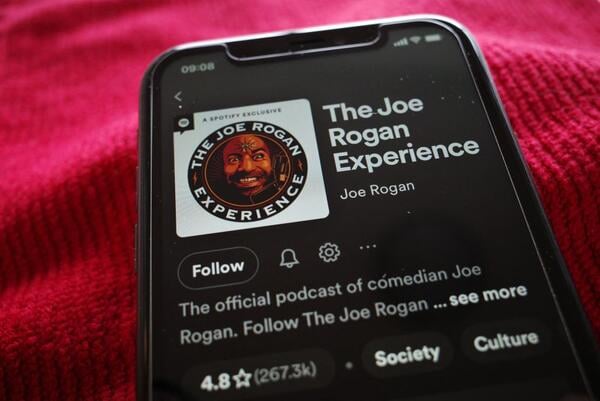
    Joe Rogan is no fan of my work, obviously. The chart-topping conservative influencer famously insists that universities are “cult camps” where professors like me indoctrinate students with leftist ideas. Typically, I do not worry about my haters, but increasingly it seems that if I want to create a meaningful learning experience, I need to.

    I teach first-year undergraduate humanities electives. Like most universities, ours offers large-format 200-student lectures for training in academic writing and critical theory. This would be the “indoctrination” in question, as I introduce students to canonical thinkers from Karl Marx to Sylvia Wynter. These electives are degree requirements, snaring students who might intentionally avoid liberal arts in an otherwise professional degree.

    In the current political climate, many of my students come to the classroom with their minds made up based on authorities who directly undermine my scholarship and profession. Rogan is just one of many conservative anti-intellectuals who regularly attack liberal, feminist, social justice–oriented biases in university education. The result is a polarized atmosphere antithetical to learning: a tangibly mistrustful, sometimes even resentful classroom.

    Although only a small handful of students typically adhere to anti-intellectual doctrine, their small group undermines my authority with risky jokes in the classroom and intense criticism in student back channels (as reported by concerned classmates). This causes undecided students to falter in their trust of my authority, while students who do not share their views nervously censor their contributions.

    Ironically, my dissenting students often do not recognize that I am interested in their views. I am convinced that the way out of this explosive historic moment is through rigorous discussion in educational forums. Like any academic, this is why I teach: I love sincere inquiry, debate and critical engagement, and I was a rabble-rouser myself as a student. But the current classroom mood is less debate and more deadlock.

    So, I spent this year brainstorming with my students to build creative assignments to spin resentment into passion, no matter how opposite my own, welcoming self-directed research and encouraging deeply engaged reading. I offer any one of these assignments, with the goal to bring disaffected, anxious students back to a love of learning and democratized engagement. This is a work in progress, and I welcome suggestions.

    Turn Tensions Into Data: This introductory exercise eases students into an atmosphere of open collegial discussion. Surveys or anonymous polls quantify disagreements, and then we analyze the results as a class.

    Example: Class Belief Inventory—anonymously poll students on hot-button questions (e.g., “Is systemic racism a major problem?”). The objective here would be to compare the class’s responses to national survey data. Potential discussion topics: Why might differences exist? What shapes our perceptions?

    Hostile Influencers as Primary Sources: This in-class activity treats figures like Rogan or Jordan Peterson not as adversaries but as authors of texts to analyze, to disarm defensiveness and position students as critical investigators.

    Example: “Compare/contrast an episode of [X podcast] with a peer-reviewed article on the same topic. How do their arguments differ in structure, evidence and rhetoric? Whom do you find more persuasive, and why?”

    Gamifying Ideological Tensions: This class activity turns assigned readings into structured, rule-bound games where students must defend positions they don’t personally hold.

    Example: Role-Play a Summit—Students are assigned roles (e.g., Jordan Peterson, bell hooks, climate scientist, TikTok influencer) and must collaborate to solve a fictional problem (e.g., redesigning a curriculum). They must cite course readings to justify their choices.

    Therapy for Arguments: This fun early activity teaches students to diagnose weak arguments—whether from Rogan, a feminist theorist or you—using principles of logic.

    Example: Argument Autopsy—Students dissect a viral social media post, podcast clip or course reading. Identify logical fallacies, cherry-picked evidence or unstated assumptions. Reward students for critiquing all sides.

    Intellectual Sleuthing: This is a scaffolded midterm writing assignment building up to a final essay. Ask students to trace the origins of their favorite influencers’ ideas. Many anti-establishment figures borrow from (or distort) academic theories—show students how to connect the dots.

    Example: Genealogy of an Idea—Pick a claim from a podcast (e.g., “universities indoctrinate students”). Research its history: When was this idea popular in mainstream news or on social media? Are there any institutes, think tanks, influencers or politicians associated with this idea? What are the stated missions and goals of those sources? Where do they get their funding? Which academics agree or disagree, and why?

    Leverage “Forbidden Topics” as Case Studies: If students resent “liberal bias,” lean into it: make bias itself the subject of analysis. This might work as a discussion prompt for tutorials or think-pair-share group work.

    Example: “Is This Reading Biased?”—Assign a short text students might call “woke” (e.g., feminist theory) and a countertext (e.g., Peterson’s critique of postmodernism). Have students evaluate both using a rubric: What counts as bias? Is objectivity possible? How do they define “truth”?

    Choose-Your-Own-Adventure Assignments: The final essay assignment gives students agency to explore topics they care about, even if they critique my field. Clear guardrails are important here to ensure rigor.

    Example: Passion Project: Students design a research question related to the course—even if it challenges the course’s assumptions. They must engage with three or more course texts and two or more outside sources, as in favorite influencers or authorities, even those who oppose course themes.

    Red Team vs. Blue Team: For essays, students submit two versions: one arguing their personal view and one arguing the counterpoint. Grading is based on how well they engage evidence, not their stance.

    Elisha Lim is an assistant professor of the technological humanities at York University in Toronto. They used generative AI tools to assist with the editing of this piece.

    Source link

  • Judge Says Harvard Can Enroll International Students for Now

    Judge Says Harvard Can Enroll International Students for Now

    Photo illustration by Justin Morrison/Inside Higher Ed | greenleaf123/iStock/Getty Images | APCortizasJr/iStock/Getty Images

    District Judge Allison Burroughs granted a preliminary injunction to Harvard University on Friday in its case challenging the Trump administration’s efforts to prevent the university from enrolling international students. It’s the latest development in a tit-for-tat legal battle over the ability of more than a quarter of Harvard’s students to remain enrolled. 

    The injunction prevents the Department of Homeland Security from stripping Harvard of its Student Exchange and Visitor Program certification until Burroughs issues a final ruling in the lawsuit. It does not address President Donald Trump’s executive proclamation from earlier this month banning the State Department from issuing visas to international students and researchers attending Harvard; a temporary restriction on that ban expired June 20. 

    Burroughs has not issued an injunction on the Trump administration’s second attempt to revoke Harvard’s SEVP certification, which could take effect Wednesday if she declines to take further action, as Harvard has requested. 

    Source link

  • Judge Orders Mahmoud Khalil to Be Released

    Judge Orders Mahmoud Khalil to Be Released

    A federal judge ordered that Mahmoud Khalil, the Columbia University graduate and student protest leader who was detained by ICE agents in March, be released from a detention center in Louisiana. News outlets reported that he walked out of the detention center around 6:40 Central time Friday evening. 

    U.S. District Judge Michael Farbiarz ruled on Friday that Khalil, a legal permanent resident who has not been accused of any crime, should be released on bail and that continuing to hold him was highly unusual and could constitute “unconstitutional” punishment for his political beliefs. The Trump administration had sought to keep Khalil imprisoned based on a minor alleged immigration infraction after another judge ruled earlier this month that it could not continue to hold him purely based on the State Department’s claim that his continued presence in the U.S. posed a foreign policy threat. 

    Khalil’s arrest made national headlines and kicked off the Trump administration’s months-long campaign of detentions, visa revocations and threats of deportation against international students.

    Source link

  • Gaza Encampments “Made University Leaders Lose Their Minds”

    Gaza Encampments “Made University Leaders Lose Their Minds”

    The war in Gaza and the adverse reaction of U.S. colleges to the pro-Palestinian movement have completely changed students’ relationship to higher education, according to the maker of a new film about last year’s protests.

    A new documentary, The Encampments, follows the movement from Columbia University, where the first tents were erected in April 2024, as protests spread to hundreds of campuses worldwide, including the University of Tokyo and Copenhagen University.

    Not just isolated to Ivy League institutions in the U.S., the movement spread to many traditionally Republican-dominated states as well, Michael Workman, co-director of the film, told Times Higher Education.

    “These are not just places where the coastal elite are,” he said. “This movement touched and reached into the middle of America. In places like [Idaho], there were protests every day in solidarity and support.”

    He hopes that the film, which he sees as a “counternarrative” to the media’s negative portrayal of the encampments, will “haunt” higher education leaders for being on the wrong side of history.

    Although the conflict in Gaza continues, the student movement has had a much smaller impact this year, with many students facing severe repercussions from both their universities and the White House.

    “For some reason camping out on the lawn demanding an end to a genocide made all these administrators around the world, and especially in the U.S., lose their minds,” said Workman.

    He said the encampments arrived at a time of “heightened” organization and engagement among the student body. These movements are not sustainable but always “ebb and flow,” he added.

    Along with demanding that universities lend their voices to Gaza, students have called on institutions to divest from companies that they believe are funding a genocide.

    Workman said the “twin demands” of many of the students were to support Palestinians and to take universities, which they were paying lots of money, back to being educational institutions.

    “Students have seen their educations get turned into moneymaking machines, [instead of institutions] that are primarily there to teach students,” he said.

    “This has completely changed this generation’s relationship to higher education, and I think their relationship to the U.S. and U.S. foreign policy.”

    He said the war in Gaza has “woken up this generation,” which is why colleges reacted with such force.

    “It’s why they responded in the way that they did, because they felt they couldn’t do anything else. The cat was out of the bag,” he said.

    “These students are not going to go back to thinking what Israel is doing in Gaza was justified … and they’re going to continue to grow their movement to raise awareness around what’s happening and to fight against it.”

    Workman, who also teaches documentary film production at the University of San Francisco, said the response by faculty in the U.S. is “not a monolith” but that it is becoming increasingly supportive of the students.

    This has been particularly evident since the detention of activist and green card–holder Mahmoud Khalil, who features in the documentary, he said. Khalil, an international student who moved to the U.S. in 2022, was arrested in March following a crackdown on student protesters by President Donald Trump’s administration.

    “The more they repress the movement, in a lot of ways, the stronger it gets, because people aren’t backing down,” Workman said.

    “That doesn’t mean that we have this huge moment like the encampment moment, but we’re building a sustained foundation that is continuing to grow with really committed organizers.”

    Source link