As new graduation requirements go into effect in Indiana, more students will likely take college and career courses to prepare for life after high school. But making sure students can access these classes — and succeed in them — takes some patience and creativity.
When Sheridan High School teacher Jill Cali noticed her students struggling with the longer deadlines and open-ended questions typical of college assignments, she began to teach them how to break tasks into more manageable steps. Soon, her students were reaping the benefits.
Other roadblocks to students’ success in college courses, especially in rural communities like Sheridan, a town of 3,000 people in northwest Hamilton County, include accessing these credits and paying for them.
Cali said being part of the Rural Early College Network, sponsored by the Center of Excellence in Leadership of Learning at the University of Indianapolis, allows her students to earn college credits for free. The network also serves as a source of support, allowing her to exchange ideas with teachers at other schools.
“The struggles that students typically have in early college courses are some of the same things that prevent many students from being confident that they will find success in college,” Cali told Chalkbeat. “When students believe they don’t have the ability to be successful in completing college-level work, their first instinct is to shy away from it.”
Read on to learn more about how Cali approaches her early college classes.
This interview has been lightly edited for length.
How and when did you decide to become a teacher?
I decided to become a teacher during my sophomore year of college when I realized that I was not meant to be an accountant! I had always loved working with kids and had a natural talent in Spanish, so becoming a [Spanish] teacher seemed like a good fit. The longer I teach, the more sure I am that this was the right path for me. I was made to be a teacher.
What was the process like to become a dual-credit instructor?
Our superintendent suggested I pursue a Master of Science in Curriculum and Instruction so I would be able to teach the dual-credit Education Professions courses. During our conversation, he convinced me that the degree program would be flexible enough to work with my busy single parenting and teaching schedule and that I would see the return on my investment very quickly. He was right.
The following week, at the age of 42, I enrolled in a program to complete my master’s degree online, working at my own pace. I finished in six months, after working tirelessly to make sure that I only had to pay for one term.
In order to be approved as a dual-credit instructor, I had to coordinate with my high school’s higher education partner, Ivy Tech Community College. This involved submitting my [college and grad school] transcripts, along with a proposed syllabus for each of the courses I planned to teach. The process was honestly pretty quick and painless.
What’s your favorite lesson to teach and why?
In my Principles of Teaching class, the introduction to teaching course, I teach about differentiation and making accommodations for students with special needs. My very favorite lesson to teach is the one in which I give students various tasks, but each has a different limitation. Their reactions, creative thinking, and “aha moments” are the reason it is my favorite lesson. During that lesson, my students realize that some of the most basic tasks can be entirely impossible with just one small limitation. Their internalization of how frustrating learning can be for some of our students really helps us to move forward with the unit of study in a productive manner.
Tell us about your own experience with school and how it affects your work today.
Throughout my childhood and into adulthood, I was a student who strived for excellence in every subject. Realizing that I finally understood a concept I had been trying to grasp or persevering through a tough problem to find an answer always gave me immense satisfaction. I loved the “light bulb moments” as a student, but I enjoy them even more now that I am the teacher. A natural lifelong learner myself, it has always been my goal to inspire my students to be inquisitive and curious investigators of anything that interests them.
How is your early college classroom different from a standard high school classroom?
At a glance, my classroom looks a bit more like a college classroom than many high school classrooms. I was fortunate enough to be able to use grant money to furnish the room with flexible seating options. What you can’t see is that my early college students work with elementary students, getting experience in the field. The flexible seating allows them to move seamlessly between working independently and cooperating and creating with their peers.
How do you help students adjust to those expectations?
Students in early college learn that when something feels overwhelming or difficult, they have the tools to tackle it on their own. This doesn’t mean that they can’t ask for help or guidance. It means that before asking for help, students should make sure they have exhausted all options for figuring it out on their own.
I send a letter to each student and one home to their caregivers prior to the start of school in the fall, explaining what dual-credit means and what the expectations will look like in my early college class. This ensures that there is no confusion about what will be expected of early college students and also opens the lines of communication with students and families.
Having taught these courses for a few years, I’ve found that students struggle with a course that has larger assignments and more time between deadlines. The first thing I do to support them in addressing this is to show them how they can break larger assignments and projects into smaller tasks on their own. Many students are used to having teachers do this for them. I show them how they can establish their own, smaller deadlines based on what they know about their personal schedule, how fast they tend to work, and the support they think they might need.
Students also find it challenging to write nearly everything for their dual-credit courses using a formal tone with proper grammar and spelling. In addition, students tend to have trouble answering multi-part questions … particularly when they are higher-level thinking questions. I spend a full class period — more, if needed — showing them and having them practice how to appropriately respond to the types of writing prompts and questions they will typically see in their early college courses.
Another area where students tend to struggle is with attendance and deadlines. During the COVID-19 pandemic, many schools insisted that students be shown grace in both of those areas. Unfortunately, this instilled in them the idea that as long as they completed all graded assignments, it didn’t matter whether they participated in class or how late assignments were submitted. Though their learning is always my primary focus, much of what my students learn builds on itself. In addition, much of the learning takes place through class discussions.
What are some barriers your students face to postsecondary opportunities, and how does the Rural Early College Network help you help them overcome those?
The greatest barrier to postsecondary opportunities for students in my school is the financial barrier. The dual-credit courses we offer are all free to our students, so when they successfully complete those courses, the number of semesters that will be required for them to complete their degree can be reduced. This translates to money saved for the student and makes their postsecondary options more affordable and attainable.
Rural Early College Network schools meet throughout the school year to share ideas and support each other in building programs that provide our students with the tools they need to be successful in our classrooms, in college, and beyond.
What’s the best advice you’ve ever received, and how have you put it into practice?
The best advice I have ever received with regard to teaching is, “Student behavior and choices are almost never personal attacks against the teacher.” It was the great reminder that my teenage students’ brains are not fully developed. When they make poor choices or when they act out, it nearly never has anything to do with how they feel about me or anything even relating to me. Letting that go and remembering to see their behaviors as something completely separate from me has really made it much easier to create consequences when appropriate, support my students when needed, and establish a welcoming environment in which every student starts fresh every day.
This story was originally published by Chalkbeat. Chalkbeat is a nonprofit news site covering educational change in public schools. Sign up for their newsletters at ckbe.at/newsletters.
A coalition of labor unions representing faculty and other higher education workers called for free college and more Thursday—the same day House Republicans passed their reconciliation bill, which would cut Pell Grants and target postsecondary education in other ways.
The federal policy agenda is from Higher Ed Labor United (HELU), which seeks to unify all types of higher ed workers—academic and nonacademic, unionized or not—in a single national coalition that can organize together.
The other broad prongs of HELU’s agenda are to:
Establish strong labor standards on every campus
End the crises of student and institutional debt
Rebuild and expand the nation’s research infrastructure
Enshrine and protect the right to learn, speak freely and teach without fear or retaliation
Ensure democracy and shared governance for those who work, learn and live alongside colleges and universities
“Now is the time to rally our forces and offer a different vision of higher education and a positive path forward,” said Todd Wolfson, president of the American Association of University Professors and a founder of HELU, at a news conference in Washington, D.C.
“Higher ed is under a withering assault right now,” Wolfson said. “But it’s important for us to be clear: The assault on higher ed did not begin with Trump.”
“As a sector, we have suffered through 50 years of federal and state divestment,” Wolfson continued. He said this has led to, among other things, “skyrocketing tuition” and a lack of job security for campus workers.
“The corporatization and neoliberal attacks on our universities are entwined with the right-wing authoritarian attacks,” Wolfson said. “They want to stop political dissent,” and, “as higher education goes, so goes democracy.”
Two Democratic politicians—Rep. Mark Takano of California and Sen. Ed Markey of Massachusetts—spoke at Thursday’s event alongside leaders from multiple unions. Markey said House Republicans “have proposed a budget that will decimate the Pell Grants, leaving colleges out of reach for hundreds of thousands of low-income and first-generation students.”
“Donald Trump and Republicans don’t want freedom, they don’t want democracy, they want control,” including over curricula, research and student speech, Markey added.
The College Board this month changed the criteria for its National Recognition Program awards in a move that could shift tens of thousands of scholarship dollars from Black and Latino students to white students.
Colleges used the awards to recruit and offer scholarships to high-performing students from groups underrepresented in higher education. The award previously recognized academic achievement by students in five categories — Black, Hispanic, Native American, first-generation and those living in rural areas or small towns.
The racial categories have been eliminated.
Now, students living in small towns and rural areas can still earn the award if they score in the top 10 percent among all small-town and rural students in their state on the PSAT — a precursor to the SAT that is administered in high schools around the country. The same is true for first-generation students but not for students in underrepresented racial categories.
Related: Interested in more news about colleges and universities? Subscribe to our free biweeklyhigher education newsletter.
Critics said they were disappointed by the College Board’s decision.
“They believed racial inequality was something important to address yesterday, and by changing that, they’re implying that it’s not something important to fight for now,” said Rachel Perera, a fellow in government studies at the liberal Brookings Institution. “That’s the heart of the question that’s being debated — although it’s not being debated in explicit terms — does racial discrimination exist?”
In a statement on its website, the College Board noted the 2023 Supreme Court ruling that prohibited the use of race in admissions, although the National Recognition Program awards were used for scholarships and recruitment, not admissions.
“Recent legal and regulatory actions have further limited the utility of these awards for students and colleges,” the statement says. Also, President Donald Trump has repeatedly made clear his disapproval of race-conscious policies in higher education, and some states have banned consideration of race in scholarship decisions.
In 2023-24, the College Board issued 115,000 recognition awards, and a little less than half were in the racial categories. The previous year there were more than 80,000 awards and the majority were for Black, Hispanic and Native American students. While the College Board doesn’t hand out money itself, universities use it to select students for scholarships. The Board has not maintained a list of which institutions used the racial categories, according to Holly Stepp, College Board’s director of communications.
The College Board started the program in 1983 to recognize high-performing Hispanic students. In 2020, the other two racial categories and the small town and rural designations were added. First-generation students could win the award starting last year. Small towns could include those with modest incomes or wealthy enclaves like Aspen, Colorado. All students must also have at least a B+ average.
While students of all races can now earn the awards, the removal of the racial categories will likely disproportionately affect Black and Hispanic students.
On average, Asian and white students score higher on PSATs. White students’ average score on the PSAT last year was 994 last year compared with 821 for Black students — a gap of 173 points. Asian students’ average was even higher at 1108 while Hispanic and Native American students averaged 852 and 828 respectively.
“It’s a move towards race-blind categories when we know that education and access to education isn’t race-blind,” said Wil Del Pilar, senior vice president at the left-leaning policy and advocacy group EdTrust.
Some conservatives praised the move, however, arguing that race-conscious scholarship and recruitment programs were ways to get around the Supreme Court’s rulings on affirmative action and that they were a form of reverse discrimination.
Jonathan Butcher, senior research fellow in education policy at the conservative Heritage Foundation, said he believes that racial discrimination does exist and should be addressed, but that race-conscious education policies were both illegal and ineffective.
“If you are using racial preferences, you are setting students up for a loss of confidence when they struggle in a situation they’re not prepared for,” Butcher said.
In place of the racial categories, a new designation has been added this year that recognizes students who score in the top 10 percent of their high school on the PSAT.
Experts say colleges are unlikely to offer scholarships to all students who score in the top 10 percent of every high school in the country, given the cost that would entail. Officials at the University of New Mexico, for example, said they would stop using the College Board designations beginning in the 2026-27 school year.
“We’re currently analyzing our scholarship strategy, but changes will be made across the board,” said Steve Carr, the university’s director of communications, in an email.
In 2023-24, the University of New Mexico awarded scholarships based on the College Board designations worth $15,000 each to 149 Black, Hispanic and Native American students.
The University of Arizona also offered scholarships to students who earned National Recognition Program awards in the racial designations last year.
“The university was already evaluating its scholarship strategy and will consider the College Board’s announcement as we determine how best to move forward and support our students,” said Mitch Zak, spokesman for the University of Arizona, in an email.
In addition to the PSAT scores, students are eligible for the College Board award if they score a 3 or higher out of 5 on two Advanced Placement exams taken during their ninth and/or 10th grade year, although many high schools don’t uniformly offer AP courses to freshmen and sophomores.
“We can’t really have a conversation around merit if we’re not all at the same starting point in terms of what we receive from our K-12 education,” said Del Pilar, “and how we’re able to navigate the test prep environment, or the lack of test prep that certain communities receive.”
Contact senior investigative reporter Meredith Kolodner at 212-870-1063 or [email protected] or on Signal at merkolodner.04
The Hechinger Report provides in-depth, fact-based, unbiased reporting on education that is free to all readers. But that doesn’t mean it’s free to produce. Our work keeps educators and the public informed about pressing issues at schools and on campuses throughout the country. We tell the whole story, even when the details are inconvenient. Help us keep doing that.
Daniel Lim, also known as LimmyTalks online, shares his advice for college applications, finding mentors, and finding your place in the world.
What’s one piece of advice you wish someone had told you when you were preparing for college?
Talk to as many people as you can. I did this for the first month of college, and I probably met a couple hundred people in that month alone, going to everything I could and talking to every person on the bus and in the food court. I stopped doing that after the first month, and I wish I hadn’t — but now you know not to do what I did.
Many students feel overwhelmed or unsure about their next steps. What’s your message to someone who doesn’t have it all figured out yet?
There are two options: You can either work inhumanely hard at something that’s already established, or you can — and, in my opinion, should — experiment. One example of the former is basketball. If you become the best basketball player in the world, the NBA is a guaranteed job for you. Your interest in painting, poker, or the psychology behind love might not lead to a clear path for a career. However, that’s the beauty of it. Not knowing means you’re more likely to find something new to contribute to the world. Every major invention you can think of was a result of serendipitous experimentation. So, experiment with what you like! It won’t be clear immediately, but you’ll learn things that will eventually help you find the next stepping stone, then the next one, and the next one until you find yourself in a great spot — career-wise, fulfillment-wise, financially, or whatever else it is that worries you now.
What’s one mindset shift or daily habit you think every high school or early college student should adopt starting today?
Just stick to something. Do things. The worst thing you can do is not do anything. You learn way more from doing things than anything else. Just do stuff, don’t think too much, and dive in!
What role do you think mentorship or guidance plays in making college feel more accessible, and how can students find that support?
It’s immeasurable. I attribute a lot of my growth as a person to older friends I made at the tennis courts as a middle and high schooler. I also think it’s the No. 1 thing that can alter someone’s trajectory — having one person who believes in you, full stop.
As for finding mentors, the common advice is to find a way to add value to their lives as well. The actual thing doesn’t matter much when you’re young, it’s the effort that counts. Just reach out to people who are cool to you!
What’s your message to the student who doesn’t have straight A’s but still has big dreams?
You’ve got this! Somebody needs to scream that in your ears until you actually believe it. Also, grades don’t mean anything if you have big dreams. They’re just one measurement — there are a billion other ways to show greatness. Your ambition is what’s truly valuable.
What’s something you learned after high school that you wish you had known while applying to college?
The admissions officers are not going to be impressed. You’re 17. They’re in their late 20s at the youngest — at this point in their life, they’ve seen a lot more than you. They’re looking for nice people. Don’t get me wrong, you need great grades and extracurriculars to get into a top university. However, beyond that, stress less about trying to come off as an intellectual person and just be a normal, nice human being in your essays.
By knowing about and engaging with these key figures on campus, you can make the most of your college experience and set yourself up for success.
Kate Lehman, Ph.D.
Director, National Resource Center for the First-Year Experience and Students in Transition, University of South Carolina
Katie Hopkins
Associate Director for Faculty Development and Resources, University 101 Programs, University of South Carolina
Congratulations! You’ve made it to your first day of classes! You are excited by the opportunities before you…and overwhelmed. Colleges and universities employ a host of staff and faculty whose primary role is to support your success. Part of your tuition and fees go to support these folks — you should use them! Meet the 10 people you need to maximize your college experience.
Faculty, instructors, and teaching assistants (TAs)
You’re surely familiar with the folks teaching your courses. Use office hours to get to know your instructors. Ask them how they got into their fields and why they love their work. You might be interested in a similar topic, land yourself a research opportunity, or find yourself a new mentor!
Academic advisers
Course registration should not be the last time you speak with your academic advisor! Academic advisers help anytime you are thinking about your course of study, whether you want to drop a class, change your major, add a minor, take a summer class, or figure out how to work a study abroad program into your plan.
Librarians
Librarians have magical skills to make your classwork so much easier. Okay, it’s not really magic, but they can help you find awesome sources for class papers and teach you about technical resources like citation management software to make your work a lot easier!
Student success and academic support staff
Is chemistry or calculus stressing you out? Your institution has a student success center or a tutoring center to help. Our advice: Get help as soon as you start feeling overwhelmed. Don’t wait until you’re really behind!
Financial aid team
You have probably already received your financial aid package, but life happens. If your financial situation changes, the financial aid office is your first call. They might adjust your aid package and/or connect you to additional financial resources.
Health center and counseling center staff
You probably know to go to the health center if you sprain an ankle or have a sinus infection, but the medical and counseling team can help with a lot more. If you are feeling overwhelmed or are struggling, schedule an appointment to gain access to counseling sessions, support groups, and workshops to help you feel your best (all things which are included in your tuition and fees).
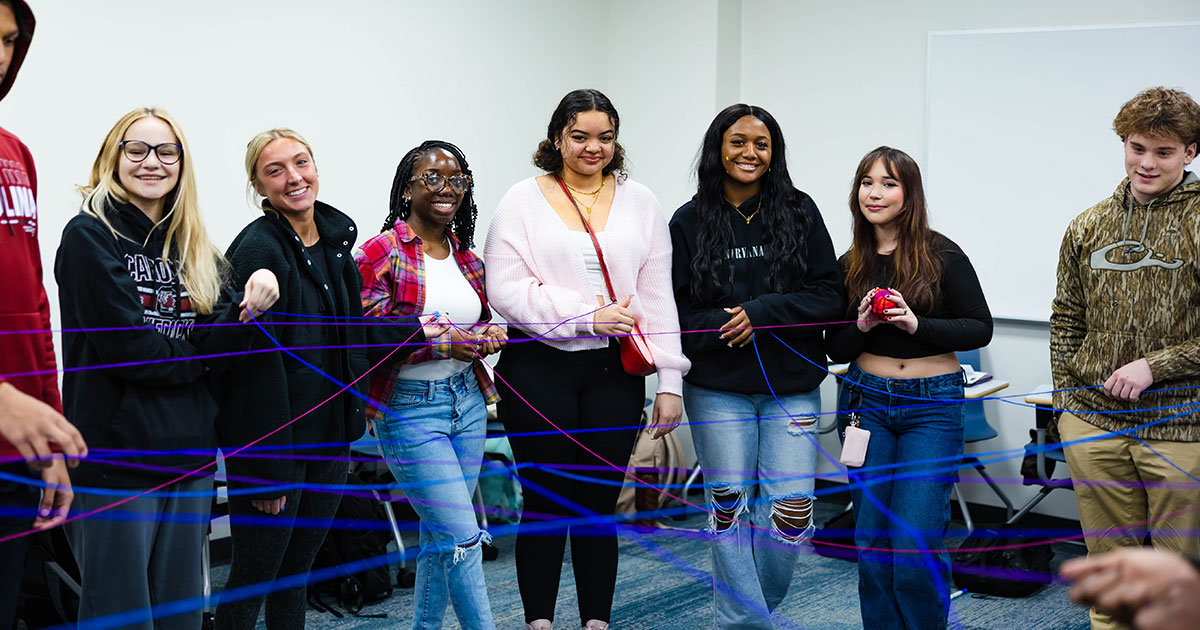
First-year students at the University of South Carolina participate in a team-building activity in their first-year seminar course. | Photo by Logan White
Career center staff
Whether you have mapped out a career plan or have no clue what you want to do, your career center staff can help! It’s not just for seniors — career centers help with career exploration, internships, resume development, and interview skills. They might even be able to help you find an on-campus job so you can build career skills and start earning money while you’re a student.
Disability services staff
If you received accommodations in high school, be sure to register with disability services on your campus, as those do not automatically roll over. These may be related to dietary restrictions, learning disabilities, or mental health conditions. They can work with you to ensure you have what you need to be successful!
Student activities and recreation services staff
You didn’t just come to college to study and work, right? Join a student organization, attend fun events, play on an intramural sports team, or take a group exercise class! Besides having a good time, you’ll grow your leadership, teamwork, and communication skills and make friends.
Friends and peer mentors
Decades of research on college student success tell us that your fellow students, or your peers, are key to your success. Many of the campus offices employ student staff members, often called peer mentors. By getting involved on campus, you will make friends who support and encourage you.
The folks outlined here can help you get the most out of your college experience. Don’t ever hesitate to ask someone a question, introduce yourself, or try a new resource; it can only help! These amazing people will help find the opportunities that will shape your future. As you build connections with them, you will find friends and mentors to last a lifetime.
Cognitive scientist and Yale psychology professor Dr. Laurie Santos shares her recommendations for creating a positive and productive mindset in college.
Laurie Santos, Ph.D.
Cognitive Scientist, Professor of Psychology, Yale University
How does a student’s mental state influence their ability to learn and retain information?
There are many studies showing that our mood affects our performance. Positive moods tend to broaden our perspectives — when we feel good, we’re able to process more possibilities, which can boost our innovation and creativity.
How can students redefine their idea of success to prioritize both achievement and happiness?
There’s a lot of evidence that shows that focusing on your happiness in your college years is correlated with the metrics of achievement and success students are usually striving for. One study by Diener and colleagues found that a student’s cheerfulness at age 18 even predicts their salary and job satisfaction more than 15 years later. I think students need to recognize that our happiness matters for future success more than we expect.
If a student feels stuck in a negative mindset about school, what’s one small change they can make today to start shifting that?
I think the most important change is for students to recognize that they have some agency over their mindset. There are things they can do to think differently about school and any other situation.
If you could design a mental health toolkit for students heading to college, what would be in it?
I’d give students a toolkit with strategies they can use to develop healthier behaviors and mindsets. Behaviors students can use to boost happiness include:
Prioritize Social Connection: One of the biggest mistakes students make is prioritizing grades and productivity over friendships. However, the research is clear: Meaningful relationships are the No. 1 predictor of happiness. So, say yes to that coffee invite, join a club, or just make small talk with a classmate — it all adds up. Even tiny interactions, like chatting with a barista, can boost your mood.
Embrace Time Affluence: Time affluence is the subjective sense that we have some free time. Most students today are time-famished, rushing from one task to the next. However, studies show that people who feel like they have more time are actually happier. Students need to protect their time affluence. Some strategies: Be intentional about how you spend your free moments. Instead of mindlessly scrolling on your phone, do something that genuinely recharges you — go for a walk, call a friend, or just breathe.
Get Moving: Studies show that exercise isn’t just good for your body — it’s huge for mental health. Research shows that cardio exercise can reduce rates of depression and anxiety. You don’t need to be a gym rat to see benefits — dancing in your dorm room, stretching, or biking to class all count.
Prioritize Sleep: Many parts of student life make it easy to skimp on sleep. However, sleep is one of the most important tools in our mental health kit. Aim for 7-9 hours a night, and make sure you’re practicing good sleep hygiene by keeping your phone as far away from your bed as possible (otherwise, the temptation to grab it in the middle of the night is far too high).
There are also mindset shifts students can use to feel happier. A few important ones to keep in mind are:
Self-Compassion: One of the biggest traps students fall into is being their own worst critic. You bomb a test, miss a deadline, or say something awkward in class, and suddenly, your brain is in full-on self-attack mode. However, research shows that this kind of self-criticism doesn’t make us perform better — it just makes us feel worse. Research has found that people who practice self-compassion (treating themselves with kindness rather than judgment) are more resilient, more motivated, and less anxious than those who constantly beat themselves up.
A Mindset of Gratitude: Our brains are wired to focus on what’s wrong. However, studies show that you can train your brain to notice more of what’s good. Studies also show that people who regularly practice gratitude have higher levels of happiness, lower stress, and even better sleep. So, scribble a few things in your gratitude journal, or commit to expressing your thanks to the people around you.
Become More Present: College life can feel overwhelming. There’s always another assignment, another social event, or another thing to do. Your brain is constantly jumping between the past (“I should have studied more”) and the future (“What if I fail?”). However, research shows we feel best when we’re fully present in the moment. Research by Matt Killingsworth and Dan Gilbert found that people’s happiness levels drop when their minds wander — even if they’re thinking about something pleasant. Get out of your head and find ways to find the joy of the present moment.
What’s one piece of advice you wish every college student knew about happiness and well-being before stepping on campus?
Our happiness is much more under our control than we think. With simple changes to our behaviors and mindsets, we can all feel better.
How can students balance academic pressures with self-care without feeling guilty about taking breaks?
My biggest piece of advice would be that students need to remember that self-care isn’t a distraction from success — it’s actually a tool for success. A lot of students feel guilty about taking breaks because they think rest is “unproductive.” However, research tells us the opposite: When you prioritize well-being and get the rest/sleep/care you need, you actually perform better academically.
One strategy I share with my students is to reframe breaks as a performance strategy. Instead of thinking, “I don’t deserve a break until I’ve done enough work,” flip the script and think, “Taking a break will help my mind recharge so I can do better work.” When you take a break, remind yourself: “This is not wasted time — this is me investing in my brain’s ability to learn.”
I think this is also another spot for Kristin Neff’s strategy of self-compassion. If you’re feeling guilty about taking a break, remember that you’re only human, and all humans need breaks and rest. The next time you feel guilty for resting, literally repeat these phrases in your head: “Taking care of myself is part of being a great student,” or “I will be kinder to myself so I can show up as my best self.”
Many students feel overwhelmed when choosing a college or major. What advice would you give them about making big life decisions?
A lot of students stress about picking the single right college or major that will lead to a meaningful and happy career. However, the science of happiness tells us that this kind of fulfillment isn’t just about what you do or what college you end up in — it’s about how you shape your work to align with your strengths and values. This is where job crafting comes in.
Job crafting is the idea that you can reshape how you spend your time (including at work or in your major) to make it more fulfilling. Research on job crafting by Amy Wrzesniewski shows that fulfillment isn’t just about what you do, but how you approach it. You can craft your major by focusing on courses and projects that align with your strengths, connecting with mentors and peers who inspire you, and reframing tasks to see their deeper purpose.
Food is more than just a necessity in college — it fuels academic success, well-being, and connection, making informed dining choices essential for thriving on campus.
Robert Nelson
President and CEO, The National Association of College & University Food Services
Preparing for college means choosing classes, housing, and campus activities — but what about food? While dining may not always be top of mind, what students eat has a profound impact on their academic performance, health, and overall well-being. Here’s what families should consider when planning for a successful — and well-fed — college experience.
Food and academic success
Skipping meals may seem like a small sacrifice when juggling a packed schedule, but the effects on academic performance are significant. Studies show that students who eat regular, balanced meals — especially breakfast — perform better on tests, have stronger focus, and experience lower stress and anxiety.
Meal plans exist for a reason: They provide consistency, affordability, and easy access to nourishing meals that support learning, brain function, and students’ mental and physical health. Students should aim to create a meal schedule that aligns with their class and study habits, ensuring they have time to eat before long lectures or exams.
Know your options
Many students arrive on campus with food allergies, religious or cultural dietary preferences, or health-related nutrition needs, yet they may not realize that college dining services can accommodate them. Parents and students should take the time to explore:
Allergen-friendly options: Many dining halls have designated stations or innovative programs for accommodating top allergens like nuts, dairy, gluten, and more.
Registered dietitians: Some schools offer access to nutrition experts who can help students make informed choices.
Cultural and religious meals: If students keep kosher, halal, or vegetarian diets, understanding what’s available ahead of time can make the transition smoother.
Before move-in, students should visit the campus dining website, contact the dining team, and ask about meal options that fit their needs.
Making the most of your plan
A meal plan isn’t just about convenience — it’s also one of the most cost-effective ways to eat in college. Because of economies of scale, campus dining can offer a wide variety of meals at a lower cost than students would typically spend cooking for themselves or eating off-campus.
Students should consider:
Understanding their chosen meal plan: Are there unlimited swipes? A set number per week? Can unused meals roll over? What is the deadline to adjust plans if needed?
Knowing about alternative dining locations: In addition to dining halls, many campuses offer grab-and-go options, food trucks, or mobile ordering for busy days, included as part of the meal plan.
Making the most of cooking and nutrition programs: Some schools offer cooking classes, workshops, or healthy eating initiatives to help students develop lifelong food skills.
Food as connection
Beyond nutrition, food plays a vital role in helping students build relationships and feel a sense of belonging. Sitting down for a meal is one of the easiest ways for new students to make friends, unwind, and stay connected to campus life.
While technology has changed how students engage with their world, dining halls remain one of the most valued spaces for face-to-face interaction — not just with peers, but also with staff who become familiar, welcoming faces in a student’s daily routine.
A strong foundation
Students and families invest a great deal in higher education, and making informed choices about nutrition is part of that investment. Food is more than fuel; it’s a foundation for academic success, personal well-being, and lifelong habits. As students embark on this next chapter, taking the time to understand and prioritize their dining options can make all the difference.
Mia Aston, whose popular YouTube channel details her daily life as an NYU film student, shares her best advice for college preparedness, career development, and financial literacy.
What advice do you have for students trying to find the right balance between passion and practicality in their college and career choices?
Finding a balance between passion and practicality is actually something that I still struggle with today. Amidst the competitive job hunt with graduation approaching this May, I am often questioning why I have led myself more with my heart rather than my head. Many college students choose a major strictly based on how much money they will make or what their working hours will look like. That feels practical. As a film student, I was so in love with storytelling that I dove straight into New York University, blinded by passion. I think any art student has to be somewhat delusional in that sense, but at the end of the day, it comes down to your priorities in life. I would try and figure out what you need to both sustain yourself and be happy. Is a corporate job with a steady income more important to you than an exciting job that initially might not pay the bills? Are you willing to work multiple jobs? Do you have the financial support to even start your career on a lower-paying salary? Can you pursue a more practical career path and still nurture your passions as hobbies?
The best advice I can give is to be honest with yourself. You will always have to make sacrifices. Personally, I cannot imagine doing a job that I am not passionate about. I probably will struggle immediately after graduation, but I would be miserable if I did not let myself work in a creative field. This is the unsettling sacrifice, or rather gamble, that I am making.
How can students make the most of their college experience — both inside and outside the classroom — to set themselves up for success?
The best way to make the most of your college experience is to be proactive in learning and pursuing new opportunities. I always feel the most enriched when I am allowing myself to try new things and remain curious about my major. Attend school events, open lectures, galleries, film screenings, office hours, resume clinics, and more. The community around you can be inspiring and informative as well. There is such an endless array of resources available to you as a student. Take advantage of everything.
Networking is obviously also essential for your professional success. However, I have found that networking is the most enriching when you don’t approach it as a tool to meet an employer, but as an opportunity to learn from someone who has made it to a position that you hope to be in one day. Utilizing college as a learning experience outside of just the classroom can only help you.
What’s one piece of advice you wish you had received when you were preparing for college?
In the same way that I followed my heart into a film degree, I often let my enthusiasm lead me astray. When I started college, I wanted to be a part of so many different school clubs and work opportunities that I ended up spreading myself too thin. I wish someone had told me to commit to one or two clubs or jobs and let the rest go. I ultimately realized it’s better to give your best efforts to one thing rather than do a half job at seven different things.
What are the biggest challenges you faced when navigating both academic and creative fields, and how can you overcome them?
The biggest challenge I faced when navigating academic and creative fields was time management. The workflow and obligations of my academic and film classes can be extremely different. Managing your time in college is tricky regardless of your major, but when you have to write, shoot, and direct a short film on the same day that you have a research paper due for another course, it can be a little overwhelming. I overcame this by being diligent about my due dates and learning from trial and error. At the end of the day, my work will get done because it has to and because I will not let myself turn it in late. Additionally, managing my time between the two realms of academia and art becomes easier after every project I complete. As you learn more about your creative process and how long you need for each stage of production, you can begin to map out your workload schedule ahead of time. Sometimes I will start writing a paper over a month in advance because I already know that production for a film will be intense and demanding by the time that the paper’s due date rolls around. I am basically always trying to predict the future.
What role do financial literacy and budgeting play in college preparedness, and what resources would you recommend for students?
Financial literacy and budgeting play a huge role in college preparedness, but it looks different for everybody. There are so many factors to consider, and it is important to understand what your financial situation requires. NYU’s tuition is very expensive. In regard to my financial standing, I got lucky during my admissions process and was offered a full-ride scholarship from Tisch based on the portfolio I submitted. Therefore, I am able to cover my additional financial responsibilities through YouTube and freelance film jobs. When browsing through potential schools, I would research scholarships and apply to any offered by the college and external organizations. If you need to make money while you are a student, see if you can get an on-campus job. These jobs are great because they should be more flexible with your class schedule and coursework demands. Some of my friends are resident assistants at dorms. They are compensated through university housing and meal plans. I have other friends who work one or two service jobs to pay their bills. There are a variety of ways that you can navigate financial literacy as a student, depending on what you need. One piece of advice I would recommend is understanding what those budgetary restrictions look like for you and honoring them, even though students around you may have different spending habits. Be honest with yourself about the best way to responsibly manage your own money.
Reaching today’s college and university students, most of whom belong to Generation Z, requires more than a digital presence. It requires cultural fluency, authenticity, and a deep understanding of how this generation engages with the world.
Gen Zs, typically identified as those born between 1997 and 2012, are the first true digital natives. They’ve grown up with smartphones, social media, and streaming content, not as novelties, but as fixtures of daily life. According to Pew Research, nearly 95% of teens have access to a smartphone, and more than half report being online almost constantly. These habits carry into their post-secondary years, where connectivity is an expectation, not a luxury.
But modern college and university-age students aren’t always just online. They’re also highly discerning. They value transparency, social impact, and personalization. They’re quick to recognize inauthentic messaging and even quicker to disengage from it. For colleges and universities, this creates both a challenge and an opportunity: traditional, one-dimensional advertising methods, such as flyers or general announcements, may not cut it anymore, but the right strategy can foster a lasting connection and institutional trust.
This blog post offers a comprehensive guide to understanding and effectively advertising to college students against this backdrop. From leveraging digital platforms to embracing values-driven storytelling, we’ll explore the strategies that resonate with Gen Z and how institutions can adapt to meet them with relevance and respect.
Let’s begin by exploring why this age group deserves special attention.
Why Marketing to College Students (18–24) Matters
Let’s start with a simple truth: the 18–24-year-old demographic is one of the most important audiences for higher education marketers today.
Why? Because this isn’t just the age when students choose a school. It’s when they start forming lasting opinions about the institutions they trust. The connections you build now can influence enrollment, but they also shape alumni engagement, word-of-mouth referrals, and long-term brand loyalty.
Here’s the part that matters: Gen Z is different.
They’re not just digitally connected, they’re digitally fluent. According to a study, young adults between 18 and 24 now spend an average of four hours per day online, much of it on platforms like TikTok, YouTube, and Instagram.
That means your message is competing with algorithmically curated, visually captivating, and instantly engaging content. If your campaign doesn’t speak their language, it likely won’t even register.
And here’s where it gets even more interesting: Gen Z is highly influenced by their peers. One study found that 44% of Gen Zers make purchasing or participation decisions based on influencer recommendations, not traditional ads.
What does that mean for your institution? If students don’t see your message reflected in the voices and platforms they already trust, you’re missing out. Not just on visibility, but on credibility.
We’ve already seen this in action. Consider how Lancaster University in the UK leveraged TikTok to promote its online open days. By collaborating with student ambassadors to create a series of in-feed ads, the campaign achieved over 10 million impressions and more than 90,000 clicks, significantly boosting engagement and interest in their programs.
Advertising to college students is not just about being seen. It’s about being relevant, responsive, and real. When you create campaigns that feel native to their world, not imposed on it, you don’t just attract attention. You build trust.
Where and How to Reach Students in 2025
Reaching college students today is as much about being present as it is about being present in the right places. To effectively connect with this digitally native audience, a multi-channel approach that blends online platforms with on-campus touchpoints is essential.
Where can I advertise to college students? Effective channels include social media platforms (Instagram, TikTok, YouTube, Snapchat), on-campus signage, email and SMS campaigns, and peer networks such as student clubs and organizations. Let’s explore the most impactful channels:
1. Social Media Platforms
Social media is the heartbeat of student communication. Platforms like TikTok, Instagram, Snapchat, and YouTube are where students spend a significant portion of their time. TikTok has become a vital recruiting tool, with two-thirds of teenagers using the platform, making it essential for colleges to have a presence there. Paid advertising and organic content (stories, reels, challenges) on these platforms can yield high engagement.
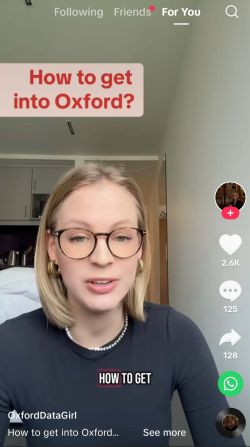
Example: Oxford University (UK) shared a series of TikTok videos featuring current students offering advice to incoming first-year “freshers,” creating authentic, peer-to-peer content that resonated strongly with its student audience.
When students are researching colleges or looking up information, they often turn to search engines and video platforms. Running targeted search ads ensures your college’s offerings appear when students are actively seeking information. On YouTube, short, engaging pre-roll ads can capture attention. Just remember to keep them concise and relevant.
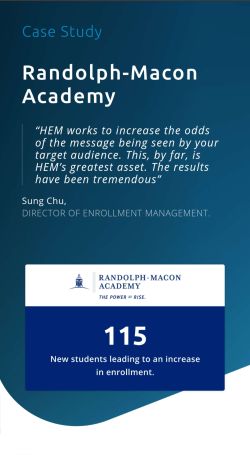
Example: Randolph-Macon Academy (R-MA) launched an aggressive Google Search ad campaign targeting families seeking strong academics during the COVID-19 pandemic. The effort paid off, R-MA saw tremendous results, enrolling 115 new students from May to August 2020 (boosting overall enrollment) and even doubling their summer school enrollment despite the disruption.
Don’t underestimate the power of physical presence when advertising at colleges. Traditional channels like campus bulletin boards, posters in dorms or the student union, campus newspaper ads, and flyers still have value, especially for promoting campus events.
Modern twists on these include digital signage (screens around campus displaying announcements) and QR codes on posters that students can scan for more info or to RSVP. Being visible where students live and study helps keep your message top-of-mind.
4. Email and Text Alerts: Direct and Personal Communication
Email remains a staple for official communication, and when crafted well, it can be an effective tool for reaching students. Concise, visually appealing newsletters about upcoming opportunities can capture attention.
Additionally, SMS/text message alerts are highly effective for timely announcements, as most students will see a text immediately. Always ensure you have permission to text students and use this channel sparingly to avoid overcommunication.
Example: The University of Texas at Austin runs a program called HealthyhornsTXT through its wellness center, sending students 2–3 text messages per week with health tips, stress-management advice, notices of campus wellness events, and motivational reminders. The messages are written in a friendly, encouraging tone by health educators (e.g., nudging students to take a stretch break or stay hydrated in the Texas heat) and often include interactive elements like a monthly giveaway to sustain engagement.
5. Student Organizations and Influencers: Leveraging Peer Networks
Peer influence is powerful. Partnering with student organizations, clubs, or Greek life groups can amplify your message. Engaging student ambassadors or micro-influencers, students with a following in specific niches, can promote your message authentically among their peers.
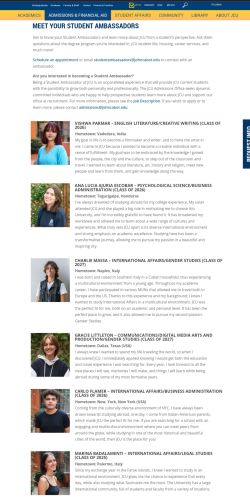
Example: John Cabot University (JCU) in Rome, Italy has a robust student ambassador program: current students are heavily involved in orientation, campus tours, event planning, and peer mentoring, serving as friendly points of contact for prospects. JCU’s website even features profiles and contact info for each ambassador, portraying an approachable, relatable face to prospective students.
By integrating these channels, your advertising efforts can effectively surround students in multiple contexts: online, in class, around campus, and on their phones. The key is to maintain cohesive messaging across platforms, ensuring that whether a student sees a flyer in the cafeteria or a story on Instagram, the campaign feels unified and relevant.
Current Trends in Digital and Social Media Marketing
To reach today’s college students effectively, your digital marketing must evolve as quickly as their online habits. Trends shift fast; what worked last semester might be outdated today. Here are the top strategies driving real engagement right now:
1. Short-Form Video & Challenges
TikTok and Instagram Reels continue to dominate student attention. Quick, relatable videos, like day-in-the-life clips or student-led challenges, are easy to share and resonate with Gen Z’s short attention span. Schools that lean into this format are seeing higher reach and better engagement.
2. Authentic Influencer Content
Students trust peers over polished promotions. That’s why institutions are turning to student ambassadors for social takeovers, Q&As, or vlog-style content. These collaborations feel more like honest advice than advertising, and they build credibility.
3. Interactive & User-Generated Campaigns
Interactive content invites students to participate rather than just consume. Polls, quizzes, and contests on social media are very effective. For example, using Instagram Stories to let students vote on a homecoming theme engages them in decision-making.
User-generated content campaigns are also trending. A classic approach is to encourage students to post with a specific hashtag (perhaps showcasing school spirit or their favourite study spot) and then reshare those posts. These social media campaign examples for students turn your audience into content creators, which increases engagement and provides authentic material to repost on official channels.
4. Personalized, Geotargeted Ads
Digital tools now allow you to tailor messages by interest, location, or academic background. For example, promoting a coding event to computer science majors or a concert to students living on campus ensures your outreach hits the right audience at the right time.
5. Ephemeral & Live Content
Instagram Stories, Snapchat updates, and livestreams offer real-time, behind-the-scenes access to campus life. Their temporary nature creates urgency, while the live format allows two-way interaction that deepens student connection.
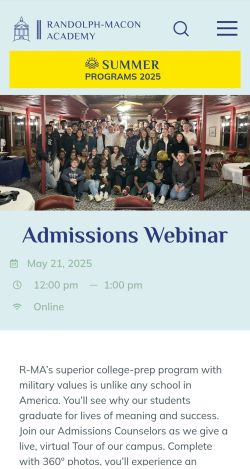
Example: Randolph-Macon Academy (RMA) hosts live virtual campus tour webinars to reach prospective families who cannot visit in person. RMA’s admissions team leads a live-streamed 360° campus tour followed by an in-depth Q&A presentation. This event is promoted through the school’s website and communications, allowing attendees worldwide to experience the campus in real time and ask questions, effectively extending the open-house experience beyond geographic limits.
Gen Z students care about social impact. Campaigns that highlight sustainability efforts, diversity, or local community involvement often outperform generic promotions, so long as the message is genuine. Authenticity matters.
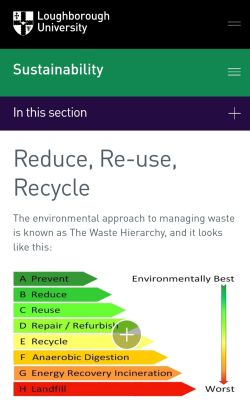
Example: Loughborough University (UK) provides a strong example with its “War on Waste” campaign – a bespoke sustainability initiative aimed at reducing waste and increasing recycling across campus buildings. Branded messaging around “Reduce, Re-use, Recycle” and visual prompts appeared throughout Loughborough’s facilities, encouraging students to adopt greener habits as part of campus life.
Staying on top of these trends ensures your message feels relevant, not recycled. Institutions that tap into these behaviours, without straying from their core identity, tend to gain more trust, attention, and traction from the student audience.
On-Campus Advertising Strategies That Still Work
While digital platforms dominate student attention, on-campus advertising still holds power, especially when promoting local events or building community awareness. The key is in making it modern, visible, and relevant. Here are five effective ways to do it:
1. Posters & Digital Billboards
Traditional posters still work, but now they come with upgrades. Many campuses feature rotating digital billboards in high-traffic spots like cafeterias or libraries. These can display videos, animations, and even repurposed TikToks. For printed posters, bold visuals and a QR code make it easy for students to scan and act instantly.
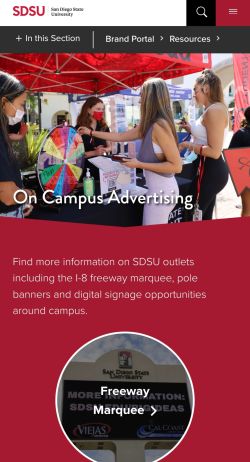
Example: San Diego State University (SDSU) employs a range of on-campus media to reach students: from digital signage screens in student centers to pole banners along walkways, and even a large marquee visible from a nearby freeway, all broadcasting campus events and messages
By strategically placing dynamic content in high-traffic areas, SDSU ensures students are constantly aware of upcoming activities and campus news.
Setting up a table in the student center or quad is a direct way to interact with students. Staff it with friendly student volunteers or staff, and have a clear call-to-action: whether it’s to promote a new program, a survey, or an event. Freebies (swag like T-shirts, stickers, snacks) are a timeless tactic; students love free stuff, and a branded item keeps your college or event in mind later. This face-to-face engagement can complement your online ads for colleges by giving a personal touch.
3. Campus Media Channels
Student-run newspapers, newsletters, and radio stations offer trusted, student-authored spaces to advertise. Sponsoring a segment or placing a well-designed ad in a campus magazine ensures your message lands where students are already tuned in.
4. Residence & Academic Buildings
Bring advertising into the spaces students frequent daily. Many residence halls allow posting on community boards or digital displays in lobbies. Similarly, academic buildings often have screens or boards for department-related notices; work with different departments to promote relevant opportunities (like a speaker event hosted by the business school should be advertised in the business building). Tailoring your message to the location can increase its relevance
5. Guerrilla Campaigns
Some of the most memorable campaign examples for students have been unconventional. Think flash mobs, chalk art on sidewalks, or pop-up experiences. A college could organize a quick flash mob dance in the dining hall to draw attention to an upcoming cultural festival, for example. Or use sidewalk chalk to create a path of clues leading to a secret prize location as part of a scavenger hunt campaign.
These fun stunts naturally get students talking (and posting on social media) because they break the monotony of campus life. Just be sure to get any necessary permissions from campus authorities beforehand.
When done right, on-campus efforts amplify your digital campaigns. If, for instance, a student sees a poster in the dorm, gets a text reminder, and then spots a student-led story on Instagram, it all clicks. That kind of message reinforcement is what turns curiosity into action.
How to Advertise Events to College Students
Promoting student events, whether it’s a club meeting or a major campus concert, requires clear, timely outreach across multiple channels. The goal isn’t just awareness; it’s attendance.
A pertinent question for education administrators then is: How can I market to 18 – 24-year-olds effectively? Utilize mobile-first, interactive, and values-aligned content. Focus on authenticity, relevance, and peer-driven engagement. Short-form video and tailored messaging yield the highest response.
Here’s how to get students to show up and spread the word.
1. Use a Multi-Channel Strategy
Start with a Facebook or event page, then promote it on Instagram, TikTok, Twitter, and email. Post countdown teasers, behind-the-scenes clips, and physical flyers across campus at least 1–2 weeks in advance. Repetition across platforms helps the message stick.
2. Lead with a Strong Hook
What makes the event worth attending? Free food? A headline performer? Networking opportunities? Whatever it is, make that the focal point on posters, email subject lines, and social captions. Students need a clear reason to care.
3. Tap Into Peer Networks
Encourage club members and student leaders to promote the event on their socials. Authentic, peer-shared content builds trust. Add a campaign hashtag and invite early adopters to post excitement-building previews like setup photos or teaser videos.
4. Leverage Campus Infrastructure
Ask professors to announce the event in relevant classes. Use the school’s app, email newsletter, events calendar, and even push notifications if available. A well-placed promo video from a student government leader can go a long way.
5. Simplify Signups
Use one-click links, QR codes on posters, and RSVP buttons that send reminders. Don’t make students dig for info; friction lowers turnout. Keep access to details and registration as effortless as possible.
On the day of the event, keep the buzz going. Add a selfie booth or branded hashtag display to encourage attendees to share their experience. When others see the fun they missed, they’ll be more inclined to show up next time. The right event marketing doesn’t just boost attendance, it builds momentum.
Creative Campaign Ideas to Spark Student Engagement in 2025
The best campaigns tap into real student life, encourage participation, and reflect your campus culture. Here are five proven and adaptable campaign ideas to consider:
1. ‘Day in the Life’ Video Series
Feature different students taking over your social channels, athletes, international students, first-years, to show authentic campus life. Promote each one in advance, save them to highlights, and repurpose the content for YouTube or digital signage. It’s both engaging and a valuable tool for prospective students.
2. Hashtag Challenge
Launch a branded hashtag (e.g., #MyCampusStory or #[Mascot]Pride) and invite students to post around a fun theme like favourite study spots or campus traditions. Offer prizes, reshare standout entries, and build a content library that feels both organic and community-driven.
3. Scavenger Hunt Campaign
Blend physical and digital by hiding QR codes or clues across campus during orientation or homecoming. Ask students to share their progress on social media using your hashtag. Offer swag for completion and a grand prize for added excitement, great for both visibility and participation.
4. Student Spotlight Series
Celebrate students with weekly features, short videos, or graphics showcasing their achievements, hobbies, or contributions to campus life. Share these across platforms to boost morale internally and show prospective students the real impact of your community.
In a nutshell, what’s the best way to promote events to college students? Use a multi-channel approach, emphasize the event’s value, and simplify registration. Build excitement through social proof, timely reminders, and on-site digital engagement strategies.
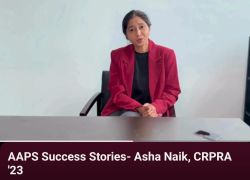
Example: The Academy of Applied Pharmaceutical Sciences (AAPS) in Toronto leverages student voices on social media by regularly sharing student and alumni success stories. This allows prospective students to envision themselves achieving similar goals, essentially seeing “people like me” thriving at the school.
Host timely, student-friendly events like a “Puppy Zone” during finals or a “Throwback Thursday” music party in the quad. Pair each with a livestream and pre-event polls or trivia to boost anticipation and extend reach to virtual audiences.
Keep it student-led, authentic, and relevant. Bring students into the planning process, they know what’s trending and what will spark interest. These ideas promote as well as create memorable experiences that students want to share.
Best Practices for Student Advertising
To ensure your marketing is both effective and respectful, consider these key principles:
Prioritize authenticity: Use real student voices and visuals. Avoid overpromising or overly polished messaging.
Optimize for mobile: Assume your content will be viewed on smartphones. Use vertical video, fast-loading pages, and concise layouts.
Maintain consistency: Align visual identity and messaging across platforms to reinforce recognition.
Respect timing: Be mindful of academic calendars and daily student rhythms. Avoid campaign launches during exam periods.
Gather feedback: Use polls or post-event surveys to measure effectiveness and refine future campaigns.
Adhere to campus policies: Ensure you comply with posting rules, privacy regulations, and student consent protocols.
Do you want to master the nuances of marketing to college students?
Contact Higher Education Marketing for more information.
Twitter: Reaching college students today requires more than visibility; it demands relevance. Learn how modern higher ed marketing leverages short-form video, student influencers, and personalized campaigns to make a lasting impact.
Facebook: Higher education advertising is evolving. Discover how to engage Gen Z through integrated campaigns that reflect their values, prioritize authenticity, and foster connection, both online and on campus.
LinkedIn: From social media to digital signage, today’s institutions are reimagining how to connect with students. Explore the most effective strategies for student-centred marketing in 2025.
Frequently Asked Questions
Question: Where can I advertise to college students?
Answer: Effective channels include social media platforms (Instagram, TikTok, YouTube, Snapchat), on-campus signage, email and SMS campaigns, and peer networks such as student clubs and organizations.
Question: How can I market to 18 – 24-year-olds effectively?
Answer: Utilize mobile-first, interactive, and values-aligned content. Focus on authenticity, relevance, and peer-driven engagement. Short-form video and tailored messaging yield the highest response.
Question: What’s the best way to promote events to college students?
Answer: Use a multi-channel approach, emphasize the event’s value, and simplify registration. Build excitement through social proof, timely reminders, and on-site digital engagement strategies.
Is something in the water—or, more appropriately, in the algorithm? Cheating—while nothing new, even in the age of generative artificial intelligence—seems to be having a moment, from the New York magazine article about “everyone” ChatGPTing their way through college to Columbia University suspending a student who created an AI tool to cheat on “everything” and viral faculty social media posts like this one: “I just failed a student for submitting an AI-written research paper, and she sent me an obviously AI-written email apologizing, asking if there is anything she can do to improve her grade. We are through the looking-glass, folks.”
It’s impossible to get a true read on the situation by virality alone, as the zeitgeist is self-amplifying. Case in point: The suspended Columbia student, Chungin “Roy” Lee is a main character in the New York magazine piece. Student self-reports of AI use may also be unreliable: According to Educause’s recent Students and Technology Report, some 43 percent of students surveyed said they do not use AI in their coursework; 5 percent said they use AI to generate material that they edit before submitting, and just 1 percent said they submit generated material without editing it.
There are certainly students who do not use generative AI and students who question faculty use of AI—and myriad ways that students can use generative AI to support their learning and not cheat. But the student data paints a different picture than the one presidents, provosts, deans and other senior leaders did in a recent survey by the American Association of Colleges and Universities and Elon University: Some 59 percent said cheating has increased since generative AI tools have become widely available, with 21 percent noting a significant increase—and 54 percent do not think their institution’s faculty are effective in recognizing generative Al–created content.
In Inside Higher Ed’s 2025 Survey of Campus Chief Technology/Information Officers, released earlier this month, no CTO said that generative AI has proven to be an extreme risk to academic integrity at their institution. But most—three in four—said that it has proven to be a moderate (59 percent) or significant (15 percent) risk. This is the first time the annual survey with Hanover Research asked how concerns about academic integrity have actually borne out: Last year, six in 10 CTOs expressed some degree of concern about the risk generative AI posed to academic integrity.
Stephen Cicirelli, the lecturer of English at Saint Peter’s University whose “looking glass” post was liked 156,000 times in 24 hours last week, told Inside Higher Ed that cheating has “definitely” gotten more pervasive within the last semester. But whether it’s suddenly gotten worse or has been steadily growing since large language models were introduced to the masses in late 2022, one thing is clear: AI-assisted cheating is a problem, and it won’t get better on its own.
So what can institutions do about it? Drawing on some additional insights from the CTO survey and advice from other experts, we’ve compiled a list of suggestions below. The expert insights, in particular, are varied. But a unifying theme is that cheating in the age of generative AI is as much a problem requiring intervention as it is a mirror—one reflecting larger challenges and opportunities within higher education.
(Note: AI detection tools did not make this particular list. Even though they have fans among the faculty, who tend to point out that some tools are more accurate than others, such tools remainpolarizing and not entirely foolproof. Similarly, banning generative AI in the classroom did not make the list, though this may still be a widespread practice: 52 percent of students in the Educause survey said that most or all of their instructors prohibit the use of AI.)
Academic Integrity for Students
The American Association of Colleges and Universities and Elon University this month released the 2025 Student Guide to Artificial Intelligence under a Creative Commons license. The guide covers AI ethics, academic integrity and AI, career plans for the AI age, and an AI toolbox. It encourages students to use AI responsibly, critically assess its influence and join conversations about its future. The guide’s seven core principles are:
Know and follow your college’s rules
Learn about AI
Do the right thing
Think beyond your major
Commit to lifelong learning
Prioritize privacy and security
Cultivate your human abilities
Connie Ledoux Book, president of Elon, told Inside Higher Ed that the university sought to make ethics a central part of the student guide, with campus AI integration discussions revealing student support for “open and transparent dialogue about the use of AI.” Students “also bear a great deal of responsibility,” she said. They “told us they don’t like it when their peers use AI to gain unfair advantages on assignments. They want faculty to be crystal clear in their syllabi about when and how AI tools can be used.”
Now is a “defining moment for higher education leadership—not only to respond to AI, but to shape a future where academic integrity and technological innovation go hand in hand,” Book added. “Institutions must lead with clarity, consistency and care to prepare students for a world where ethical AI use is a professional expectation, not just a classroom rule.”
Mirror Logic
Lead from the top on AI. In Inside Higher Ed’s recent survey, just 11 percent of CTOs said their institution has a comprehensive AI strategy, and roughlyone in three CTOs (35 percent) at least somewhat agreed that their institution is handling the rise of AI adeptly. The sample size for the survey is 108 CTOs—relatively small—but those who said their institution is handling the rise of AI adeptly were more likely than the group over all to say that senior leaders at their institution are engaged in AI discussions and that effective channels exist between IT and academic affairs for communication on AI policy and other issues (both 92 percent).
Additionally, CTOs who said that generative AI had proven to be a low to nonexistent risk to academic integrity were more likely to report having some kind of institutionwide policy or policies governing the use of AI than were CTOs who reported a moderate or significant risk (81 percent versus 64 percent, respectively). Leading on AI can mean granting students institutional access to AI tools, the rollout of which often includes larger AI literacy efforts.
(Re)define cheating. Lee Rainie, director of the Imagining the Digital Future Center at Elon, said, “The first thing to tackle is the very definition of cheating itself. What constitutes legitimate use of AI and what is out of bounds?” In the AAC&U and Elon survey that Rainie co-led, for example, “there was strong evidence that the definitional issues are not entirely resolved,” even among top academic administrators. Leaders didn’t always agree whether hypothetical scenarios described appropriate uses of AI or not: For one example—in which a student used AI to generate a detailed outline for a paper and then used the outline to write the paper—“the verdict was completely split,”Rainie said. Clearly, it’s “a perfect recipe for confusion and miscommunication.”
Rainie’s additional action items, with implications for all areas of the institution:
Create clear guidelines for appropriate and inappropriate use of AI throughout the university.
Include in the academic code of conduct a “broad statement about the institution’s general position on AI and its place in teaching and learning,” allowing for a “spectrum” of faculty positions on AI.
Promote faculty and student clarity as to the “rules of the road in assignments.”
Establish “protocols of proof” that students can use to demonstrate they did the work.
Rainie suggested that CTOs, in particular, might be useful regarding this last point, as such proof could include watermarking content, creating NFTs and more.
Put it in the syllabus! (And in the institutional DNA.) Melik Khoury, president and CEO of Unity Environmental University in Maine, who’s publicly shared his thoughts on “leadership in an intelligent era of AI,” including how he uses generative AI, told Inside Higher Ed that “AI is not cheating. What is cheating is our unwillingness to rethink outdated assessment models while expecting students to operate in a completely transformed world. We are just beginning to tackle that ourselves, and it will take time. But at least we are starting from a position of ‘We need to adapt as an institution,’ and we are hiring learning designers to help our subject matter experts adapt to the future of learning.”
As for students, Khoury said the university has been explicit “about what AI is capable of and what it doesn’t do as well or as reliably” and encourages them to recognize their “agency and responsibility.” Here’s an excerpt of language that Khoury said appears in every course syllabus:
“You are accountable for ensuring the accuracy of factual statements and citations produced by generative AI. Therefore, you should review and verify all such information prior to submitting any assignment.
“Remember that many assignments require you to use in-text citations to acknowledge the origin of ideas. It is your responsibility to include these citations and to verify their source and appropriateness.
“You are accountable for ensuring that all work submitted is free from plagiarism, including content generated with AI assistance.
“Do not list generative AI as a co-author of your work. You alone are responsible.”
Additional policy language recommends that students:
Acknowledge use of generative AI for course submissions.
Disclose the full extent of how and where they used generative AI in the assignment.
Retain a complete transcript of generative AI usage (including source and date stamp).
“We assume that students will use AI. We suggest constructive ways they might use it for certain tasks,” Khoury said. “But, significantly, we design tasks that cannot be satisfactorily completed without student engagement beyond producing a response or [just] finding the right answer—something that AI can do for them very easily.”
In tandem with a larger cultural shift around our ideas about education, we need major changes to the way we do college.”
—Emily Pitts Donahoe, associate director of instructional support in the Center for Excellence in Teaching and Learning and lecturer of writing and rhetoric at the University of Mississippi
Design courses with and for AI. Keith Quesenberry, professor of marketing at Messiah University in Pennsylvania, said he thinks less about cheating, which can create an “adversarial me-versus-them dynamic,” and more about pedagogy. This has meant wrestling with a common criticism of higher education—that it’s not preparing students for the world of work in the age of AI—and the reality that no one’s quite sure what that future will look like. Quesenberry said he ended up spending all of last summer trying to figure out how “a marketer should and shouldn’t use AI,” creating and testing frameworks, ultimately vetting his own courses’ assignments: “I added detailed instructions for how and how not to use AI specifically for that assignment’s tasks or requirements. I also explain why, such as considering whether marketing materials can be copyrighted for your company or client. I give them guidance on how to cite their AI use.” He also created a specialized chat bot to which students can upload approved resources to act as an AI tutor.
Quesenberry also talks to students about learning with AI “from the perspective of obtaining a job.” That is, students need a foundation of disciplinary knowledge on which to create AI prompts and judge output. And they can’t rely on generative AI to speak or think for them during interviews, networking and with clients.
There are “a lot of professors quietly working very hard to integrate AI into their courses and programs that benefit their disciplines and students,” he adds. One thing that would help them, in Quesenberry’s view? Faculty institutional access to the most advanced AI tools.
Give faculty time and training. Tricia Bertram Gallant, director of the academic integrity office and Triton Testing Center at the University of California, San Diego, and co-author of the new book The Opposite of Cheating: Teaching for Integrity in the Age of AI (University of Oklahoma Press), said that cheating part of human nature—and that faculty need time, training and support to “design educational environments that make cheating the exception and integrity the norm” in this new era of generative AI.
Faculty “cannot be expected to rebuild the plane while flying it,” she said. “They need course release time to redesign that same course, or they need a summer stipend. They also need the help of those trained in pedagogy, assessment design and instructional design, as most faculty did not receive that training while completing their Ph.D.s.” Gallant also floated the idea of AI fellows, or disciplinary faculty peers who are trained on how to use generative AI in the classroom and then to “share, coach and mentor their peers.”
Students, meanwhile, need training in AI literacy, “which includes how to determine if they’re using it ethically or unethically. Students are confused, and they’re also facing immense temptations and opportunities to cognitively offload to these tools,” Gallant added.
Teach first-year students about AI literacy. Chris Ostro, an assistant teaching professor and instructional designer focused on AI at the University of Colorado at Boulder, offers professional development on his “mosaic approach” to writing in the classroom—which includes having students sign a standardized disclosure form about how and where they’ve used AI in their assignments. He told Inside Higher Ed that he’s redesigned his own first-year writing course to address AI literacy, but he is concerned about students across higher education who may never get such explicit instruction. For that reason, he thinks there should be mandatory first-year classes for all students about AI and ethics. “This could also serve as a level-setting opportunity,” he said, referring to “tech gaps,” or the effects of the larger digital divide on incoming students.
Regarding student readiness, Ostro also said that most of the “unethical” AI use by students is “a form of self-treatment for the huge and pervasive learning deficits many students have from the pandemic.” One student he recently flagged for possible cheating, for example, had largely written an essay on her own but then ran it through a large language model, prompting it to make the paper more polished. This kind of use arguably reflects some students’ lack of confidence in their writing skills, not an outright desire to offload the difficult and necessary work of writing to think critically.
Think about grading (and why students cheat in the first place). Emily Pitts Donahoe, associate director of instructional support in the Center for Excellence in Teaching and Learning and lecturer of writing and rhetoric at the University of Mississippi, co-wrote an essay two years ago with two students about why students cheat. They said much of it came down to an overemphasis on grades: “Students are more likely to engage in academic dishonesty when their focus, or the perceived focus of the class, is on grading.” The piece proposed the following solutions, inspired by the larger trend of ungrading:
Allow students to reattempt or revise their work.
Refocus on formative feedback to improve rather than summative feedback to evaluate.
Incorporate self-assessment.
Donahoe said last week, “I stand by every claim that we make in the 2023 piece—and it all feels heightened two years later.” The problems with AI misuse “have become more acute, and between this and the larger sociopolitical climate, instructors are reaching unsustainable levels of burnout. The actions we recommend at the end of the piece remain good starting points, but they are by no means solutions to the big, complex problem we’re facing.”
Framing cheating as a structural issue, Donahoe said students have been “conditioned to see education as a transaction, a series of tokens to be exchanged for a credential, which can then be exchanged for a high-paying job—in an economy where such jobs are harder and harder to come by.” And it’s hard to fault students for that view, she continued, as they receive little messaging to the contrary.
Like the problem, the solution set is structural, Donahoe explained: “In tandem with a larger cultural shift around our ideas about education, we need major changes to the way we do college. Smaller class sizes in which students and teachers can form real relationships; more time, training and support for instructors; fundamental changes to how we grade and how we think about grades; more public funding for education so that we can make these things happen.”
With none of this apparently forthcoming, faculty can at least help reorient students’ ideas about school andtry to “harness their motivation to learn.”