Tag: Toxic

  • Are you storing toxic waste in your home or car?

    Are you storing toxic waste in your home or car?

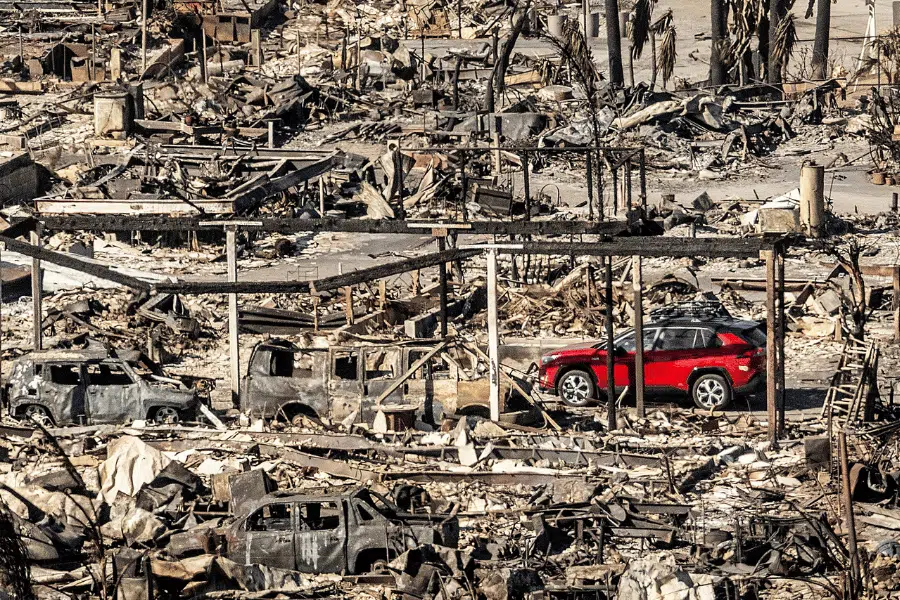
    Los Angeles, California has one of the largest economies in the world. It also has the largest concentration of electric vehicles in the United States. Los Angeles is my hometown and the same place where recent wildfires burned whole neighborhoods to the ground.

    With the fires came the destruction of thousands of lithium-ion batteries in cars, electronics and kitchen appliances.

    The fires started on 7 January 2025, and ended 24 days later. In October of 2025, police arrested a man from the state of Florida for starting the fire, but it was the near perfect environmental conditions that caused the fires to grow fast and move quickly. These fires are thought to have caused an estimated economic loss of between $28 billion and $53.8 billion, and have destroyed upwards of 16,000 structures.

    The fires wreaked havoc on my local community for an entire month. Just miles from my house, I witnessed the destruction these fires caused. Entire residential street blocks lined not with houses, but with rubble. I saw people milling about in front of houses, and I watched one woman stare with a stone-cold look on her face at the remains of a house burned to ashes.

    My family and many others were lucky we were far enough from the fires that we didn’t suffer any loss. Still, even those who didn’t lose their homes suffered from poor air quality.

    “Our business was down 75% immediately after the fires,” said Leila Jersualem, a local business owner. “Because soccer is an outdoor activity, air quality was a frequent concern voiced by our families.”

    Chemicals complicate cleanup.

    The fires also caused the release of many chemicals into the air. One of the most dangerous chemical transmitters, it turns out, are lithium-ion batteries that release toxic gases when burned and can explode when lit on fire.

    Due to this, the U.S. Environmental Protection Agency (EPA) had to safely remove more than a thousand burnt lithium-ion batteries from homes and vehicles, among other places.

    A schoolmate I interviewed at the time lived in the Pacific Palisades area. He told me he couldn’t enter his house due to toxic chemical residue from these destroyed batteries and other substances. He also didn’t think he’d ever move back in because of the dangers from these chemicals, which find their way onto household items and surfaces. Months later, he has still not moved back in.

    Cleanup from the Los Angeles fires has become an arduous task. Chris Myers, a lithium-ion battery tech specialist for the EPA, told reporter Erin Stone in nonprofit news site LAist that to clean up the batteries special teams collect them in sealed containers and take them to places where they can be discharged into a saltwater brine solution that extracts any remaining energy.

    The batteries are then crushed, and sent to a recycler who salvages critical minerals.

    The dangers from batteries are global.

    Myers told Stone that the heat from fires can cause a “thermal runaway” — the heat gets so intense that it causes a chemical reaction that creates more heat. When this happens, the batteries can emit toxic chemicals harmful to people in the area, and the chemicals, such as hydrogen chloride and hydrogen cyanide, can cause problems in the respiratory system.

    If a lithium-ion battery catches on fire, anyone within 25 meters has to evacuate and move out of the danger zone.

    Around the world, there were many incidents regarding the safety of lithium-ion batteries. In New York City, lithium-ion batteries were the leading cause of fire-related deaths in 2024. Additionally, lithium-ion batteries make up half of all garbage truck-related fires around the United States.

    One of the largest lithium battery storage and power plants caught on fire in Northern California in January 2025. The nonprofit news site Politico found that, in France, the number of fires at waste facilities caused by lithium batteries in common household items doubled between 2019 and 2023. In South Korea, more than 22 people were killed from a lithium battery explosion in a factory south of Seoul in June 2024.

    There are other problems with lithium ion batters. Conditions at lithium mines have raised some ethical questions, for example. In the U.S. state of Nevada, new lithium mines permitted by the Trump administration are preventing indigenous people from accessing sacred cultural areas, and raising fears of harm to drinking water and overall health of the local people.

    Do the benefits outweigh the danger?

    With all this danger, why are the batteries so prevalent in our homes? It is difficult to deny how useful they’ve been in humanity’s quest for clean energy.

    When comparing lithium-ion batteries to the internal combustion engine, we can see that over a car’s entire lifetime, ones with lithium-ion batteries will contribute less of a carbon footprint.

    It’s not far off to say that lithium-ion batteries have renovated our modern world.

    But even though there are many positives to using lithium-ion batteries, such as renewable energy, they’re only a small part of the actual solution and there are some alternatives.

    Vanadium flow batteries and sodium-ion batteries, for example, are considered viable alternatives to lithium-ion batteries. Sodium-ion batteries are faster to charge, and have a longer lifespan than lithium-ion batteries.

    Weighing alternatives

    The vanadium flow battery doesn’t decay and can contain the same level of recharge throughout the entire batteries’ lifetime. Also, unlike lithium batteries, vanadium flow batteries are non-flammable, making them much safer, especially in the event of fire.

    However, like lithium-ion batteries, they take significant resources to make, and their environmental and social impacts are high.

    When buying a car, getting a battery-powered car may be better for the environment, but consumers should be aware of the dangerous impacts of lithium-ion batteries.

    The effects of these batteries are felt everywhere, some good and some bad. The implications of them in the Los Angeles fires, however, raise questions on how safe they are to people and the environment.

    Further advancement of other parts of the climate solution must take place soon if we want to make a big impact in safer renewable energy.


    Questions to consider:

    1. What makes lithium-ion batteries dangerous?

    2. What alternatives to lithium-ion batteries are there for electric cars?

    3. What products do you use in your home that might contain a lithium-ion battery?
    Source link

  • 15 Toxic Things Parents Say to their Children (2024)

    15 Toxic Things Parents Say to their Children (2024)

    Parents play a crucial role in shaping their children’s self-esteem and emotional well-being. However, certain words and behaviors can unintentionally cause harm, leading to long-lasting emotional damage.

    Toxic remarks or actions, whether intentional or not, can make children feel unworthy, insecure, or neglected.

    In this article, we’ll explore specific examples of harmful things parents might say or do and how these behaviors can negatively impact a child’s development.

    Toxic Things Parents Say to their Children

    1. Dismissing Accomplishments

    Example: “Oh, you got a B? That’s not impressive, anyone can do that.”

    Explanation: Dismissing a child’s achievements, no matter how small, invalidates their efforts and can make them feel like nothing they do is ever good enough. This constant dismissal leads to a lack of motivation and self-confidence, as the child internalizes that their hard work or success will never be acknowledged or appreciated by those they seek validation from the most.

    2. Playing Favorites

    Example: “Your sister is my favorite because she never gives me trouble like you do.”

    Explanation: Playing favorites creates rivalry and animosity between siblings and fosters resentment in the child who feels less loved. This favoritism can lead to long-lasting emotional scars, causing the unfavored child to constantly seek approval or attention in unhealthy ways. It erodes trust and connection in the parent-child relationship, as the child feels unworthy of their parent’s affection.

    3. Undermining Confidence

    Example: “You’ll never be able to do that. Why even try?”

    Explanation: Telling a child they aren’t capable of something kills their confidence and discourages them from trying new things. This type of remark plants seeds of self-doubt, making the child feel incompetent or inferior. Over time, the child may start to believe that they aren’t capable of success, leading to low self-esteem and a fear of failure.

    4. Public Shaming

    Example: “Why can’t you act right? You’re embarrassing me in front of everyone!”

    Explanation: Publicly shaming a child humiliates them and damages their sense of self-worth. It turns the focus from correcting behavior to making the child feel ashamed of who they are, especially when it happens in front of others. This approach not only harms their self-esteem but also teaches them that mistakes are something to hide, rather than opportunities to learn and grow.

    5. Threatening Abandonment

    Example: “If you don’t behave, I’ll just leave you here.”

    Explanation: Threatening to abandon a child, even in jest, can create deep fears of abandonment and insecurity. It undermines the child’s trust in their parents and can cause long-lasting emotional trauma. Children rely on their parents for safety and security, and threatening to remove that support can lead to anxiety and a fear of being unloved or unwanted.

    6. Silent Treatment

    Example: Ignoring the child for days after they’ve done something wrong.

    Explanation: The silent treatment is a form of emotional manipulation and punishment that isolates the child, leaving them to feel abandoned and confused. Instead of resolving conflict in a healthy way, this behavior teaches the child that love and attention are conditional. It can create anxiety, a fear of confrontation, and a deep sense of insecurity in their relationship with their parents.

    7. Critiquing everyday Actions

    Example: “Why are you always so lazy? Don’t you care about anything?”

    Explanation: This type of question is designed to provoke shame rather than address the behavior. It paints the child as inherently flawed instead of focusing on the specific issue. This can lead to feelings of guilt, frustration, and confusion about their identity, as the child is made to feel their actions are linked to their worth as a person.

    8. Commenting Negatively about Their Appearance

    Example: “You’d be so much prettier if you lost some weight.”

    Explanation: Comments like this damage a child’s self-esteem and body image, making them feel inadequate. Constant criticism of appearance can lead to long-term issues like body dysmorphia, eating disorders, and self-worth problems. Children begin to internalize that their value is tied to their looks, rather than who they are.

    9. Unhealthy Comparisons

    Example: “Why can’t you be more like your brother? He always gets good grades.”

    Explanation: Comparing a child to a sibling or peer can cause resentment, insecurity, and a constant feeling of inadequacy. This type of remark fosters competition rather than support, leaving the child feeling that no matter what they do, they will never measure up. Over time, it can damage self-esteem and create unnecessary tension within the family dynamic.

    10. Overreacting to Mistakes

    Example: “I can’t believe you did that! You’ve ruined everything!”

    Explanation: Overreacting to a child’s mistake makes them feel like their errors define them and are unforgivable. This kind of extreme response can cause the child to fear failure or mistakes, leading them to become overly cautious or anxious. It also discourages them from taking risks or trying new things, as they begin to associate making mistakes with extreme disappointment and anger from their parents.

    11. Empty Promises

    Example: “I’ll take you to the park this weekend, I promise,” but it never happens.

    Explanation: When parents repeatedly make promises they don’t keep, it breaks trust and makes the child feel unimportant. This can lead to disillusionment, where the child stops believing in what their parent says. Over time, the child might become less emotionally attached or stop relying on the parent, leading to feelings of betrayal and disappointment.

    12. Refusing to Apologize

    Example: “I’m the parent, I don’t have to say sorry to you.”

    Explanation: When parents refuse to apologize, they teach children that accountability and taking responsibility for mistakes is unnecessary, especially if you’re in a position of power. This can erode trust and respect between the parent and child, as the child may feel that their feelings are invalid. Apologizing models humility and empathy, and without it, children may grow up with a distorted view of conflict resolution and respect.

    13. Making Jokes at the Child’s Expense

    Example: “You’re such a klutz, no wonder you can’t do anything right.”

    Explanation: Joking at a child’s expense under the guise of humor can feel like betrayal, especially if the parent downplays their emotions by saying, “It’s just a joke.” These remarks hurt because they often highlight insecurities or flaws the child is already self-conscious about. Over time, this behavior can cause deep emotional wounds and lead the child to doubt their abilities, even when meant in a lighthearted way.

    14. Selfish Commentary

    Example: “I wish I never had kids. My life would’ve been so much better.”

    Explanation: This statement makes the child feel like an unwanted burden and deeply impacts their emotional security. When a parent expresses regret over having children, it communicates that the child is the root cause of their unhappiness. This can lead to feelings of rejection, unworthiness, and emotional neglect.

    15. Making the Child Feel Like a Burden

    Example: “You’re such a hassle. I can’t do anything because of you.”

    Explanation: Statements like this frame the child as an obstacle to their parent’s happiness or freedom. It fosters guilt and self-blame, making the child feel like they are in the way or a nuisance. Over time, this can erode their sense of belonging and make them believe they are undeserving of love and care.


    Chris

    Dr. Chris Drew is the founder of the Helpful Professor. He holds a PhD in education and has published over 20 articles in scholarly journals. He is the former editor of the Journal of Learning Development in Higher Education. [Image Descriptor: Photo of Chris]

    Source link